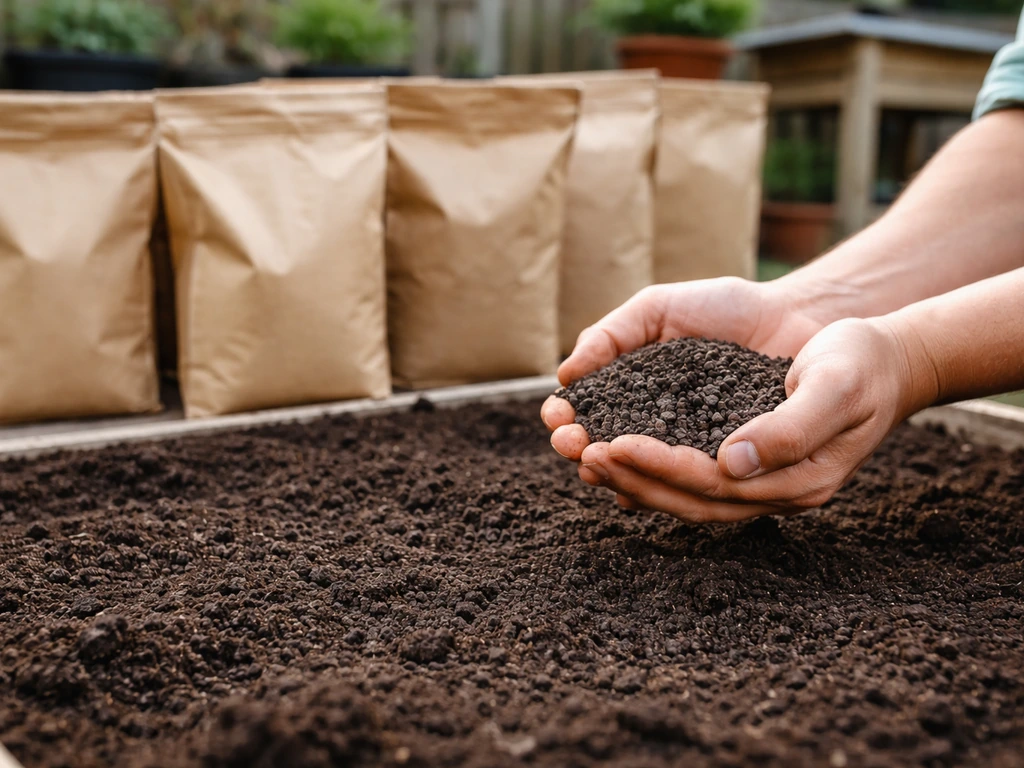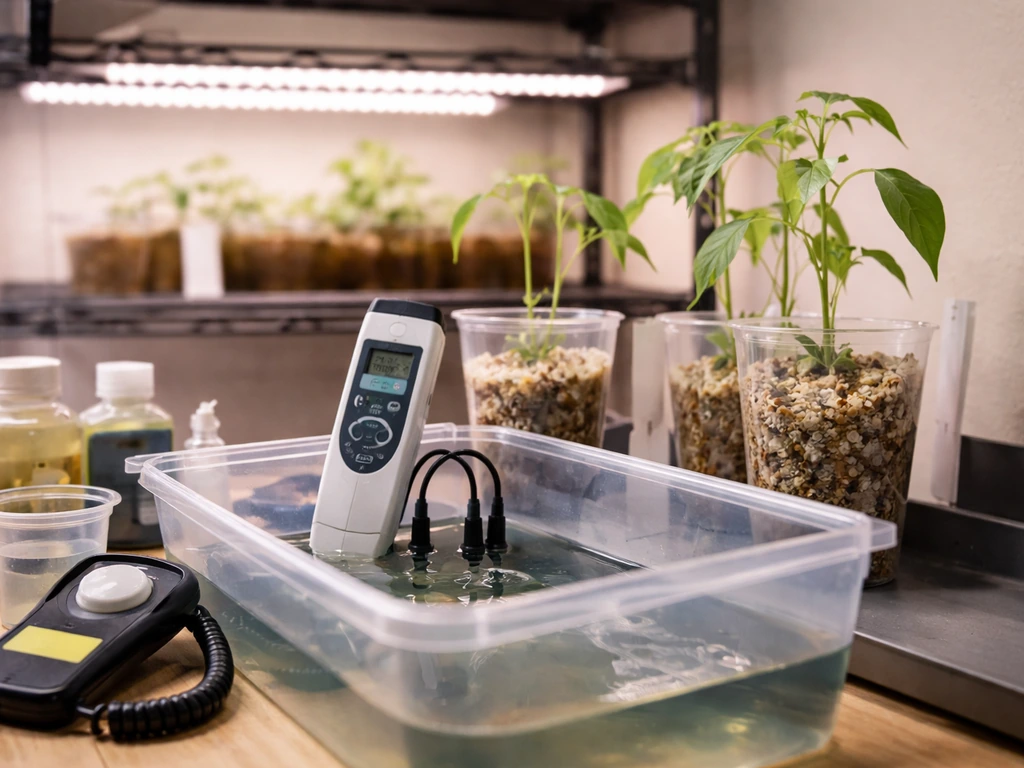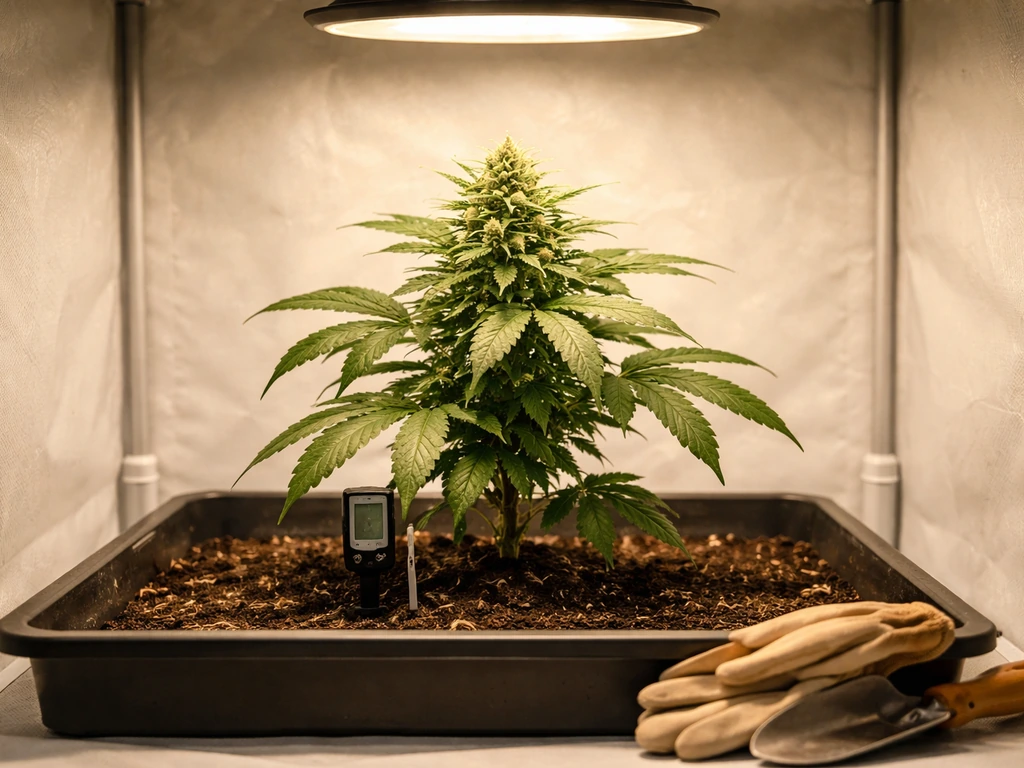
The best hydroponic grow medium for most home growers is either rockwool or coco coir, but that answer only holds if your system and plant goals match. If you're running a deep water culture (DWC) setup with net pots, clay pebbles (LECA) are often the smarter pick. If you're propagating clones or seedlings, rockwool cubes are nearly unbeatable. The honest answer is: there's no single universal winner, but there is a clear best choice once you know your system type, plant stage, and how much prep work you're willing to do. This guide walks you through all of it.
Best Hydroponics Grow Medium: Choose by System and Plant

Marcus Holloway
6 Apr 2026
How to choose the right medium for your setup and plant goals
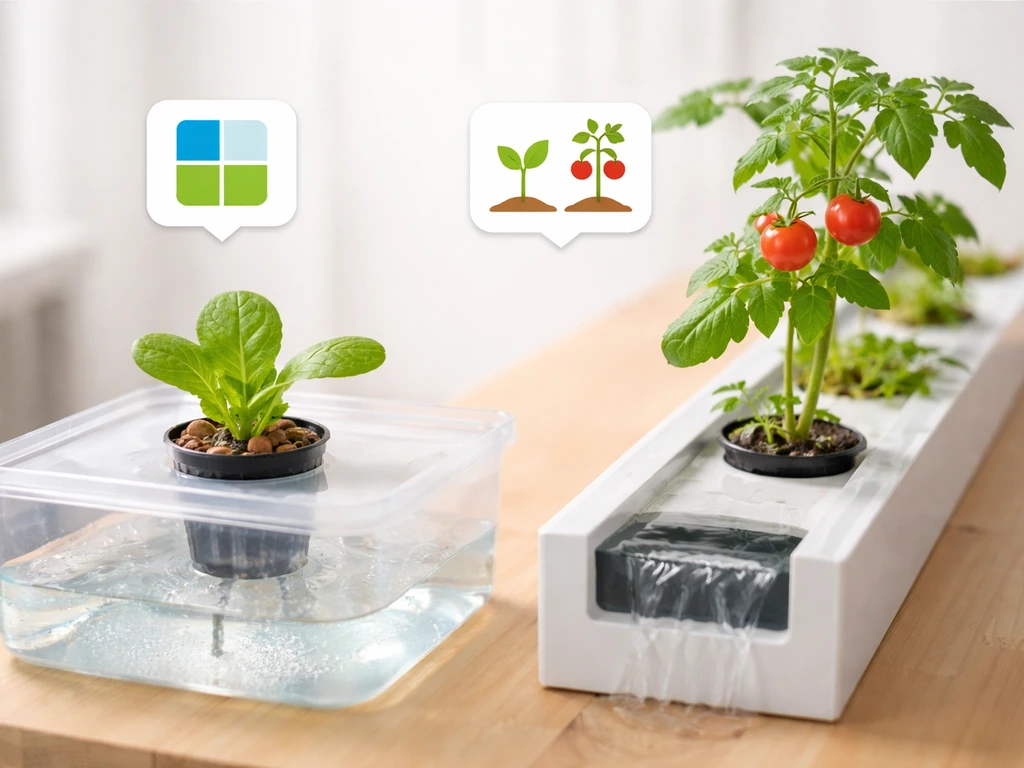
Start with two questions: What hydroponic system are you running, and what are you growing? Your system type determines how your medium needs to drain, retain moisture, and interact with your nutrient solution. Your plant type determines how much water retention versus oxygen you need at the root zone. A leafy green like lettuce wants consistent moisture and doesn't need a ton of root space. A fruiting tomato or pepper plant needs strong aeration and stability over a long growing cycle.
University of Florida IFAS research makes the point clearly: in hydroponics, nutrients are delivered as dissolved ions in water, and the medium's job is mostly structural. UF/IFAS EDIS EP623 explains that most hydroponics systems supply nutrients in ionic form mixed with water, and it links media characteristics to nutrient retention and availability along with pH and physical properties [nutrients are delivered as dissolved ions in water](https://edis. ifas. ufl.
edu/publication/EP623). It anchors roots and manages water-to-air ratios. That means pH stability, particle size, and drainage speed are more important than any 'nutrient value' the medium might advertise. Oklahoma State University Extension backs this up by noting that fine or excessively small particles cause excessive water retention and insufficient aeration, which is one of the most common reasons roots suffocate in beginner setups.
Once you understand that the medium is mainly a physical support structure, your choice becomes much more practical. If you want the best overall starting point, check out this broader look at the best grow medium options across both soil and hydroponic contexts, which can help you rule out options that don't fit your situation before you commit.
Side-by-side comparison: the main hydroponic media
Here's how the most common options stack up across the factors that actually matter in a real grow. Prices and availability shift, but these performance characteristics are consistent.
| Medium | Water Retention | Aeration | pH Stability | Reusable? | Mold/Algae Risk | Best For |
|---|---|---|---|---|---|---|
| Rockwool | High | Moderate | Needs buffering (pH ~5.5) | No (single use) | Moderate (stays wet) | Seedlings, clones, NFT, drip |
| Coco Coir | Moderate-High | Good | Stable after buffering | Yes (with sterilization) | Low-Moderate | Drip, ebb & flow, hand-watered |
| Clay Pebbles/LECA | Low | Excellent | Very stable (neutral) | Yes (wash + sterilize) | Low | DWC, ebb & flow, drip |
| Perlite | Low-Moderate | Excellent | Stable (neutral) | Limited (degrades) | Low | Drip, wick, mixed blends |
| Peat-Based Blends | High | Low-Moderate | Acidic (needs adjustment) | No | Higher risk | Seedling starts, wick systems |
| Grow Stones | Moderate | Good | Stable (neutral) | Yes | Low | Drip, ebb & flow |
| Foam/Phenolic Inserts | Moderate | Moderate | Neutral | No (single use) | Low | Seedlings, NFT starters |
Rockwool
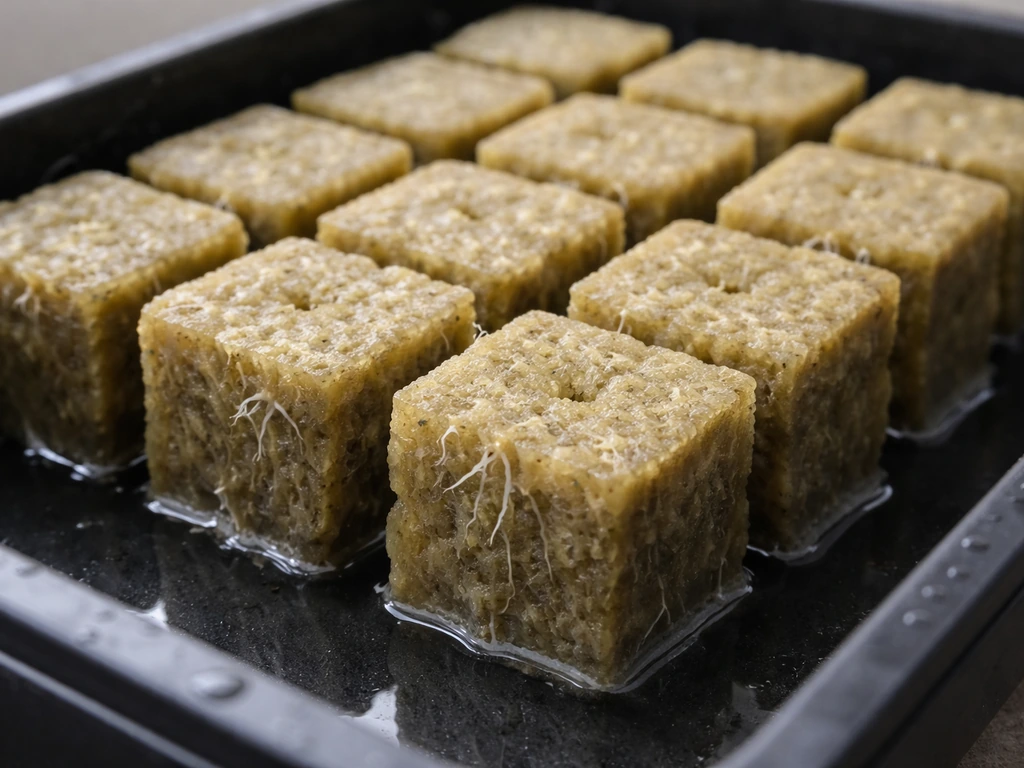
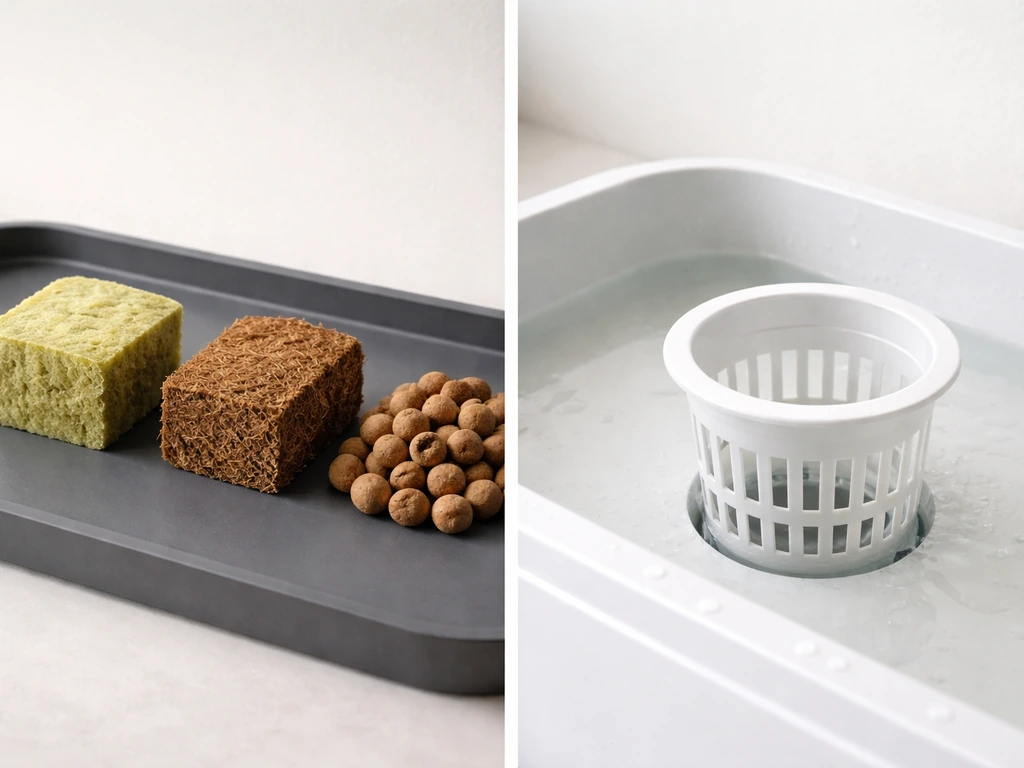
Rockwool (mineral wool) is spun from volcanic rock and holds a lot of water while still leaving some air pockets. UNH Extension also notes that hydroponic systems must supply oxygen to the root zone, often by dissolving air in water and, depending on the system, adding extra aeration [Rockwool is spun from volcanic rock and holds a lot of water while still leaving some air pockets. ](https://extension. unh.
edu/resource/hydroponics-home). It's the commercial greenhouse standard for propagation because it's consistent and sterile out of the bag. The downsides: it has a naturally high pH (around 7. 5 to 8.
0) and needs to be soaked in pH-adjusted water (target 5. 5) before use, and the fibers are an irritant, so gloves and a mask during handling are non-negotiable. Once used, it's not practically reusable and goes to landfill, which is a real environmental drawback.
Coco coir
Coco coir is shredded coconut husk, and it's one of the most popular hydroponic media right now for good reason. It has a naturally good air-to-water ratio, it's renewable, and it's reusable with proper cleaning. The catch is that raw coco has a strong cation exchange capacity (CEC), meaning it will grab calcium and magnesium from your nutrient solution and hold them, starving your plants. You need to buffer coco before first use by soaking it in a cal-mag solution.
If you skip that step, you'll see calcium deficiency symptoms within the first two weeks. For a deep look at sourcing and using this medium well, the guide on the best coco grow medium is worth reading before you buy.
Clay pebbles / LECA
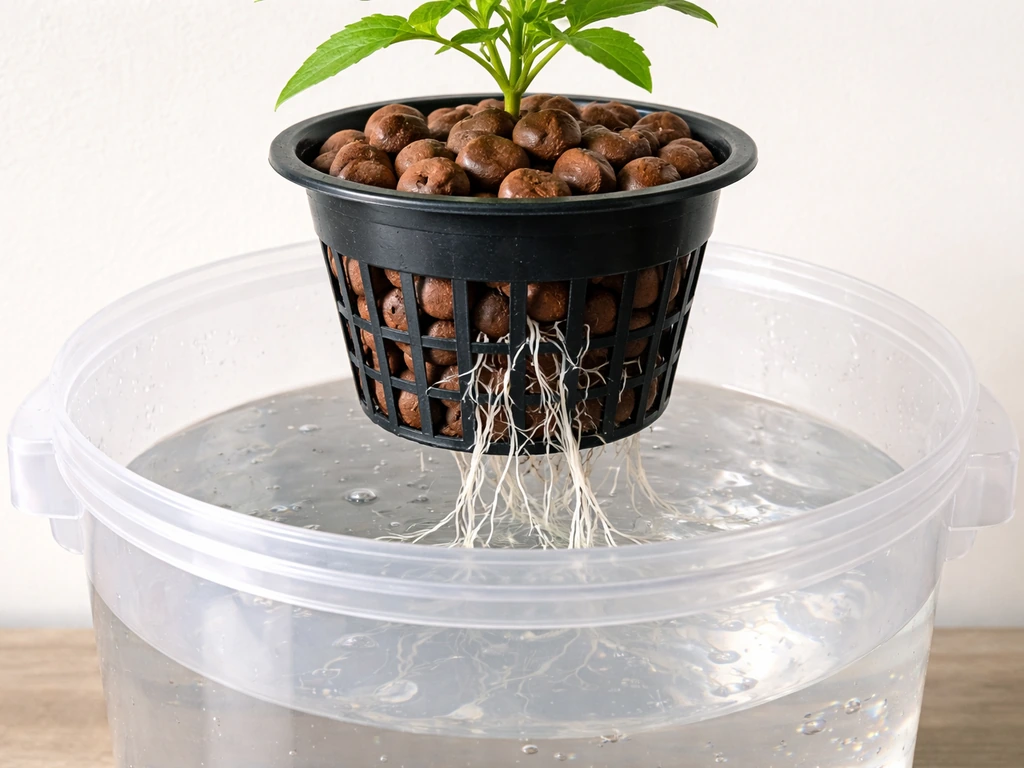
Lightweight expanded clay aggregate (LECA) are fired clay balls, usually 8 to 16mm in diameter. They drain fast, hold almost no water on their own, and provide exceptional oxygen to roots. That makes them the go-to for DWC and ebb and flow systems where the nutrient solution does the heavy lifting. They're fully reusable after a good rinse and sterilization. The main prep step is rinsing off clay dust before use, which can clog pumps and drip emitters badly if skipped.
Perlite
Perlite is expanded volcanic glass, and it excels at aeration. Purdue's hydroponics research specifically notes that particle size grade matters: coarse perlite (3 to 6mm) is ideal for hydroponic use, while fine grades are better for germination mixes. Oklahoma State University Extension flags an important limitation: perlite is lightweight enough to float, which creates problems in flood-based systems. It's best used as a component in a mixed medium or in top-drip systems where it stays put. On its own in a net pot, it can float away and expose roots during a flood cycle.
Peat-based blends
Peat is naturally acidic (pH 3.5 to 4.5) and holds water aggressively. In pure hydroponic systems, peat-based blends create more problems than they solve, mainly because they compact over time, restrict oxygen, and require significant pH adjustment. They can work in passive wick systems where slow moisture release is actually an asset, but they're not a first choice for active hydroponic setups. If you're transitioning from soil growing, peat feels familiar but will likely frustrate you in hydroponics.
Grow stones
Grow stones are made from recycled glass and have a porous surface that holds a bit more moisture than clay pebbles while still providing solid aeration. They're a decent middle-ground option for drip and ebb and flow systems, and they're reusable. They aren't as widely available as rockwool or coco, so sourcing can be inconsistent depending on where you live.
Foam and phenolic inserts
Small foam cubes or phenolic foam plugs are mainly used for starting seeds and cuttings before transplanting into a larger medium. They're neutral pH, hold a reasonable amount of moisture, and work well for the propagation stage in NFT or drip systems. They're not reusable and aren't designed to support a plant through its full life cycle on their own.
Best medium by hydroponic system type
Matching your medium to your system is where most beginners go wrong. Here's a direct recommendation for each major system type.
Deep water culture (DWC)
In DWC, roots hang directly into oxygenated nutrient solution, so the medium in the net pot is really just there to anchor the plant and support the upper stem. Clay pebbles are the obvious choice: they don't break down, drain instantly, and won't fall through net pot holes. You don't want water-retentive media here because roots are already sitting in solution. The expanded guide on the best grow medium for DWC covers net pot sizing, LECA amounts, and how to set up the initial soak so roots reach the solution before the plant stresses.
NFT (Nutrient Film Technique)
NFT channels carry a thin film of solution over bare roots. Plants typically start in rockwool cubes or foam plugs that sit in small net pots over the channel. The medium is just a propagation vehicle here. Once roots hit the film, the channel does the work. Rockwool cubes sized 1.5 to 4 inches are standard, and they don't need to be replaced between crops if you're transplanting young starts.
Ebb and flow / flood and drain
Ebb and flow systems flood the tray periodically and then drain. Your medium needs to retain some moisture between floods while draining well enough that roots don't sit waterlogged. Clay pebbles work well here. Coco coir also performs well in this system because its moderate retention keeps roots happy between cycles. Avoid perlite on its own because it floats. For system-specific details, the article on the best grow medium for flood and drain breaks down flood frequency recommendations based on medium choice. You can also find setup nuances in the dedicated guide on the best grow medium for ebb and flow, which covers tray depth and drainage timing.
Drip systems
Drip systems deliver nutrient solution directly to the medium through emitters on a timer. Coco coir is arguably the best performer here because it responds well to multiple daily irrigations, drains without waterlogging, and gives roots the oxygen they need between feeds. Rockwool slabs are also commonly used in commercial drip setups. Clay pebbles work but require more frequent drip cycles to stay moist enough.
Wick systems
Wick systems are passive, relying on capillary action to draw solution up into the medium. You need a medium that wicks efficiently, which means fine particle size and good moisture retention. Coco coir, perlite mixed with vermiculite, or peat blends are the better fits here. Clay pebbles are too coarse for effective wicking and won't work well in this system.
Performance factors that actually matter
Beyond the system match, here are the specific performance properties you should evaluate when picking a medium, especially if you're comparing products within a category.
- pH stability: Rockwool and peat-based media require the most correction before use. Clay pebbles, perlite, and grow stones are essentially pH-neutral and won't drift your solution. Coco coir lands in the middle, stable after buffering but problematic if used raw.
- Water retention vs. oxygen: These are inversely related. Media that hold more water leave less pore space for oxygen. Roots need both, so the right balance depends on your irrigation frequency. High-retention media like rockwool can work in systems that dry out between waterings. High-drainage media like LECA need more frequent solution contact.
- EC stability: Some media interact with your nutrient solution. Coco's CEC is the biggest example: it holds cations and can skew your actual EC at the root zone. Inert media like clay pebbles and perlite don't interact with nutrients and give you a truer reading.
- Rewetting behavior: Rockwool that dries out completely is notoriously hard to rewet. Dry rockwool repels water at first, which causes uneven moisture pockets. Coco coir rewets easily. Clay pebbles rewet instantly. This matters most if your timer or pump fails.
- Mold and algae risk: Any medium exposed to light while staying moist is a mold risk. Rockwool is particularly vulnerable because it holds moisture and its fibrous structure gives mold good footing. Clay pebbles and perlite are less prone. Covering your medium surface or using light-blocking pot covers helps across the board.
- Salt buildup: In recirculating systems, salts accumulate in your medium over time, especially in rockwool and coco. Flushing with plain pH-adjusted water every two to three weeks prevents lockout issues.
- Longevity and reusability: LECA and grow stones can be reused for multiple cycles with proper cleaning and sterilization (hydrogen peroxide rinse, then fresh water soak). Rockwool and foam are effectively single-use. Coco coir can be reused once with thorough flushing but degrades by the second cycle.
If you're growing indoors and want a comprehensive view of how these factors play out in a controlled environment, the article on the best indoor grow medium goes deeper on environmental controls like humidity and temperature that interact with medium performance.
Matching your medium to your plant type
Seedlings and clones
Young plants need consistent moisture and gentle support while roots develop. Rockwool starter cubes (1-inch or 1.5-inch) are the standard choice because they hold moisture well, stay sterile, and transplant cleanly into larger media or systems. Foam plugs are the other option, particularly useful in automated propagation trays. Both should be kept moist but not waterlogged, with humidity domes to reduce transpiration stress. Don't use heavy clay pebbles alone for propagation as they don't hold enough moisture for fragile young roots.
Leafy greens and herbs
Lettuce, basil, spinach, and similar crops have short cycles (typically 3 to 6 weeks) and shallow root systems. They thrive in high-moisture, stable environments. Rockwool slabs or coco coir in drip or NFT setups are ideal. The fast turnover means you'll go through medium more quickly, so reusability becomes a cost consideration. Clay pebbles in DWC or ebb and flow systems work well here too, especially if you're doing successive plantings.
Fruiting plants and longer cycles
Tomatoes, peppers, cucumbers, and similar crops run 10 to 20+ weeks and build extensive root systems. They need strong oxygenation, consistent drainage, and a medium that won't break down or compact mid-cycle. Coco coir in large containers with a drip system is excellent here. Clay pebbles in large net pots or buckets for DWC setups also work well. Avoid peat-based media for long fruiting cycles because compaction becomes a serious oxygen problem by week 8 or 10.
Rapid cycling vs. long cycle considerations
If you're cycling crops frequently (every 4 to 6 weeks), single-use media like rockwool become expensive and wasteful. In this case, reusable media like LECA pay for themselves quickly. If you're running one long crop per year, the premium on fresh rockwool or quality coco coir per cycle is more justifiable because you're getting optimal performance without the cleaning overhead.
Step-by-step: how to prep, hydrate, and start using your medium
Rockwool
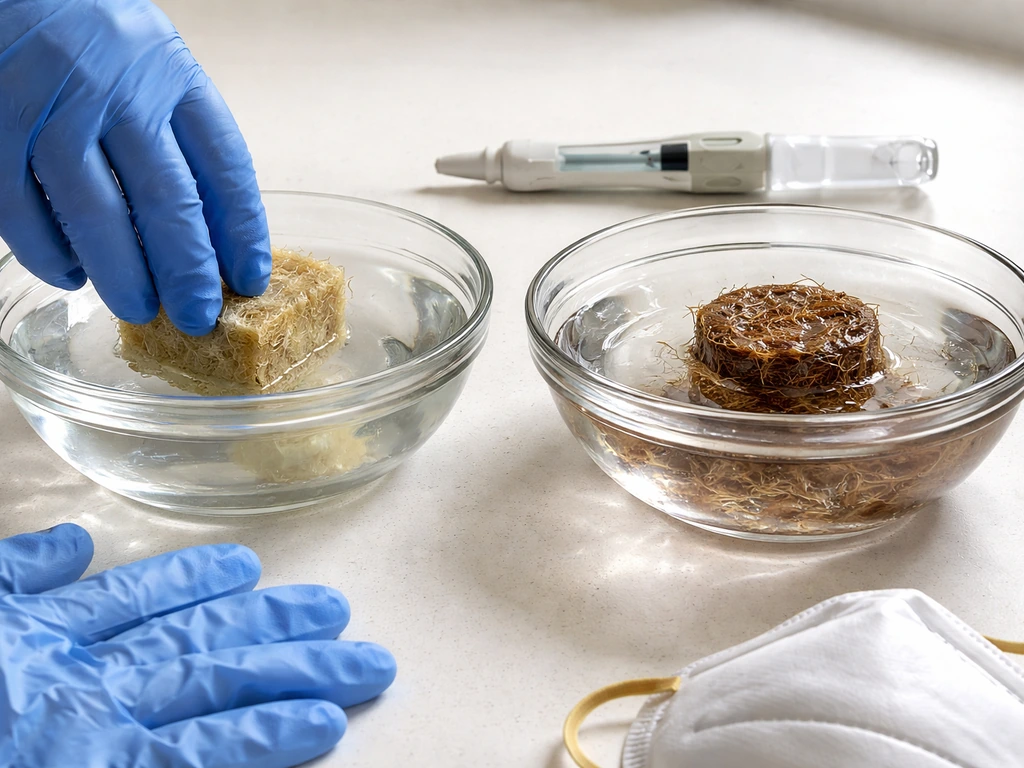
- Wear gloves and a dust mask when handling dry rockwool. The fibers irritate skin, eyes, and lungs.
- Mix water to pH 5.5 (use a reliable pH meter, not strips).
- Submerge the rockwool cubes or slabs in this solution for 30 to 60 minutes. Do not squeeze them out; let them drain naturally.
- After draining, rockwool should feel moist but not dripping. Place seeds or cuttings immediately.
- Keep cubes under a humidity dome at 70 to 75°F until roots appear (usually 5 to 10 days for clones, 3 to 7 days for seeds).
- Maintain pH 5.5 to 6.0 in your feed water throughout the grow.
Coco coir
- If using compressed coco bricks, hydrate with warm water first. One standard brick (650g) expands to roughly 9 to 12 liters of loose coco.
- Rinse the expanded coco thoroughly with plain water to remove any salt residue from processing.
- Buffer by soaking or flushing with a cal-mag solution (approximately 150 to 200 ppm calcium, 50 to 75 ppm magnesium) for at least one hour, then drain.
- Check runoff EC and pH. Target pH 5.8 to 6.2, EC below 0.5 before planting.
- Fill your containers or slabs, transplant, and begin feeding immediately with a full hydroponic nutrient solution including cal-mag.
Clay pebbles / LECA
- Rinse LECA thoroughly in a bucket under running water until the water runs clear. Clay dust clogs pumps and looks alarming in your reservoir.
- Soak in pH-adjusted water (6.0) for 12 to 24 hours to pre-saturate the porous surface.
- Drain and load into net pots or containers.
- For DWC, adjust reservoir level so LECA in the net pot base touches or nearly touches the solution. Roots will grow down within a week.
- Between crops, sterilize with a 3% hydrogen peroxide solution, rinse well, and reuse.
Perlite
- Rinse in water before use to reduce dust. Fine perlite dust is a respiratory irritant.
- Use coarse-grade perlite (3 to 6mm) for drip systems and hydroponic containers. Fine perlite is for germination mixes, not active hydroponic setups.
- If mixing with another medium (like coco), a 70/30 coco-to-perlite ratio improves drainage and aeration significantly.
- Perlite used alone needs more frequent irrigation because it holds very little water between feeds.
Common problems and how to fix them
Root rot and oxygen deficiency
Brown, slimy roots with a foul smell mean root rot, almost always caused by low oxygen at the root zone. In media terms, this usually means the medium is holding too much water or compaction has eliminated pore space. If you're using rockwool, check that you haven't oversaturated it and that your irrigation frequency matches the medium's drainage rate. In DWC, the issue is typically low dissolved oxygen in the reservoir, not the medium itself, so check your air pump and stone output. Adding 0.5 to 1ml per gallon of hydrogen peroxide (3% solution) to your reservoir can help in the short term while you fix the root cause.
Inconsistent moisture and dry pockets
Dry pockets in rockwool happen when the medium partially dries out and becomes hydrophobic. Rewetting it is difficult: try submerging the entire slab or cube in pH-adjusted water for 10 minutes. In coco, dry pockets usually mean irrigation isn't reaching the center of the container. Add a second drip emitter or slightly increase run time. In LECA, dry pockets aren't really a problem since the medium isn't supposed to retain much moisture anyway.
Algae growth
Green algae growing on your medium surface means light is reaching moisture. This is almost always a light exposure issue, not a medium problem. Cover the surface of your medium with black and white poly sheeting (black side down) or use opaque pot covers. Algae itself won't directly harm your plants in small amounts, but it competes for oxygen in your solution and can harbor harmful bacteria over time.
pH drift
If your reservoir pH keeps swinging despite adjustment, the medium may be causing buffering issues. Unbuffered coco is the most common culprit, pulling calcium from solution and pushing pH up. Make sure you've fully buffered coco before use. Rockwool that wasn't properly soaked can also contribute to high pH in early weeks. Check both the reservoir pH and the runoff pH from your medium: a large gap between them signals the medium is interacting with your solution.
Clogging in drip and ebb and flow systems
Fine particles from medium breakdown or insufficient rinsing are the main clog culprits. LECA dust, fine coco particles, and degraded perlite all migrate into emitters and pumps. Prevention is simple: rinse all media thoroughly before use, and add an inline filter to your pump. If you're getting recurring clogs mid-grow, flush your system with plain water and check whether your medium is breaking down due to age or physical damage.
Salt buildup and nutrient lockout
White crusty deposits on the surface of your medium are mineral salt buildup, and they're a sign you need to flush. In coco and rockwool, flush with pH-adjusted plain water (targeting 5.8 to 6.0) at two to three times the container volume every two to three weeks. In LECA-based systems, partial reservoir changes help more than flushing the medium itself. Salt buildup raises effective EC at the root zone above what your meter reads in the reservoir, causing lockout symptoms that look like deficiencies.
Fungus gnats and other pests
Fungus gnats love moist organic media surfaces, especially coco and peat. Their larvae damage roots and can introduce pathogens. Letting the top 1 to 2cm of your medium dry out between waterings is the most effective preventive measure. Yellow sticky traps catch adults. Beneficial nematodes or Bacillus thuringiensis israelensis (BTi) products in your feed water address larvae in the medium. Inert media like LECA and perlite are far less hospitable to fungus gnats, which is a real practical advantage.
Buying advice: what to look for, how much to get, and quality checks
Quality matters more in some media categories than others. Rockwool quality is fairly standardized across major brands (Grodan is the benchmark). Coco coir quality varies significantly: cheap coco is often poorly washed, high in residual salts, and inconsistently processed. Look for coco that's triple-washed, pre-buffered if possible, and from a reputable brand. For LECA, 8 to 16mm expanded clay is standard for most applications. Avoid cheap generic clay pebbles that have inconsistent sizing or excessive dust.
For estimating how much medium to buy, use these rough guidelines:
| Setup Size | LECA (liters) | Coco Coir (liters) | Rockwool Cubes |
|---|---|---|---|
| Single DWC 5-gallon bucket | 4 to 6L | N/A | 1x propagation cube for starting |
| 4-plant ebb and flow tray (2x4 ft) | 20 to 30L | 15 to 20L | 4 cubes or 1 slab |
| 8-plant drip system | N/A | 30 to 40L | 8 cubes + 2 rockwool slabs |
| Small NFT channel (6 sites) | N/A | N/A | 6 cubes (1.5 inch) |
| 16-plant deep water culture | 40 to 60L | N/A | 16 propagation cubes |
When inspecting coco coir before use, break open the bag and smell it. Fresh processed coco has a mild, slightly sweet or neutral scent. A sour or ammonia smell means it fermented during storage and should be returned. For LECA, pour a small amount into water: good-quality clay pebbles are consistent in color and size and don't release heavy cloudiness after the initial rinse. If the water stays murky after several rinses, the clay content is too fine and you'll have clogging problems.
For most home growers running an indoor setup, here's the bottom line: start with coco coir if you're doing drip or hand-watered systems, and start with LECA if you're running DWC or ebb and flow. Both are forgiving, widely available, and reusable. Rockwool is excellent for propagation regardless of which system you're running. If you're still deciding on your overall indoor growing medium approach before committing to a hydroponic setup, it's worth reviewing what the best indoor grow medium options look like across different grow environments to make sure your choice holds up across your specific space and goals.
FAQ
Can I reuse coco or rockwool across crops, or should I buy new every time?
Coco can usually be reused if you fully flush and clean it between runs, but you must manage residual salts and root debris (plan on a thorough wash and a buffering step if the coir was not already pre-buffered). Rockwool is effectively single-use for most home growers, because it breaks down and holds organics over time, which increases clogging and disease risk.
What pH do I target when soaking rockwool cubes or slabs before planting?
Soak rockwool in pH-adjusted water to around 5.5 before you plant. If you skip this, the high initial pH can push your reservoir pH upward for the first week, which then looks like a nutrient or dosing problem.
How do I know if my coco needs buffering before I start?
Buffering is essential when the coco is unbuffered or not clearly labeled as pre-buffered. A practical check is to measure the runoff after your first thorough soak and compare it to your intended nutrient pH, if you see rapid calcium-related deficiencies within 1 to 2 weeks, you likely skipped buffering or did not wash out residual salts.
Is LECA actually “dry,” or will it still hold water around the roots?
LECA holds a small amount of water in its pores, so it is not completely dry. The key advantage is it drains extremely fast and preserves pore space, so roots get oxygen-rich conditions. If you see plants wilting quickly, the issue is often insufficient irrigation frequency, not that LECA cannot retain moisture at all.
What’s the easiest way to prevent emitter clogging when using coco, LECA, or perlite?
Use thorough rinsing and add an inline filter before the emitters. Fine dust is the usual culprit, LECA dust, degraded perlite particles, and fines from coco settle into plumbing over time, so filtering plus periodic flushing with plain water reduces recurring clogs.
Can I use perlite as my only medium in a net pot for flood and drain?
It generally is not a good idea. Perlite’s low weight and float tendency can lead to uneven flooding coverage, roots drying out on the surface, or plant instability. If you want perlite, mix it with a material that anchors well, or use it in systems where it stays in place (for example, mixed media or top-drip setups).
Why do my plants look nutrient deficient even though my reservoir EC is correct?
Salt buildup and local concentration differences are the usual cause. In coco and rockwool, a mineral crust can raise the effective EC right at the root zone, so the meter reads low while roots experience higher salinity. Flushing on a schedule and checking runoff EC helps confirm this.
Should I worry about algae on the surface of my medium?
Small amounts usually do not instantly harm plants, but it can reduce oxygen locally and indicate light penetration to moisture. The practical fix is to block light from reaching the medium surface using opaque covers, and keep a close eye on root health if algae spreads quickly.
My roots are brown and slimy, is it always the medium’s fault?
Not always. In DWC, brown slimy roots most often point to low dissolved oxygen in the reservoir rather than water retention in the net pot medium. In that case, check your air pump and stone output first, and only treat the symptom (for example, hydrogen peroxide) after you confirm oxygenation and temperature are on target.
What should I do if rockwool develops dry pockets that won’t rewet properly?
If rockwool becomes hydrophobic, surface misting is often ineffective. The workable approach is to submerge the cube or slab in pH-adjusted water (around your target planting pH) for roughly 10 minutes so the dry interior can fully rehydrate.
Do lettuce and tomatoes need the same grow medium within hydroponics?
No. Short-cycle leafy greens usually do well with moisture-stable media (like coco or rockwool in NFT or drip), because harvest turnover makes medium cost less critical than consistency. Long fruiting crops benefit from strong aeration and stability over weeks to months, where LECA in DWC or coco with a well-timed drip schedule often performs better than compacting-prone media.
What’s the most common beginner mistake when choosing the best hydroponics grow medium?
Choosing a medium without matching it to the system’s water dynamics. The most expensive mistake is using a high-retention medium in a system where roots are already in oxygen-limited conditions (or using a float-prone medium in flood scenarios). Your system type determines the drainage and aeration requirements, and your plant stage determines how much moisture buffering you need.