The best plants to grow hydroponically are lettuce, basil, spinach, kale, Swiss chard, mint, cilantro, strawberries, tomatoes, and cucumbers. That list covers the full spectrum from dead-simple beginner crops to intermediate fruiting plants worth the extra effort. But the real question is which of those makes sense for your setup, your timeline, and your experience level. This guide breaks it all down so you can pick your first (or next) hydroponic crop with confidence and actually get to harvest.
Best Plants to Grow Hydroponically: Easy Picks for Beginners
Marcus Holloway
3 Apr 2026
Can any plant grow hydroponically (and what's realistic)
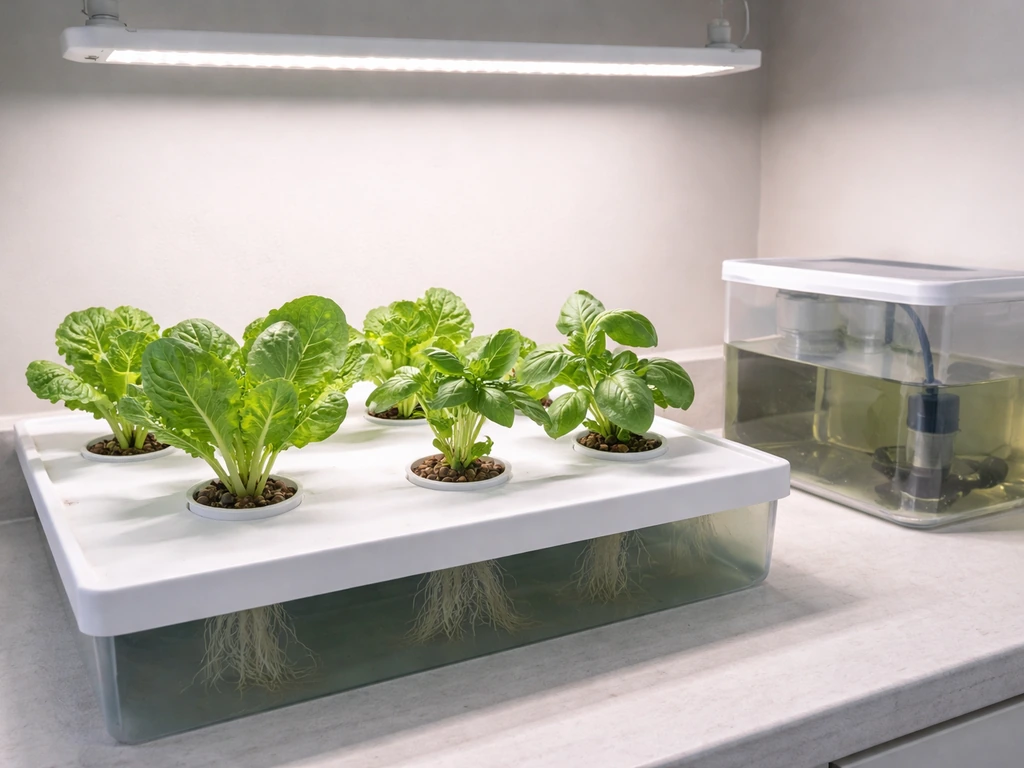
Technically, almost any plant can be grown without soil as long as you deliver what it needs: water, oxygen at the root zone, nutrients, and light. Hydroponics does exactly that. But "can grow" and "worth growing" are two different things. Large root vegetables like carrots and potatoes are technically possible hydroponically, but they're slow, space-hungry, and yield poorly compared to what soil gives you. Same goes for large fruit trees or sprawling vine crops that need massive structural support.
What's realistic for a home grower comes down to a few practical filters: growth rate, root oxygen requirements, plant size, and whether the plant actually benefits from hydro. Leafy greens, herbs, and many fruiting crops like tomatoes and strawberries genuinely thrive in soil-less systems because you can dial in their nutrients precisely, keep root-zone temps stable, and accelerate growth in ways soil simply can't match. Choosing the right system also matters, and as UF/IFAS points out, your system selection should be driven by your budget, space, and the specific crop you want to grow.
Top hydroponic plants for beginners: fast, forgiving crops
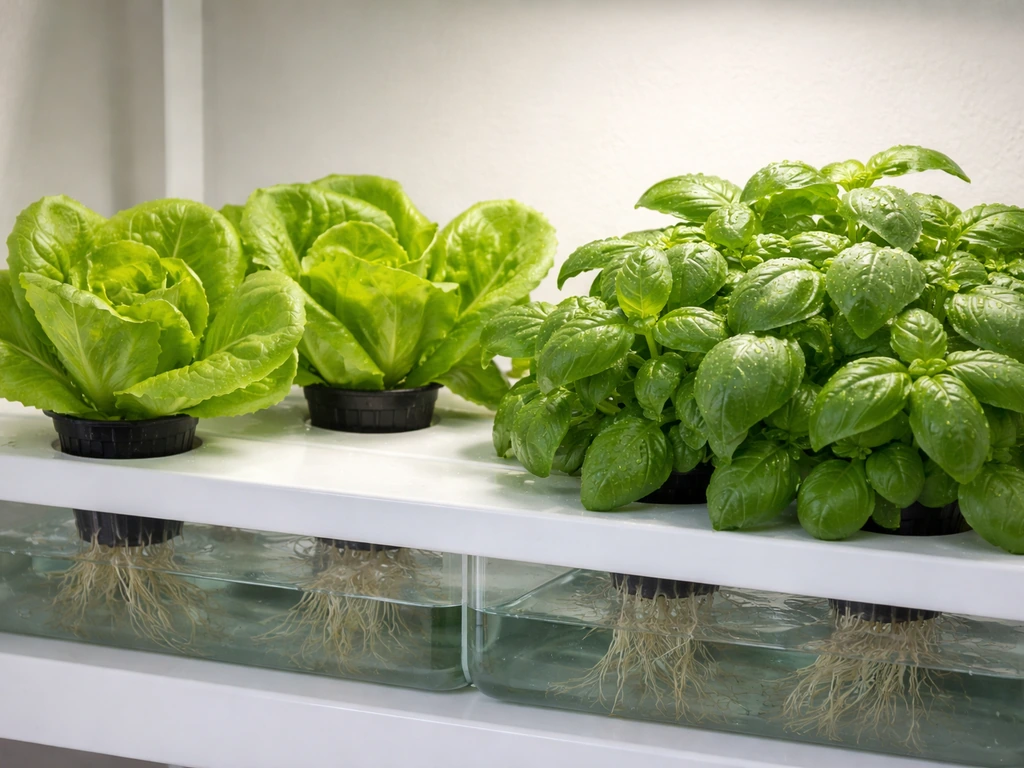
If you're just starting out, you want crops that are fast to harvest, tolerant of minor nutrient or pH mistakes, and rewarding enough to keep you motivated. Leafy greens and soft herbs dominate this category for good reason: they grow quickly, have shallow root systems that suit most beginner setups, and don't require pollination (which removes one major complexity from the equation). Here are the best beginner picks:
- Lettuce: The gold standard beginner crop. Harvest in as little as 14–18 days after sowing in NFT or raft systems. Forgiving pH range of 6.0–7.0 and low EC needs of 1.4–1.8 mS/cm make it extremely manageable.
- Basil: Fast growing, aromatic, and highly rewarding. Does best at pH 5.5–6.5 and thrives in NFT and DWC setups with 14–18 hours of light daily.
- Spinach: Compact, quick, and cold-tolerant. Grows well at around 68°F (20°C) and suits both NFT and Kratky passive systems.
- Kale: A little slower than lettuce but very forgiving. Great for beginners who want something more nutritionally dense.
- Mint: Nearly impossible to kill hydroponically. Grows aggressively, so give it its own container to prevent it crowding out other plants.
- Arugula: Rapid growth and strong flavor. Performs well in both DWC and NFT systems with similar pH and EC parameters to lettuce.
All of these crops share a key trait: they don't need fruiting, flowering, or complex light schedules to produce something you can eat. That simplicity makes them ideal for dialing in your system before moving on to more demanding plants. If you want a deeper look at which leafy varieties give the best performance in hydro, the guide on best greens to grow hydroponically goes into variety-level detail worth reading before your next seed order.
Best leafy greens and herbs for hydroponics
Leafy greens are the backbone of any productive hydroponic garden. They have some of the fastest turnover of any crop category, low nutrient demands, and a high tolerance for the kind of small fluctuations that beginners inevitably encounter. UNH Extension notes that optimal leafy green growth happens around 68°F, and maintaining your reservoir water temperature at 68–72°F (20–22°C) as recommended in OSU's root-zone management guidelines keeps roots healthy and nutrient uptake efficient.
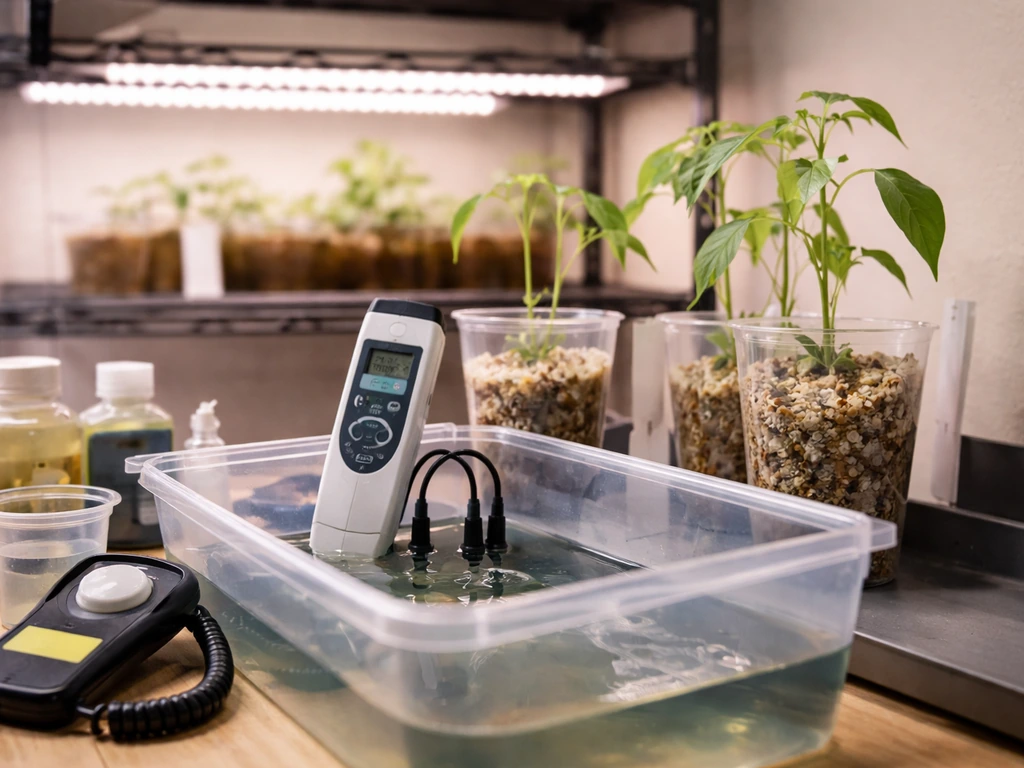
For EC, leafy greens typically run well at 1.0–2.5 dS/m depending on the crop and growth stage. Lettuce sits at the lower end (1.4–1.8 mS/cm), while more robust greens like kale or Swiss chard can handle higher concentrations. pH management is equally important: lettuce prefers 6.0–7.0, while basil and many herbs perform best in the 5.5–6.5 window. A pH pen and EC meter are non-negotiable tools, not optional accessories.
For lighting, leafy greens and herbs generally want 14–16 hours of light per day for spinach and Asian greens, and up to 14–18 hours for basil and other soft herbs. These photoperiod schedules give you practical benchmarks to set your timer from day one without overthinking spectrum or intensity before you have feedback from your plants.
Among herbs, cilantro is worth a special mention. It bolts fast in warm conditions, so keep temperatures on the cooler side (below 75°F if you can) and harvest frequently to delay flowering. Chives, parsley, and thyme all work well hydroponically too, though they're slower than basil and mint. If you want to expand beyond standard greens into more specialized crops, checking out what qualifies as best beans to grow hydroponically can open up more variety in your system once you have the basics running smoothly.
Best fruiting plants to grow hydroponically (and what to expect)
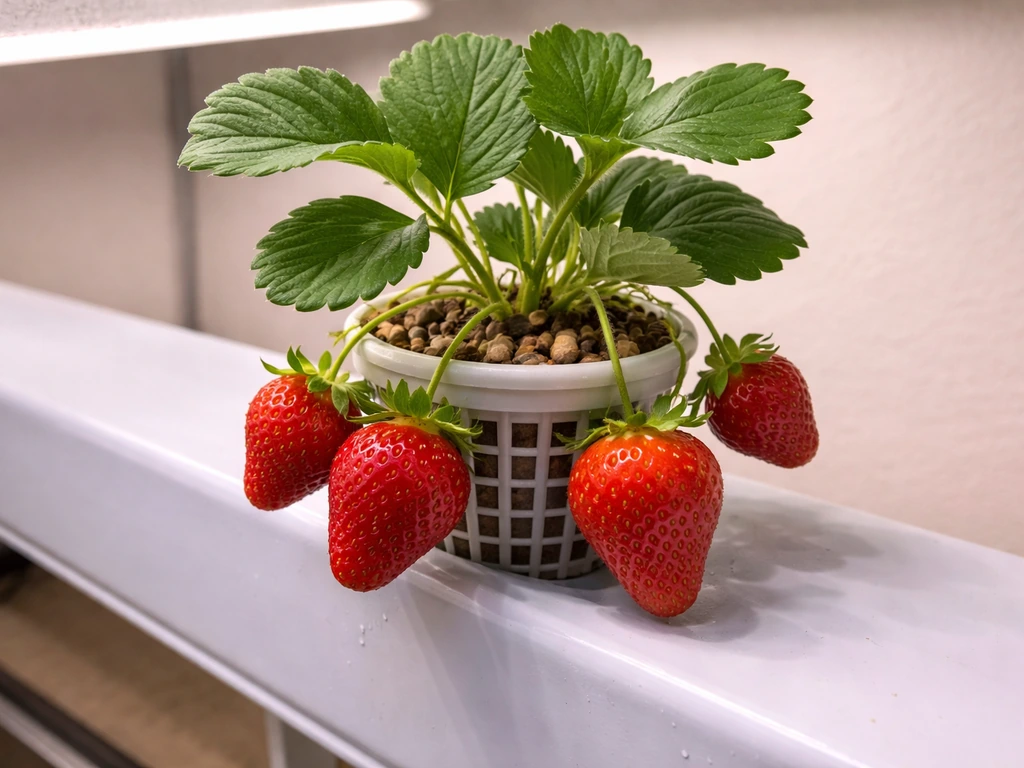
Fruiting crops in hydroponics require more patience, more light, and a bit more hands-on management than leafy greens, but the payoff is substantial. These plants need pollination (either by hand or by airflow for some species), higher nutrient concentrations, and significantly more light intensity to produce fruit rather than just foliage.
Strawberries
Hydroponic strawberries are one of the most popular fruiting crops for home growers, and for good reason. They stay compact, produce continuously, and respond very well to controlled nutrient environments. Plan for 12–16 hours of grow light per day with a Daily Light Integral (DLI) target of around 17 mol/m²/day for solid yields. Purdue's greenhouse strawberry production research puts optimal DLI even higher, at 20–25 mol/m²/day, so more light is generally better here if your setup allows it. Use a drip system or NFT channel for strawberries, keep pH in the 5.5–6.5 range, and EC around 1.8–2.2 mS/cm for fruiting. Expect your first fruits about 60–90 days from transplant with day-neutral varieties.
Tomatoes
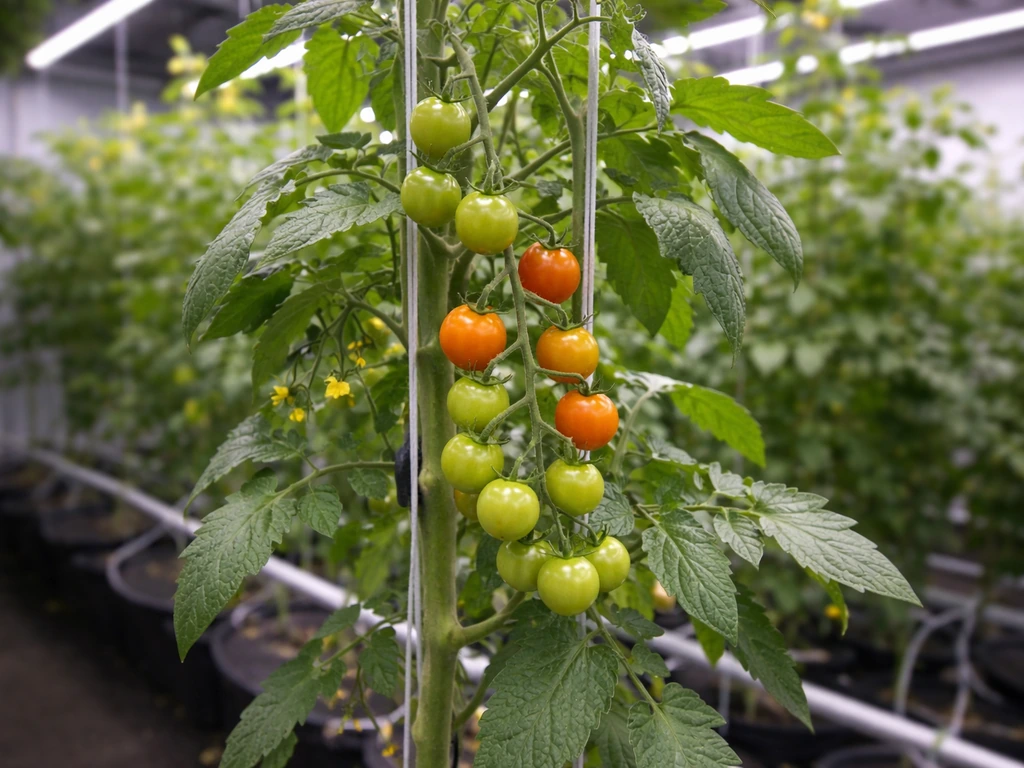
Tomatoes are the most popular hydroponic fruiting crop commercially and at home. Indeterminate varieties like cherry tomatoes are the best choice for most home setups because they stay more manageable in size while producing fruit continuously. You'll need a drip system or Dutch bucket setup, strong structural support for the vines, and consistent hand pollination (a light shake of the flowering clusters daily works well). EC for fruiting tomatoes should run higher than leafy greens, typically in the 2.0–4.0 mS/cm range depending on growth stage. Budget at least 12–14 weeks from transplant to first harvest.
Cucumbers and peppers
Both cucumbers and peppers perform well hydroponically with drip or NFT systems and strong vertical support. Cucumbers are faster than tomatoes and can produce fruit within 8–10 weeks of transplant. Peppers are slower but incredibly productive once established. Both need consistent pollination and benefit from temperatures kept between 70–80°F in the grow space. If your goal is maximizing output from your growing investment, understanding what the most profitable hydroponic crops to grow are can help you prioritize which fruiting plants actually make financial sense for your operation.
What system and light conditions each plant needs
Matching your plant to the right system is one of the most important decisions you'll make. The wrong pairing (say, running lettuce in a drip system designed for tomatoes) doesn't mean failure, but it does mean inefficiency. Here's a practical breakdown of which systems and light setups suit the main crop categories:
| Plant | Best System(s) | pH Range | EC Range (mS/cm) | Light (hrs/day) | Difficulty |
|---|---|---|---|---|---|
| Lettuce | NFT, DWC, Kratky | 6.0–7.0 | 1.4–1.8 | 14–16 | Easy |
| Basil | NFT, DWC | 5.5–6.5 | 1.0–1.6 | 14–18 | Easy |
| Spinach | NFT, Kratky, DWC | 6.0–7.0 | 1.2–2.0 | 14–16 | Easy |
| Arugula | NFT, DWC | 6.0–7.0 | 1.4–1.8 | 14–16 | Easy |
| Kale / Swiss Chard | NFT, DWC | 6.0–7.0 | 1.6–2.5 | 14–16 | Easy |
| Mint | DWC, Kratky | 5.5–6.5 | 1.0–1.6 | 14–16 | Easy |
| Strawberries | NFT, Drip | 5.5–6.5 | 1.8–2.2 | 14–16 (DLI ~17+) | Intermediate |
| Tomatoes (cherry) | Drip, Dutch Bucket | 5.5–6.5 | 2.0–4.0 | 16–18 | Intermediate |
| Cucumbers | Drip, NFT | 5.5–6.5 | 1.8–2.5 | 16–18 | Intermediate |
| Peppers | Drip, Dutch Bucket | 5.5–6.5 | 2.0–3.0 | 16–18 | Intermediate |
DWC (deep water culture) is the easiest system to build and maintain for beginners, making it a natural starting point for lettuce and herbs. NFT channels are efficient for continuous leafy green production once you understand flow rates and pump timing. Drip and Dutch bucket systems add complexity but are the right tool for larger fruiting plants with established root masses. For growers who have progressed beyond leafy greens and want to explore more complex genetics and plant profiles, looking into the best strains to grow hydroponically is a natural next step for expanding your system's potential.
How to choose plants based on goals, space, and timeline
The best hydroponic plant for you is the one that matches what you actually have available, not just what sounds impressive. Here's a practical way to think through your choice:
- Define your timeline. Want something harvestable within 3–4 weeks? Stick to lettuce, arugula, or baby spinach. Want a longer-term productive crop? Tomatoes, strawberries, or peppers reward the wait.
- Assess your vertical space. Fruiting crops need height, often 4–6 feet of vertical clearance for vining tomatoes. Leafy greens and herbs can thrive in a 12-inch grow space, making them perfect for tiered setups or small grow tents.
- Match your light setup. If you're running a basic LED panel under 200W, stick to leafy greens and herbs that perform well at lower DLI targets. Fruiting crops like tomatoes and strawberries need significantly more intensity, which means a stronger fixture or supplemental lighting.
- Choose your system before your plant. If you already own a Kratky jar setup, grow lettuce, herbs, or spinach. If you've built a drip system, tomatoes and strawberries make far better use of it than lettuce would.
- Think about your goal. If you want to grow food to eat every week, fast-cycling leafy greens give you the most consistent yield. If you want to master hydroponics and eventually produce high-value crops, start with easy wins to build confidence before scaling up complexity.
One thing new growers often overlook: plant spacing. Lettuce needs about 6–8 inches between plants in a raft system. Basil can run closer but gets leggy without adequate airflow. Tomatoes and cucumbers need at least 12–18 inches of spacing and often a dedicated system entirely. Crowding is one of the fastest ways to invite disease and reduce yield, so plan your plant count before you sow seeds.
Common hydroponic grow issues and quick fixes: roots, nutrients, pests
Root rot and dissolved oxygen
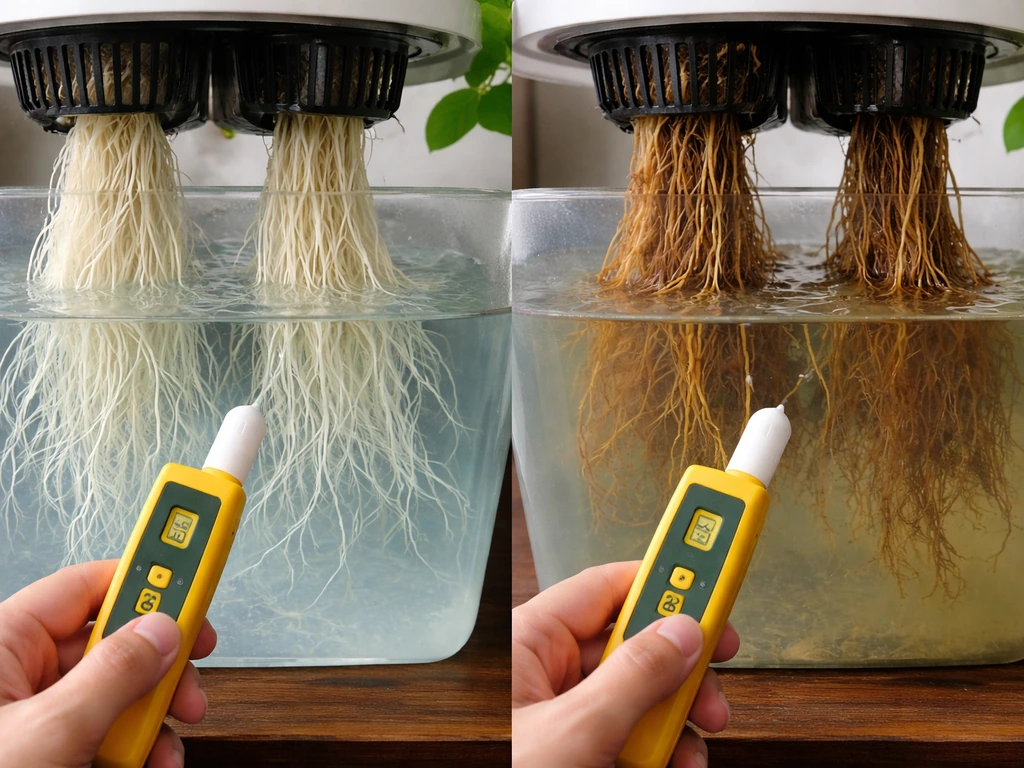
Root rot is the most common serious problem in DWC and other water-culture systems. It shows up as brown, slimy roots with a foul smell, and it spreads fast. The primary cause is low dissolved oxygen at the root zone. Prevention is straightforward: run an air pump with air stones sized to your reservoir volume, keep your nutrient solution temperature below 72°F (warmer water holds less dissolved oxygen), and never let roots sit in stagnant water without aeration. One often-missed trigger is light leaks into the reservoir, which feeds algae growth and depletes oxygen. Cover any exposed reservoir surfaces completely.
Nutrient lockout and pH drift
Nutrient lockout happens when pH drifts outside the range where your plants can actually absorb the nutrients in solution, even if the solution is technically full of them. The fix is almost always the same: flush the system with plain pH-adjusted water, check and correct your pH back into range, then reintroduce a fresh nutrient mix at the correct concentration. For fruiting plants, the target pH sits between 5. 5–6.
5. For leafy greens, you have a little more flexibility up to 7. 0. The key habit is checking pH and EC daily, especially during the first two weeks of a new reservoir fill when pH tends to swing more aggressively.
University of Missouri Extension emphasizes that hydroponic nutrient management means monitoring and managing pH, EC, dissolved oxygen, temperature, and water alkalinity.
Pests in indoor hydroponic gardens
Indoor hydroponic setups aren't pest-proof. The most common insects you'll encounter are aphids, spider mites, fungus gnats, thrips, and whiteflies. Fungus gnats are especially common when you're using media like coco coir or rockwool and keeping things too moist near the surface. Spider mites thrive in hot, dry conditions and can devastate a basil or tomato crop fast. The best prevention strategy is maintaining a closed growing environment (a grow tent works well for this), using a physical barrier against flying insects, and applying neem oil as a preventive spray rather than waiting for a visible infestation. Inspect the undersides of leaves every few days, especially on fruiting crops, because pests almost always start there before you see obvious damage.
The short version: start with lettuce or basil in a DWC or NFT setup, nail your pH (6.0–6.5 is a safe middle ground for most crops), keep your reservoir oxygenated and cool, and give your plants 14–16 hours of decent light. That combination will get you to your first harvest faster and with fewer problems than any other approach. Once you've done that a few times, the step up to strawberries or cherry tomatoes will feel like a natural progression rather than a leap into the unknown.
FAQ
Can I grow root vegetables like carrots and potatoes hydroponically if I really want to?
Yes, but plan for slower results and a different approach to support. Carrots, potatoes, and other big root crops need lots of uninterrupted root space, and even when they grow, they usually underperform compared with leafy greens because hydro tends to favor fast turnover. If you want to try one, use a deep, well-aerated system and expect lower yields and more frequent monitoring of oxygen and solution strength.
What should I know about pH drift before choosing plants for hydroponics?
If your water is very hard (high alkalinity), pH can drift faster and you may need more frequent adjustments, which can trigger repeated lockout if you only correct occasionally. Measure your starting pH and alkalinity, then choose dosing equipment you can use consistently (like a reliable pH dosing pump). For beginners, stable dosing matters more than “perfect” targets.
How often should I check EC and pH, and what do I do between checks?
For most home setups, daily checks are the practical rule, especially during the first 2 weeks after filling or changing solution. If you can only check less often, prioritize EC and pH over visual inspection, because nutrient uptake issues can start before symptoms appear. Also, top off with adjusted water, not plain water, to avoid shifting concentration.
What are the first steps if I suspect root rot in my DWC system?
If you’re seeing slimy roots, a foul odor, or sudden plant decline in water-culture systems, treat it as an oxygen problem first. Add or increase aeration immediately, keep water temperature below about 72°F, and remove any affected plants to prevent spread. Then cover the reservoir to stop light leaks that feed algae.
Can I reuse the same reservoir when switching from leafy greens to tomatoes or strawberries?
Timing matters, even with “easy” crops. If you switch from greens to fruiting plants in the same system, the nutrient targets and light needs change, so you should plan a separate reservoir or at least complete a full flush and reset. Otherwise, you can accidentally leave EC or pH conditions that stall flowering and fruit set.
How do I prevent fungus gnats when growing with coco coir or rockwool?
Greenhouse-style disease pressure is different, but you can still manage pests effectively indoors by preventing entry and reducing breeding conditions. For fungus gnats specifically, let the top surface of media dry slightly between waterings where possible, and use sticky traps plus targeted spot treatments. Overwatering and constantly wet surfaces are usually the root cause.
Do temperature swings make “beginner plants” like basil and lettuce harder to grow?
Yes, especially for basil, lettuce, mint, and cilantro where growth can shift quickly with season and household temperature. If your room often exceeds roughly 75°F, basil and cilantro may bolt sooner or become less dense. Consider cooling (fans, air conditioning, or reservoir insulation) before changing crops, because heat swings often cause multiple problems at once.
Is it better to increase hours of light or adjust light intensity for better yields?
Your light schedule should match the plant’s daily light exposure, not just the hours on the timer. If you have weak fixtures, using longer photoperiods may still not reach fruiting targets, while too much total light can stress plants. Measure or estimate intensity, then aim for consistent daily exposure (especially for strawberries and tomatoes).
What spacing mistakes most often reduce yield in hydroponics?
Not always. Many hydroponic “beginner” plants need you to manage airflow, spacing, and airflow around leaves, especially basil where crowding can lead to leggy growth and higher disease risk. If you reuse a system footprint, keep plants spaced appropriately and use a gentle fan to reduce stagnant air pockets.
How can I improve fruit set if my hydroponic tomatoes or cucumbers bloom but don’t produce well?
For fruiting crops like tomatoes and cucumbers, pollination is the bottleneck more than nutrients once plants flower. A practical approach is daily checks during bloom, then either hand-pollinate (a light shake or direct transfer) or provide airflow through the canopy. If you only pollinate occasionally, you often get flowers with poor fruit set even when EC and pH are perfect.