Why hydroponics can actually speed up growth
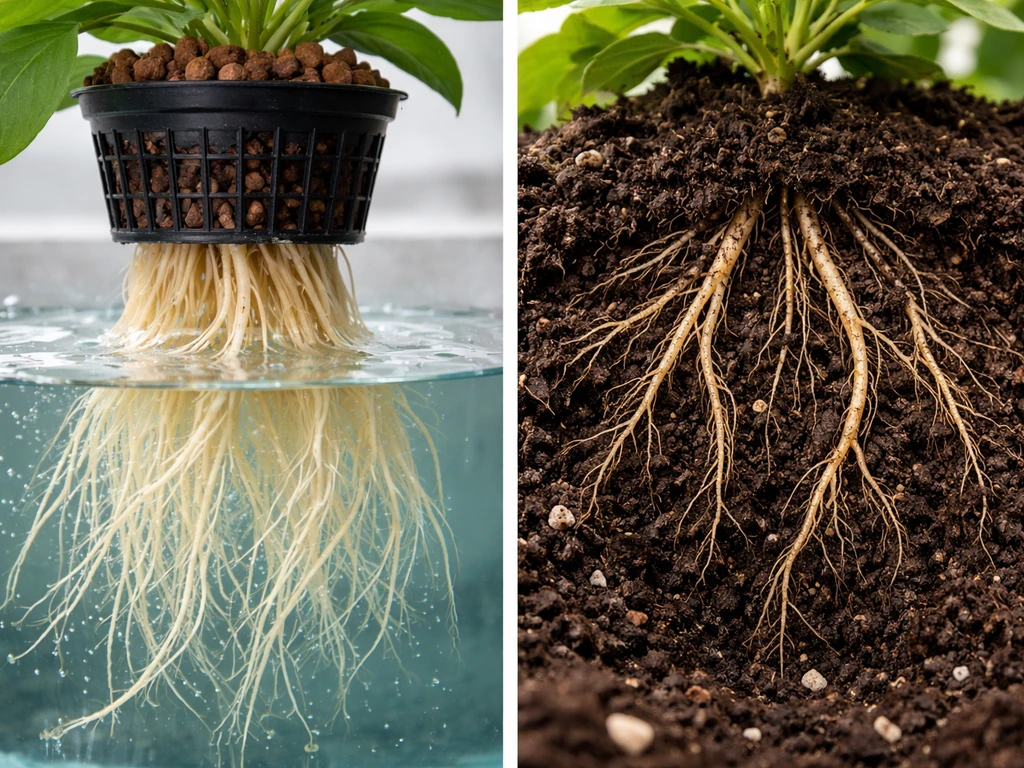
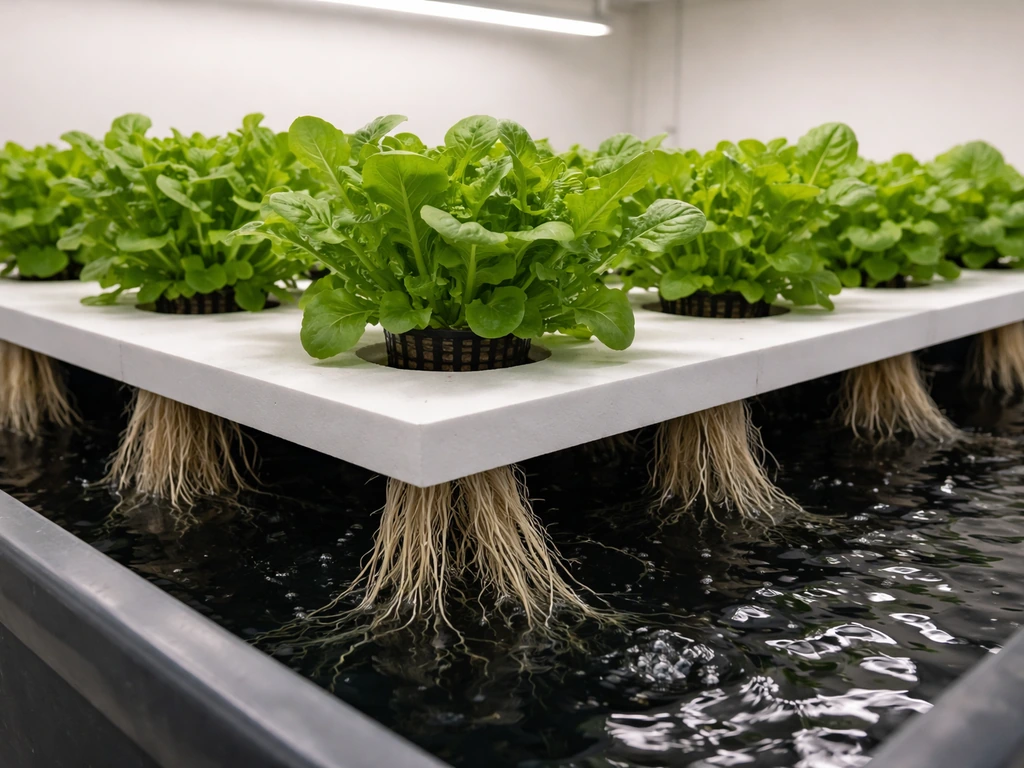
The speed advantage in hydroponics comes down to a few specific mechanisms, not magic. In soil, plant roots spend a significant amount of energy searching for water and nutrients. They extend through the medium, compete with microbes, and wait for nutrients to become soluble and migrate toward the root zone. In hydroponics, nutrients are delivered directly to the root in a dissolved, immediately available form. The plant redirects that saved energy into above-ground growth, which is why shoot development accelerates noticeably.
Oxygen is the other big lever. Root respiration requires oxygen, and in soil, oxygen availability depends on how well-draining and structured the medium is. In a properly aerated hydroponic system, dissolved oxygen is consistently maintained at or above 6 ppm, which is the level research points to as optimum for hydroponic production. That sustained oxygenation keeps root respiration running at full capacity around the clock, which directly supports faster nutrient uptake and cell division.
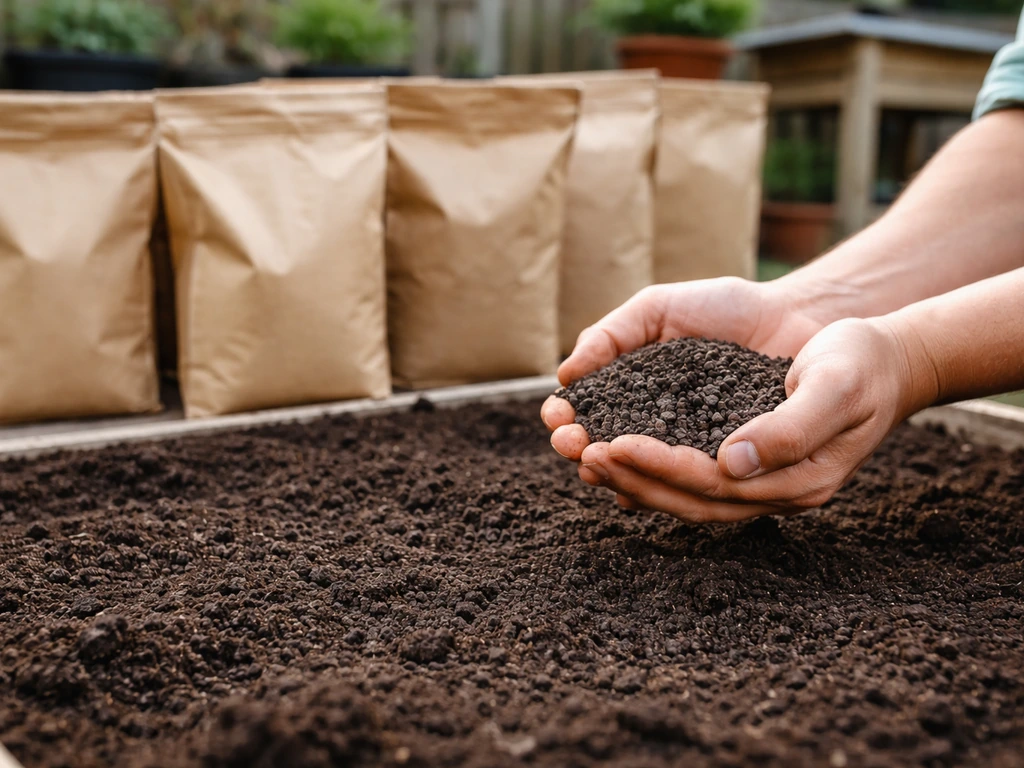
The third mechanism is consistency. Soil pH shifts, dries unevenly, compacts, and changes as organic matter breaks down. Hydroponic systems, when monitored correctly, hold pH and nutrient concentration steady within narrow ranges. That consistency means plants spend less time adjusting to fluctuating conditions and more time growing. how crops grow hydroponically is fundamentally about this efficiency: remove the variables that slow growth, and the plant responds by growing faster.
The controls you actually need to hit to make growth faster
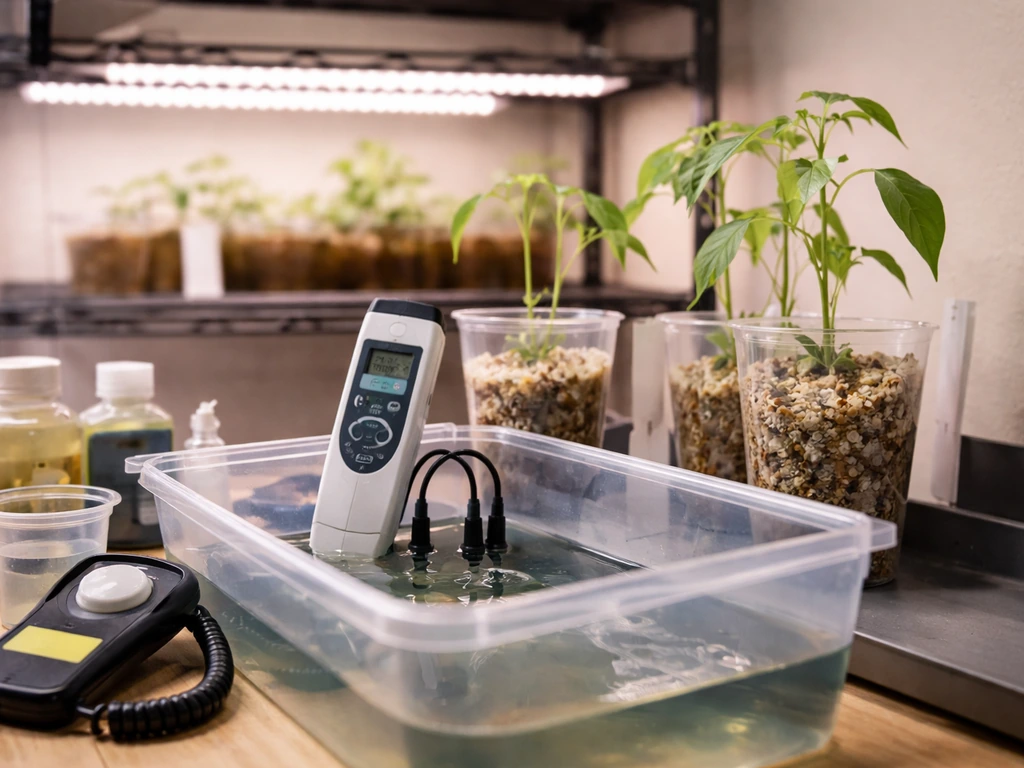
This is the part most beginners skip over. They buy a hydroponic system, fill it with water and nutrients, and then wonder why growth isn't blowing soil out of the water. Faster growth in hydroponics is a result of managing five specific parameters: pH, EC (electrical conductivity), dissolved oxygen, water temperature, and water alkalinity. Purdue Extension’s guide for home hydroponics for leafy greens also discusses electrical conductivity (EC) and provides a baseline for interpreting measurements, including that 1,800 µS/cm corresponds to a value in dS/m blank" rel="noopener noreferrer">EC (electrical conductivity). Truleaf explains EC as a key measurement of nutrient solution strength in hydroponics, typically reported in units like mS/cm or dS/m, and relates it to how concentrated the solution is blank" rel="noopener noreferrer">EC (electrical conductivity). Get all five right and you'll see the speed advantage. Miss one and you'll introduce a bottleneck that caps growth regardless of everything else.
pH: the nutrient availability gate
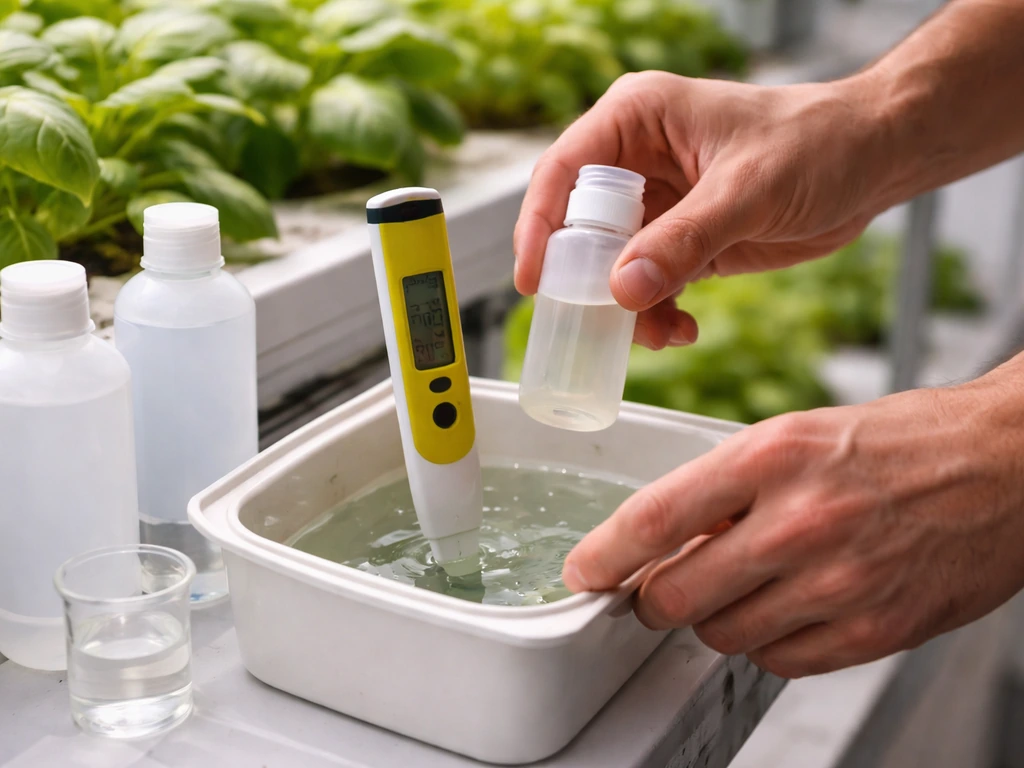
Nutrient uptake in hydroponics works best when your solution sits between pH 5.5 and 6.5. Outside that window, certain nutrients lock out even when they're present in the solution. For most crops, including lettuce, targeting around pH 6.3 gives a good buffer while keeping all major nutrients available. For cannabis specifically, staying in the 5.8 to 6.2 range is common practice. Check pH daily when plants are growing actively, because roots acidify the solution as they uptake nutrients, and the number drifts faster than most beginners expect.
EC: dialing in nutrient strength without overdoing it
EC measures how much dissolved fertilizer is in your solution. For most hydroponic crops, the sweet spot sits between 1.5 and 3.5 dS/m, though it varies by crop and growth stage. Lettuce, for example, performs well at a lower EC of 0.8 to 1.2 dS/m. Tomatoes respond positively up to about 3 dS/m but show declining yield as EC climbs toward 5 dS/m because high salt concentrations create water stress at the root level. One important caveat: your starting water matters. If your source water already has an EC above 1 dS/m, you have less room to add fertilizer before pushing into stress territory. Always test your source water first and aim to start with something below 1 dS/m.
Also keep in mind that hitting the right EC number doesn't guarantee the right nutrient balance. EC tells you how much is dissolved, not what's dissolved. If your fertilizer blend is off, or if your water source is contributing certain ions, individual nutrients can be deficient even when EC looks correct. This is why using a balanced hydroponic-specific nutrient formula and starting with clean water matters more than the EC reading alone.
Dissolved oxygen: the most underrated parameter
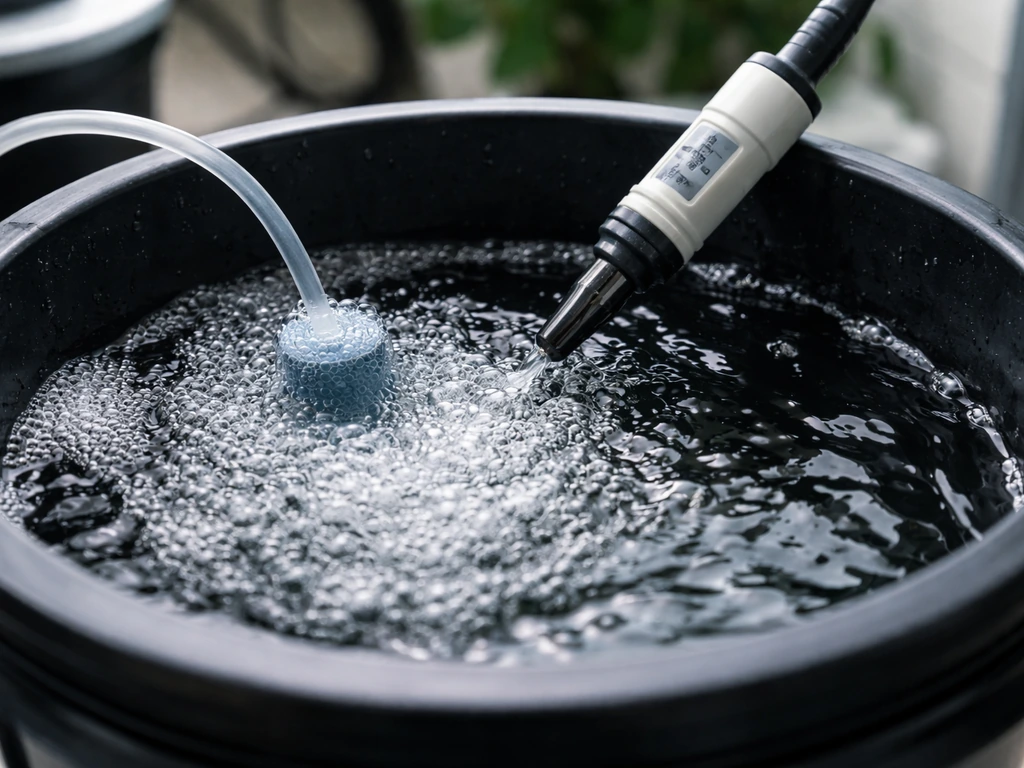
Keep dissolved oxygen above 6 ppm. That's the threshold where root respiration runs efficiently. Below that, roots slow down, nutrient uptake drops, and the conditions that favor root rot start to develop. In practical terms, this means running air stones or diffusers continuously, not on a timer. Research on floating hydroponic lettuce systems found that 24-hour aeration maintained DO at around 6.2 mg/L, which is essentially right at the target. If you're using a deep water culture (DWC) setup, this is your most critical dial to monitor.
Water temperature and alkalinity
Nutrient solution temperature affects both dissolved oxygen levels and root respiration rates. Warmer water holds less oxygen, so as your reservoir temperature climbs, DO drops even if you're running aeration. Target 65 to 72 degrees Fahrenheit (18 to 22 degrees Celsius) for most crops. Alkalinity is a separate measurement from pH and refers to the buffering capacity of the water. High alkalinity causes pH to drift upward persistently, and if you're constantly fighting pH creep, alkalinity is usually the culprit.
Hydroponic vs soil: when it's faster, when it isn't
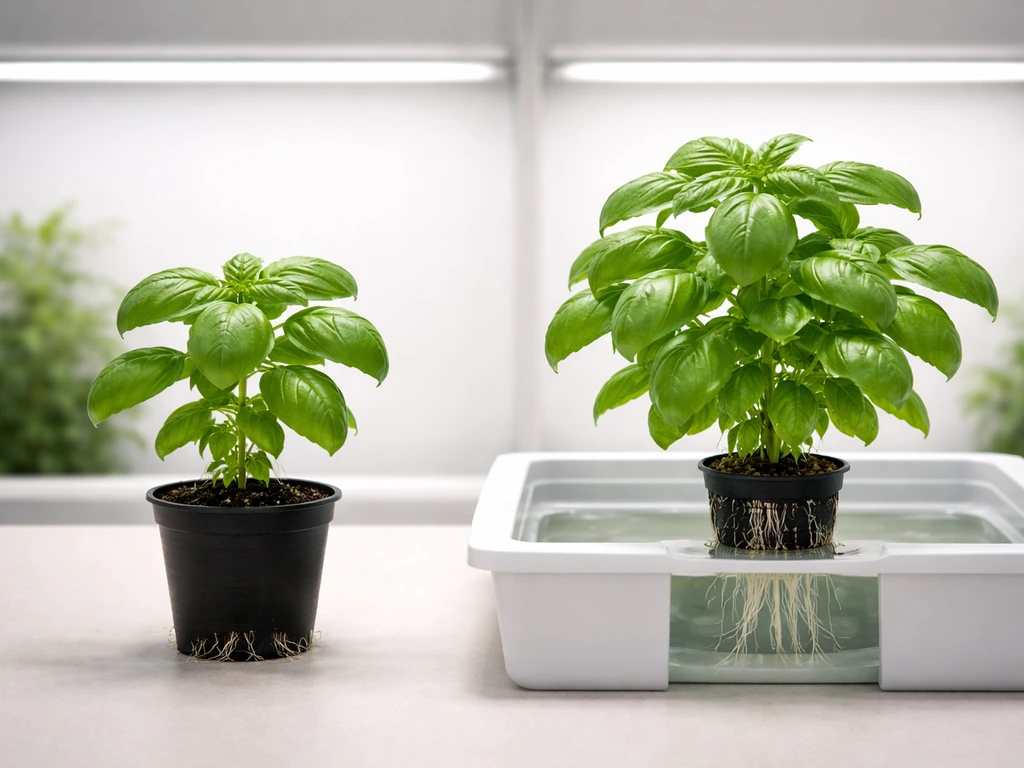
Hydroponics is faster for most leafy greens, herbs, and fast-cycling crops grown indoors under controlled conditions. For these plants, removing soil variability and delivering nutrients directly to the root produces a measurable and consistent advantage. Research comparing hydroponic and soil-grown lettuce found that hydroponics significantly promoted root growth even when above-ground shoot appearance was similar, suggesting roots develop earlier and more aggressively in hydroponic systems, setting up faster overall growth.
But hydroponics is not automatically faster in every situation. Here's where soil often holds its own or even wins:
- Outdoor grows with healthy, well-amended soil and natural sunlight: full-spectrum outdoor light frequently delivers more total photon energy than indoor setups, and mature living soil provides a complex microbial ecosystem that supports root health in ways that hydroponic sterile solutions don't replicate.
- Neglected hydroponic systems: a missed pH check or a clogged air line can set plants back sharply, faster than a neglected pot of soil would deteriorate.
- Crops with long cycles where the growth-rate advantage compounds less: some fruiting plants in soil, given enough space and time, can match or approach yields seen in hydroponics when the grower invests in soil quality.
- Setups with inadequate lighting: if your light source can't support the photosynthetic demand of fast-growing hydroponic plants, nutrients and oxygen don't matter. The plant can only grow as fast as photosynthesis allows.
| Factor | Hydroponics | Soil |
|---|
| Nutrient availability | Immediate, dissolved, consistent | Variable, dependent on soil biology and moisture |
| Root oxygen | Controlled via aeration (target >6 ppm DO) | Dependent on soil structure and drainage |
| pH control | Precise, manually adjusted | Buffered by organic matter, harder to shift quickly |
| Growth speed (leafy greens) | 30 to 50% faster under good management | Baseline reference |
| Setup cost | Higher upfront | Lower upfront |
| Risk of failure | Higher if parameters drift | More forgiving to minor neglect |
| Best use case | Indoor, controlled environment, short cycles | Outdoor, large-scale, lower-maintenance grows |
If you're trying to decide whether to go hydroponic for a specific crop, the key question is whether you can maintain the control environment that unlocks the speed advantage. hydroponic vegetables growing faster than soil is a real phenomenon, but it's conditional on that management commitment.
Does hydroponic weed grow faster? what to expect
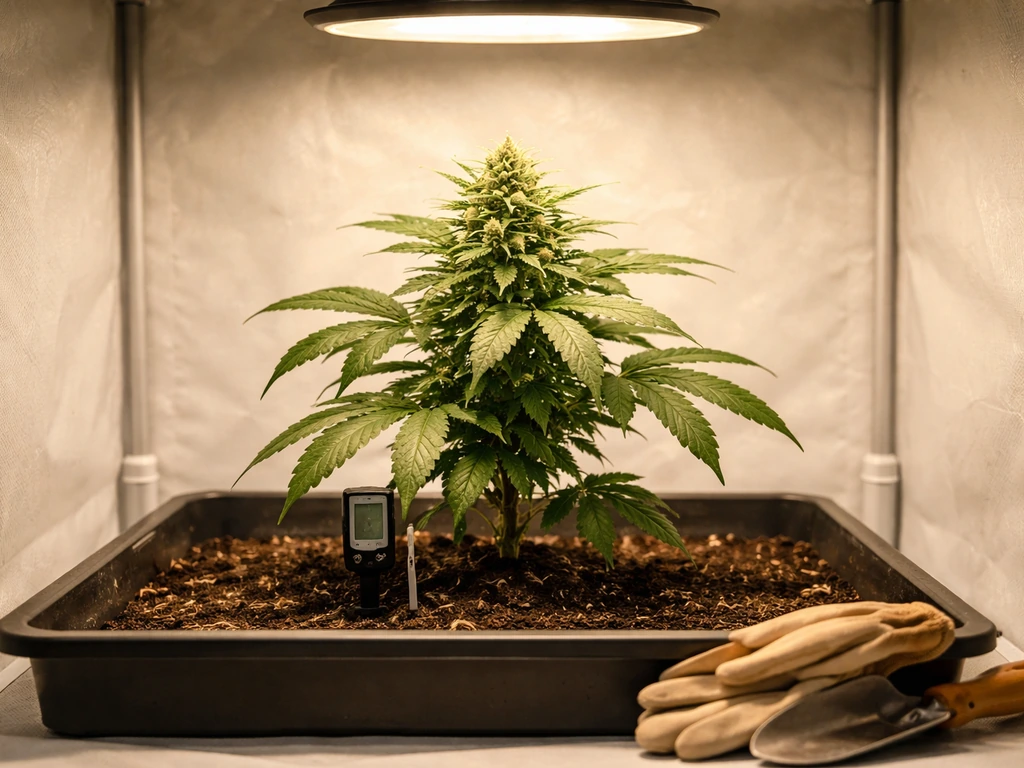
Yes, cannabis grown hydroponically can grow faster than soil-grown cannabis, and the same mechanisms apply: direct nutrient access, consistent oxygenation, and controlled pH. In vegetative growth especially, hydroponic cannabis tends to pack on size quickly when conditions are right. The vegetative phase can often be shortened by a week or more compared to soil, which matters when you're managing multiple cycles per year.
Light is the dominant factor for cannabis growth speed, and it interacts directly with your hydroponic nutrient delivery. Research on controlled environment cannabis cultivation has used PPFD levels of 300 to 500 µmol/m²/s during vegetative growth, translating to daily light integrals (DLI) of roughly 19 to 32 mol/m²/day. Cannabis can actually use significantly higher DLI levels productively, with some research suggesting productive growth up to 70 mol/m²/day. The takeaway: if your light is limiting, faster nutrient delivery from hydroponics won't compensate. Match your light output to your growth targets first.
For cannabis-specific hydroponic setups, EC targets shift across growth stages. Seedlings need low EC (around 0.8 to 1.2 dS/m), vegetative plants can handle 1.5 to 2.5 dS/m, and flowering plants often do well at 2.0 to 3.0 dS/m depending on strain. pH should stay between 5.8 and 6.2 throughout. Keep your reservoir temperature in the 65 to 72°F range to maintain dissolved oxygen and discourage the root pathogens that can devastate a hydroponic cannabis crop. how long a hydroponic grow cycle typically runs depends heavily on strain genetics and whether you're running a Sea of Green, single-plant, or multi-plant setup, but hydroponics generally gives you more predictable timing than soil.
Why your hydroponic plants might not be growing faster (and how to fix it)
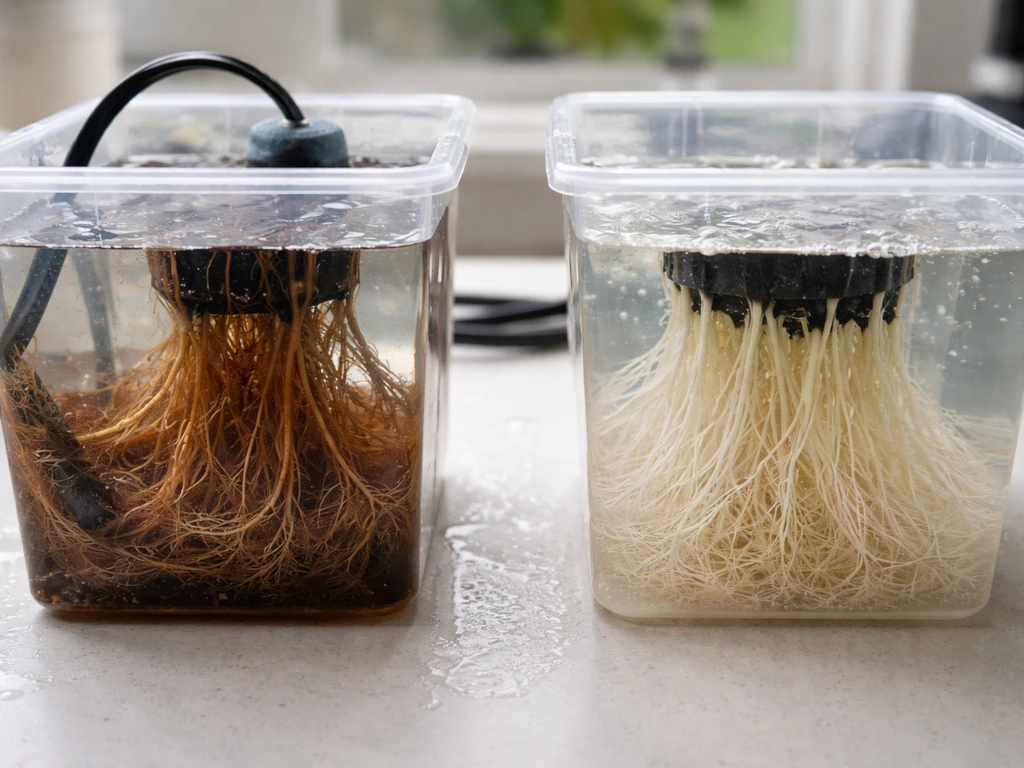
This is the troubleshooting section most guides skip. If you set up a hydroponic system and your plants aren't visibly outpacing soil, one or more of these is almost certainly the cause:
Root problems
Brown, slimy roots are the most visible sign that oxygen is too low or water temperature is too high. Root rot is largely driven by insufficient dissolved oxygen combined with warm solution temperatures. Once root rot sets in, nutrient uptake crashes and growth stalls hard. The fix: check DO first (should be above 6 ppm), drop reservoir temperature to below 72°F, and make sure your reservoir is completely light-proof. Light reaching the reservoir encourages algae growth, algae consumes dissolved oxygen, and low oxygen creates the exact conditions root rot pathogens need to take hold.
pH drift
If you check pH once a week, you're not checking it often enough during active growth. Roots acidify the solution as they feed, and in a fast-growing system, pH can move outside the 5.5 to 6.5 target window within 24 to 48 hours. When pH goes out of range, nutrients lock out, growth slows, and deficiency symptoms appear. Check daily. Use a calibrated meter, not strips.
Insufficient light
Hydroponics removes the nutrient and oxygen limits on growth, but it can't override a photosynthesis limit. If your plants aren't receiving enough PAR (photosynthetically active radiation), measured as PPFD, they simply can't use the nutrients you're delivering. For most leafy greens, target at least 200 to 250 µmol/m²/s. For cannabis in vegetative growth, 300 to 500 µmol/m²/s is a reasonable working range. Measure at canopy level, not at the fixture.
Temperature extremes (air and water)
Air temperature affects transpiration and the plant's ability to move water and nutrients from root to shoot. Most hydroponic crops prefer air temperatures between 65 and 80°F during the light period. High air temps also drive up reservoir temperature through heat transfer. Running a grow tent without adequate ventilation is one of the most common reasons hydroponic growth rates disappoint.
Oxygen delivery gaps
In DWC and similar systems, air pumps can fail silently. A clogged air stone delivers a fraction of the rated airflow, and you won't necessarily notice until you measure DO or see root deterioration. Check air stones every two to three weeks. Replace them every few months because they clog progressively and flow drops gradually. Running air pumps on a timer is a mistake; oxygen delivery should be continuous.
How much faster are we actually talking?
The realistic range, cited across multiple controlled environment studies and technical reviews, is 30 to 50 percent faster growth compared to soil when conditions are well managed. For lettuce, that's the difference between a 30-day and a 60-day harvest. For cannabis vegetative cycles, it might mean reaching target canopy size one to two weeks sooner. exactly how much faster hydroponic plants grow in practice depends on your system type, crop, and how tightly you manage the parameters above. DWC systems tend to produce the fastest growth among common home hydroponic setups because of the constant root-zone oxygen exposure, but nutrient film technique (NFT) and ebb-and-flow systems also deliver meaningful speed advantages over soil when dialed in.
Your practical next steps to increase growth rate today
- Test your reservoir pH right now. If it's outside 5.5 to 6.5, adjust it before doing anything else. pH is the single fastest fix for unlocking nutrients that are already in your solution.
- Measure dissolved oxygen if you have a DO meter, or at minimum verify your air pump is running and your air stones are producing consistent bubbles. Target above 6 ppm. If you don't have a DO meter, get one. It's the parameter most growers monitor last and should be monitoring first.
- Check your reservoir temperature. If it's above 72°F, add a water chiller, freeze water in food-safe bottles and rotate them in, or relocate the reservoir to a cooler spot. Warm water loses oxygen and invites pathogens.
- Confirm your reservoir is completely light-proof. Tape over any gaps, cover sight tubes, and inspect for light leaks. Algae blooms are oxygen thieves.
- Measure EC and compare it to the target range for your specific crop and growth stage. Adjust up or down as needed, but do it gradually (no more than 0.2 to 0.3 dS/m per adjustment) to avoid shocking roots.
- Measure light at canopy level with a PAR meter or a phone-based PAR app as a rough check. If you're below target PPFD for your crop, raise light intensity or lower the fixture before assuming nutrients are the limiting factor.
- Inspect roots. Pull a net pot or check root zone visibility. White, branching roots are healthy. Brown, slimy, or stringy roots need immediate attention: drop temperature, boost aeration, consider a beneficial bacteria product to outcompete pathogens.
- Set a daily monitoring routine. Check pH and EC every day during active growth. Log the numbers so you can spot trends before they become problems. Most hydroponic growth failures are slow drifts, not sudden crashes.