The most effective way to protect your outdoor grow from bugs naturally is to layer your defenses: start with strong, healthy plants, add physical barriers, bring in beneficial insects and companion plants, and have a clear response plan for when something slips through. You don't need synthetic pesticides to keep an outdoor garden clean. What you do need is consistency, early detection, and a willingness to get your hands dirty.
How to Protect Your Outdoor Grow From Bugs Naturally

Marcus Holloway
4 Apr 2026
Common outdoor pests to watch for (and what they actually damage)
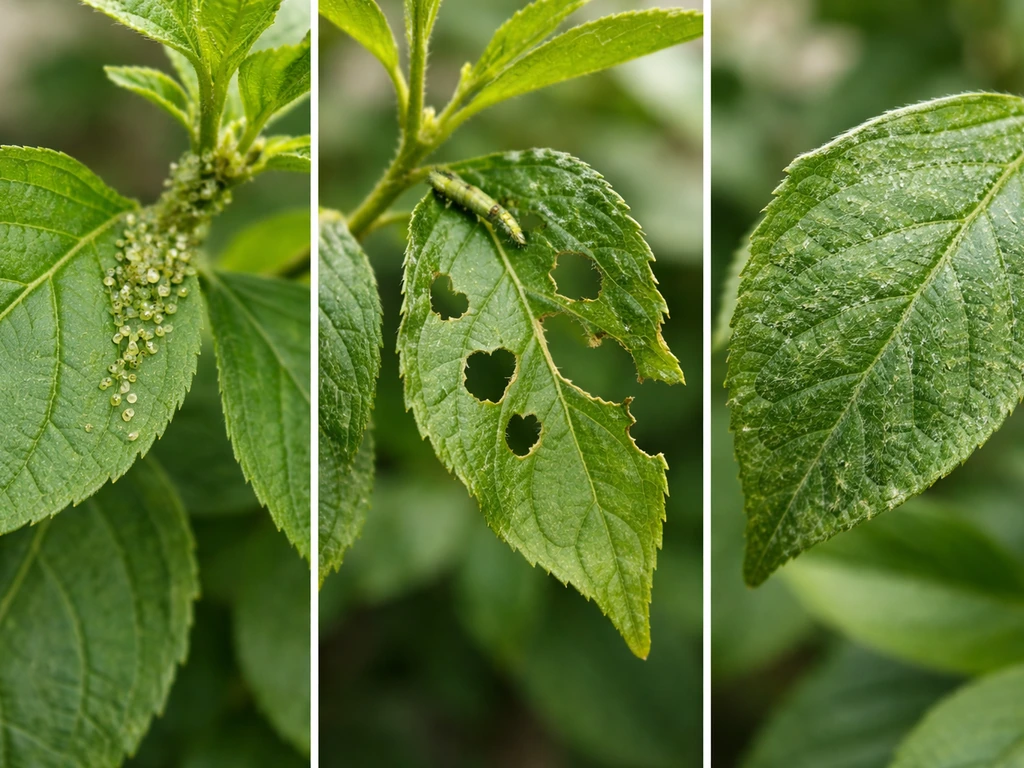
Knowing what you're up against changes everything. Most growers waste time treating the wrong pest because they didn't take five minutes to identify what's eating their plants. Here are the main culprits for outdoor grows, organized by what they attack.
| Pest | What It Targets | Key Damage Sign |
|---|---|---|
| Aphids | Soft new growth, undersides of leaves | Sticky honeydew residue, curled/yellowed leaves, clusters of soft insects |
| Spider mites | Leaves (especially in hot, dry conditions) | Fine webbing, stippled yellow dots on leaf surface |
| Caterpillars/Hornworms | Foliage, stems, fruit | Large pellet-like dark frass on leaves or ground, defoliated stems, surface feeding scars on fruit |
| Thrips | Leaves and flowers | Silver streaking or stippling on leaf surface, distorted growth |
| Whiteflies | Undersides of leaves | Cloud of white insects when disturbed, yellowing, honeydew buildup |
| Fungus gnats | Root zone and seedlings | Wilting seedlings, visible larvae in top inch of soil |
| Cutworms | Stems at soil level | Plants cut off cleanly at the base overnight |
| Slugs and snails | Lower leaves and stems | Irregular ragged holes, silvery slime trails |
| Leaf miners | Leaf tissue (internal) | Winding white or pale tunnels visible through leaf surface |
Tomato and tobacco hornworms deserve a special mention because they are notorious for going unnoticed until serious damage is done. Research from Penn State Extension confirms they start feeding at the top of plants and work downward, and their chewing mouthparts can strip a branch bare before you spot them. The tell is the frass: large, dark green or black pellet-like droppings on leaves or on the ground directly beneath the plant. University of Maryland Extension notes that roughly 90% of defoliation can happen in the late larval stages, so by the time you see bare stems, you may have already lost most of that branch. Check the underside of leaves and look for the frass first, not just the physical damage.
Natural prevention basics: site, timing, and plant health
Prevention is where most growers either win or lose the pest battle before it starts. The basics aren't glamorous, but they work consistently. Healthy plants resist pest pressure in ways stressed plants simply cannot.
- Choose the right site: good airflow and sunlight reduce fungal pressure and slow many pest populations. Shady, damp corners invite slugs, gnats, and mites.
- Start with quality genetics and clean growing medium. Contaminated soil or recycled containers are common entry points for root-zone pests.
- Time your planting to avoid peak pest emergence. In most regions, planting after the last frost but slightly later in the season means you miss the early aphid and whitefly population explosions.
- Keep plants consistently fed and watered. Stressed plants emit chemical signals that actively attract pests. Nutrient deficiencies weaken cell walls, making leaves easier to penetrate.
- Avoid over-fertilizing with nitrogen. Lush, soft new growth from nitrogen excess is a buffet for aphids and caterpillars.
- Inspect new plants and cuttings before introducing them to your garden. A single infested transplant can seed an entire grow.
One thing worth mentioning: if you're using any foliar sprays as part of your plant nutrition routine, pay attention to what's actually in them. Products marketed as growth enhancers sometimes contain ingredients that work as mild pest deterrents too. For example, if you've been wondering whether a product like Spray N Grow is organic, the answer matters here because organic-certified foliar products generally won't disrupt your beneficial insect populations the way synthetic alternatives might.
Physical barriers and exclusion: your first line of defense
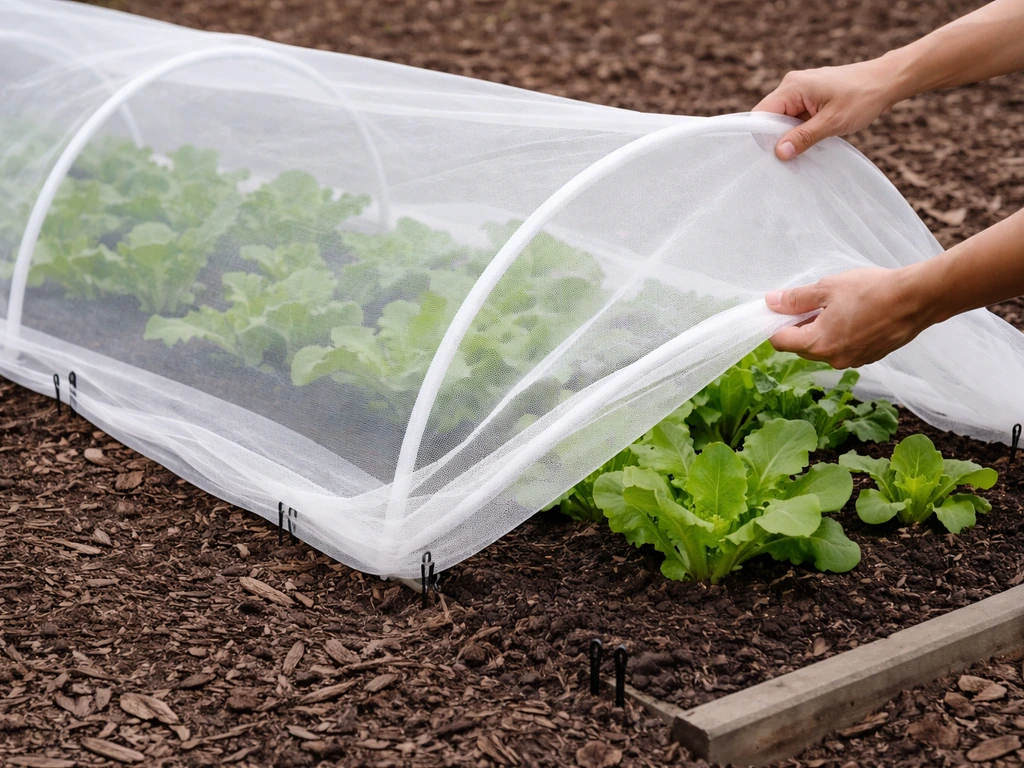
Physical exclusion is underrated. It's not as exciting as releasing ladybugs or mixing neem sprays, but a row cover installed correctly keeps far more pests off your plants than any spray applied after the fact.
Row covers and insect netting
Floating row covers made from lightweight spunbond fabric (usually 0.5 to 1.5 oz per square yard) allow light, air, and water through while physically blocking most flying insects. They're particularly effective against moths that lay hornworm eggs, cabbage white butterflies, aphids, thrips, and whiteflies. The key is sealing the edges at soil level. A cover draped loosely over plants with gaps at the base does almost nothing: insects walk right in. Use soil, rocks, or stakes pinned with landscape staples to seal all edges. Remove covers once flowers appear if your plants need pollination, or choose self-pollinating varieties if you want to keep covers on longer.
Fine mesh screening and collars
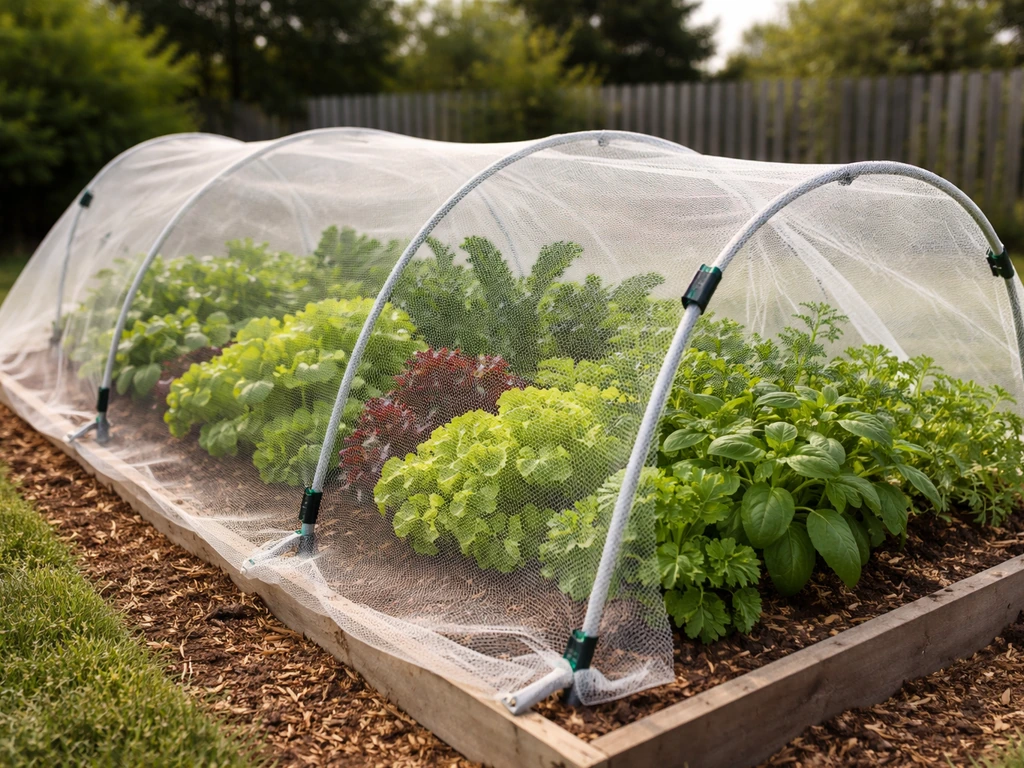
For raised beds or container grows, fine mesh insect netting (50-mesh or finer) stretched over a simple PVC or wire hoop frame creates a season-long exclusion tunnel. This approach works extremely well for smaller grows and makes daily inspection easy since you can just lift the frame. For cutworms specifically, physical stem collars made from cardboard toilet paper rolls pushed 2 to 3 cm into the soil around each transplant are cheap and surprisingly effective. The collar prevents the larvae from reaching the stem at ground level.
Copper tape and sticky barriers
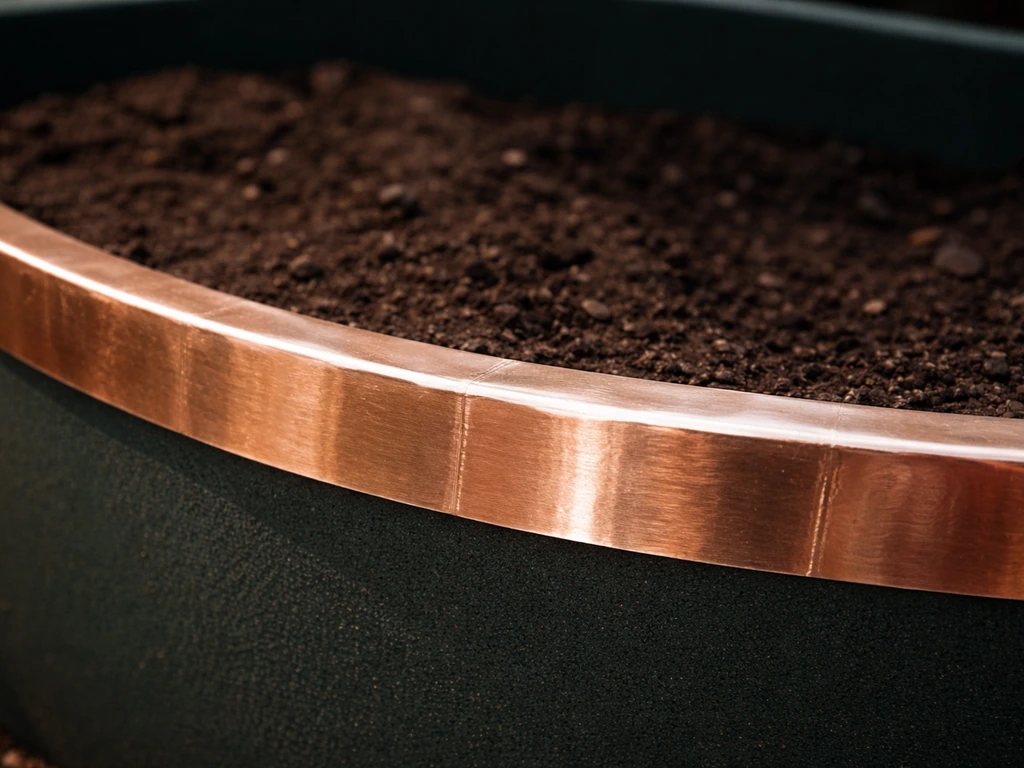
Copper tape applied around container rims or raised bed edges deters slugs and snails through a mild electrical reaction when they contact it. Keep the tape clean and continuous for it to work. Sticky yellow or blue card traps placed just above canopy height are excellent monitoring tools for flying pests like whiteflies, thrips, and fungus gnats. They're not control tools on their own, but they tell you exactly what's arriving in your garden and when populations are spiking.
Companion planting and habitat management
Companion planting isn't folklore. It works through two real mechanisms: chemical deterrence (some plants emit compounds or volatiles that confuse or repel pests) and habitat support (others attract the beneficial insects that eat your pests). The key is being intentional rather than just scattering herbs randomly.
Plants that deter pests
- Basil: planted near tomatoes and peppers, it repels aphids, spider mites, and thrips. The aromatic oils are the active mechanism.
- Marigolds (Tagetes species, not just any 'marigold'): French marigolds (T. patula) produce alpha-terthienyl in their roots, which suppresses nematodes. Above ground, the smell deters aphids and whiteflies.
- Nasturtiums: used as a trap crop to lure aphids away from primary plants. Plant them at the garden perimeter and let aphids colonize them, then remove or treat the nasturtiums.
- Dill and fennel: attract predatory wasps and hoverflies that parasitize caterpillars and eat aphids. Let them flower for maximum effect.
- Garlic and chives: allium compounds repel a broad range of sucking insects when interplanted throughout the bed.
- Lavender and rosemary: strong aromatics that confuse flying pests trying to locate host plants by scent.
Habitat management for beneficial insects
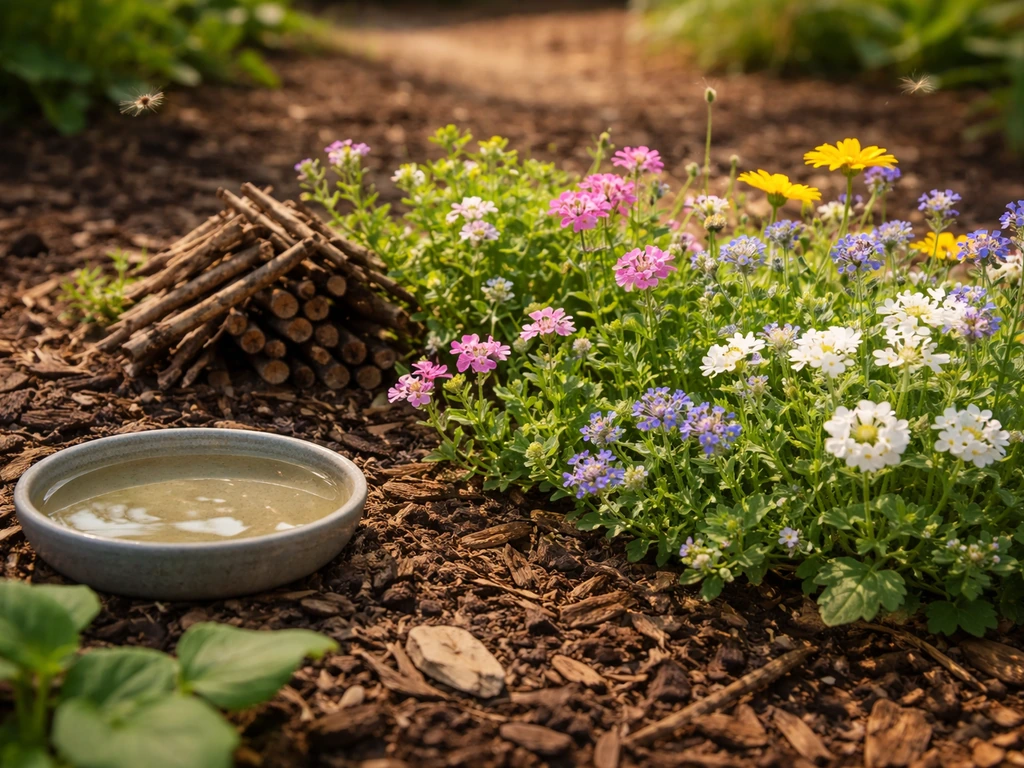
Beneficial insects need more than just prey. They need shelter, water, and alternative food sources (pollen and nectar) when pest populations are low. A small patch of flowering plants near your grow, including umbellifers like dill, cilantro in flower, and yarrow, supports parasitic wasps, lacewings, and hoverflies. Leave some leaf litter or a small brush pile at the garden edge for ground beetles, which are voracious slug and caterpillar hunters. Avoid tilling aggressively around the garden perimeter, as it destroys ground beetle habitat. If you've been shopping for grow infrastructure and wondering where you can buy Halo grow equipment for setup, it's worth noting that proper spacing decisions made during setup directly affect your ability to support beneficial insect habitat alongside your main plants.
Natural pest-control tactics: what to actually do when bugs show up
Even with prevention and companion planting, some pest pressure is inevitable outdoors. Here are the non-synthetic tools that work, in order of invasiveness.
Hand removal and targeted monitoring
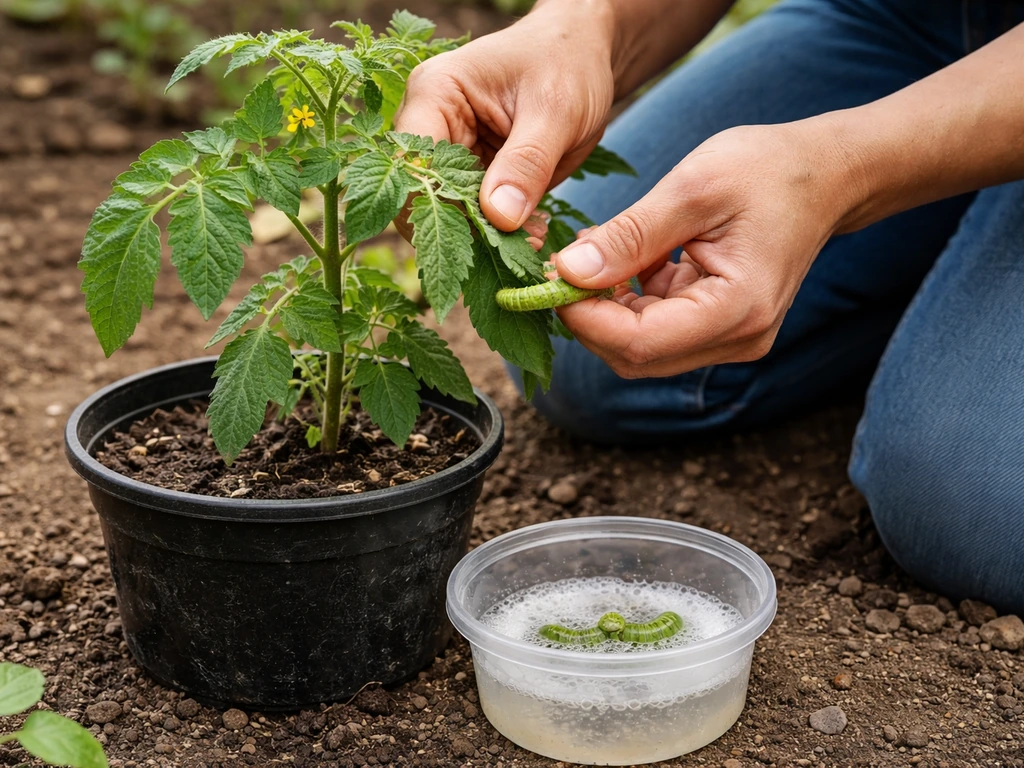
For hornworms, hand removal is genuinely the most effective control method. They're large enough to pick off by hand and drop in soapy water. The trick is finding them early, which means checking plants every two to three days and looking for frass before you look for the caterpillar itself. UConn IPM research confirms finding pellet-like droppings on plastic mulch or under plants is your earliest reliable indicator of hornworm activity. Once you find frass, look directly above on stems and leaf undersides. For aphids, a firm spray of plain water knocks off large portions of colonies and is enough to manage light infestations on its own.
Natural repellents and contact sprays
Neem oil (cold-pressed, containing azadirachtin) is one of the most versatile natural pest control tools available to outdoor growers. It disrupts the molting cycle of insects, acts as a feeding deterrent, and has antifungal properties as a bonus. Mix at 2 to 4 teaspoons of neem per gallon of water with a few drops of dish soap as an emulsifier. Apply in the evening to avoid light-intensified leaf burn and to protect beneficial insects that are less active at dusk. Reapply every five to seven days or after rain. Insecticidal soap spray works by contact, disrupting the cell membranes of soft-bodied insects like aphids, spider mites, and whiteflies. It has no residual effect, so coverage and timing matter. If you want to understand how products like these fit into a spray schedule, researching how often you can use spray and grow type products is a good starting point for thinking through application frequency and plant tolerance.
Diatomaceous earth and physical deterrents
Food-grade diatomaceous earth (DE) dusted along soil surfaces and around stem bases physically damages the exoskeletons of soft-bodied crawling insects like slugs, cutworms, and fungus gnat larvae. It loses effectiveness when wet, so reapply after rain. Don't apply it to flowers or anywhere beneficial insects land and forage.
Releasing beneficial insects
Purchased beneficial insects work best as a supplement to an existing habitat, not a standalone fix. Ladybugs are commonly sold but have a high escape rate from outdoor gardens unless released at dusk when they're less mobile, and ideally in a space with some netting to contain them temporarily. Parasitic wasps (Trichogramma species) are more effective for caterpillar egg control and are sold on cards that you hang in the garden. Lacewing larvae are excellent all-around predators for soft-bodied pests. Green lacewing eggs are available from several suppliers and establish well outdoors when food sources are present.
Environment tweaks that reduce bug pressure
This section gets overlooked, but environmental management is often the difference between a garden that gets occasional pests and one that gets hit hard every season.
Watering practices
Water at the base of plants rather than overhead. Wet foliage increases fungal pressure and creates favorable humidity for spider mites in the dense microclimate under leaf canopies. Water in the morning so soil surfaces dry through the day, which reduces slug and fungus gnat activity. Avoid waterlogged conditions in containers and raised beds, since wet soil near the surface is where fungus gnat larvae feed and where cutworms shelter.
Airflow and plant spacing
Cramped plants share pests efficiently. Adequate spacing (following the recommended spacing for your specific variety) ensures air moves through the canopy, leaves dry faster, and you can visually inspect plants without moving others. Prune lower fan leaves that touch the ground, since they create a direct highway for soil-dwelling pests to climb onto the plant.
Sanitation and weed management
Weeds aren't just competition for nutrients. Many serve as reservoirs for aphid populations, whiteflies, and thrips that then migrate to your main plants. Keep a clear buffer zone of about 30 to 60 cm around raised beds and containers. Remove crop debris promptly after harvest and don't compost visibly diseased or heavily infested material. At season's end, till or turn the top layer of soil in beds to expose overwintering pupae, eggs, and larvae to frost and predators. If you've been researching dedicated pest control products for your outdoor setup, the Rich Grow bug killer line is one option worth reviewing for fit with a natural program, particularly whether specific formulations are compatible with the beneficial insects you're trying to protect.
Your emergency plan: what to do the moment you spot an infestation
Seeing an active infestation is stressful, but the wrong reaction (reaching for the strongest thing on the shelf) often causes more harm than the bugs themselves. Here's the workflow I use when a pest problem hits.
- Stop and identify before you treat. Spend five minutes confirming exactly what pest you're dealing with. A phone photo run through a plant ID app or a quick extension service comparison will tell you whether you're looking at aphids, mites, thrips, or something else. The treatment is different for each.
- Assess the severity. Is this a localized colony on two or three leaves, or is the pest spread across the whole canopy? A localized problem gets targeted, manual treatment first. A widespread infestation gets the full protocol.
- Quarantine if possible. If the infested plant is in a container, move it away from others immediately. This buys you time and slows spread.
- Remove manually first. For any visible pest, hand pick or prune heavily infested leaves into a sealed bag before applying any spray. This reduces the population load before your first treatment and makes subsequent sprays more effective.
- Apply neem oil or insecticidal soap as a first contact spray. Cover all leaf surfaces, especially undersides. Do this at dusk. Mark your calendar: reapply in five to seven days regardless of whether you can still see the pest.
- Introduce or encourage beneficials. After the initial spray, if the infestation was significant, order lacewing eggs or parasitic wasps to supplement pressure on the remaining pest population.
- Check every two days for two weeks. Most pest populations cycle. One treatment rarely closes the loop. Keep a simple log of what you see and when so you can tell if the population is declining or rebounding.
- Evaluate and adjust. If the pest population hasn't declined after three spray cycles (roughly three weeks), reconsider whether your identification was correct, whether environmental factors are driving reinfestation, or whether a different natural approach is needed.
The most important thing about this workflow is the two-day check rhythm. Most outdoor growers who lose plants to bugs aren't defeated by any single pest attack. They're defeated by a two-week gap between noticing a problem and responding to it. Outdoor growing rewards the grower who's paying attention consistently, not the one with the most products on the shelf.
FAQ
How often should I inspect my outdoor plants if I’m trying to protect them naturally from bugs?
Use a two to three day inspection rhythm, then shorten to daily once you see early signs (frass, leaf stippling, sticky residue, or new webbing). Focus first on leaf undersides and the area directly beneath the plant, because many pests start feeding where they are hardest to spot.
What should I do if I’m seeing frass or chewed leaves but I’m not sure which pest it is?
Don’t start with sprays. First confirm by searching the underside of the same leaves plus the ground directly below (frass concentration often points to the attacker). If you find pellet-like droppings or repeated bare-top loss, treat it like a hornworm situation and do targeted hand removal, because late-stage damage can look similar across different caterpillars.
Do floating row covers completely stop pests, or can they trap them inside?
They block most flying insects, but edge gaps are the usual failure point. If you notice pests inside, check that the fabric is sealed at soil level and that no plant stems are bent so openings form at the base. Also, remove or loosen covers when pollination is needed, otherwise flowering crops may under-set even if bugs are reduced.
Is it safe to use neem oil or insecticidal soap when I have beneficial insects in the garden?
Neem and soaps are more likely to disrupt beneficials if you spray directly onto them or apply at the wrong time. Apply in the evening and avoid spraying flowering strips where pollinators and beneficials are actively feeding. When possible, spot-treat only affected plants instead of coating the whole canopy.
Can I use neem oil and insecticidal soap back to back in the same week?
Yes, but avoid stacking them too frequently without a reason. Neem works as a longer disruption (molting and feeding), while soaps act on contact with soft-bodied pests and have no residual effect. A practical approach is to pick one main tool per pest cycle, then reassess after 48 to 72 hours based on whether you still see live pests.
How do I prevent “false control,” where pests come back after the treatment?
The most common mistake is treating symptoms but not the source. For crawling pests like cutworms and slugs, focus on soil-level barriers (collars, copper tape, or dry DE around the base) and keep water at the base so the surface stays less favorable. For aphids and whiteflies, check new growth daily after treatment, since colonies often restart from fresh plant tips.
What’s the safest way to wash off aphids naturally without damaging my plants?
Use a firm stream of plain water to knock off large colony portions, then recheck the same leaves the next day. Avoid washing at peak midday heat because stressed leaves can scorch more easily. If colonies quickly regrow, pair the knockdown with targeted spot treatment (for example, neem or soap) rather than repeated full-plant soaking.
Should I apply diatomaceous earth (DE) on leaves or only around the soil?
Only dust it along soil surfaces and around stem bases. DE is intended to damage crawling insects and loses effectiveness when it gets wet, so leaf application is usually counterproductive and can also affect beneficial insects that land on plants.
How do I use sticky yellow or blue traps without accidentally making the situation worse?
Place traps just above canopy height so they monitor flying pests effectively, then use them as indicators, not the primary control. If traps start catching large numbers, treat the underlying infestation with exclusion, water management, and targeted sprays, otherwise the traps may only confirm that pests are still breeding nearby.
Are ladybugs enough on their own for outdoor pest control?
Usually not. Ladybugs sold for release often escape quickly outdoors, especially without temporary containment. For better results, think of them as a supplement, and prioritize habitat support (nectar plants for parasitic wasps and hoverflies, leaf litter for ground beetles) so predators can stay and reproduce.
What watering changes matter most for preventing bugs naturally?
Water at the base, and water in the morning so the soil and lower leaf zone dry during the day. This reduces fungal pressure and makes the microclimate less friendly for spider mites, while also lowering conditions fungus gnat larvae need in consistently wet topsoil.
How can I reduce pests that overwinter in the garden without using synthetic pesticides?
At season end, remove crop debris promptly and turn the top layer of soil in beds to expose overwintering eggs, pupae, and larvae to predators and frost. Also keep a weed-free buffer around beds and containers, because many weeds act as reservoirs for aphids, whiteflies, and thrips.
What’s a good “first response” workflow when I spot a pest for the first time?
Start with a quick ID, then take action that matches the likely life stage. Do a two-day check rhythm, confirm the pest by looking for the earliest indicators (like hornworm frass for caterpillars), then choose one natural control step at a time (exclusion, hand removal, targeted soap/ neem, or soil-level barriers) and recheck after 48 to 72 hours before escalating.