You can grow a surprisingly wide range of plants hydroponically: leafy greens, herbs, fruiting vegetables like tomatoes and peppers, strawberries, flowers, and even some houseplants. That said, not everything is equally practical for a home setup, and the honest answer is that your best options depend heavily on what system you have, how much light you're working with, and how much experience you bring. If you're just getting started, leafy greens and herbs are your fastest path to a real harvest. If you've got a bigger setup and some patience, fruiting crops are absolutely doable. Let's break it all down.
What Can You Grow Hydroponically Best Plants for Beginners
Marcus Holloway
2 Apr 2026
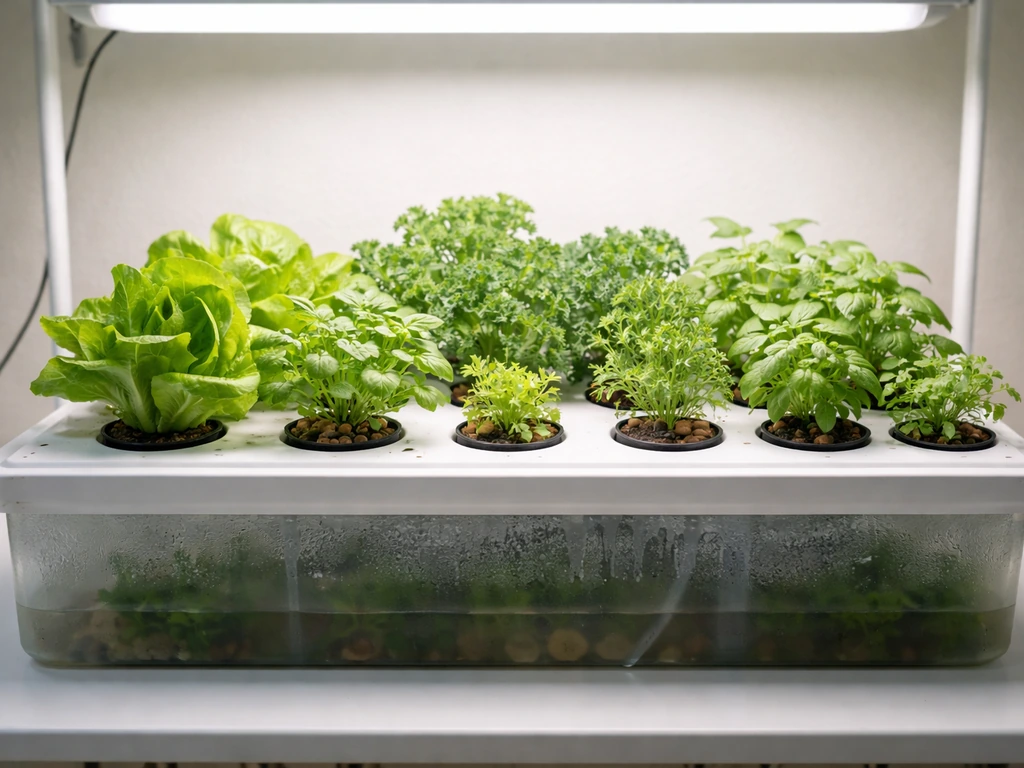
Common crops you can grow hydroponically
Hydroponics works for almost any plant that can be grown in soil, but the crops that show up in hydroponic gardens again and again are the ones that reward you quickly and tolerate the controlled environment well. Here's a practical overview of what people actually grow and why each category makes sense in a soilless system.
- Leafy greens: lettuce (butterhead, romaine, oakleaf, multi-leaf), spinach, kale, chard, arugula
- Culinary herbs: basil, mint, cilantro, parsley, chives, oregano, thyme
- Fruiting vegetables: tomatoes, peppers, cucumbers, zucchini, eggplant
- Legumes: bush beans, snap peas
- Root vegetables: radishes (yes, they work in some systems), beets
- Fruits: strawberries, dwarf melons
- Flowers and ornamentals: lettuce-leaf basil, marigolds, snapdragons, gerbera daisies
- Specialty and medicinal crops: cannabis, microgreens
The range is genuinely broad. growing almost anything hydroponically is possible in theory, but practical success depends on matching the crop to the right system, nutrient profile, and light setup. That's what the rest of this guide will help you figure out.
Hydroponic-friendly fruits and vegetables
When people think of hydroponic vegetables, tomatoes usually come to mind first, and for good reason. Commercial hydroponic tomato production is massive, and home growers can absolutely pull it off. Indeterminate tomato varieties like Beefsteak or cherry types like Sungold are popular because they keep producing for months. You'll need a larger system, a strong light (PPFD well above 400 µmol/m²/s for fruiting), and a trellis or support structure since the vines get heavy. EC for tomatoes typically runs 2.0–3.5 mS/cm, which is considerably higher than leafy greens need, so you'll be managing nutrients more actively.
Peppers follow similar logic. They're slower to start but incredibly productive once they get going. Cucumbers are faster than both and tend to thrive in deep water culture or drip systems. They climb aggressively, so give them vertical space. Strawberries are an underrated choice for home growers: they do well in NFT channels and produce fruit in a compact footprint. Bush beans and snap peas are less common but work well in media-bed systems. Just avoid indeterminate climbing pea varieties unless you've planned for the height.
The real trade-off with fruiting vegetables is complexity. They need more nutrients, more light, more support, and longer grow cycles before you see anything edible. That's not a reason to avoid them, but it is a reason not to start with them if you're new to hydroponic growing.
Herbs and leafy greens for indoor hydroponics
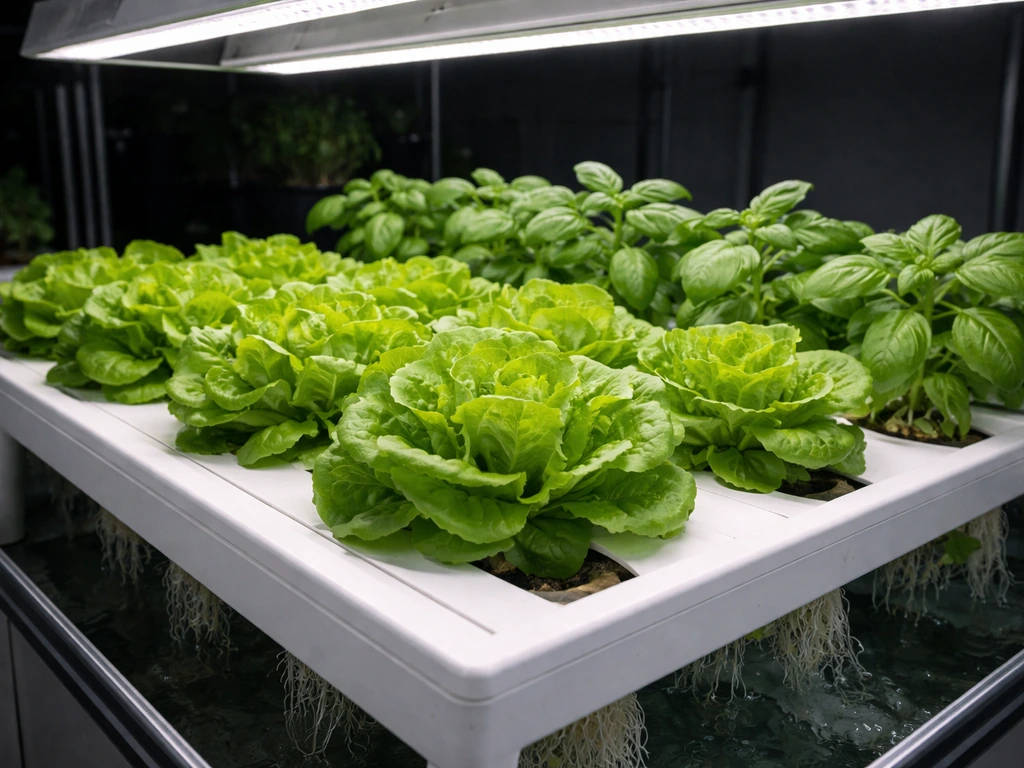
This is where hydroponics genuinely shines, especially indoors. Lettuce goes from seed to harvest in 30–45 days. Basil can be ready in under four weeks. You get fast feedback, low nutrient requirements, and forgiving pH windows. For anyone building their first hydroponic garden, this category is where you want to start.
For lettuce, target a pH of 5.8–6.2 and an EC of 0.8–1.2 mS/cm (use the lower end for seedlings). UF/IFAS guidance for small hydroponic systems specifies an EC range of 1.2–1.8 mS/cm and a dissolved oxygen target of around 5 mg/L, which you'll hit with a decent air pump and air stone. The University of Missouri Extension notes that dissolved oxygen over 6 ppm is optimal for hydroponic production overall, so don't skip aeration. For light, lettuce and leafy greens need a PPFD of roughly 100–250 µmol/m²/s and a daily light integral (DLI) of 8–12 mol/m²/day. That's very achievable with a basic LED grow light.
Basil deserves its own mention because it's one of the most rewarding herbs in a hydroponic system. It grows fast, smells incredible, and is practically foolproof in a small DWC or NFT setup. Aim for a pH of 5.5–6.2 and an EC of 1.0–1.6 mS/cm, dropping the EC slightly during hot stretches to reduce stress. Mint is another strong option, though keep it in its own container since it spreads aggressively. Cilantro bolts quickly in warm environments, so keep temperatures below 75°F if you want a sustained harvest.
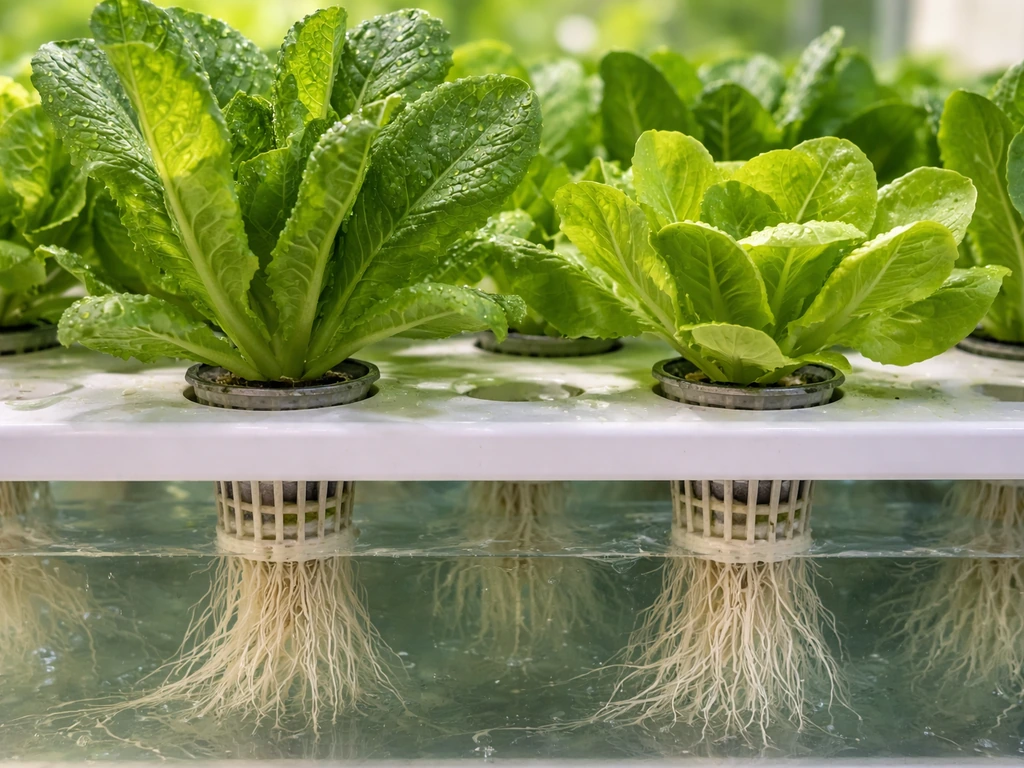
NFT (nutrient film technique) systems are specifically well-suited to this category. Virginia Tech extension identifies lettuce, culinary herbs, and salad greens as the crops most commonly grown in NFT systems. The Kratky method, a passive no-pump approach, was essentially designed for leafy vegetables, making it a perfect entry point for home growers who don't want to deal with pumps and timers right away. DWC systems also excel here, with roots fully submerged and oxygenated via an air stone.
Plants beyond food: flowers, houseplants, and specialty crops
Hydroponics isn't limited to edibles. Flowers like marigolds, snapdragons, and gerbera daisies grow well in soilless systems and are popular for commercial cut-flower production. Orchids and other epiphytic houseplants can be adapted to hydroponic setups using semi-hydro methods (passive systems with inorganic media like LECA). Peace lilies and pothos can even be grown in water alone, though a dilute nutrient solution will improve their vigor.
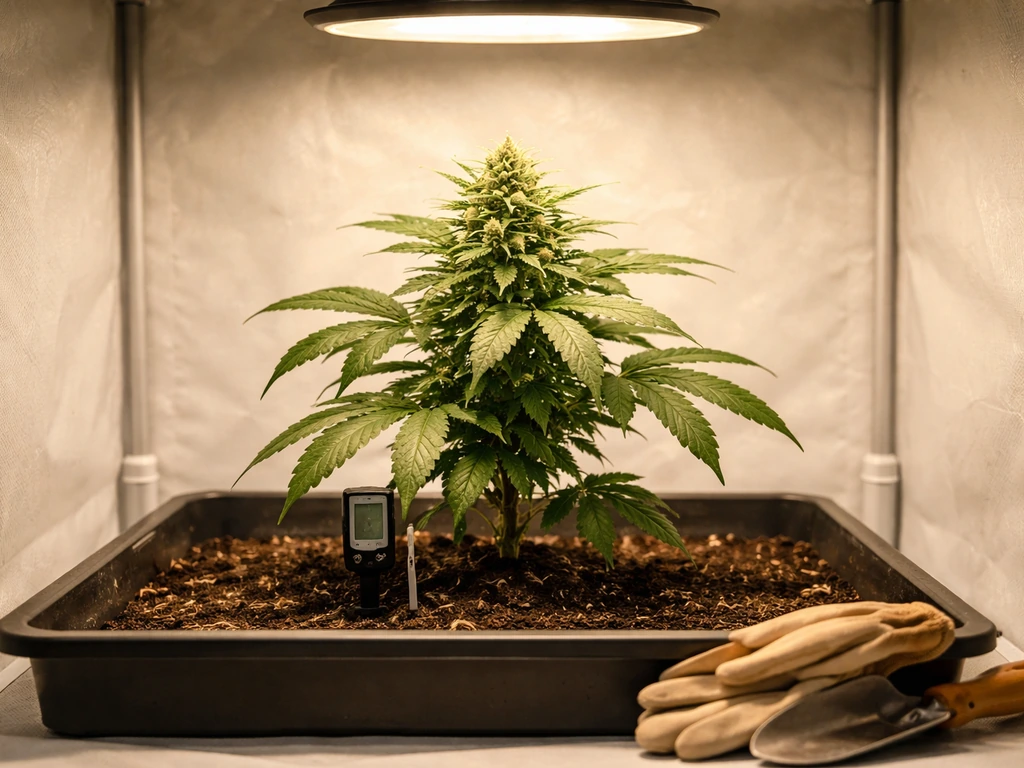
Cannabis is arguably the most well-known specialty crop in the hydroponic world. It responds exceptionally well to DWC and coco coir setups, with nutrient programs specifically designed to support its vegetative and flowering stages. If you're curious about what you can grow with aeroponics, cannabis is one of the most popular aeroponic crops, given how dramatically aeroponics can accelerate root development and yield. Microgreens are another specialty category worth mentioning: they're fast (7–14 days to harvest), nutritionally dense, and don't even require a sophisticated hydroponic system, just a shallow tray and a basic light.
Specialty crops like wheatgrass, watercress, and purslane also thrive hydroponically. These aren't mainstream, but if you're looking to grow something unusual, hydroponics gives you control that soil simply doesn't match. You're not fighting drainage, soil pH buffering, or pathogens in the same way.
How to choose what to grow based on your setup
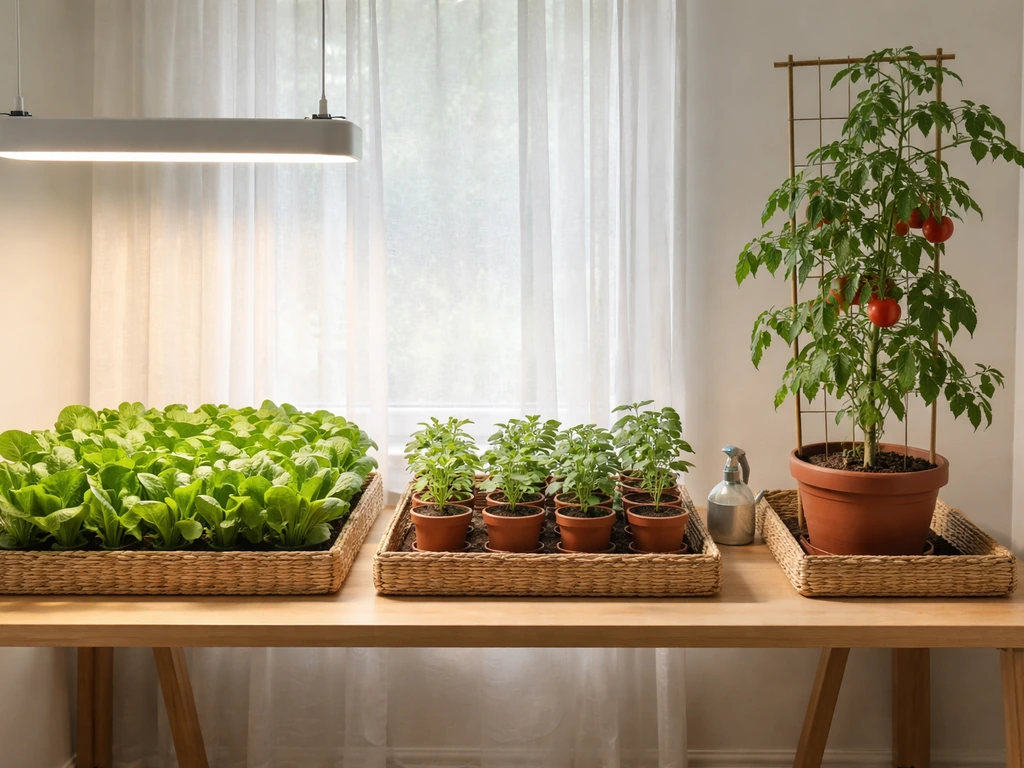
Before you decide on a crop, think honestly about three things: the space you have, the light you can provide, and the system you're running or planning to run. These three factors will narrow your options faster than anything else.
Matching crops to your system type
| System Type | Best Crops | Key Consideration |
|---|---|---|
| NFT (nutrient film technique) | Lettuce, herbs, spinach, strawberries | Thin film of nutrient solution; ideal for shallow-root crops |
| DWC (deep water culture) | Lettuce, herbs, basil, cucumbers | Roots fully submerged; needs constant aeration |
| Kratky (passive DWC) | Lettuce, spinach, leafy greens | No pump required; not suitable for fruiting crops |
| Ebb and flow (flood and drain) | Tomatoes, peppers, herbs, strawberries | Versatile; works with most grow media |
| Drip system | Tomatoes, cucumbers, peppers, cannabis | High control over feeding; suits larger plants |
| Aeroponics | Lettuce, cannabis, strawberries | Fastest growth; highest equipment and maintenance demand |
| Media bed (e.g., LECA, perlite) | Herbs, beans, root vegetables, tomatoes | Most soil-like; easy to transition from soil growing |
Light and space requirements by crop category
Light is the single biggest limiter for indoor hydroponics. Leafy greens and herbs can thrive at 100–250 µmol/m²/s PPFD and a DLI of 8–12 mol/m²/day. That's achievable with a modest LED panel even in a small grow tent or shelf setup. Fruiting crops like tomatoes and peppers need PPFD values that can run two to four times higher, and they need that intensity for 12–16 hours per day. If you're growing indoors under artificial light, calculate your DLI before you commit to a fruiting crop. Underpowered light on tomatoes means small yields and stretched, weak plants.
Space matters most vertically. Lettuce and herbs stay compact. Tomatoes, cucumbers, and cannabis can easily hit 4–6 feet tall, especially in a high-performance hydroponic system. If your grow space has a low ceiling, stick to short varieties or low-growing crops. And don't overlook the possibility of growing outdoors: running a hydroponic system outside is a legitimate option that solves your light problem entirely while letting you scale up without grow light costs.
Beginner picks, and what to avoid at first
If this is your first hydroponic garden, start with lettuce. It is genuinely the best beginner crop: fast, forgiving, low nutrient demand, and ready to harvest in about 30–45 days. From lettuce you'll learn how to manage pH (target 5.8–6.2), top off your reservoir, and read plant health. After a few lettuce cycles, add basil or spinach. By the time you've grown three to four rounds of leafy greens, you'll understand your system well enough to tackle something more demanding.
Avoid starting with tomatoes, peppers, or cucumbers until you've dialed in your basics. These crops need more nutrients, more light, more support, and longer commitment before you see a payoff. A pH swing that barely affects a lettuce crop can cause nutrient lockout on tomatoes and set you back weeks. Similarly, if you're curious about whether you can skip adding nutrients in hydroponics, the answer matters more for fruiting crops than leafy greens: fruiting plants are far more sensitive to nutrient deficiencies, and cutting corners there will show up in your yield quickly.
A few other crops that look simple but aren't: carrots and other tap-root vegetables need deep, very specific media and are hard to harvest cleanly in most systems. Corn is practically impossible to justify indoors given its height and light demands. Melons and squash can work, but they sprawl and need serious support structures. Save these for when you're genuinely comfortable with hydroponic principles.
- Best beginner picks: lettuce, basil, spinach, chives, arugula, Kratky-style herbs
- Good second-round crops: kale, cilantro, mint, cherry tomatoes (small system, experienced grower), strawberries in NFT
- Advanced crops for when you're ready: indeterminate tomatoes, bell peppers, cucumbers, cannabis
- Skip for now: carrots, corn, large squash, melons (unless you have a dedicated outdoor or large-scale setup)
Planning your hydroponic garden from seed or clone to harvest
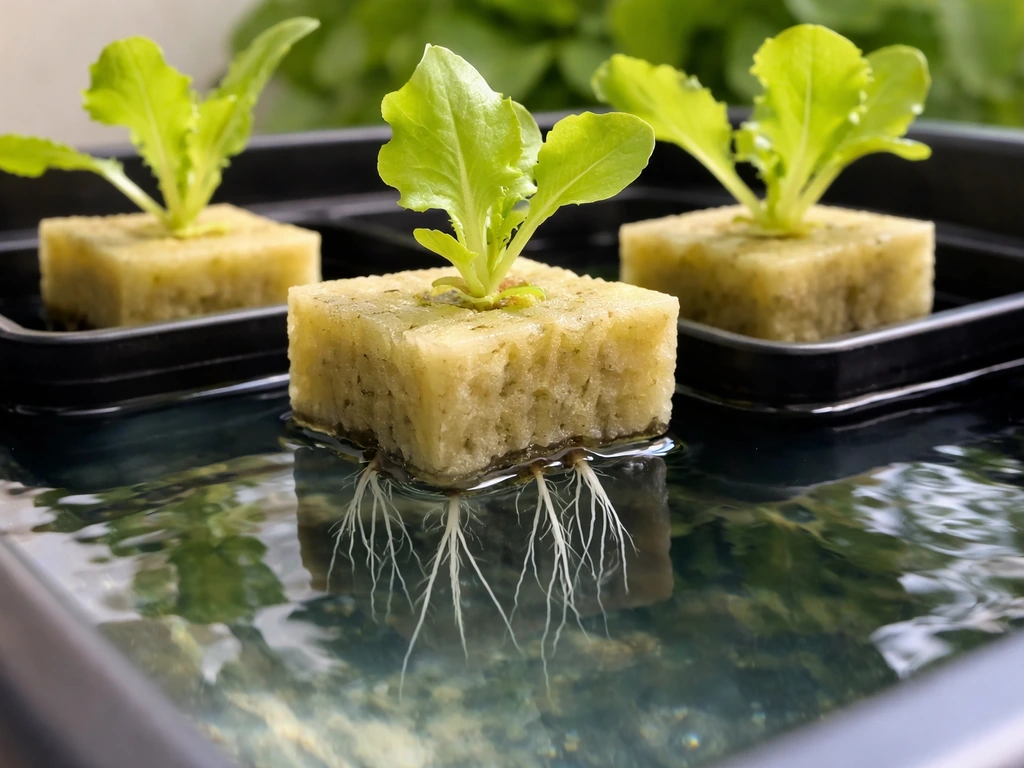
Starting from seed is the most common approach for leafy greens and herbs. Use a rockwool cube, peat pellet, or foam plug as your germination medium. Keep it moist but not soaking, and provide warmth (70–75°F) for germination. Once your seedling has a visible root and its first true leaves, it's ready to move into your hydroponic system. Virginia Tech extension notes that seedlings should be given partial-strength nutrient solution at first because the germination media adds no nutrients of its own. Start at the lower end of your EC target, then ramp up as the plant establishes.
For fruiting crops and cannabis, clones (rooted cuttings from a mother plant) are a popular alternative to seed starting. Clones skip the germination phase, give you a head start, and ensure you're working with a known phenotype. The trade-off is that you need a reliable clone source, and rooting clones requires keeping humidity high and temperatures stable. If you're starting from scratch with no clone source, seed is simpler.
For nutrient solution management from the start, General Hydroponics recommends maintaining pH between 5.5 and 6.5 for broad nutrient availability, and most practical grow charts echo this range. Your source water EC matters too: Missouri Extension advises that your tap water EC should ideally be below 1.0 mS/cm so you have room to add fertilizer without pushing total EC too high. If your tap water is hard or mineral-rich, consider using a RO (reverse osmosis) filter, especially for crops with low EC targets like lettuce. Johnny's Selected Seeds tech sheet for hydroponic seed starting lists EC ranges per crop: for lettuce, that's 0.8–1.4, which aligns with keeping things gentle during early growth.
- Choose your crop based on your system type, light availability, and experience level
- Germinate in rockwool or peat plugs, keeping temperature at 70–75°F
- Move seedlings to your hydroponic system once roots are visible and first true leaves appear
- Start nutrient solution at partial strength (lower EC end of your target range)
- Monitor and adjust pH daily in the first week, then every 1–2 days once stable
- Top off the reservoir with plain pH-adjusted water between full reservoir changes
- For leafy greens, expect harvest at 30–45 days from transplant; cut outer leaves for continuous harvest or pull the whole plant
- For fruiting crops, train and support plants early, increase EC and light intensity as they mature, and be patient with the longer timeline
The clearest path to your first successful hydroponic harvest is keeping the plan simple: one or two crop varieties, a system you understand, and consistent monitoring of pH and EC. Get those three things right and almost every crop on this list becomes achievable. Start with lettuce or basil, learn your system's rhythms, and then layer in complexity once you've got a few harvests under your belt. That's not the cautious approach, that's just how growers who actually get results do it.
FAQ
Can you grow any plant hydroponically, or are there real limits?
In theory, many soil plants can be adapted, but in practice the limit is whether you can supply enough light, stable nutrients, and the right root environment. Fast, repeatable harvests are easiest with leafy greens and herbs, while fruiting plants require higher light and more careful nutrient management.
What is the easiest thing to grow hydroponically if I want the fastest results?
Microgreens and baby lettuces are typically the quickest. Microgreens can be ready in about 7 to 14 days using a shallow tray and basic lighting, and they are forgiving because you harvest before many nutrient or root issues become obvious.
Which crops are safest to start with if I do not want to monitor pH and EC constantly?
Leafy greens are the most forgiving, especially lettuce and many salad greens. They tolerate wider swings better than fruiting crops like tomatoes, which can show nutrient lockout quickly when pH or EC drifts.
Is it better to choose a crop based on the hydroponic system I have, or the plant I want?
Start with the system. NFT is a strong match for lettuce and many culinary herbs, while DWC and aerated systems are great for fast roots and greens. Fruiting crops can be done in several systems, but they push your system limits (light intensity, root oxygen, and nutrient stability).
Can you grow hydroponically outdoors, and does that change what you can grow?
Yes, but outdoors you must manage temperature swings, sun intensity, and evaporation. Outdoors can solve the lighting problem for crops like lettuce, herbs, and many fruiting plants, but nutrient concentration can change faster, so you still need routine pH and EC checks.
What happens if my hydroponic light is too weak for tomatoes or peppers?
Underpowered light usually leads to weak, stretched growth and poor flowering, so you end up with fewer and smaller fruits. Before committing, calculate your daily light integral (DLI) and plan for longer light hours for fruiting crops.
Do I need to use RO water to grow hydroponically?
Not always. If your tap water EC is low enough, you can often avoid RO. If your water is hard or mineral-rich, RO (or another water treatment) helps prevent your starting EC from being too high, which matters most for low-target crops like lettuce.
Can I skip nutrients in hydroponics if I’m using something like peat pellets or rockwool?
You should not plan on skipping nutrients. Germination media may not add nutrients, so seedlings often need a gentle, partial-strength feed once they have true leaves. Fruiting crops are especially sensitive, and nutrient absence will show up as slow growth and stalled development.
Are tap-root crops like carrots possible in hydroponics, or should beginners avoid them?
They are possible but are difficult in many home setups because roots need depth and the right media structure for clean, straight growth. If you are a beginner, start with greens and herbs, then attempt tap-roots later when you can control media depth and harvesting conditions.
What’s the easiest way to start from seed vs using clones?
For most beginners, seed is simpler because it avoids the need for clone humidity control and stable rooting conditions. Clones can give a faster and more uniform crop, but you need a reliable source and good propagation space.
How do I choose between lettuce and basil for my first crop?
Pick lettuce if you want the most forgiving, faster feedback loop with lots of harvest cycles. Pick basil if you want a rewarding herb with strong growth, but be ready to manage heat stress and keep conditions stable so it does not slow down or bolt.
Which is more forgiving for beginners, DWC or NFT?
Both can be beginner-friendly, but NFT is often chosen for leafy greens because it provides a continuous thin nutrient film to exposed roots. DWC can be very effective, but it depends heavily on maintaining strong aeration so dissolved oxygen stays high and roots do not suffocate.
Why do some common “simple” plants fail in hydroponics at home?
Common failures come from mismatched expectations, such as corn (height and light demand), melons and squash (space and support needs), or plants that require specific media depth. If a plant needs lots of vertical space or very high light, it usually performs poorly in small indoor systems.