The best autoflower grow book is one that matches your specific setup, skill level, and growing medium, not just the one with the most five-star reviews. If you are growing in a small tent with soil, a book that only covers deep water culture hydroponics is going to leave you guessing at the most critical moments. The same goes in reverse. So before you buy anything, the goal here is to help you figure out exactly what to look for, how to compare your options, and how to actually use a book as a living tool during your grow, not just something you read once and shelve.
Best Autoflower Grow Book: What to Look for and How to Choose
Marcus Holloway
12 Apr 2026
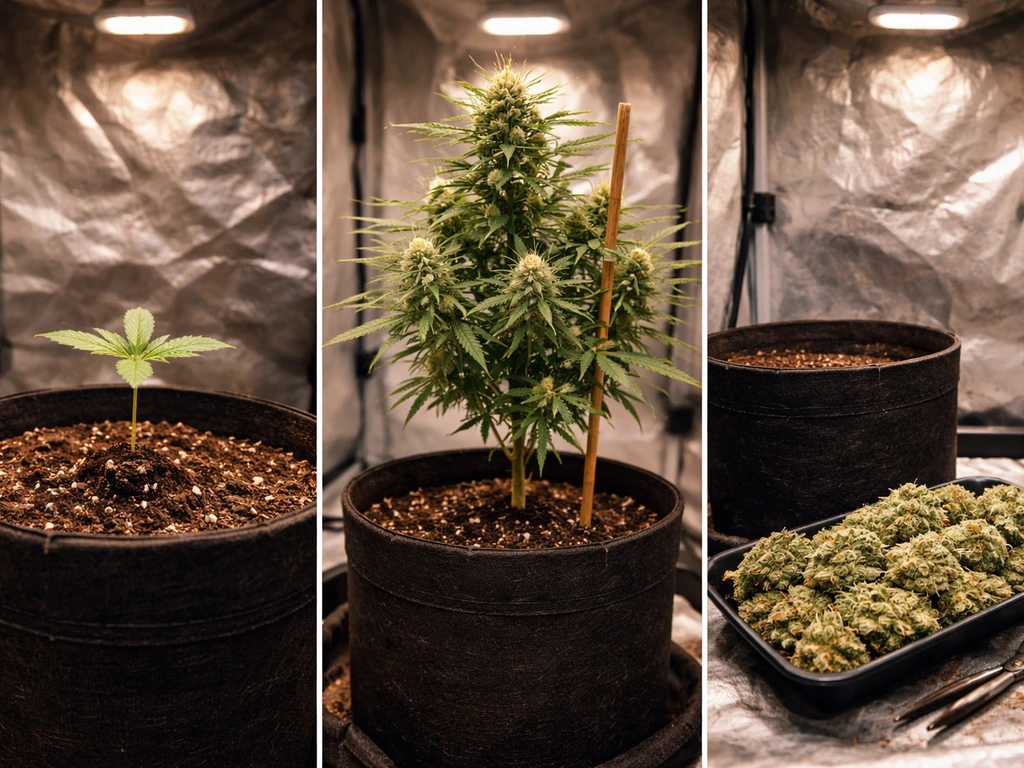
What a genuinely useful autoflower grow book should cover
Autoflowers are not photoperiod plants with a shorter schedule slapped on top. They have a fixed internal clock, which means every decision you make, from watering frequency to transplanting, carries more weight because you cannot extend veg time to recover from stress. A book that treats autos like photoperiods in a hurry is going to get you into trouble.
At minimum, a good autoflower grow book needs to cover all of the following with specificity, not vague generalizations:
- Seed-to-harvest timelines broken down by week, including germination (typically 3 to 10 days), early veg, transition, and the flowering window, which can stretch from week 8 to week 12 or beyond depending on cultivar and environment
- Indoor and outdoor growing guidance, or at minimum a clear statement about which environment the book targets
- Growing medium specifics: soil mixes, coco coir, and hydroponic systems each require different watering intervals, pH targets, and nutrient approaches
- Nutrient and feeding schedules with stage-based EC and pH targets (for example, vegetative EC ranges differ significantly from peak flower EC ranges in a drain-to-waste system)
- Lighting coverage: spectrum, intensity (PPFD/DLI), and photoperiod choices for autos, which can handle 18 to 24 hours of light
- Environmental targets: temperature, relative humidity, and VPD ranges by growth stage
- Watering rules specific to autos, including how to avoid the most common beginner mistake of overwatering small plants in oversized containers
- Training techniques that are safe for autos (low-stress training, light topping in very early stages) versus methods that are too risky given the fixed timeline
- Strain selection guidance, including how to pick genetics that suit your environment and experience level
- Troubleshooting sections covering nutrient deficiencies, pH lockout, light stress, overwatering, pests, and mold
If a book skips or glosses over any of those areas, it is not the best autoflower grow book for a serious home grower. It might still be worth reading for one or two chapters, but you will need to supplement it.
Picking the right book for your setup: soil vs hydro, indoor vs outdoor
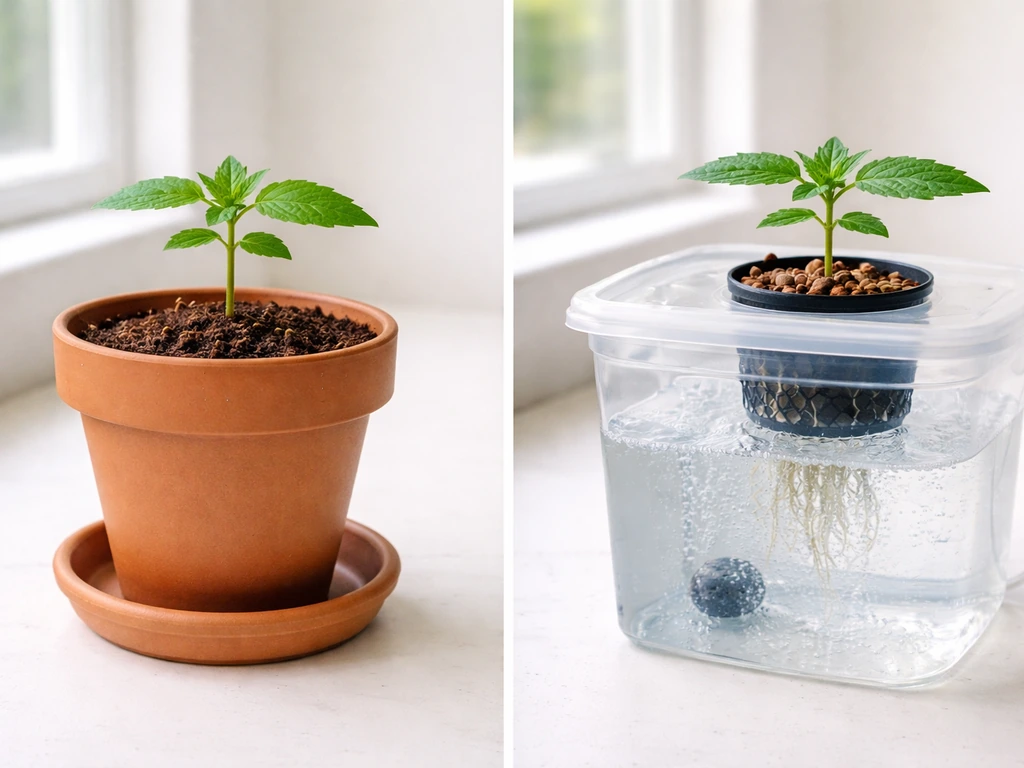
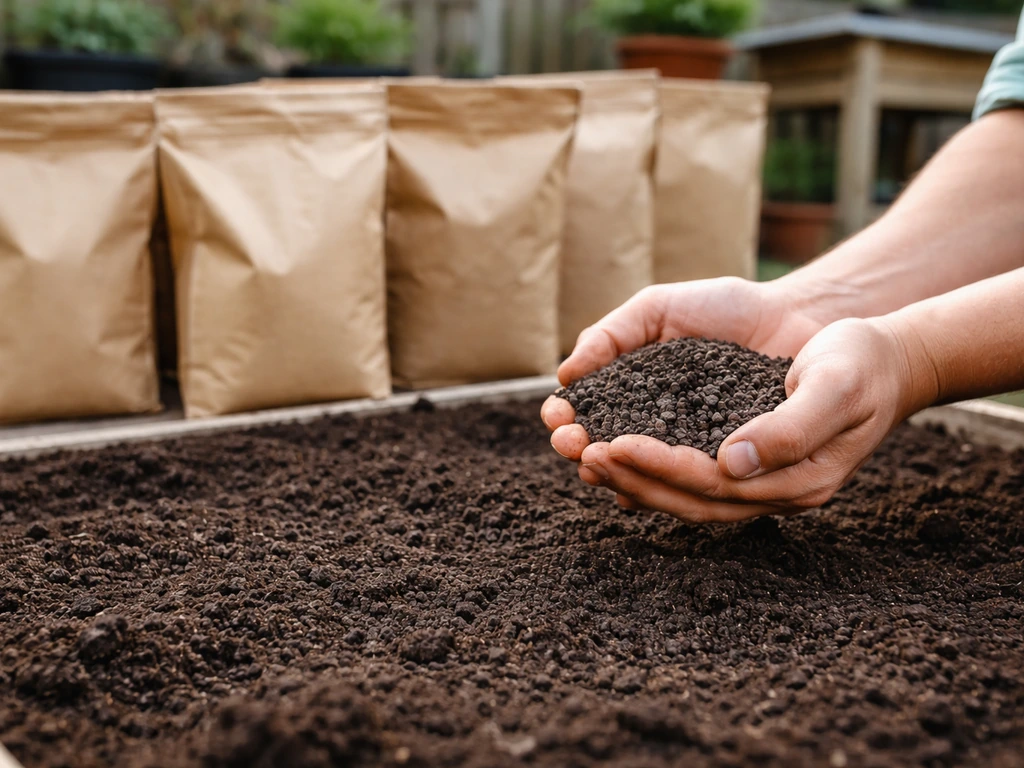
This is the step most people skip, and it is the one that matters most. A book written specifically around a soil grow is going to use concepts like runoff percentage, drain-to-waste feeding, and organic top-dressing that simply do not translate to a deep water culture or NFT hydro setup. If your book is soil-only, here is what to watch for: it should include stage-based ppm/EC and pH guidance (not just vague feeding charts), it should address how to interpret and act on runoff readings, and it should acknowledge that autoflowers in soil often want a lighter feed than photoperiod plants at the same stage.
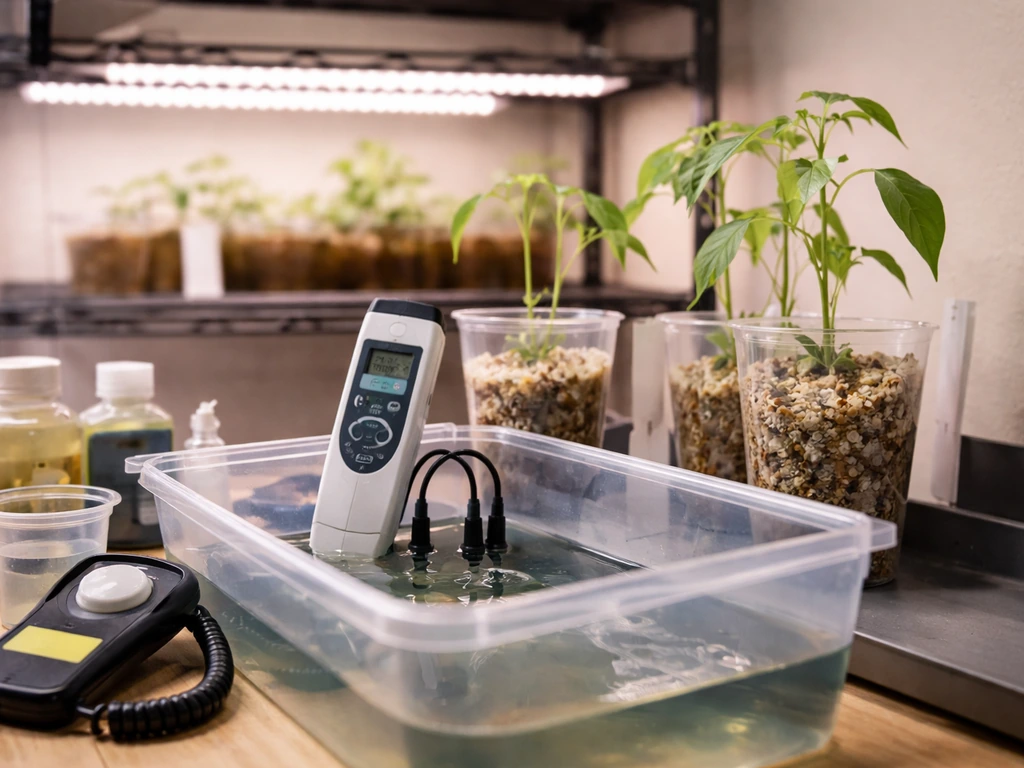
For hydroponic or soilless growers, the book needs to go deeper on reservoir management, root zone oxygen levels, and the tighter margin for error that comes with soilless systems. Autos in coco or hydro can move faster through growth stages, and a book that assumes a standard photoperiod pace will cause you to overfeed or miss the transition window. If you are considering the differences between the best soil to grow autoflowers and soilless alternatives, that decision should happen before you pick your book, because it will determine which sections are actually useful to you.
For outdoor growers, the book needs to address seasonal timing, natural light cycles, and how outdoor environmental swings (temperature drops at night, humidity spikes) affect autos differently than photoperiods. Many grow books are written almost entirely around indoor tent setups, so if you are growing outside, confirm the book has a dedicated outdoor section before buying.
| Setup Type | Must-Have Book Coverage | Red Flag if Missing |
|---|---|---|
| Soil indoor | Stage-based EC/pH ranges, runoff management, container sizing for autos | No mention of pH or ppm for auto-specific feeding |
| Coco / soilless indoor | Daily watering protocols, buffering coco, tighter EC targets | Treats coco the same as soil without adjustment |
| Hydroponic indoor | Reservoir management, DO levels, faster growth stage transitions | Only covers soil-based feeding logic |
| Outdoor | Seasonal timing, humidity and temp swings, rain and wind management | No outdoor section or only a brief mention |
Matching book difficulty to where you actually are as a grower
A beginner and an intermediate grower need different things from a grow book. A beginner needs step-by-step structure, clear checklists, and a lot of "why" behind the recommendations. An intermediate grower already knows the basics and needs the book to go deeper on optimization, training, and environmental dialing.
If you are just starting out
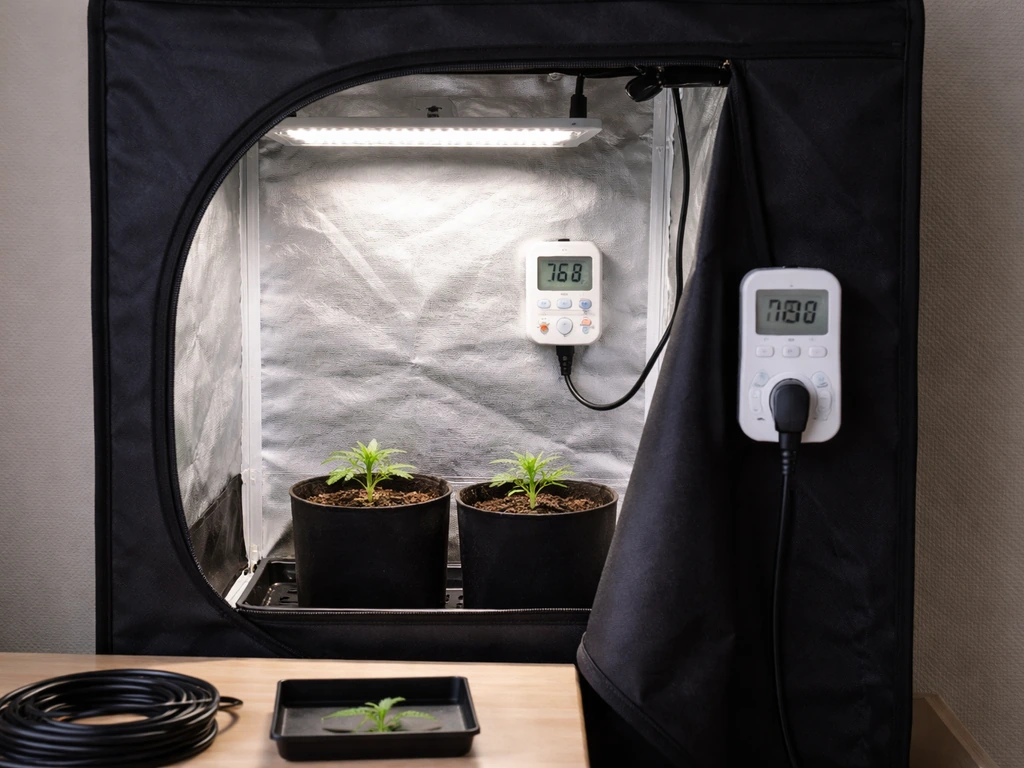
Look for a book that leads with simple, repeatable processes. The best beginner autoflower grow books prioritize: choosing a forgiving strain, keeping the setup minimal, and building one skill at a time. You want week-by-week calendars that tell you exactly what to check and when. If you are still deciding which strain to start with, understanding what is the easiest autoflower to grow is a smarter first question than optimizing your grow book. Pick a resilient, fast-finishing strain and then follow the book's timeline precisely.
A good beginner book will also explain the reasoning behind each rule. For example, why autos should almost never be transplanted (their root development is time-sensitive), why you should start in the final container, and why less nutrients early is almost always safer than more. Books that just say "do this" without explaining why tend to leave beginners stuck the moment something goes off-script.
If you have one or two grows under your belt
At the intermediate level, you want a book that covers environmental dialing (VPD charts, DLI targets by week), more advanced training like mainlining-light approaches that work with auto timelines, and troubleshooting that goes beyond "add CalMag." You also want feeding schedule depth: stage-by-stage EC targets, how to read plant response, and when to flush or taper. Look for books that include grow journal frameworks, since documenting your grow from seed to harvest is one of the highest-leverage habits you can build. Resources like the Mephisto Genetics grow journal approach emphasize exactly this, using weekly notes to build a troubleshooting reference you can actually use mid-grow.
The core topics every good auto grow book must nail
Lighting
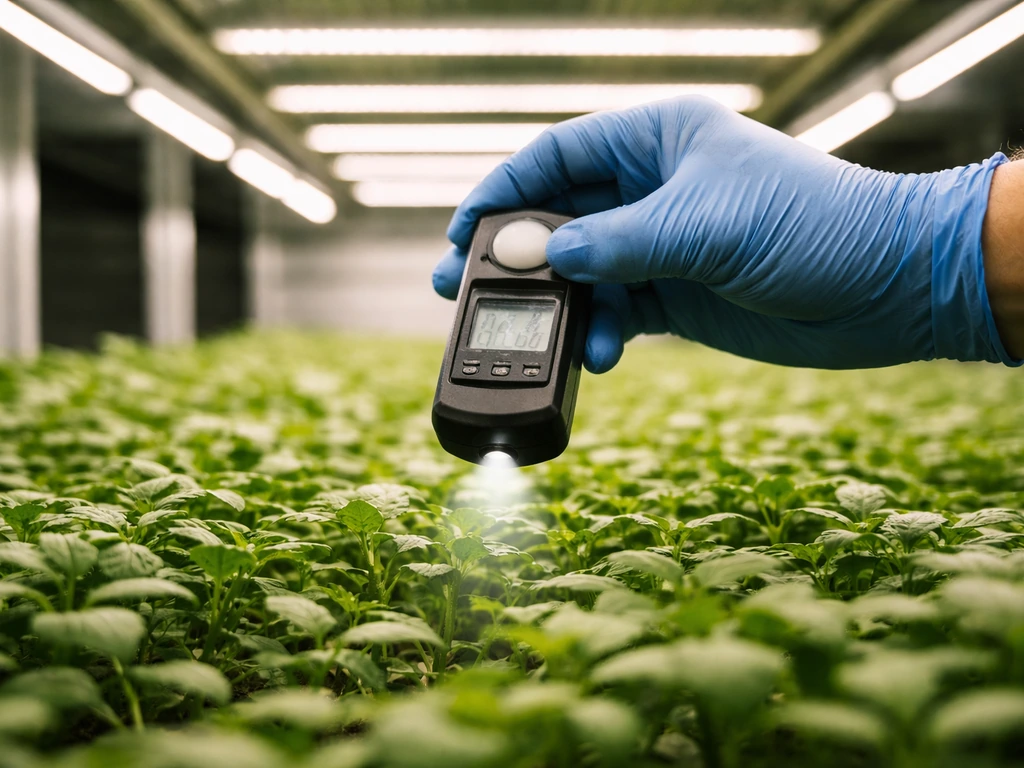
Autoflowers do not need a light schedule change to flower, but that does not mean lighting is simple. A good book should cover PPFD targets by growth stage (seedlings want around 200 to 400 PPFD, flowering plants can handle 600 to 900 or more depending on CO2), light spectrum considerations, and the 18/6 vs 20/4 vs 24/0 debate for autos. It should also cover heat stress from lights positioned too close, which is one of the most common autoflower problems in small tents.
Environment: temperature, humidity, and VPD
This section should be specific. Seedling stage: 70 to 80°F, 65 to 75% RH. Veg: 70 to 82°F, 50 to 70% RH. Flower: 65 to 80°F, 40 to 55% RH tapering toward harvest. VPD targets should be included because they give you a more accurate picture of plant transpiration than temperature and humidity separately. Any book that just says "keep it warm and not too humid" is leaving you to guess.
Feeding and watering
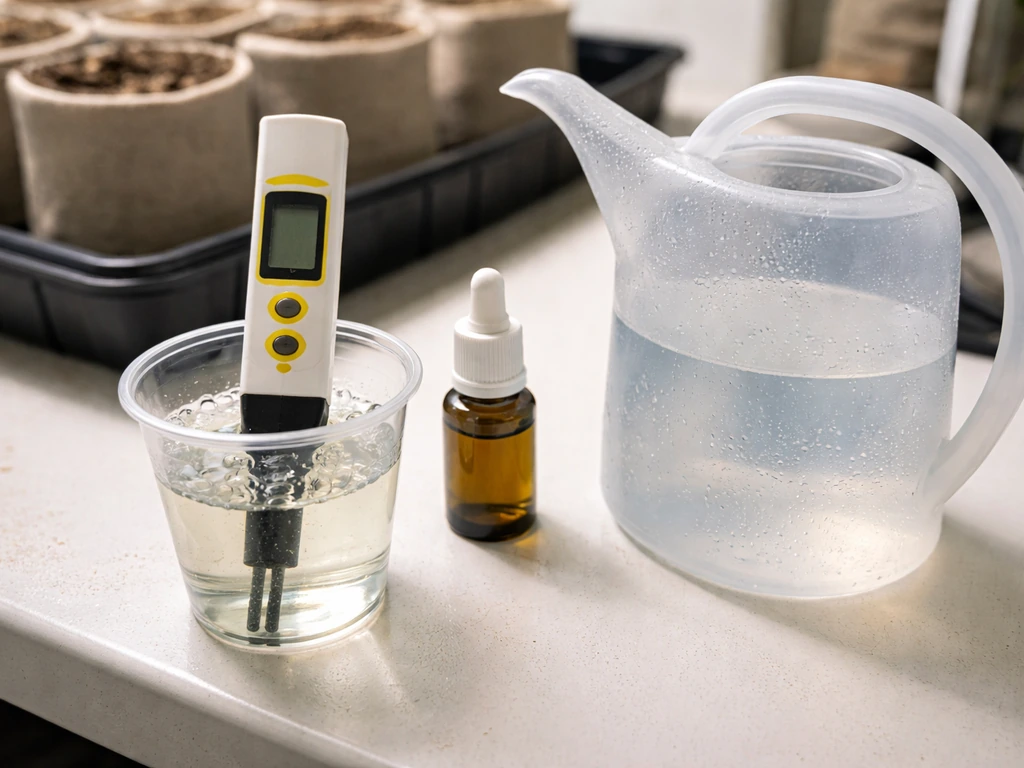
This is where most auto grows go wrong. A useful book will tell you to start with lower EC than you think you need (0.4 to 0.8 EC in early veg for soil, stepping up gradually), how to read plant symptoms of overfeeding versus underfeeding, and how to manage pH at every stage (soil: 6.0 to 7.0, coco/hydro: 5.5 to 6.5). It should also cover watering frequency relative to container size and drainage, since overwatering a solo cup seedling in a 5-gallon pot is the number one beginner error with autos.
Training
Not all training techniques work with autos. A good book will be honest about this. Low-stress training (LST) starting around week 2 to 3 is generally safe and effective. Hard topping or FIMing can work if done very early (before week 3), but it carries real risk with autos because recovery time is limited. Scrog setups can work well for autos but require timing the net correctly. The book should give you a clear window for each technique, not just list them as options.
Timing and growth stages
Understanding when autoflowers grow the most helps you time your interventions correctly. The fastest growth typically happens during the stretch phase just before and after flowering begins, and a book should walk you through recognizing that transition and adjusting feeding and training accordingly. It should also address how to know your plant is actually in a specific stage, since autoflowers do not announce themselves with a clean weekly schedule.
Troubleshooting sections: what the book owes you
A grow book without a solid troubleshooting section is like a car manual that only covers normal operation. Here is what you should expect to see, and how to evaluate whether the coverage is actually useful:
Nutrient deficiencies and toxicities
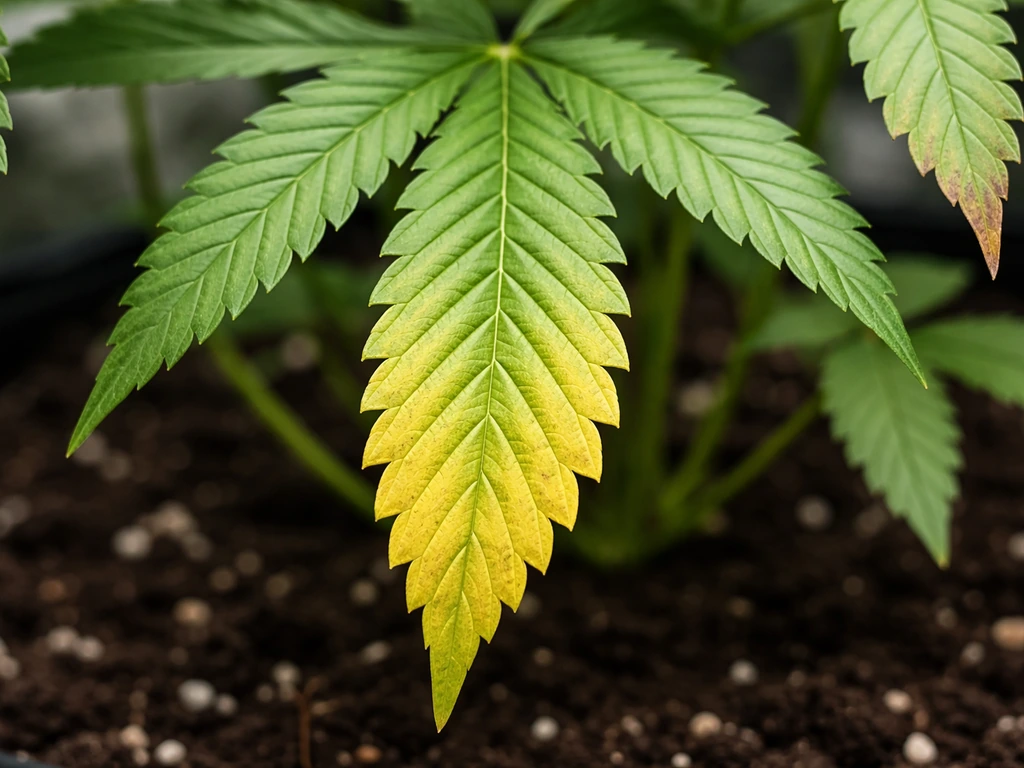
The book should include visual symptom guides: yellowing from the bottom up usually points to nitrogen deficiency in late flower (which can be normal) versus a pH lockout issue. Brown leaf tips suggest nutrient burn. Interveinal chlorosis on new growth often signals iron or manganese deficiency. A good troubleshooting section gives you a short checklist: check pH first, check EC second, then look at environmental factors before assuming a deficiency. Most deficiencies in autos are caused by pH being out of range, not by missing nutrients.
Stress identification
Autoflowers are more sensitive to stress than photoperiods because they cannot be given extra time to recover. A good book should cover heat stress symptoms (leaf tacoing, bleaching near light), light burn versus heat burn, overwatering signs (drooping with firm leaves versus wilting with soft leaves), and hermaphroditism triggers. It should also tell you when to act and when to leave the plant alone, because anxious growers often cause more stress by over-correcting.
Pests and mold
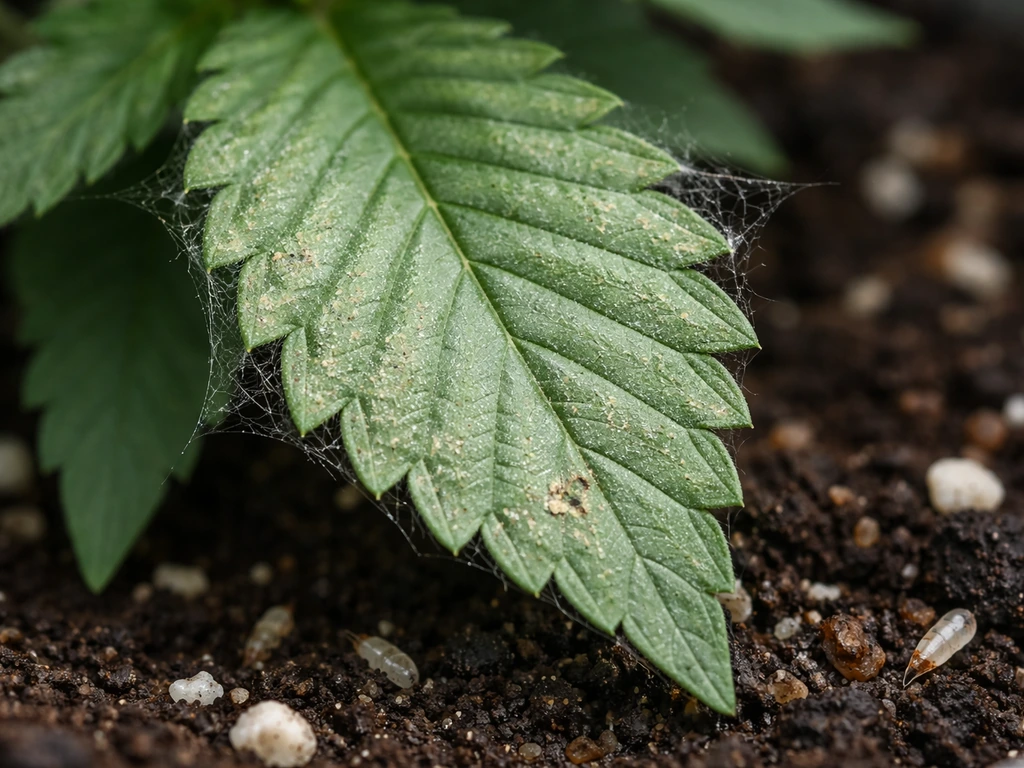
Spider mites, fungus gnats, thrips, and aphids each have different visual signatures and require different responses. The book should give you a checklist for identification, not just a list of products. For mold, bud rot (Botrytis) is the critical one for autoflowers in late flower because it can destroy a harvest in days. A good book covers prevention (airflow, humidity management below 50% RH in late flower) and early detection (check inside dense colas, not just the surface). If the book's entire pest section is two paragraphs, it is not sufficient.
How to actually use the book during a real grow
Most people read a grow book before the grow and then wing it once the plant is in the ground. That is the wrong approach with autos, because the margin for error is smaller and the timeline is compressed. Here is a practical workflow for using a grow book as an active tool:
- Before you germinate: read the full book once, cover to cover. Get familiar with the structure so you know where to find answers quickly when you need them mid-grow.
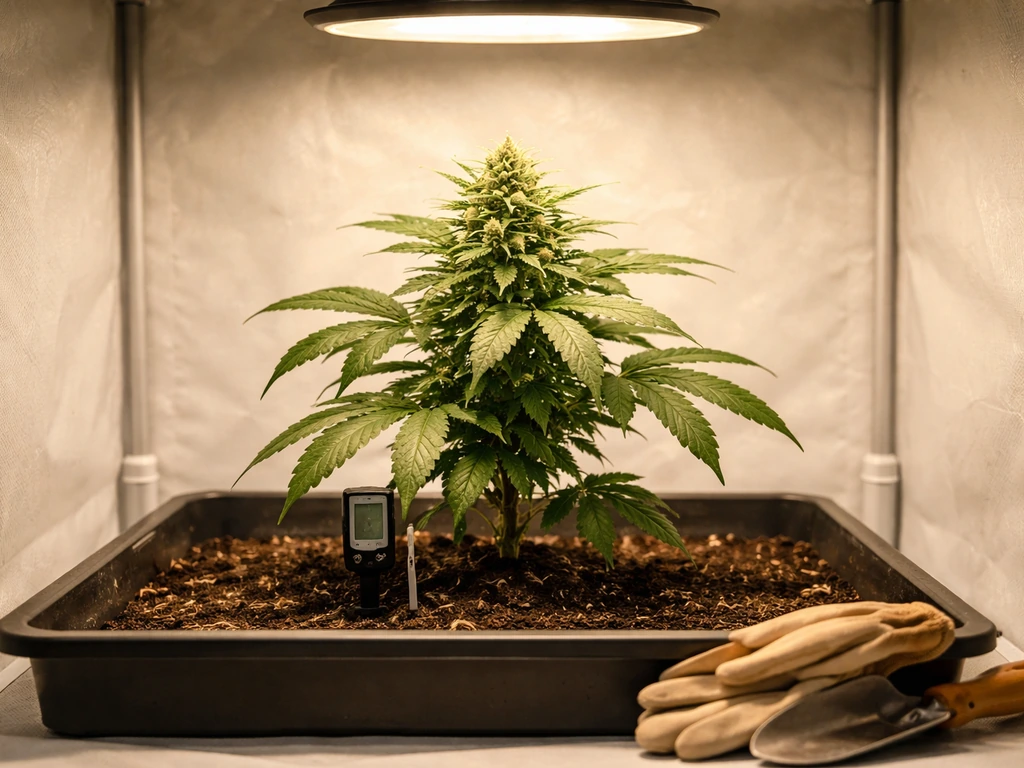
- Set up your environment and medium first. The book should guide this: choose your container size (3 to 5 gallons is typical for most autos in soil), dial in your light height and intensity, and confirm your temperature and humidity are hitting stage-appropriate targets before you ever put a seed in.
- Build a week-by-week monitoring checklist from the book's timeline. Write down what you expect to see each week (root development, first node pairs, pistils appearing, trichome development), what to measure (EC of runoff, pH of water in, VPD), and what to do if something is off.
- Use the book's feeding schedule as a starting point, not a rule. Check your plant's response every 2 to 3 days, adjust EC up or down by 0.2 to 0.3 increments, and document every change.
- Open the troubleshooting section the moment you see something unusual. Do not Google first and then check the book. The book's troubleshooting logic is calibrated to the feeding and environment approach it already walked you through.
- Keep a grow journal alongside the book. Note the date, what you fed, what the EC and pH were, what the plant looked like, and any changes you made. This journal becomes your reference for the next grow and your troubleshooting record for this one.
Knowing how long autoflowers take to grow indoors before you start is essential for planning this workflow. Most autos finish between 70 and 90 days from seed, but some faster cultivars finish closer to 60 days and some heavier-yielding ones push past 100. Your book's timeline needs to match your specific strain's genetics, not a generic average.
Comparing different types of autoflower grow books
There is no single universally "best" autoflower grow book because the best one depends on who you are and what you are growing. But you can evaluate your options against a consistent set of criteria. Here is how the main types of resources stack up:
| Book/Resource Type | Best For | Strengths | Weaknesses |
|---|---|---|---|
| Breeder-specific guides (e.g., Mephisto Genetics PDF) | Growers using that breeder's genetics | Strain-accurate timelines, cultivar-specific feeding notes, troubleshooting tied to real grow data | Limited to that breeder's strains; may not cover hydro or other mediums |
| General cannabis cultivation books | Beginners wanting broad foundation | Covers all plant stages, multiple mediums, good for building vocabulary and understanding | Often photoperiod-focused; auto-specific advice may be minimal or missing |
| Autoflower-specific books or guides | Anyone growing autos regardless of strain | Fixed-timeline logic, auto-appropriate training windows, proper watering emphasis | Varies widely in quality; check table of contents before buying |
| Nutrient brand feeding guides (PDF/digital) | Growers using that specific nutrient line | Stage-by-stage EC/pH targets, compatible with their products | Product-specific; does not cover environment, training, or troubleshooting |
| Weekly production schedule PDFs | Structured growers who want a checklist format | Clear week-by-week format, easy to follow alongside a journal | Often light on the "why" behind each step; need a main book alongside |
The practical recommendation is to use two resources together: one comprehensive autoflower-specific book for the foundational knowledge and troubleshooting logic, and one stage-based feeding schedule or production schedule PDF that matches your nutrient line and medium. Grow Weed Easy also publishes a drain-to-waste nutrient schedule PDF with week-by-week feeding amounts you can use as a template when planning drain-to-waste stage changes a stage-based feeding schedule or production schedule PDF that matches your nutrient line and medium. The Mephisto Genetics basic grow guide, for example, is a well-regarded free resource if you are using their genetics, but it works best when paired with a broader reference that covers environment and setup in more detail.
Your next steps: a quick decision framework before you buy
Before you purchase or commit to any grow book, answer these five questions. Your answers will narrow the field quickly:
- What growing medium am I using? (soil, coco, or hydro) -- this eliminates books that do not cover your setup
- Am I growing indoors or outdoors, and if indoors, how big is my space? (a 2x2 tent has very different needs than a 4x8)
- How much experience do I have? (zero grows, 1 to 2 grows, or more) -- this determines the right difficulty level
- Which strain or strain type am I growing? (fast-finishing compact auto vs. heavy-yielding longer-cycle auto) -- books with strain-appropriate timelines are more useful
- Do I want to maximize yield, minimize risk, or get the fastest possible harvest? -- this tells you which chapters to prioritize first
Once you have your answers, look for a book that explicitly addresses at least four of the five. If a book does not mention your medium in the table of contents or introduction, skip it or treat it as a supplement only.
What to buy and prepare alongside the book
A grow book is only as useful as the tools you use alongside it. At minimum, you need: a reliable pH and EC meter (calibrated before every use), a thermometer and hygrometer with logging capability, a grow journal (physical notebook or a digital spreadsheet), and a timer for your lights and any automated watering. If you are in soil, having a TDS meter to check runoff is non-negotiable for following a drain-to-waste feeding schedule properly.
Strain selection is also something to sort out before you start following a book's week-by-week calendar. Reviewing the best autoflowers to grow for your goals, whether that is yield, speed, or resilience, will help you match the book's timeline to genetics that will actually perform on that schedule. A 70-day auto and a 95-day auto need meaningfully different feeding and training approaches, and a good book will flag this.
If you are still early in the strain selection process, looking at the best auto flower to grow for your specific environment gives you a concrete starting point. Match the strain to your space and timeline, then match the book to the strain and medium. That sequence, environment to strain to book, is how experienced growers actually plan a successful auto grow from the start.
FAQ
How do I use an autoflower grow book if my light setup is not the same as the one the author recommends?
Start by checking whether the book gives PPFD targets by stage and includes a heat-distance warning. In small tents, a correct PPFD target can still cause bleaching or leaf tacoing if the light is too close, so look for instructions on measuring canopy height and adjusting distance week to week.
What should I do if my autoflower seems to be behind or ahead of the book’s timeline?
Don’t rely on the book’s calendar alone, use stage confirmation. Look for the stretch transition (the phase just before and after the start of flowering) and then adjust feeding and training to what your plant is signaling, not what week-of-life it is.
Can I follow a stage-based feeding schedule alongside a grow book, or will they conflict?
Yes, but only if it explains the control loop. Find guidance on calibrating your EC and pH meters, setting a target range, and using runoff readings or nutrient solution readings to decide whether to adjust up, hold, or taper. Without decision rules, a schedule can mislead you.
How do I avoid overwatering when using a book’s watering instructions in autos?
A seedling usually prefers small, consistent waterings, then ramp based on container size, drainage, and how quickly the medium dries. If the book only gives “water when dry” without explaining cup versus final-pot behavior, you should expect more overwatering than you’d like.
If my plant is showing nutrient issues, should I increase nutrients or adjust pH first?
It depends on medium and the book’s diagnostic process. Look for pH-first and EC-second troubleshooting (for example, confirming whether yellowing is pH lockout versus true deficiency), plus clear advice on how to respond when runoff pH is out of range.
Is topping or FIMing safe for autoflowers if I’m following a book but I might be late by a few days?
Be cautious. The best books specify a narrow early window for hard interventions, and they explain what to do if recovery slows. If you can’t find a “before week 3” type guideline or a recovery contingency plan, assume the technique is high risk for your first auto.
My humidity and temperature swing day to night, how do I keep VPD on track using the book’s targets?
Yes, but only if the book tells you what to do when plant response doesn’t match the chart. Look for checkpoints like weekly VPD and DLI targets, plus symptom-based correction steps. If it only lists numbers without an adjustment method, you will likely chase problems.
What should I expect from a “good” troubleshooting and pest section beyond listing common problems?
The useful books treat pest prevention as a process, not a product list. Look for instructions on checking inside dense colas for early mold or rot risk, and for different identification steps for mites, gnats, thrips, and aphids rather than one generic “treat them all” approach.
How should a book guide me on flushing or tapering nutrients before harvest?
Choose a book that includes a clear taper and flushing or nutrient reduction policy appropriate to the medium, plus a rationale. If it only says “flush in week X” without explaining how to interpret plant fade and soil or coco salt buildup, harvest timing can become guesswork.
Why do some autos get bud rot late in flower even when the grower follows the basics?
Autos still need good airflow decisions, but the book should explain late-flower humidity targets and monitoring frequency. If it just says “increase ventilation,” you may miss the critical window for bud rot prevention, especially with dense colas.