Here's the short answer: if you're a beginner with a limited budget and want the most forgiving path to healthy plants, start with soil. If you're ready to invest a bit more, want faster growth and tighter control over your plants' nutrition, and you're growing indoors, hydroponics is worth learning from day one. The rest of this guide breaks down exactly what separates the two methods, what each one costs to set up, and how to make the call for your specific situation today.
Hydro vs Soil Grow: Which Method to Choose and Why
Marcus Holloway
6 Apr 2026
What "hydro" and "soil grow" actually mean
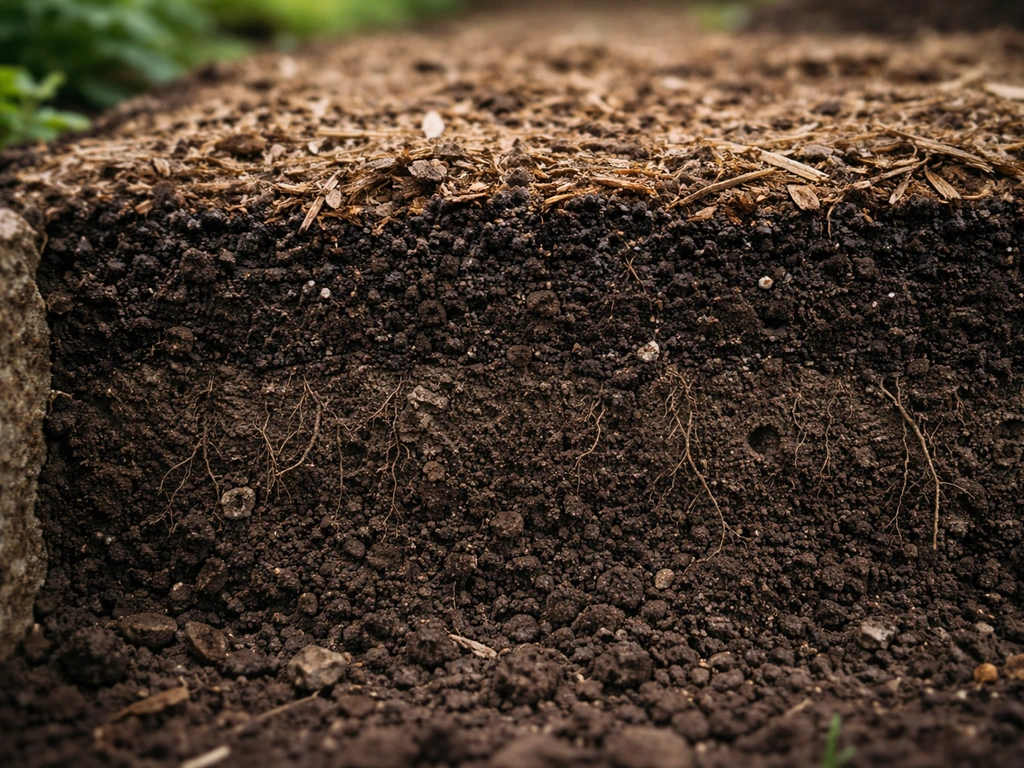
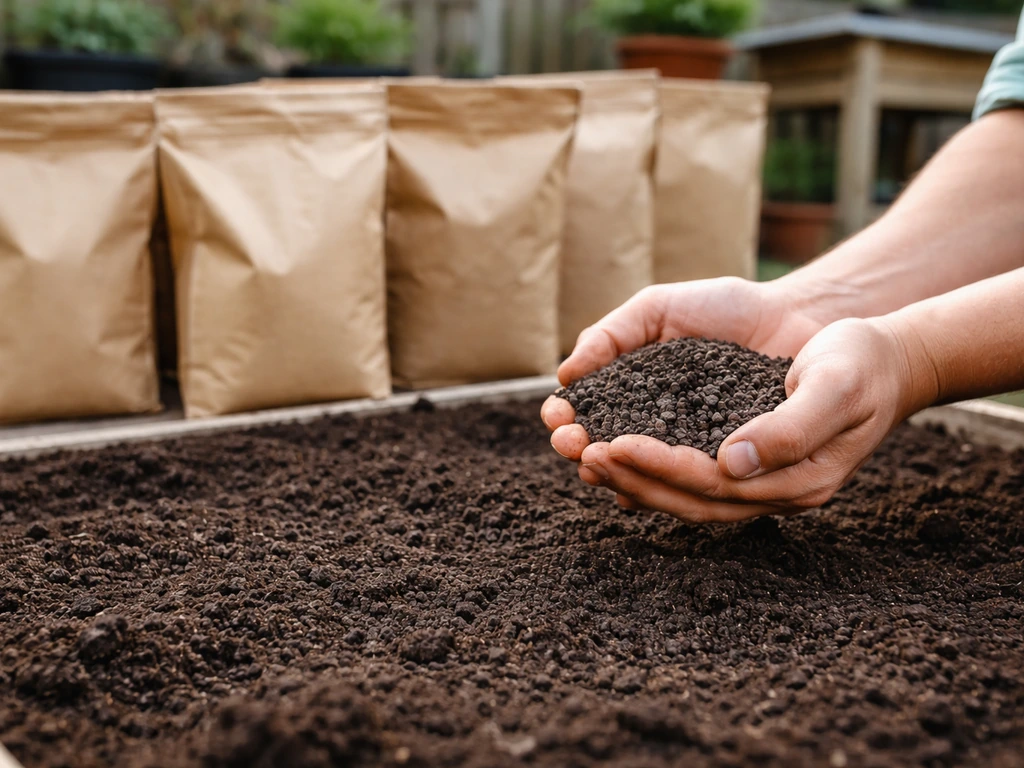
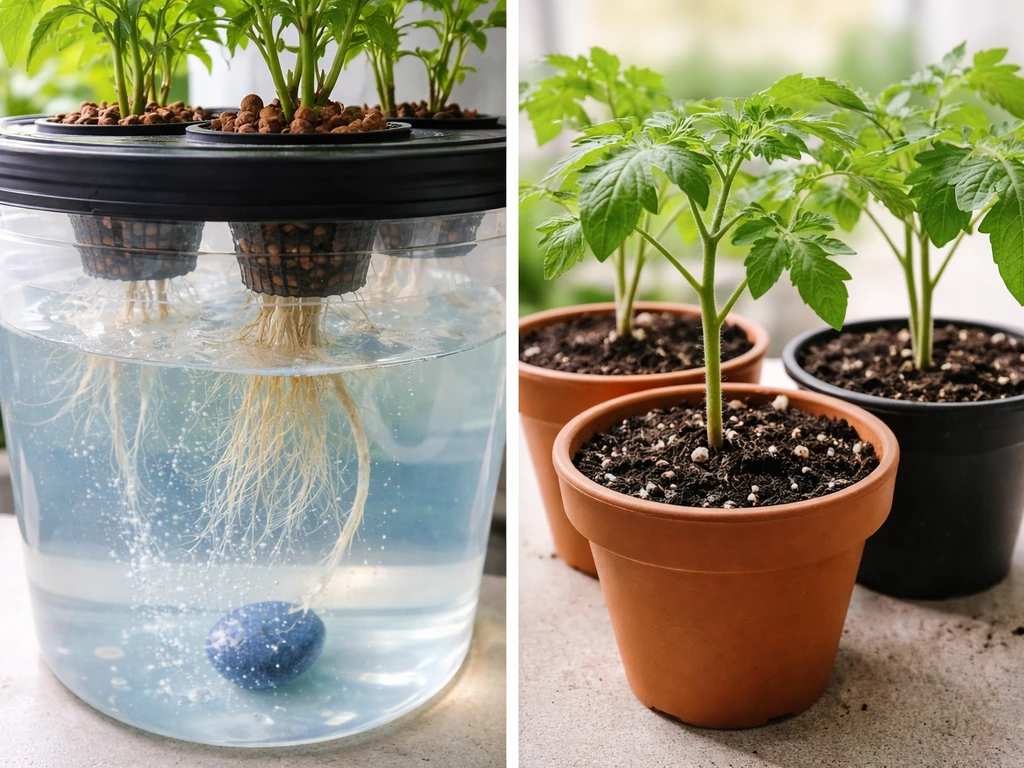
A soil grow is exactly what it sounds like: you plant into a growing medium that contains organic matter, mineral particles, and microbial life. The soil itself acts as a buffer, breaking down nutrients over time and delivering them to roots at a pace the plant and biology of the medium dictate. When people ask can you use regular dirt to grow plants indoors, the honest answer is yes, but bagged potting mixes or purpose-formulated soils almost always outperform backyard dirt because they're aerated, pH-adjusted, and consistently structured.
Hydroponics is growing plants without any true soil at all. Nutrients are dissolved directly into water and delivered to the root zone as a liquid solution. Roots are often supported by an inert medium like perlite, rockwool, expanded clay pebbles, or coconut coir, but those materials don't feed the plant. They just anchor it and help manage moisture and airflow around the roots. The nutrient solution does all the feeding. That single difference changes almost everything about how you manage your grow.
Within hydroponics, there are several system styles that come up constantly. Deep water culture (DWC) keeps roots submerged in an oxygenated nutrient reservoir. Nutrient film technique (NFT) runs a thin, recirculating film of nutrient solution along a channel where roots sit in a shallow stream. Ebb-and-flow (flood-and-drain) periodically floods a tray of inert media with nutrient solution, then drains it back into a reservoir. Aeroponics mists roots in open air with nutrient solution at timed intervals. Each style has its own quirks, but they all share the same core logic: water-dissolved nutrients delivered directly to bare or near-bare roots.
Key differences that affect your actual results
The biggest practical difference between hydro and soil is the level of control you have versus how much the system forgives your mistakes. In soil, the medium itself buffers pH swings, holds nutrients in reserve, and keeps feeding the plant even if you forget to water for a day or two. That forgiveness is enormously valuable when you're starting out. Soil also has a living microbial ecosystem that processes organic matter into plant-available nutrients, which means a quality mix like those built on earth grow top soil formulations can do a lot of the nutritional heavy lifting without constant intervention.
In hydro, there's no buffer. If your pH drifts or your nutrient concentration gets too high, the plant feels it within hours, not days. That sounds scary, but it's also why hydro growers see faster growth: roots have direct, uninterrupted access to precisely calibrated nutrition and oxygen, so the plant doesn't have to work as hard to feed itself. Studies consistently show hydroponic plants can grow 20 to 50 percent faster than their soil equivalents under the same light and temperature conditions. The trade-off is that you need to check and adjust your system more frequently, especially in the first few weeks while you learn how your setup behaves.
| Factor | Soil Grow | Hydro Grow |
|---|---|---|
| Learning curve | Low — medium buffers mistakes | Moderate to high — no buffer, fast feedback |
| Growth speed | Standard | 20–50% faster under same conditions |
| Upfront cost | Low ($20–$80 for a basic indoor setup) | Moderate to high ($100–$400+ for a starter system) |
| Water usage | Higher (runoff losses) | Lower (recirculating systems reuse water) |
| Pest risk | Fungus gnats, soil pests common | Root rot risk if O2/temp not managed |
| Nutrient control | Indirect, buffered by medium | Direct, immediate, precise |
| Forgiveness | High | Low — errors show up fast |
| Best environment | Indoors or outdoors | Primarily indoors |
What you actually need to buy first for each method
Starting a soil grow
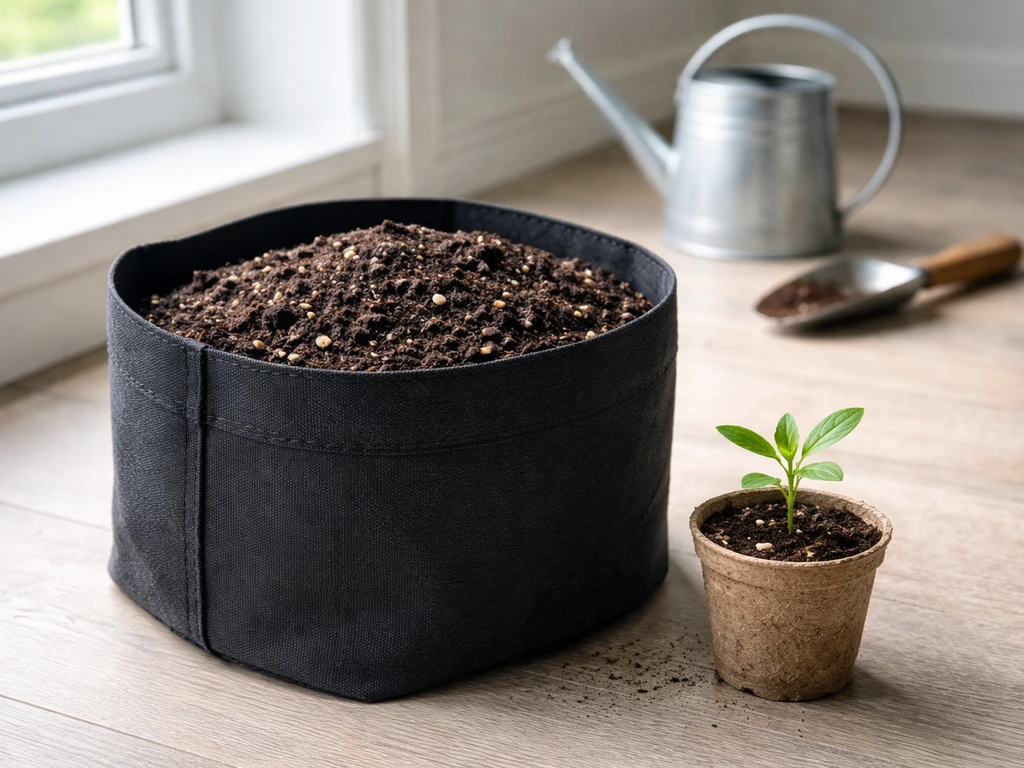
For a basic indoor soil grow, your first purchases should be: a quality potting mix or amended soil (avoid plain garden soil, it compacts in containers and drains poorly), fabric or plastic pots sized to your plants (5-gallon is a reliable all-purpose size for most herbs and vegetables), a simple pH meter or pH test kit, and a basic liquid nutrient set for container plants. You don't need an automatic watering system at first. Hand watering with careful attention to moisture levels in the medium is enough to start. If you want to go deeper on what a top-performing soil looks like, understanding grow max top soil characteristics helps you evaluate bagged products at your local garden shop.
- Quality pre-amended potting mix or organic soil blend ($15–$30 per 1.5 cu ft bag)
- Fabric pots, 3- to 7-gallon depending on plant size ($10–$25 for a 5-pack)
- pH meter ($15–$50 — don't skip this, even in soil)
- Basic N-P-K liquid nutrients for container plants ($20–$40 for a starter 3-part set)
- Watering can with a gentle rose head ($10–$20)
- Tray liners or saucers to catch runoff
Starting a hydro grow
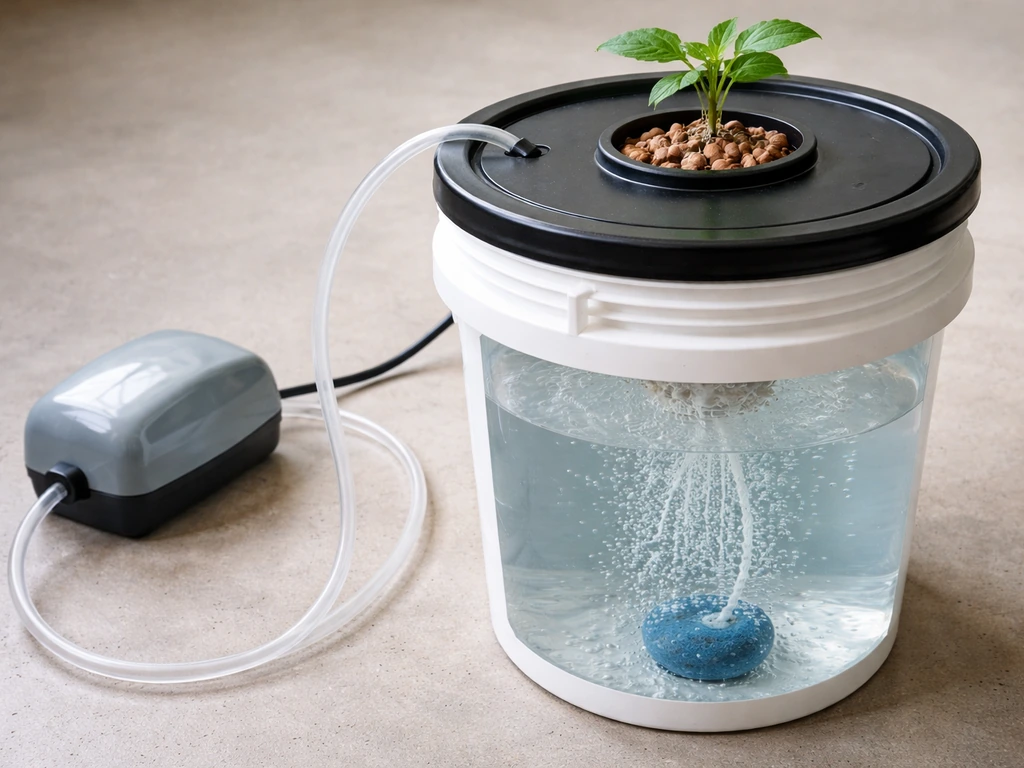
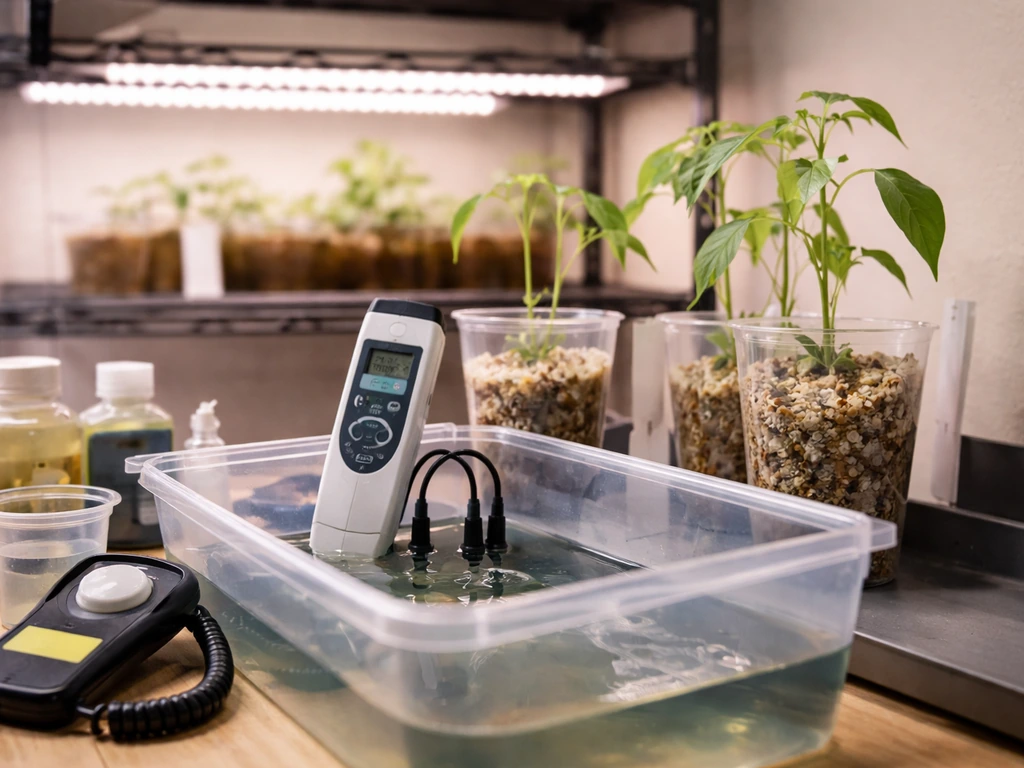
For a beginner hydro setup, DWC is the easiest entry point. You need a food-grade reservoir (a 5-gallon bucket works fine for one plant), an air pump and airstone to oxygenate the solution, net pots that sit in a hole cut into the bucket lid, inert media to support your plant in the net pot (expanded clay pebbles or rockwool are the most common choices), a two-part or three-part hydroponic nutrient formula, a quality pH meter, and an EC (electrical conductivity) meter to measure nutrient concentration. That's the core list. Total cost for a single-bucket DWC setup runs $80 to $150 if you buy components individually, or $100 to $200 for a pre-assembled starter kit.
- 5-gallon food-grade bucket with lid (or pre-made DWC reservoir) ($10–$30)
- Air pump, tubing, and airstone ($10–$25)
- Net pots (3-inch or 4-inch) and expanded clay pebbles or rockwool starter cubes ($10–$20)
- pH meter and EC/TDS meter — buy both, not just one ($25–$80 combined)
- Hydroponic-specific 2-part or 3-part nutrient formula ($30–$60 for a starter set)
- pH Up and pH Down solutions ($15–$25)
- Light-proof material or opaque bucket to prevent algae in reservoir
Nutrients and water management: where the two methods really diverge
In hydro, pH and EC are the two numbers you live by. For most vegetables and herbs, you want your solution pH sitting between 5. 5 and 6. 5, with 5.
8 to 6. 2 being the sweet spot. Outside that range, nutrient lockout happens fast, your plant shows deficiency symptoms even when the nutrients are technically present, because the chemistry of the solution makes them unavailable. Truleaf.
org explains that EC reflects dissolved salt concentration, and pH/EC mismatches can create nutrient availability issues that lead to deficiency symptoms via lockout effects EC as a measure of dissolved salt concentration. EC (electrical conductivity) tells you how concentrated your nutrient solution is. A seedling or clone might only handle an EC of 0.
8 to 1. 2 mS/cm, while a mature plant in peak growth can handle 2. 0 to 3. 0 mS/cm depending on the species.
You check these numbers every day or two, adjust as needed, and do a full reservoir change every 7 to 14 days to prevent nutrient imbalances from building up.
In soil, the approach is less about daily monitoring and more about building the medium right from the start and then feeding on a schedule. A good amended soil can carry a plant for the first 4 to 6 weeks with no additional nutrients at all. After that, you introduce a liquid feed, usually at half the label dose to start, and watch how the plant responds.
The soil itself buffers pH fluctuations, though you still want your water and feed going in at pH 6. 0 to 7. 0 for soil grows. If you're curious about how alternative substrates handle this differently, it's worth reading about growing plants in eco earth, which uses coconut fiber and behaves more like a hydro-adjacent medium than traditional soil.
Amendments are a big part of the soil advantage that hydro can't replicate easily. Things like worm castings, compost, kelp meal, bat guano, and mycorrhizal inoculants create a living soil ecosystem that buffers your plant against stress and releases nutrients slowly over time. You can top-dress with dry amendments every few weeks and let the biology do the work. Hydro growers get their precision from the outside in, through carefully calibrated solutions. Soil growers get their resilience from the inside out, through the medium itself.
Root zone care: oxygen, water, and temperature
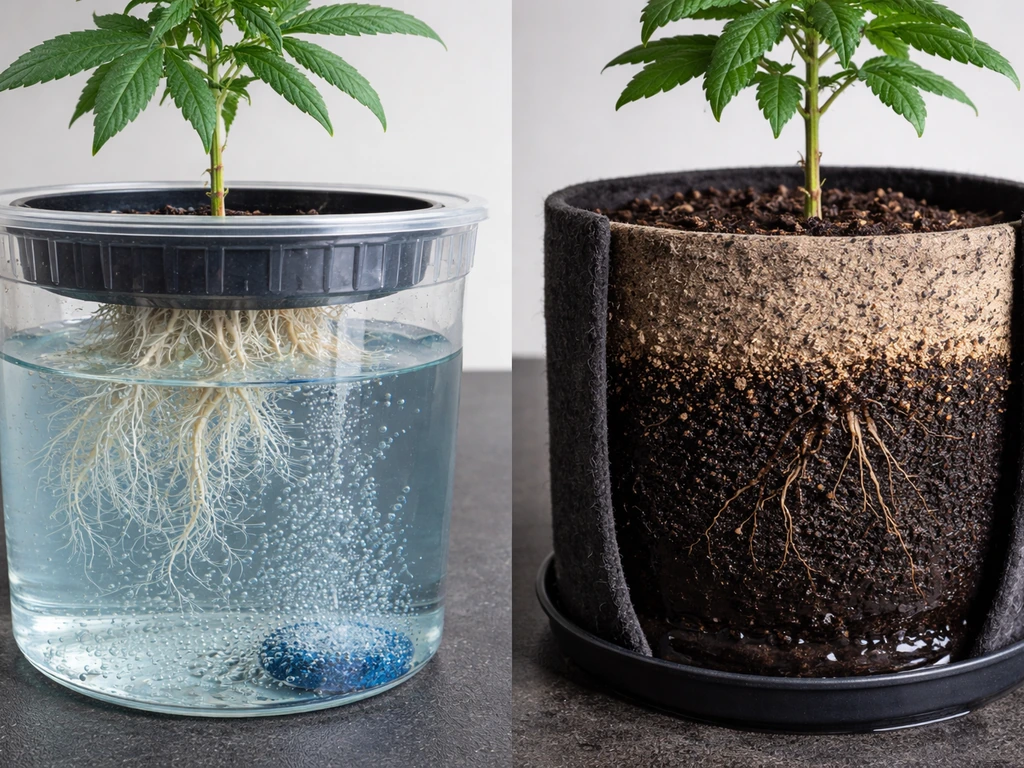
Root health is where a lot of grows succeed or fail, and the two methods have completely different failure modes. In DWC and other water-culture hydro systems, roots are submerged in the nutrient solution, which means dissolved oxygen is critical. Without enough oxygen in the water, roots suffocate and pathogens like Pythium (root rot) take over fast.
Greenway Biotech also notes that hydroponic root rot is typically linked to water-borne oomycetes such as Pythium and tends to worsen when nutrient solution conditions become warm or oxygen-depleted pathogens like Pythium (root rot) take over fast. This is why the air pump and airstone in a DWC system are non-negotiable, not optional accessories.
Water temperature also matters: keep your reservoir between 65°F and 72°F (18°C to 22°C). Warmer water holds less dissolved oxygen and creates ideal conditions for root pathogens. If your grow space runs hot, a small aquarium chiller or insulating your reservoir can make a real difference.
In soil, the root zone concern is usually the opposite: overwatering. Compacted or waterlogged soil deprives roots of oxygen just like a poorly aerated hydro reservoir. The standard advice is to water when the top inch or two of the medium feels dry, and to always water to about 10 to 20 percent runoff to flush any salt buildup. Fabric pots help enormously here because they allow air pruning at the root tips and passive drainage through the sides of the container. If you've ever wondered why where soil is grow matters as much as what soil you use, it comes down to this: container type and drainage directly determine how much oxygen reaches your root zone.
Both systems benefit from keeping the root zone temperature between 65°F and 75°F. In hydro, cold roots (below 60°F) slow nutrient uptake significantly even when the solution is perfectly dialed in. In soil, extremely cold medium slows microbial activity and nutrient availability. If you're growing in an unheated basement or garage in winter, root zone temperature is often the limiting factor before ambient air temperature becomes the issue.
Common problems and how they look different in hydro vs soil
Nutrient deficiencies show up in both systems, but the cause and fix are different. In soil, a deficiency is often a pH problem (the nutrient is present but locked out) or a sign that the medium is depleted and needs a top-dress or liquid feed. In hydro, the same yellowing leaf might mean your pH drifted, your EC is too low, or you're overdue for a reservoir change. The visual symptoms look identical, so you have to work backward from your system data. That's why keeping a simple log of your pH and EC readings every couple of days is genuinely useful in hydro, not just busywork.
Pests differ significantly between the two methods. Soil grows are vulnerable to fungus gnats, which lay eggs in moist topsoil and whose larvae damage roots. Sticky yellow traps, allowing the top layer of soil to dry between waterings, and beneficial nematodes are the standard fix. Hydro systems don't have fungus gnats, but they're prone to root rot if dissolved oxygen drops or temperatures climb. A slimey, brownish root mass in a DWC bucket is root rot, and you address it by cleaning the reservoir, adding beneficial bacteria products like Hydroguard, and getting your water temperature down. Spider mites and aphids are threats to foliage in both systems regardless of medium.
Overfeeding looks different too. In soil, salt buildup from overfeeding shows up as crusty white deposits on the top of the medium and tip burn on leaves. A thorough flush with pH-balanced water clears it up over a week or two. In hydro, overfeeding (running too high an EC) causes nutrient burn much faster, within a day or two, because there's nothing buffering the concentration. The fix is to dilute your reservoir immediately and do a partial or full water change.
There's an interesting middle ground worth mentioning: some growers experiment with non-traditional growing substrates entirely. If you've come across discussions about growing plants in Orbeez or other novel water-absorbing materials, those systems borrow principles from both worlds, they're inert like hydro media but managed more like passive soil-adjacent setups. They're not mainstream, but they illustrate how the boundary between hydro and soil is sometimes more of a spectrum than a hard line.
Should you use mulch or surface amendments in a soil grow?
This doesn't apply to hydro at all, but for soil growers it's worth addressing: surface mulching does matter in container grows, even indoors. A thin layer of mulch over your potting mix slows moisture evaporation, moderates root zone temperature swings, and can suppress fungus gnat eggs from hatching at the surface. If you're wondering what is earth grow mulch and whether it applies to indoor container gardening, the short answer is yes: even a light layer of compost, worm castings, or a fine bark mulch on top of your pot provides real benefits without burying the stem.
How to choose today: a practical decision checklist
Here's how I'd frame the decision if someone came to me today and asked which method to start with. Run through these questions honestly:
- Budget: Can you spend $150 or more on setup today? If yes, hydro is on the table. If you're working with $50 to $80, start with soil and scale later.
- Time: Can you check on your system daily and adjust pH/EC every couple of days? Hydro rewards attentive growers. If your schedule is unpredictable, soil's buffer is a genuine safety net.
- Space: Are you growing indoors in a tent or dedicated room? Both work, but hydro shines indoors. Outdoor grows are almost always easier in soil.
- Plant type: Growing fast-finishing vegetables, herbs, or leafy greens? Hydro's speed advantage is most obvious here. Growing fruiting plants with long cycles? Both methods work, but the longer the cycle, the more hydro's growth rate advantage compounds.
- Skill level: Have you grown anything successfully before? If not, start in soil, learn to read plant signals, then transition to hydro once you can diagnose deficiencies and understand what a healthy root zone looks like.
- Goal: Is your priority the fastest possible growth and maximum yield, or the simplest, most enjoyable grow with good results? Hydro for the former, soil for the latter.
- Failure tolerance: Can you afford to lose a plant or a crop while you learn? Hydro's faster failure feedback means early mistakes are more consequential. Soil gives you more time to catch and correct problems.
If you answered mostly 'yes' to the hydro-leaning questions above, start with a single 5-gallon DWC bucket, one plant, and spend two weeks just monitoring your pH and EC daily without changing anything else. Get comfortable with the numbers before you expand. If you answered mostly 'soil,' grab a quality pre-amended potting mix (not bare garden soil), a pair of 5-gallon fabric pots, and a basic 3-part liquid nutrient set. That's a complete starting kit.
One last thing: neither method is permanent. Many growers start in soil, develop a feel for plant health and nutrition, and move into hydro once they're confident reading their plants. Others start in hydro and never go back. The point isn't to pick the objectively better method, it's to pick the method that matches where you are right now, so you actually finish a successful grow instead of abandoning a frustrating one halfway through.
FAQ
Can I use backyard dirt for hydro vs soil grow, and will it work indoors? (What should I change if I do?)
Yes, but “regular dirt” is risky in containers because it often compacts, drains poorly, and is full of unknown microbes. If you must start with what you have, sift out debris, avoid heavy clay, and mix it with a quality potting mix or compost to restore structure and aeration, then monitor moisture closely.
How accurate do my pH and EC readings need to be in hydro vs soil grow?
In hydro, your calibration matters as much as your numbers. Always calibrate your pH meter and EC meter with fresh calibration solutions (and rinse between uses). A meter that reads 0.2 off can push you into nutrient lockout quickly in systems without buffering.
Which is more likely to get pests, hydro or soil, and why?
Not always. Hydro can run “cleaner” for fungus gnats, but it is not a pest-free zone. You still need to manage sanitation and oxygen, because root diseases can spread fast. In soil, you can reduce gnats by letting the top inch dry and using sticky traps, but you may still see them in humid rooms.
Can I use the same nutrient products for both hydro vs soil grow?
Yes, but the fertilizer sources differ. Most soil mixes use nutrients that are mineralized over time by microbes, while hydro uses fully dissolved, plant-available salts in a precise ratio. If you use hydro nutrient products in soil, expect inconsistent results unless you also adjust feeding frequency and watering to prevent salt buildup.
If my leaves look yellow in both hydro and soil, what should I check first? (pH, EC, watering, or nutrients)
A common mistake is mixing up “pH good” with “plant good.” In hydro, plants can show deficiency symptoms from lockout even when pH looks in range if alkalinity is high or your reservoir is stale. In soil, a yellowing plant is often a drainage or depletion issue, not just pH.
How often should I check nutrients and water in hydro vs soil grow?
Go by the system, not the clock. In hydro, EC tends to drift upward or downward depending on plant uptake and evaporation, so checking every day or two is usually safer than waiting a full week. In soil, you can often feed on a schedule, but start at half strength and only increase based on new growth and overall vigor.
What should I do if I suspect root rot in a DWC hydro setup?
For DWC, avoid leaving roots submerged in warm, stagnant water. The “quick fix” is to cool the reservoir and restore dissolved oxygen immediately, but also clean the bucket, remove any damaged roots, and refresh the solution. If you just add air without cooling or sanitizing, problems often return.
Does pot or net pot size matter for hydro vs soil grow, and what’s a good rule of thumb?
Yes, and it changes how you manage the same crop. Smaller net pots or weak support can restrict root growth in hydro, while in soil fabric pots and proper pot sizing determine how well roots breathe. If you keep the same plant in too-small containers, you will get slower growth and more frequent nutrient adjustments in both methods.
What’s the correct way to reset nutrients, do I dump and refill in hydro or flush in soil?
If you do a reservoir change in hydro, you should also match conditions (pH and temperature) between old and new solution to avoid shocking roots. In soil, the equivalent “reset” is often a flush with pH-balanced water, plus correcting drainage (for example, improving runoff and aeration).
What are “hydro-adjacent” setups (like coir in pots), and do they follow hydro or soil rules?
Yes, you can combine the two ideas using inert media in soil-like setups, but treat it as its own system. If you use coconut coir or similar media in a soil pot, it can behave more like a hydro-adjacent medium, yet the feeding schedule and buffering are not the same as true hydro recirculation. Start with gentler doses and observe salt and moisture behavior.
Which method needs more attention to airflow and humidity, hydro or soil?
Start small, but plan for airflow. Even though hydro has fewer root fungus gnats, it still needs strong air exchange around the canopy and adequate ventilation to prevent foliar issues. In soil, you also need airflow, but drainage and watering timing are usually the limiting factors, not canopy ventilation.
What’s the biggest mindset difference when monitoring hydro vs soil grow?
In hydro, you generally need both pH and EC to steer feeding, but EC is your concentration trend indicator, not a target you set once. In soil, the “target” is more indirect, you’re aiming for consistent moisture and a healthy medium, so visual cues and plant response matter more than chasing a single number every day.