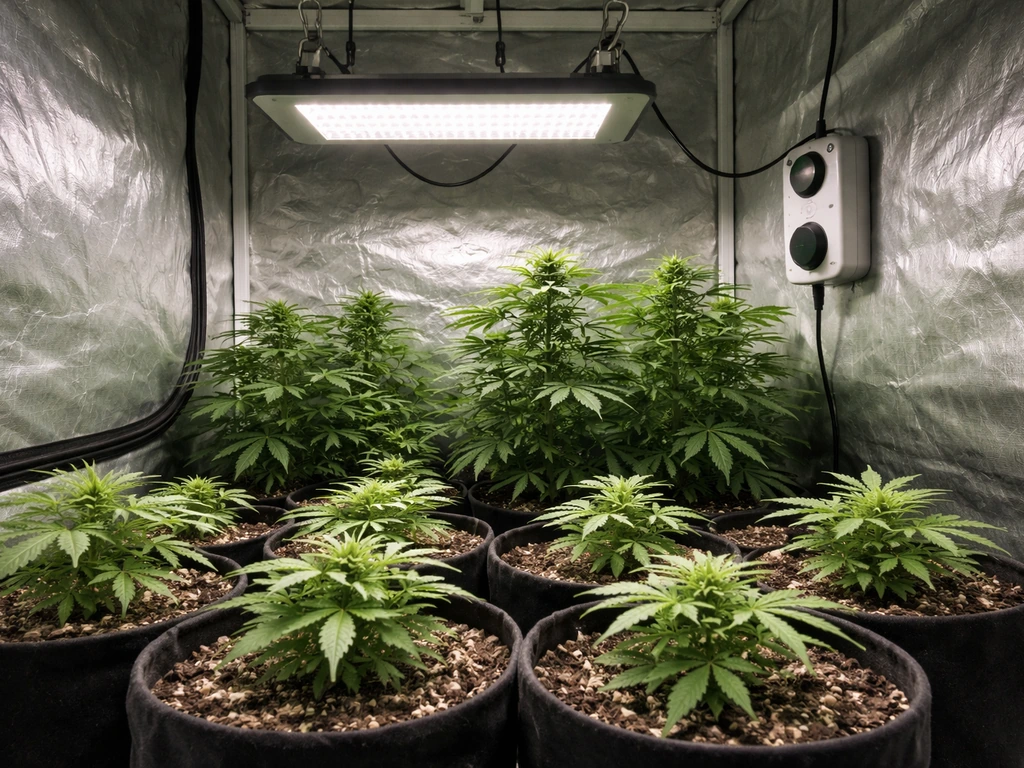
Yes, autoflowers are faster than photoperiod plants in almost every practical home-growing scenario. A typical autoflower goes from seed to harvest in 70 to 85 days. A photoperiod plant, grown indoors with a standard veg-then-flip approach, usually takes 3 to 5 months minimum. That gap is real, and for most home growers it matters a lot. But there are nuances worth understanding before you commit to a grow, because 'faster' does not always mean 'better for your situation.'
Do Autoflowers Grow Faster Than Photoperiod? Timelines and Tips
Marcus Holloway
12 Apr 2026
What 'faster' actually means for growers
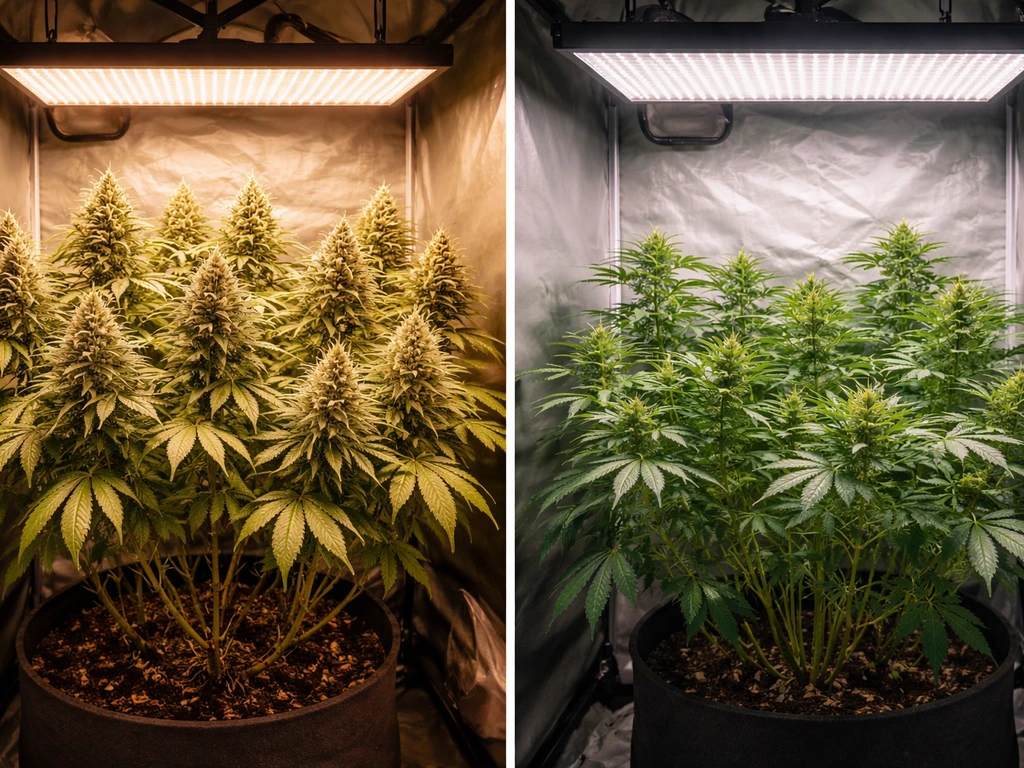
When growers ask whether autoflowers grow faster, they usually mean one of three things: calendar days from seed to harvest, time to usable plant size, or time to the first harvest in a cycle. These are different questions, and the answers differ too.
Calendar days to harvest is the clearest comparison. Autoflowers win here outright. On that metric, an auto that finishes in 75 days is objectively faster than a photoperiod that needs 120 or more days. But 'time to usable size' is trickier. Autoflowers have a fixed developmental window, so you cannot extend their veg phase to build a bigger plant. A photoperiod kept in veg for 8 weeks will be considerably larger than an auto at the same age, which affects total yield per plant even if the auto reaches harvest sooner. And 'time to first harvest' depends heavily on how you manage your space: a perpetual harvest setup with photoperiods can deliver yields continuously, blurring the speed advantage of autos.
The takeaway here is that for a single-cycle grow where you want weed in hand as fast as possible, autoflowers are meaningfully faster. For maximizing yield per square foot over the long run, the calculation gets more complicated.
How autoflowers grow: age triggers everything
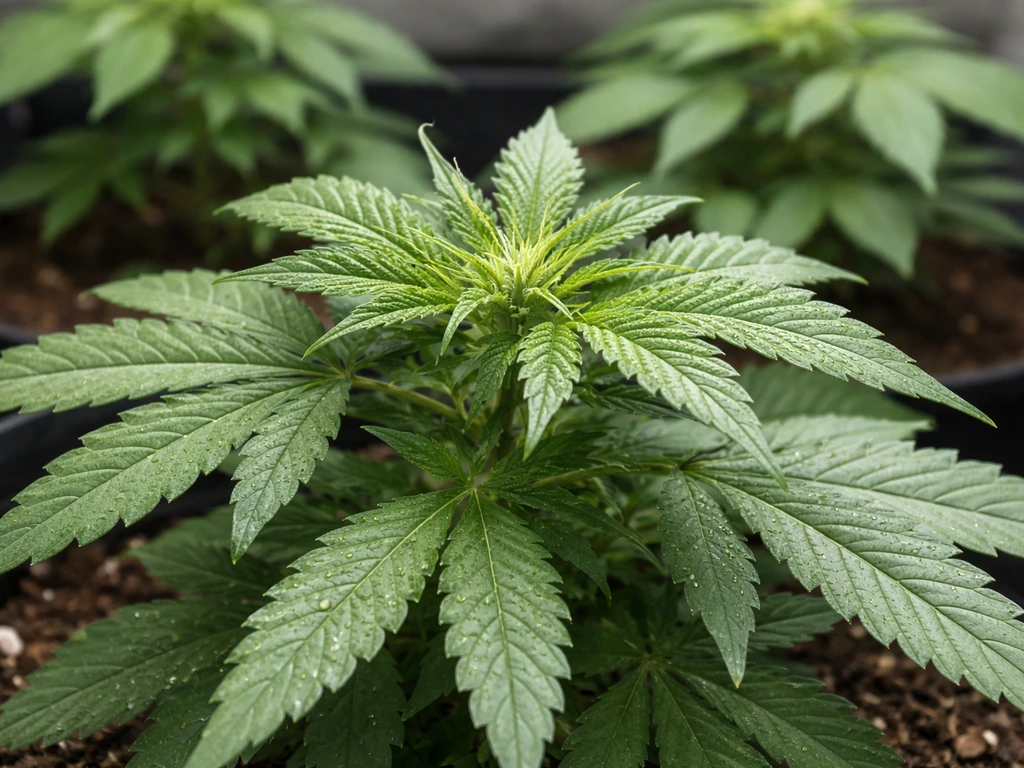
The core reason autoflowers are faster is biological. Autoflowering cannabis (and other autoflowering plants) blank" rel="noopener noreferrer">initiate flowering based on age, not light cycle. Around 3 to 4 weeks after germination, an autoflower will begin transitioning to flower whether you give it 18 hours of light or 12 hours. The plant simply hits a developmental trigger and moves on.
This means the entire life cycle is compressed into a predictable window. Most autoflower strains go from seed to harvest in 10 to 12 weeks, with many faster varieties finishing closer to 8 to 9 weeks post-germination. Some longer-flowering autos, like sativa-dominant types, can push to 85 to 95 days. The important point is that you are not in control of when flowering starts. The plant drives the schedule.
Because autos flower on their own timeline, any stress during early growth (transplant shock, overwatering, root disturbance, or aggressive training) eats directly into your final yield window. There is no recovery time built in. The plant will flower on schedule whether it has recovered from stress or not. This is why low-stress training is recommended over high-stress techniques like topping or heavy defoliation, especially for newer growers.
Photoperiod timelines: where the time goes
Photoperiod plants stay in vegetative growth as long as they receive more than roughly 13 to 14 hours of light per day (indoors, growers typically run 18/6 during veg). They only flip to flowering when you switch to a 12/12 light schedule, or when outdoor daylight naturally drops below that threshold in late summer. That controllability is actually what makes photoperiods both powerful and slow.
A typical indoor photoperiod grow looks like this: 4 to 8 weeks of vegetative growth, followed by a flip to 12/12 and then 8 to 11 weeks of flowering before harvest. Add in germination and early seedling time, and you are looking at roughly 4 to 6 months from seed to harvest indoors. Outdoors, the plant follows the sun, meaning it does not flower until late summer and typically harvests in October in the Northern Hemisphere.
The veg phase is where most of the time difference between autos and photoperiods accumulates. Some growers keep photoperiods in veg for 10 to 12 weeks to build large plants with high yields. That approach makes sense when you have the space and patience, but it means a single photoperiod cycle can take longer than two complete autoflower grows back to back.
Side-by-side: speed and the variables that flip the result
| Factor | Autoflower | Photoperiod |
|---|---|---|
| Typical seed-to-harvest time | 70–85 days (fast strains 56–63 days) | 120–180+ days indoors |
| Flowering trigger | Age-based (automatic at 3–4 weeks) | Light-cycle dependent (manual flip to 12/12) |
| Veg phase control | None (fixed window) | Fully controllable (days to months) |
| Plant size per cycle | Smaller (less veg time) | Larger (veg can be extended) |
| Yield per plant | Lower on average | Higher potential with longer veg |
| Harvests per year (indoor) | 3–4+ possible | 2–3 realistic |
| Stress recovery time | Very limited | Can recover with extended veg |
| Outdoor harvest timing | Flexible (multiple runs per season) | Fixed to natural light cycle (fall) |
| Ideal for beginners | Yes (simpler schedule) | Requires more timing management |
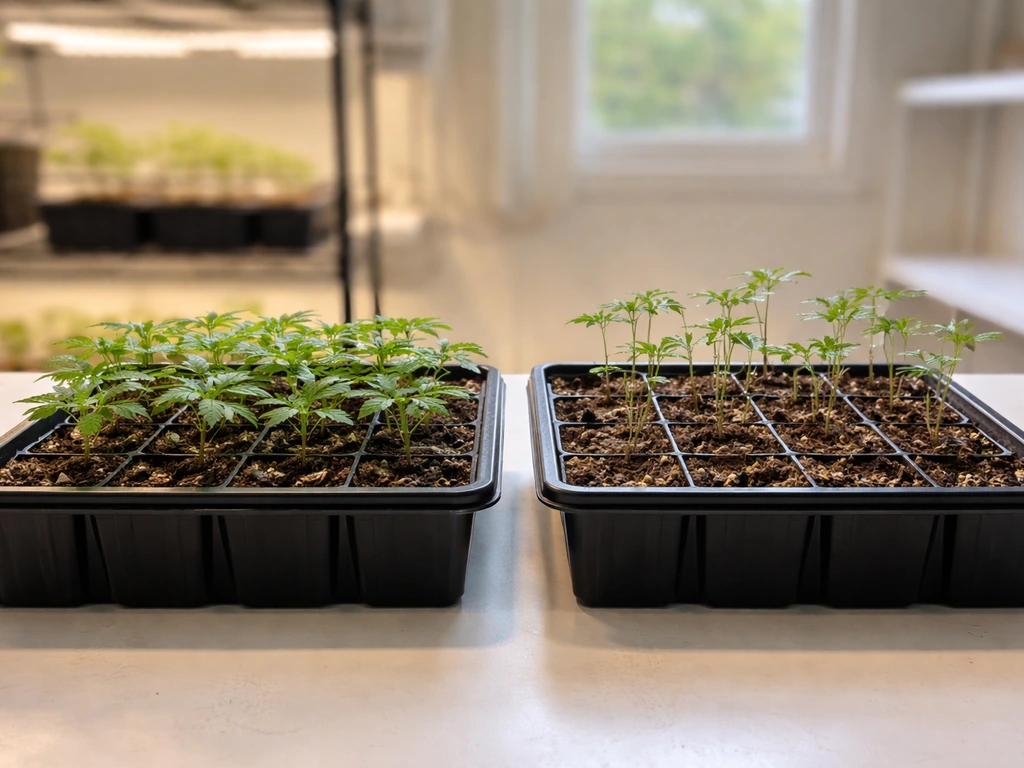
A few variables can actually flip the speed advantage. If you are growing photoperiods on an aggressive 18/6 veg schedule and flip early (say, after 3 to 4 weeks of veg), total cycle time shrinks considerably. Conversely, if an autoflower gets stunted early from transplant shock or nutrient burn, you will effectively lose 1 to 2 weeks of productive growth from an already short window. In a worst case, a stunted auto and a well-managed short-veg photoperiod can finish within weeks of each other.
Outdoor growers face a different comparison. Because autoflowers do not depend on day length, you can run two or even three auto crops in a single outdoor season at most latitudes. Photoperiods get one shot per year outdoors. That seasonal flexibility is one of the strongest arguments for growing autoflowers outside, especially if your summer is long but your falls are unpredictable.
How to grow autoflowers faster without wrecking them
If speed is your priority, the goal is simple: eliminate anything that slows the plant down in those first 3 to 4 weeks before flowering kicks in. Every day of healthy vegetative growth before the auto transitions directly translates to more flowering sites and better final yields. Here is what actually moves the needle.
Light: more hours, more output
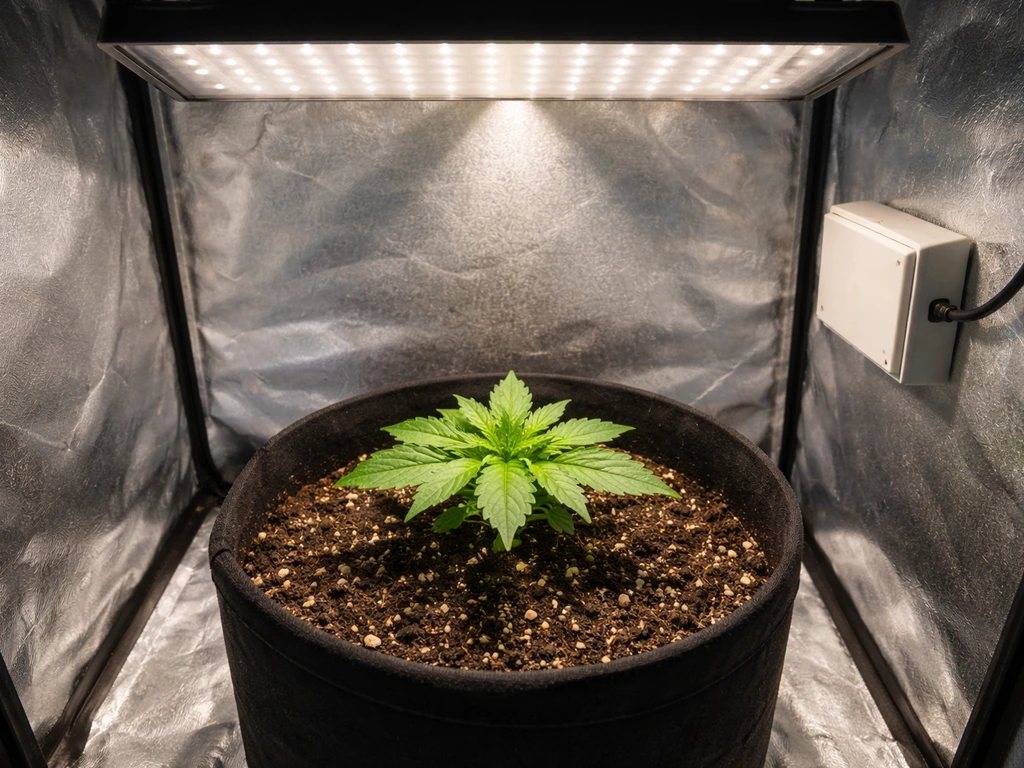
Because autoflowers do not need a light schedule change to flower, you can run them on 18 to 20 hours of light for their entire life cycle. More light hours mean more photosynthesis and faster overall growth. Many growers run 20/4 (20 hours on, 4 hours off) for autos. Some run 24 hours, though most plants benefit from a short dark period. At minimum, do not drop below 18 hours of light for autoflowers indoors. Light intensity matters too: aim for 400 to 600 PPFD during veg and 600 to 900 PPFD during flowering if you have a quality LED or HPS setup.
Temperature and airflow
Autoflowers grow fastest in the 70 to 85°F (21 to 29°C) range. Temperatures below 65°F slow metabolism and nutrient uptake noticeably. Keep night temps within 10°F of your daytime high to avoid stress. Good airflow also prevents humidity spikes that invite mold during the dense flowering phase, which is shorter and therefore less forgiving on autos than on photoperiods.
Feeding: light early, consistent throughout
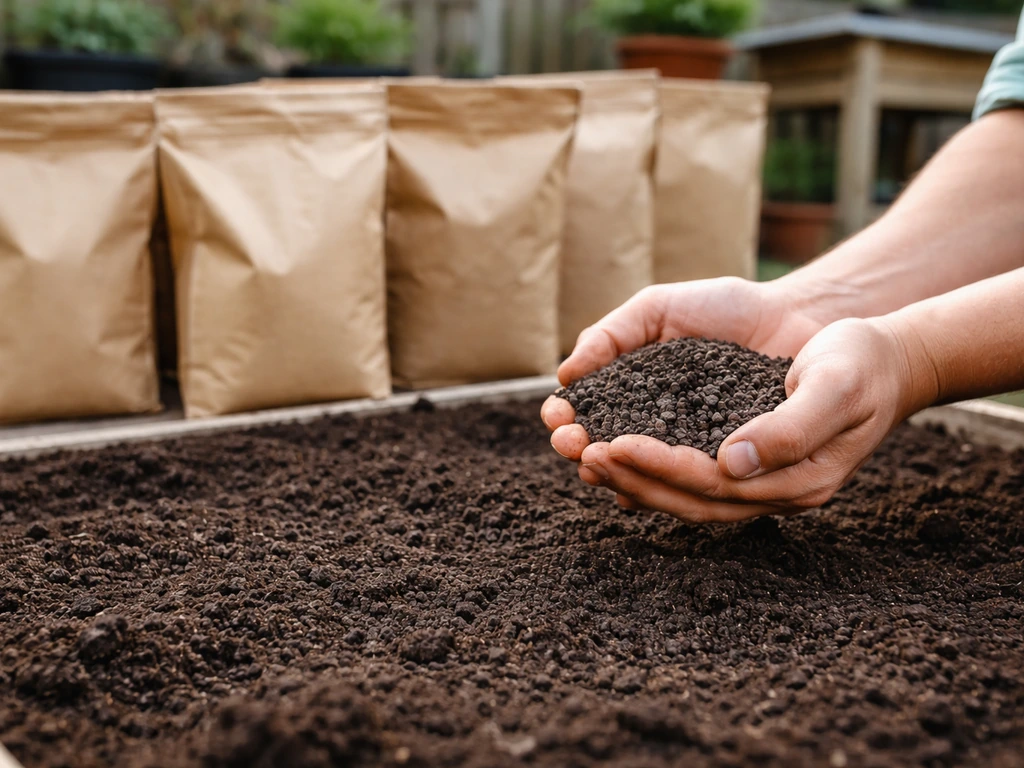
Autoflowers are sensitive to nutrients, especially nitrogen, in the early weeks. Heavy feeding at week 1 or 2 can cause nutrient burn that the plant simply does not have time to recover from. Start at 25 to 50% of the recommended dose on any nutrient line and ramp up based on what the plant shows you. Once flowering begins (around week 3 to 4), shift toward phosphorus and potassium-heavy feeding and reduce nitrogen. If you are wondering whether autoflowers can grow without any nutrients at all, the short answer is that a quality pre-amended soil can carry them part of the way, but supplemental feeding during flower almost always improves yields.
Container and transplanting
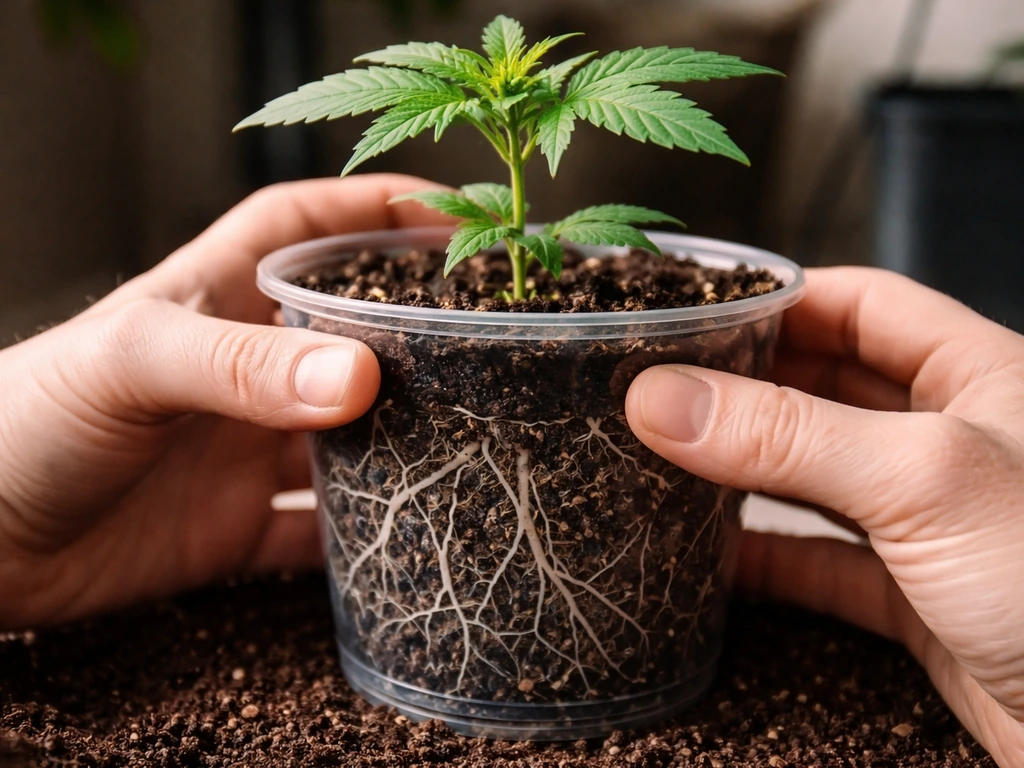
Transplanting is one of the most common ways growers accidentally slow down an autoflower. Transplant shock in the first 2 weeks can cost you significant vegetative growth right before the plant enters flower. The best practice is to germinate directly into the final container. Most growers use 3 to 5 gallon fabric pots for autos, which provides enough root space without forcing the plant to fill an oversized container before flowering. Fabric pots also promote air pruning of roots, which keeps growth active and healthy.
Training: keep it low-stress
Low-stress training (LST) by gently bending and tying branches improves light penetration without the recovery time required by topping or heavy defoliation. LST during the first 2 to 3 weeks of veg can meaningfully increase bud site exposure. Avoid topping autos unless you are experienced and working with a strain known to respond well to it. The risk of losing productive days to recovery is simply too high given the compressed timeline.
Soil vs. hydroponics: which gets you to harvest faster
blank" rel="noopener noreferrer">Hydroponic setups consistently produce faster vegetative growth than soil. Roots in a hydro system (DWC, NFT, coco coir with frequent fertigation) have immediate access to oxygen and dissolved nutrients, which accelerates cell division and overall plant development. You can expect autoflowers grown in a well-dialed hydro setup to finish 1 to 2 weeks faster than the same strain in soil, and to produce noticeably more biomass in that time. If you are curious whether this approach is practical at home, the answer is yes: growing autoflowers hydroponically is entirely doable and increasingly popular for exactly this reason.
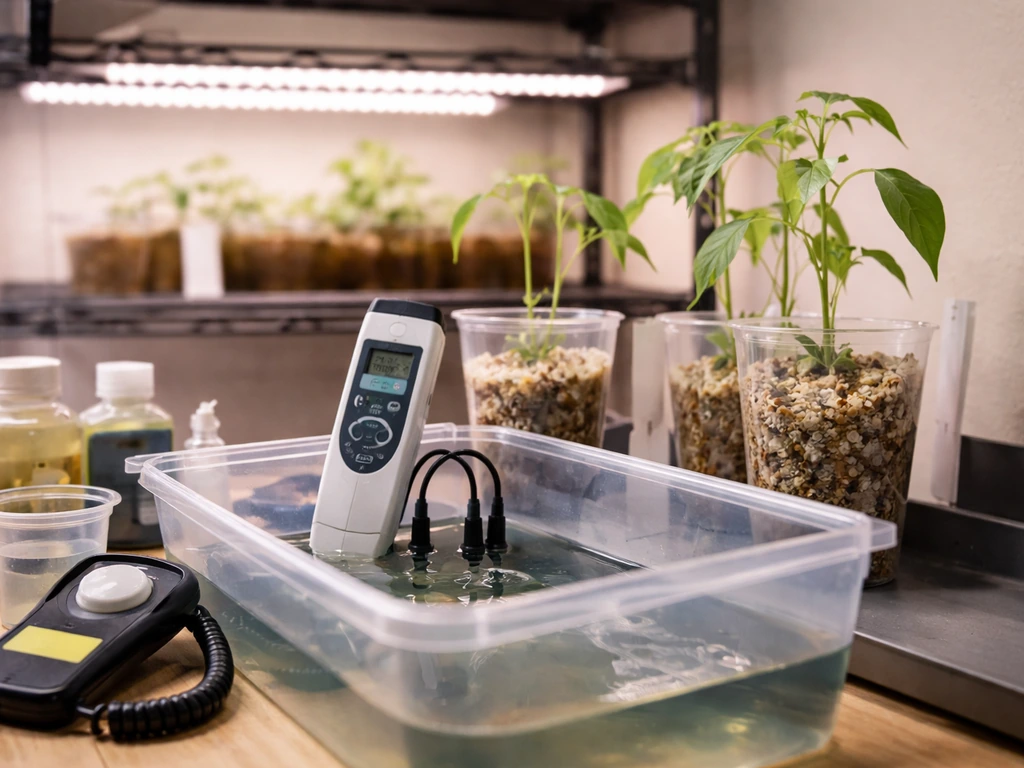
That said, hydroponics requires closer attention to pH (5.5 to 6.2 for most hydro systems), nutrient concentration (EC), and reservoir management. Mistakes hit faster in hydro because there is no soil buffer. A pH swing to 7.0 in a DWC system can lock out iron and manganese within 24 hours, which is a bigger problem in a 70-day auto grow than in a 150-day photoperiod grow where you have time to correct it.
Coco coir sits between soil and hydro in terms of speed and forgiveness. It drains quickly, holds oxygen well, and can be fertigated daily for fast growth, but it behaves more predictably than recirculating systems and tolerates minor pH fluctuations better. For growers who want hydro-like speed without the complexity of a full DWC or NFT rig, coco is often the best starting point.
| Medium | Speed | Difficulty | pH Range | Best For |
|---|---|---|---|---|
| Soil (pre-amended) | Moderate | Low | 6.0–7.0 | Beginners, low-maintenance grows |
| Coco coir | Fast | Medium | 5.8–6.3 | Growers wanting speed with more control |
| DWC / Hydro | Fastest | High | 5.5–6.2 | Experienced growers optimizing for speed |
| NFT / Aeroponics | Fastest | Very High | 5.5–6.0 | Advanced setups, maximum speed |
When to choose autos, and when photoperiods still make sense
Choose autoflowers if you want the fastest path from seed to harvest, if you are growing outdoors and want multiple runs in a single season, if you are a beginner who wants a simpler light schedule, or if you are working with a small tent or limited vertical space. The compressed timeline and age-based flowering make autos extremely accessible. Before you commit to a strain or a setup, it is worth thinking through whether autoflowers are the right choice for your specific situation, since the answer genuinely depends on your goals.
Choose photoperiods if yield per plant is your priority, if you want to keep plants in veg until you are ready to flower them (for cloning, for timing a harvest around your schedule, or for building larger plants), or if you are running a perpetual harvest setup where you stagger plants across veg and flower rooms. Photoperiods also give you more room to recover from mistakes, which matters if you are still dialing in your feeding or environment.
One common question is whether you can run both plant types in the same space at the same time. The honest answer is that it creates real complications around light schedules. If you are considering mixing them in one tent, it is worth reading about growing autoflowers and photoperiod plants together before you set anything up, because the light requirements genuinely conflict.
On a related note, some growers wonder whether you can simplify things by just running autoflowers on a 12/12 light schedule from the start, effectively treating them like photoperiods to share tent space. Technically autos will flower under any schedule, but running them on less light than 18 hours noticeably reduces yield and growth rate. There is a detailed breakdown of whether autoflowers can actually grow under 12/12 that is worth reviewing if you are trying to manage mixed-species tents. Similarly, the question of growing autos on a 12/12 schedule comes up often, and while it works, you are leaving real growth potential on the table compared to an 18/6 or 20/4 setup.
Your next steps based on what you want
If you want the fastest possible harvest and you are setting up today, here is the practical path: pick a fast autoflower strain (look for strains listed at 8 to 10 weeks), germinate directly into a 3 to 5 gallon fabric pot filled with a quality airy medium (coco or a well-draining soil mix), run your lights at 18 to 20 hours per day, keep temperatures between 72 and 80°F, start nutrients light, and avoid any transplanting or high-stress training. That approach will get you to harvest in roughly 70 to 80 days with a minimum of complications.
If you are not sure whether the speed advantage of autos outweighs the yield potential of photoperiods for your specific setup and goals, that is a genuine trade-off worth thinking through rather than defaulting to one type. The best grow is the one that fits your space, your schedule, and your experience level, not just the one that finishes fastest on paper.
FAQ
Do autoflowers always finish faster than photoperiods, even if both are managed well?
Yes, but only if you optimize for the conditions during the early “pre-flower” window. The first 3 to 4 weeks decide how much healthy growth the plant can build before it starts flowering on its own. If an auto is kept too cool, too dark, or overfed during this period, it can finish later and yield less, making the speed advantage shrink or disappear.
If an autoflower harvests earlier, does that mean it will always produce more per plant than a photoperiod?
Often, no. An autoflower can hit harvest sooner, but a photoperiod plant kept in veg longer will usually become physically larger, which can raise total yield per plant and sometimes per square foot depending on your layout. “Faster” comparisons are most favorable to autos when you compare calendar days, single-cycle harvests, and similar grow space.
Can I make an autoflower stay in veg longer by changing light schedules?
Not exactly. Autos determine flowering by age, so you cannot “delay flowering” to veg longer the way you can with photoperiods. However, you can indirectly influence the outcome by preventing early stress that would reduce growth during the brief window before flowering begins.
What happens if I run my autoflowers on 12/12 because I want to reduce my electricity use?
Yes, but it usually slows growth rather than simply shifting the harvest date. Running less than about 18 hours of light typically reduces photosynthesis and vegetative development in autos, so you may get a smaller plant and lower yield even if it eventually flowers on schedule.
Is topping or heavy defoliation worth it for faster autoflower harvests?
You should avoid it if your goal is maximum speed and predictable harvest. Topping, heavy defoliation, and root disturbance can cost “productive days” during the early phase. Autos can recover poorly because the flowering transition continues on the plant’s age-based timeline.
How badly does transplant shock affect autoflower speed and final yield?
Best practice is to germinate directly into the final container or handle transplanting extremely carefully. In practice, transplant shock is most damaging in the first 2 weeks, when you cannot afford lost growth before flowering starts. If you must transplant, plan on using gentle handling and stable conditions, and expect some risk.
Do autos really need tight temperature control, or is it okay if temps fluctuate?
Temperature swings matter, but the biggest concern is consistently slow metabolism. If nights drop much below the day, nutrient uptake and growth slow, and autos have less time to compensate. Keeping night temperatures within roughly 10°F of the daytime high helps reduce early stress.
Is pH management more critical for faster autoflower growth in hydro than in soil?
Yes, and it’s more of a problem than in long photoperiod grows. In hydro, rapid pH shifts can trigger nutrient lockout within a day, which can quickly show up as deficiencies during a period that strongly determines final yield. Use stable monitoring and avoid letting pH drift widely.
Do autoflowers always grow faster in hydroponics than in soil?
It can improve vegetative speed and biomass accumulation, but it also reduces “forgiveness.” The fastest growth route in hydro works only if pH, EC, and reservoir management are dialed in. If you are inconsistent, you might lose more time than you gain due to deficiency or lockout issues.
What’s the biggest nutrient mistake that makes autos slower or smaller?
Start low early and ramp gradually based on plant response. Heavy feeding in the first 1 to 2 weeks can nutrient-burn an auto right before it needs energy to build flowering sites. A slower ramp protects early growth and preserves the compressed timeline.
Are there photoperiod schedules that can reduce the speed gap versus autoflowers?
Yes, especially if you are optimizing for “first harvest” rather than total season output. Photoperiods can be scheduled to start flowering sooner with shorter veg, sometimes allowing them to nearly match an auto’s calendar time. In that edge case, the speed difference may be small compared with the yield-per-cycle differences.
Can I realistically do multiple harvests outdoors with autoflowers compared to photoperiods?
If you want multiple outdoor runs, autos are often easier because you are not dependent on day length to initiate flowering. Photoperiods usually flower only once daylight naturally drops enough, which typically limits you to a single main harvest window outdoors in many regions.
Can I grow autoflowers and photoperiod plants together in the same tent without messing up their timelines?
Yes, but you are trading simplicity for complexity. Mixing autos and photoperiods usually forces you to choose a light schedule that can hurt at least one plant type. If you are trying to maximize speed and avoid stress, it is usually cleaner to keep them separated.
What is the simplest “fastest possible harvest” checklist for an autoflower starting today?
For a fastest, low-risk approach, choose a fast-finishing auto strain and avoid anything that interrupts early growth. Germinate into a final pot, use a light schedule near 18 to 20 hours, keep temps in the warm optimal range, feed lightly at first, and rely on low-stress training instead of topping.