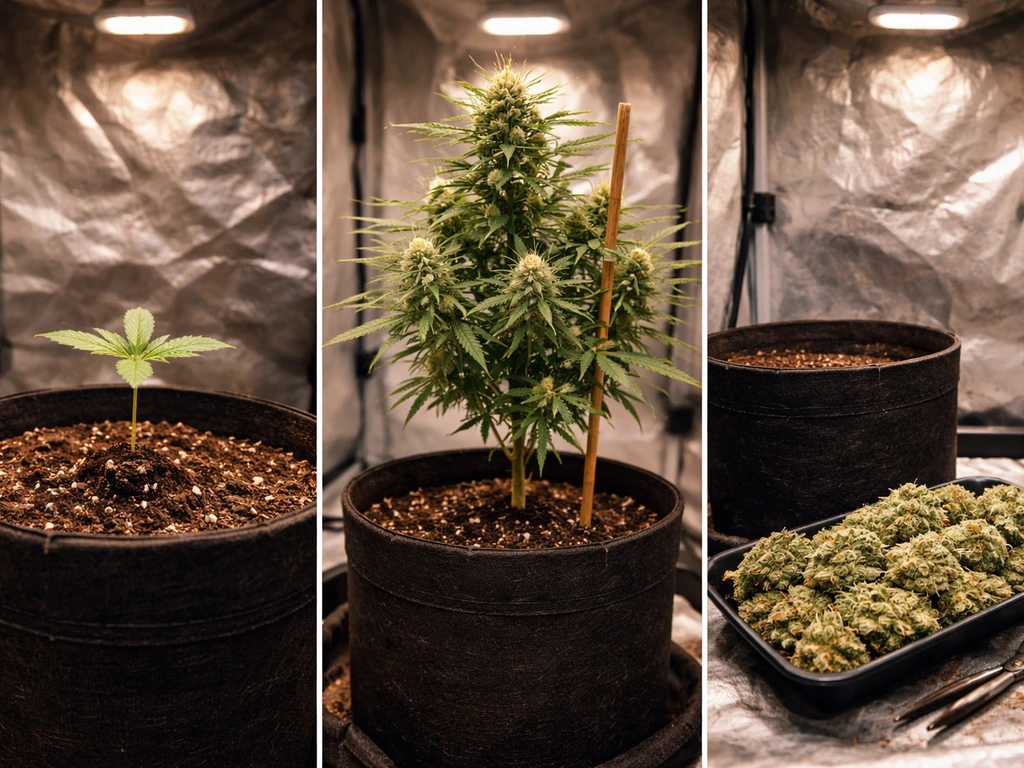
Autoflowers grow the most, in terms of raw height and biomass, between roughly weeks 3 and 6 from germination. That window, specifically the blank" rel="noopener noreferrer">stretch phase that kicks off around day 21 and peaks somewhere between days 28 and 42, is when you will see the fastest vertical gains and the most aggressive node stacking. After week 6 or 7, most autos stop putting on meaningful height and shift their energy almost entirely into bud development. Everything you do in that narrow window, your light intensity, your feeding, your training decisions, your environment, determines the size of the plant you harvest from. Miss it or mismanage it, and no amount of late-stage care makes up the difference.
When Do Autoflowers Grow the Most A Peak Growth Guide

Marcus Holloway
13 Apr 2026
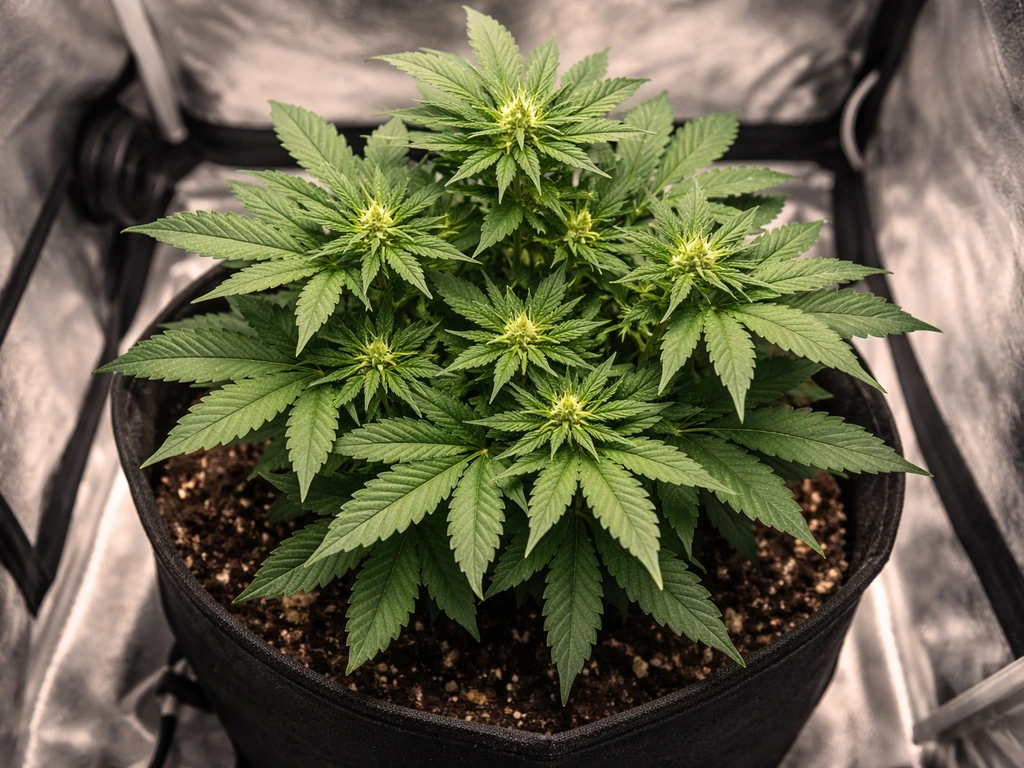
What peak growth actually looks like on an autoflower
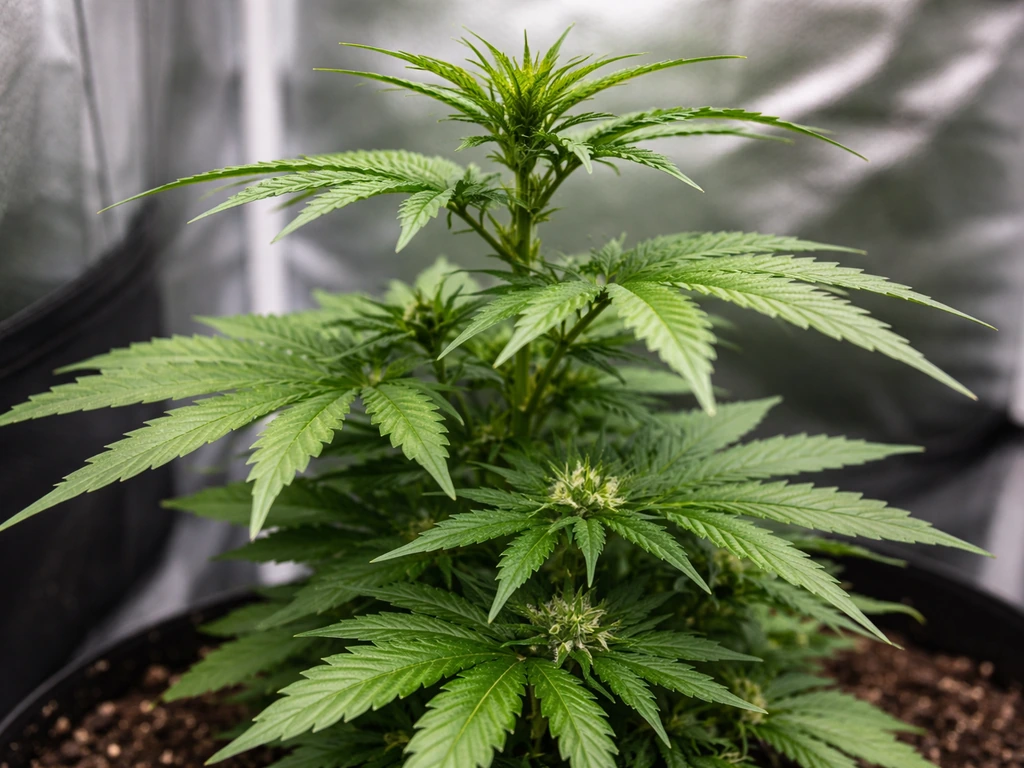
It helps to separate three things: height gain, biomass gain, and bud development, because they peak at different times and mean different things for your grow.
Height gain is fastest during the pre-flower stretch, roughly weeks 3 to 5. When conditions are dialed in, you can genuinely see about an inch (2.5 cm) of new vertical growth per day along with a new set of nodes appearing on a tight schedule. That sounds extreme but it is real, and it is the clearest sign your plant is in its prime growth window. If you are not seeing something close to that rate during weeks 3 to 5, something is holding the plant back.
Biomass gain, meaning the total volume of leaves, stems, and branching, follows height closely but extends a bit further. Leaf surface area is still expanding through weeks 5 and 6, even as the vertical stretch starts tapering. This matters because more leaf area means more photosynthesis capacity during early flowering, which directly feeds bud development.
Bud development is a completely different kind of growth. Flowers appear and swell from around week 4 or 5 through to harvest, but the plant is not getting taller or leafier during this phase; it is converting resources into resin and flower mass. Most autos shift into this mode between weeks 4 and 5 from seed, which is why the vegetative peak window is short. Understanding that distinction will save you from chasing height gains that are no longer biologically on the table.
The full growth timeline from seed to slowdown
Here is how a typical autoflower moves through its life from day one. These ranges are real-world common, but genetics vary, so treat the days as guideposts rather than a rigid clock.
| Phase | Typical Days from Seed | What's Happening |
|---|---|---|
| Germination | Day 1–4 | Taproot emerges, seedling breaks soil surface |
| Seedling | Day 4–14 (weeks 1–2) | First true leaves appear, root zone establishing, slow above-ground growth |
| Early vegetative | Day 14–21 (week 3) | Growth rate accelerates, nodes stacking, canopy expanding |
| Peak stretch / pre-flower | Day 21–35 (weeks 3–5) | Fastest height gains, up to ~1 inch/day, pre-flower pistils appear |
| Flowering transition | Day 28–42 (weeks 4–6) | Flowering fully initiated, stretch begins slowing, buds forming |
| Mid to late flower | Day 42–70+ (weeks 6–10+) | Height gain stops, bud swelling and resin development dominate |
| Harvest window | Day 56–84 (weeks 8–12) | Trichomes maturing, flush if needed, harvest |
Most autoflowers complete the full cycle in 8 to 12 weeks from germination. The seedling phase occupies roughly the first 1 to 2 weeks, and many autos race into flowering after just 2 to 3 weeks of true vegetative growth. That is the key insight: the window where you can actually influence plant size is short. If you are curious about the specifics of how long autoflowers take to grow indoors, the timeline above should match what you will find strain-by-strain, though sativa-leaning genetics tend to stretch the veg and early flower phases longer than indica-dominant autos.
One important nuance: the stretch does not always end cleanly at week 5. Some strains keep stretching into week 6, especially if they are under high light intensity or grown in a larger root volume. Watch your plant's daily height gain as a live signal rather than just counting calendar days.
The conditions that drive peak growth
Light intensity and schedule
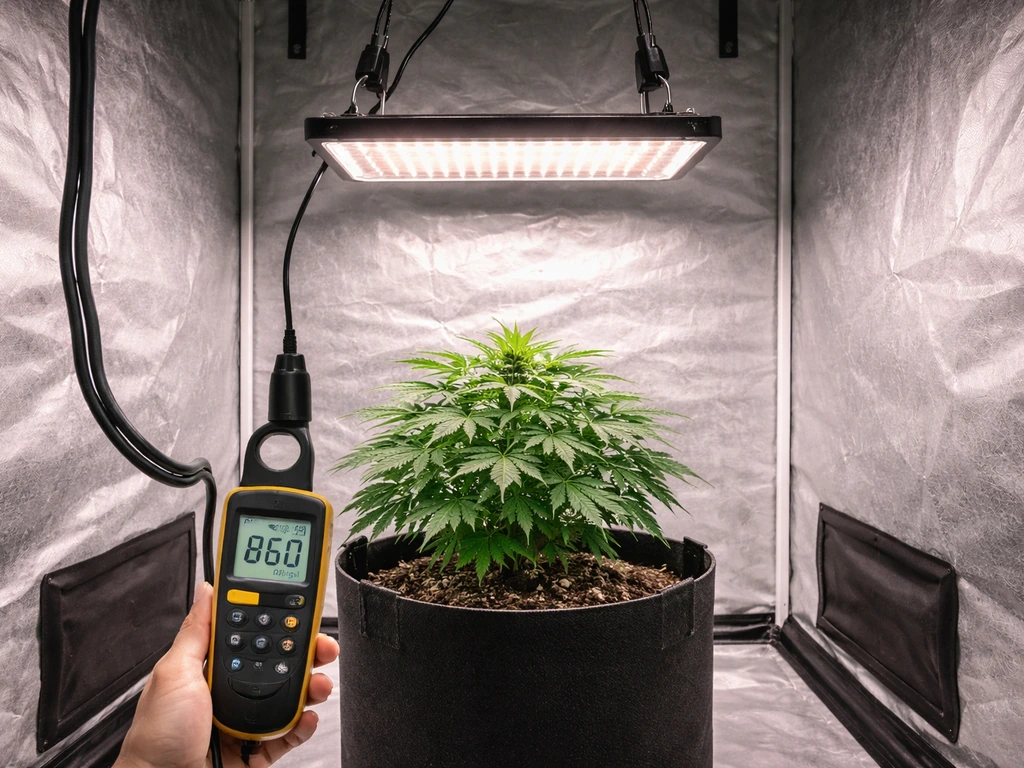
Autoflowers do not need a photoperiod change to flower, so most growers run an 18/6 schedule (18 hours on, 6 hours off) for the entire life cycle. The real control lever is PPFD, the intensity of the light actually hitting your canopy. A PPFD guideline page lists cannabis light-intensity targets by stage (seedlings/vegetative/flower), which you can use as reference ranges for canopy light planning PPFD, the intensity of the light actually hitting your canopy.
During seedling, you want 200 to 300 µmol/m²/s to avoid stress on fragile new growth. By early veg, push that to around 400 µmol/m²/s. Once your plant is clearly in the peak stretch phase and looking happy, move toward 500 to 600 µmol/m²/s. During flowering, 600 to 750 µmol/m²/s is a solid target.
To put that in DLI terms: an 18-hour light schedule at around 617 µmol/m²/s hits approximately 40 mol/day, which is a strong vegetative DLI target for the peak window.
Light distance matters because the same fixture at different heights delivers dramatically different PPFD. Use a PAR meter if you have one, or use the manufacturer's hanging chart as a starting point and adjust based on how the plant responds. Canopy tip burn or upward leaf curl usually signals too-intense light; pale, stretchy internodes signal too little.
Temperature, humidity, and VPD
During the peak vegetative window, aim for daytime temperatures between 22 and 28°C (72 to 82°F). Night temps can drop 4 to 6°C (about 7 to 10°F) without issue, but larger swings stress the plant and slow growth. Humidity during veg should sit in the 50 to 70% range; seedlings prefer the higher end while the plant transitions into pre-flower, at which point you want to nudge RH down toward 45 to 55%.
The more precise way to dial this in is VPD, vapor pressure deficit. VPD accounts for the interaction between temperature and humidity, which is why targeting RH alone can mislead you. A drooping, slow-growing plant in a room that looks fine on a basic thermometer/hygrometer is often a VPD problem in disguise: transpiration is off because the air conditions are not moving water through the plant correctly. During veg, target a VPD of around 0.8 to 1.2 kPa. As flowering starts, you can push toward 1.2 to 1.6 kPa by lowering RH. Adjusting temperature and humidity together, not just RH alone, is the key to hitting the right VPD range.
Airflow and rooting space
Airflow does two things during peak growth: it strengthens stems through mild mechanical stimulation (which keeps the plant structurally sound as it stretches fast) and it prevents humid microclimates that invite mold and pests. Keep a gentle breeze moving across and through the canopy at all times. An oscillating fan angled to move leaves slightly without thrashing them is the target.
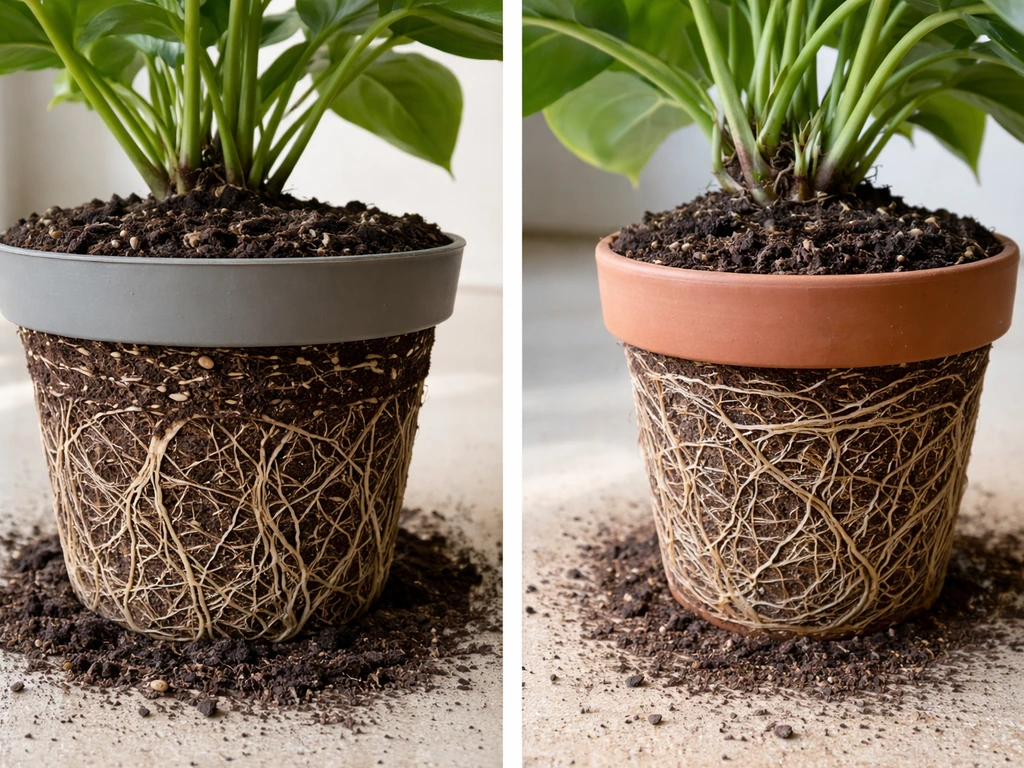
Root volume is one of the most overlooked drivers of peak growth. A cramped root zone physically limits how much water and nutrient uptake the plant can pull during its most demanding phase. For soil, a 3- to 5-gallon fabric pot is a solid minimum for most auto strains. In hydro, make sure your net pot or reservoir design gives enough root run from the start, since transplanting autos mid-grow is risky and should be avoided. Autoflowers respond poorly to root disruption at any stage, but mid-stretch is the most costly time to stress the root zone.
Feeding and watering during the peak growth window
Soil grows
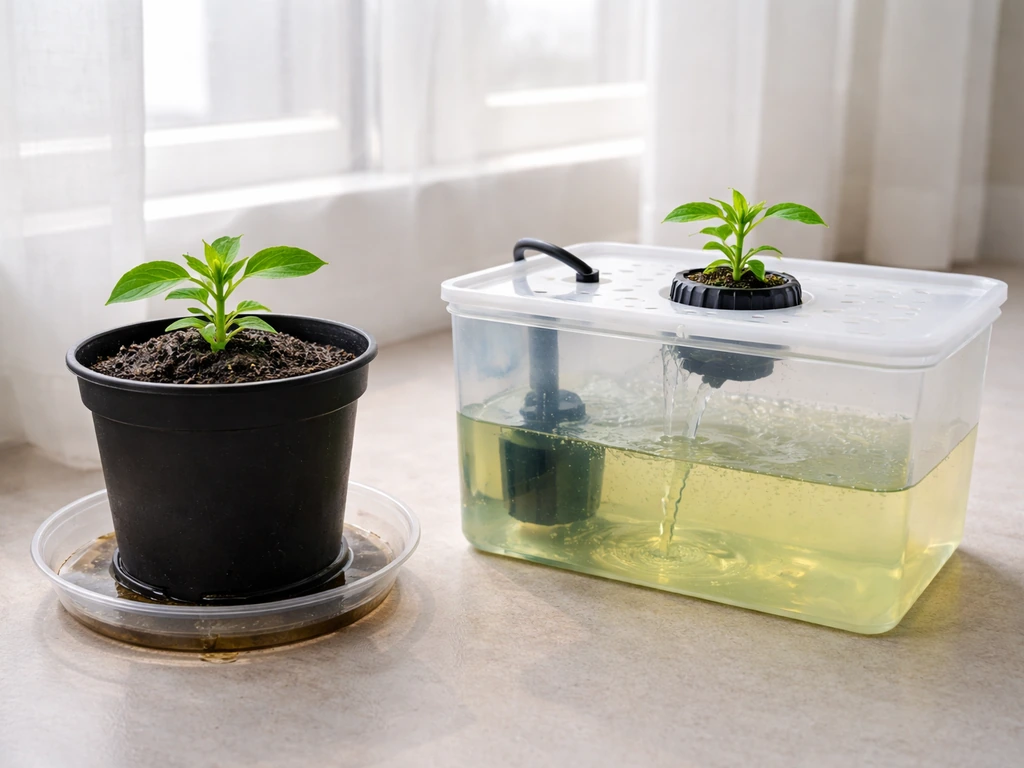
In soil, water when the top inch or two of medium dries out and the pot feels noticeably lighter. During peak stretch, the plant is drinking faster than it was in seedling, so your watering frequency naturally increases. Feed a nitrogen-heavy vegetative formula from week 2 through week 4, then begin transitioning toward a bloom formula with higher phosphorus and potassium around week 4 to 5 as pre-flowers appear.
BC government guidance in its cannabis bacts report separates nutrient strategy ratios for the “Growth period” (first stage) versus the “Flowering period,” reflecting different feeding needs as the plant shifts from growth into flowering [transitioning toward a bloom formula with higher phosphorus and potassium](https://www2. gov. bc. ca/assets/gov/environment/waste-management/industrial-waste/industrial-waste/cannabis-production/cannabisbactsreport.
pdf). Do not wait until you see pistils everywhere to make the switch; the plant signals the transition before it is visually obvious. Keeping pH in the 6. 0 to 7.
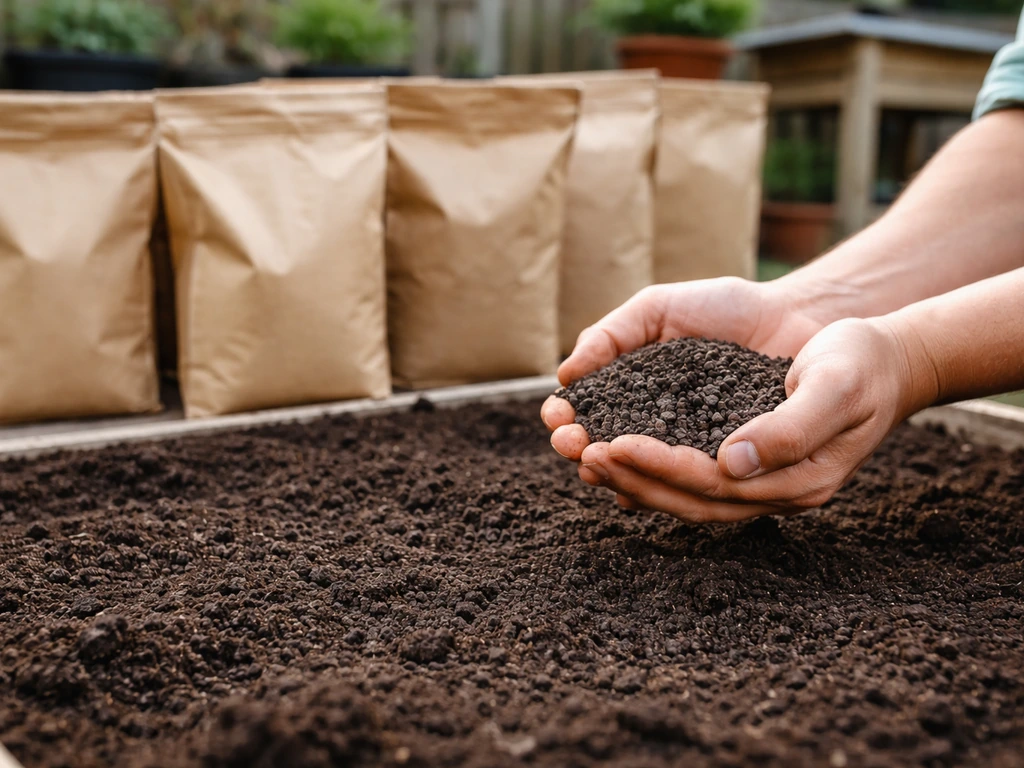
0 range (ideally 6. 2 to 6. 8) is non-negotiable in soil because off-pH lockout is one of the most common reasons autos underperform during the peak window. Choosing the best soil to grow autoflowers also makes a real difference: a light, well-aerated mix with good drainage helps roots expand quickly and reduces overwatering risk during the rapid uptake phase.
Hydroponic grows
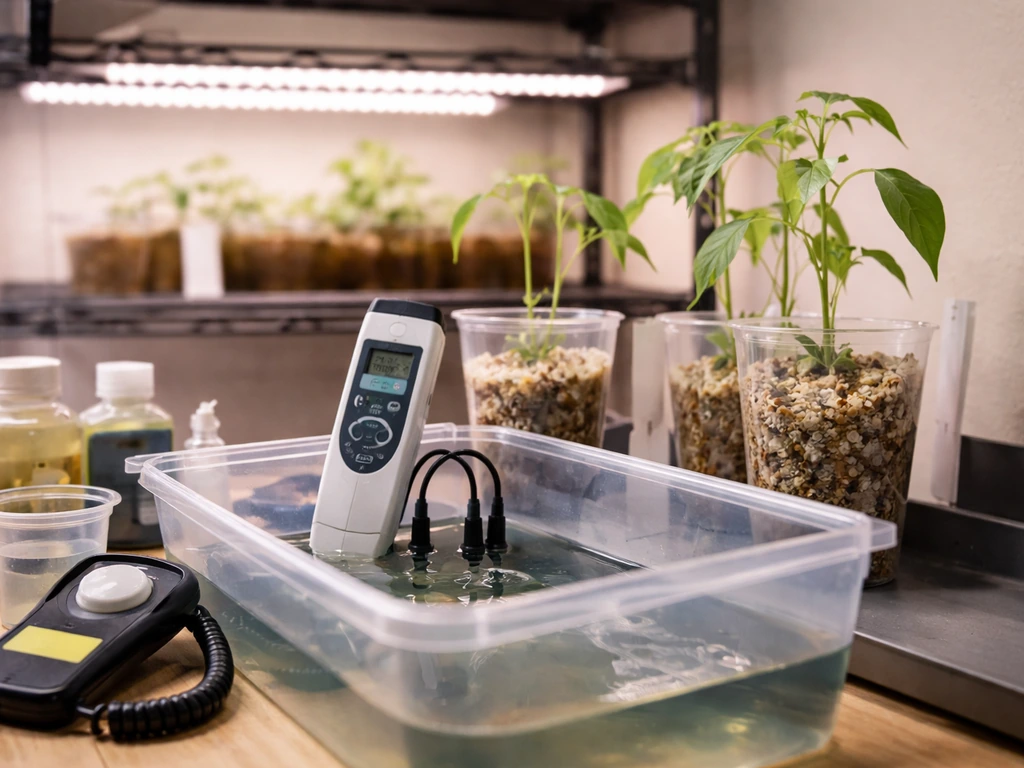
In hydro, peak growth can be noticeably faster because nutrients are delivered directly to roots without the buffering and absorption delays of soil. During early veg (weeks 2 to 3), run EC around 0. 8 to 1. 2 mS/cm.
In the peak stretch window, push EC to 1. 4 to 1. 8 mS/cm with a veg-focused nutrient profile. As flowering begins, shift toward a bloom ratio and hold EC in a similar range, then ease off nitrogen.
Keep pH at 5. 5 to 6. 2 in hydro, checking daily. If you notice tip burn, clawing, or general slowdown during the peak window, suspect nutrient burn first: drop EC by 20 to 25%, flush the reservoir with fresh pH-balanced solution, and rebuild at a lower strength.
The fix is simpler than it looks, but catching it early matters because every day of nutrient stress during the stretch phase is a day of potential height and biomass you will not get back.
Training timing: what to do during the peak and what to skip
Because autoflowers have a fixed timeline, training decisions carry more weight than with photoperiod plants. You do not have the option to extend veg to recover from stress. Low-stress training, LST, is the safest and most effective approach for autos. Start bending and tying down the main stem once the plant has 4 to 5 nodes, usually around week 3. Doing this early in the stretch phase lets you spread the canopy and expose lower bud sites to direct light right when growth is most explosive. Keep adjusting ties every 2 to 3 days during the stretch to keep the canopy even.
Topping is more controversial. One controlled comparison found that topped autos produced a slightly lower average yield (255 g/plant) compared to untopped controls (270 g/plant). That is not a massive difference, but it illustrates the risk: if the timing or recovery is off, you lose more than you gain. If you do top, do it before week 3 so the plant has time to recover during the stretch. Never top after pre-flowers appear. High-stress training techniques like heavy defoliation mid-stretch should be avoided entirely; removing significant leaf area during the plant's most productive photosynthesis window is counterproductive.
What you should do during peak growth: adjust LST ties regularly, tuck large fan leaves that are blocking lower bud sites (rather than removing them), and make sure airflow is getting into the canopy. What you should avoid: topping after week 3, aggressive defoliation, transplanting, and any root zone disturbance.
Troubleshooting slow growth during the peak window
If your plant is not showing strong growth between weeks 3 and 5, work through this list of likely causes. Most slow-growth problems during the peak window trace back to one of these:
- Low light intensity: if PPFD is under 400 µmol/m²/s during the stretch, the plant simply does not have the energy to grow fast. Raise your light or lower your fixture (carefully, checking for heat stress) before anything else.
- Overwatering: wet, dense soil that never dries out suffocates roots and stalls growth. The plant may look droopy in the morning and not perk up. Let the medium dry more between waterings and check that drainage is actually working.
- pH lockout: if your root-zone pH is off even by 0.5 units, the plant can stop absorbing key nutrients despite them being present in the medium. Check runoff pH in soil or reservoir pH in hydro and correct it first before adjusting feeding.
- Phosphorus deficiency: bright red or purple stems during the pre-flower transition can signal that phosphorus is unavailable, usually a pH issue rather than a missing nutrient. Fix pH first, then assess whether additional phosphorus is needed.
- Nutrient burn: brown, crispy leaf tips combined with general growth stagnation usually means EC is too high. In hydro, drain and replace with a lower-strength solution. In soil, flush with clean pH-balanced water and ease back on feeding strength.
- Temperature swings: large day-to-night temp differences (more than 10°C / 18°F) slow metabolic processes and can cause leaf clawing that is often misdiagnosed as overwatering or nitrogen toxicity. Check your night temps specifically.
- Root disruption or cramped root zone: if you transplanted during peak growth or are growing in a too-small container, root stress is almost certainly the bottleneck. You cannot undo this mid-grow, but you can support the plant with a mild root-stimulant product and avoid any further disturbance.
- Genetics: some strains are simply slower or smaller by design. If you have ruled out environmental and feeding issues, the plant may just be doing what its genetics dictate. This is a good argument for choosing your strain carefully before you start.
If you are still diagnosing the issue and want a deeper reference, a good autoflower grow book will walk you through symptom-to-cause mapping in more detail than any single article can. Having a reliable reference during the peak window, when mistakes are most costly, is worth the time investment.
Week-by-week plan to maximize growth right now
Whether you are growing in soil or hydro, this plan gives you a concrete action list for each week of the growth window. The advice is practical and based on what actually moves the needle during the peak period.
Week 1 (Days 1–7): germination and seedling establishment
- Soil: germinate in a moist, light seedling mix, keep temps at 22 to 25°C, use a humidity dome to hold RH at 70 to 80%.
- Hydro: germinate in a rockwool cube or rapid rooter, pH solution to 5.8, keep under low-intensity light (200 µmol/m²/s or less).
- Both: 18/6 light schedule from the start, no nutrients yet, let the seedling find its footing.
Week 2 (Days 8–14): early seedling into early veg
- Remove the humidity dome around days 10 to 14 and let RH drop toward 60 to 65%.
- Soil: begin very light feeding at 1/4 recommended dose, water when top inch dries.
- Hydro: introduce nutrients at EC 0.6 to 0.8 mS/cm, pH 5.8 to 6.0.
- Both: raise PPFD toward 300 µmol/m²/s as seedling develops its second and third nodes.
Week 3 (Days 15–21): vegetative acceleration begins
- This is where the plant shifts into a noticeably faster gear. Watch daily height and node production closely.
- Soil: push feeding to half dose with a nitrogen-heavy veg formula, maintain pH 6.2 to 6.8 in runoff.
- Hydro: EC up to 1.0 to 1.2 mS/cm, pH 5.8 to 6.0, check reservoir daily.
- Both: raise PPFD to 400 µmol/m²/s, start LST if 4 to 5 nodes are present, keep temps at 24 to 27°C.
Week 4 (Days 22–28): peak stretch window opens
- This is the most important week. Height gains are fastest, and your actions here have the biggest payoff.
- Soil: full-strength veg feeding, increase watering frequency as plant drinks more, watch for pre-flower signs.
- Hydro: EC 1.4 to 1.6 mS/cm, maintain pH 5.8 to 6.1, replace reservoir every 5 to 7 days.
- Both: push PPFD to 500 to 600 µmol/m²/s, adjust LST ties every 2 days, VPD target 0.9 to 1.2 kPa, keep airflow consistent.
Week 5 (Days 29–35): stretch continuing, pre-flowers visible
- Pre-flower pistils should be visible now. Start transitioning nutrients from veg to bloom ratios by mid-week.
- Soil: begin mixing in bloom formula, reduce nitrogen proportion, maintain watering rhythm.
- Hydro: shift to a bloom nutrient profile while keeping EC stable at 1.4 to 1.8 mS/cm.
- Both: stop any training that cuts or heavily stresses the plant, continue LST adjustments only, lower RH toward 50 to 55%, PPFD 600 µmol/m²/s.
Week 6 (Days 36–42): stretch slows, flowering takes over
- Height gain should be slowing significantly or stopped. Flowers are developing visibly.
- Soil: full bloom feeding, water with a bloom formula only, check for any deficiency signs.
- Hydro: bloom profile at EC 1.6 to 1.8 mS/cm, pH 5.8 to 6.1, monitor for cal-mag needs under high light.
- Both: PPFD 600 to 750 µmol/m²/s, VPD 1.2 to 1.6 kPa, reduce RH to 45 to 50% to protect developing flowers.
Weeks 7 through harvest (Days 43–84): bud development and finishing
- Growth is now almost entirely bud swelling and resin development.
- Soil: continue bloom feeding until final 1 to 2 weeks, then flush with plain pH-balanced water if desired.
- Hydro: maintain bloom formula, reduce EC slightly in the final week, flush reservoir with plain water for the last 5 to 7 days.
- Both: watch trichomes with a loupe, harvest when trichomes match your target maturity, keep RH below 50% to prevent late-stage mold.
Choosing the right auto strain makes the whole plan easier
Not all autoflowers hit their peak window at the same time or with the same intensity. Some strains are bred specifically for vigorous stretch and large canopy development, while others stay compact and fast. If you are optimizing for maximum growth during the peak window, strain selection is the first decision you should make correctly. Looking at the best autoflowers to grow for your setup is a good starting point, since the right genetics can make your environment and feeding plan feel effortless by comparison.
If you are newer to growing autos and want to reduce the risk of genetics being the problem, it is worth narrowing to strains that are specifically forgiving. Knowing what the easiest autoflower to grow is for your specific situation, whether that is heat tolerance, compact size, or fast finish time, removes one major variable from the equation while you dial in the rest of your grow.
You can also cross-reference community-favorite performers by looking at what experienced growers consistently recommend as the best auto flower to grow for yield and vigour. Pairing proven genetics with the timing and environmental targets in this guide gives you the best realistic shot at maximizing everything that peak growth window has to offer.
FAQ
If my autoflower starts flowering around week 4, does that mean I missed the peak growth window?
Not necessarily. Some autos begin pre-flowers while the stretch is still ongoing, so the peak can shift into weeks 4 to 6. Watch for ongoing height gain and new node formation, if those are still happening, you are still in the “influence” window for size.
How can I tell whether slow growth is from genetics or from my environment during weeks 3 to 5?
Use a quick triage: compare daily height gain and leaf color to what you set (light intensity, VPD, and pH). If height gain is flat and leaves show pale/washed color, suspect nutrition or light. If leaves look healthy but growth is simply small and compact, genetics or a root-volume mismatch is more likely.
Does “peak growth” mean I should keep increasing light every week?
No. You should follow the plant’s stage, and cap intensity if stress appears. Even in the peak window, too much PPFD can cause tip burn or upward leaf curl, which reduces net growth even if the canopy looks “bright.”
What should I do if my canopy starts stretching but the lower branches are staying shaded?
Increase effective light to the interior, mainly with ongoing LST and leaf tucking (tuck, don’t remove, blocking fans). Then verify actual PPFD at canopy level with a meter if possible, since fixture height and hotspotting often trap lower sites.
Can I train an autoflower later than week 3 and still get strong results?
You can do light LST later, but the biggest canopy spread gains usually come when training begins around the 4 to 5 node mark. If you start after pre-flowers are obvious, growth is already shifting toward bud resource allocation, so expect less height and fewer new “widening” branches.
Is transplanting ever worth it to fix root volume problems during the peak window?
In most cases, no. Root disruption is most costly mid-stretch, and autos do not recover veg length to compensate. If you started undersized, the better move is to correct feeding, watering frequency, and airflow, then plan for larger containers next run.
How do I know if the problem is watering versus feeding during peak growth?
If leaves are drooping but medium is not drying fast enough, suspect overwatering, reduce frequency, and improve drainage or airflow. If the medium dries quickly and leaves look tired or tips burn, suspect feeding or EC too high. Also note that nutrient burn shows up as faster symptom progression than deficiency, often within days after EC changes.
What VPD should I use if my room is already hard to humidify or dehumidify?
If you cannot hold RH steady, prioritize VPD by adjusting both temperature and humidity together. As a practical method, set a target VPD range, then make small RH changes while keeping temperature within your daytime and night bounds. This prevents “thermometer says fine” situations where transpiration stalls.
Should I change the nutrient mix exactly at week 4 or 5?
Use visual stage cues rather than the calendar alone. Switch when pre-flowers are beginning, even if pistils are subtle, because the plant is signaling a metabolic shift before flowering is obvious. If you wait until flowering is fully underway, you can push too much nitrogen and reduce overall structure.
Can topping work if I’m careful and do it early?
Early topping before week 3 can work, but the risk is recovery time during the stretch. The safest decision aid is this, if you have limited experience or your environment is not stable, skip topping and stick to LST, since LST spreads the canopy without a major growth interruption.
What are signs my light is too close during peak growth, besides leaf burn?
Besides tip burn, watch for upward leaf curl and shortened internodes that come with a slowdown after the initial stretch. If you see “stretch then stop,” also check PPFD at the canopy with a meter, because distance changes can swing intensity faster than your eyes can judge.
How often should I check pH and what if it drifts?
In hydro, check daily because pH can move quickly with uptake and temperature. If pH drifts out of range, correct promptly and also look for EC and nutrient ratio changes, since correcting pH alone without addressing strength can keep causing nutrient lockout symptoms.
What’s the most common mistake that ruins growth during weeks 3 to 5?
Overcorrecting. People change multiple variables at once, like light distance, EC, and humidity, then interpret the outcome as “the last change.” During peak growth, change one variable at a time and watch for a response over 24 to 72 hours, not immediately.