You can technically water plants with Gatorade, but you probably shouldn't, at least not as a serious growing input. Gatorade contains a handful of things plants can technically use (potassium, sodium, phosphate) but it also contains high levels of sugar, citric acid, artificial dyes, and salt concentrations that will cause more harm than good in most setups. The short version: it's not a substitute for plant fertilizer, it introduces real risks in both soil and hydroponic systems, and there are far better options available for almost no extra cost.
Can You Grow Plants With Gatorade? Soil and Hydroponics
Marcus Holloway
16 May 2026
What's actually in Gatorade and what it does to plants
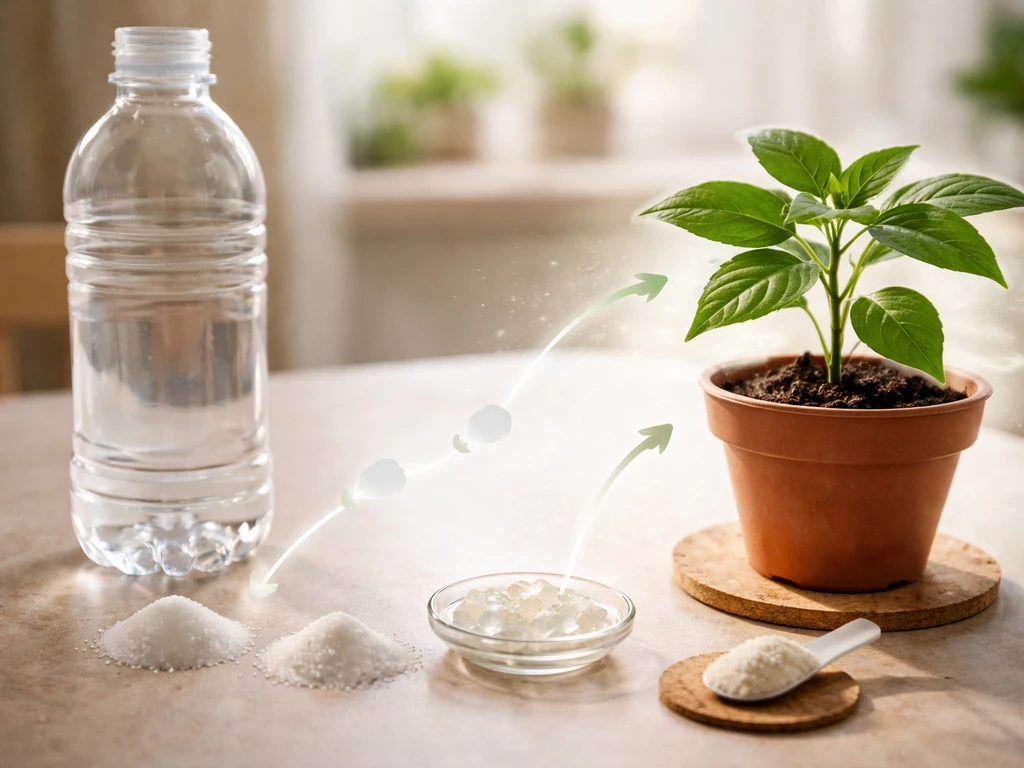
Understanding the ingredient list is the whole ballgame here. Standard Gatorade Thirst Quencher (like Cool Blue) contains: water, sugar, dextrose, citric acid, salt, sodium citrate, monopotassium phosphate, natural and artificial flavors, modified food starch, and dyes like Blue 1. PepsiCo SmartLabel for a Gatorade product provides an official ingredients and nutrition-data entry and notes that the information is updated by PepsiCo (example page shows an update date of 03-Jan-2023) PepsiCo SmartLabel ingredients and nutrition data for a Gatorade product. Gatorade Zero swaps the sugar and dextrose for sucralose and acesulfame potassium, but keeps the citric acid, salt, sodium citrate, and monopotassium phosphate.
Here's how each of those ingredients lands in a growing context. Monopotassium phosphate is actually a legitimate plant nutrient. It's a source of potassium (K) and phosphorus (P), two of the three primary macronutrients plants need. You'll find it listed as an ingredient in real hydroponic nutrient formulas. So yes, there's something genuinely plant-usable in here. The problem is everything else that comes with it.
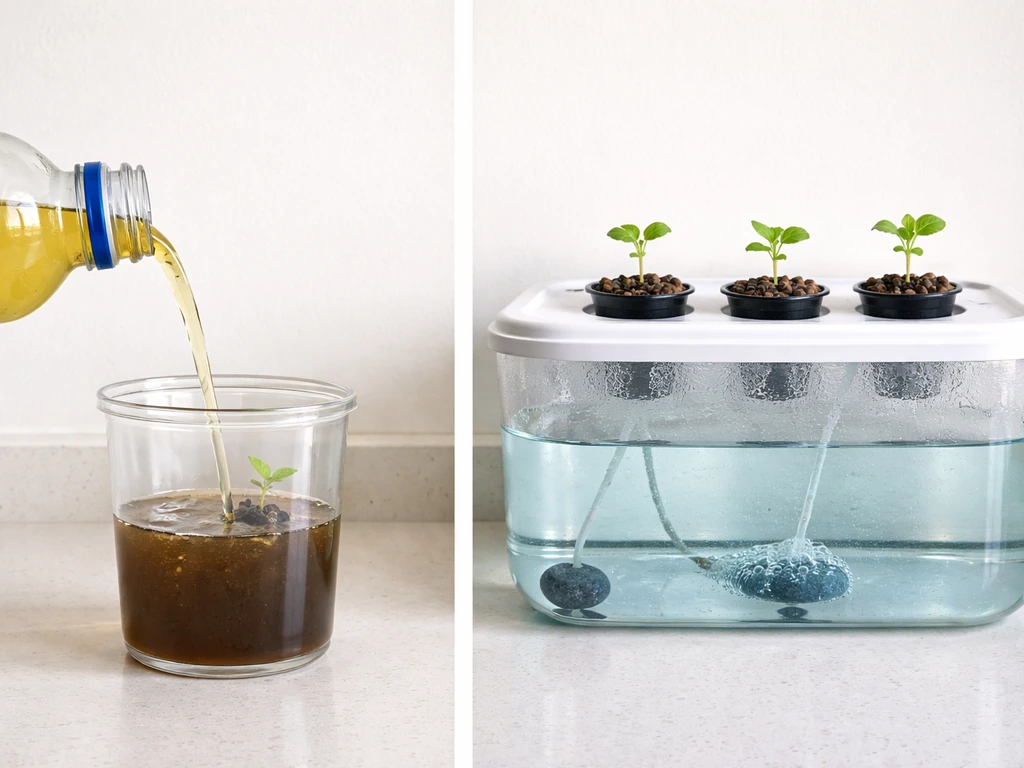
- Sugar and dextrose (regular Gatorade): Simple carbohydrates that plants cannot absorb through their roots in any meaningful way. Instead, they feed soil bacteria and fungi aggressively, creating microbial blooms, root rot conditions, and in hydroponic reservoirs, rapid algae and bacterial growth.
- Citric acid: Drops pH noticeably. A standard 20 oz Gatorade has enough citric acid to push your water pH into the 3.0 to 3.5 range, which is well outside the 5.5 to 6.5 window plants need for nutrient uptake.
- Salt and sodium citrate: Sodium isn't a plant nutrient. At high concentrations it competes with potassium uptake and causes osmotic stress, essentially pulling water out of root cells instead of letting them absorb it.
- Sucralose and acesulfame potassium (Gatorade Zero): These artificial sweeteners don't feed plants or pathogens, but acesulfame potassium does add potassium to the mix in an uncontrolled, untested ratio.
- Artificial dyes: Blue 1 and similar colorants have no plant benefit. In hydroponic systems they can stain reservoir walls, tubing, and growing media, making it harder to spot problems.
The core issue is ratio and balance. Plants need nutrients in specific proportions, and Gatorade was engineered for human electrolyte replacement, not plant nutrition. The sodium-to-potassium ratio, the phosphorus amount, the sugar load, none of it maps onto what a plant actually needs at any growth stage.
Using Gatorade in soil: what actually happens
In soil, Gatorade is most likely to cause a slow decline rather than an immediate crash, which makes it more dangerous because growers often don't catch it early enough. Here's the practical breakdown.
Possible benefits (and why they don't hold up)
The monopotassium phosphate in Gatorade does provide K and P. If your soil is severely deficient in both and you have nothing else on hand, a single heavily diluted application probably won't kill your plant. That's about as far as the case for it goes. You're not getting nitrogen, you're not getting calcium, magnesium, or any micronutrients, and you're introducing a pile of stuff that actively works against you.
The real risks in soil
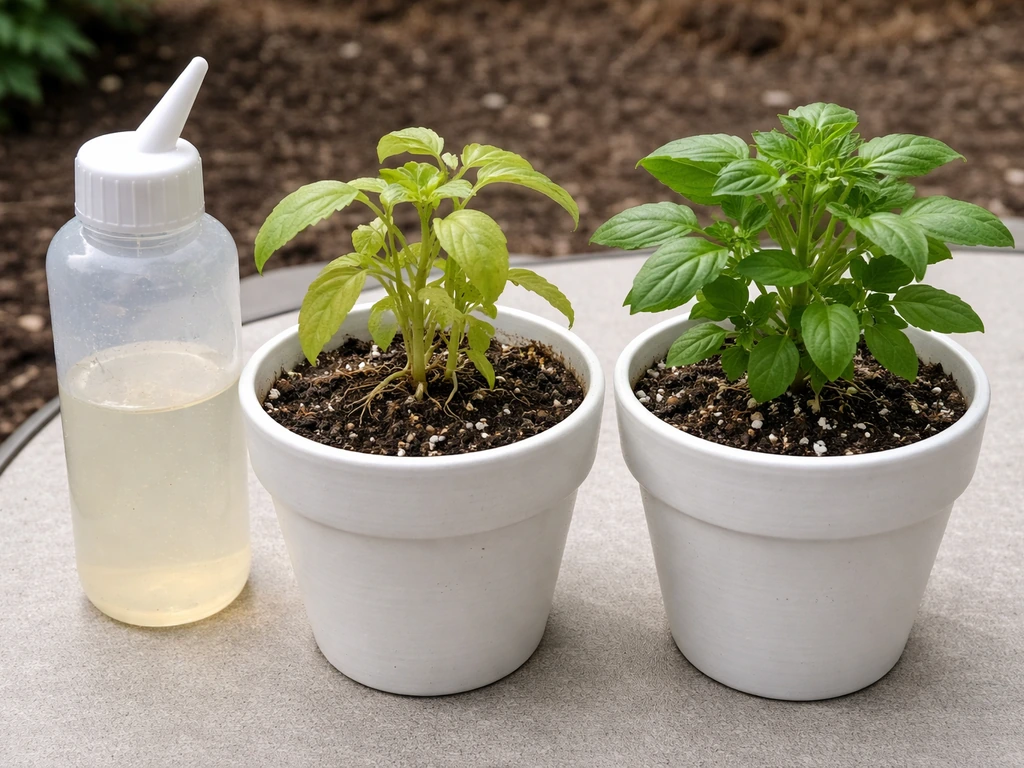
- Sugar feeding microbial explosions: Adding sugar to soil spikes bacterial and fungal populations fast. While some microbial activity is healthy, a sudden sugar dump disrupts the balance, can choke out beneficial organisms, and creates anaerobic pockets that lead to root rot.
- Salt buildup and nutrient lockout: Regular watering with Gatorade accumulates sodium in the root zone. Sodium displaces potassium at root absorption sites and raises the osmotic pressure of the soil solution, causing wilting even in moist soil.
- pH crashes: Citric acid will lower your soil pH over repeated applications. Drop below 5.5 and you'll start seeing nutrient lockout across the board, with phosphorus and calcium becoming unavailable even if they're present in the soil.
- Attracting pests: Sugary, acidic, fermenting soil is a welcome mat for fungus gnats, fruit flies, and other pests.
If you watered your plant with Gatorade once by accident or out of curiosity, it's not a death sentence. Flush the soil thoroughly with plain, pH-adjusted water (aim for 6.0 to 6.5) and monitor for the next week. Persistent wilting, yellowing lower leaves, or a sudden gnat population are your warning signs.
Using Gatorade in hydroponics: a much bigger problem
In hydroponics, Gatorade goes from inadvisable to genuinely system-threatening. The closed, recirculating nature of hydroponic setups amplifies every problem on the ingredient list.
Reservoir chemistry and pH/EC issues
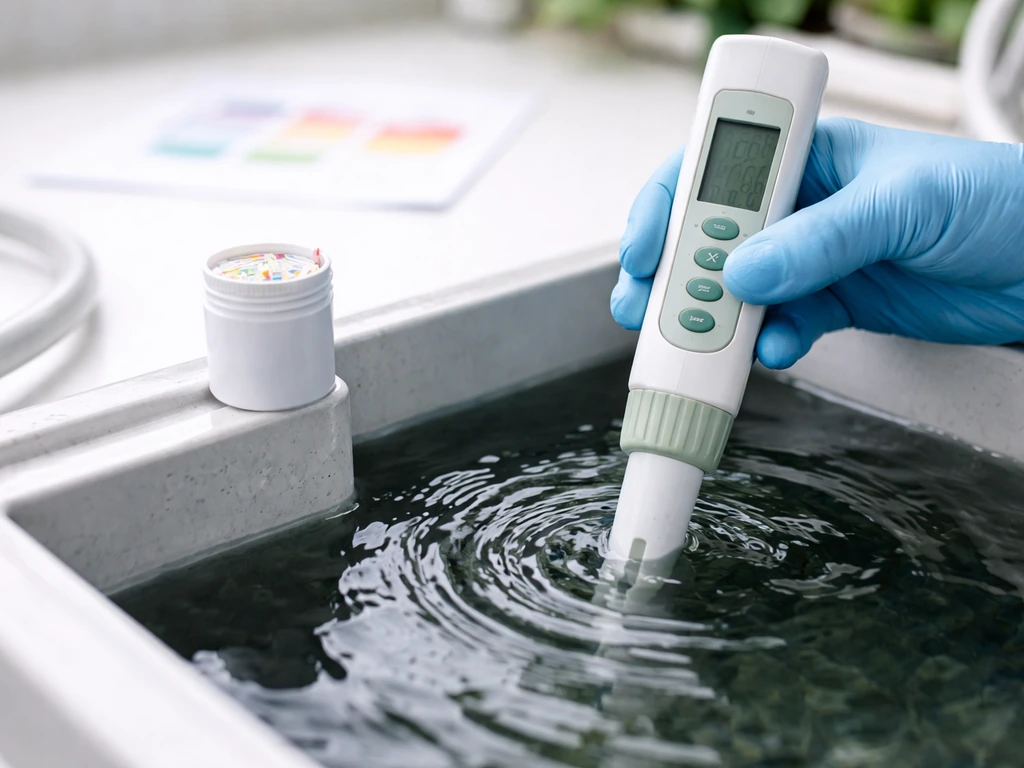
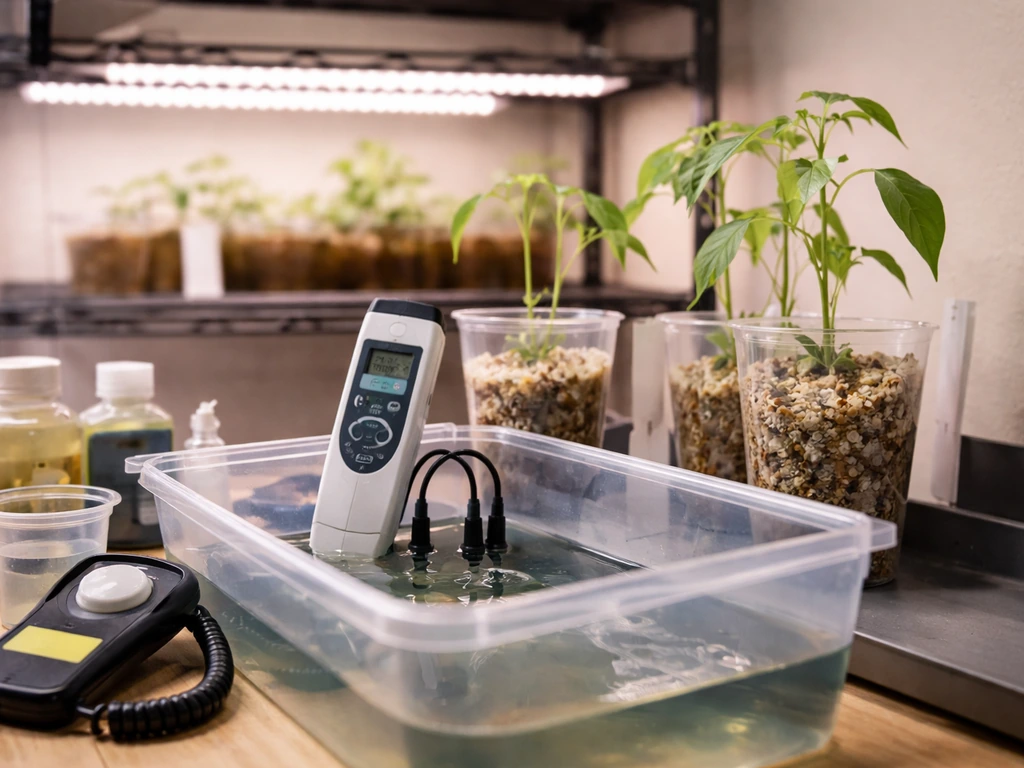
A hydroponic reservoir needs to hold a stable pH between 5.5 and 6.5 and a measurable electrical conductivity (EC) that reflects your nutrient concentration. Gatorade's citric acid will tank the pH of your reservoir fast, potentially dropping it below 4.0 at any meaningful concentration. That's toxic to roots. The salt and sodium content will spike your EC reading, but not in a useful way. Your EC meter will show a number that looks like nutrients are present, but much of that reading is coming from sodium, dye solids, and organic compounds that plants can't use and that will eventually foul your system.
Biological contamination and equipment damage
Sugar in a warm, lit hydroponic reservoir is basically a starter culture for algae, bacteria, and biofilm. Within 24 to 48 hours you can expect visible cloudiness or green tinting in the reservoir. Biofilm will coat pump impellers, drip emitters, and net pots. This clogs equipment, reduces dissolved oxygen, and can kill a healthy root zone in days. Even if you're running Gatorade Zero (no sugar), the organic compounds, dyes, and artificial sweeteners will still support biofilm formation and stress roots in ways that plain water and proper nutrients don't. Cleaning a contaminated reservoir and root system is genuinely time-consuming and sometimes not recoverable.
Can Gatorade substitute for hydroponic nutrients?
No. Hydroponic plants are entirely dependent on their nutrient solution for every element they need. A proper two-part or three-part hydroponic nutrient formula provides nitrogen, phosphorus, potassium, calcium, magnesium, sulfur, and a full suite of micronutrients in chelated, plant-available forms and in ratios calibrated for each growth stage. Gatorade’s official site notes that complete ingredient lists and extensive nutrition facts are made available through PepsiCo’s product facts site [nutrient solution for every element they need](https://www.
gatorade. com/faqs). Gatorade provides trace potassium and phosphorus, no nitrogen, no calcium, no magnesium, and a load of contaminants. Plants grown in a Gatorade solution instead of proper nutrients will show deficiencies within days to a week, starting with nitrogen deficiency (pale yellowing from the bottom up) and quickly compounding.
How to try it safely if you're going to experiment anyway
If you want to test this yourself (and honestly, hands-on experiments are a great way to learn), here's how to do it without sacrificing a plant you care about.
- Use a sacrifice plant: Take a cutting or sprout a seed specifically for the test. Never run an experiment like this on a plant you're growing for yield or that took significant time to establish.
- Dilute heavily: Start at a 1:20 ratio, meaning 1 part Gatorade to 20 parts pH-adjusted water. This brings the sugar and salt concentrations down to levels less likely to cause immediate damage and lets you observe slower effects.
- Choose Gatorade Zero over regular: Removing sugar eliminates the microbial bloom risk and gives you a cleaner test of what the electrolytes and acids alone do to the plant. Regular Gatorade introduces too many variables at once.
- Measure and log pH and EC before and after application: Your diluted solution will likely read a pH of 4.5 to 5.5 and an EC of 0.3 to 0.7 mS/cm depending on concentration. Adjust pH up to 6.0 to 6.2 with pH Up (potassium hydroxide solution) before applying to soil. In hydroponics, measure your reservoir EC and pH every 12 hours.
- Limit applications: Apply your diluted Gatorade solution once, then water with plain pH-adjusted water for the next two waterings before applying again. This mimics a flush cycle and prevents salt and acid accumulation.
- Watch for these warning signs within the first 7 days: wilting despite moist soil or medium, leaf edge browning or 'tip burn' (salt stress), yellowing starting at lower leaves (nutrient deficiency), sudden pest activity (fungus gnats), or in hydroponics, cloudy or discolored reservoir water.
If you see any of those warning signs, stop the Gatorade applications immediately, flush the root zone with two to three times the container volume of plain pH 6.0 water, and switch to a proper nutrient solution. In hydroponics, drain the reservoir completely, rinse with plain water, and refill with a properly formulated nutrient mix.
Better alternatives that actually work
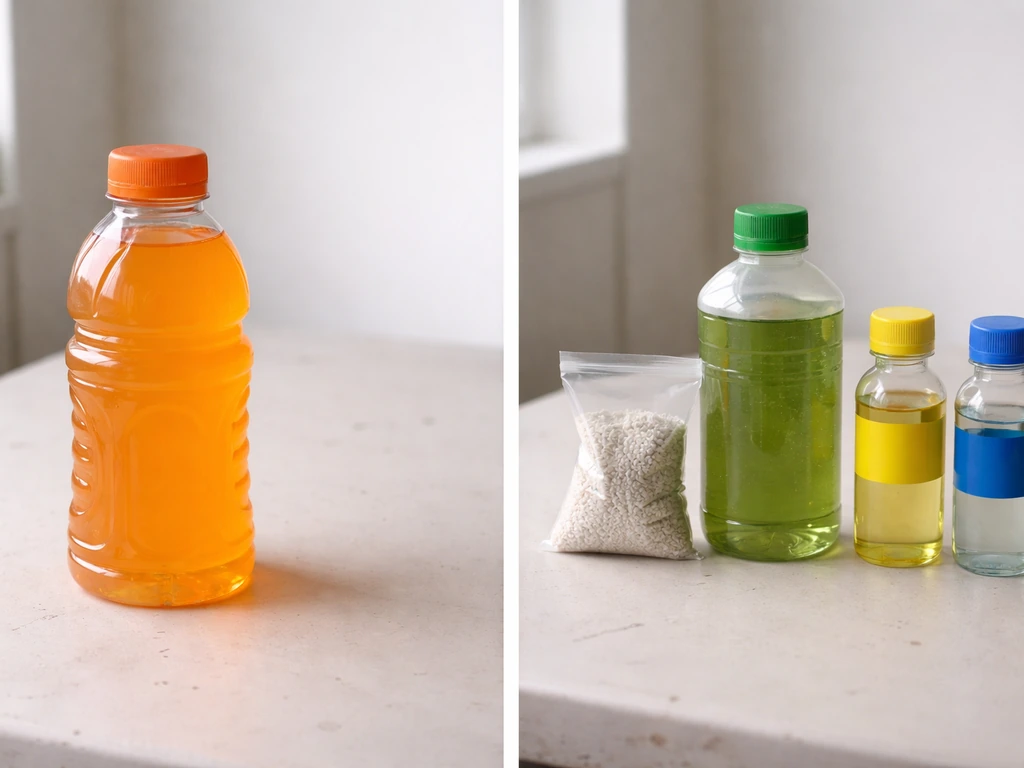
If the goal is getting nutrients into your plants quickly and effectively, there are options at every budget level that outperform Gatorade in every measurable way.
For soil growers
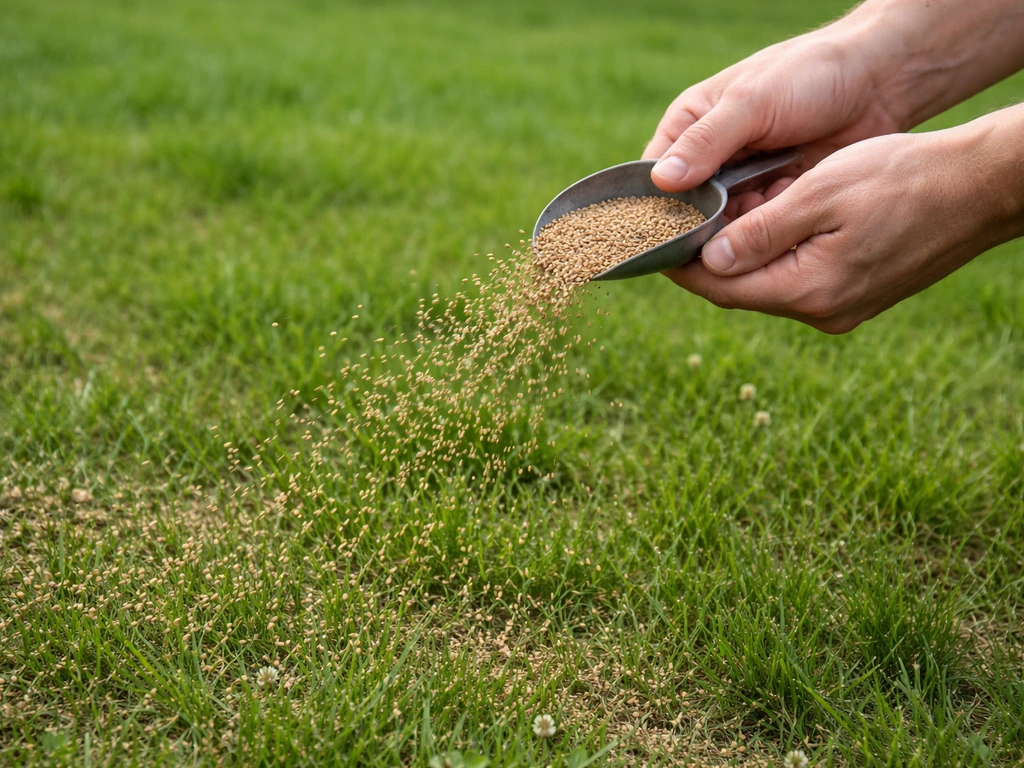
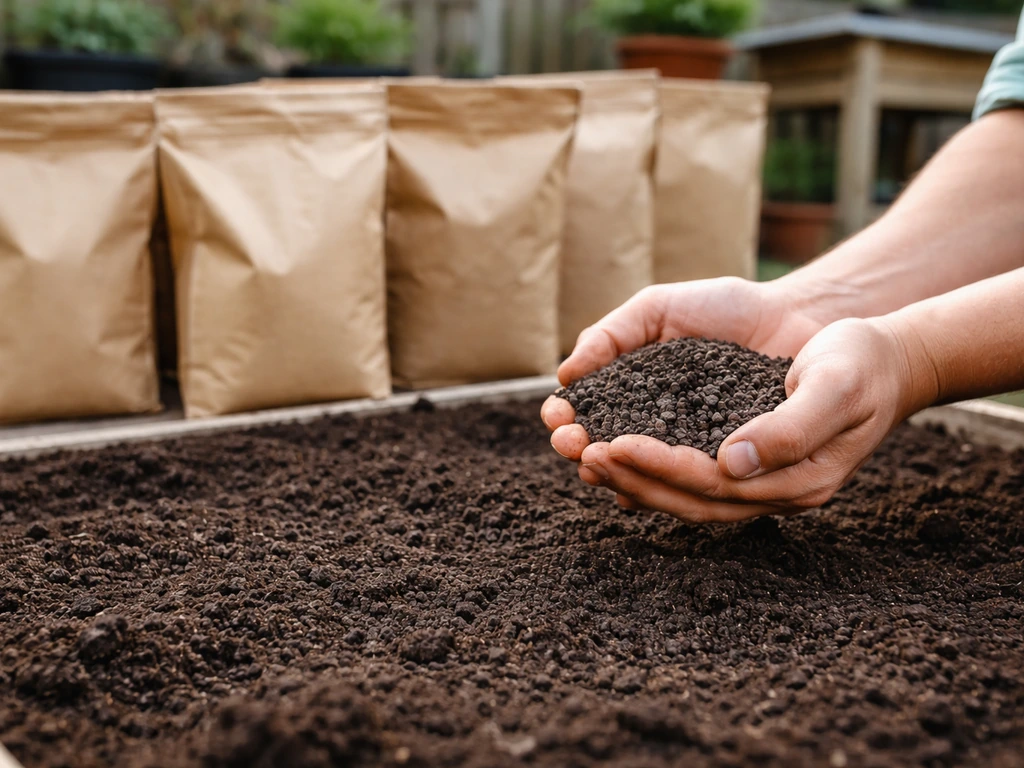
A basic balanced granular or liquid fertilizer with an NPK ratio like 10-10-10 or 5-5-5 gives you nitrogen, phosphorus, and potassium in plant-available form without the sugar or sodium baggage. If you want something simple and low-risk, a diluted fish emulsion or kelp-based liquid fertilizer applied at half the label rate is hard to mess up and supports soil biology instead of disrupting it. For growers doing throw-and-grow style planting or working with cover crops, matching your fertilizer to the growth stage matters more than the brand. If you want a throw-and-grow cover crop, look for a clover blend that includes the best throw and grow clover for your local conditions throw-and-grow style planting.
For hydroponic growers
A two-part or three-part hydroponic nutrient formula (General Hydroponics Flora Series, Advanced Nutrients, or similar) is the baseline for functional hydroponic growing. These are formulated to provide complete nutrition, stay stable in solution, and maintain predictable pH buffering. If you're looking at cost, there are single-part 'complete' hydroponic nutrients that simplify mixing without sacrificing coverage. Even the budget options from hydroponics suppliers will deliver measurably better results than any sports drink.
| Input | Useful Nutrients for Plants | Major Risks | Best Used For |
|---|---|---|---|
| Regular Gatorade (diluted 1:20) | Trace K and P from monopotassium phosphate | Sugar-driven microbial bloom, salt stress, pH crash | Curiosity experiment only |
| Gatorade Zero (diluted 1:20) | Trace K and P, no sugar risk | Salt stress, pH crash, artificial sweetener residue | Slightly safer experiment, still not recommended |
| Balanced liquid fertilizer (e.g., 5-5-5) | N, P, K in correct ratios | Overfeeding if over-applied | Soil plants at any growth stage |
| Hydroponic nutrient formula (2-part or 3-part) | Full macro and micro nutrient spectrum | Requires pH monitoring and calibration | Hydroponic and soil applications |
| Fish emulsion / kelp liquid | N, K, trace minerals, humic acids | Strong odor, slower release | Organic soil growing, seedlings |
A simple experiment plan and troubleshooting next steps
If you want to run a controlled test rather than just wondering, here's a clean plan you can execute in a weekend.
- Set up three identical containers with the same soil or growing medium and the same plant type (fast growers like radishes or lettuce work well for short experiments).
- Container A gets plain pH-adjusted water (control). Container B gets Gatorade Zero diluted 1:20 with pH adjusted to 6.0 to 6.2. Container C gets a properly diluted liquid fertilizer at half the recommended rate.
- Water all three on the same schedule and track pH and EC of your runoff or reservoir every two to three days.
- Photograph all three plants on day 1, day 7, and day 14. Look specifically at leaf color, size, and root development if you can check them.
- At day 14, compare visual health, growth rate, and any signs of stress. This gives you real data instead of guessing.
In most cases, Container C (fertilizer) will outperform both others by day 7. Container A (plain water) will hold steady but show slower growth or deficiency signs if the medium is low in nutrients. Container B (Gatorade) will likely show early promise followed by salt stress or pH-related symptoms by week two, especially if you're doing multiple waterings.
If your Gatorade plant starts showing tip burn or yellowing, your next step is a full flush with two to three container volumes of plain water, then a reset with proper fertilizer at a low dose. Don't try to rescue the experiment by adding more Gatorade at a different concentration. The salt has already built up in the medium and more acid won't fix a pH problem. Start fresh, measure your runoff pH, and use the experience to calibrate your intuition about what plants actually need versus what sounds plausible on paper.
The bottom line: Gatorade is not a plant fertilizer, but it's not pure poison either. It contains one legitimate plant nutrient (monopotassium phosphate) surrounded by ingredients that create real problems at growing concentrations. For soil, a single accidental or experimental application won't destroy a healthy plant if you flush afterward. For hydroponics, it's not worth the risk to your reservoir, equipment, or root zone.
If you want the best way to grow plants, use a fertilizer matched to your soil or hydroponic system and growth stage. If you're looking at fertilizer choices for any serious grow, whether you're doing a quick throw-and-grow setup or dialing in a full hydroponic system, purpose-built plant nutrients are the right tool for the job.
FAQ
Can I use Gatorade as a one-time “rescue” when my plants look weak?
No. If a plant is weak, it is usually low on nitrogen, calcium, magnesium, or overall EC balance, and Gatorade does not supply those. If you see wilting or yellowing, flush with pH 6.0 to 6.5 water first, then switch to a proper fertilizer at a reduced dose (about 25 to 50% of label rate) so you do not add another imbalance.
What happens if I dilute Gatorade a lot, like 1 teaspoon per gallon?
Even at low dilution, you still add sugar, acids, and sodium in small amounts, which can still shift soil salt levels and in hydroponics can trigger pH drift and biofilm faster. If you insist on experimentation, limit it to a non-critical plant, and keep the exposure brief, then flush and return to normal nutrients.
Does Gatorade Zero (no sugar) make it safe for plants?
It is still not safe. Removing sugar reduces one biofilm driver, but you still have citric acid, sodium-related salts, dyes, and sweeteners that can foul reservoirs and throw off pH and EC readings, especially in recirculating hydroponic systems.
Can I adjust pH and EC after adding Gatorade so hydroponics works?
Even with pH control, the underlying problem remains: the solution will have the wrong nutrient profile and unknown solids. Your EC meter will not tell you how much EC is usable ions versus sodium and dye solids. The risk is that roots still suffer from both toxicity and nutrient imbalance, so the safer move is a full drain, rinse, and refilling with a hydroponic nutrient mix.
If I accidentally watered once with Gatorade in soil, how long should I monitor?
Monitor for at least 7 to 14 days, because nutrient symptoms and salt effects often show up gradually. Check lower leaves first for yellowing patterns (often nitrogen related), and consider measuring runoff EC and pH after a thorough watering to see if salts are still elevated.
Will flushing always prevent damage in soil?
Flushing helps, but it is not a guarantee. If the plant has already been stressed and you flush but do not replenish nitrogen and other missing nutrients, it may continue to decline. After flushing, resume normal feeding with a mild fertilizer program so the plant can recover instead of just sitting in low fertility.
Is there any scenario where Gatorade could be beneficial for plants?
Only as an emergency, severely limited, nutrient source for potassium and phosphorus, and only when you have no alternative and you can quickly correct the broader nutrient gaps. In practice, a basic balanced fertilizer or even a single nutrient product is far safer and more predictable than using a sports drink with multiple contaminants.
How can I tell whether the problem is salt buildup or nutrient deficiency after using Gatorade?
Salt buildup often leads to leaf edge burn, slower uptake, and symptoms that do not match a single nutrient pattern. Nutrient deficiency usually progresses in a characteristic way, such as nitrogen deficiency starting with older (bottom) leaves yellowing. If available, test runoff EC, salt stress usually corresponds to higher EC than normal.
What is the safest way to run a “weekend test” without destroying a plant?
Use at least three identical plants, one control with plain pH 6.0 to 6.5 water, one with normal fertilizer, and one with the test liquid. Keep the test group from repeated feedings, and be ready to stop at the first warning signs (pH trouble, rapid yellowing, tip burn), then flush and return the plant to standard nutrition.
Should I discard or sterilize my hydroponic reservoir after Gatorade contamination?
Do not just top off. Drain completely, rinse, then clean the tank, tubing, and any parts that got contact with the solution. Biofilm can cling inside fittings and pumps, so a reset with fresh nutrient solution and good filtration is the most reliable approach.