Yes, you can use Fox Farm Grow Big Hydro in soil. Fox Farm officially confirms this on their FAQ page, and the answer is more nuanced than a simple yes or no. The hydro formula has a different NPK ratio than the soil version, it requires a pH adjustment, and you will need to bump up your dosing slightly to compensate for how soil buffers nutrients differently than a hydroponic reservoir. If you just grab the bottle and follow the hydro directions, you will likely underfeed your plants. Here is exactly what to do instead.
Can I Use Fox Farm Grow Big Hydro in Soil? Steps

Marcus Holloway
8 Apr 2026
What Fox Farm Grow Big Hydro is actually built for
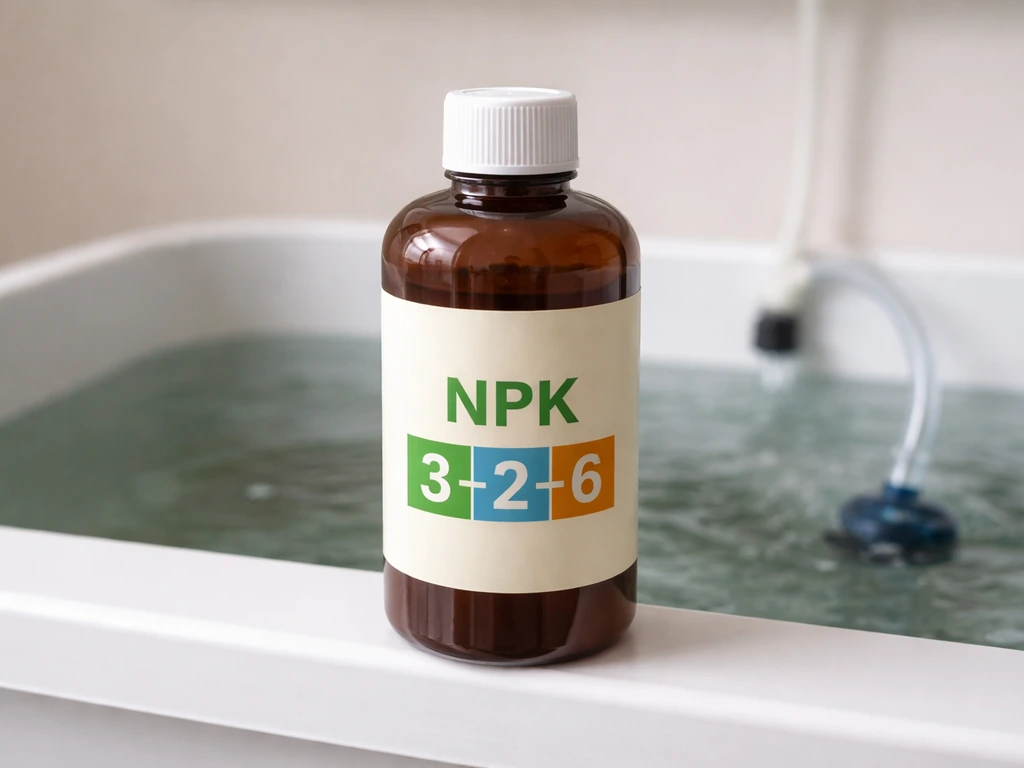
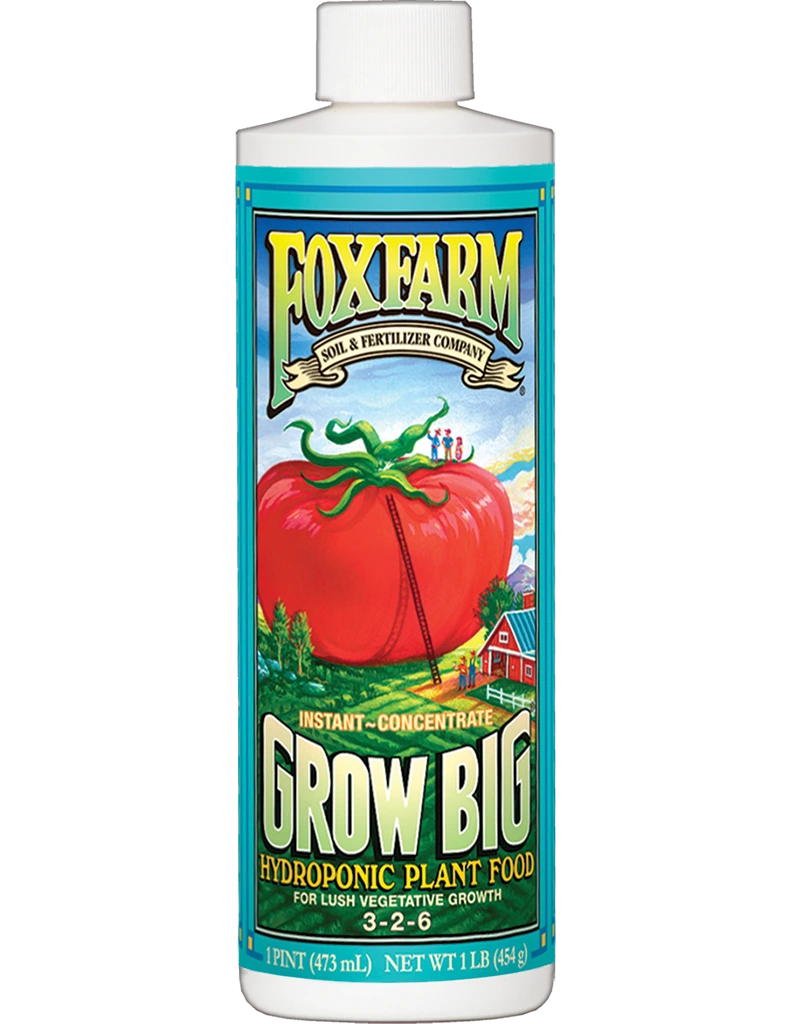
Grow Big Hydro carries an NPK of 3-2-6, and Fox Farm describes it as a mineral vegetative fertilizer specifically engineered for hydroponic systems. In a recirculating or drain-to-waste hydro setup, it is dosed at 2 teaspoons per gallon with every reservoir change for standard feeding, or up to 3 teaspoons per gallon for heavy feeding. There is also a foliar application rate of 1/2 teaspoon per gallon every other week. The formula uses chelated micronutrients (iron, zinc, manganese, and copper all in EDTA form), plus potassium nitrate, magnesium nitrate, calcium nitrate, ammonium phosphate, and ammonium nitrate as primary salt sources. Norwegian kelp and earthworm castings round out the inputs, giving it some organic character even though it is fundamentally a mineral product.
The formula is intentionally low in pH. Fox Farm explains that a low-pH concentrate helps keep those chelated micronutrients stable and prevents nutrient fallout in the solution before it ever hits a root. That is a feature in hydro, where the nutrient solution is the only source of everything a plant needs. Soil is a completely different situation, and that distinction matters a lot when you start adjusting your approach.
It is also worth knowing that the relationship between these two formulas runs one direction only. Comparing Fox Farm Grow Big versus Big Bloom makes it clear that these products serve distinct roles in the lineup. More importantly, Fox Farm explicitly states they do NOT recommend using the soil version of Grow Big (6-4-4) in hydroponic systems, but they do allow the reverse. The hydro formula can go into soil. The soil formula cannot go into hydro. Keep that asymmetry in mind.
Why hydro nutrients work differently in soil
Soil is a living buffer. It contains organic matter, microbial populations, and mineral particles that absorb, hold, and slowly release nutrients in ways that a bare hydroponic reservoir simply cannot. When you pour a mineral salt solution into soil, the medium intercepts some of it, bacteria and fungi interact with it, and the root zone sees a diluted, somewhat modified version of what you mixed. In hydro, roots are bathed directly in your solution with no middleman. That is why hydro formulas tend to be more concentrated in available mineral salts and why straight hydro instructions will produce a weaker-than-expected effect in soil.
There is also the matter of pH. In a hydroponic system, the nutrient solution pH is the pH at the root surface, full stop. In soil, the growing medium itself has a pH range, and the soil chemistry modifies the effective pH that roots experience regardless of what pH you set in your water. Iron is the classic example: even if iron is present in your solution, at a soil pH above 7.0 it becomes chemically unavailable, causing interveinal chlorosis even though you just fed the plant. This is why matching your solution pH to the soil window is so important, and why the hydro target range is not sufficient when you switch media.
How to dial in dosage and feeding schedule for soil
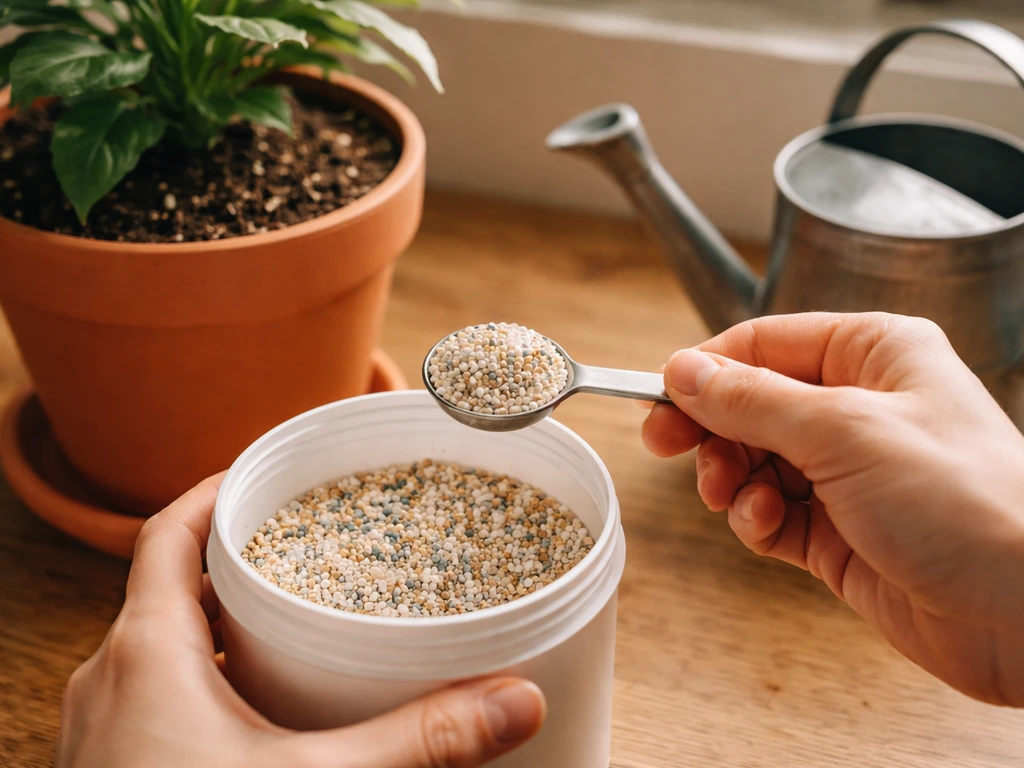
Fox Farm's official guidance is straightforward: when using Grow Big Hydro in soil, mix at 1.5 times the recommended hydro rate. So if the standard hydro rate is 2 teaspoons per gallon, you are targeting 3 teaspoons per gallon in soil. FoxFarm’s Grow Big translated directions also call for general feeding of 2, 3 teaspoons per gallon every other watering, plus supplemental foliar feeding of 1/2 teaspoon per gallon every other week blank" rel="noopener noreferrer">Translations_Grow Big. If you were doing heavy feeding in hydro at 3 teaspoons per gallon, that scales up to 4.5 teaspoons per gallon in soil. That said, I would not start at the top of that range. Always begin a new product or a new grow medium at the lower end and work up. Start at 2.5 to 3 teaspoons per gallon for the first few feedings, watch your plants for a week, and increase only if they show signs of wanting more.
For feeding frequency, Fox Farm's soil schedule says to feed up to twice per week. Do not feed every watering unless your soil is drying out quickly and your plants are actively growing. Many home growers in standard potting mixes will do one nutrient feeding and one plain pH-adjusted water per week during veg, then increase to twice-weekly feeding only when plants are pushing hard growth. Always start a new gallon of clean water first, then add your nutrients to it rather than pouring concentrate into concentrate. Fox Farm is explicit about this mixing order for good reason: it prevents precipitation and uneven mixing that can cause hot spots in your solution.
pH and EC targets: soil vs. hydro side by side
This is where most people get tripped up. The pH window for soil is wider and shifts higher compared to hydro. Here is a direct comparison of what Fox Farm recommends for each system.
| Parameter | Hydroponic (Grow Big Hydro) | Soil (Grow Big Hydro in soil) |
|---|---|---|
| Solution pH target | 5.8 to 6.3 | 5.6 to 6.8 |
| Standard dose | 2 tsp per gallon | ~3 tsp per gallon (1.5x hydro rate) |
| Heavy dose | 3 tsp per gallon | ~4.5 tsp per gallon |
| Feeding frequency | Every reservoir change | Up to twice per week |
| EC/PPM tracking | Required (reservoir management) | Recommended (use soil feeding schedule PPM targets by week) |
| Foliar application | 1/2 tsp per gallon every other week | 1/2 tsp per gallon every other week |
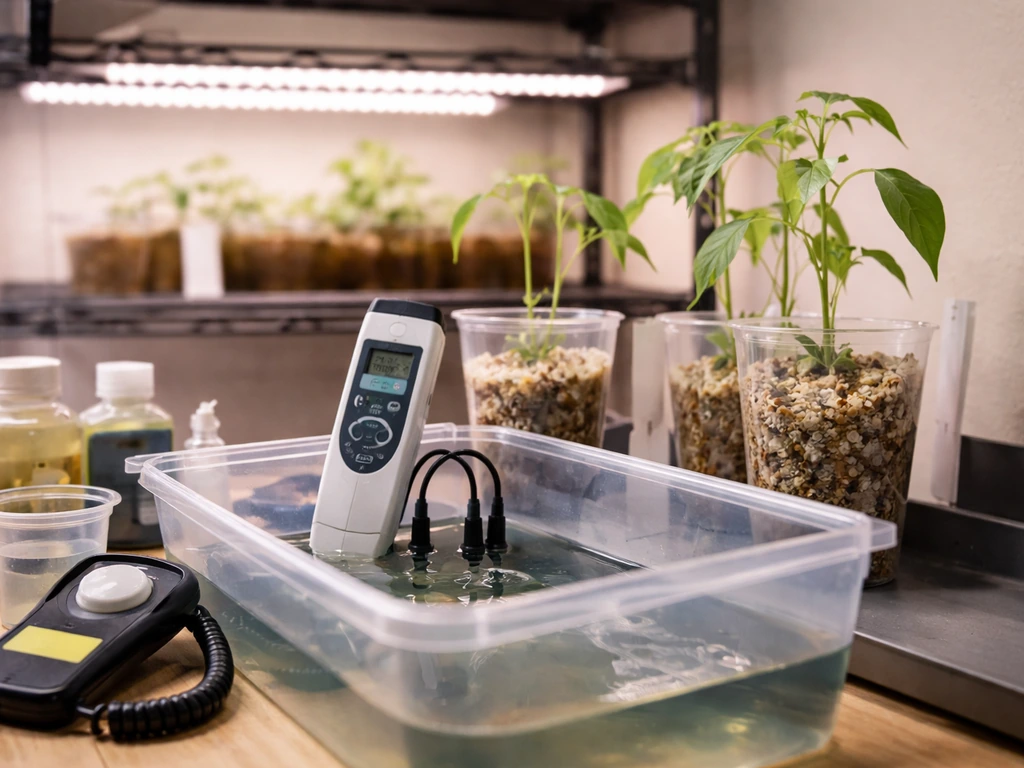
Fox Farm's soil feeding schedule provides explicit EC and PPM (700 scale) ranges by week, so you are not flying blind on concentration. FoxFarm’s HYDROPONIC feeding schedule PDF lists Grow Big Hydro dosing amounts by week and pairs those teaspoon-per-gallon rates with EC and PPM (700 scale) targets provides explicit EC and PPM (700 scale) ranges by week. Use those weekly PPM bands as your guardrails rather than relying purely on the teaspoon measurement. A conductivity or PPM meter is worth having for this reason. Measure your mixed solution before feeding and compare it to the schedule's target for your current week of growth. If your reading is inside the band, you are good. If it is above, dilute. If it is below and your plants look hungry, add slightly more product.
The pH range shift matters a lot practically. At 5.6 to 6.8 in soil, you are covering the sweet spot for most macro and micronutrient availability. Most plants grow happiest around 6.0 to 6.5 in soil-based systems. If you let pH creep above 7.0, you will start seeing iron and manganese lockout even with a perfect dose. Keep a pH meter calibrated and check every batch of nutrient water before it goes into your containers.
What overfeeding and underfeeding actually look like
Signs you are feeding too much
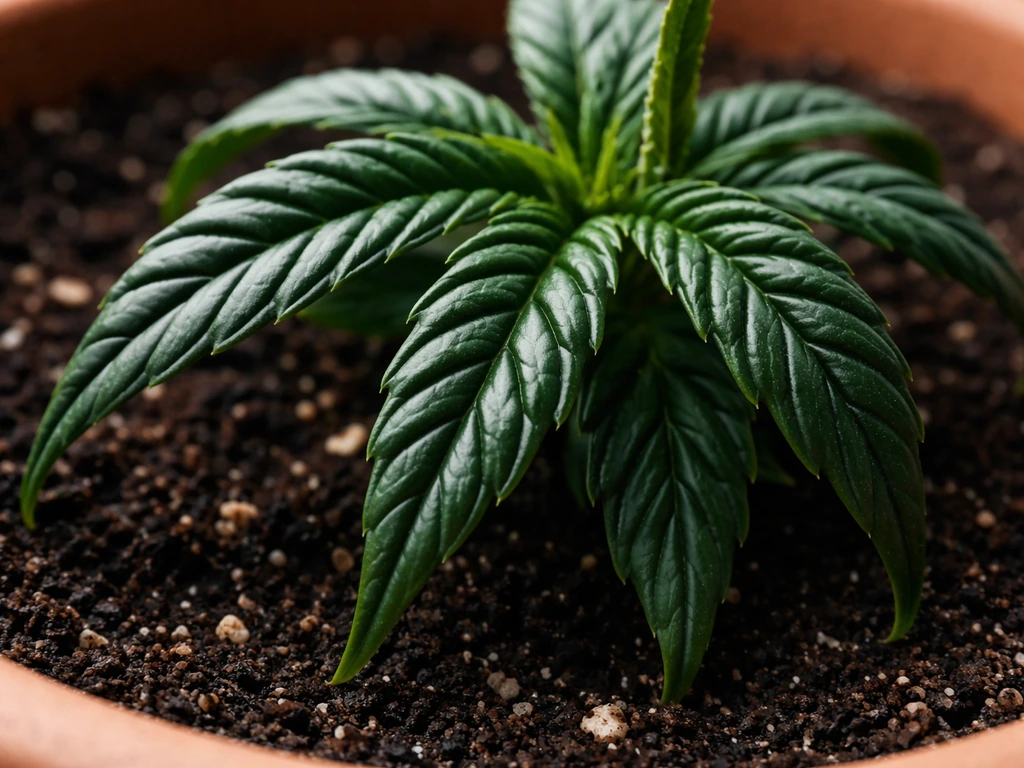
Nitrogen toxicity is the most common overfeeding problem with a high-nitrogen veg formula like Grow Big Hydro. You will see leaves turn a very deep, almost clawing dark green. Tips and margins may show burn (yellowing or browning at the very tip of the leaf blade), starting on mature leaves. This is classic potassium toxicity overlap too: leaf margins go chlorotic first, then necrotic, particularly on older growth. If you see brown, necrotic root tips when you pull a plant, that points toward ammonium toxicity, which can happen when the ammonia-based nitrogen sources in the formula are running too hot. Salt buildup in soil will eventually cause general wilting even when the medium is moist, because roots cannot take up water against a concentrated salt solution.
Signs you are not feeding enough
Nitrogen deficiency shows up first as yellowing of older, lower leaves while the newer growth stays green. The plant is pulling nitrogen from its stored reserves in mature tissue to feed new growth. Phosphorus deficiency can cause stunted overall growth and a purplish or reddish tint in the underside of leaves or along the stems, again typically in older tissue first. If you see interveinal chlorosis on new growth where the leaf veins stay green but the tissue between them yellows, that is likely a micronutrient issue (iron, manganese, or zinc), often caused by pH being too high rather than an actual shortage of those nutrients in your mix.
Best practices: when to use the soil formula instead
If you are doing a traditional soil grow from start to finish, the Fox Farm Grow Big soil formula (6-4-4) is genuinely the better fit. It has a higher total nitrogen content calibrated for the way soil buffers and delivers nutrients, and its organic base is designed to work with the microbial life in a living soil. The hydro version's mineral salt profile is optimized for direct root-zone delivery without that buffer, so you are essentially working around the product's design when you use it in soil. It works, but the soil formula is more forgiving and requires less tweaking.
If you are already using Grow Big Hydro because it is what you have on hand, or because you run both a hydro system and a soil grow simultaneously, you can absolutely make it work. But if you are starting fresh and your plants are in soil, just buy the soil-specific version. The adjustment process is real overhead, and when you are also learning how to balance things like a three-part system like Advanced Nutrients Grow Micro Bloom, adding unnecessary formula compatibility issues is not worth it.
For foliar feeding during veg, you have more flexibility. At 1/2 teaspoon per gallon, the Grow Big Hydro formula is dilute enough that it functions well as a grow foliar fertilizer regardless of whether your medium is soil or hydro. Spray the undersides of leaves in the early morning or late evening, not during peak light hours when droplets can burn foliage.
If you are evaluating the Fox Farm line against other liquid options, consider that some growers prefer a dedicated liquid plant food optimized for soil growing during the vegetative stage rather than adapting a hydro product. That is a perfectly reasonable call, especially for beginners who want fewer variables. On the other hand, if you already have Grow Big Hydro in your grow room and plants that need feeding today, the 1.5x soil adjustment is an easy fix that gets you moving without ordering new product.
Flushing and resetting when things go wrong
Fox Farm recommends flushing your soil any time you see stress symptoms or color irregularities that you cannot attribute to pH or an obvious feeding error. Their suggestion is a dedicated flush agent like Bush Doctor SledgeHammer to break up mineral salt accumulation and allow a fresh nutrient reset. For routine maintenance, flushing every two weeks in hydro is their guidance, and a similar periodic flush in soil (every 3 to 4 weeks or at stage transitions) prevents salt lockout from compounding. After flushing, wait until the medium is close to dry before reintroducing nutrients, and start at a slightly reduced concentration (around 75 percent of your normal dose) before stepping back up. This mirrors the approach of working with fast-acting liquid fertilizers where backing off and rebuilding is always safer than chasing a problem with more product.
Quick troubleshooting checklist: do this today
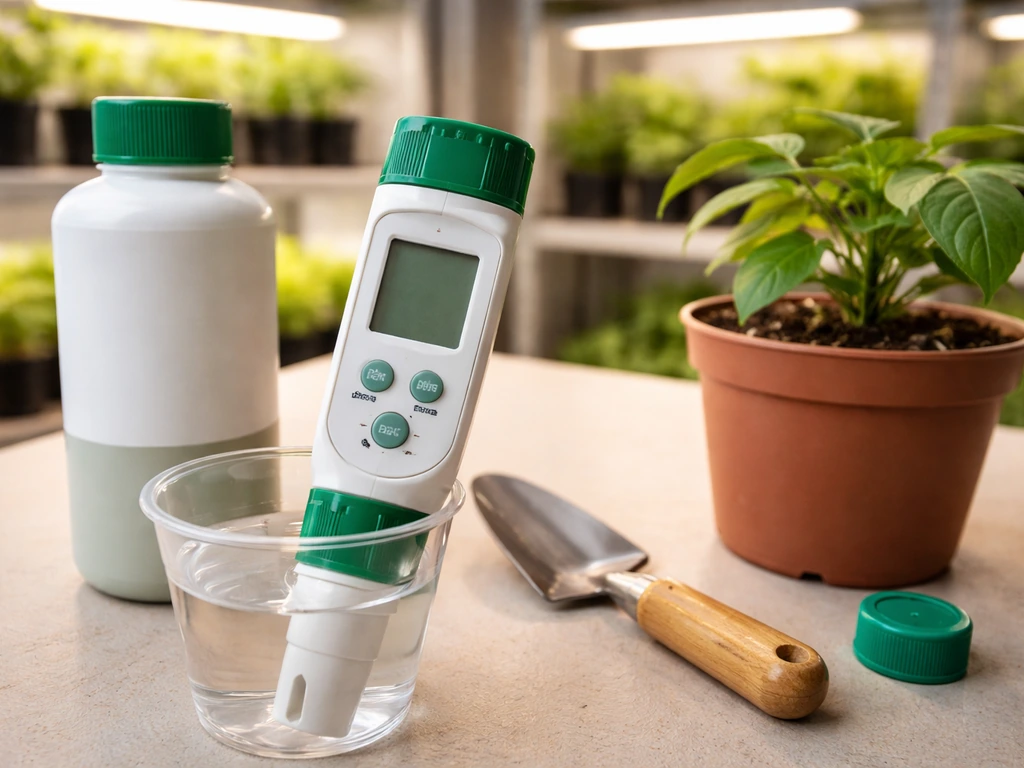
If you are standing in your grow room right now with a bottle of Grow Big Hydro and a soil plant that needs feeding, work through this list before you mix anything.
- Check your water source pH before adding anything. Tap water is often 7.0 to 8.5, which needs to be corrected before nutrients go in.
- Start with one gallon of clean water. Add your Grow Big Hydro at approximately 3 teaspoons per gallon (1.5x the standard hydro rate of 2 tsp/gal) for a standard soil feeding.
- Mix thoroughly, then check the solution pH. Adjust down to the 5.6 to 6.8 range, targeting closer to 6.0 to 6.5 for most plants. Fox Farm products are acidic so the solution pH will often already be heading down.
- Measure EC or PPM if you have a meter. Cross-reference against Fox Farm's soil feeding schedule for your plant's current week of growth.
- Do not feed if the soil is still wet. Overwatering compounds nutrient issues and encourages root problems.
- After feeding, check for runoff pH if possible. Runoff more than 0.5 pH points below your input pH suggests salt accumulation and may mean a flush is due.
- If leaves show tip burn or deep green clawing within 3 to 5 days of feeding, back off to 75 to 90 percent of that concentration on the next feeding.
- If plants look pale or yellow in lower leaves within a week, nudge the concentration up by 0.5 tsp per gallon and recheck.
- Feed no more than twice per week. If you are uncertain, once per week plus one plain water feeding is a safe starting rhythm.
- Schedule a flush every 3 to 4 weeks or whenever you see unexplained stress symptoms that do not resolve within a week of pH correction.
How this fits into a broader soil feeding program
Grow Big Hydro is a vegetative formula. Once your plants transition toward flowering or fruiting, you will want to shift your nutrient focus toward phosphorus and potassium and reduce the high-nitrogen input. If you are combining it with other products in the Fox Farm lineup, follow Fox Farm's guidance of mixing each product separately into your water one at a time rather than combining concentrates. The same careful, measured approach applies when you are working out how to use a multi-grow fertiliser program where multiple bottles hit the reservoir at the same stage.
For growers who want a simpler all-purpose approach during veg, a balanced product like a 20-20-20 general fertilizer may be a useful complement or standalone option before you introduce single-nutrient products like Grow Big. And if you are researching whether this product is worth using at all for a specific crop, the question of whether Fox Farm Grow Big is a good choice for your plants is worth reading through before you commit to a full feeding program.
The bottom line: Grow Big Hydro works in soil, Fox Farm says so directly, and the adjustments are not complicated. Use 1.5x the hydro dose, dial your solution pH to 5.6 to 6.8, feed no more than twice a week, track PPM if you can, and flush when symptoms appear. If you are starting a new soil grow from scratch, buy the soil version instead and save yourself the conversion math. But if the hydro bottle is already in your hands, you have everything you need to use it well.
FAQ
Can I use Grow Big Hydro in soil if I do not have an EC or PPM meter?
Yes, but only if you adjust and verify. Use the same 1.5x soil dosing concept and then confirm with a meter, because pH and nutrient availability will still be influenced by the medium. If you do not have an EC or PPM meter, start at the lower end of the suggested teaspoons range, feed less often, and watch for early nitrogen toxicity or interveinal chlorosis.
What if my pots stay wet for several days, can I still feed up to twice per week?
Do not keep the same schedule blindly. Start with the lower dosing and the same max weekly frequency, then taper up only after you confirm soil moisture patterns and plant demand. If your soil dries slowly or you are overwatering, you can get salt accumulation and nitrogen issues even at the “right” teaspoon dose.
Is it safe to foliar feed Grow Big Hydro in soil every week?
Yes, but avoid spraying during strong light. Also, do a small test on one or two plants first, because foliar uptake can intensify the effect in dry or nutrient-stressed plants. Keep the foliar rate at the stated level, do not stack it immediately after a heavy soil feed, and stop if you see leaf burn on new growth.
Should I adjust pH before or after I mix Grow Big Hydro into the water?
Mixing order matters. Add nutrients to clean, fresh water first, then adjust pH after mixing. If you adjust pH before adding the fertilizer, you increase the odds of precipitation and uneven micronutrient availability, especially with chelated iron.
How often should I check and adjust soil nutrient solution pH?
For most soil setups, aim for pH 5.6 to 6.8 as your target range, then allow for a small drift rather than chasing every tiny number. If your pH is stable and symptoms are not showing, you can check less frequently after the first week. If pH swings up toward 7.0 between feeds, re-evaluate watering, salt buildup, and your adjustment routine.
Can I use Grow Big Hydro in soil that already has slow-release fertilizer?
Yes, but it should be deliberate. If your soil already has slow-release fertilizer, skip Grow Big for at least the first part of the cycle or cut the dose significantly, otherwise nitrogen and salts can stack. A practical approach is to start at roughly half of the usual 1.5x soil target and increase only after you see what the plants do as the initial fertilizer declines.
If my plants show yellowing or spots, should I foliar feed instead of flushing?
Use foliar feeding as a “bridge,” not a replacement, if the issue is uptake related. For example, if leaves show interveinal chlorosis tied to high pH, foliar feeding may temporarily improve color, but you still need to correct soil pH and salt buildup. If you have root-zone salt stress, flushing and reducing next doses usually fixes more than foliar spraying.
How do I know whether to flush now or just reduce dosage next time?
Flush timing should match the problem severity. If new growth keeps worsening rapidly, leaf tips burn, or you see persistent nutrient irregularities that do not align with your pH and feeding history, flush sooner rather than waiting for a routine interval. After flushing, wait until the medium is close to dry, then restart around 75 percent of your normal dose to avoid repeating the salt or nitrogen spike.
Can I start at the full 1.5x dose right away, or should I ramp up?
Often, yes, especially if the soil drains well and you are managing frequency. The key is that soil uptake is not identical to hydro, so over-concentrating can still cause nitrogen toxicity and salt buildup. Start at the lower end of the adjusted range, monitor leaves for a full week, and increase slowly only if plants show true hunger without toxicity signs.
If I think I overfed or underfed, what should I change first?
Avoid changing multiple variables at once. If you suspect nitrogen toxicity, reduce concentration first, keep pH in range, and do not immediately increase frequency. If plants are truly underfed, you should see older leaves improve after you feed, whereas toxicity usually worsens despite more feeding. A meter reading helps, but the fastest decision aid is comparing your recent dose and pH history to the symptom pattern (older leaves vs new leaves).