Grow Big and Big Bloom are not interchangeable, and using the wrong one at the wrong time is one of the most common feeding mistakes Fox Farm growers make. The short answer: Grow Big is your vegetative-stage nitrogen driver, and Big Bloom is your bloom-support and root-health formula that you can actually run through the whole grow. Most growers need both, just at different points and in different ratios. Here is exactly how to use them, when to switch, and what to do if things are going sideways.
Fox Farm Grow Big vs Big Bloom: When to Use Each
Marcus Holloway
10 Apr 2026
What Grow Big and Big Bloom actually do
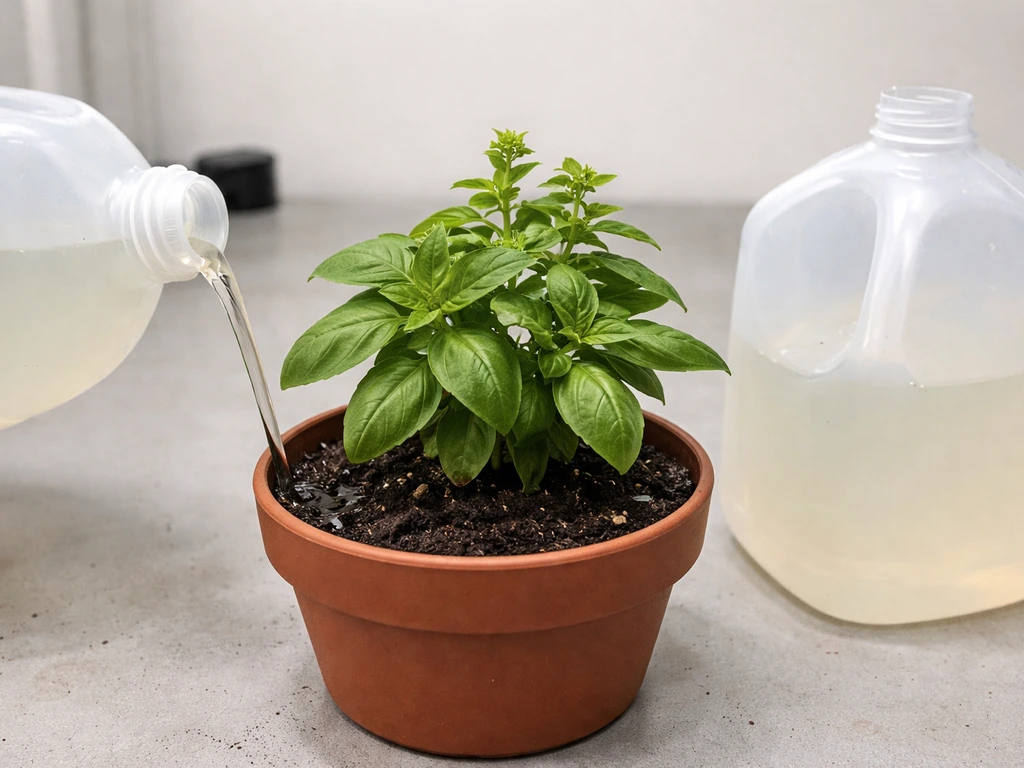
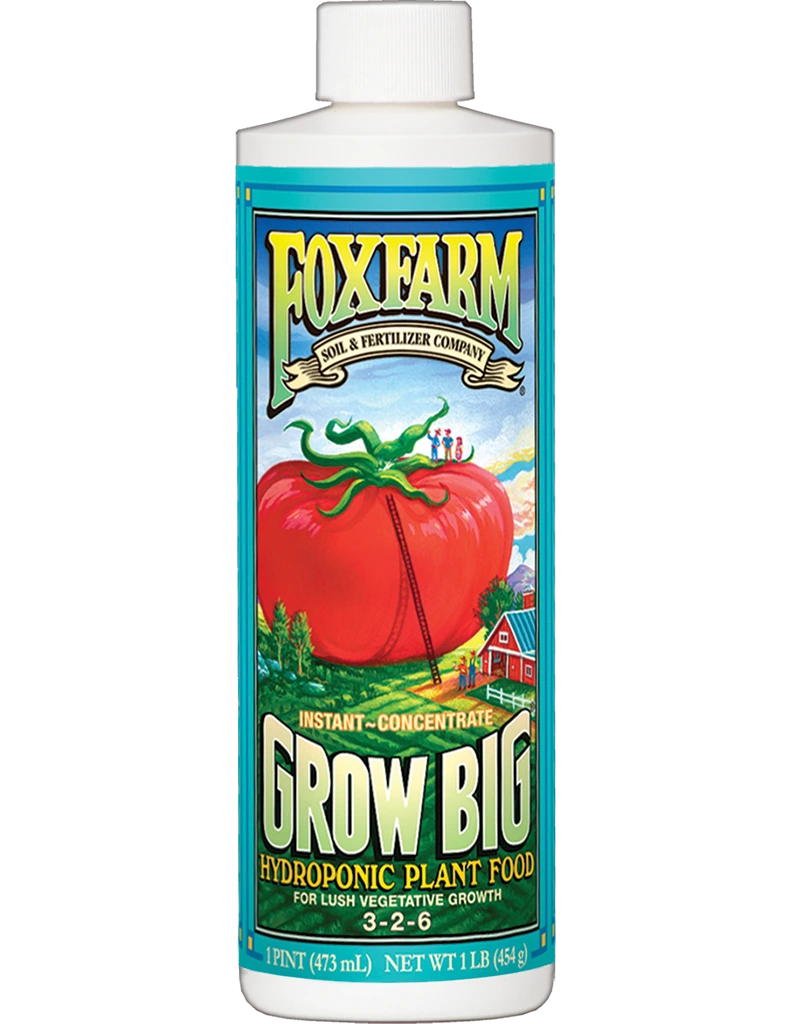
Grow Big is Fox Farm's liquid concentrate designed specifically for the vegetative phase. It is built around a high-nitrogen profile that pushes green, leafy, structurally strong growth. Think of it as the product that turns a small seedling into a robust, well-branched plant that can support heavy fruit or flower load later. Fox Farm describes it as a formula for 'vigorous vegetative growth and green-up,' which is exactly what it delivers. It is available in two versions: the standard soil formula and a separate hydroponic version (Grow Big Hydro) with a slightly different mineral profile suited for recirculating systems.
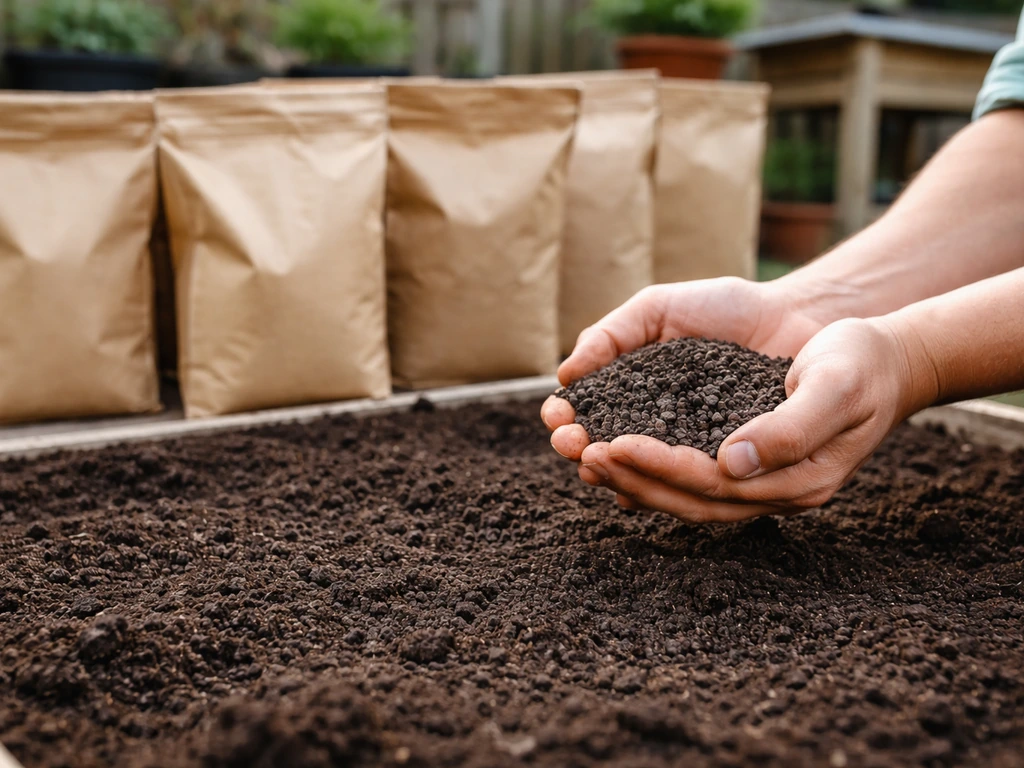
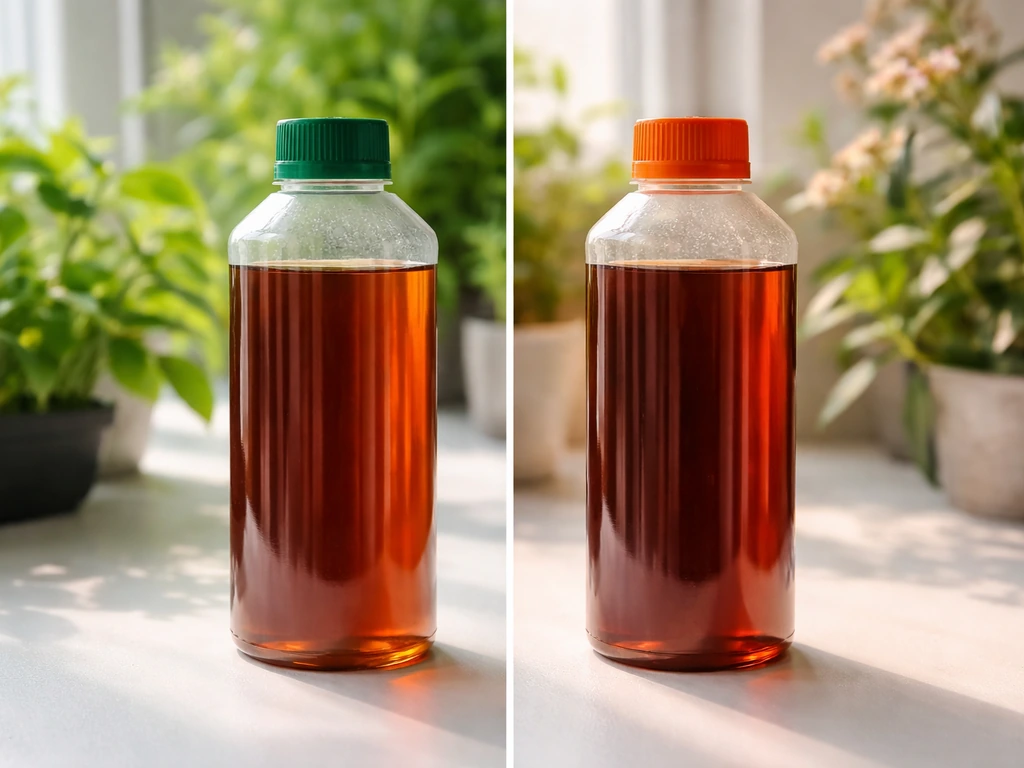
Big Bloom is a different animal. It is an organic-based liquid fertilizer made from earthworm castings, bat guano, Norwegian kelp, and other natural inputs. Its NPK numbers look almost comically low compared to Grow Big, but that is intentional. Big Bloom is not there to push rapid top growth. It is there to feed the microbial life in your soil, strengthen root systems, support multiple bloom cycles, and aid seed formation. The critical thing most growers miss: Fox Farm says Big Bloom can be used at all stages of plant growth, not just flowering. That changes how you should think about it entirely.
When to use each one: veg vs. bloom timing
Grow Big is your weeks-2-through-5 workhorse for most plants. Once you have moved past the seedling stage (usually the first 10 to 14 days), you can start introducing Grow Big at a reduced dose. Run it through vegetative growth until you see the first signs of flowering or fruiting, which typically happens around week 5 for many cultivars. At that point, you pull Grow Big out of the rotation. Continuing to push nitrogen into flowering plants causes a cascade of problems: stretched internodes, delayed ripening, and lower-quality flowers or fruit.
Big Bloom, by contrast, can start earlier and run longer. You can introduce it at a low dose during late veg, ramp it up once flowering begins, and keep it in your mix all the way through late flowering. Fox Farm specifically designs it to support multiple blooms and fruit set, so it earns its keep in the back half of the grow. When you drop Grow Big at the flip to flower, Big Bloom stays, and you pair it with a phosphorus-heavy bloom booster like Tiger Bloom. This is the core logic behind Fox Farm's full nutrient trio.
| Feature | Grow Big (Soil) | Big Bloom |
|---|---|---|
| Primary role | Vegetative nitrogen push | Bloom support, root health, microbial feed |
| NPK focus | High nitrogen | Low NPK, organic-based |
| When to start | Week 2–3 (after seedling stage) | Week 2–3 or even earlier |
| When to stop | At first flower signs (~week 5) | Continue through late flower |
| Can use in flower? | No — causes nitrogen toxicity risk | Yes — designed for it |
| Soil compatible? | Yes (soil-specific formula) | Yes |
| Hydro compatible? | Use Grow Big Hydro version instead | Yes (check pH after mixing) |
Soil vs. hydroponics: adjusting your mix
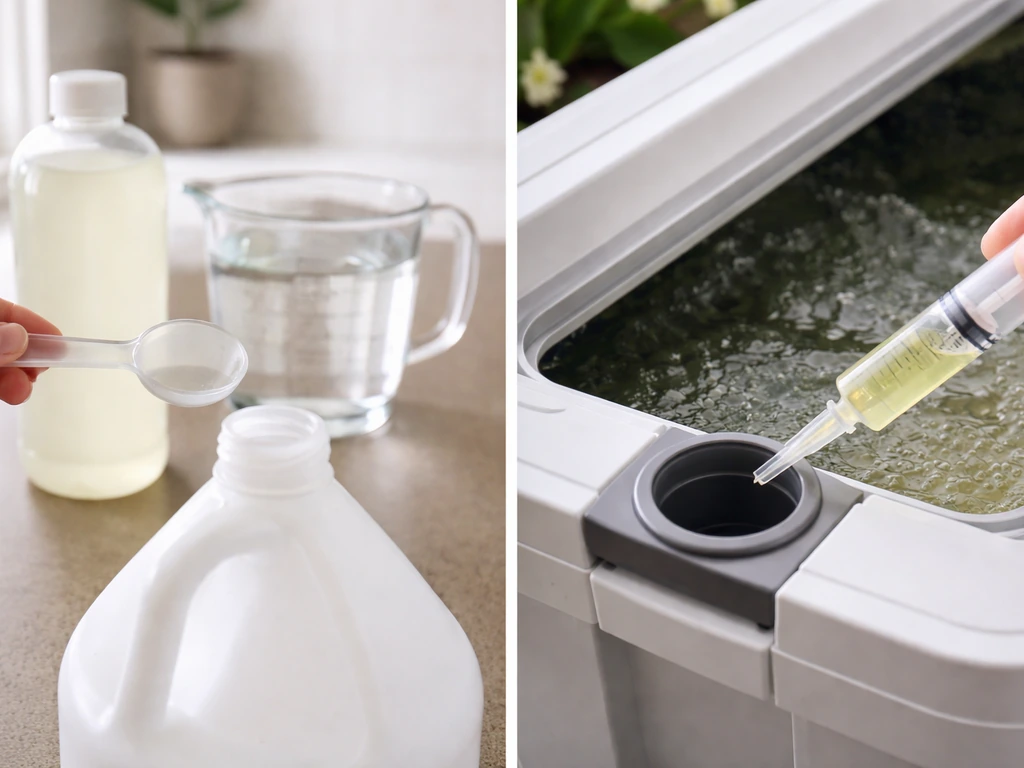
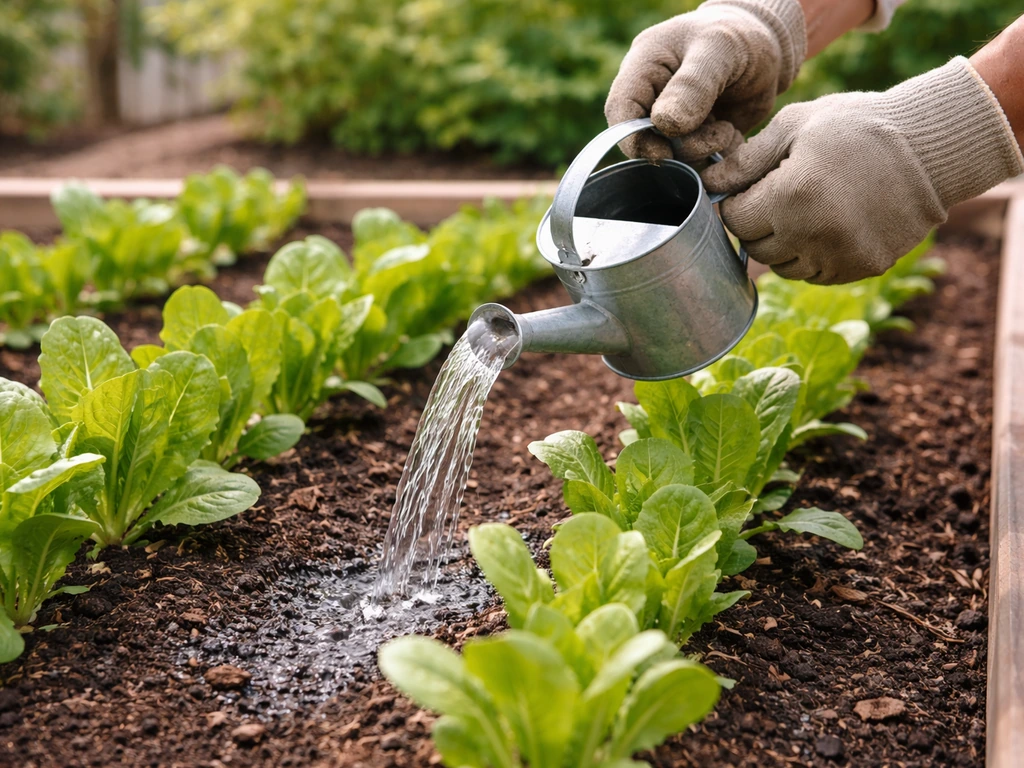
If you are growing in soil, the standard Grow Big label gives you a clear starting point: blank" rel="noopener noreferrer">2 to 3 teaspoons (10 to 15 mL) per gallon of water every other watering. Do not feed every watering. Fox Farm recommends feeding up to twice a week and giving plants a plain water watering in between. This matters more than most beginners realize because it prevents salt buildup and lets the root zone breathe. For Big Bloom in soil, the guidance is 1 tablespoon (15 mL) per gallon once per week during early growth stages. You can increase that dose once full flowering kicks in.
Hydroponics is a different conversation. If you are running a recirculating system, do not use the soil version of Grow Big. Fox Farm makes a hydro-specific Grow Big Hydro formula with a mineral profile that works correctly in solution without the organic components that can clog reservoir lines or cause pH swings. For Grow Big Hydro in hydroponics, FoxFarm’s feeding guidance specifies [3 teaspoons (15 mL) per gallon with every reservoir change](https://foxfarm.
com/product/grow-big-hydro-liquid-fertilizer/). Using Fox Farm Grow Big Hydro in soil is a question that comes up often, and the short answer is that it can be done in a pinch but the soil formula is the better choice for living soil grows. In hydro, Fox Farm says to maintain your nutrient solution pH between 5. 8 and 6.
3. You should also be monitoring PPM or EC regularly, as hydro systems have no soil buffer to absorb mistakes. Start at 50 percent of the recommended dose when dialing in a new reservoir, then adjust based on plant response and runoff readings.
Choosing the right product for your specific setup
The choice between leading with Grow Big or Big Bloom really comes down to three variables: your plant's current growth stage, your growing medium, and whether you are running organic or synthetic.
- Vegetative plants in soil or coco: Lead with Grow Big at the standard dose, and add Big Bloom at a low rate (half a tablespoon per gallon) to support root health.
- Flowering plants in soil: Drop Grow Big entirely. Increase Big Bloom to full dose and add Tiger Bloom for phosphorus. Big Bloom alone will not carry a flowering plant without a P-K boost.
- Hydroponic systems in veg: Use Grow Big Hydro. Introduce Big Bloom carefully and watch pH after mixing, as it can shift your solution.
- Outdoor plants in native soil: If your soil already has strong organic matter and a healthy biology, Big Bloom may do more heavy lifting than Grow Big. Test your soil first and only push nitrogen if your plants are showing pale, slow growth.
- Cannabis or high-demand cultivars: These plants respond strongly to the nitrogen in Grow Big during stretch. If you are wondering whether Grow Big is appropriate for cannabis specifically, Grow Big's suitability for cannabis grows is covered in detail and confirms it is one of the most popular choices for that application.
- Indoor growers using a foliar feed in addition to root feeding: A light foliar spray during veg can speed up green-up between waterings. Check out guidance on choosing the best grow foliar fertilizer before adding that step to your routine.
A simple feeding schedule you can use starting this week
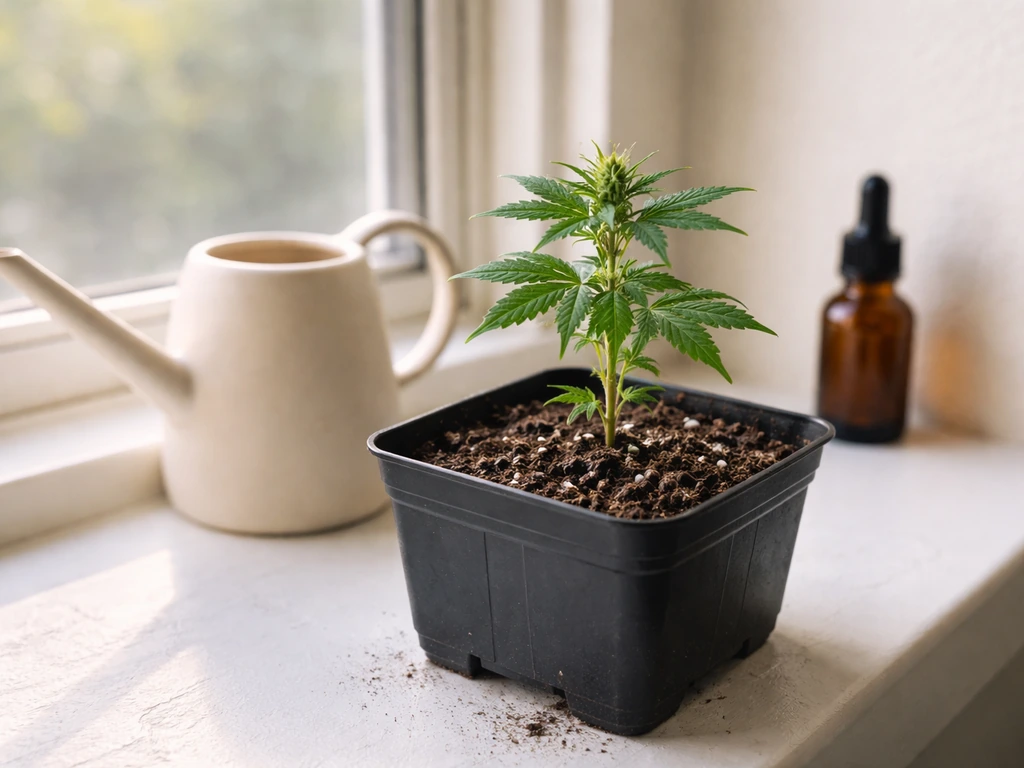
This schedule is built around a typical 8-to-10-week flowering plant grown in soil indoors. Adjust the week numbers based on your specific plant's life cycle.
- Week 1 (seedling): Plain pH-adjusted water only. No nutrients. Seedlings can be burned easily by full-strength feeds.
- Weeks 2–3 (early veg): Start Grow Big at half strength (1 to 1.5 teaspoons per gallon). Add Big Bloom at half dose (half tablespoon per gallon) every other feeding.
- Weeks 4–5 (mid to late veg): Increase Grow Big to full label rate (2 to 3 teaspoons per gallon). Keep Big Bloom at half to full dose. Water between feedings with plain water.
- Week 5–6 (transition/first flower signs): Begin tapering Grow Big down. If you see pistils or preflowers, this is your signal to stop Grow Big and shift the feeding program.
- Weeks 6–8 (early to mid flower): Drop Grow Big completely. Run Big Bloom at full dose (1 tablespoon per gallon). Add Tiger Bloom per label for phosphorus and potassium support.
- Weeks 8–10 (late flower): Continue Big Bloom. Reduce or eliminate Tiger Bloom in the final 1 to 2 weeks. Begin flushing 7 to 10 days before harvest with plain water to clear salt buildup.
- Flush week: Plain water only. No nutrients.
If you are running a simpler two-product program without Tiger Bloom, Big Bloom alone will not give you enough phosphorus and potassium for a heavy flower. You will get healthier soil biology and decent blooms, but yields will be below your plant's potential. For comparison, how Advanced Nutrients' Grow Micro Bloom system is used shows how three-part programs are structured similarly across brands, which can help you understand the logic even if you are staying with Fox Farm.
Signs you are using the wrong product (and how to fix it fast)
Too much Grow Big (nitrogen toxicity)
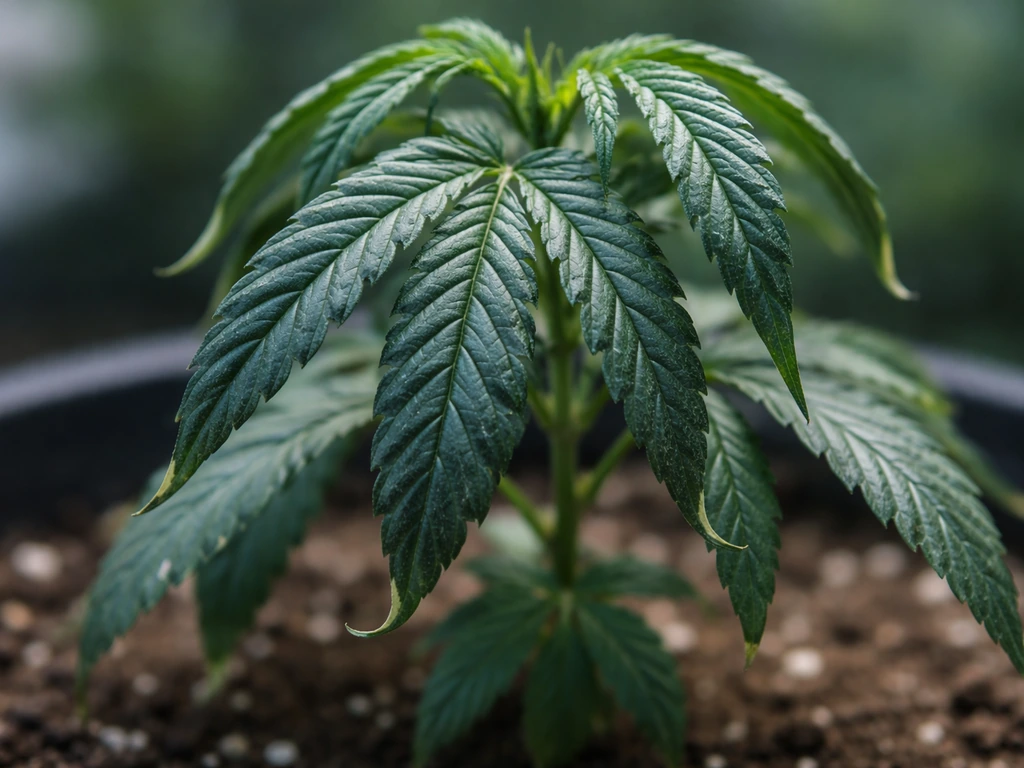
The classic sign of nitrogen excess is dark, almost blue-green leaves that start to claw or curl downward at the tips. You might also see very fast, lanky vegetative growth with weak internodal spacing, especially if you are pushing Grow Big during early flowering. If this happens, flush the root zone with plain pH-adjusted water immediately. Skip the next one or two nutrient feedings entirely, then reintroduce at half strength. If you are in flower, do not bring Grow Big back at all. Switch straight to Big Bloom and a bloom-phase P-K product.
Not enough nitrogen (Grow Big underuse or premature drop)
If your veg plants are showing light green or yellowing leaves that start at the bottom and work upward, you are likely running nitrogen too low. This can happen when growers drop Grow Big too early or start at too diluted a rate. Bring the dose back up to full label rate and give it two feedings before evaluating. In hydro, also check your pH first. A pH outside the 5.8 to 6.3 range locks out nutrients even if they are present in the solution.
Big Bloom not producing results
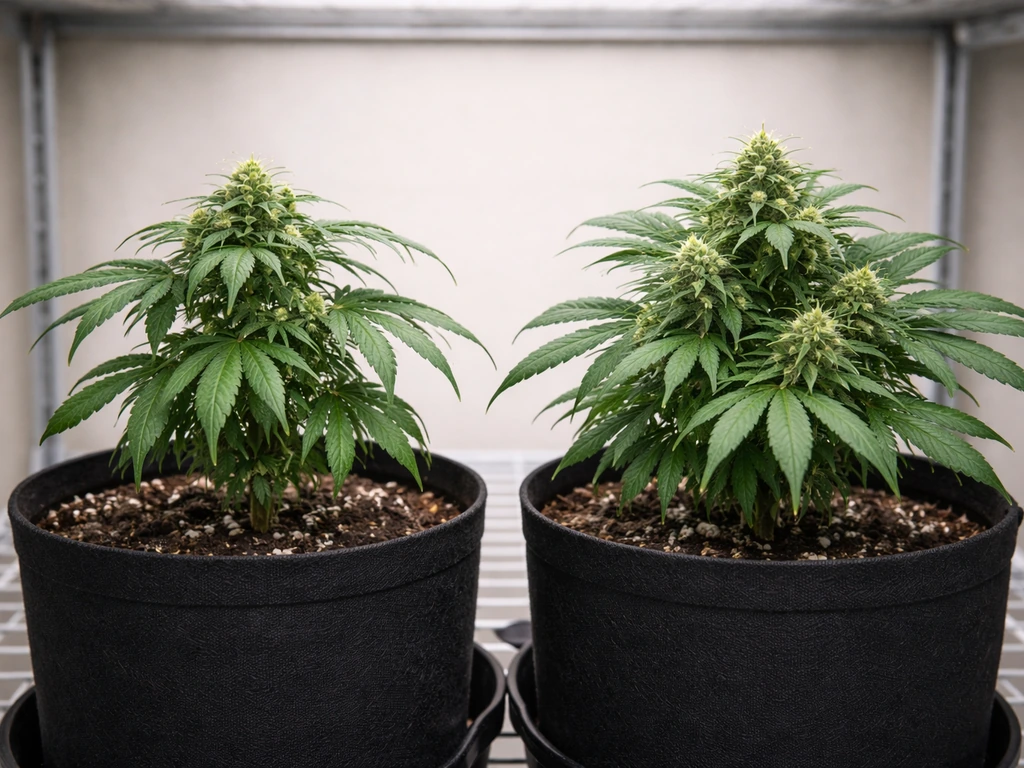
Big Bloom's low NPK numbers can make growers think it is not doing anything. It is working, just not in the way a synthetic fertilizer does. It feeds microbial populations, improves root zone health, and aids in nutrient uptake efficiency. If you are not seeing the flush of bloom response you expected, the issue is almost always that Big Bloom is being used alone without a phosphorus booster. Pair it with Tiger Bloom or another quality liquid plant food designed for bloom-stage feeding and you will see the difference within a week.
Troubleshooting, dosing cautions, and common questions
Can I use both Grow Big and Big Bloom at the same time?
Yes, and during late vegetative growth that is actually the recommended approach. Mix them separately into your water before combining, and always add nutrients to water (not water to concentrated nutrients). Check your final pH after mixing because the organic inputs in Big Bloom can shift pH, especially in hydro reservoirs.
How often should I be feeding?
Fox Farm recommends feeding up to twice per week with a plain watering in between. For most soil growers, that means a nutrient feed on day 1, plain water on day 3 or 4, a nutrient feed on day 5 or 6, and then repeating. Overfeeding is far more common than underfeeding with these products, especially because growers get impatient and start doubling doses. Do not do it. The label rates are designed for healthy growth without salt accumulation.
What if I want to add more products to the mix?
Keep it simple until you have the core schedule dialed in. Once you are comfortable with Grow Big and Big Bloom, you can layer in additional products. Balanced all-purpose formulas like a 20-20-20 fertilizer are sometimes used during veg to supplement, but be careful not to stack nitrogen sources on top of Grow Big or you will end up with toxicity. Similarly, fast-acting liquid fertilizers such as grow fast liquid fertilizer formulas can fill gaps during rapid stretch phases, but always calculate your total nitrogen input across all products before feeding.
Should I flush before switching from Grow Big to Big Bloom?
In soil, a light flush at the transition point is good practice, especially if you have been running Grow Big at full strength for several weeks. Use plain pH-adjusted water for one full watering, let the pot drain thoroughly, and then start your bloom-phase feeding program. In hydro, fully swap and clean the reservoir when switching nutrient programs. Old solution mixing with new nutrients can create unpredictable chemistry.
I only have one of these products. What should I do this week?
If you only have Grow Big and your plants are in veg: use it at label rate and do not overthink it. If you only have Big Bloom and your plants are in early veg: use it at half dose with a plain watering in between. It will not replace the nitrogen hit of Grow Big, but it will support root and soil health while you source the right product.
For a broader look at how different multi-part fertilizer systems are structured, the breakdown of how to use multi-grow fertiliser programs is a useful reference for understanding how each component fits together. The most important thing this week is to check your plant stage honestly, match the product to that stage, and stick to the label dose until you see how your specific plants respond.
FAQ
I’m unsure whether my plants are truly in veg or already transitioning, how should I decide Grow Big vs Big Bloom?
If you want the simplest “do no harm” approach, start with Grow Big in veg and Big Bloom only at a low dose, then increase Big Bloom once flowering is clearly underway. In other words, you can run Big Bloom early, but keep Grow Big as the main driver until you see the first flower or fruiting signs, then remove Grow Big to avoid nitrogen pushing.
What if I accidentally used too much Grow Big, can I compensate by adding more Big Bloom?
Do not try to “fix” a nitrogen problem by increasing Big Bloom. Big Bloom supports roots and microbial activity, but it is not meant to replace nitrogen. If leaves look nitrogen-excess or nitrogen-deficient, adjust Grow Big timing or dose (and in hydro verify pH), then keep Big Bloom in place as a supporting nutrient rather than the corrective lever.
Big Bloom doesn’t seem to increase flowering, is the product failing or am I missing something?
The most common reason is missing the bloom-phase phosphorus and potassium push. Big Bloom’s low NPK means it often looks underpowered when used alone. Pairing with a dedicated bloom booster (like Tiger Bloom) is the usual solution, and you should expect the most noticeable change within about a week after the pairing starts.
I flipped to flower but my plants still need food, can I keep Grow Big running alongside Big Bloom?
If you are using Big Bloom as a late-veg feed, keep Grow Big out of the mix as soon as you flip to flower. A common mistake is continuing Grow Big “because plants still look hungry,” which often leads to stretched growth and delayed ripening. Big Bloom can stay, but Grow Big should be stopped when flowering begins.
If I see nitrogen toxicity signs, can I just flush and keep the same feeding schedule?
Yes, but only do it for short correction windows, not as a new schedule. For suspected nitrogen excess, the article suggests flushing with plain pH-adjusted water, skipping the next one or two feeds, then restarting at half strength. If you are already in flower, the rule changes, do not bring Grow Big back.
My hydro system looks off, what should I check first before changing Grow Big or Big Bloom doses?
In hydro, pH swings and reservoir chemistry are the main risks, because there is no soil buffer. Check pH first (target 5.8 to 6.3), then confirm actual concentration using EC or PPM, and only then adjust dose. If you change nutrients midstream, fully swap and clean rather than topping off.
When I combine Grow Big and Big Bloom, what mixing and pH steps should I follow to avoid problems?
Mixing order matters because Big Bloom can shift final pH, especially in hydro reservoirs. Add nutrients to water (not water to concentrates), then re-check final pH after mixing. If your pH is off-target after combining, correct pH using your normal method before feeding.
Can I start at a lower dose than the label and gradually increase, especially in hydro?
Yes, but treat it as a tuning tool, not a permanent program. Start at a reduced dose when dialing in a new reservoir (the article mentions 50 percent), observe plant response, then adjust based on runoff readings or EC/PPM trends. If you immediately run full strength, salt buildup and lockout errors happen faster in hydro.
If I accidentally bought Grow Big Hydro, is it safe to use in soil or should I avoid it?
If you are growing in true living soil, the soil version generally integrates better with the microbial system, while hydro-specific nutrients are formulated for solution. In practice, using Grow Big Hydro in soil may work “in a pinch,” but you are more likely to lose some of the intended balance. If you have the choice, match the product to the medium.
How can I tell whether my plant needs more or less Grow Big, without guessing?
Watch for deficiency indicators based on position and timing, not just color. Yellowing that starts on the lower leaves and moves upward is more consistent with nitrogen being too low, while dark, clawing tips are more consistent with nitrogen excess. Then adjust Grow Big accordingly, and confirm pH in hydro before changing nutrients again.