The fastest way to grow better with an organic potting mix is to pick a mix that drains freely, holds just enough moisture, sits at pH 6. Penn State Extension notes that most plants access nutrients best in a pH range of about 6.0 to 7.0, and that peat or soilless media often need pH adjustment to fall around 6.0 to 7.0 pH 6.0 to 7.0. 0–7.0, and carries enough biological activity to feed roots without constant intervention. Then you prep it correctly before planting, supplement nitrogen early because organic mixes can run short, and flush salts before they build up. That's the whole system. Everything below is the detail that makes it actually work.
Grow Better Organic Potting Mix: How to Choose and Use It
Marcus Holloway
2 May 2026
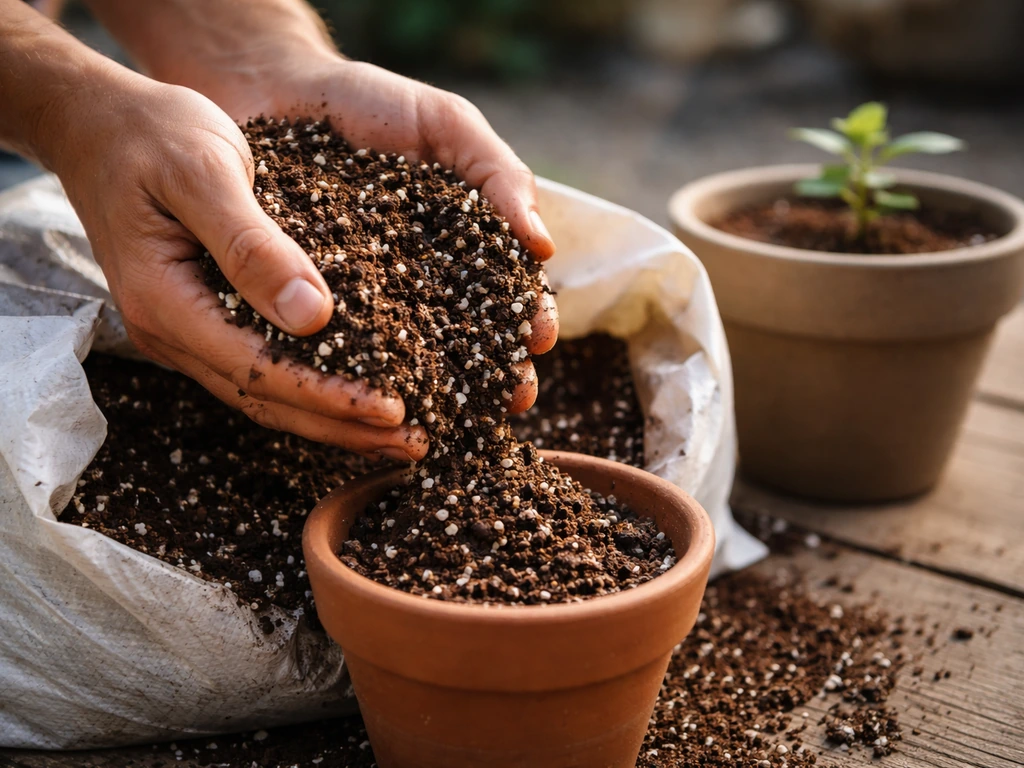
What 'grow better' actually means for potting mix performance
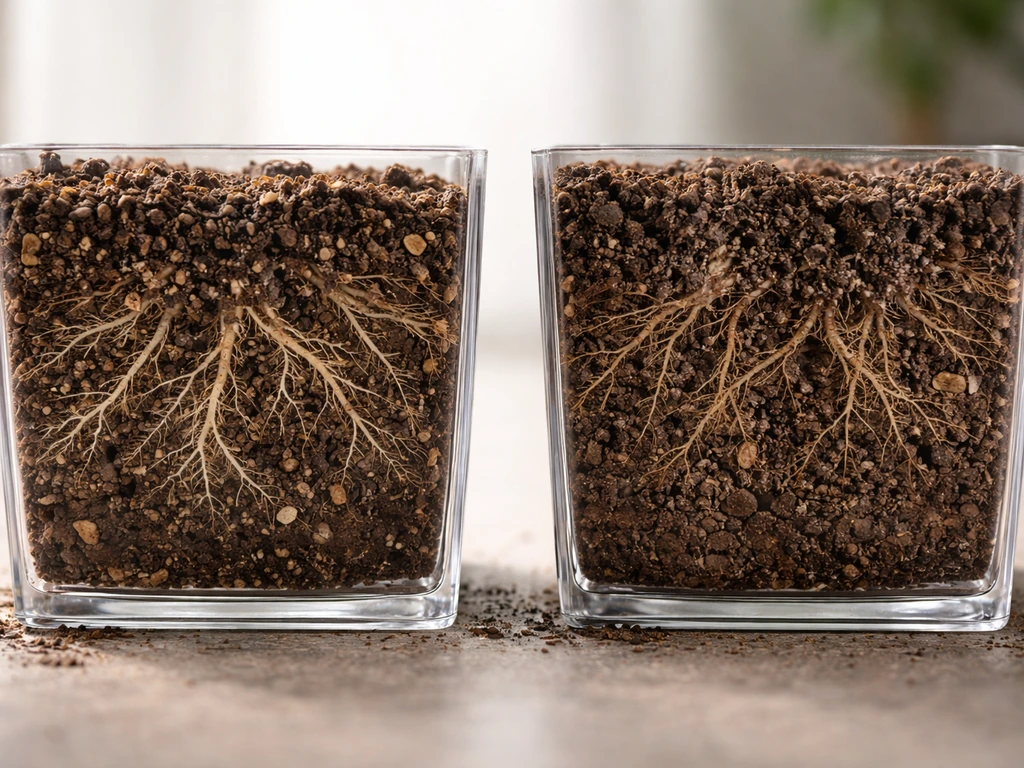
When growers talk about a mix 'performing better,' they usually mean plants establish faster, push stronger roots, and don't stall between waterings. But that comes down to five physical and chemical properties working together, not just one.
- Porosity and aeration: roots need oxygen as much as water. A mix that compacts easily creates a low-oxygen zone around roots, which slows growth and invites rot.
- Water retention vs. drainage: the mix should hold moisture between waterings without becoming waterlogged. If water pools or the surface stays wet for more than a day or two in most conditions, drainage is the problem.
- pH: aim for 6.0–7.0 for most vegetables and herbs, and 5.5–6.5 for plants that prefer more acidic conditions. Outside this range, nutrients lock up even when they're present.
- Nutrient profile and microbial life: organic mixes work through biology. Compost, worm castings, and other organic inputs feed soil microbes, which then release nutrients to roots. A mix with active microbiology gets plants off to a noticeably stronger start.
- Salt load: excess soluble salts in a potting mix, whether from over-fertilizing or poor-quality compost, can cause the same wilting and yellowing symptoms as drought. Conductivity above 3–4 mmhos/cm (measured by saturated paste method) can be outright toxic to sensitive plants.
If a mix fails on any of these five points, you'll see it in the plant. Slow growth, pale or yellow leaves, and roots that circle the pot without penetrating the medium are all downstream effects of a mix that isn't doing its job. The good news is that most of these problems are fixable once you know what to look for.
How to choose an organic potting mix: premium vs. native vs. standard
Walk into any garden center or scroll through a growing supply site and you'll see three broad tiers: standard bagged potting mix, premium organic blends, and niche or native-plant-specific formulas. They're not interchangeable, and picking the wrong one for your setup is one of the most common reasons plants underperform from week one.
Standard organic potting mix
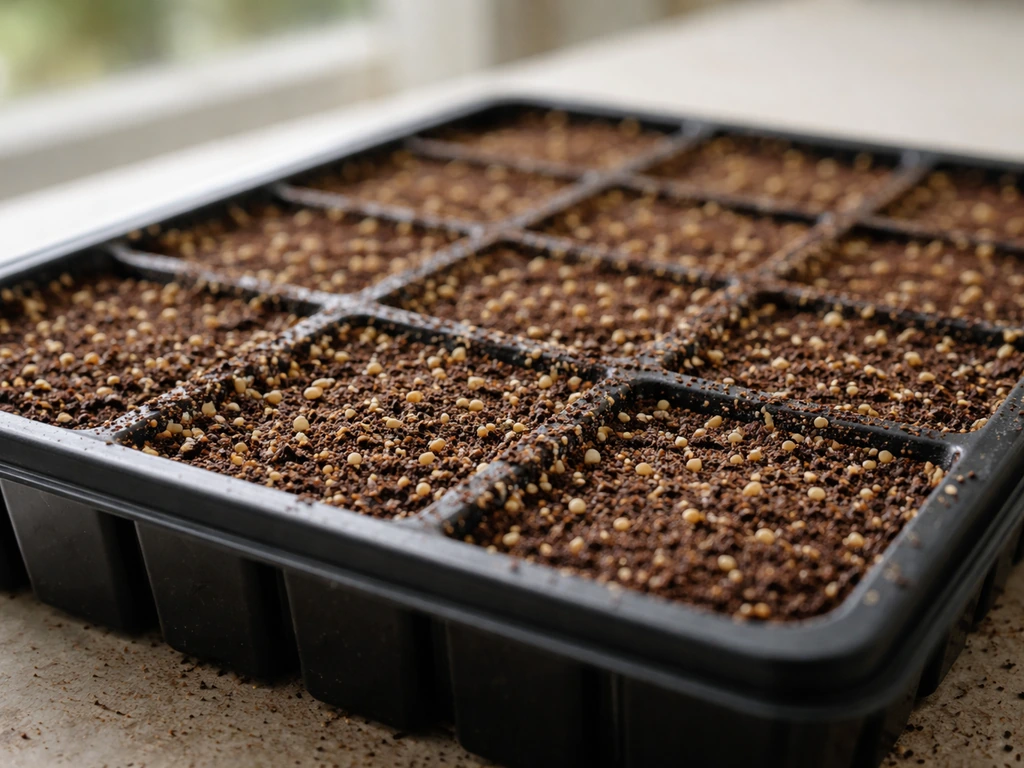
These are the volume movers: peat or coir-based, minimal compost content, and usually very little in the way of slow-release nutrients. The University of Maryland Extension notes that many standard container growing media are often peat or coir based with minimal compost content, and that their structure helps balance water for nutrient transport and air for root growth and healthy soil microorganisms blank" rel="noopener noreferrer">peat or coir-based, minimal compost content. They work fine as a base but often need amendment before they can genuinely support heavy-feeding plants through a full growing season. If you're starting seeds or growing short-cycle crops, standard mix is fine. If you are using slow grow flower co, match the container size and keep prep and feeding consistent so the mix can support steady growth through the season. For anything that sits in a container for more than 6–8 weeks, you'll be supplementing constantly.
Premium organic potting mix
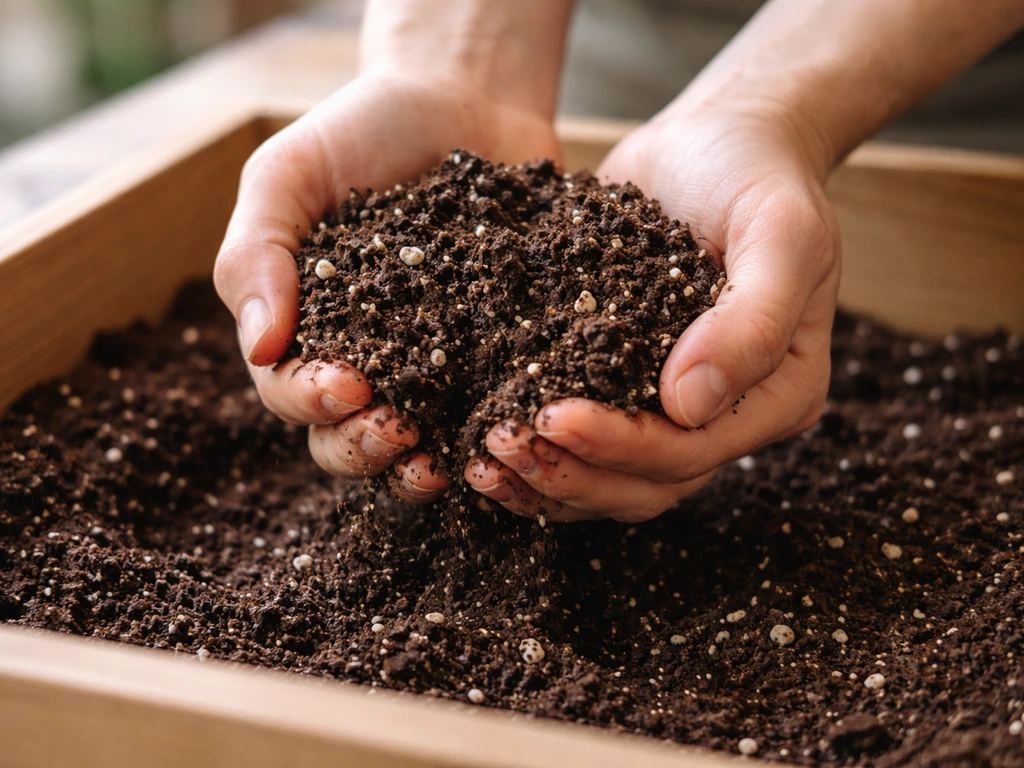
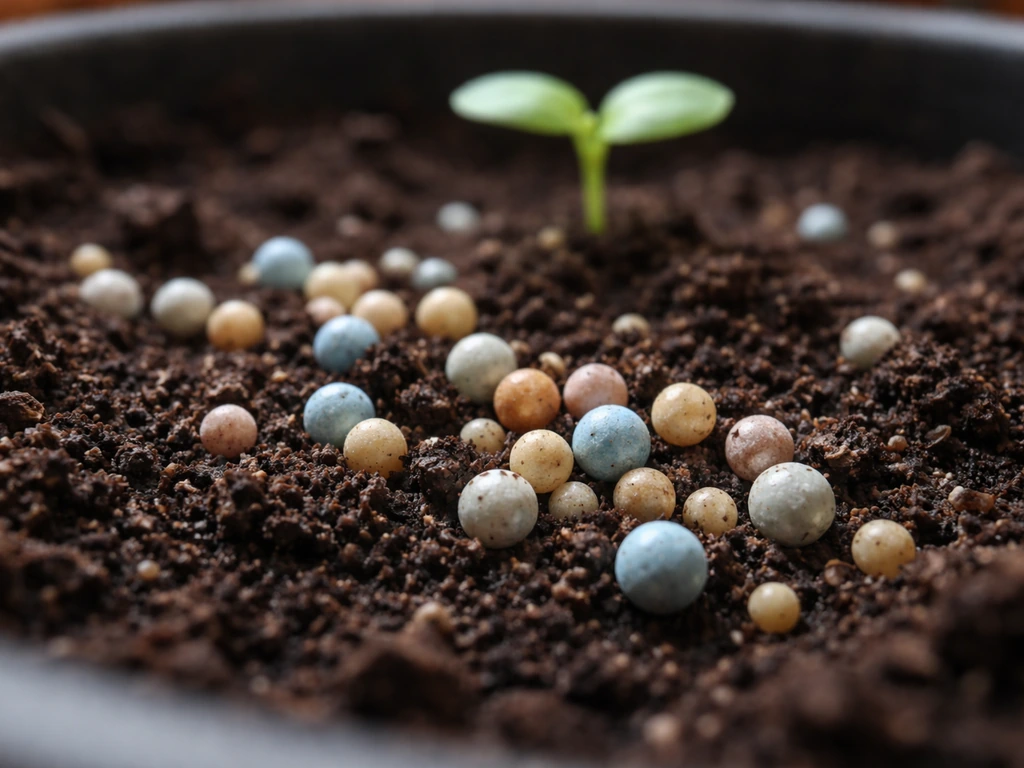
Premium blends typically contain 20–50% compost alongside perlite, coir or peat, and often added inputs like worm castings, kelp meal, or mycorrhizal inoculants. The compost fraction is what makes the difference: it directly affects nutrient availability, microbial populations, and how the mix handles repeated wetting and drying cycles. When choosing a premium organic mix, look for an OMRI Listed label if organic certification matters to your operation. For everyone else, OMRI is still a useful quality signal because it means the ingredient list has been reviewed against USDA National Organic Program standards and won't include prohibited synthetics. Avoid any bag that feels noticeably heavy for its size, clumps into solid chunks, or has a strong ammonia smell, all signs of immature compost or poor formulation that will cause problems in containers.
Native and region-appropriate mixes
The 'native potting mix' concept covers two different things. One is a commercially blended mix designed specifically for native plant species, which often need sharper drainage, lower nutrient levels, and a more acidic or alkaline pH than standard mixes provide. The other interpretation is building or sourcing a mix using locally available organic components, such as locally composted green waste, regional bark fines, or biochar from nearby suppliers, rather than peat shipped from Canada or coir from overseas. Both approaches are valid. If you're growing native Australian plants, succulents, or species from arid regions, you genuinely need a different mix than you'd use for tomatoes or cannabis. Higher perlite or coarse sand ratios (often 40–60% drainage material) and lower compost fractions (10–20%) are the typical adjustments. For region-adapted growing outdoors, matching the mix to your local rainfall patterns matters too: a very moisture-retentive mix in a high-humidity climate will stay wet too long between waterings, while a very fast-draining mix in a hot, dry region will need daily attention.
| Mix Type | Best For | Compost % | Drainage | Supplemental Feeding Needed |
|---|---|---|---|---|
| Standard organic | Seed starting, short-cycle crops | 5–15% | Moderate | Yes, from week 3–4 |
| Premium organic | Vegetables, herbs, cannabis, long-cycle container plants | 20–50% | Good (with perlite) | Lighter, from week 4–6 |
| Native/arid species | Australian natives, succulents, cacti, Mediterranean herbs | 10–20% | High (40–60% drainage material) | Minimal, low-nutrient preferred |
| Custom regional blend | Growers amending for local climate and plant type | Varies | Adjusted to local rainfall | Depends on base inputs |
One quick recommendation: if you're growing heavy-feeding plants in containers and you're serious about results, go premium and don't try to save money by buying a budget mix and heavily amending it yourself. Pre-blended premium mixes with quality compost and added biology are more consistent than DIY corrections on cheap base media, especially for growers who are still dialing in their feeding schedules.
How to prep and use organic potting mix for faster, healthier growth
Most growers open the bag and scoop straight into the pot. That works, but you're leaving some real performance on the table. A few prep steps consistently improve results.
Rehydrate the mix before planting
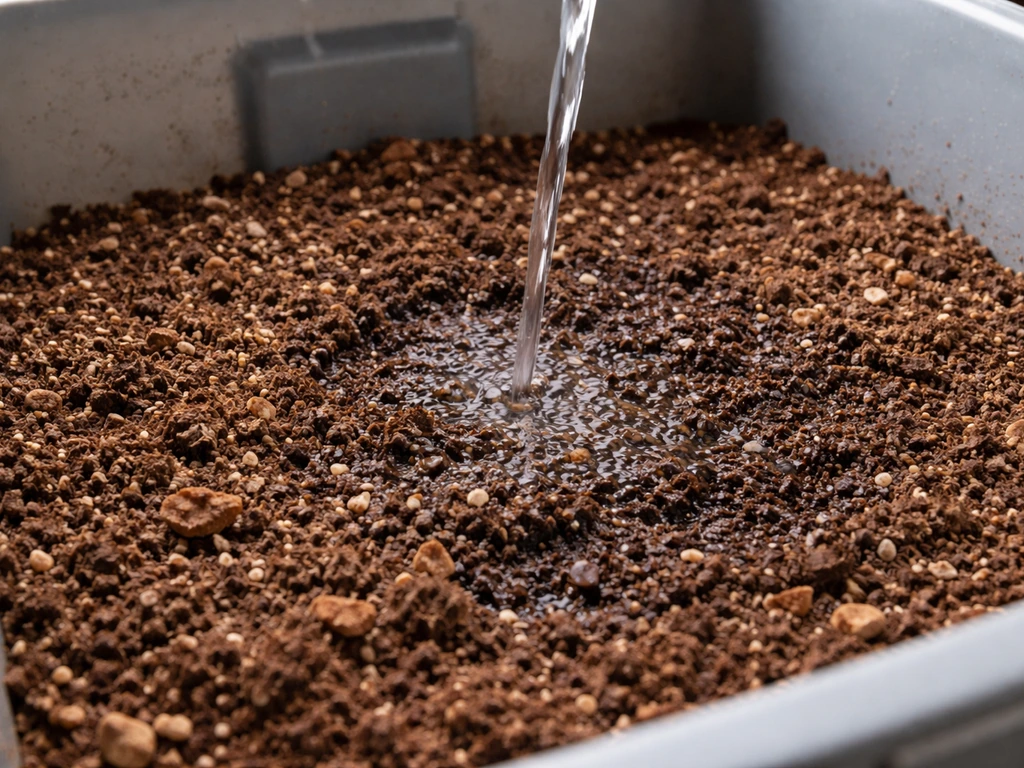
Dry potting mix, especially peat-heavy blends, is hydrophobic until it's been thoroughly moistened. If you plant into dry media, the first few waterings will often run straight through the sides and bottom of the pot without actually wetting the root zone. Before use, pour the mix into a container or tub, add water gradually, and work it through by hand or with a trowel until the entire volume is uniformly moist but not dripping. It should hold its shape briefly when squeezed but release water only when pressed firmly. This step alone eliminates the uneven wetting patterns that can mimic drought stress in newly transplanted seedlings.
Container sizing matters more than most people think
Overpotting (putting a small plant into a very large container) leaves a large volume of wet, unrooted media sitting around the root zone, which creates the conditions for fungal problems and root rot. A general rule: transplant up one size at a time, moving to a container roughly 2 inches larger in diameter than the current root ball. Fast-growing plants can skip a size, but slow growers and anything sensitive to wet roots should step up gradually. Make sure every container has drainage holes and that you're not letting pots sit in saucers of standing water for more than an hour after watering.
Transplanting and timing
Transplant into fresh organic mix when the plant is actively growing and the root ball is dense enough to hold together. Avoid transplanting during heat stress or immediately after a heavy feeding. Water in after transplanting with plain water (no nutrients for the first 48–72 hours) so roots can settle without nutrient shock. If you're repotting an established plant that's been in the same mix for more than 12 months, check whether a full repot or just top-dressing makes more sense. Top-dressing with 2–4 cm of fresh premium mix or worm castings is less disruptive and works well for plants that dislike root disturbance. Full repotting is the right call when you see roots circling the bottom, water draining instantly without being absorbed, or clear signs of compacted, depleted media.
A quick note on soilless and hydroponic setups
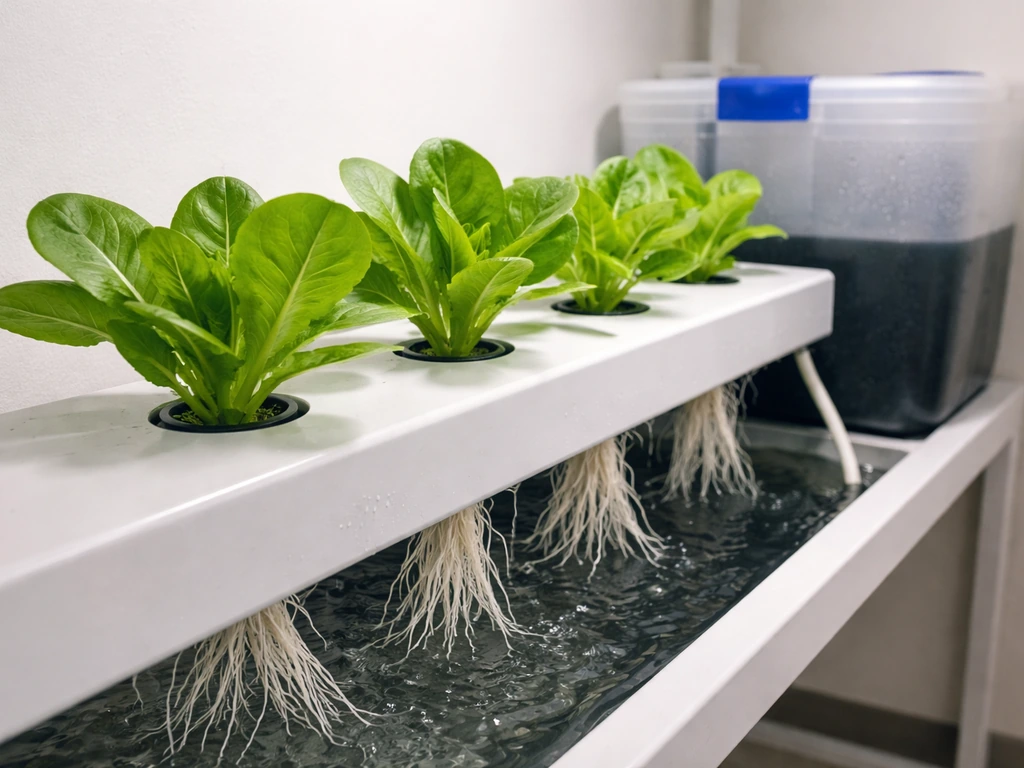
Organic potting mix is a soil-based medium, not a hydroponic substrate. That said, growers running hybrid systems sometimes use organic potting mix in wick or sub-irrigation setups where the mix is never flooded. The key compatibility check is drainage and particle size: a mix that compacts or holds too much water will fail in any passive hydroponic application. Coco coir is typically the preferred bridge medium for growers moving between organic soil and soilless approaches, though it requires its own specific nutrient program.
Nutrients and feeding strategy with organic potting mix
Organic potting mixes feed plants through microbial activity breaking down organic inputs over time, which means nutrient release is slower and less predictable than with synthetic fertilizers. This is a feature, not a bug, but it requires a different feeding mindset.
Nitrogen is the usual weak point
Compost-based mixes often run short on available nitrogen, especially in the first few weeks when microbial populations are still establishing and organic nitrogen sources haven't fully mineralized. The symptom is pale or yellowing older leaves, slow top growth, and plants that look healthy at transplant but stall out at week 3 or 4. The fix is supplementing with a fast-available organic nitrogen source: blood meal, fish meal, crab meal, or a high-nitrogen liquid like fish emulsion or seabird guano tea all work well. Add these at half-label rate to start and adjust based on leaf color response over 7–10 days.
Match your feed schedule to the mix's base nutrient load
A premium mix with 40–50% quality compost and added worm castings may genuinely sustain a vegetating plant for 4–6 weeks with no additional feeding. A standard mix might need supplementing by week 2–3. Rather than following a fixed schedule from a bottle, watch your plants. Strong green growth and appropriate internode spacing mean the mix is feeding adequately. Pale leaves, purpling stems, or slow growth are your cue to feed. If your plants keep slowing down, consider a slow grow fertilizer designed for steady nutrient release in containers slow growth. When you do feed, use OMRI-listed liquid or granular organic fertilizers and make sure they include micronutrients, because soilless and low-compost mixes have limited trace-element reserves that deplete faster than most growers expect.
Feeding alongside the grow better product range
If you're already using a grow better all purpose plant food or grow better organic fertiliser alongside your potting mix, the timing principle stays the same: lean on the mix's biology first, then supplement when the plant signals a need. Purpose-formulated organic fertilisers designed for container use are a good complement to premium potting mix because they're calibrated for the lower nutrient volumes that containers support without tipping into salt toxicity. Purpose-formulated organic fertilisers designed for container use are a good complement to premium potting mix because they're calibrated for the lower nutrient volumes that containers support without tipping into salt toxicity grow better all purpose plant food.
Troubleshooting slow growth, yellow leaves, soggy roots, and compaction
Most problems with organic potting mix trace back to one of four root causes. Here's how to identify and fix each.
Slow growth
If growth has stalled and the plant otherwise looks healthy, check nitrogen availability first (see feeding section above). If the plant is also showing pale, slightly washed-out color, check whether the mix is staying too wet between waterings, which suppresses root respiration and slows nutrient uptake even when nutrients are present. The other possibility is a pH drift: organic mixes can acidify over time as organic matter breaks down. Test with a simple pH meter or strips. If pH has dropped below 6.0, a light top-dress with garden lime or dolomite (roughly 1 tablespoon per 10-liter pot) and a thorough water-in will start correcting it within 1–2 weeks.
Yellow leaves
Yellowing older (lower) leaves usually points to nitrogen deficiency or salt stress. Yellowing newer (upper) leaves more often indicates iron, manganese, or zinc lockout, which is usually a pH issue rather than a true nutrient absence. Check pH first. If pH is in range, the mix may have high salt accumulation from repeated fertilizing, which interferes with water and nutrient uptake even when both are present. To confirm, look for a white or pale crust on the surface of the mix or around the drainage holes. That crust is precipitated salts, and it tells you the mix needs flushing.
Salt buildup and how to leach it
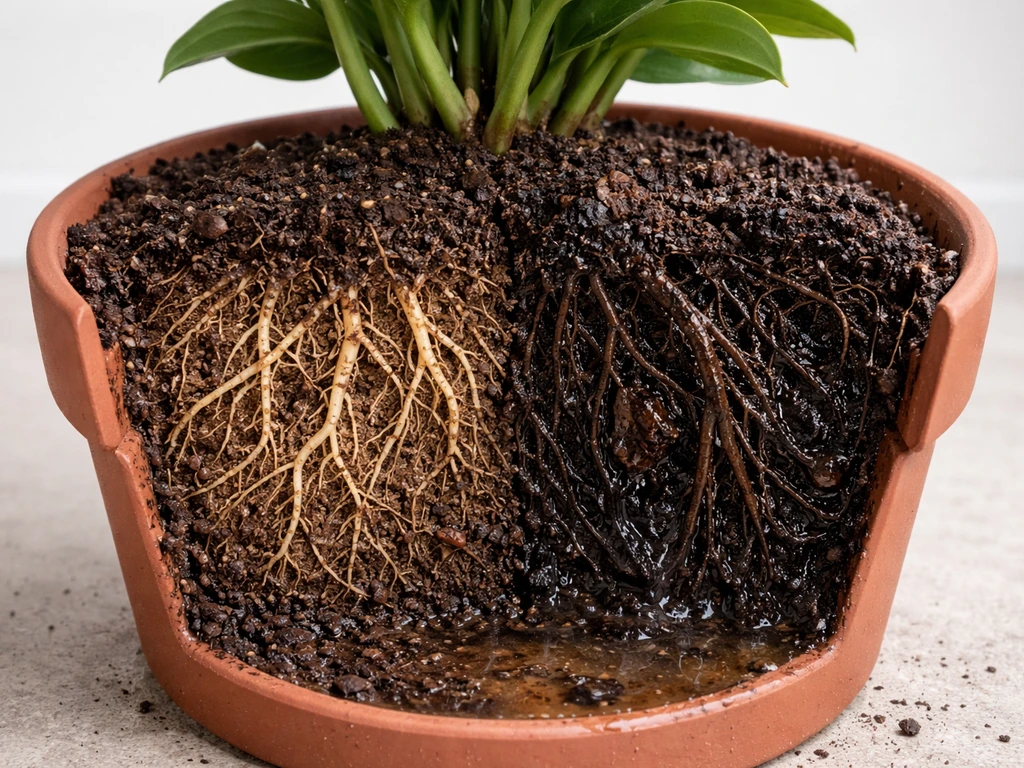
If you see surface crust or conductivity is running high (above 3–4 mmhos/cm on a saturated paste reading), leach the mix. Scrape off any visible surface crust first. Then water the pot slowly and thoroughly with tepid, plain water until it drains freely from the bottom. Repeat this process two or three times in succession, letting water drain fully between passes. This pushes accumulated salts out through the drainage. Avoid letting the pot sit in a saucer of drainage water afterward, since capillary action will pull those salts back up into the root zone.
Soggy roots and root rot
Waterlogged mix creates an anaerobic root zone where beneficial microbes die off and pathogenic fungi thrive. If the mix smells sour or sulfurous when you dig into it, root rot is likely already underway. Remove the plant, shake off as much old mix as possible, trim any brown or mushy roots, and repot into fresh, pre-moistened premium organic mix in a clean container. Going forward, water only when the top 2–5 cm of mix is dry (depending on plant size), and never leave pots sitting in trays of standing water. Preventing this problem in the first place is about mix quality: avoid any mix that feels dense or gritty, or that compacts visibly when you press a handful between your palms.
Compaction
Potting mix compacts over time as organic matter breaks down and pore spaces close. You'll notice it when water sits on the surface for longer than it used to before soaking in, or when the mix level in the pot has dropped significantly. For mild compaction, use a chopstick or skewer to gently aerate the top 5–8 cm of mix (avoid cutting into major roots). For severe compaction, a full repot into fresh mix is the right call. Adding 10–15% perlite by volume to your next mix batch helps prevent this from recurring.
Refreshing, reusing, and preventing buildup over time
A good organic potting mix doesn't have to be a single-season expense if you manage it correctly. Reusing and refreshing mix reduces waste and, in some cases, maintains beneficial microbial communities that new mix takes weeks to develop.
When to reuse and when to replace
Mix that has been through one growing season with a healthy plant can usually be refreshed and reused. Mix that hosted a diseased plant, especially anything that showed signs of root rot, fusarium, or pythium, should go into outdoor compost (not back into containers) and replaced with fresh mix. To refresh used mix: remove spent roots and large debris, add 20–30% by volume of fresh premium mix or finished compost, and work in a small amount of perlite if the old mix feels dense. This rebuilt mix works well for a second season in less-demanding crops. Sanitize tools and container walls with a dilute hydrogen peroxide solution or mild bleach rinse before refilling, because pathogens can persist on container surfaces and re-infect fresh mix quickly.
Top-dressing as ongoing maintenance
Rather than waiting until a plant needs full repotting, top-dressing every 6–8 weeks with a thin layer (2–3 cm) of worm castings or premium compost keeps microbial populations active and slowly replenishes nutrient reserves. This approach works especially well for large containers and established perennial plants where root disruption from full repotting would set growth back significantly. It's also a practical way to extend the effective life of your potting mix without the cost and effort of complete replacement each season.
Preventing salt and pathogen buildup
The two long-term enemies of potting mix performance are salt accumulation from repeated fertilizing and pathogen introduction from contaminated tools, water, or field soil. On the salt side: flush pots with plain water every 4–6 weeks during active feeding seasons, and avoid letting nutrient solution sit in saucers. On the pathogen side: always use clean, sterilized tools when working with potting mix, keep hose ends off the ground, and never add garden soil or field soil directly to potting mix in containers. These habits keep your organic mix performing consistently from season to season rather than degrading into a compacted, pathogen-prone substrate that delivers increasingly poor results over time.
If you're also running a grow better seed raising mix alongside this for germination, keep those two mixes separate through the seedling stage. Seed-raising mixes are deliberately low in nutrients to avoid burning tender roots, and mixing them with higher-compost potting mixes before transplanting defeats the purpose of both formulas.
FAQ
How can I tell if my organic potting mix is “alive” or just compost-heavy?
Look for uniform crumb structure and no sharp odor. If the mix feels heavy, stays clumpy, or smells strongly of ammonia, it often indicates immature compost or poor formulation, which can stall roots even if nutrient content looks high.
Is a pH meter necessary, or can I use easier checks?
If you do not have a meter, use pH test strips or a soil pH test kit for potting media, but sample carefully. Organic mixes can vary across a pot, so test from several spots (top and mid-depth) after the mix has been moistened.
What’s the safest way to increase nitrogen when leaves start pale, without burning from overfeeding?
Use smaller, more frequent adjustments instead of one large dose. Start at half the label rate of a fast-available organic nitrogen source, then reassess after 7 to 10 days by checking both older and newer leaf color, and adjust only if the plant keeps lagging.
Can I compost my own materials into a “grow better organic potting mix” at home?
Yes, but you must ensure everything is fully finished compost, not partially decomposed. Immature inputs cause ammonia smells, unstable pH, and root stress, which shows up as stalling around weeks 3 to 4 in containers.
How often should I flush my organic potting mix, and do I flush even when I fertilize lightly?
Flush less aggressively if you are feeding sparingly, but still plan a check during active growth. If you see surface crust or suspect salt buildup, leach until runoff is clear, and repeat a second time rather than doing a single quick watering.
Will topping up with compost or worm castings ever make salts worse?
It can, especially if you later overfertilize the area you topped. Keep top-dressings thin, then match your feeding to the plant’s response, and avoid adding additional nutrients right after a top-dress for the first couple of days.
What should I do if my plant wilts after watering, even though the mix seems moist?
Moist surface can mask anaerobic conditions. Check whether water soaks in quickly, press-test moisture 2 to 5 cm down, and smell the mix. Sour or sulfur-like odor plus slow infiltration points to waterlogging and poor aeration.
How can I prevent root circling in containers using “grow better organic potting mix”?
Avoid oversized pots for the plant size, step up container diameter gradually, and repot on time when you see roots circling the bottom. For longer-lived containers, top-dress regularly and plan a partial refresh before roots become tightly bound.
When should I choose full repotting versus only top-dressing?
Full repotting is best when drainage has changed (water runs through instantly or pools), when roots circle the pot, or when the media has been in place over a year. Top-dressing works when the mix still drains well and the plant is established and only needs gradual renewal.
Can I reuse potting mix indefinitely if plants stayed healthy?
You can reuse one season’s mix for less-demanding crops, but not indefinitely. Refresh with 20 to 30% new premium mix or finished compost, and discard mix that hosted root rot, fusarium, or pythium, since pathogens can persist in containers.
Should I mix seed-raising mix and organic potting mix before transplanting?
No, keep them separate at least through the seedling stage. Seed-raising media are intentionally low in nutrients, mixing them early can cause uneven growth and defeats the purpose of having a gentle starting environment.
What’s the best way to moisten hydrophobic peat or coir blends consistently?
Pre-moisten in a tub and add water gradually while mixing by hand until the whole volume is evenly damp. The media should hold shape briefly when squeezed, but release water only with firmer pressure, so you avoid dry channels that act like hidden drought pockets.
Does “native potting mix” mean it always needs a different watering schedule too?
Usually, yes. If it has higher sand or perlite and lower compost, it will dry faster, while a more moisture-retentive mix in humid climates stays wet longer. Adjust watering based on the top 2 to 5 cm moisture level rather than a fixed calendar.