Yes, Monte Carlo (Micranthemum tweediei 'Monte Carlo') can grow without added CO₂. It will not die without a CO₂ injector. But there's an honest catch: without CO₂ enrichment, you need to be more precise about everything else, especially light, water chemistry, and nutrients. Let that slip, and you'll end up with a slow, sparse, yellowing carpet that never fills in. Get it right, and you'll have a lush, tight groundcover that surprises you.
Can Monte Carlo Grow Without CO2? How to Set Up
Marcus Holloway
11 Apr 2026
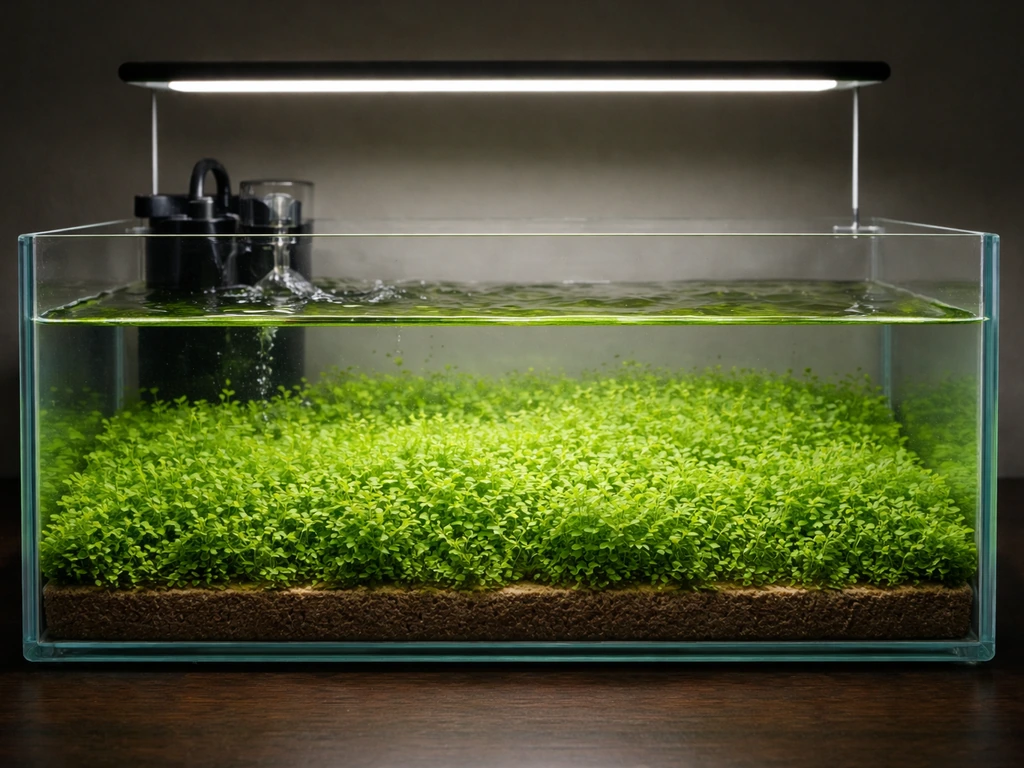
What 'without CO₂' actually means
When people say they're growing Monte Carlo 'without CO₂,' they usually mean without injected or bottled CO₂ enrichment. That does not mean zero CO₂. Your room air already contains CO₂ at roughly 400 to 1,000 ppm depending on ventilation, and outdoor atmospheric CO₂ is currently sitting around 427 ppm. In an aquarium or terrarium without injection, that ambient CO₂ dissolves into the water and gives you a dissolved CO₂ level of about 2 to 5 mg/L at equilibrium. That's your baseline. It's enough for the plant to survive and grow slowly, but it's nowhere near the 20 to 30 mg/L that injected setups target.
The practical meaning: you're working with a lower carbon supply than the plant prefers. Your job is to compensate by dialing in every other variable, light, flow, nutrients, and pH, so the plant can make the most of the CO₂ it does have access to. Growing with CO₂ injection will always outpace a no-injection setup for speed and density, but no-injection is a completely realistic path if you manage conditions carefully.
Growth requirements you need to nail when skipping CO₂
Without CO₂ supplementation as a crutch, the rest of your setup has to carry more weight. Here are the variables that matter most, in order of impact.
Light: your biggest lever
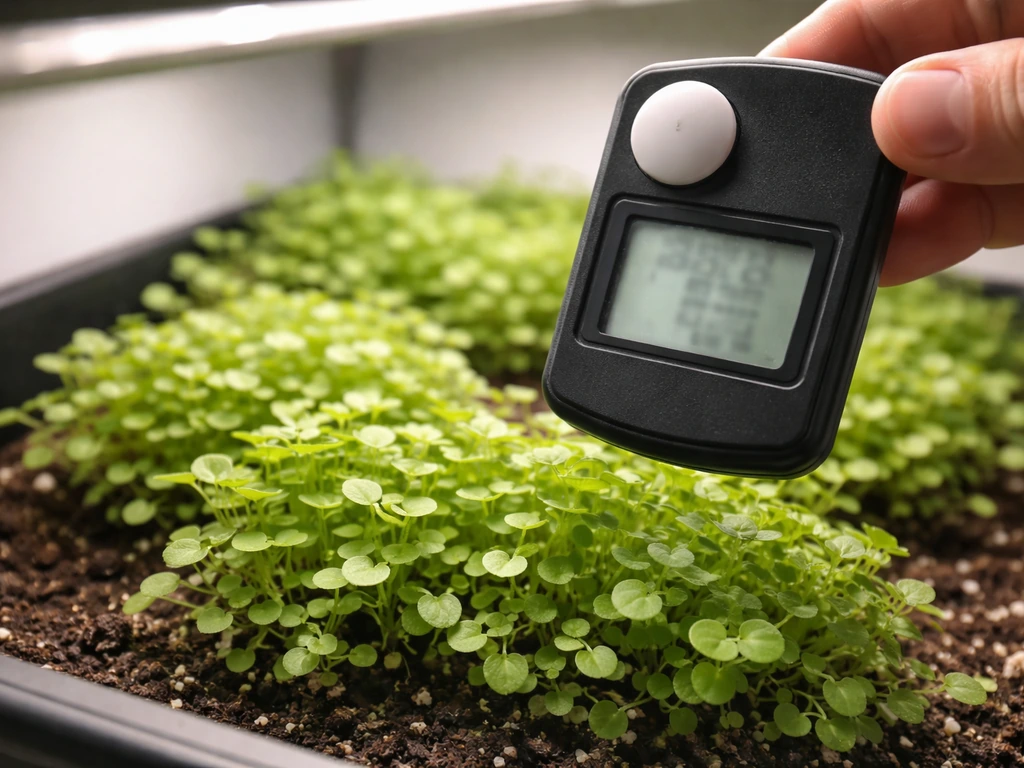
Light is the single most important factor you control in a no-CO₂ setup. Monte Carlo thrives under moderate to high lighting in the PAR 40 to 70 range. Most sources converge on 50 to 60 PAR as the sweet spot, with some placing the upper comfortable range around 70 PAR. Below 40 PAR and the plant essentially idles. Keep your photoperiod at 8 to 10 hours per day, and do not just blast more hours thinking it compensates for intensity. It doesn't. Extended photoperiods at low intensity are one of the fastest ways to trigger algae while the Monte Carlo barely reacts.
Substrate and root anchoring
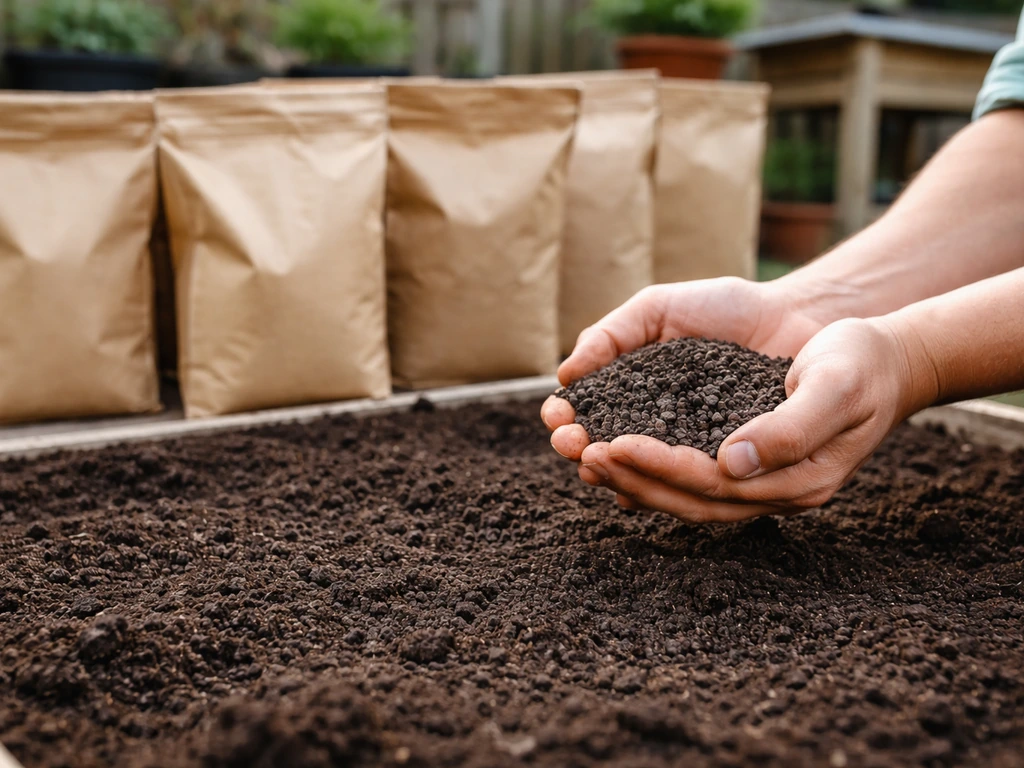
Monte Carlo spreads by sending out runners, and it needs something to grip. Loose or poor substrate that lets the plant float up is one of the most underrated reasons it fails in beginner setups. Use a fine-grain aquatic substrate, nutrient-rich aquasoil, or a shallow layer of inert sand over a nutrient substrate. Push each clump down firmly so the roots make contact with the growing medium. A plant that keeps floating is a plant that isn't feeding itself efficiently.
Water flow and gas exchange
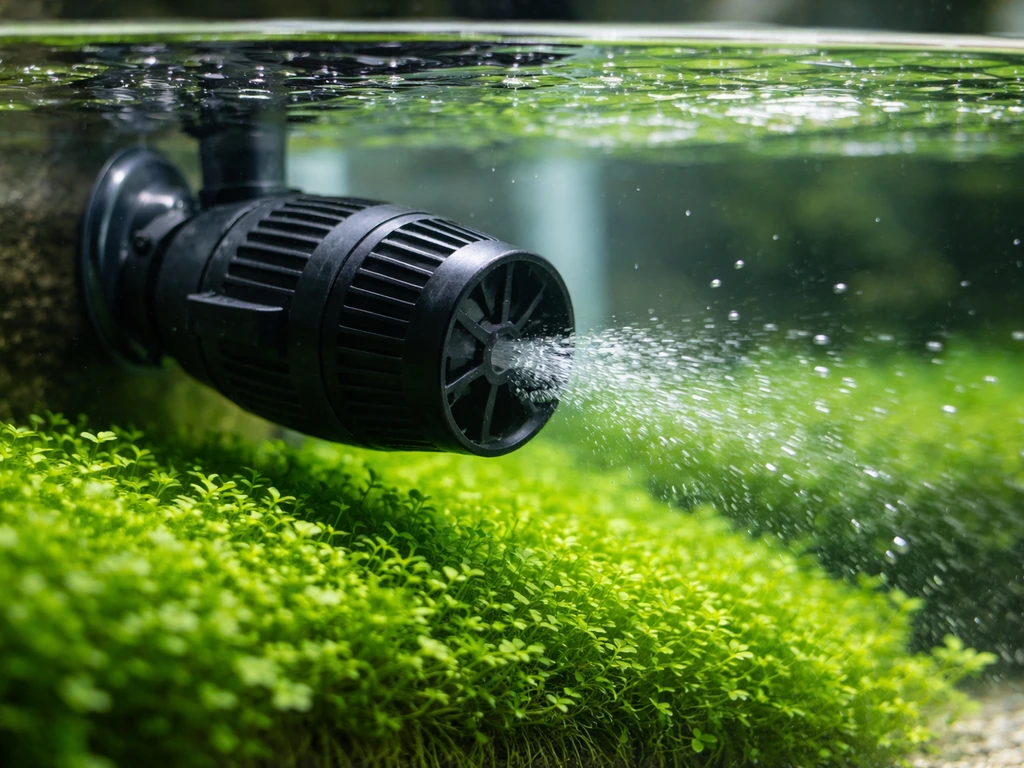
In a no-injection setup, water movement helps the plant access what dissolved CO₂ is available by refreshing the water film around the leaves. Gentle circulation across the carpet surface (not blasting it, just moving the water) makes a meaningful difference. At the same time, avoid aggressive surface agitation in an aquarium setup. Heavy surface movement gasses off what little dissolved CO₂ you have.
Soil, hydroponic/soilless, or terrarium: which setup works best
Monte Carlo can be grown across several different setups, each with its own trade-offs in a CO₂-free context. Here's a direct comparison:
| Setup Type | CO₂-Free Viability | Main Advantage | Main Risk | Best For |
|---|---|---|---|---|
| Aquarium (submerged) | Good with tuning | Natural CO₂ diffusion from water surface; established carpeting method | Low dissolved CO₂ without injection; algae risk | Aquascapers willing to tune lighting and chemistry |
| Terrarium / Emersed | Excellent | Access to atmospheric CO₂ directly; no dissolved CO₂ concerns | Humidity management needed; can dry out fast | Beginners; most forgiving CO₂-free option |
| Soil-based (emersed) | Very good | Nutrient buffering from soil; low maintenance | Overwatering risk; slower feedback loop | Home growers who prefer a hands-off approach |
| Hydroponic / soilless | Good with active management | Precise nutrient delivery; fast adjustment | Requires more monitoring; easier to over/underfeed | Experienced growers who like dialing in variables |
The easiest CO₂-free path is an emersed (above-water) terrarium or paludarium setup. In this configuration, Monte Carlo grows with its leaves exposed to air, giving it direct access to ambient CO₂ at 400+ ppm without any injection needed. This is genuinely the best starting point if you're new to the plant. Submerged aquarium growth is possible and looks stunning when it works, but it demands tighter management of light, flow, and water chemistry.
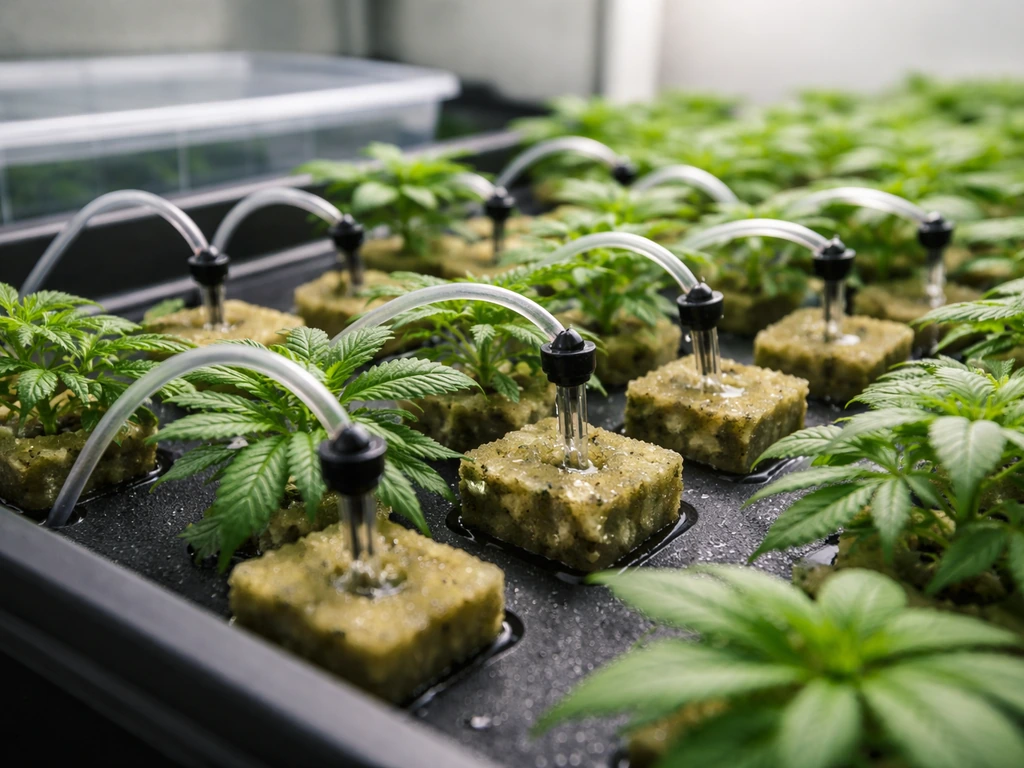
If you're running a nutrient-driven hydroponic or soilless setup, the same principles apply as aquarium growing but with more control over feeding. FloraFlex-style growing setups offer a useful framework for managing nutrient delivery in non-soil systems, and the precision they encourage translates well to keeping Monte Carlo healthy without relying on CO₂ as a buffer.
Tuning light, watering, and airflow for CO₂-free growth
Light intensity and timing
Target 50 to 70 PAR at the substrate level, measured with an actual PAR meter if you can get one. In a CO₂-free setup, staying in the 50 to 60 PAR range is safer than pushing toward 70, because higher intensity without adequate CO₂ leaves the plant unable to use that extra energy and feeds algae instead. Run your lights for exactly 8 to 10 hours per day on a timer, no exceptions. Consistency matters more than intensity in a low-tech setup.
Watering and moisture
In soil or terrarium setups, keep the substrate consistently moist but not waterlogged. Monte Carlo roots rot quickly in standing water without flow. In aquarium setups, full submersion is the norm, but make sure your filter output creates enough gentle movement to keep water circulating without churning the surface. For emersed terrarium setups, misting once or twice daily and keeping humidity at 70 to 80% covers most situations.
Airflow and temperature
Monte Carlo prefers temperatures between 20°C and 26°C (68°F to 79°F). In emersed setups, a small fan for gentle air circulation helps prevent fungal issues and improves CO₂ availability at leaf surfaces. In submerged setups, keep the tank away from direct heating or cooling vents. Temperature swings stress the plant and slow carpeting noticeably.
Nutrients and water chemistry without CO₂ enrichment
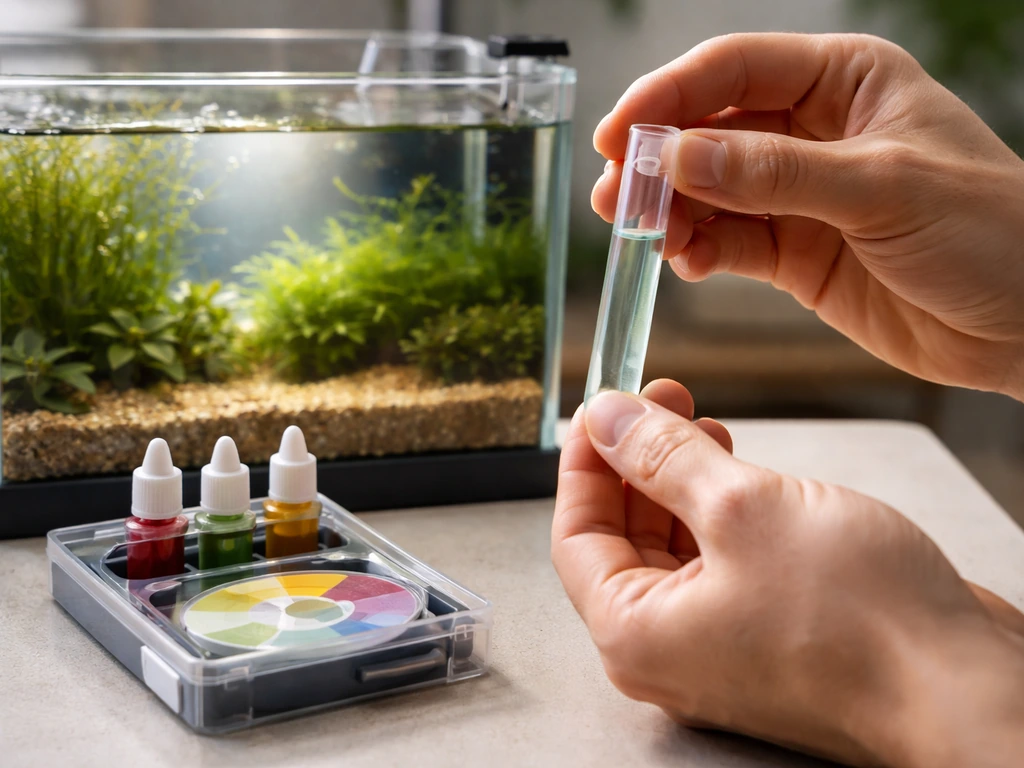
In a no-injection setup, you need to be more deliberate about nutrients because the plant is growing slower and demand is lower. Overdosing is actually a bigger risk than underfeeding when growth rate is slow. Use a balanced liquid fertilizer at half to two-thirds the recommended dose and adjust based on plant response rather than the bottle label. Knowing the right flora grow dosage for your specific nutrient line is worth taking seriously here, since overfeeding a slow-growing plant just feeds algae. If you're using a carbohydrate supplement or energy booster alongside your base nutrients, dialing in the flora grow carbo dosage precisely matters more in a CO₂-limited environment where nutrient balance can't rely on rapid uptake to self-correct.
Water chemistry targets for submerged setups
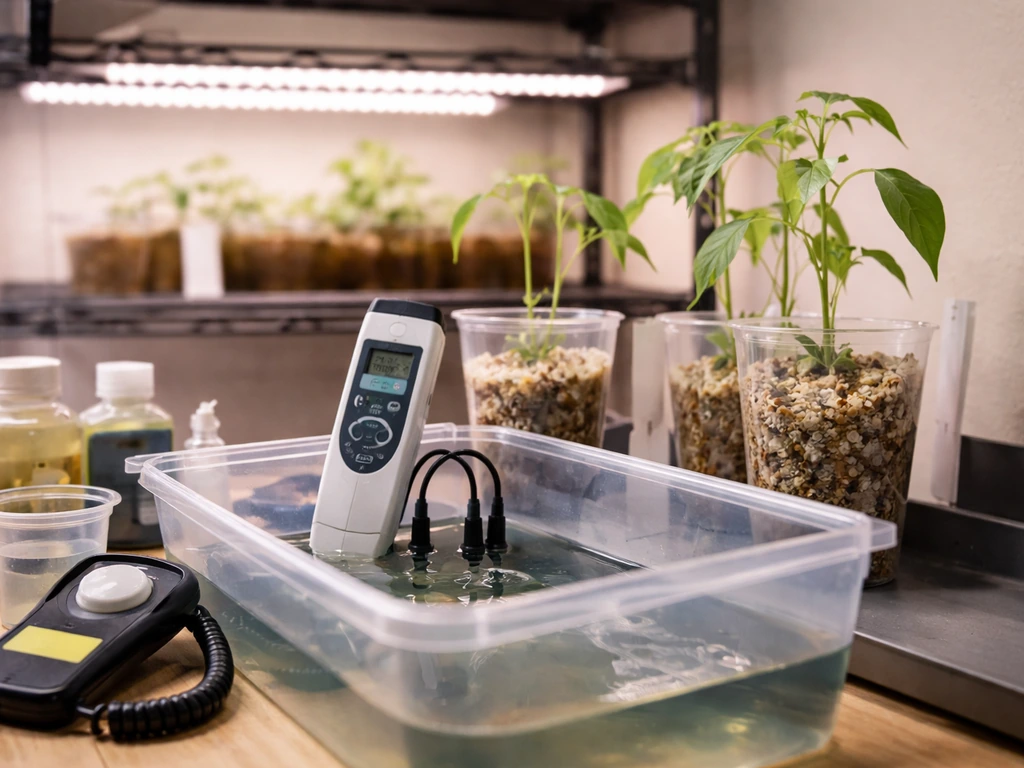
For aquarium setups, your dissolved CO₂ without injection will be roughly 2 to 5 mg/L at equilibrium with ambient air. That baseline corresponds to a natural pH around 7.5 to 7.7 in moderately hard water. High KH (carbonate hardness) buffers pH strongly and makes it harder to lower pH even if you add CO₂ later, which is worth knowing if you plan to upgrade. For a no-injection setup, aim for a KH of 3 to 6 dKH. If you're working with RO water, you'll need to remineralize it to reach a stable KH, since pure RO has no KH and gives you no pH buffering at all.
- pH: 6.5 to 7.5 (softer, slightly acidic water improves CO₂ availability)
- KH: 3 to 6 dKH (enough buffering without locking out CO₂ activity)
- Temperature: 20°C to 26°C (68°F to 79°F)
- Dissolved CO₂ (no injection): 2 to 5 mg/L (normal at equilibrium)
- Photoperiod: 8 to 10 hours daily on a timer
- PAR at substrate: 50 to 70 (50 to 60 is safer without CO₂ injection)
Troubleshooting: slow growth, yellowing, thinning, and die-off
Monte Carlo problems in no-CO₂ setups tend to cluster around a few causes. Here's how to read what the plant is telling you.
Slow or no carpeting
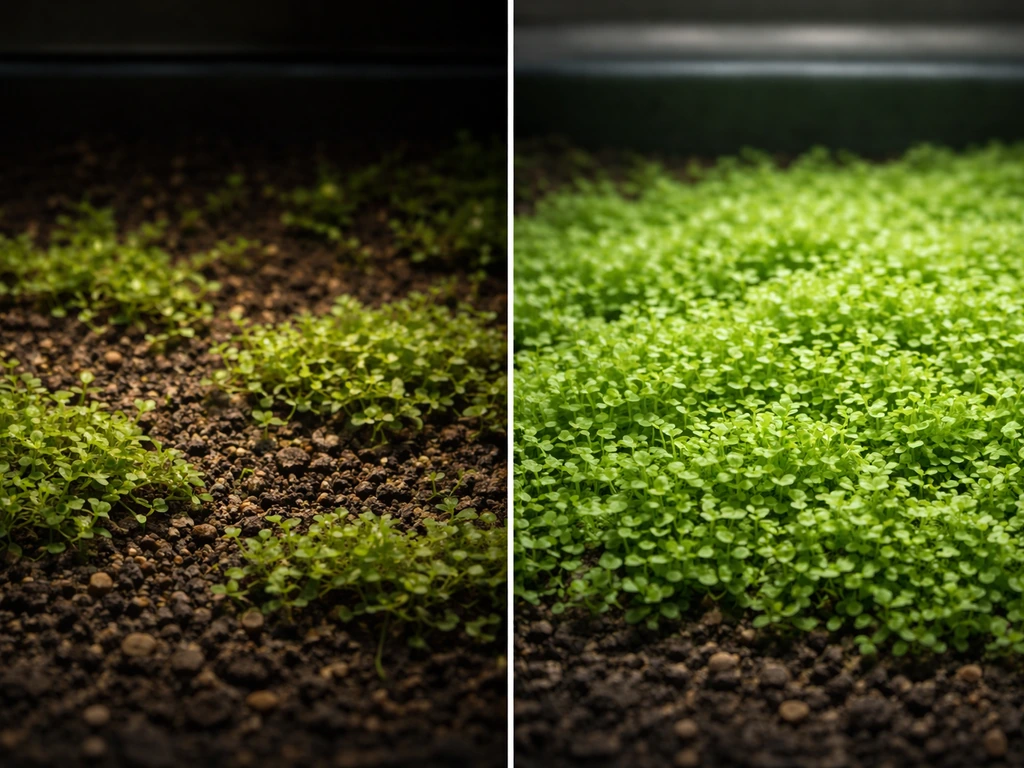
This is the most common complaint in CO₂-free setups, and it's almost always a light issue first. Measure your PAR at the substrate level. If it's below 40, add more intensity or move the light closer. If light is adequate, check whether the plant is actually anchored. Monte Carlo that floats keeps trying to establish root contact and wastes energy. Press it down, use planting tweezers, and give it a week before assuming something is wrong.
Yellowing leaves
Yellowing usually signals either iron deficiency or nitrogen deficiency in a low-tech setup. Add a trace element supplement with chelated iron first since Monte Carlo is particularly responsive to iron. If yellowing persists after a week of iron supplementation, check whether you're actually providing a balanced macro dose. In a slow-growing no-CO₂ setup it's easy to underfeed and assume the plant is fine because it isn't visibly dying yet.
Melting after planting
If you planted tissue culture Monte Carlo (the kind sold in gel cups), expect some melt in the first 1 to 2 weeks. This is the plant transitioning from lab-grown conditions to your tank environment, not a CO₂ problem. Remove the dead or melting portions with scissors to prevent rot, and leave the healthy green growth alone. New growth emerging from the substrate after the initial melt period is a good sign. What you don't want is continuous melt with no new growth appearing after two weeks, which usually points to inadequate light or poor root contact.
Algae overtaking the carpet
Algae in a CO₂-free Monte Carlo setup is almost always caused by too much light for the growth rate the plant can sustain. When CO₂ is limiting, the plant can only absorb nutrients and light up to a certain rate. Extra light beyond that threshold just feeds algae. The fix is to reduce photoperiod first (drop to 8 hours), then reduce intensity slightly if algae persists. Do not add more nutrients to fight algae. That makes it worse.
Your practical checklist for a successful CO₂-free grow
Run through this before you plant and during the first four weeks. Most failures happen because one item on this list was skipped early on.
- Choose your setup: emersed terrarium (easiest CO₂-free option) or submerged aquarium (requires tighter management)
- Set your light to deliver 50 to 60 PAR at substrate level and put it on a timer for 8 to 10 hours daily
- Prepare substrate: fine-grain aquasoil or nutrient substrate, at least 3 to 5 cm deep for root development
- Check water parameters before planting: pH 6.5 to 7.5, KH 3 to 6 dKH, temperature 20°C to 26°C
- Plant firmly using tweezers, pressing roots into substrate so they make full contact
- Dose liquid fertilizer at half recommended strength; include chelated iron in trace elements
- Set up gentle water circulation (aquarium) or daily misting and 70 to 80% humidity (terrarium); avoid heavy surface agitation in submerged setups
- Wait 1 to 2 weeks for initial melt from tissue culture to pass before troubleshooting
- Week 3 to 4: look for new runners extending laterally as confirmation the plant is establishing
- Adjust light down (not up) if algae appears; adjust nutrients if yellowing appears
- Reassess at week 6: if carpeting is not progressing despite correct light and chemistry, consider low-tech liquid CO₂ (glutaraldehyde-based) as a middle ground before committing to full injection
Monte Carlo without CO₂ injection is not a myth or a shortcut that always fails. It is a slower, more patience-required version of the same goal. With light dialed in around 50 to 60 PAR, a stable 8 to 10 hour photoperiod, soft-to-moderate water hardness, and balanced light fertilization, you will get a carpet. It will just take 8 to 12 weeks instead of 4 to 6. That trade-off is completely worth it for a lot of growers who don't want to manage pressurized CO₂ systems.
FAQ
What happens if I leave the CO2 system off but keep everything else the same as my CO2-injected setup?
Growth usually slows and density drops because the plant cannot use light as quickly when dissolved CO₂ is low. The quickest fix is to reduce either intensity (PAR) or photoperiod to prevent algae, many people keep photoperiod at 8 hours and lower PAR a bit rather than trying to “wait it out.”
Can Monte Carlo “starve” in CO2-free setups, or will it always survive at a slow rate?
It can survive, but it may fail to carpet if light or anchoring are off. In low CO₂ conditions, the plant’s effective growth window is narrower, so issues like poor root contact, inconsistent feeding, or stagnant flow can tip it into slow melt or yellowing rather than steady carpeting.
Do I need to measure dissolved CO2 (mg/L) or is it enough to follow pH and KH targets?
You can get by with KH and pH trend checks, since ambient-equilibrium CO₂ tends to land in a fairly narrow dissolved range without injection. However, use KH as your anchor (buffering affects pH), and interpret pH changes slowly, fast pH swings often indicate equipment or substrate effects rather than CO₂ availability.
My water pH is already low, can I still grow Monte Carlo without CO2 injection?
Sometimes, but low pH without adequate KH often means poor buffering, which makes pH swing more likely once the system stabilizes. For no-injection setups, aim for KH about 3 to 6 dKH to keep pH stable, and avoid aggressive acids as a “CO2 substitute” because they don’t raise dissolved CO₂ directly.
How do I prevent melt after planting, especially with tissue culture Monte Carlo?
For gel-cup plants, expect some melt, but you should see new green growth after 1 to 2 weeks. Prevent prolonged rot by removing dead tissue promptly, keeping good root contact (don’t let it float), and avoiding full-strength fertilization during the first month since slow uptake can feed algae.
Can I run very high light (above 70 PAR) if I’m not adding CO2?
Usually not safely. Without CO₂ enrichment, Monte Carlo cannot use the extra light efficiently, so algae risk rises quickly. If you must increase light, do it gradually while shortening photoperiod first, and stop increases if you see algae before you see thicker runners.
Is a shorter photoperiod better than lowering intensity if algae starts?
In CO₂-limited setups, reduce photoperiod first, for example from 10 hours to 8 hours. That lowers the total energy input without disrupting the plant’s day-night rhythm, then lower intensity slightly only if algae persists.
How much nutrient should I use if I’m not injecting CO2?
Use less than you think, because slower growth means nutrient demand is lower and overfeeding mainly fuels algae. A practical starting point is half to two-thirds label strength, then adjust based on plant color and algae response rather than pushing higher to “speed up” carpeting.
Do I need to dose iron separately if Monte Carlo is yellowing?
Chelated iron is a good first check, because yellowing is often linked to trace deficiencies in slow, low-tech systems. If yellowing continues after a week of proper iron, reassess whether nitrogen and overall macro balance are adequate, and confirm your light level at substrate depth.
Why does my Monte Carlo keep floating or not root, even though it’s planted in substrate?
Most often it’s root contact and texture. Use fine-grain substrate or a thin nutrient layer beneath inert sand, then press each planting firmly and anchor runners if needed. Also verify that your water flow is gentle, strong flow can lift delicate carpet sections and disrupt establishment.
Can I grow Monte Carlo without CO2 injection in a fully submerged aquarium?
Yes, but it’s the hardest option of the three common approaches. Submerged success depends heavily on stable light at substrate level, gentle circulation across the carpet, and avoiding surface agitation that off-gasses dissolved CO₂. Emersed setups are more forgiving because leaves access ambient air directly.
What temperature is safest if I’m trying to carpet without CO2?
Stay roughly in the 20°C to 26°C range. If temperatures swing near the ends, growth slows and algae can take advantage of reduced plant uptake, so keep heaters and coolers away from direct vent blasts in enclosed tanks.
If I plan to “upgrade” later by adding CO2, should I change KH and pH now?
Don’t make large pH-lowering changes before you add CO₂, because KH controls how stable pH stays. A stable KH in the 3 to 6 dKH range helps you interpret improvements after CO₂ is introduced, and it reduces the chance that the plant suffers from buffering instability during the transition.