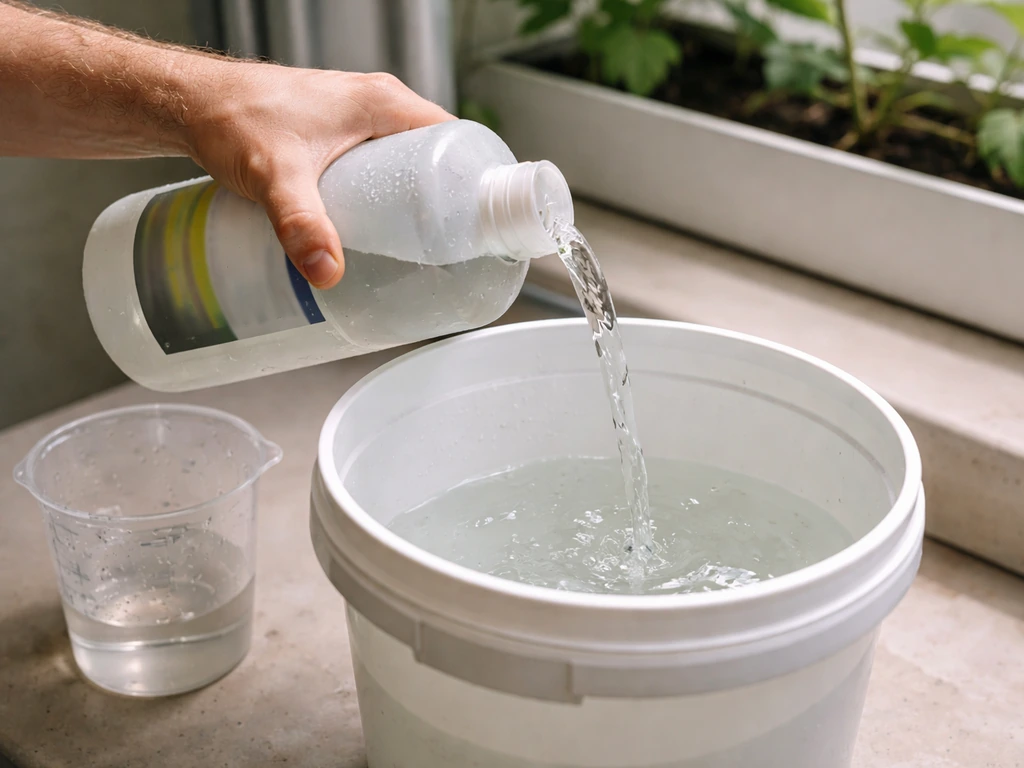
For most growing setups, the standard blank" rel="noopener noreferrer">FloraNova Grow dosage is 5 mL per gallon (about 1. 3 mL per liter) of water. General Hydroponics notes that growers often need only about 1, 2 mL of pH Up/Down per gallon of water about 1–2 mL of pH Up/Down per gallon.
Floranova Grow Dosage Guide: Mixing, Rate, pH, EC, Hydro

Marcus Holloway
28 Apr 2026
That's GH's general-use recommendation straight from the label. In practice, you'll dial that number up or down depending on your plant's growth stage, your medium (soil vs. hydro), and what your EC or PPM meter is telling you. New seedlings start as low as 2 mL per gallon, while plants in full vegetative growth can handle up to 5 mL per gallon.
Everything else in this guide is about making those numbers work in your specific setup without burning your plants or leaving them hungry.
What FloraNova Grow is actually for
FloraNova Grow is a one-part, liquid concentrate nutrient made by General Hydroponics. Its NPK ratio is 7-4-10, meaning it's heavier on nitrogen and potassium, which is exactly what plants need during vegetative, structural growth phases. It also includes a full micronutrient package: chelated iron (0.1%), manganese (0.03%), zinc (0.02%), copper (0.01%), boron (0.01%), cobalt (0.002%), and molybdenum (0.003%). The chelation matters because it keeps trace elements available to plant roots across a wide pH range.
The label says it directly: use FloraNova Grow from seedling through structural growth phases. The moment flowers appear, switch to FloraNova Bloom. Don't stretch it into flower trying to save product. The nutrient ratios shift at that stage, and nitrogen-heavy feeding during bloom leads to soft, airy results and can suppress flowering. So think of FloraNova Grow as your vegetative workhorse, nothing more and nothing less.
It's formulated for hydroponics and soilless media as a primary use, but it works in potted soil and container gardens too. The mixing and pH targets differ slightly between methods, which is covered below.
Dosage basics: how much per liter and per gallon
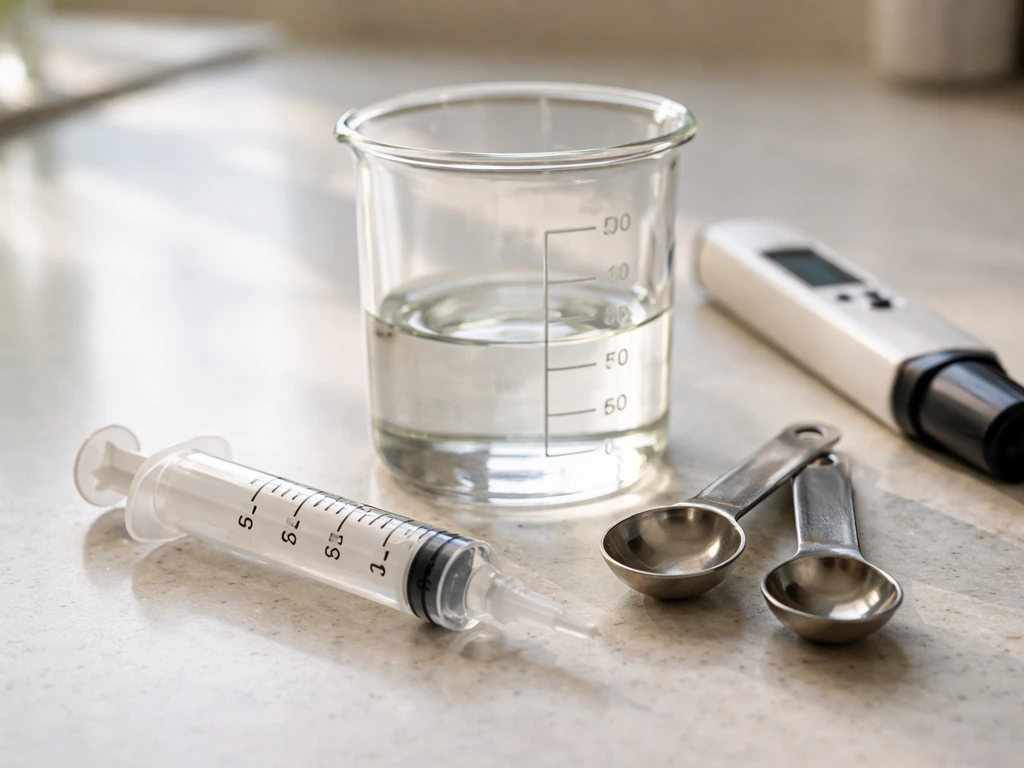
The label measures everything per US gallon (3.79 liters), and GH provides a helpful conversion: 2.5 mL equals half a teaspoon, and 5 mL equals 1 teaspoon. Those conversions matter if you're mixing small batches without a syringe. Here's how dosage typically scales across growth stages:
| Growth Stage | Dose per Gallon (mL) | Dose per Liter (mL) | Target EC (mS/cm) | Target PPM (500 scale) |
|---|---|---|---|---|
| Seedling / Clone | 2.0 | 0.5 | 0.6–0.8 | 300–400 |
| Early Veg | 3.0–3.5 | 0.8–0.9 | 0.8–1.2 | 400–600 |
| Mid / Full Veg | 4.5–5.0 | 1.2–1.3 | 1.4–1.8 | 700–900 |
| Late Veg / Pre-Flower | 5.0 | 1.3 | 1.6–2.0 | 800–1000 |
These ranges come from the GH FloraNova feed chart and the FloraSeries EC band guidance. Don't treat them as gospel, though. They're a starting point. Your actual plants, your water quality, and your environment will tell you whether to stay at the low or high end. Always mix to the lower dose first, check EC, then adjust up. It's much easier to add more than to fix a burn.
How to mix it and how often to feed
Mixing step by step
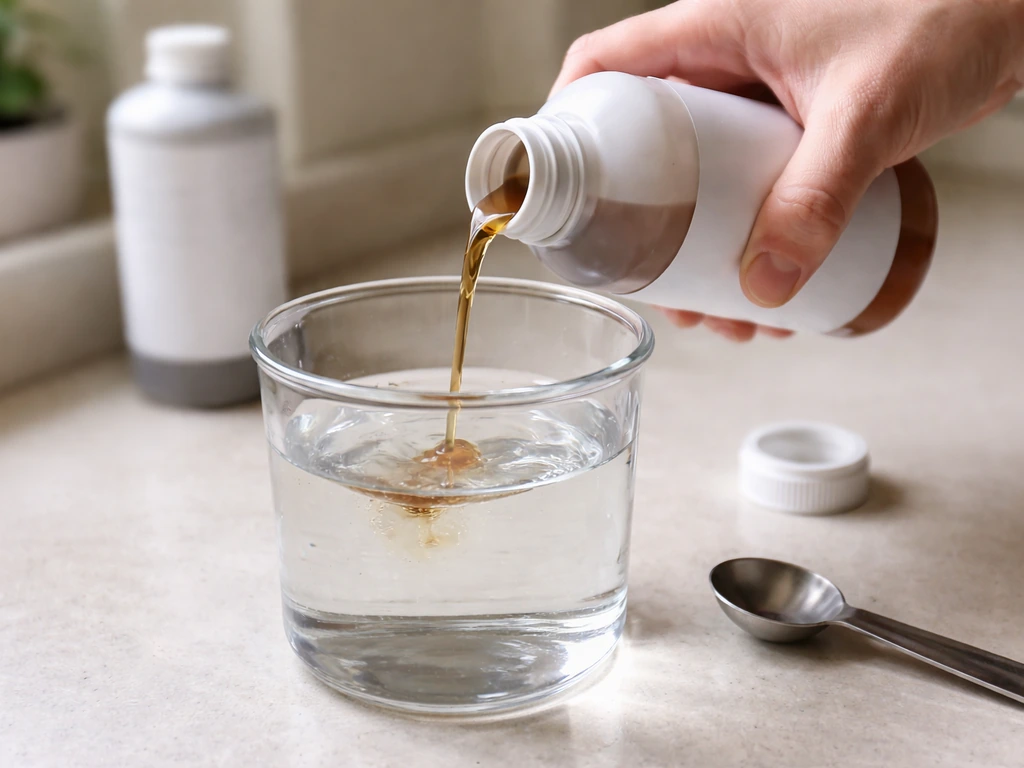
- Shake or stir the FloraNova Grow bottle well before measuring. It settles, and unmixed concentrate will throw off your dose.
- Start with your full water volume at room temperature. Add nutrients to water, not water to nutrients.
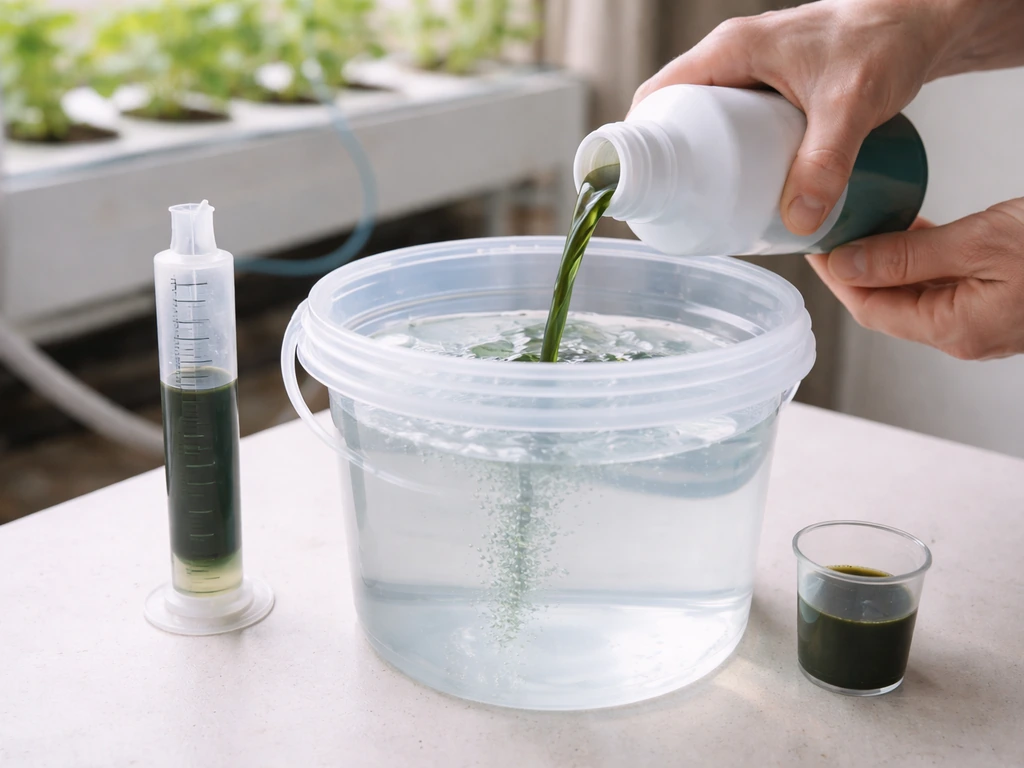
- Measure the appropriate dose using a syringe or measuring spoon, then add it to the water while stirring.
- Mix thoroughly for 30–60 seconds until the solution is uniform.
- Check EC or PPM with your meter. Compare to the target range for your current growth stage.
- Adjust pH to your target range using GH pH Up or pH Down. Check pH after EC is confirmed, not before.
- Let the solution sit for 5 minutes, then recheck pH before using. pH can drift slightly after adjustment.
One thing growers get wrong: they adjust pH before checking EC, or they mix the nutrient into a near-empty reservoir and wonder why readings are off. Always mix into the full volume of water you plan to use. Concentration in a partial volume will look different on your meter, and you'll end up chasing readings that don't make sense.
How often to feed
For recirculating hydroponic systems, GH recommends changing the full nutrient solution every 7 to 10 days. Between changes, top off with fresh, plain water as the reservoir drops. Don't just keep adding fresh nutrient solution to top off, because elements get consumed at different rates and the balance shifts over time. Topping off with plain water keeps concentration steady without compounding imbalances.
For soil and potted plants, feed with every watering during active vegetative growth, or every other watering if your plants are in a rich amended soil mix that doesn't need as much supplementing. In practice, you can think of it as a vegetative nutrient that you feed on a routine schedule, then back off or switch products once flowering begins how often to use FloraNova Grow. The label's broader guidance applies to both methods: drain, discard, and replace nutrient solution every one to two weeks to prevent imbalance. In soil, this translates to flushing the pot occasionally and not letting salts build up in the substrate.
Soil vs. hydroponics: where the approach differs
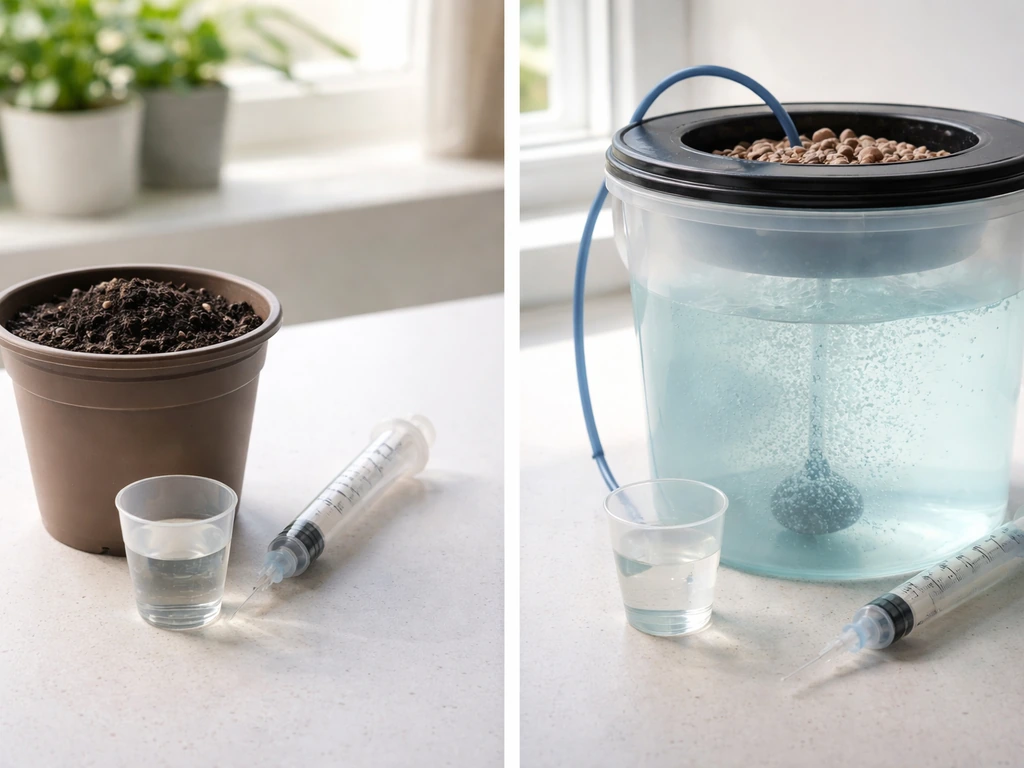
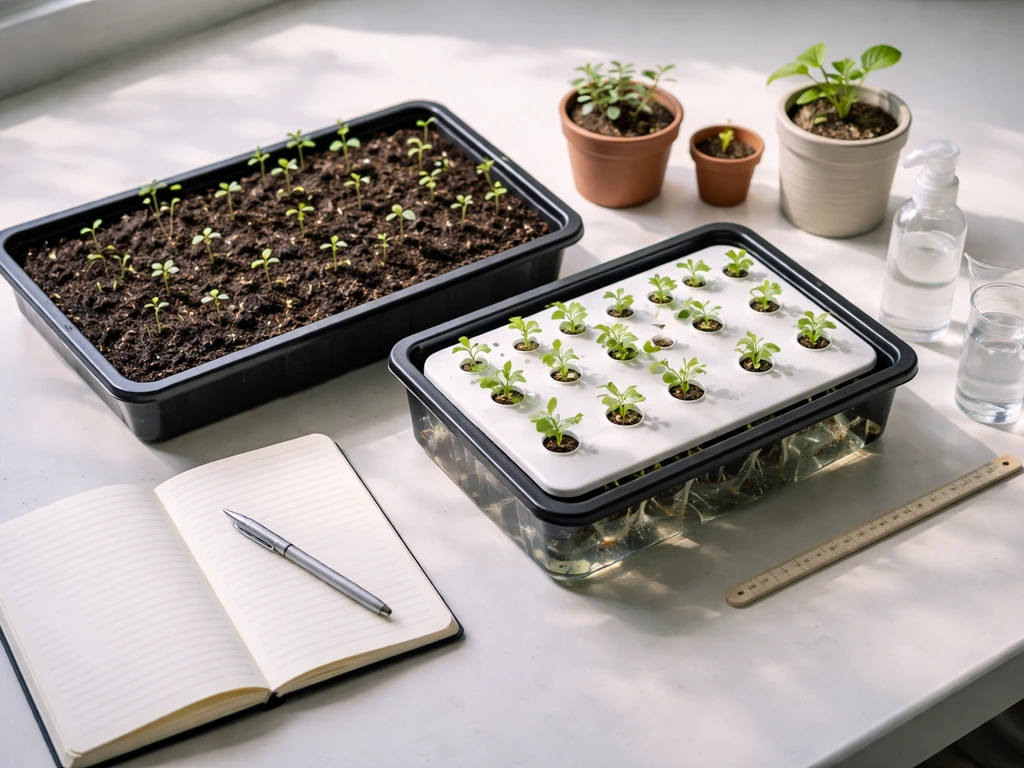
FloraNova Grow works in both setups, but soil and hydro are genuinely different environments and the dosing approach reflects that. Here's where the methods diverge:
| Factor | Soil / Container | Hydroponics / Soilless |
|---|---|---|
| Starting dose | Begin at 2–3 mL/gal; soil buffers nutrients | Can start slightly higher; no soil buffer |
| pH target | 6.0–6.5 for nutrient availability in soil | 5.5–6.5; tighter control needed |
| Frequency | Every watering or every other watering | Continuous or every res change (7–10 days) |
| Salt buildup risk | Higher; flush every 2–4 weeks | Lower with recirculating systems; still change res |
| EC monitoring | Optional but helpful; check runoff | Essential; check reservoir daily or every other day |
| Topping off | Just water between feedings | Plain water between full nutrient changes |
In soil, the medium itself acts as a buffer, which means plants are less immediately sensitive to small dosing errors. That's a small grace for beginners. In hydro, the plant's roots are directly in the solution, so pH drift or EC spikes hit faster and harder. If you're running a deep water culture, NFT, or recirculating drip system, monitoring your reservoir readings every day or two is not optional, it's the job.
One more difference worth flagging: in hydro, keep your nutrient solution temperature below 75°F (24°C) and keep it aerated. Warm, stagnant water is where root problems start. A small aquarium air pump and airstone costs almost nothing and eliminates a major risk factor in recirculating setups.
pH and EC targets, and what to do when readings go wrong
What the targets are
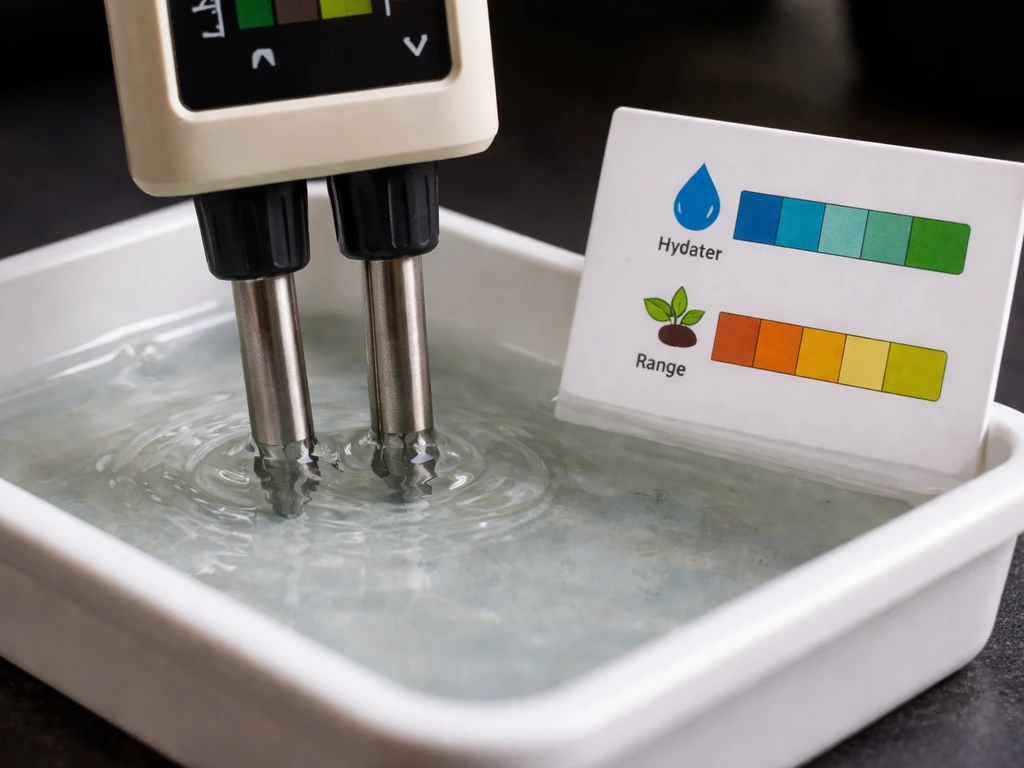
The FloraNova Grow label gives a pH range of 5.0 to 6.5. The product webpage recirculating guidance narrows that to 5.5 to 6.5. In practice, aim for 5.8 to 6.2 in hydro and 6.0 to 6.5 in soil. That narrower window keeps most macro and micronutrients available simultaneously. The wider 5.0 to 6.5 range on the label is the outer boundary, not the daily target.
For EC, the FloraSeries guidance shows seedling and clone solutions at 0.6 to 0.8 mS/cm, climbing toward 1.4 to 2.0 mS/cm during peak veg. Use your meter, not just a dose calculation, because your tap water's baseline EC affects the final reading. If your tap water comes in at 0.4 mS/cm, that's already contributing to your total. Subtract your source water EC from your target to know how much nutrient-driven EC you're actually adding.
Troubleshooting pH and EC problems
- pH too high (above 6.5): Add GH pH Down in small increments, mix well, recheck. Don't overshoot. High pH locks out iron, manganese, and zinc, which shows as yellowing between leaf veins (interveinal chlorosis).
- pH too low (below 5.5): Add GH pH Up, mix, recheck. Low pH can cause calcium and magnesium deficiencies and, in soil, can damage beneficial microbial life.
- EC too high (solution too strong): Dilute with fresh water. If your reservoir EC is climbing over several days, your plants are consuming water faster than nutrients, which is common in hot or bright conditions. Top off with plain water to bring it back down.
- EC too low (solution too weak): Add a small additional dose of FloraNova Grow, mix, and recheck before feeding. Calculate based on the volume you're adjusting.
- pH keeps drifting back after adjustment: This often signals a buffering issue from bicarbonates in tap water. Try using RO or filtered water as your base, or pre-treat tap water with a small amount of pH Down before adding nutrients.
- Runoff EC in soil is much higher than what you're feeding: Salts are building up in the medium. Flush the pot with plain, pH-adjusted water until the runoff EC drops closer to your input.
Reading your plants: signs of under and overfeeding
Your meter gives you numbers. Your plants give you the real answer. Here's what to watch for and how to respond.
Underfeeding signs
- Pale or light green leaves across the whole plant, starting with older (lower) growth: classic nitrogen deficiency. Bump your dose up by 0.5–1 mL per gallon and monitor for 3–5 days.
- Slow growth, small leaves, thin stems despite adequate light: the plant isn't getting enough fuel. Check both your dosage and your pH, since a correct dose at the wrong pH still won't feed the plant.
- Yellowing starting at leaf edges on lower leaves with otherwise green foliage: could be potassium shortage. Verify your EC is in range and pH is dialed in before assuming it's a dosing issue.
Overfeeding signs
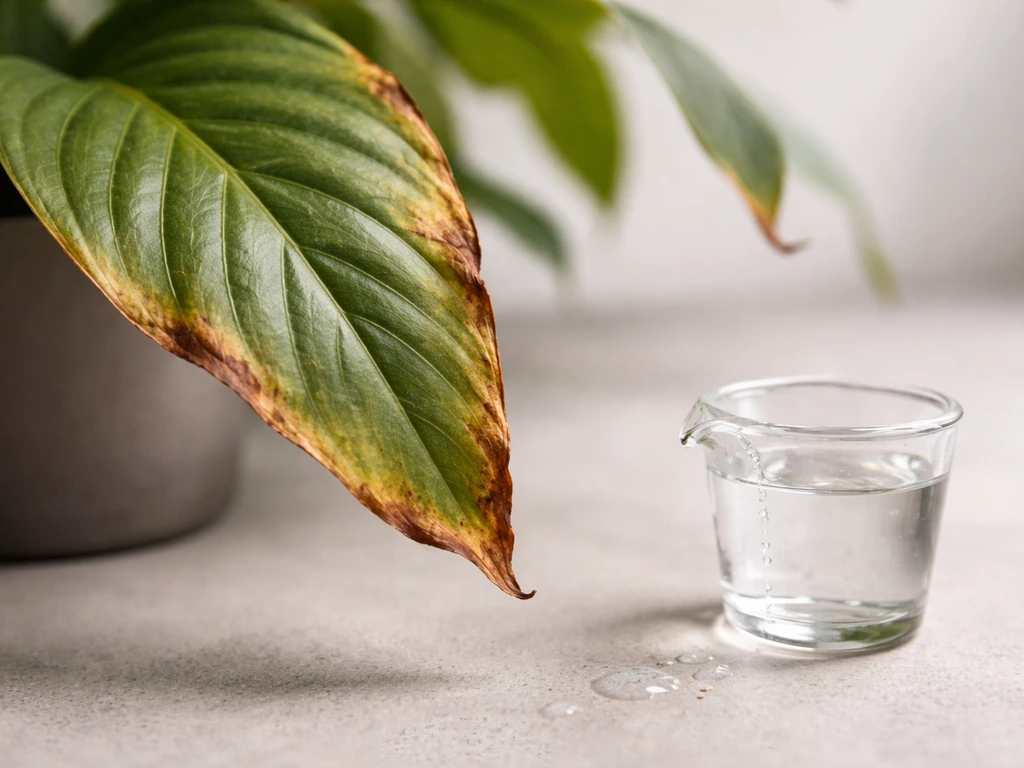
- Tips and edges of leaves browning or curling (nutrient burn): your EC is too high. Flush with plain water, then resume feeding at a reduced dose (drop by 1–1.5 mL per gallon).
- Leaves curling downward (clawing): excess nitrogen is a common cause, especially in hydro. Reduce your FloraNova Grow dose and check that you haven't let the solution become concentrated from water evaporation.
- Sudden wilting despite moist medium or adequate reservoir: high-salt concentration causes osmotic stress. Flush or change the reservoir with plain water immediately.
- Crusty white or tan deposits around container drainage or hydro net pots: salt buildup. Flush the system or medium and rebuild from a fresh, correctly dosed solution.
Environmental conditions change how plants respond to the same dose. GH's label makes this point clearly: in hot, bright, or arid conditions, plants consume more water relative to nutrients, which concentrates the solution over time. If your grow space is running warm or your lights are intense, lean toward the lower end of the dosage range and top off aggressively with plain water between feedings. This is one of the most common reasons growers see burns even at doses that looked fine on paper.
Mix your first batch right now: a quick-start walkthrough
Here's a practical walk-through you can follow today, whether you're setting up a hydro reservoir or mixing a gallon for soil feeding.
- Decide your water volume. One gallon (3.79 L) is a good starting batch. Fill your container or reservoir with room-temperature water.
- Shake the FloraNova Grow bottle for 15–20 seconds. It settles and needs to be uniform before you measure.
- Choose your dose based on stage: 2 mL/gal for seedlings or clones, 3–3.5 mL/gal for early veg, 4.5–5 mL/gal for mid to full veg.
- Use a 1 mL or 5 mL syringe for accuracy. Add the measured dose to your water and stir well for 30–60 seconds.
- Check EC with your meter. Compare to target: seedlings 0.6–0.8 mS/cm, early veg 0.8–1.2 mS/cm, full veg 1.4–1.8 mS/cm. Adjust dose if needed.
- Check pH. Target 5.8–6.2 for hydro, 6.0–6.5 for soil. Use GH pH Up or Down in small drops, stir, and recheck.
- Wait 5 minutes, then do a final pH check before feeding. pH can shift slightly after adjustment.
- Feed your plants or fill your reservoir. For hydro, note the starting EC so you can track drift over the next few days. For soil, water until you get 10–15% runoff and measure runoff EC if you have a second reading to compare.
- Set a reminder to check your reservoir EC and pH again in 48 hours if you're running hydro, or to do your next feeding in 2–3 days if you're in soil.
That's the whole process. Once you've done it a few times it takes under 5 minutes. The habit of checking EC before and after pH adjustment, and logging what you find, builds a feed history that makes troubleshooting much faster later on. If you want to dig deeper into feeding frequency specifics, exploring how often to use FloraNova Grow for different system types is a natural next step.
For a related vegetable-cycle comparison, see also how valerian grow best harry potter plants are typically handled when you are matching the right feeding approach to growth stage and conditions. If you're also exploring alternatives for how carbon and nutrient inputs are managed, check out flora grow carbo co2 alternative next. If you're planning mhw botanical research what to grow, use the growth-stage guidance to match which plants need a vegetative nutrient program before switching products later.
If you are thinking about valerian, plan your vegetative nutrient program carefully so the plants get consistent growth support before you switch to a different approach valerian grow best harry potter. If you want to dig deeper into how to time and tailor feeding for valerian, see related guidance on valerian grow best.
And if you're also running soil-specific nutrient programs, comparing the FloraNova Grow approach to something like a terra grow dosage schedule is worth doing side by side, since the methods differ enough to matter.
FAQ
Can I use FloraNova Grow at 5 mL per gallon for the whole grow, including early flower?
No. Once flowers appear, you should switch to FloraNova Bloom. Continuing with the Grow formula during bloom can push too much nitrogen and lead to slower, looser flowering (or more vegetative growth), even if your EC and pH look correct.
What’s the safest way to increase dosage if my EC is low?
Raise it in small steps (for example, 0.5 to 1 mL per gallon at a time), then retest after mixing is fully dissolved and the meter has stabilized. Always add nutrient to the final planned reservoir volume, then recheck pH and EC rather than adjusting only one variable.
Do I adjust pH first or EC first when mixing FloraNova Grow dosage?
Adjust and measure EC, then pH. Changing pH can slightly affect EC readings, so if you pH first and then add more nutrient to correct EC, you may overshoot the concentration and end up with nutrient stress.
If my reservoir EC is climbing each day, should I add more nutrients or just top off?
Top off with plain water, not more nutrient, when the EC is rising. A rising EC usually means water is evaporating faster than nutrients are being consumed, so the concentration is concentrating over time.
Should I measure EC after pH adjustment or measure before pH adjustment?
Measure EC after you mix nutrients into the full volume, then again after pH adjustment if you want a precise record. The key is consistency: use the same order each time, so your feed history tells you what actually changed.
How do I calculate how much FloraNova Grow to add if my tap water already has EC?
Start by measuring source-water EC, then aim for the target EC minus your source EC to estimate the nutrient-driven contribution. If your meter reads in different units, convert consistently (mS/cm versus PPM) so you do not accidentally double-count the baseline.
My pH reads fine in the reservoir but my plant symptoms look like pH issues. What should I check?
Check for salt buildup and flow problems, especially in soil or older media. Even if the reservoir or mix looks correct, roots can experience different pH in the root zone due to depleted ions, restricted drainage, or uneven wetting.
Is FloraNova Grow okay in soil if I don’t want to flush frequently?
It can work, but you still need periodic drain-and-replace or flushing to prevent salt accumulation. In practice, if you see leaf tip burn, crusty topsoil, or steadily rising runoff EC, increase flushing frequency rather than adding more nutrient.
What should I do if I accidentally mixed too strong (too much FloraNova Grow)?
Do not try to fix it only by adjusting pH. Either dilute by adding plain water to bring EC back down, or remove part of the solution and replace with fresh water plus the correct nutrient amount. Recheck EC and pH after the correction to confirm the final target.
Does nutrient temperature matter for dosage effectiveness in hydro?
Yes. Warmer solution (above about 75°F, 24°C) and poor aeration can increase root stress and make your plants respond as if the dosage is harsher. In that situation, reduce EC slightly and prioritize aeration before increasing feeding.
How often should I measure EC and pH in hydro, and what if readings stay stable?
In recirculating hydro, measure every day or two. If EC and pH remain stable, you likely have a good balance, but still verify reservoir volume trends (top off with water) and watch plant response, since consumption rates can change with light intensity and temperature.
Can I switch from FloraNova Grow to Bloom later than “first flowers” to save time or product?
It’s better to switch promptly at the start of flowering, not later. If you wait, the nitrogen-heavy profile can extend vegetative behavior and delay or weaken bud development, even when your EC and pH targets are within range.