For most home growers, the practical answer is: one plant per 1–3 gallons of soil for small herbs and leafy greens, one plant per 5–7 gallons for medium plants like tomatoes or peppers, and one plant per 3–5 gallons of hydroponic reservoir volume for compact crops like lettuce. But before you grab a tape measure, it helps to know that "how much flora grow per gallon" is actually two different questions depending on whether you're mixing nutrients or sizing containers, and the answer shifts a lot based on what you're growing and how big you want it to get.
How Much Flora Grow Per Gallon: Soil and Hydroponics Guide
Marcus Holloway
6 May 2026
What "flora" and "gallon" actually mean here
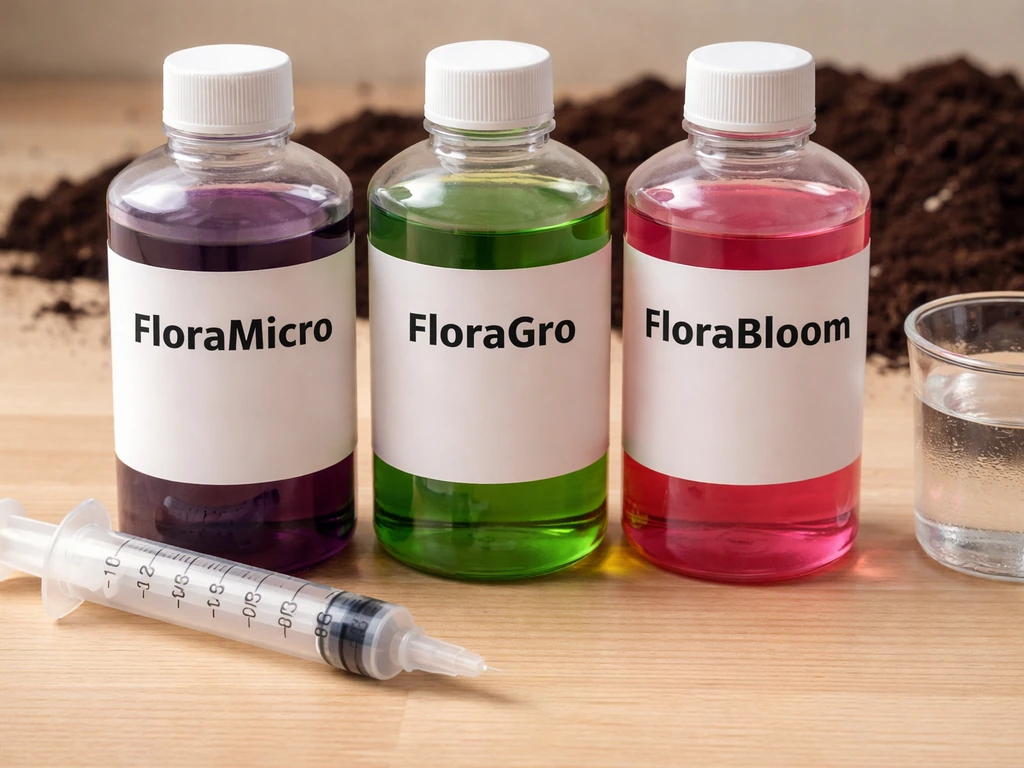
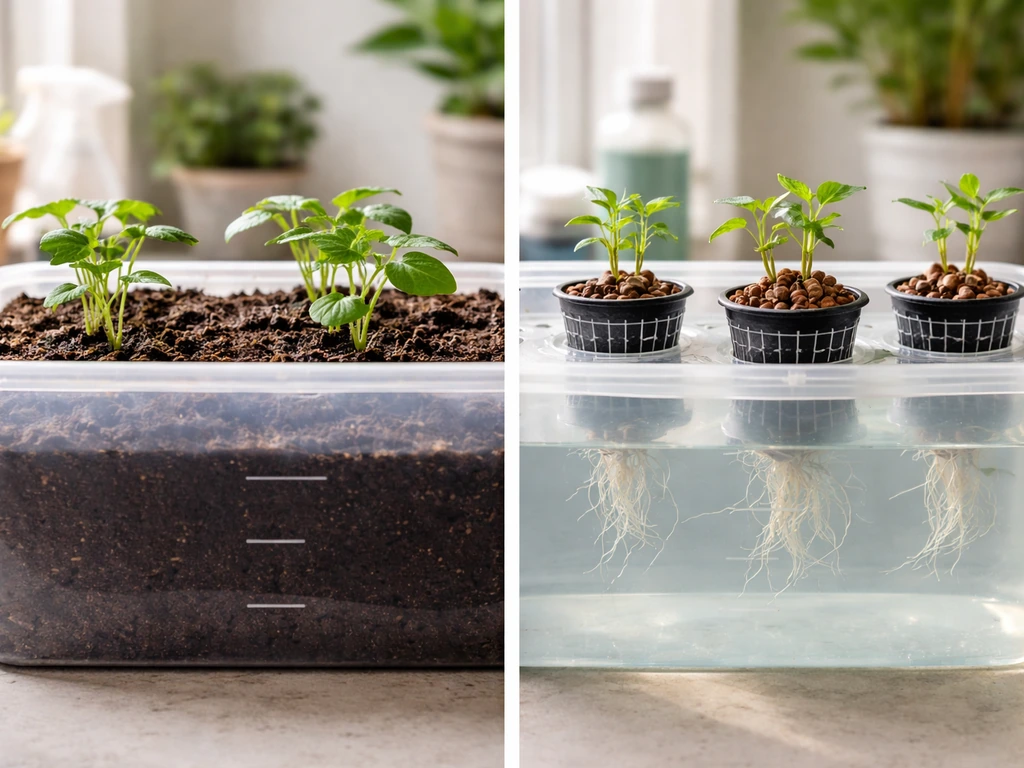
There's a good chance you landed here because you're using General Hydroponics' Flora series (FloraMicro, FloraGro, FloraBloom) and you're trying to figure out how much nutrient solution to mix per plant, or how many plants you can run off a given reservoir. The Flora feed charts list all dosages as milliliters per 1 U.S. gallon (3.79 liters) of nutrient solution. That means the "gallon" on those charts is about how strong you mix your water, not how many plants fit in a bucket. A 10-gallon reservoir doesn't automatically support 10 plants just because the math looks clean.
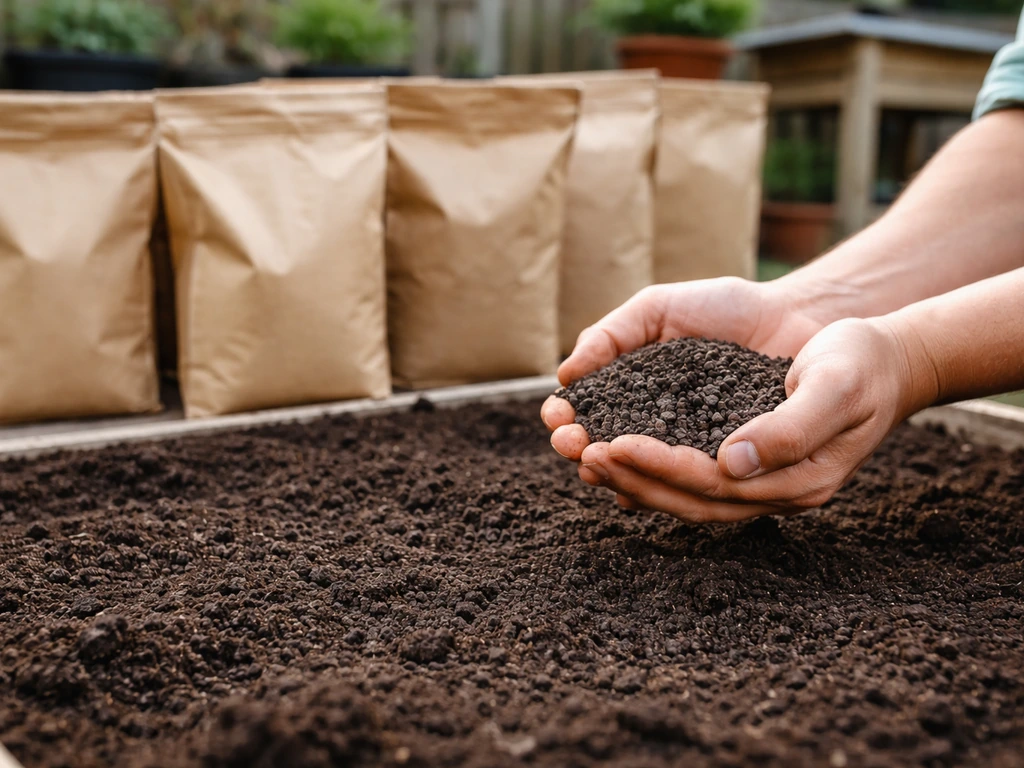
On the soil side, "per gallon" means pot volume, and that's really about root zone space. A 1-gallon pot holds roughly 3.8 liters of growing medium. That volume determines how much root mass can develop, how much water and nutrient the medium holds between waterings, and ultimately how large your plant can grow. So the core question becomes: how many gallons of root-zone space does each plant type need to thrive? Plant count and plant biomass are both valid versions of this question, but you need to answer it plant-by-plant rather than doing a simple division.
Soil containers: how much pot per plant
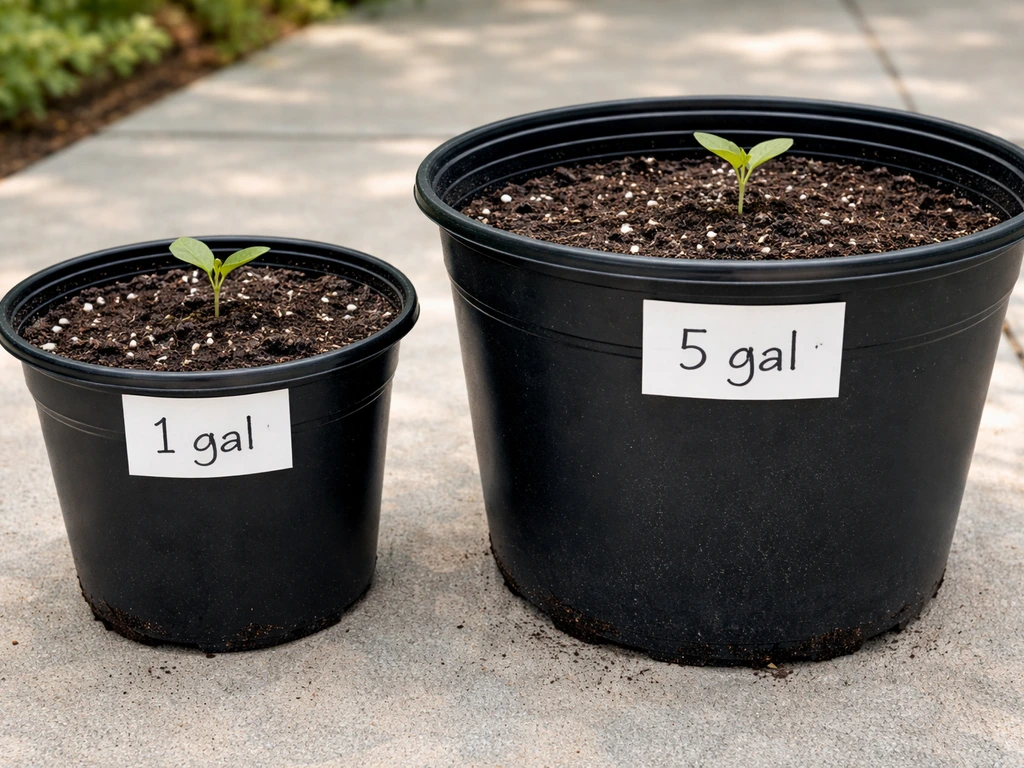
In soil, the rule is simple in concept but varies by crop. The container has to accommodate the root system, and the root system roughly mirrors the above-ground growth. A larger canopy needs a larger root zone to support it. A 1-gallon pot is genuinely fine for a single head of loose-leaf lettuce or a small herb like cilantro. A full-sized basil plant benefits from an 8 to 12 inch container, which works out to roughly 2 to 3 gallons. Go smaller and you'll be watering twice a day by midsummer and the plant will stall before it reaches full size.
For vegetables, the jump in pot size is real. Tomatoes, peppers, and cucumbers need at least 5 gallons per plant, and 7 to 10 gallons gives you noticeably better yields because the root system can develop fully without becoming pot-bound. University of New Hampshire Extension gives a container rule of thumb for tomatoes of about one tomato plant per roughly 4, 5 gallon container [one tomato plant per roughly 4–5 gallon container](https://extension. unh.
edu/resource/growing-vegetables-tomatoes-fact-sheet-1). University of Maryland Extension frames this well: match the container to both the plant's top growth and its root system, not just one or the other. A compact determinate tomato in a 5-gallon bucket will produce; the same plant crammed into a 2-gallon pot will struggle and fruit poorly.
| Crop | Minimum pot size (gallons) | Comfortable pot size (gallons) | Plants per pot |
|---|---|---|---|
| Lettuce (loose-leaf) | 1 | 1–2 | 1 |
| Herbs (basil, cilantro, parsley) | 1–2 | 2–3 | 1 |
| Spinach / arugula | 1 | 1–2 | 1–2 (thinned) |
| Pepper | 3–5 | 5 | 1 |
| Tomato (determinate) | 5 | 7–10 | 1 |
| Cucumber / squash | 5 | 7–10 | 1 |
| Cannabis (vegetative) | 3–5 | 5–7 | 1 |
| Cannabis (full cycle) | 5–7 | 10–15 | 1 |
Hydroponics: reservoir volume and plant spacing
In hydro, your "gallon" question has two parts: how much nutrient solution does each plant need in the reservoir, and how much physical space does each plant's root zone require in the system? These aren't the same number, and mixing them up is one of the most common beginner mistakes.
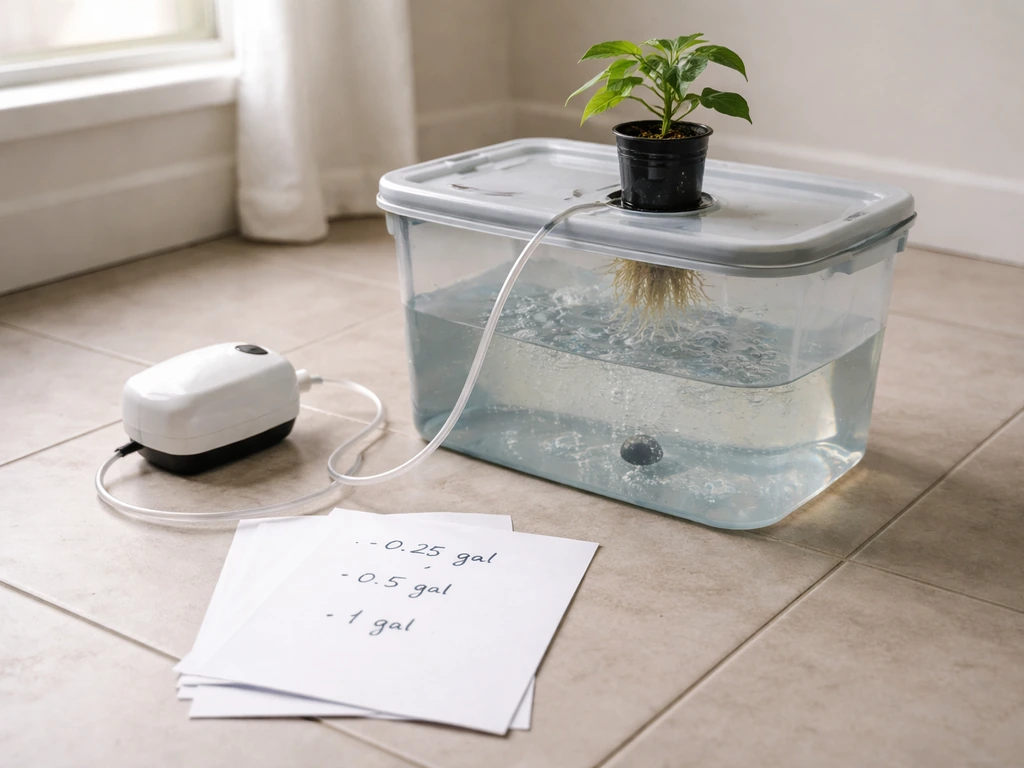
For reservoir sizing, Virginia Tech's NFT research gives a solid starting benchmark: plan for one-quarter to one full gallon of reservoir capacity per plant. For small crops like lettuce in a nutrient film technique (NFT) channel, the lower end works fine. For larger, thirstier plants in deep water culture (DWC) or ebb-and-flow setups, push toward or past 1 gallon per plant. Plants drink at different rates depending on growth stage, and as they drink the water level drops, which directly affects how much oxygen is available at the roots.
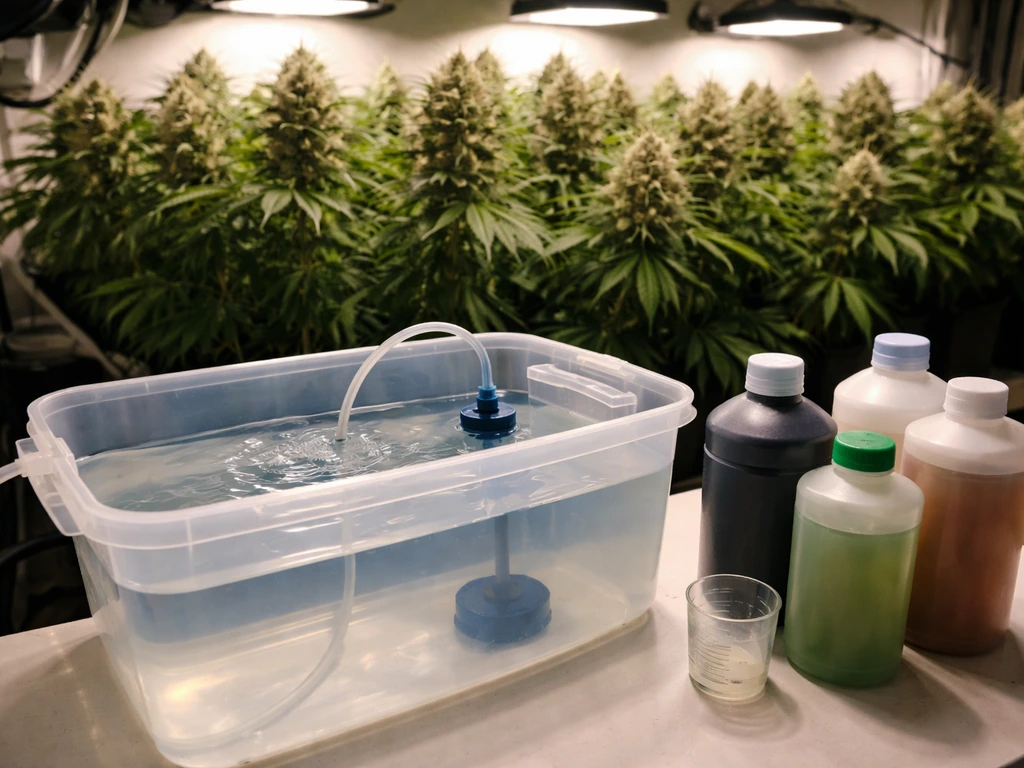
Oxygen is the non-negotiable constraint in hydroponics. Dissolved oxygen above 6 ppm is the target for healthy root function. When roots sit in poorly aerated solution, they're essentially being suffocated, even if the nutrient balance is perfect. This is why you can't just scale up plant count linearly with reservoir size. A 10-gallon DWC reservoir could theoretically support 10 plants on the math alone, but crowded roots competing for oxygen in the same solution will underperform or die. Most home growers running DWC are comfortable with 2 to 5 gallons of reservoir per plant depending on crop size.
Spacing matters just as much as volume. In NFT systems, lettuce is typically placed in holes spaced 8 inches apart in channels that are also spaced 8 inches apart. That physical spacing constraint often limits plant count more than reservoir volume does. In a 4-foot channel with 8-inch spacing you fit 6 plants, regardless of whether your reservoir technically has "enough" water for more.
Rules of thumb by plant type
Herbs and leafy greens
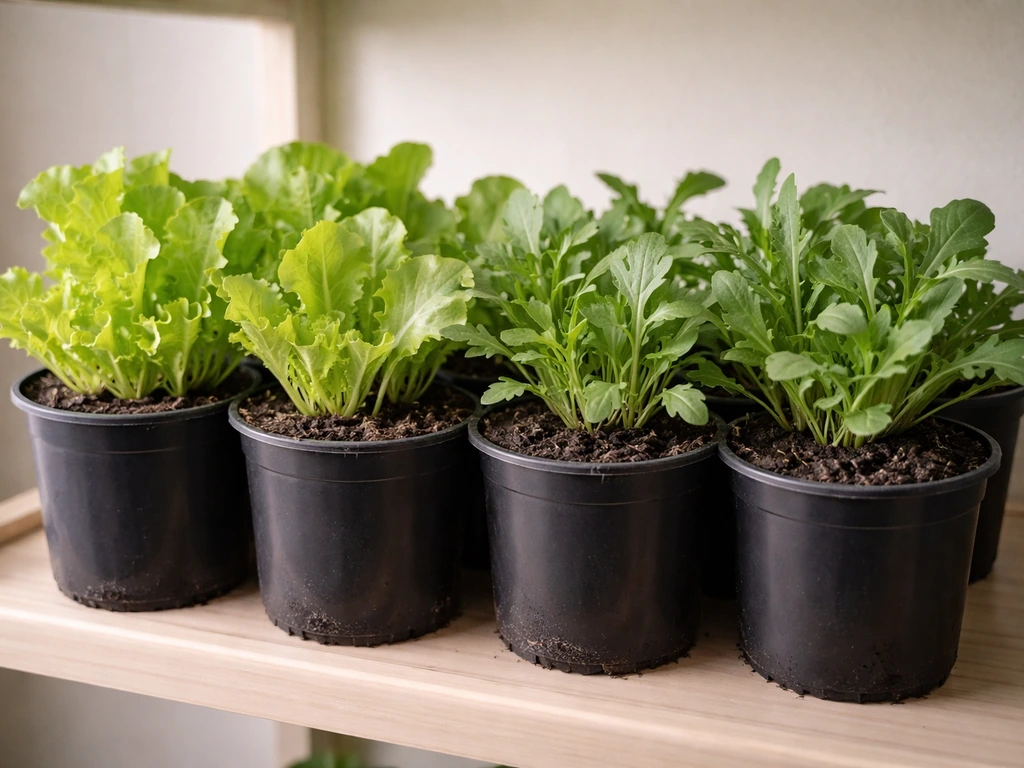
These are the easiest crops to work with because their root systems stay compact. In soil, 1 gallon per plant is your working number for single-harvest crops like lettuce or arugula. In hydro, you can run as little as a quarter gallon of reservoir per plant in a well-aerated NFT system, or about half a gallon to 1 gallon per plant in DWC. Basil wants slightly more root room than lettuce, so bump herb containers to 2 gallons in soil and 1 gallon of reservoir per plant in hydro.
Fruiting vegetables (tomatoes, peppers, cucumbers)
These plants run large root systems to support heavy fruiting. In soil, 5 gallons is your minimum; 7 to 10 gallons is where they actually perform. In hydro, plan for at least 2 to 3 gallons of reservoir per plant, with strong aeration, and give each plant its own net pot or dedicated channel space. Trying to run 4 tomato plants in a 5-gallon DWC bucket will end badly, usually around week 4 when the roots mat together and oxygen levels crash.
Cannabis
Cannabis root volume requirements change with growth stage. A seedling is happy in a 1-gallon solo cup for the first few weeks. A plant being vegged for 4 to 6 weeks should move to a 3 to 5 gallon pot. For a full indoor grow cycle (veg plus flower), most experienced growers land on 5 to 7 gallons per plant as the sweet spot for canopy size versus root health.
Going to 10 to 15 gallons only makes sense if you're running a long veg or doing large outdoor containers. In hydro, cannabis does well in 3 to 5 gallons of reservoir per plant in a well-aerated DWC or recirculating system, with the Flora series nutrient dosage adjusted by growth stage per the feed chart (all measurements per 1 gallon of mixed solution).
How to calculate the right setup for your space
Start with what you're growing and what size you want it to reach at harvest. Then work backwards: what container or root-zone volume does that plant need at peak size? Here's a simple three-step process:
- Pick your target plant size and look up the mature root spread for that crop. A head lettuce has a root spread of roughly 6 to 8 inches; a full tomato plant can spread 12 to 18 inches of root. That root spread tells you minimum container diameter and depth.
- Convert that root volume to gallons. A container that is 8 inches in diameter and 8 inches deep holds roughly 1.8 gallons. A 12-inch diameter, 12-inch deep container is close to 6 gallons. Use the formula: Volume (gallons) = (π × radius² × depth in inches) ÷ 231. This gives you a baseline soil volume per plant.
- For hydro, add an aeration buffer. Take your calculated root-zone volume, then add 25 to 50 percent for reservoir headroom so the water level drop as plants drink doesn't starve the roots of oxygen. If your root zone needs 2 gallons, your reservoir should be at least 2.5 to 3 gallons per plant.
Growth stage also changes the math. You can start seedlings in 1-gallon pots and transplant up as the root system grows. A common approach is a three-stage progression: seed tray or 1-gallon starter pot, then 3-gallon intermediate container, then final pot (5 to 15 gallons depending on crop). Skipping stages and planting a seedling directly into a 10-gallon pot is usually fine for root development but can cause overwatering issues early on because there aren't enough roots to drink the volume of soil you're wetting.
The mistakes that kill plant density before it starts
Overcrowding the root zone
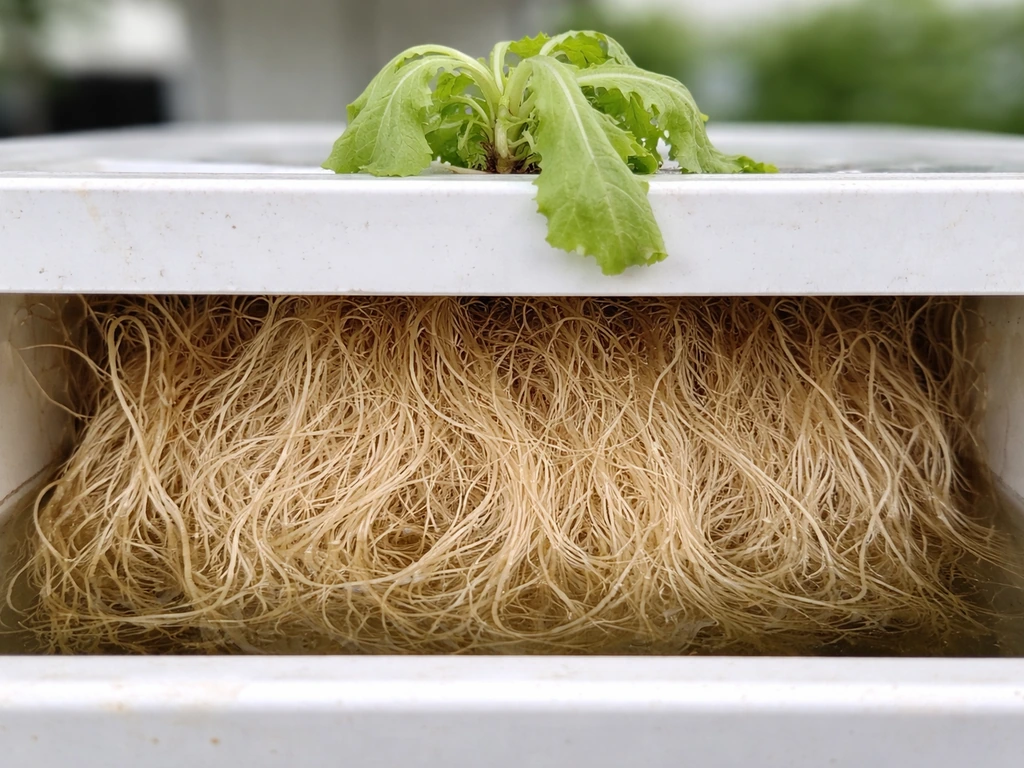
This is the most common one. Two plants in a 1-gallon pot look fine at week 2 and become a stunted, root-bound mess by week 5. Roots circle the container, can't expand, and the plant spends energy trying to find space instead of producing leaves or fruit. The fix is simple: one plant per pot, sized correctly from the start.
Root suffocation in hydroponics
In any water-based system, oxygen deprivation is functionally the same as overwatering in soil. Roots sitting in stagnant, low-oxygen solution stop taking up water and nutrients even when both are plentiful. The symptom looks like nutrient deficiency or wilting despite wet conditions. Keeping dissolved oxygen above 6 ppm, using air stones, and not overcrowding your reservoir are the practical fixes. Don't run more plants than your aeration system can support.
Misreading the nutrient "per gallon" dosage
If you're using the General Hydroponics Flora series, the feed chart tells you how many milliliters of FloraMicro, FloraGro, and FloraBloom to add per gallon of water you're mixing. If you're aiming for organic-style growing, focus on how your nutrient plan and water mixing support healthy roots rather than just the Flora per-gallon math. It is not telling you how many plants that gallon feeds. A 5-gallon reservoir mixed at [Flora's recommended rates](https://generalhydroponics.
com/pages/flora-series-3-part-feed-program) feeds however many plants you've put in the system, as long as the reservoir volume is appropriate for that plant count. Confusing dose concentration with plant capacity leads to either overfeeding (mixing too strong because you're trying to compensate for "not enough per plant") or simply misunderstanding why your plants are still struggling.
Underestimating water and nutrient demand at peak growth
A small seedling and a flowering plant have radically different thirst levels. A tomato plant in a 5-gallon DWC bucket during peak flowering can drain a significant portion of that reservoir in 24 to 48 hours in warm conditions. If you set up a plant count based on early-stage consumption, you'll find yourself struggling to maintain solution levels and EC targets as plants mature. Size your reservoir for the plant's peak demand, not its day-one demand.
Checklists and example layouts to use right now
Indoor soil setup checklist
- Identify your crop and its mature root spread before buying containers
- Use 1-gallon pots for herbs and lettuce, 5-gallon minimum for fruiting vegetables, 5–7 gallons for cannabis
- One plant per container, no exceptions for large plants
- Leave 2–4 inches between pot edges for air circulation
- Plan a transplant schedule if starting in seedling trays: tray to 1-gallon to final pot
- Match watering frequency to container size (smaller pots dry out faster and need more frequent watering)
Indoor hydroponic setup checklist
- Plan for 0.25 to 1 gallon of reservoir volume per plant for small crops, 2–3 gallons per plant for large crops
- Target dissolved oxygen above 6 ppm; use air stones sized for your reservoir volume
- Space net pots at least 8 inches apart (center to center) for lettuce and herbs in NFT or raft systems
- Do not exceed the plant count your aeration system can support
- Mix Flora series nutrients per the feed chart (all doses are per 1 gallon of solution, not per plant)
- Check and top off reservoir daily once plants are in active growth
Example indoor layouts
| Setup | Container/reservoir size | Plants | Crop |
|---|---|---|---|
| 2x2 tent, soil | Four 1-gallon pots | 4 | Lettuce or herbs |
| 2x2 tent, soil | One 5-gallon pot | 1 | Determinate tomato or cannabis |
| 2x4 tent, soil | Four 5-gallon pots | 4 | Peppers or cannabis |
| 5-gallon DWC bucket, single | 5 gallons | 1–2 (small herbs) | Basil, lettuce |
| 10-gallon DWC, single | 10 gallons | 1 | Cannabis, tomato |
| 4-foot NFT channel | 8-inch spacing, shared 5-gallon reservoir | 6 | Lettuce |
| 3x3 tent, DWC | Three 5-gallon buckets | 3 | Cannabis (full cycle) |
Outdoor container gardening checklist
- Use dark-colored or fabric pots to prevent root overheating in direct sun
- Size up one container size from indoor recommendations because outdoor plants grow larger and faster
- Group containers together to reduce water loss from exposed sides
- In hot climates, 7-gallon minimum for tomatoes and peppers to prevent root zone heat stress
- Water daily or twice daily in summer heat; smaller containers dry out in hours on hot days
- One plant per container for any fruiting crop; herbs can be clustered in larger pots (3-gallon minimum for a cluster of 3 small herbs)
If you're also trying to dial in exactly how to mix and apply the General Hydroponics Flora series across your grow cycle, the feed chart ratios and week-by-week nutrient progressions are worth understanding in detail. Getting the "per gallon" mixing right matters just as much as having the right container or reservoir size, and knowing how those two variables interact is what separates a decent harvest from a great one. If you're looking for a related, step-by-step approach to holland secret grow how to use, compare it with how you adjust reservoir and nutrient dosing when you set up your Flora regimen. If you want a quick guide for mixing and applying Flora nutrients, focus on the feed chart ratios for your growth stage and how much solution you plan to prepare Flora grow how to use.
FAQ
If the Flora feed chart is per gallon, how do I figure out how much mixed nutrient solution to make for multiple plants?
Use the reservoir volume to decide how much you mix, not the number on the “per gallon” chart. For example, mix based on the total liters or gallons your tank will hold at fill, then dose according to the chart for each gallon of that mixed solution. If you plan to top off or do partial reservoir changes, dose based on the volume you add each time, since the chart assumes you’re mixing that specific gallon amount at the target strength.
Do I need to increase nutrients as plants get bigger if I keep the same reservoir volume?
You usually need to adjust concentration and volume for peak demand, but not by trying to “add extra per plant” based on early growth. The practical trigger is maintaining your EC (or nutrient strength) targets as plants consume water and nutrients unequally during growth. As consumption rises, top off with water when solution is becoming too concentrated, or replace with fresh solution if strength drifts and you can’t correct it safely.
What’s the difference between “plants per gallon” and “gallons per plant,” and which one should I use?
In soil and hydro, the reliable metric is gallons (root-zone or reservoir capacity) per plant, because it reflects space and buffering for roots. “Plants per gallon” is easy math but often wrong in real systems due to oxygen limits, canopy size, and spacing constraints (especially in NFT channels). If your goal is yield and root health, size for gallons per plant and then check spacing to confirm plant count.
Can I pack extra plants into a hydro reservoir if I use stronger aeration or a bigger air pump?
Sometimes you can increase count slightly, but oxygen delivery depends on more than a bigger pump, like diffuser placement, air stone surface area, water temperature, and total dissolved oxygen you can sustain. If roots are crowded, oxygen demand rises faster than aeration can compensate, and you still get root oxygen stress (even with adequate EC). A safer approach is to start with conservative gallons per plant and only add plants if you can measure and maintain dissolved oxygen above the target range.
How does plant size at harvest affect container sizing if I’m tempted to start in small pots?
Starting small and transplanting can work, but you need the “next pot” ready on schedule. The risk of delaying too long is that the root mass becomes pot-bound before it has room to expand, which slows growth and reduces the time you have to build a full root system in the final volume. A good rule is to transplant when roots visibly fill the container and start circling or when growth stalls, not based strictly on calendar days.
What happens if I put more than one plant in a single soil pot that matches your per-plant gallon guideline?
You may get early growth, then rapid stunting because roots compete for the same volume and water-holding capacity. The symptom often looks like nutrient deficiency or wilting even though the soil remains wet, because root uptake becomes limited and the root zone stays crowded. If you want multiple plants, it’s usually better to increase container size enough for the combined root mass, or split into separate pots and manage watering per plant.
In NFT, if reservoir capacity seems low, why do plants still do okay (or fail)?
NFT success is driven more by flow, root oxygenation, and channel spacing than by how many total gallons the system holds. A thin film and frequent recirculation keep roots oxygenated, so lower reservoir “gallons per plant” can work. Failures happen when flow rate is too low, channels are clogged, or plants are packed closer than the spacing you can support, which forces roots into competition and reduces oxygen exchange.
How do I size reservoirs for plants with very different thirst, like lettuce vs tomatoes?
Size for the crop with the highest peak demand, or run them separately if you want consistent results. Lettuce typically stays compact and has steadier, lower consumption, while fruiting crops like tomatoes can rapidly change solution levels and EC as they move into peak flowering. If you mix crops in one reservoir, you’ll often end up underfeeding one crop or overconcentrating nutrients for the other as demand diverges.
What’s a common beginner mistake when calculating “per gallon” nutrient plans?
Confusing mixing strength with plant capacity. The chart tells you how many milliliters to add per gallon of mixed solution, it does not say how many plants that gallon can sustain. If you base plant count on “more plants means make it stronger” you can create overfeeding, salt buildup, and root stress instead of fixing the real limitation, which is root volume and oxygen availability.
Is it ever okay to exceed the recommended gallons per plant in hydro (more plants per bucket)?
It can be okay in controlled setups, but you should treat it like a stress test, not a default. If you exceed recommended density, you must verify oxygen performance and nutrient stability during peak demand. Use conservative plant increases at first, monitor root color and odor, track EC drift and water level changes, and be ready to add aeration or reduce plant count if roots begin browning or slowing.
For cannabis, how should I think about “gallons per plant” when moving through growth stages in hydro vs soil?
Don’t use the same container volume assumptions across stages. Seedlings can be in smaller root volumes briefly, then you should step up as roots expand and transpiration rises, because peak flower demand is what determines oxygen and nutrient uptake needs. In hydro specifically, the reservoir oxygen constraint is tight, so keeping reservoir volume appropriate for mid to late growth is more important than starting in a smaller cup early.