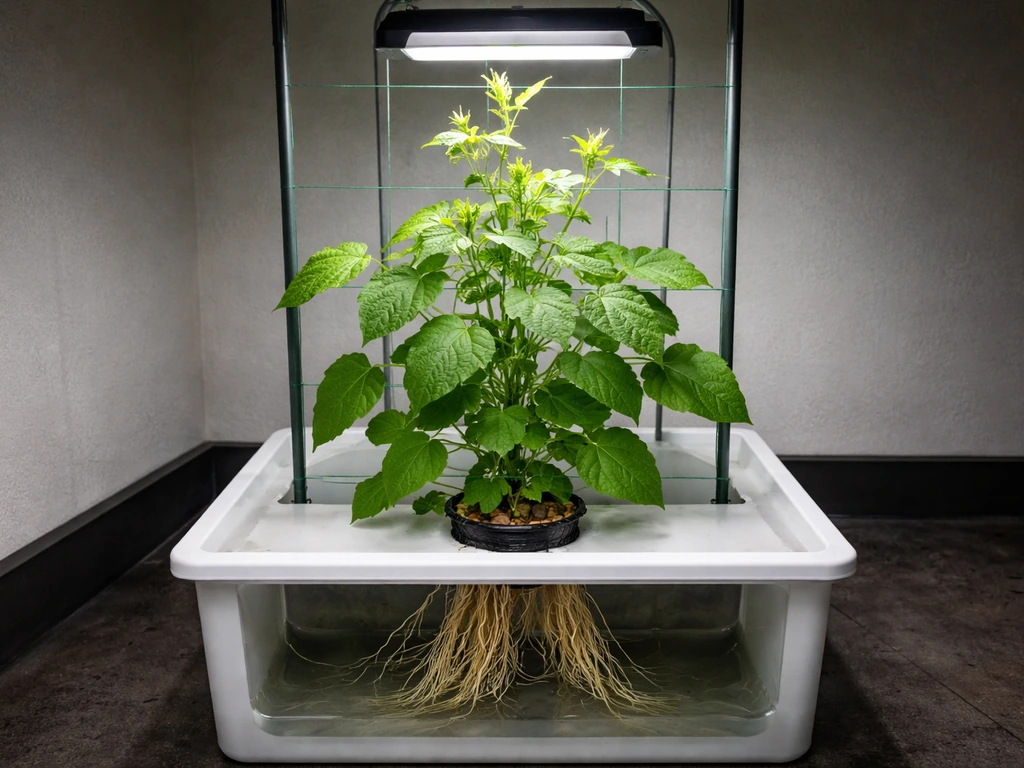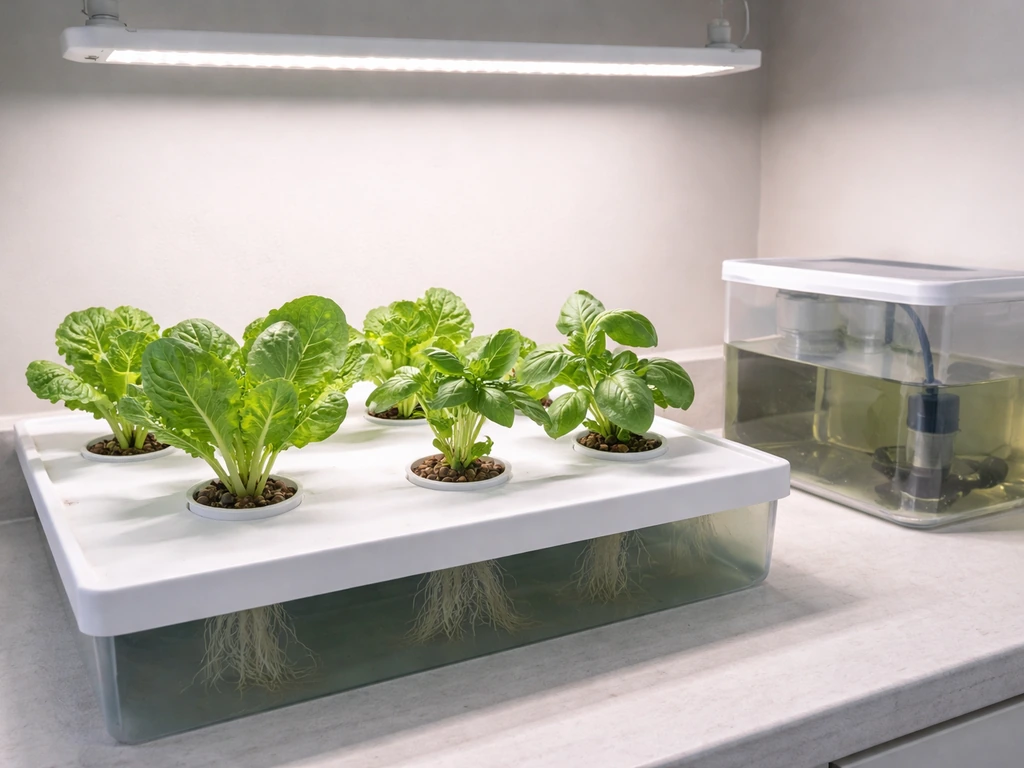
For most home growers, the best strains to start with hydroponically are fast-finishing, compact cultivars with predictable nutrient uptake and strong root systems. Think 'Buttercrunch' or 'Salanova' lettuce for beginners, 'Bright Lights' chard or 'Space' spinach for leafy greens, 'Sungold' or 'Sweet 100' cherry tomatoes for fruiting crops, and basil varieties like 'Genovese' or 'Dolce Fresca' for herbs. Each of these thrives because they match what hydroponic systems actually reward: moderate, consistent nutrient demand, tolerance of pH and EC swings, compact or manageable root architecture, and fast enough growth to show you results before problems compound. The rest of this guide breaks down exactly why, what to expect from each, and how to set up and dial in your system for whichever direction you want to go.
Best Strains to Grow Hydroponically: Top Cultivars Guide

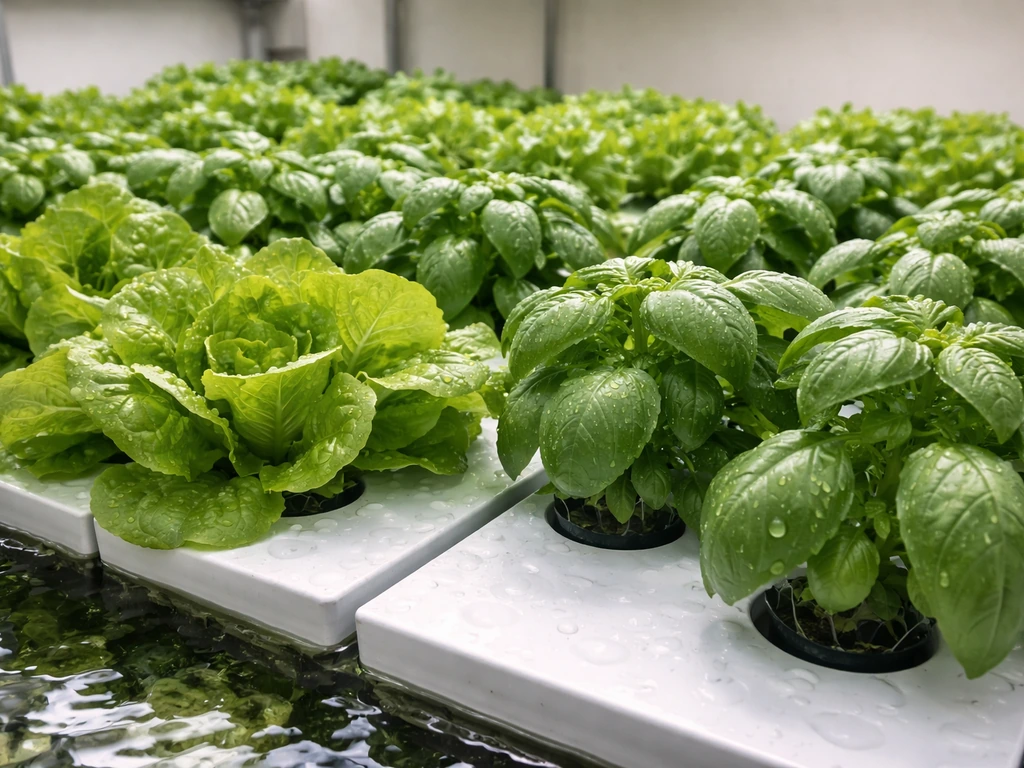
What makes a strain actually hydroponic-friendly
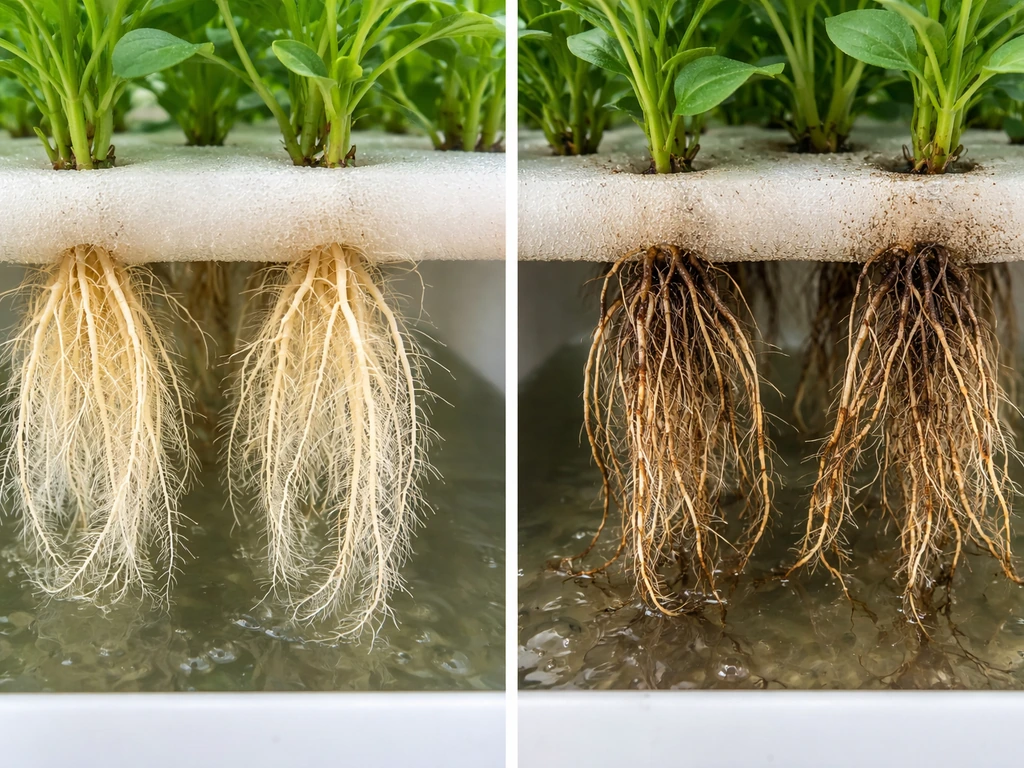
Not every plant that grows in soil translates well to a water-based system. Hydroponics is, as Penn State Extension puts it, less forgiving than soil. When something goes wrong with pH or nutrients, you'll see symptoms within days, not weeks. So the strains that succeed in hydro aren't just about yield potential; they're about how the plant behaves under controlled conditions.
Here's what separates a great hydroponic strain from a difficult one:
- Consistent, predictable nutrient uptake: Plants that spike and crash their appetite are hard to manage in a shared reservoir. The best hydroponic strains have smooth, steady demand across growth stages.
- Compact or manageable root architecture: Dense, fibrous root systems work better in most hydroponic setups than aggressive taproots. Root mass that fits the container without crowding the pump, net pot, or channel is essential.
- Tolerance of dissolved oxygen swings: Roots in hydroponics get their oxygen from the solution itself (or from air exposure during drain cycles). Strains that tolerate brief dips in dissolved oxygen survive pump outages or timer miscues far better. MU Extension recommends keeping dissolved oxygen above 6 ppm as an optimum target.
- pH range stability: A working hydroponic pH sits between 5.5 and 6.5 (UNH Extension gives a practical home range of 5.5 to 7.0, while OSU Extension often targets around 5.5 to 6.5 for nutrient availability). Strains with a narrow preferred pH are harder to keep happy when drift happens.
- Disease resistance, especially to Pythium: Root rot caused by Pythium water mold is the number-one killer in hydroponic systems, especially when solution temperatures rise and oxygen drops. Varieties with some genetic resistance, or at least tolerance of less-than-perfect conditions, give you more breathing room.
- Stretch control and size predictability: Compact or semi-determinate growth habits mean you can plan your space, light height, and trellis needs accurately. Indeterminate crops that sprawl are manageable but require more intervention.
- Fast harvest timing: Shorter seed-to-harvest windows mean faster feedback, faster corrections, and faster returns. Many hydroponic-optimized cultivars have been selected specifically for speed.
One thing worth flagging: the plants covered in this guide are vegetables, herbs, and fruiting crops. If you're looking at broader categories like greens, beans, or the most profitable hydroponic crops to grow commercially, those topics have their own nuances. If you are asking what is most profitable, the best approach is to compare expected yield, turnaround time, and how well each crop sells in your local market most profitable hydroponic crops to grow commercially. If you’re specifically wondering about beans, there are a few bean cultivars and system tweaks that perform especially well in hydroponics greens, beans. This guide zeroes in on which specific named cultivars perform best inside a home hydro setup.
Best hydroponic strains by goal
Easiest strains for beginners
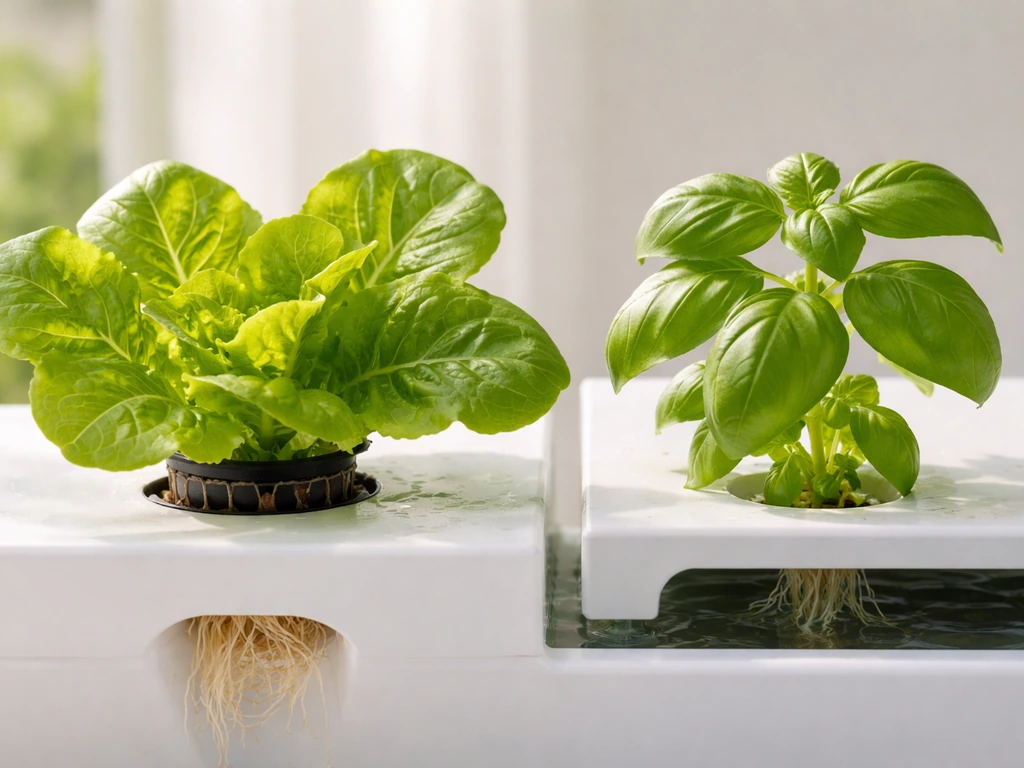
Start here if this is your first hydroponic grow or your first time managing a reservoir. These cultivars are forgiving of minor pH drift, don't demand precise EC management, and finish fast enough that you'll get multiple harvests while you're still learning.
- Buttercrunch Lettuce: The classic starter crop. Loose-head type, very forgiving of EC between 1.2 and 1.8 mS/cm (in line with UF/IFAS lettuce guidance), grows in 30 to 45 days from transplant, and works in almost every system type.
- Salanova Lettuce (Johnny's Selected Seeds): Specifically bred for hydroponic production. Single-serving head format, consistent growth habit, excellent in NFT and DWC. Johnny's lists this in their hydroponics variety insert as a top performer.
- Genovese Basil: Fast-growing, highly responsive to nutrient solution, and extremely productive under good light. Prone to bolting under heat or long days, but otherwise forgiving.
- Kale 'Red Russian' or 'Winterbor': Slower than lettuce but extremely tough. Handles pH drift and EC variability better than most leafy crops. Great for NFT channels.
- Swiss Chard 'Bright Lights': Visually striking, very easy to grow, tolerates a wide pH and EC range, and gives you a continuous cut-and-come-again harvest.
Fastest-finishing strains
If speed is your goal, whether to turn inventory quickly or just get results fast, these cultivars have the shortest seed-to-harvest windows in hydroponic conditions.
- Lettuce 'Black Seeded Simpson': Open-leaf type, harvest ready in 28 days from transplant in a warm DWC or NFT system. One of the fastest lettuce cultivars available.
- Arugula 'Astro': 21 to 28 days to baby-leaf harvest. Grows aggressively in hydro, loves cool nutrient solution temps (keep solution at or below 70°F).
- Radish 'Cherry Belle': 20 to 25 days to maturity. Works well in ebb-and-flow systems where periodic draining prevents waterlogging of the bulb.
- Spinach 'Space': Bred specifically for controlled environments. About 35 to 40 days to full harvest. Has some Pythium tolerance, which matters a lot in spinach—UF/IFAS notes spinach is particularly vulnerable to Pythium when solution temps are high and oxygen drops.
- Basil 'Dolce Fresca': A compact, globe-shaped basil that's ready for first harvest at 30 days and continues producing for months in DWC systems.
Highest-yield strains
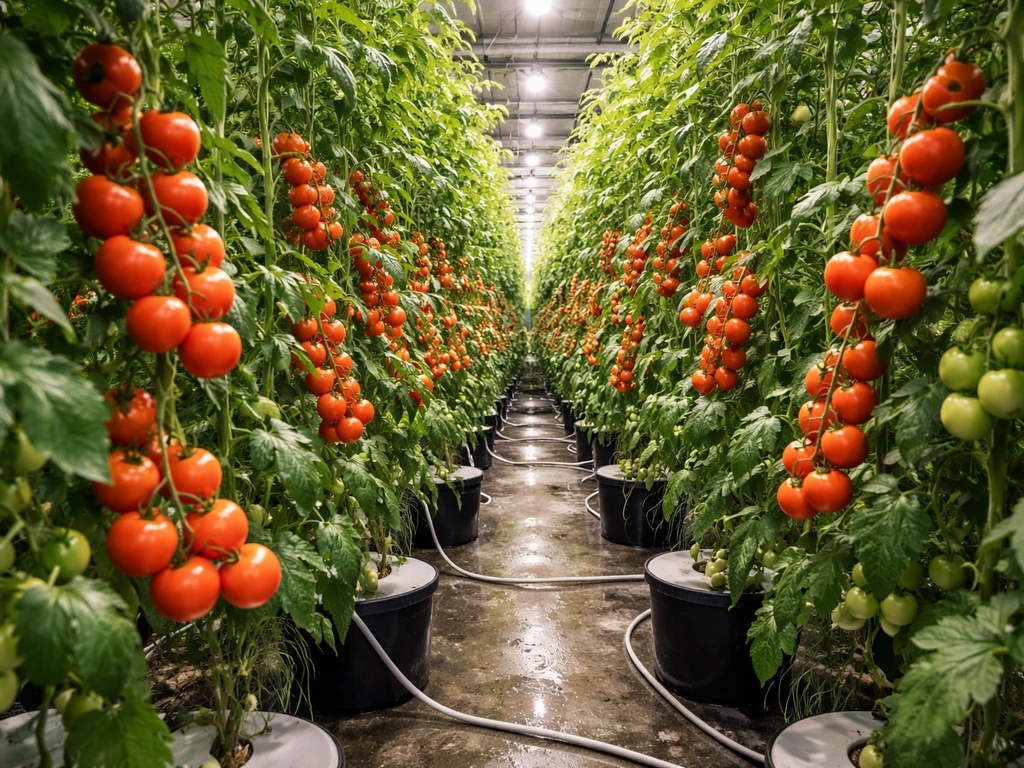
High-output strains generally need more space, more light, and more precise nutrient management, but the returns justify the effort once you've got your baseline dialed in.
- Tomato 'Sungold' (Cherry): Indeterminate, extremely prolific, sweet flavor. Needs RDWC or large DWC buckets, heavy-gauge trellis support, and EC around 2.5 to 4.0 mS/cm during fruiting. Expect 6 to 8 months of continuous production.
- Tomato 'Sweet 100' (Cherry): Similar to Sungold but slightly more disease-resistant. Good for slightly cooler grow rooms.
- Cucumber 'Tasty Green' or 'Diva': Both are parthenocarpic (no pollination needed), which matters indoors. Fast and very high-yielding in DWC or ebb-and-flow. Needs consistent moisture at root zone.
- Pepper 'Lunchbox' (Mini Sweet): Compact plant, heavy fruiting. Works well in individual DWC buckets. Slower to first fruit (60 to 70 days) but then produces continuously.
- Kale 'Winterbor': For leafy-green yield, this is the workhorse. Harvest the outer leaves repeatedly over months. EC around 1.6 to 2.5 mS/cm supports heavy leaf production.
Compact strains for small tents or tight spaces
- Lettuce 'Tom Thumb': A true miniature butterhead that fits 12 plants per square foot in DWC rafts.
- Basil 'Spicy Globe': Tight mounding habit, stays under 12 inches. Perfect for small NFT channels.
- Pepper 'Pot-a-Peno' Jalapeño: Container-bred, stays compact, and produces full-sized jalapeños in a small footprint.
- Strawberry 'Albion' Day-Neutral: Doesn't need cold vernalization, produces consistently year-round in a Dutch bucket or NFT channel, and stays compact.
- Spinach 'Corvair': Upright, semi-savoy leaf that stands up instead of sprawling. Fits tighter plant spacing than most spinach varieties.
Best flavor and potency strains
- Tomato 'Sungold': The flavor benchmark in hydroponic tomatoes. High brix when EC is pushed to 3.5 to 4.5 mS/cm during fruiting.
- Basil 'Napoletano': Larger leaf, intensely aromatic, slower than Genovese but noticeably more pungent. Grows well in DWC.
- Arugula 'Runway': More peppery and intense than 'Astro'. Slightly slower but worth it if flavor is the goal.
- Mint 'Spearmint' or 'Chocolate Mint': Hydroponic mint is extraordinarily productive and flavorful. Keep it isolated from other crops (aggressive root spread) and run EC low, around 1.2 to 1.6 mS/cm.
- Strawberry 'Seascape': Day-neutral like 'Albion' but with a more complex, aromatic flavor profile. Slightly more sensitive to EC fluctuations.
How to match your strain to your hydroponic system
The system you're running matters as much as the strain you pick. A crop that thrives in a deep water culture bucket may struggle in an NFT channel, not because of nutrient needs, but because of how roots interact with water, oxygen, and support media.
| System Type | How It Works (Brief) | Best Strain Matches | Watch Out For |
|---|---|---|---|
| Deep Water Culture (DWC) | Roots suspended in aerated nutrient solution 24/7 | Lettuce, basil, kale, chard, mint, tomato (large buckets) | Keep dissolved oxygen above 6 ppm; root rot risk rises fast if air pump fails |
| NFT (Nutrient Film Technique) | Thin film of solution flows over roots in channels; roots partly in air | Lettuce, arugula, spinach, basil, strawberry | Small root systems fit channels better; large fruiting crops can block flow |
| Ebb-and-Flow (Flood & Drain) | Tray floods periodically, then drains; roots get oxygen during drain phase | Radishes, peppers, cucumbers, strawberries, herbs | Flood timing matters; too-frequent flooding keeps roots wet and cuts oxygen |
| Aeroponics | Roots hang in air; misted with nutrient solution at intervals | Lettuce, spinach, strawberry, herbs | Highest oxygen exposure of any system; very sensitive to mister clogging and pH drift |
| RDWC (Recirculating DWC) | Multiple DWC buckets connected; solution recirculates | Tomatoes, cucumbers, peppers (large single plants) | Reservoir management critical; one sick plant can spread root pathogens to all |
For most beginners, DWC is the most forgiving active system because you have a large reservoir that buffers pH and EC swings better than a thin NFT film. That said, NFT is the go-to for lettuce and leafy greens at scale because it's space-efficient and the partially air-exposed root zone naturally reduces Pythium risk. If you want the best greens to grow hydroponically, use forgiving cultivars that finish quickly in your chosen system, like lettuce lettuce and leafy greens.
Ebb-and-flow works brilliantly for fruiting crops and anything with a heavier root system because the flood-and-drain cycle provides a natural oxygenation rhythm. Roots & Routes Hydroponics and Atlas Scientific both explain that this cycle of oxygenation during drainage is actually a core feature, not just a side effect, of the system.
Seedling-to-harvest setup for the top picks
Environment settings that apply to all strains
- Solution temperature: 65 to 72°F (18 to 22°C). Above 75°F, dissolved oxygen drops fast and Pythium pressure rises dramatically, as UF/IFAS documents with spinach.
- Dissolved oxygen: Target above 6 ppm (MU Extension recommendation). A simple aquarium air pump with airstones in DWC usually maintains this in a cool room.
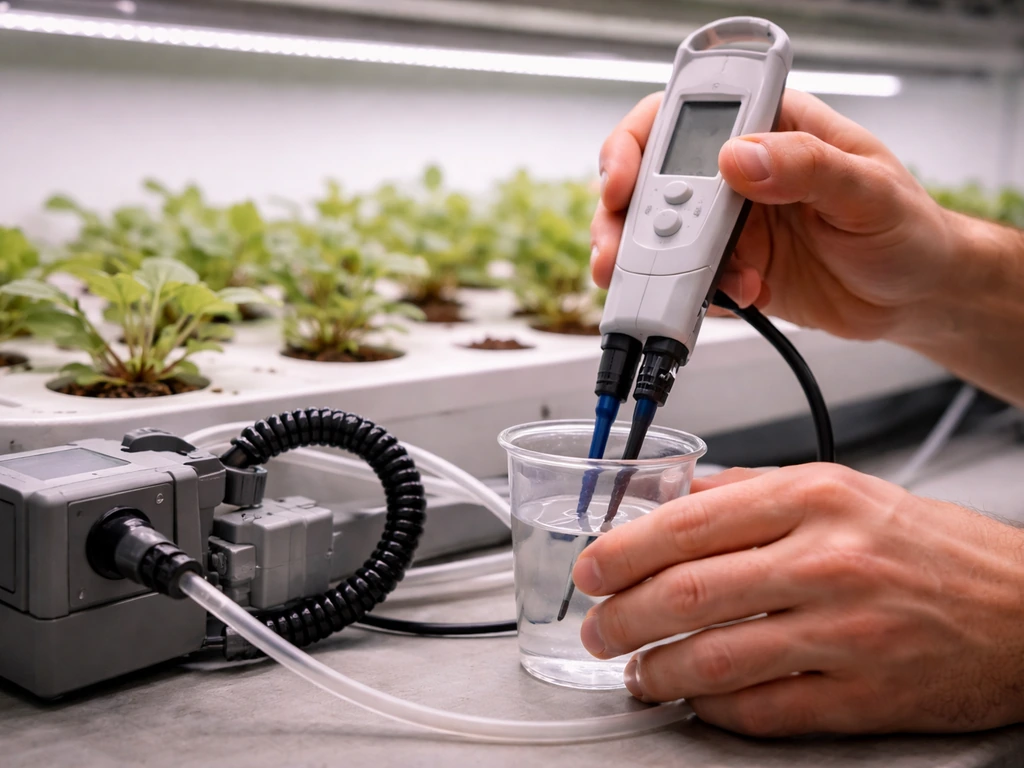
- pH: Keep between 5.5 and 6.5 for most crops. Check daily for the first two weeks until you know your system's drift rate. OSU Extension targets around 5.5 to 6.5 for nutrient availability in soilless systems.
- EC (electrical conductivity): Reflects total fertilizer salt concentration. Leafy greens want 1.2 to 2.0 mS/cm; fruiting crops want 2.0 to 4.0 mS/cm during peak production.
- Air temperature: 70 to 80°F during lights-on, 62 to 70°F during lights-off for most crops.
- Light: 16 hours on / 8 hours off for vegetative leafy crops; 12 to 14 hours for fruiting crops during ripening stage.
Growing media by system
- Rockwool cubes: Best for seedling starts in any system. pH-neutral when pre-soaked in 5.5 pH water overnight.
- Hydroton (clay pebbles): Best in ebb-and-flow and DWC net pots. Excellent drainage and oxygen retention.
- Coco coir: Works well in Dutch buckets and ebb-and-flow for fruiting crops. Holds more moisture than clay pebbles, which suits tomatoes and cucumbers.
- Perlite: Good as a standalone or blend in ebb-and-flow for herbs and compact crops.
Nutrient schedule overview by growth stage
| Stage | Weeks | EC Target (mS/cm) | pH Target | Key Nutrients to Emphasize |
|---|---|---|---|---|
| Seedling / Early transplant | Weeks 1-2 | 0.8 - 1.2 | 5.8 - 6.0 | Low everything; gentle nitrogen, no bloom boosters |
| Vegetative growth | Weeks 3-5 | 1.2 - 2.0 | 5.8 - 6.2 | Higher nitrogen, moderate calcium/magnesium |
| Pre-flower / transition (fruiting crops) | Weeks 6-8 | 2.0 - 3.0 | 5.8 - 6.3 | Reduce nitrogen, increase phosphorus and potassium |
| Fruiting / flowering | Weeks 9+ | 2.5 - 4.0 | 6.0 - 6.5 | High potassium and calcium; watch for magnesium deficiency |
| Final flush (1-2 weeks before harvest) | Last 1-2 weeks | 0.5 - 0.8 | 6.0 | Plain pH-adjusted water or very dilute solution |
Get yourself a combination pH/EC meter from day one. UF/IFAS Extension explicitly recommends purchasing both a conductivity/pH meter and a dissolved-oxygen meter for managing even small hydroponic systems. You'll test daily for the first few weeks, then every other day once you know your system's rhythm. UNH Extension reinforces this: regular testing of pH and EC is non-negotiable because pH affects nutrient availability and EC tells you how concentrated your solution has become.
Training and plant management by strain type
How you manage the plant above the reservoir is just as important as what's happening in the water below. Different growth habits need different interventions, and in hydroponics you often need to act faster because plants grow faster.
Leafy greens and herbs (low intervention)
Lettuce, basil, arugula, chard, and spinach need almost no training. Spacing is your main tool: 6 to 8 inches between plants in NFT channels, 8 to 10 inches in DWC rafts. The main management task is harvesting outer leaves regularly to prevent shading and to keep airflow through the canopy. With lettuce varieties like 'Buttercrunch' or 'Salanova', allow 30 to 35 days from transplant and then harvest the whole head. Cut-and-come-again harvesting works better for 'Black Seeded Simpson' or loose-leaf types.
Fruiting crops: tomatoes, cucumbers, and peppers
This is where training matters most. Indeterminate tomatoes like 'Sungold' or 'Sweet 100' will grow 6 to 10 feet tall in a healthy hydroponic system. Use a single-stem, vertical-string training method (also called the Dutch or cordon system). Run one central stem up a vertical string or stake. Remove all side shoots (suckers) that emerge from the leaf axils weekly, especially in weeks 3 through 8. Prune lower leaves once fruit clusters form to maintain airflow and prevent botrytis. In a 5x5 tent, run 4 plants maximum with this method.
Cucumbers like 'Tasty Green' or 'Diva' grow fast and need vertical support immediately. Train to a single main stem, remove lower laterals, and allow secondary laterals to fruit. Pinch the main stem tip once it reaches your light or ceiling to redirect energy into fruiting. Peppers like 'Lunchbox' or 'Pot-a-Peno' are semi-determinate and need minimal pruning: remove the first flower bud (called the 'crown flower') to push branching, then let the plant grow naturally. Staking is helpful once fruit load increases.
Stretch control for fast-growing strains
Arugula, basil, and fast-growing lettuce can bolt (stretch and flower prematurely) in high temperatures or long light periods. Keep solution temps below 72°F, maintain a consistent 16/8 light schedule for leafy crops, and harvest on schedule. Cornell's lettuce research documents that adequate dissolved oxygen actually helps slow bolting in lettuce, so good aeration isn't just about roots; it affects how long your crop stays in a harvestable vegetative state.
Common hydroponic problems by stage and how strain choice affects them
Week 1 to 2: Seedling damping-off and slow root development
Pythium (water mold) hits hardest at the seedling stage when roots are young and the system is still cycling. Spinach is particularly vulnerable here, as UF/IFAS Extension specifically calls out Pythium as a major risk for spinach in soilless culture when solution temperatures are high and oxygen is low. If you're starting with spinach, choose a Pythium-tolerant variety like 'Space' or 'Corvair', keep solution temperatures under 68°F at seedling stage, and make sure your air pump is running 24/7. Penn State Extension notes that once Pythium has established, it's very difficult to control, so prevention is everything.
UMN Extension makes this point clearly: if your roots don't get enough oxygen (because you've over-watered or under-aerated), root rot follows. OSU Extension notes that in hydroponic systems an air pump and air stone help supply oxygen directly to the roots roots don't get enough oxygen. The fix is structural, not chemical. Better aeration, cooler temperatures, and correct flood timing prevent root rot. Strain choice helps: disease-resistant varieties give you a wider margin of safety.
Weeks 3 to 5: Nutrient deficiencies and pH drift
This is the stage where pH drift causes the most visible damage. Oklahoma State University Extension says nutrient solutions for soilless culture should have a [pH between 5 and 6 (usually 5. 5)](https://extension. okstate.
edu/fact-sheets/electrical-conductivity-and-ph-guide-for-hydroponics. html), and you should keep the root environment between 6. 0 and 6. 5.
As plants uptake specific ions, they change the solution chemistry, which shifts pH up or down. If pH drifts above 7. 0 or below 5. 0, nutrient lockout kicks in and you'll see yellowing, purple stems, or tip burn.
The tricky part, as UNH Extension warns, is that foliage deficiency symptoms can look exactly like root disease symptoms. Check roots first before adjusting nutrients. Brown, slimy roots mean root rot; white, healthy roots with yellow leaves usually mean pH or EC issues.
MU Extension stresses that pH, EC, dissolved oxygen, and temperature all interact. Fixing one variable while ignoring the others leads to chasing symptoms. The practical habit: test pH and EC every day during this stage, adjust pH with pH Up or pH Down in small increments, and refresh or top off your reservoir rather than letting EC climb unchecked as water evaporates.
Weeks 6 and beyond: Fruiting stress and calcium/magnesium deficiency
Fruiting crops under heavy load often show calcium or magnesium deficiency, which looks like blossom end rot in tomatoes and cucumbers, or interveinal yellowing on leaves (magnesium). This is partly strain-dependent: 'Sungold' tomatoes pushed to high EC for brix development are more prone to calcium deficiency than slower-fruiting varieties. Always include a Cal-Mag supplement from the start of flowering, and don't let your solution temp spike during fruiting. Hot solutions hold less dissolved oxygen, and low oxygen during fruit set causes blossom drop.
Root checks: the diagnostic habit most growers skip
Pull a plant and look at the roots every two weeks. Healthy hydroponic roots are white to cream-colored, firm, and branched. Any browning, sliminess, or foul smell is a warning. Catching root problems early, before they affect the canopy, is the difference between a plant you can save and one you need to discard. Strain selection helps here too: robust, fast-rooting varieties like 'Buttercrunch' lettuce and 'Genovese' basil establish strong root systems quickly, giving disease less of a foothold.
Choosing your first strain: a quick decision checklist and starter plan
Work through these questions and your answer will narrow your strain choice to two or three options at most.
- What system are you running? DWC or NFT: go with lettuce and leafy greens first. Ebb-and-flow: herbs, peppers, or strawberries. RDWC or large DWC: fruiting crops like tomatoes and cucumbers.
- How much space do you have? Under 4 square feet: stick to lettuce, basil, spinach, or compact herbs. 4 to 16 square feet: add cherry tomatoes, cucumbers, or peppers. Over 16 square feet: full indeterminate tomato or cucumber production is realistic.
- How much time can you invest? 15 minutes a day maximum: lettuce, basil, chard. 30 to 60 minutes a day: tomatoes, cucumbers, fruiting crops with training needs.
- Do you want results fast or are you optimizing for flavor and yield? Fast results in under 35 days: 'Black Seeded Simpson' lettuce, 'Astro' arugula, 'Cherry Belle' radish. Best flavor: 'Sungold' tomato, 'Napoletano' basil, 'Runway' arugula. Best yield: 'Sungold' or 'Sweet 100' cherry tomato, 'Tasty Green' cucumber, 'Winterbor' kale.
- Are you a first-time grower? If yes: start with 'Buttercrunch' lettuce or 'Genovese' basil in a simple DWC or NFT setup. Get one clean harvest before adding fruiting crops.
A simple 8-week starter grow plan
| Week | Task | pH Target | EC Target (mS/cm) | Check |
|---|---|---|---|---|
| Week 1 | Germinate seeds in rockwool; set up reservoir with seedling-strength solution | 5.8 - 6.0 | 0.8 - 1.0 | Air pump running; solution temp below 72°F |
| Week 2 | Transplant to net pots or NFT channel; begin 16/8 light schedule | 5.8 - 6.0 | 1.0 - 1.2 | Check roots; look for white root tips |
| Week 3 | Increase nutrient concentration slightly; check for deficiencies | 5.8 - 6.2 | 1.2 - 1.6 | Test EC and pH daily; top off with plain pH water if EC rises |
| Week 4 | Thin or harvest outer leaves on leafy crops; check root zone | 5.8 - 6.2 | 1.4 - 1.8 | Look for any yellowing or tip burn |
| Week 5 | Full vegetative stage; increase spacing if needed; continue harvesting outer leaves | 5.8 - 6.2 | 1.6 - 2.0 | Verify dissolved oxygen above 6 ppm |
| Week 6 | For lettuce: full harvest and reset. For fruiting crops: transition to bloom nutrients | 6.0 - 6.3 | 2.0 - 2.5 | Add Cal-Mag for fruiting crops |
| Week 7 | Fruiting crops: first flowers; leafy crops: second succession planting in | 6.0 - 6.3 | 2.0 - 3.0 | Monitor for nutrient deficiency under increased demand |
| Week 8 | Evaluate, adjust, and plan next crop cycle based on what you observed | 6.0 - 6.5 | 2.5 - 4.0 (fruiting) or 1.2 - 1.8 (leafy) | Root check; clean reservoir if running over 4 weeks |
Your best next step after finishing this guide: pick one strain from the beginner or fast category, set up the simplest system you can (a 5-gallon DWC bucket with an airstone is enough), and get through one complete harvest. That first successful crop will teach you more about how your specific water, space, and environment interact than any guide can. Then you layer in complexity, whether that's moving to fruiting crops, adding an NFT channel for higher volume leafy greens, or pushing EC for flavor, with real baseline knowledge behind you. To expand beyond your first leafy harvest, see the best plants to grow hydroponically for what to switch into next.
FAQ
Can I use any lettuce or tomato cultivar in hydroponics, or do I need “hydro-specific” seeds?
You usually do not need hydro-branded seeds, but you do need cultivars that match your system type and your ability to manage pH and oxygen. For example, compact, fast lettuce types are much more forgiving in DWC or NFT, while indeterminate tomatoes will demand more light, taller training space, and tighter root aeration throughout fruiting.
What strain should I pick if my hydro setup runs warmer than ideal?
If your reservoir often trends above about 72°F, start with leafy cultivars that are less sensitive and plan to prioritize cooling. Spinach is notably sensitive at the seedling stage, so if you cannot keep temps down, choose lettuce or basil first, then add spinach later after you can stabilize temperature and dissolved oxygen.
How do I avoid choosing a “fast strain” that still ends up being hard for beginners?
Speed alone can be misleading. A cultivar that finishes quickly may still be demanding if it has high nutrient or light requirements, or if it is prone to bolting under your conditions. Pair fast finishers with your system’s nutrient stability (DWC is typically more stable than NFT early on) and harvest on schedule rather than waiting for a “perfect” maturity window.
If I am using NFT, how much plant spacing can I change without hurting yields?
In tighter NFT channels you risk dry roots between feed pulses and less airflow around the canopy, which can increase disease pressure and uneven growth. As a baseline, stick near the spacing guidance for lettuce, then adjust conservatively (smaller changes first) while watching for root browning and leaf tip burn after a week.
What should I do if my “easy” strain suddenly shows deficiency symptoms?
Before you change nutrients, inspect roots first. Yellow leaves with healthy, white roots often points to pH or EC issues, while brown or slimy roots points to oxygen or root disease. Make one change at a time (usually pH correction in small steps), then retest the next day rather than making multiple adjustments.
Is Cal-Mag always necessary, or only for certain crops like tomatoes and cucumbers?
Cal-Mag is especially important once fruiting begins for calcium-using crops, because even mild calcium shortfalls can show up as blossom end rot or related disorders. Leafy greens may still benefit from calcium and magnesium, but they typically respond more to keeping pH in range and maintaining adequate dissolved oxygen than to heavy Cal-Mag dosing.
How do I prevent Pythium when starting spinach or other vulnerable seedlings?
Treat seedling stage as the risk window, not just the whole crop. Use Pythium-tolerant varieties if available, keep solution temperatures cooler during establishment, and confirm aeration runs continuously. Also start with clean systems and avoid letting roots sit in low-oxygen conditions during any early warm-ups.
What dissolved oxygen level should I aim for, and do I need an oxygen meter for every grow?
Having a dissolved oxygen meter helps you diagnose problems quickly, especially when temps are high or when you use smaller reservoirs. If you do not have a meter, you can still manage oxygen by using strong aeration, maintaining cooler temperatures, and ensuring you have the correct cycle timing for your system. For spinach or any Pythium-prone start, an oxygen meter is most valuable.
Can I push EC for flavor or growth without causing root or nutrient problems?
You can, but do it gradually and only once pH and oxygen are stable. Many growers see symptoms like tip burn, purpling, or stalling when EC climbs beyond what the cultivar can use under their light and temperature. Use small step increases, retest daily during changes, and stop increasing if you see early lockout signs.
How often should I harvest and prune to prevent disease and maintain growth?
For cut-and-come-again greens, regular outer-leaf harvesting improves airflow and reduces shading stress. For single-stem fruiting crops, remove side shoots on a weekly schedule and prune lower foliage once clusters form, so the canopy stays ventilated. Delayed pruning can turn into a disease problem faster than most beginners expect.
What’s the biggest mistake people make when switching from soil to hydroponics?
Assuming symptoms develop slowly. Hydroponics reacts faster, so “waiting it out” can turn a correctable pH or oxygen issue into a root disease event. Check roots, pH, and EC early, and adjust in small increments, especially during the first few weeks when systems are cycling and plants grow quickly.
How do I choose between DWC and NFT for beginner-friendly strains?
If you are prioritizing stability, start with DWC because the larger reservoir buffers pH and EC swings. If you are aiming for space efficiency and high-volume leafy harvests, NFT can work well for lettuce and similar greens, but you still need careful root environment management. Choose the system first based on your ability to monitor and correct quickly, then match strains to it.