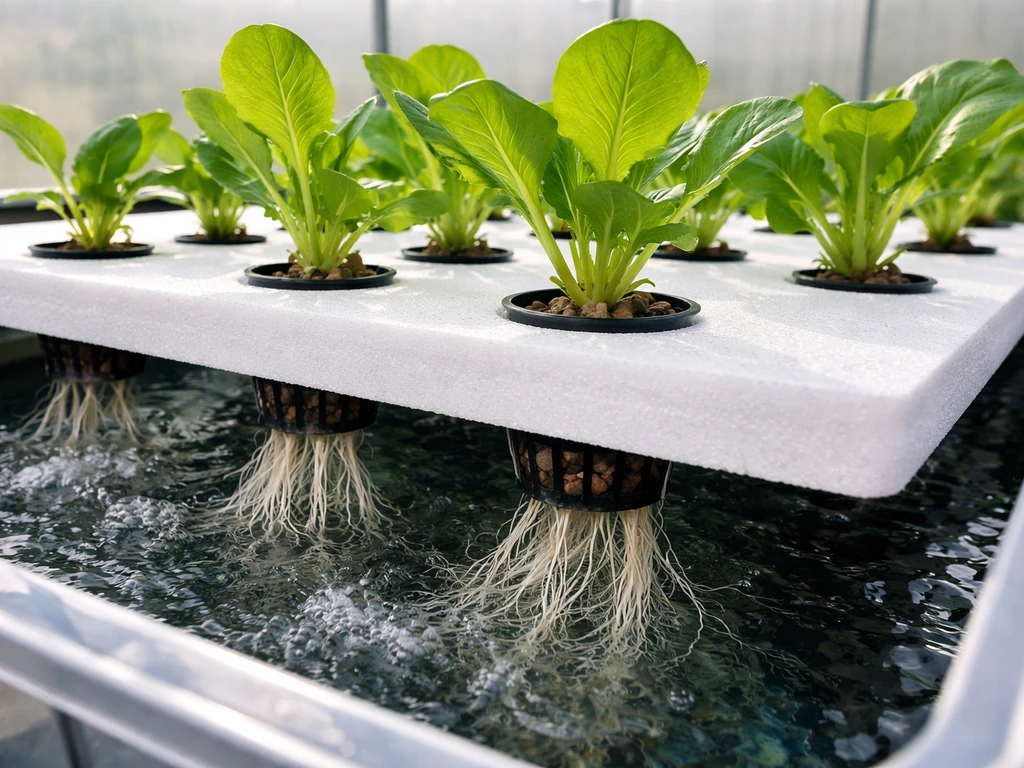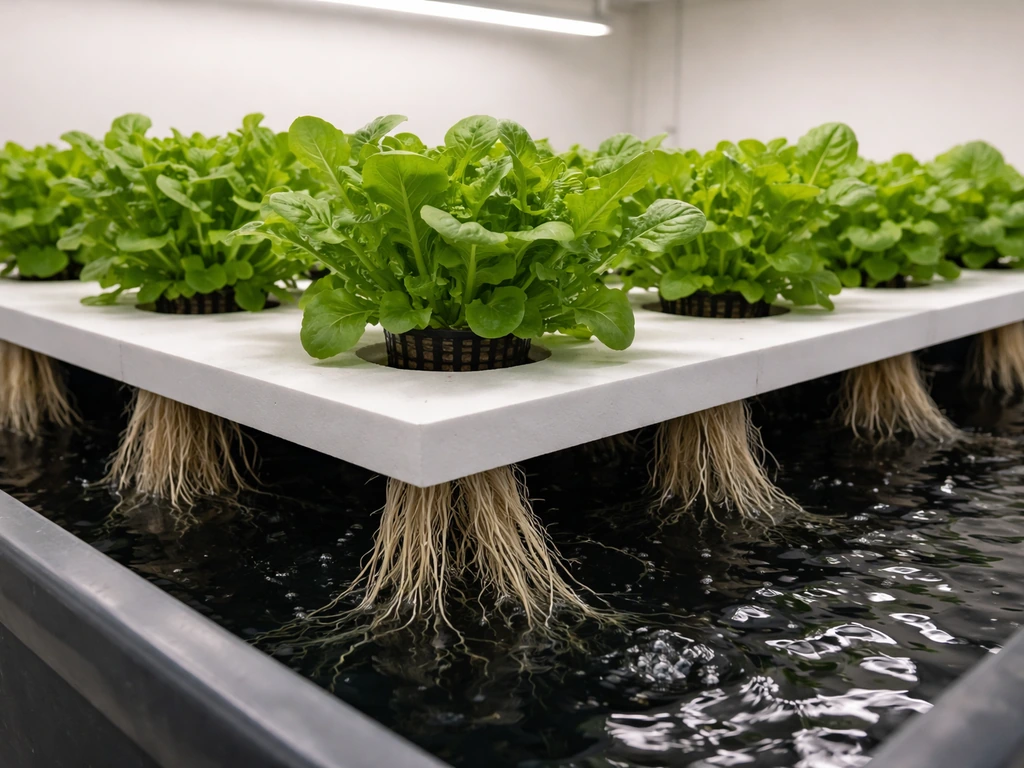
Hydroponic plants typically grow 30 to 50 percent faster than the same plants in soil, and in some crops the gap is even wider. Tomatoes reach harvest 15 to 30 days sooner. Lettuce that takes 60 to 70 days in garden soil can be ready to cut in 30 to 45 days from transplant in a well-dialed hydroponic system.
How Much Faster Do Hydroponic Plants Grow? Real Timelines
Marcus Holloway
27 Apr 2026
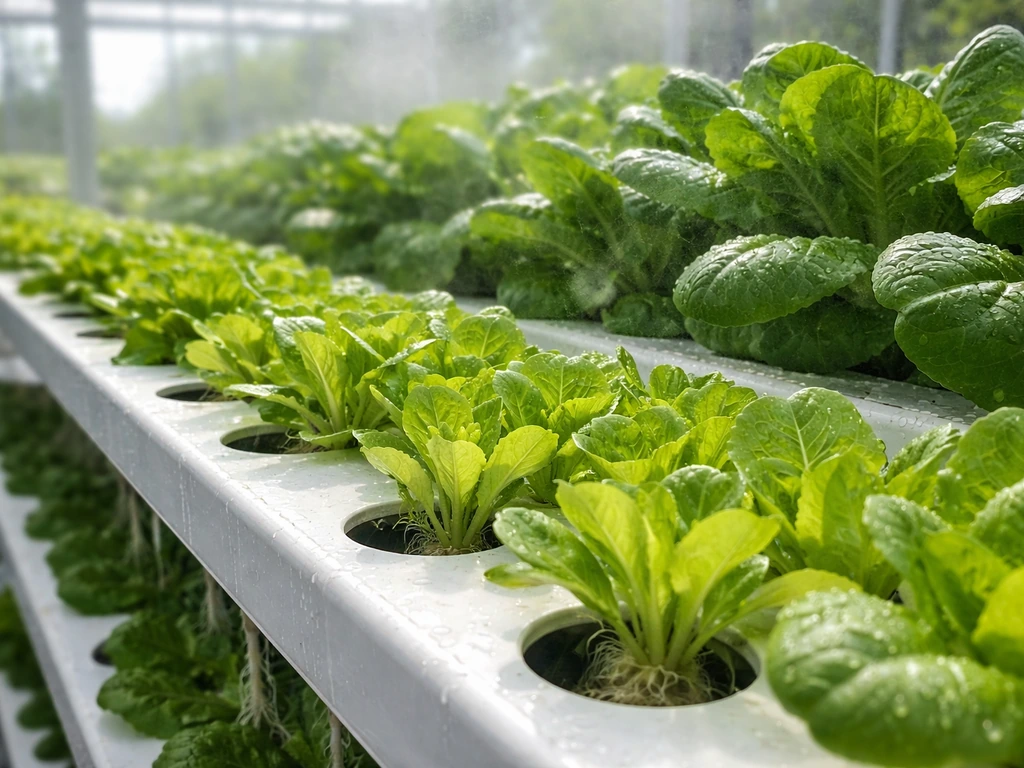
If you are wondering how do crops grow hydroponically, the basic idea is that roots sit in a controlled nutrient solution instead of soil hydroponic system. Spinach shows some of the biggest jumps, reaching harvestable size in roughly 30 days hydroponically versus 45 days in soil. Those numbers are real, but they are not automatic. How much of that speed you actually capture depends almost entirely on what you control inside your setup.
By controlling light, nutrients, pH, oxygen, and temperature, you can maximize how fast hydroponic plants grow.
Hydroponics vs soil: what the growth rate gap actually looks like
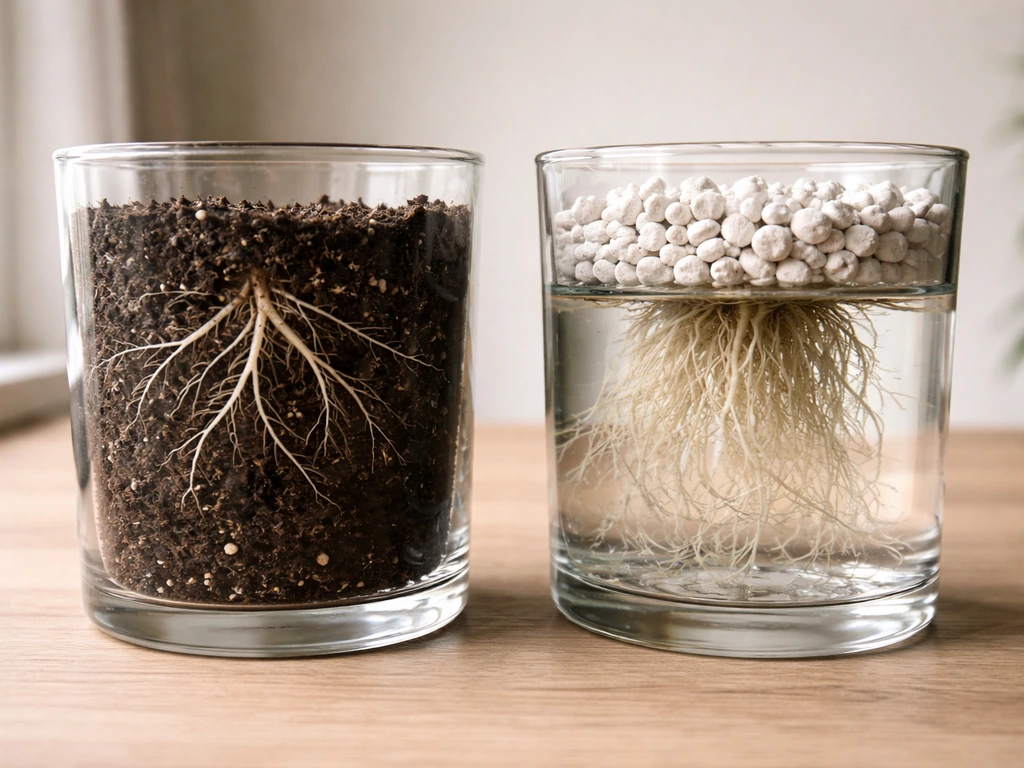
The core reason hydroponics is faster comes down to one thing: the plant spends almost no energy hunting for food. In soil, roots extend outward searching for water and nutrients. In a hydroponic system, a perfectly balanced solution sits right at the root zone. That saved energy goes straight into leaf and stem growth instead. The result is faster vegetative development, earlier flowering in fruiting crops, and shorter time to harvest across nearly every plant category.
The percentage advantage varies a lot by crop. Leafy greens like lettuce, spinach, and basil show some of the most dramatic differences because their entire growth cycle is short to begin with, so shaving two to three weeks off a six-week cycle is a massive relative gain. Fruiting crops like tomatoes and peppers also benefit, but the absolute day savings (15 to 30 days on a 90-plus-day cycle) look smaller as a percentage even though they are still meaningful for growers planning multiple harvests per year.
| Crop | Soil time to harvest (approx.) | Hydroponic time to harvest (approx.) | Approximate time savings |
|---|---|---|---|
| Lettuce | 60–75 days from seed | 30–45 days from transplant / 45–60 days from seed | 2–4 weeks |
| Spinach | 40–50 days from seed | 25–35 days from seed | 1–2 weeks |
| Basil | 60–90 days from seed (outdoor) | 21–30 days to first harvest (hydro) | 4–8 weeks |
| Tomatoes | 70–85 days from transplant | 55–70 days from transplant | 15–30 days |
| Kale / Chard | 55–75 days from seed | 30–50 days from seed | 2–3 weeks |
These numbers assume a setup that is actually dialed in. A poorly managed hydroponic system with bad pH, low light, or oxygen-starved roots will often grow slower than healthy soil-grown plants. Hydroponics hands you the potential for speed but does not guarantee it automatically.
The four factors that control how much faster your plants actually grow
If you are not hitting the timelines above, one of these four variables is the bottleneck. Fix the right one and growth can visibly accelerate within days.
Light intensity and photoperiod
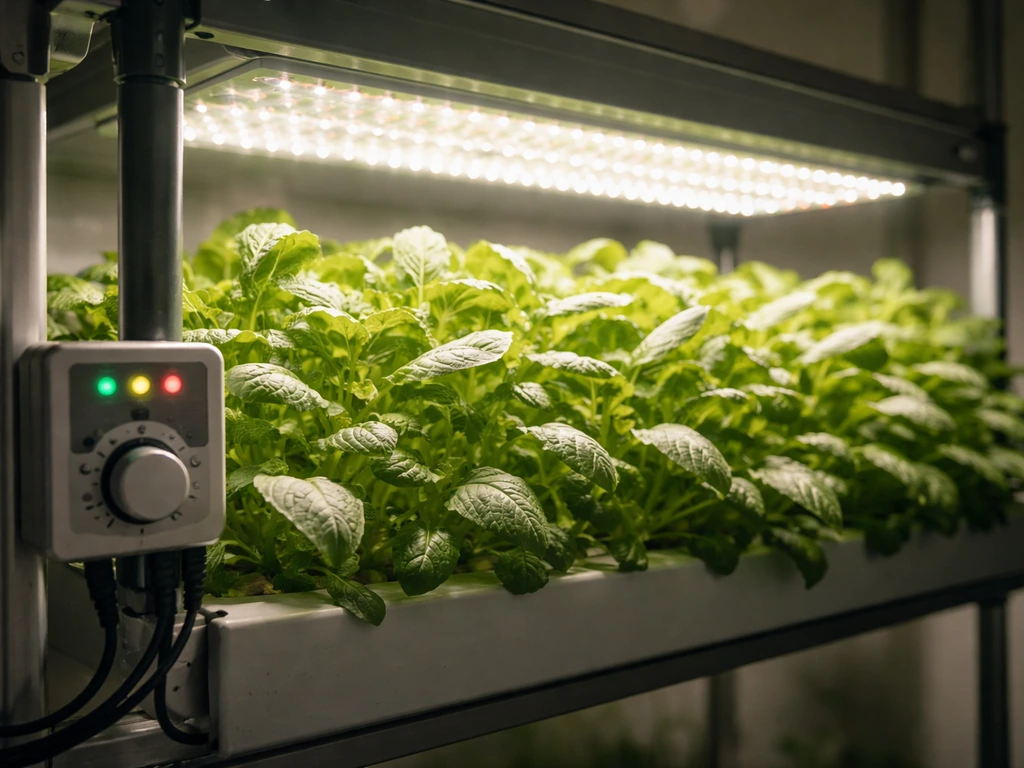
Light is the single biggest lever for growth speed in indoor hydroponics. Research on iceberg lettuce in vertical hydroponic systems found optimal yield and quality at [a 16-hour photoperiod with a PPFD of around 200 µmol per square meter per second, producing a daily light integral (DLI) of about 11](https://pmc. ncbi. nlm.
nih. gov/articles/PMC10322904/). 5 mol per square meter per day. Drop significantly below that DLI and growth slows measurably.
Push far above it without managing heat and you risk bleaching and nutrient stress. For most leafy greens, a 16-hour light cycle at 150 to 250 µmol is a practical sweet spot for home growers. Fruiting crops generally want higher DLI, usually 20 to 30 mol per day or more, which means either longer photoperiods, higher-intensity fixtures, or both.
Nutrient strength, pH, and EC
Plants cannot absorb nutrients outside a tight pH window, and in hydroponics there is no soil buffer to soften pH swings. Cornell eCommons thesis research on hydroponics notes that holding nutrient solution [pH around 5. 8 keeps most ions available](https://ecommons. cornell.
edu/bitstream/handle/1813/44580/TylerScottAnderson. pdf%3Bsequence%3D3) and overlaps with an ideal target pH range of about 5. 0 to 6. 0.
Keep your solution between pH 5. 5 and 6. 5 for most crops. Lettuce grown at pH 5.
0 to 5. 5 has been shown to produce 30 to 36 percent smaller leaf area compared to plants grown at pH 5. 5 to 6. 5.
Stable pH alone has been reported to increase lettuce yields by around 17 percent. On the EC side, lettuce typically performs well at around 1. 3 mS/cm. Push EC too high and you create osmotic stress that actually slows growth; too low and plants are underfed.
Check both pH and EC every day or every other day, especially in warm weather when evaporation can concentrate your solution quickly.
Root-zone oxygen
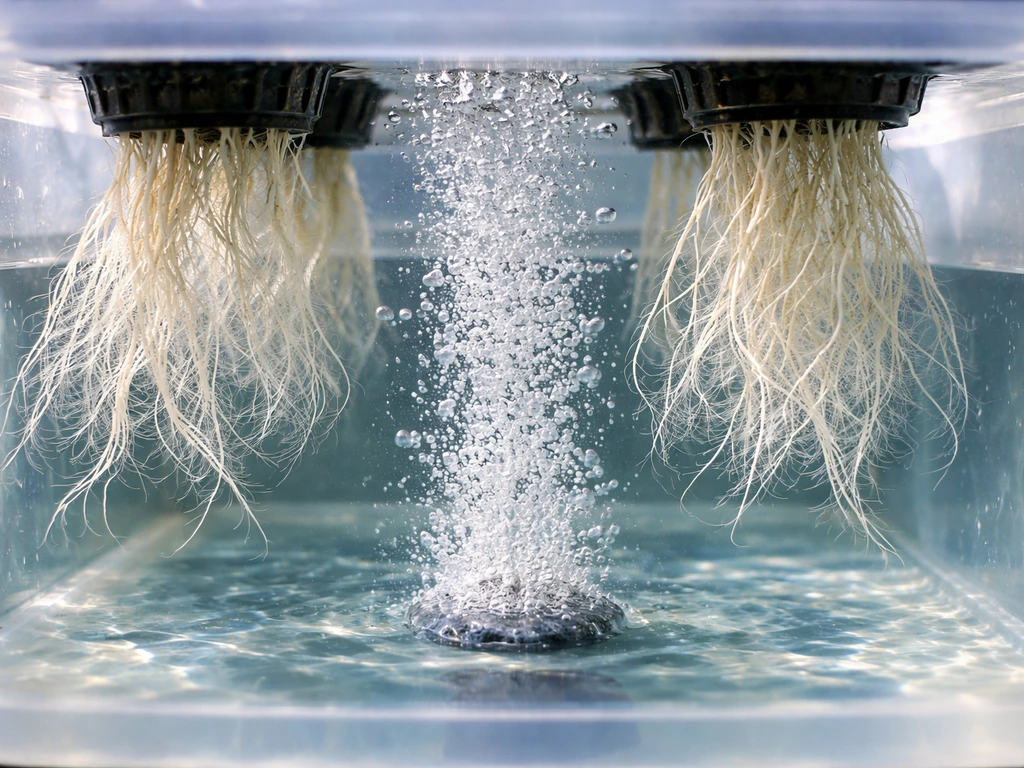
This one surprises a lot of new growers. Roots need oxygen just as much as leaves do. In deep water culture (DWC) systems, dissolved oxygen (DO) of 7 mg/L or above is the practical target. Research on NFT lettuce confirms that DO levels above 6 mg/L significantly improve root respiration and nutrient uptake efficiency.
One study on deep hydroponic culture even found that supplying 20 to 30 mg/L dissolved oxygen improved plant growth under low-temperature greenhouse conditions. In practice, you hit these targets with a quality air pump, correctly sized air stones, and water temperatures kept below 72°F (22°C), since warmer water holds less dissolved oxygen. If your roots look brown and slimy instead of white and bushy, oxygen deficiency is almost certainly part of the problem.
Temperature and humidity
Most leafy greens grow fastest with air temperatures between 65°F and 75°F (18 to 24°C). Nutrient solution temperature should stay between 65°F and 70°F (18 to 21°C). Above 75°F in the solution, oxygen levels drop, root pathogens become much more aggressive, and growth actually slows or stops. Humidity in the 50 to 70 percent range keeps transpiration healthy without creating mold pressure. If you are growing in a warm garage or tent in summer without managing solution temperature, you are probably losing at least a week off your potential harvest time.
How to estimate your own timeline for common crops
The fastest way to build a personal harvest calendar is to work backward from the crop's known hydroponic harvest window, then account for your specific setup variables. If you want a quick answer to how long is a hydroponic grow cycle, start by using the crop’s typical harvest window and then adjust for your light, nutrients, and root-zone oxygen. Here is how to think through it for the most common hydroponic crops.
Lettuce
In a well-run system, expect 30 to 45 days from transplant to harvest, or 45 to 60 days from seed. Colorado State University extension data puts the full range at 30 to 85 days, which reflects the wide spread between optimized setups and more casual ones. If you are transplanting seedlings at 10 to 14 days old (when they have their first true leaves), 30 to 35 days to harvest is a realistic target with good light and stable pH and EC. Budget 40 to 50 days if your light setup is basic or you are still dialing things in.
Spinach
Spinach is one of the fastest responders to hydroponic conditions. Expect seedling establishment in 7 to 10 days, then a fast vegetative push to harvestable leaves around day 25 to 35 from seed. Baby leaf size is reachable sooner, around 20 to 25 days. DWC and raft systems have been shown to outperform drip and vertical media stacks for spinach yield, so system choice matters here more than with lettuce.
Basil and herbs
Basil moves fast in hydroponics. From seed, expect the first harvestable size around 21 to 30 days, with continuous harvesting possible after that. Cilantro runs a similar timeline at 3 to 4 weeks to first cut. Mint is best started from cuttings rather than seed and can be harvest-ready in 2 to 3 weeks once rooted. Because herbs are harvested repeatedly rather than all at once, the key metric is time to first usable harvest, not a single end date.
Tomatoes and fruiting crops
Fruiting crops involve a longer cycle with distinct phases: seedling (2 to 3 weeks), vegetative growth (3 to 5 weeks), and flowering through fruit ripening (6 to 10 weeks depending on variety). The hydroponic advantage of 15 to 30 days over soil shows up mainly in the vegetative and early fruiting phases. Cherry tomatoes are typically fastest, often fruiting 50 to 65 days from transplant in a well-managed system. Larger slicing varieties run 65 to 80 days from transplant.
Setup practices that actually make plants grow faster
Pick the right system for your crop
System type has a real impact on growth speed. DWC and raft (floating raft) systems consistently produce strong results for leafy greens because roots get constant access to oxygenated nutrient solution. NFT (nutrient film technique) is excellent for lettuce and herbs.
Ebb-and-flow (flood and drain) works well for a wide range of crops by periodically flooding the root zone with nutrient solution and then draining it back to the reservoir, which naturally pulls fresh oxygen into the root zone with each drain cycle. Drip systems are flexible but require more attention to media selection and drain frequency to avoid anaerobic root zones.
Virginia Tech extension trials found DWC and flood-and-drain systems producing significantly higher spinach yields compared to vertical media and drip-style setups, which is worth keeping in mind when you choose.
Maximize root oxygen from day one
In DWC, run at least one air stone per bucket and size your air pump to deliver a continuous, vigorous bubble column. Aim for DO above 7 mg/L. Keep water temperature below 70°F. Change your reservoir solution or top it off with fresh solution every 7 to 10 days to prevent salt buildup and pathogen pressure. Check roots weekly: healthy hydroponic roots are white to cream colored with a slight fuzz of root hairs. Any browning or sliminess needs immediate action.
Feed on a consistent schedule and monitor daily
Mix your nutrient solution fresh, check pH (target 5.8 to 6.2 for most crops), and verify EC before adding it to your system. For lettuce, keep EC around 1.3 mS/cm in vegetative growth. Top off with pH-adjusted plain water between full reservoir changes, since plants drink water faster than they consume nutrients and EC will creep up over time. Log your pH and EC readings daily if you are chasing maximum growth speed. Consistency matters more than occasional perfection.
Optimize your light setup
For leafy greens, set your lights to a 16-hour on, 8-hour off cycle. Position LED panels at the manufacturer-recommended height to hit 150 to 250 µmol at canopy level. Use a PAR meter if you can, or at minimum check that your plants are not showing light bleaching (pale or white new growth means too much intensity) or stretching and etiolation (long, weak stems reaching toward the light means not enough). Consistent daily light integral is more important than peak intensity spikes.
Why your hydroponic plants might be growing slowly (and how to fix it)
If your plants are clearly underperforming against the timelines above, run through this checklist before making big changes.
- pH out of range: This is the number one cause of slow growth in hydroponics and is often misdiagnosed as a nutrient deficiency. Check and correct pH first. Target 5.8 to 6.2 for most crops. Recheck 12 hours after adjusting because pH drifts.
- EC too low or too high: Underfed plants are pale, slow-growing, and small. Overfed plants show brown leaf tips and stalled growth. Match EC to your crop and growth stage. Lettuce around 1.3 mS/cm, herbs around 1.0 to 1.6 mS/cm, tomatoes up to 2.0 to 3.5 mS/cm in peak growth.
- Oxygen-starved roots: Brown, slimy, or smelly roots point to anaerobic conditions. Increase aeration immediately, lower solution temperature, and consider adding a hydrogen peroxide flush (3 ml of 3% H2O2 per liter) as a short-term fix. Longer term, upgrade your air pump or reduce water temperature.
- Insufficient light: Stretched, pale, or slow-maturing plants in an otherwise well-managed system almost always need more light or a longer photoperiod. Add a second fixture or raise the existing one to the correct distance before adjusting nutrients.
- Water temperature too high: Above 72°F (22°C), oxygen drops and root pathogens thrive. This alone can stall growth completely. Add a water chiller or move your reservoir to a cooler location.
- Stale or unbalanced nutrient solution: Old solution accumulates unused salts, beneficial elements get depleted unevenly, and pH becomes harder to stabilize. Change out your reservoir fully every 7 to 14 days.
- Transplant shock or poor seedling establishment: Weak seedlings transplanted too early (before true leaves appear) or damaged during transfer will stall for 5 to 10 days and never fully catch up in short-cycle crops. Start with healthy, well-rooted seedlings.
Week-by-week: what realistic hydroponic timelines look like
Here is a practical week-by-week breakdown for two of the most common beginner crops. These reflect a well-managed DWC or NFT system with proper light, pH, EC, and oxygenation. Think of this as a benchmark to compare your own plants against, not a guarantee.
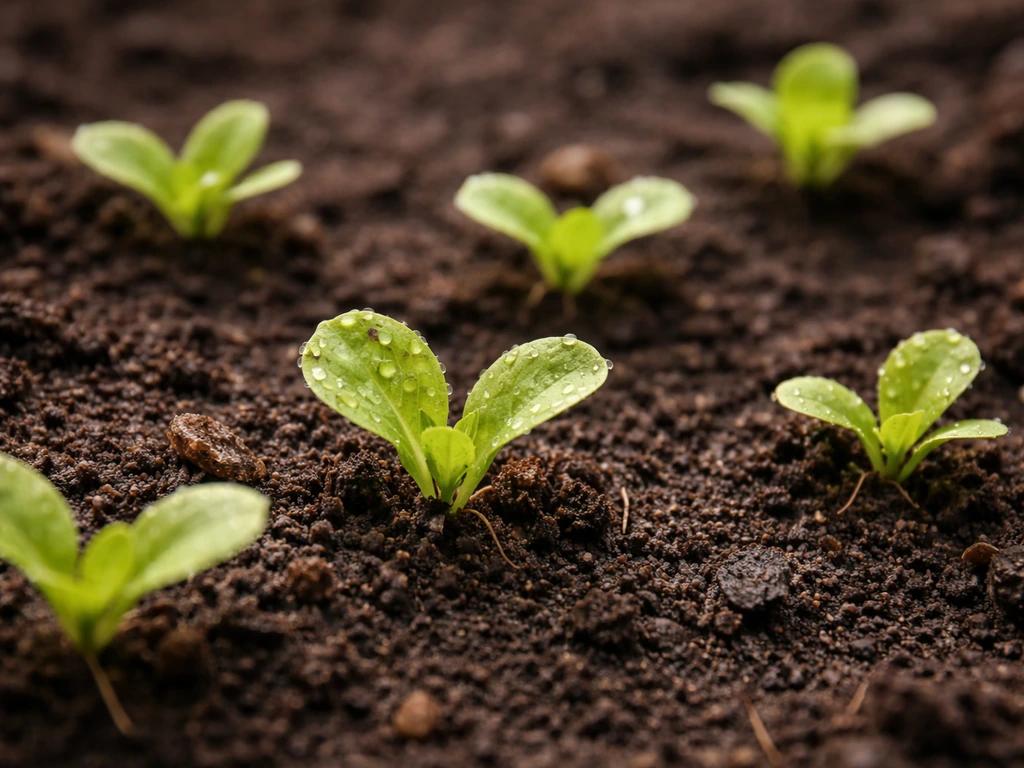
Lettuce (seed to harvest)
| Week | What to expect | Key targets |
|---|---|---|
| Week 1 (Days 1–7) | Germination, seed leaves (cotyledons) emerge, roots beginning to establish | pH 6.0, EC 0.8–1.0, 16h light, 68–72°F |
| Week 2 (Days 8–14) | First true leaves appear, root system expanding, visible growth acceleration | pH 5.8–6.2, EC 1.0–1.3, check DO above 6 mg/L |
| Week 3 (Days 15–21) | Rapid leaf multiplication, plant doubling in size, transplant to main system if started in propagation | EC 1.2–1.5, maintain steady pH, roots white and bushy |
| Week 4 (Days 22–30) | Head or rosette filling out, outer leaves approaching full size | EC 1.2–1.5, check for tip burn (calcium/airflow issue), full light intensity |
| Week 5–6 (Days 31–45) | Harvest window for most varieties: loose-leaf ready at day 30–35, butterhead and romaine at day 40–50 | Hold pH and EC steady, harvest outer leaves for baby greens or cut whole head |
Basil (seed to first harvest)
| Week | What to expect | Key targets |
|---|---|---|
| Week 1 (Days 1–7) | Germination, seed leaves emerge, minimal root development | pH 6.0, EC 0.8, warm germination temp 72–78°F |
| Week 2 (Days 8–14) | True leaves appear, rapid root growth, can transplant to system at end of week | pH 5.8–6.2, EC 1.0–1.4, 16h light |
| Week 3 (Days 15–21) | Multiple leaf pairs developing, stem thickening, strong root mass visible | EC 1.2–1.6, DO above 6 mg/L, maintain 68–75°F air temp |
| Week 4 (Days 22–30) | First harvest: pinch top pair of leaves to encourage branching. Plant continues producing. | Harvest above a leaf node, keep EC stable, watch for flowering signs and pinch flower buds off |
These timelines align with what controlled environment research and practical growers consistently report. Lettuce harvested experimentally at 28, 48, and 56 days post-planting in university trials confirms that the 28-day mark is a real early-harvest checkpoint for baby leaf, while full-head harvest falls later in the 40 to 56-day range depending on variety and conditions.
Your next steps to grow faster starting today
If you already have a system running, check pH and EC right now before doing anything else. Those two numbers explain most cases of underperformance. Then look at your root zone: white roots and vigorous bubbling means you are on track. Brown or slimy roots mean you need to address oxygen and water temperature before anything else improves.
If you are planning a new build, choose DWC or a raft system for leafy greens and herbs since those consistently deliver the fastest results with the least complexity. Invest in a decent pH meter, an EC meter, and a thermometer for your reservoir before you spend money on anything else. Get your light dialed to a 16-hour photoperiod with at least 150 µmol at canopy level for greens. Everything else is optimization on top of that foundation.
Once you have the basics locked in, the full speed advantage of hydroponics over soil becomes very real. You are looking at harvesting lettuce in 30 to 35 days, basil in under four weeks, and tomatoes weeks ahead of outdoor season. Do hydroponic plants grow faster depends on getting the key setup factors dialed in, not just switching from soil. That is the actual payoff of getting these variables right, and it compounds across every grow cycle you run.
FAQ
If hydroponics is usually 30 to 50 percent faster, why do my plants look slower than the typical timelines?
The most common reason is one variable is off enough to throttle growth, even if the rest are “close.” Start by verifying pH and EC in the reservoir, then check root health. If roots are brown or slimy, fix dissolved oxygen and water temperature first, because nutrient uptake will be limited regardless of how good your light settings are.
How do I tell whether I’m losing time to light versus pH/EC?
Light problems usually show up quickly as stretching (too little light) or pale/bleached new growth (too much light). pH/EC issues often look like slower general growth, leaf discoloration, or uneven vigor. A fast test is to measure pH and EC at the same time each day for 2 to 3 days, and compare trends, then confirm roots look white and actively supported by dissolved oxygen.
Do hydroponic plants always grow faster than soil outdoors?
Not necessarily. Outdoor plants benefit from free CO2 enrichment from open air and strong natural light, so the comparison becomes less about the medium and more about how well your indoor hydroponics matches or exceeds that light intensity and heat control. Hydroponics reliably speeds up growth when you can provide stable light, pH, and oxygen, especially under consistent, controlled conditions.
What’s the difference between being faster “from seed to harvest” versus faster “from transplant to harvest”?
Hydroponic systems often look dramatically faster when you transplant well-established seedlings because the establishment phase can be short and predictable. If your seedlings are weak at transplant, the clock effectively resets. For best comparisons, track from the same developmental stage (seed, transplant, or first true leaves) and measure days until the same harvest standard (baby leaf size, cut size, or first ripe fruit).
If I run lights longer, will I get faster growth automatically?
More hours only help if you also maintain the right daily light integral and manage heat and nutrient balance. Overextending the photoperiod can stress plants, raise water temperature, and increase transpiration demand faster than your nutrient program can supply. For many leafy greens, a 16-hour photoperiod at the right intensity is a practical ceiling, not a guarantee that “longer is faster.”
How often should I change the reservoir if I’m trying to maximize growth speed?
A common approach for faster results is to refresh on a weekly to every 7 to 10 day cadence in actively growing systems, or more often if your EC rises quickly or you see signs of root stress. Top-off with pH-adjusted water can be fine for short periods, but if EC creeps up, plants can shift into osmotic stress and slow down.
What EC target should I use if my plants are growing quickly but leaves look stressed?
If growth is fast but leaves show symptoms of stress, the goal is usually to correct for osmotic strain rather than “increase EC.” Since EC requirements vary by crop and growth stage, start with a typical vegetative target (for lettuce, around the cited ~1.3 mS/cm) and make small adjustments after checking both pH stability and root appearance. If you see slow growth with pale leaves, that’s more consistent with underfeeding.
Can I use the same hydroponic setup for lettuce and tomatoes without changing anything?
You’ll usually have to change at least lighting and nutrient strategy. Fruiting crops generally need higher daily light and more time through vegetative and flowering phases, so their speed advantage is different. If you use lettuce-oriented light and reservoir strength, tomatoes may grow slower or produce fewer/less uniform fruits even though the system is “hydroponic.”
What should I look for in roots to confirm oxygenation is correct?
Healthy roots are typically light colored (white to cream) with a fine, lively texture and small root hairs. When oxygen is lacking, roots often turn brown and feel slimy, and you may see overall decline even if pH and EC look “okay.” If roots look off, immediately confirm dissolved oxygen, pump/airstone function, and water temperature.
Is NFT always faster than DWC for leafy greens?
NFT can be very fast for lettuce and herbs, but it is not automatically faster than DWC in every situation. DWC and raft systems often perform well for beginners because oxygenation is steadier and roots have constant access to nutrient solution. NFT can suffer if flow rate, slope, or channel coverage is slightly off, which can slow growth even when lighting and pH look correct.
How do I build a realistic hydroponic harvest calendar for my exact setup?
Use the crop’s typical harvest window for the same starting stage, then adjust based on your measured daily light integral and root-zone oxygen consistency. The fastest way to calibrate is to run a short “benchmark” grow, record days to baby leaf or first cut, and then refine next cycle timing. If you change lighting intensity mid-run, your calendar will be unreliable.