Dr. Earth Pump and Grow is a no-mix liquid fertilizer designed for direct soil application. You press the pump once per gallon of soil volume at the base of your plant, then water it in within 24 hours. That's the core of it. The pump dispenses a pre-measured dose, so there's no dilution math unless you're mixing it into a watering can, in which case the label calls for 8 pumps per gallon of water. Weekly applications are what the label recommends for consistent results.
How to Use Dr Earth Pump and Grow in Soil and Hydroponics
Marcus Holloway
26 Apr 2026
What Dr. Earth Pump and Grow Actually Is
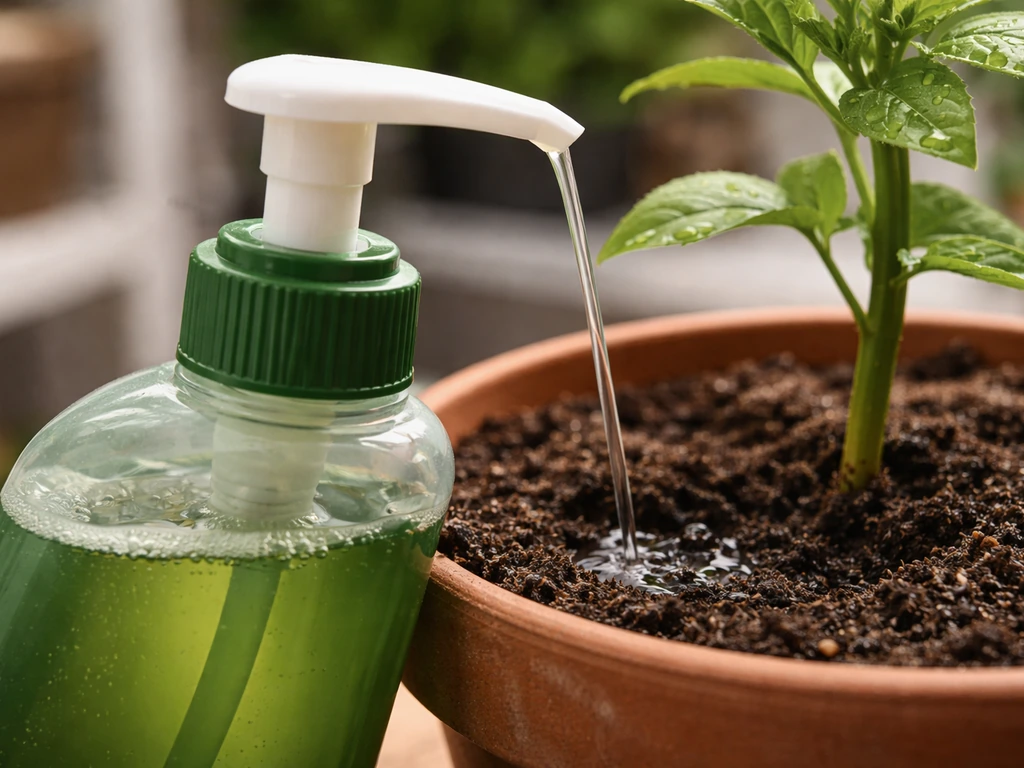
The Pump and Grow line from Dr. Earth is a family of liquid plant foods packaged in a pump-top bottle that's meant to eliminate measuring cups and concentrate spills. The House Plant Indoor Plant Food version (Item #1084, 16 fl. oz./473 ml) is the most common variant you'll encounter, but the line also includes purpose-built formulas like Root Zone, Total Advantage, and Golden Bloom, each targeting a different growth phase or plant type. The house plant formula has a guaranteed analysis of 1% total nitrogen, making it a gentle, low-concentration feed that's built for frequent use rather than heavy single doses.
The "pump now, water later" concept is the whole selling point. Instead of mixing a concentrate into a reservoir or watering can every time, you push the pump directly onto the soil surface at the base of your plant and then water normally within the next 24 hours. Dr. Earth positions this as a cleaner, faster method for indoor gardeners who don't want to manage a full liquid feeding regimen.
For home growers who are already running structured nutrient programs (like pH Perfect or Roots Organics Buddha Grow), think of Pump and Grow as the simplified consumer-facing end of the same organic liquid nutrition category. If you are already using Roots Organics Buddha Grow as part of your routine, Pump and Grow can act as a simpler, soil-safe way to deliver additional organic liquid nutrition between feedings.
Prep and Application: Timing, Dilution, and How to Actually Apply It
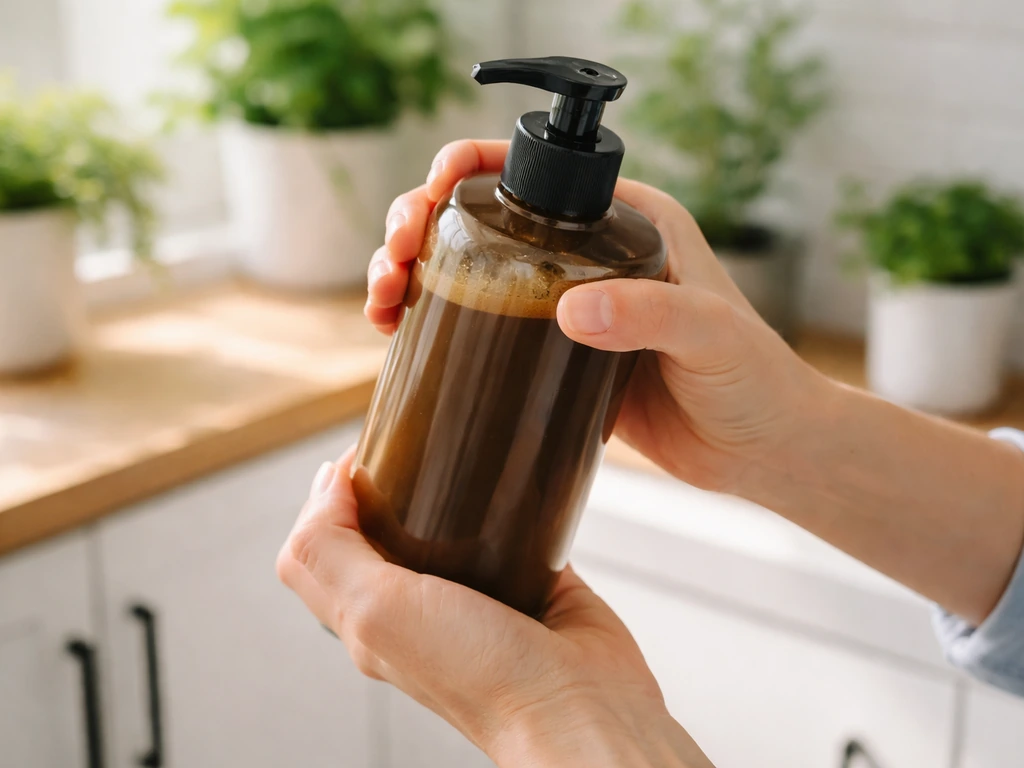
Before you do anything else, shake the bottle well. The nutrients settle, and skipping this step means you're applying an uneven dose. To unlock the pump, press down on the top while turning counterclockwise until it pops up into the dispensing position.
Direct-to-soil method (the main method)
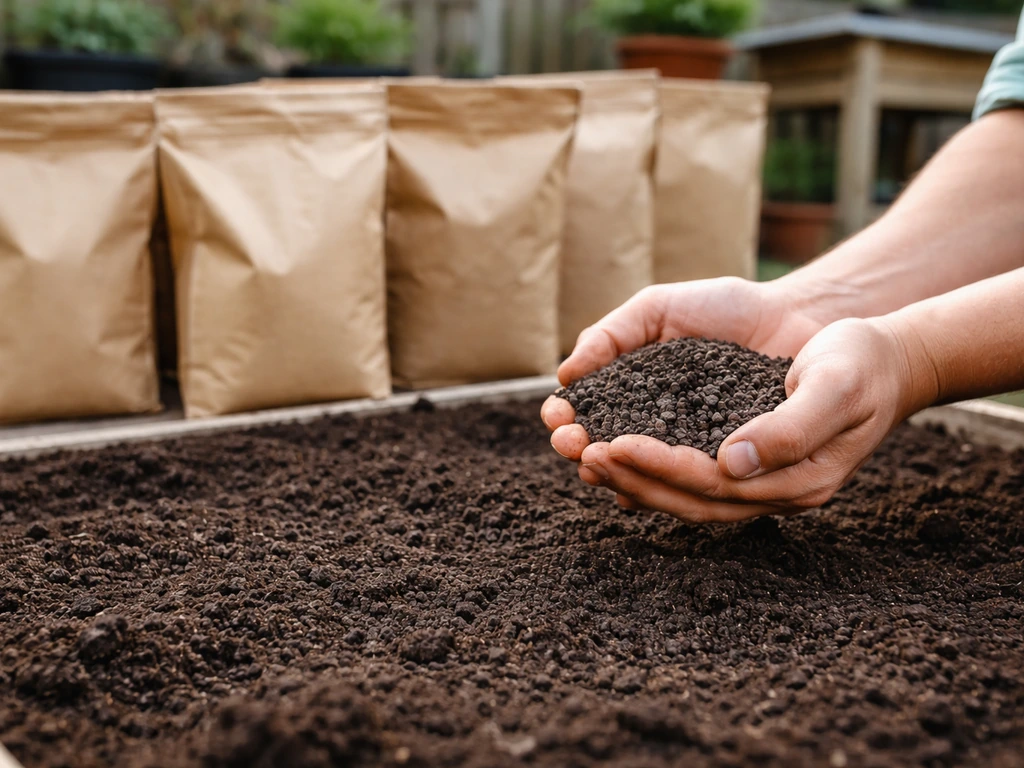
Apply directly to the soil surface at the base of the plant, not over the top of leaves or in the center of the pot. The rule the label gives is clean and easy to remember: 1 pump per gallon of soil volume. So a 3-gallon container gets 3 pumps, and a 5-gallon gets 5. For larger containers, 4 to 5 pumps is the practical ceiling the label recommends.
After applying, water the plant well within 24 hours. The Dr. Earth product page says you can apply two pumps directly to the soil and water within 24 hours.
The label is clear that sooner is better, since watering activates the fertilizer and moves it down into the root zone. Letting it sit dry on the surface for more than a day reduces effectiveness.
Watering-can method (diluted application)
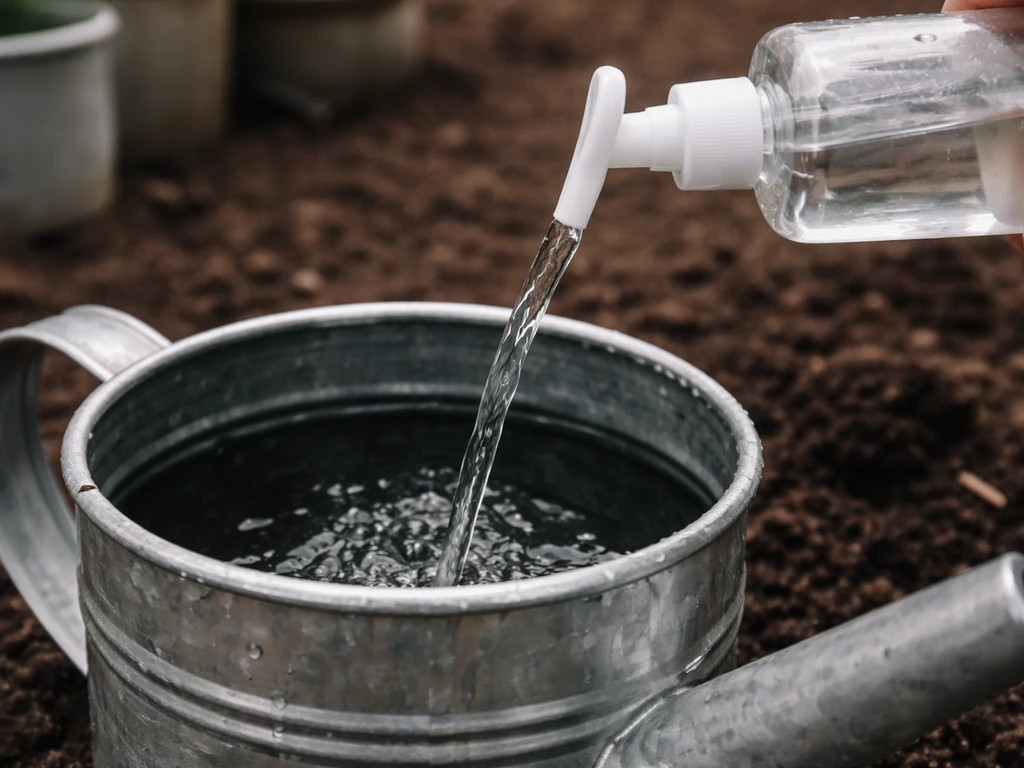
If you'd rather mix it into a watering can and drench the entire container, the label specifies 8 pumps per gallon of pure water. If you want another walkthrough with the same label-based ratios, see also how to use easy grow fertilizer for a similar mixing and application approach 8 pumps per gallon of pure water. Dr. Earth's general FAQ also gives a ratio of 2 oz.
per gallon of water for their liquid fertilizers, which is consistent with the pump count given the bottle size. This method gives you more even distribution through the soil column, which can be useful for larger containers or when you want to make sure the entire root zone gets fed, not just the top layer.
Schedule
Weekly application is what Dr. Earth recommends for maximum results. Some sources on the product page suggest it feeds for two weeks, but in my experience with organic liquids, weekly is the safer and more reliable cadence for actively growing plants. If you're in a slow growth period (winter, low light, recovery after transplant), you can stretch to every two weeks without issue.
Soil vs. Hydroponics: Where Pump and Grow Fits in Each System
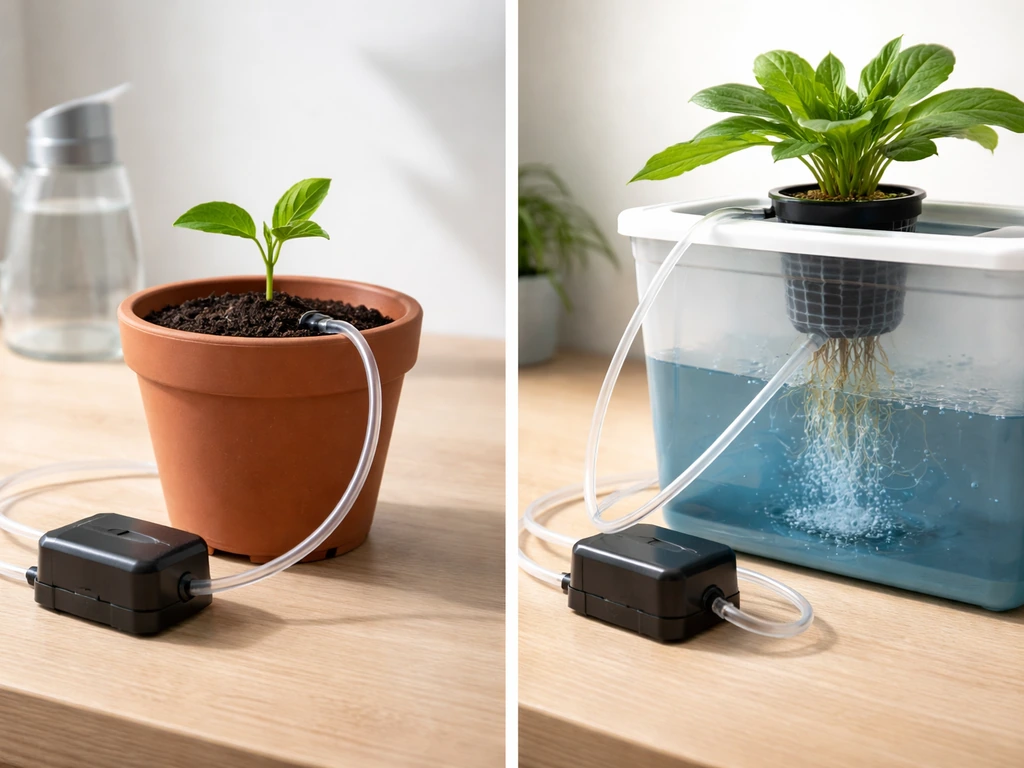
This product is designed for soil. That's not a technicality, it's an important distinction that affects how well it works and whether it causes problems in your system. If you are looking for hydroponic use, you should not treat Pump and Grow like an all-purpose nutrient and instead choose options made for hydroponics.
| Factor | Soil Use | Hydroponic Use |
|---|---|---|
| Designed for | Yes, direct soil surface application | No, not formulated for reservoir use |
| Application method | Pump directly onto soil, water in | Would need to be diluted into reservoir (not recommended) |
| Organic matter / microbes | Beneficial, activates soil food web | Can clog lines, promote mold, disrupt pH |
| Feed schedule | Weekly, tied to watering | N/A (use hydro-specific nutrients instead) |
| Risk of line buildup | None (no lines involved) | High, organic matter settles and clogs emitters |
| pH compatibility | Works within soil's natural buffering | Unpredictable in hydro reservoir without adjustment |
In soil, Pump and Grow works well as a standalone feed for houseplants and container plants, or as a supplement to a dry top-dressing program. The organic inputs interact with the living microbiome in your soil, which is exactly what Dr. Earth's living fertilizer approach is built around. If you're running a full organic soil grow (amended beds, living soil, etc.), this fits naturally as a liquid boost between feedings.
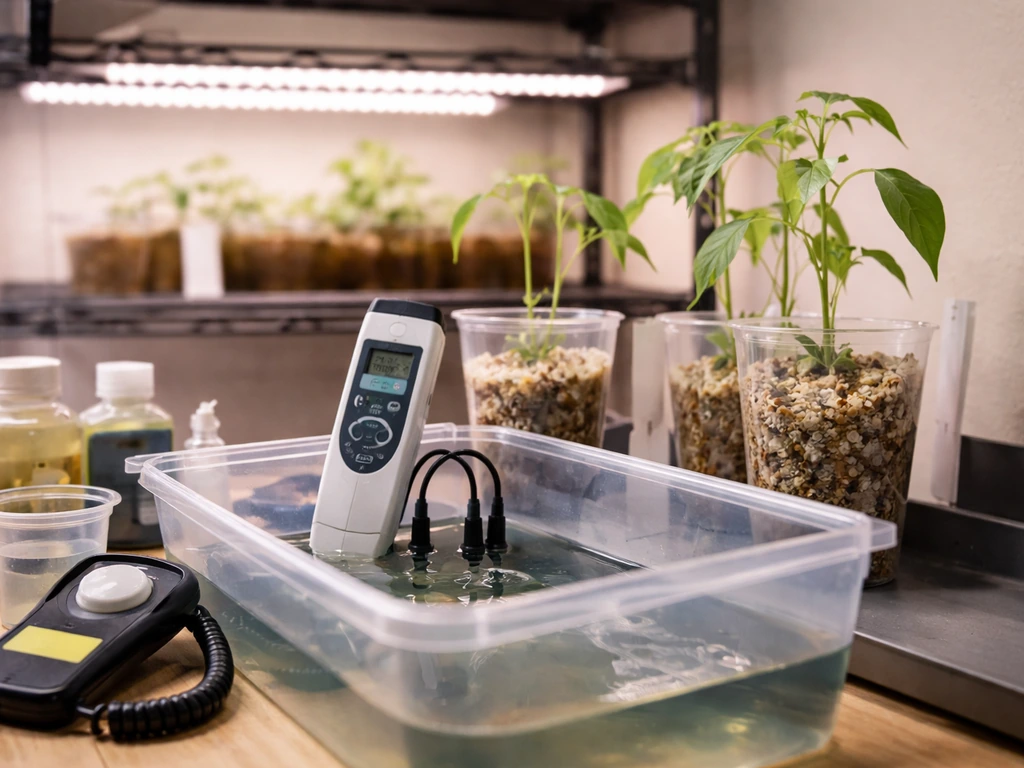
In hydroponics, avoid putting Pump and Grow directly into your reservoir. The organic compounds aren't formulated for water suspension at hydro concentrations, and you'll likely see pH swings, biofilm buildup in your lines and emitters, and potential mold in your reservoir. If you're running a hydro system and want an organic liquid feed, look at products specifically designed for that context. Programs like pH Perfect or multi-part mineral formulas are built to stay stable in solution and won't gum up your system the way an organic soil drench would.
Common Mistakes and How to Avoid Them
Nutrient burn from over-application
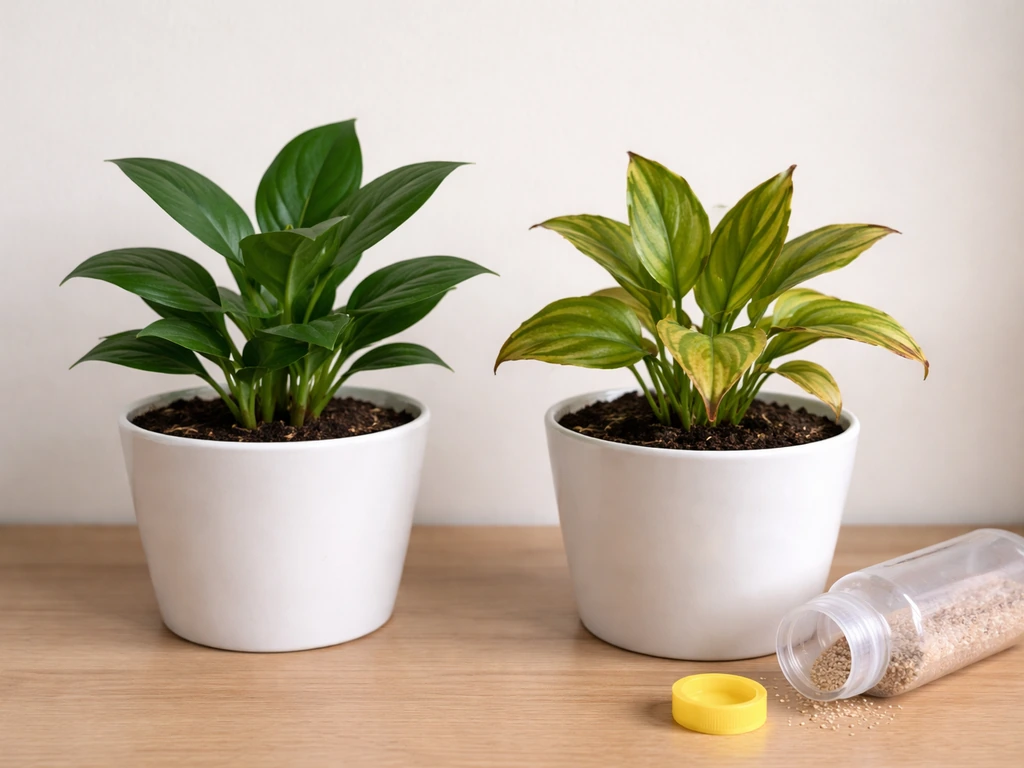
The nitrogen concentration here is low (1%), so burn from a single application isn't common, but stacking doses or applying to dry, stressed, or rootbound plants can tip things over. Stick to the 1-pump-per-gallon rule and don't double-dose between weekly intervals. If you're using pH Perfect with a compatible fertilizer, you can dial in a more stable pH while you follow the Pump and Grow label dosing. If leaf tips start browning and curling, cut back to every two weeks and flush with plain water once before resuming.
Underfeeding and deficiency
Underfeeding is more common than burn with this product, usually because growers apply it to smaller pots than the container actually needs, or they skip weeks. Yellowing older leaves (usually lower leaves first) during active growth is the tell. If you see that, go back to weekly applications and make sure you're hitting the right pump count for your container size.
Not watering it in fast enough
Leaving the pumped liquid sitting on dry soil for more than 24 hours reduces how much actually reaches the roots. It can also attract fungus gnats and contribute to surface mold, especially in warm indoor environments. Dr. Earth's own FAQ flags this: organic liquid fertilizers applied indoors in warm conditions can show mycelium or mold on the soil surface within a few days if not watered in properly and allowed to dry between waterings. Water it in the same day whenever possible.
Applying to the wrong place
Apply at the base of the plant, not on top of leaves and not in the center of the root crown. Direct contact with the stem base over time can cause stem rot in sensitive plants. For larger containers, you can distribute pumps around the perimeter of the soil surface rather than dropping all doses in one spot.
Pet and child exposure during application
Dr. Earth states their products are people and pet safe when used as directed, but they do recommend keeping pets away during application and letting the treated area dry before letting pets or kids back near it. It's a simple precaution worth building into your routine.
Adjusting Dosage by Plant Stage and Medium
The label's baseline is 1 pump per gallon of soil weekly, but that's a one-size-fits-all starting point. In practice, you want to modulate based on what your plant is doing and what it's growing in. If you're also trying to dial in a bigger living setup, you can compare this approach with how to micro grow for more targeted small-space feeding strategies. If you want to know how to use Grow More 30 10 10 correctly, follow the label dosing and adjust for your plant stage and growing medium.
| Growth Stage | Recommended Dose | Frequency | Notes |
|---|---|---|---|
| Seedling / early transplant | Half dose (0.5 pump per gallon of soil) | Every 2 weeks | Root systems are fragile; too much too soon stresses seedlings |
| Vegetative (active growth) | Full dose (1 pump per gallon of soil) | Weekly | Nitrogen demand is highest here; stick to the label rate |
| Transition / pre-flower | Full dose | Weekly | Maintain nitrogen while plant finishes stretching |
| Flower / bloom | Reduce or switch to Golden Bloom variant | Every 1-2 weeks | Lower nitrogen need; consider bloom-specific formula |
| Slow growth / winter / low light | Half to full dose | Every 2 weeks | Plant isn't processing nutrients as fast; less is more |
Medium matters too. In a dense, heavily amended soil mix, you can afford to go lighter since the soil itself is already providing nutrition. In a more inert or peat-heavy mix with minimal pre-amendment, lean toward the full label rate from earlier in the plant's life. In coco coir used as a soil-like medium (not in a hydro system), you can use the soil application method, but coco's low buffering capacity means you should monitor pH more carefully and flush periodically to prevent salt and organic matter buildup.
If you're also running a foliar spray program (like a power grow foliar fertilizer) on top of this, factor in that the plant is receiving nutrients through multiple pathways. You don't need to increase the Pump and Grow dose in that case, and you might reduce frequency slightly to avoid stacking.
Storage, Cleanup, and Keeping Your Setup in Good Shape
Storing the bottle
Store Pump and Grow in a cool, dry place away from direct sunlight and temperature extremes. Organic liquid fertilizers can degrade faster than synthetic ones when exposed to heat, and the biological components (beneficial microbes and organic compounds) can break down or go off if stored improperly. Room temperature storage is fine. Don't freeze it. If you notice a strong, sour or ammonia smell when you open a stored bottle, that's a sign the product has degraded and you should replace it.
Locking the pump between uses
Always lock the pump after each session by pressing down and turning clockwise. This prevents accidental discharge, keeps the nozzle clean, and reduces oxidation at the pump tip. If the nozzle gets crusty between uses, rinse it under warm water and wipe clean before your next application.
Cleaning up after application
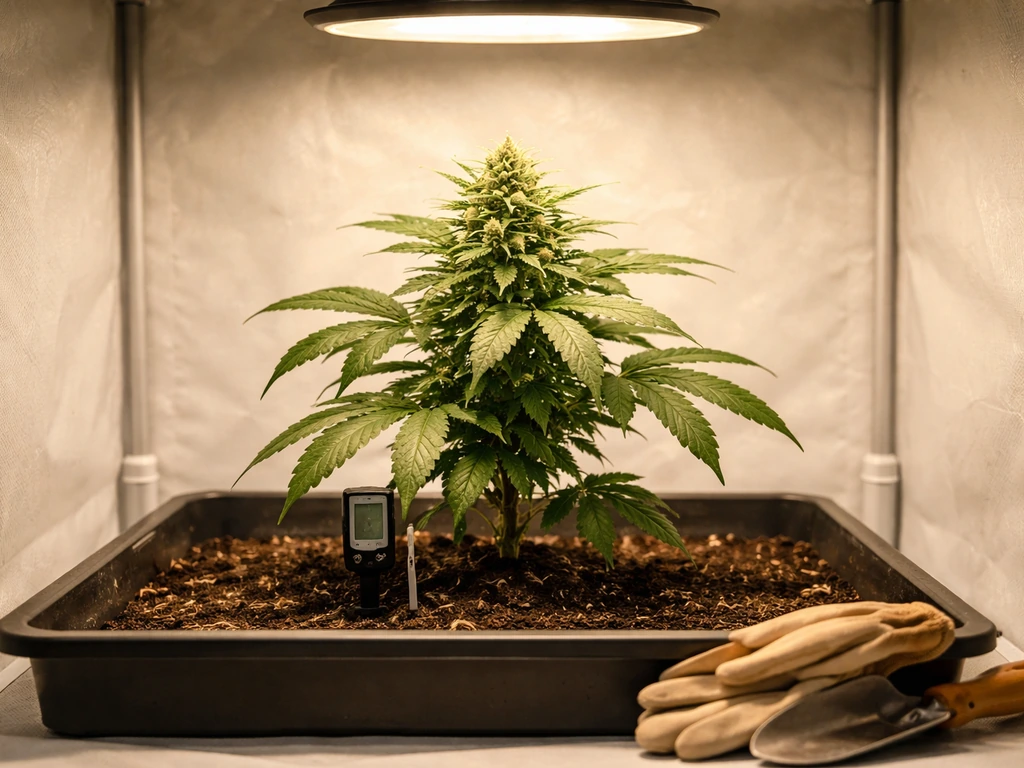
Wipe the pump nozzle and bottle sides after each use. Organic fertilizers left on hard surfaces can grow mold or attract pests over time. If you drip any product on your grow tent floor, tray, or bench, rinse it off the same day. In an enclosed grow tent environment, residue on surfaces combined with humidity creates a mold-friendly setup you don't want.
If you're using it in a watering can setup
Rinse your watering can thoroughly after each use when you've mixed Pump and Grow into it. Organic residue sitting in a watering can overnight, especially in a warm room, will start to break down and can leave a biofilm that's harder to clean later. A quick rinse with plain water right after you're done is all it takes. Don't mix more than you'll use in a single session since diluted organic fertilizers don't store well once mixed.
California Prop 65 note
The label carries a California Prop 65 warning (Cancer - P65Warnings.ca.gov). This is a standard regulatory disclosure required for products sold in California and is common across many fertilizer products. Use the product as directed, wash hands after application, and keep it out of reach of children and pets when stored.
FAQ
My plant looks underfed, how do I fix Pump and Grow if I think I used too few pumps?
It usually means you dosed based on the container’s labeled “pot size” instead of true soil volume. Recalculate by estimating how many gallons of soil are actually in the pot, then use 1 pump per gallon. Also confirm you watered within 24 hours, since letting it sit dry reduces root uptake.
What should I do if I apply Pump and Grow and forget to water it in within a day?
Pump and Grow is meant to be applied to soil at the base, then watered in soon after. If you miss the 24-hour window, the safest move is to water with plain water first (no extra pumps), then resume the next scheduled dose at the normal pump count.
Can I dilute Pump and Grow and use it in my reservoir like a regular liquid nutrient?
Do not use it as a hydroponic reservoir nutrient. Even if you try to dilute, the label intent is soil use, and organics commonly cause pH drift, biofilm, and clogged emitters. If you want organics in hydro, choose products formulated for staying suspended and stable in solution.
How do I handle dosing if I want to drench the whole pot using a watering can instead of pump-and-water?
It depends on your mixing method. If you pump onto dry soil and water in later, you do not do dilution math. If you mix into a watering can to drench the whole container, follow the label ratio of 8 pumps per gallon of water to get even distribution.
Is it okay to feed less often than weekly, and how do I choose the right schedule?
For most houseplants, treat “weekly” as the default and only slow down during low-light or recovery. If growth is clearly stalled, shift to every two weeks, not less often than that, unless the plant is fully dormant, and watch for yellowing or slowed new growth.
Where exactly should I place the pumps on tricky plants like seedlings or plants with a tight crown?
Avoid applying it to the center of the crown or directly on the stem base. If you have a plant with a sensitive crown (some succulents, many seedlings, and rot-prone ornamentals), distribute multiple pumps around the perimeter at the soil surface to reduce direct contact risk.
I already use another fertilizer program, can I combine Pump and Grow without overfeeding?
Yes, but don’t stack doses in the same week. If you’re doing another nutrient program, use Pump and Grow at the label frequency or slightly reduce frequency so you are not effectively doubling nitrogen. If you’re also foliar feeding, keep foliar nutrients separate and do not increase Pump and Grow just because you sprayed leaves.
My pump tip is crusty, can I still use it and how do I clean it properly?
A crusty nozzle is usually dried residue from organic compounds. Rinse under warm water, wipe the tip clean, and run a brief check over a sink or tray to confirm it dispenses evenly before applying to valuable plants.
How can I improve coverage in large containers so it reaches the deeper roots?
If you want more even root-zone feeding in large pots, consider distributing pumps around the perimeter rather than putting all pumps in one spot. Also make sure the water you apply after pumping is thorough so the fertilizer reaches below the top layer.
Does using Pump and Grow in coco coir require different handling than regular soil?
Yes, especially in coco coir used as a soil-like medium, where buffering is lower. Monitor pH and be prepared to flush periodically, since repeated organic inputs can increase buildup over time even when you’re using label dosing.
What if I see browning leaf tips after using Pump and Grow?
If leaf tips brown and curl, it can be overfeeding or root stress from dry conditions. Cut back to every two weeks, water normally with plain water to reduce residue concentration, and do not add more nutrients while the plant regains normal growth.
How do I know if my Pump and Grow went bad after storage?
A persistent sour, ammonia-like, or otherwise unusual smell can indicate degradation. In that case, stop using the product and replace it, since older or broken-down organics can behave differently and increase the chance of odor or residue problems.
If I missed a week, should I increase next week’s dose to compensate?
Do not feed it repeatedly to “catch up” after a missed week. Stick to the label cadence from your next planned feeding, and if the plant is behind, use weekly dosing for a couple cycles while watching new growth and leaf color.
What are the practical safety steps around pets and kids when using Pump and Grow?
Yes. After pets or kids return, only let them near the treated area once the soil surface is watered in and the treated zone is dry. During application, keep them away from the area and wipe up any drips immediately.