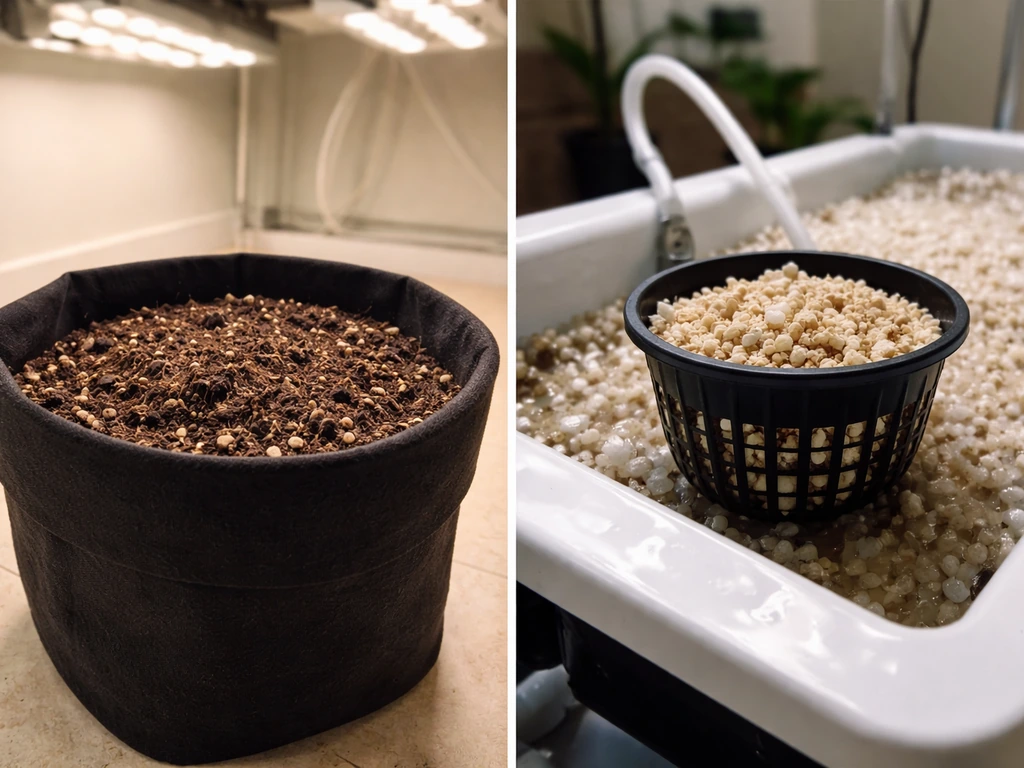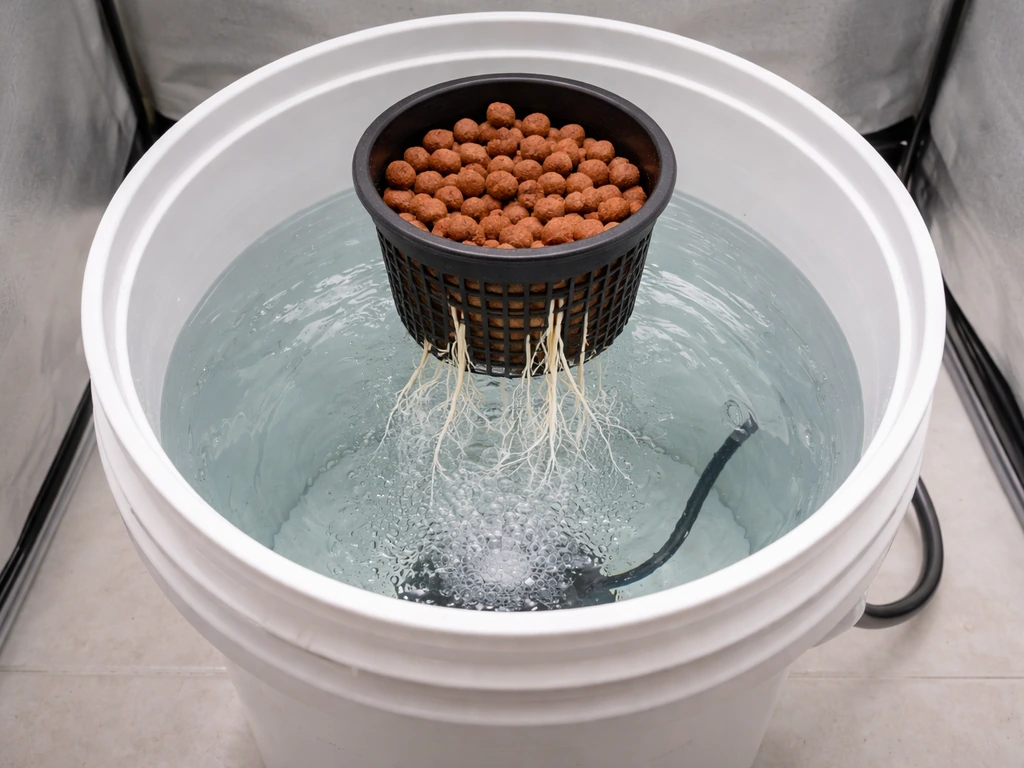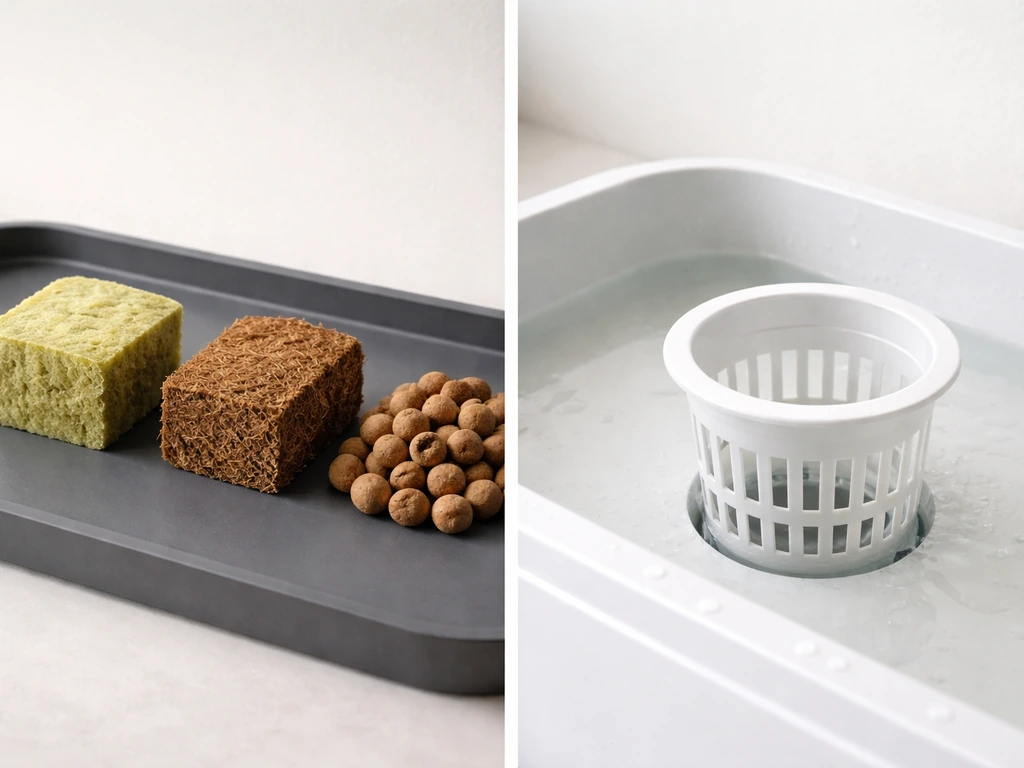
The best grow medium depends on your system, not just your plant. If you're growing in soil, a well-aerated mix of quality potting base, perlite (around 20–30% by volume), and compost hits the sweet spot for most home growers. If you're running hydroponics, rockwool for seedlings and clay pebbles or coco/perlite blends for veg and bloom are the go-to choices. For the best coco grow medium, look for a coco and perlite blend and make sure you buffer the coco before feeding. If you want the most consistently “hydroponics-ready” choice, compare the leading options like rockwool, clay pebbles, and coco/perlite against your system’s goals. There's no single universal answer, but there is a right answer for your exact setup, and this guide walks you through it.
Best Grow Medium Guide for Soil and Hydroponics

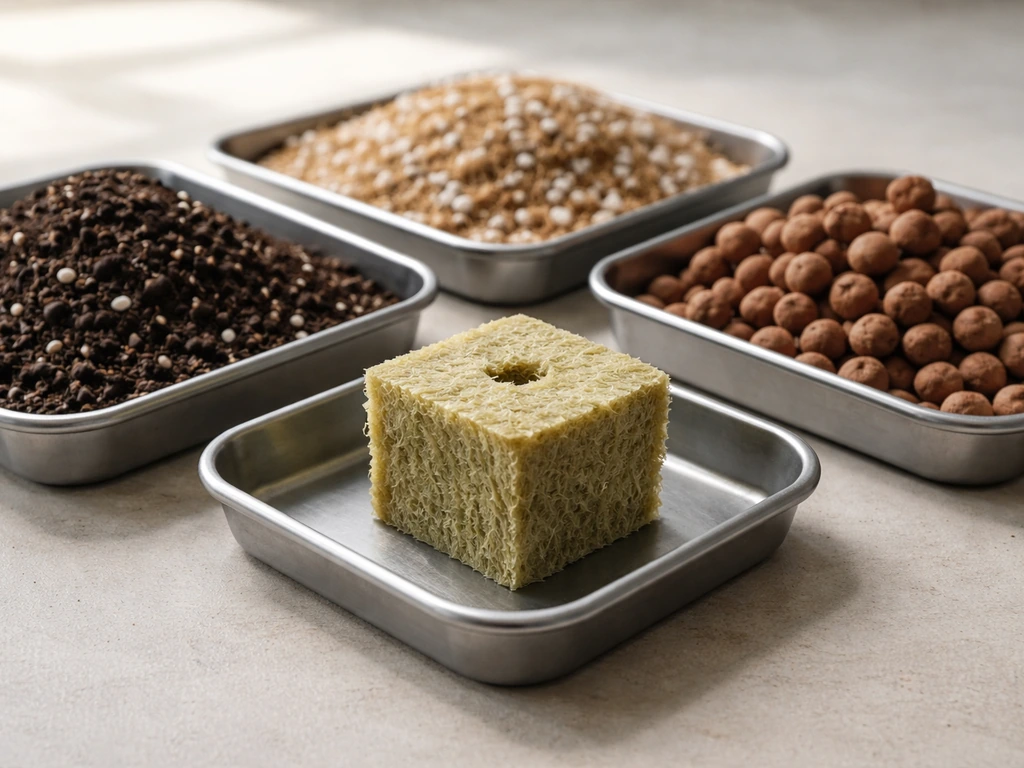
How to Choose the Best Grow Medium for Your Setup
The first decision is the biggest one: are you growing in soil or hydroponics? This shapes everything else. Soil-based media rely on biological activity, buffering capacity, and organic matter to make nutrients available. Hydroponic media are mostly inert, meaning you control almost everything through your nutrient solution. Both approaches work well, but they demand different skills and different levels of pH/EC monitoring.
If you're a beginner, soil is more forgiving. The medium itself buffers pH swings and holds nutrients in reserve. If you forget to water for a day or your pH drifts a bit, the plants usually survive. With inert hydroponic media like rockwool, clay pebbles, or straight perlite, root-zone pH and EC track almost directly with your reservoir solution. There's no biological buffer to save you from a bad feed. That precision cuts both ways: faster growth when done right, faster problems when something goes wrong.
The second filter is your system type. Flood and drain (ebb and flow), deep water culture (DWC), and drain-to-waste systems all have preferred media. DWC uses no solid medium at all, or a small net pot with clay pebbles just to hold the plant. Flood and drain works best with clay pebbles or a coco/perlite blend. Drain-to-waste setups feed fresh nutrient solution and discard runoff, while recirculating systems reuse the solution, which requires tighter monitoring to keep solution chemistry stable. Your medium choice has to match how your system delivers and drains water.
- Beginner, hands-off growing: quality amended soil mix with perlite
- Intermediate, soil-like feel with faster results: coco coir blended with perlite
- Hydro, drain-to-waste: coco/perlite or rockwool slabs
- Hydro, flood and drain / ebb and flow: clay pebbles (LECA) or coco/perlite
- Hydro, DWC or aeroponics: clay pebbles in net pots or no solid medium at all
- Cloning and seedlings across all systems: rockwool cubes or peat/coco plugs
Top Grow Medium Types Compared
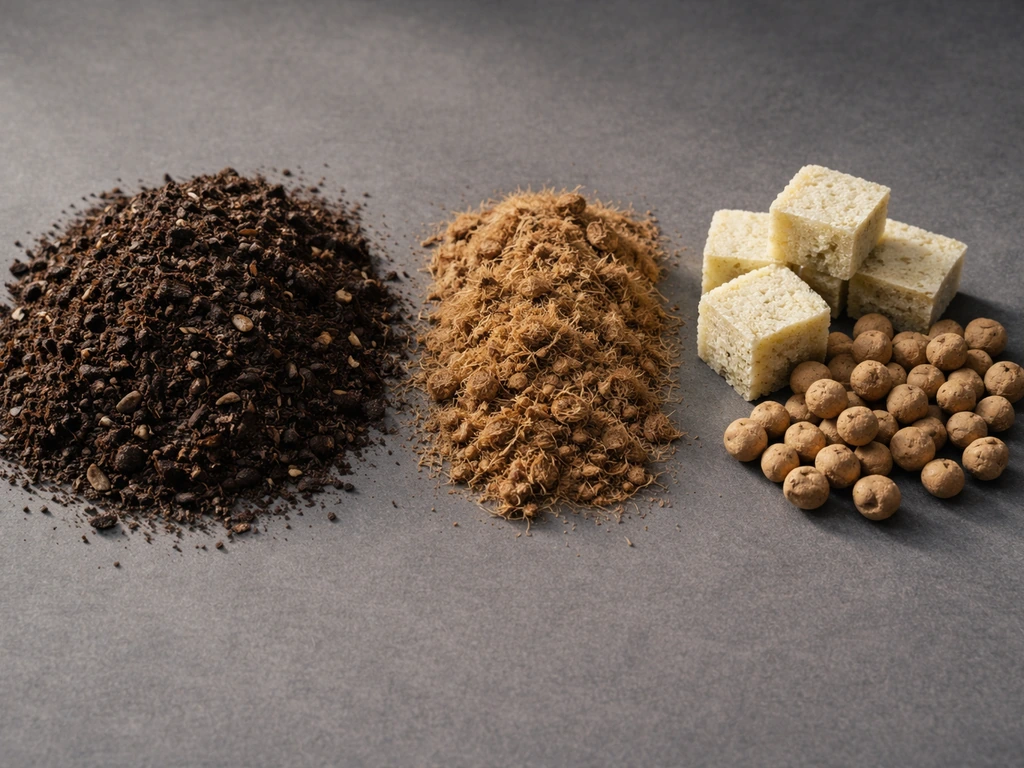
Here's how the major categories stack up against each other. Soil-based and soilless mixes (coco, peat, compost) sit on one side; inorganic hydro media (rockwool, clay pebbles, perlite) sit on the other. Each has a different relationship with water, oxygen, nutrients, and pH.
| Medium | Type | pH Buffering | Water Retention | Aeration | Best For |
|---|---|---|---|---|---|
| Amended potting soil | Organic/soil-based | High | High | Medium (add perlite) | Beginners, outdoor, low-maintenance grows |
| Coco coir (buffered) | Soilless organic | Low (needs buffering) | Medium-High | Medium (improve with perlite) | Intermediate growers, drain-to-waste hydro |
| Peat-based mix | Soilless organic | Low (needs lime) | High | Low-Medium | Seedlings, soil-style grows with amendments |
| Rockwool | Inert inorganic | Very low (alkaline out of box) | Medium | High | Seedlings, clones, slab systems |
| Clay pebbles / LECA | Inert inorganic | Very low | Low | Very High | Flood and drain, DWC, top layer drainage |
| Perlite | Inert inorganic | Very low | Low-Medium | Very High | Amendment in mixes, drain-to-waste |
| Vermiculite | Inert inorganic | Low-Medium | High | Low-Medium | Seedling mixes, moisture retention blends |
Coco coir sits in an interesting middle ground. It looks and feels like a soilless organic medium, but it behaves more like a hydroponic substrate when properly buffered and used with a complete nutrient solution. It has a cation exchange capacity (CEC) that can actually interfere with your feed if you skip the buffering step (more on that below). Peat-based mixes are similar but tend to hold more water and need lime to raise pH to a usable range. Rockwool and clay pebbles are fully inert, meaning root-zone pH and EC mirror what's in your reservoir almost exactly, which makes them powerful in skilled hands.
Medium Properties That Actually Matter
Drainage and Aeration
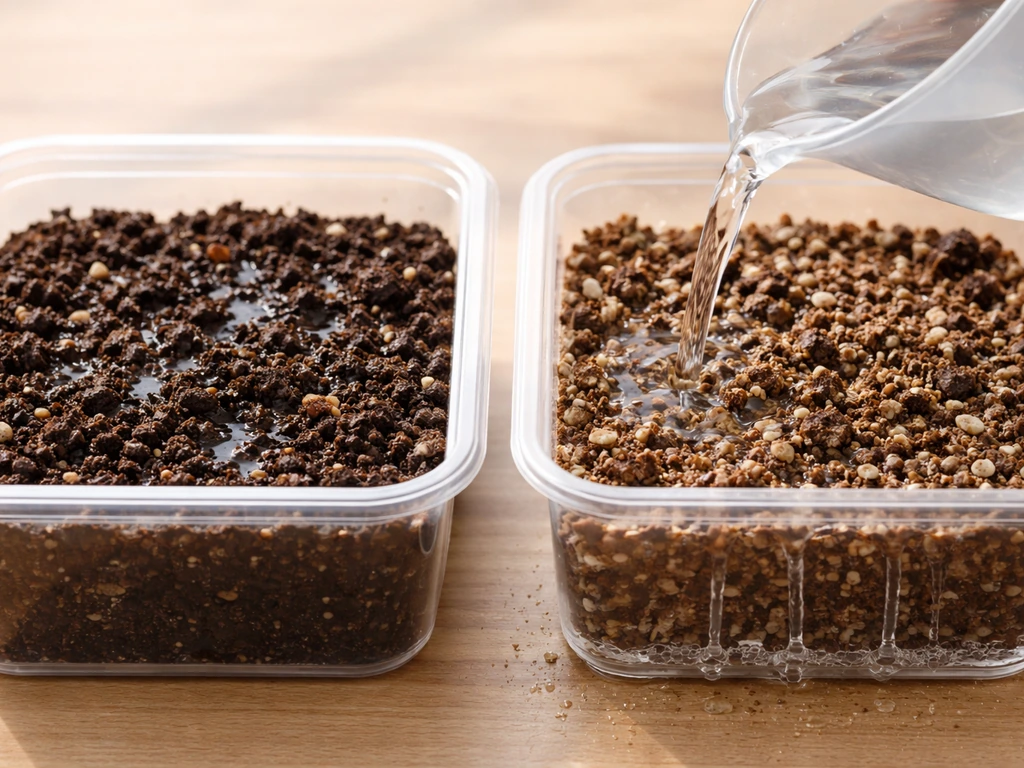
Air-filled porosity is the percentage of pore space in the medium that holds air rather than water after drainage. This is what delivers oxygen to roots. Too little air in the root zone is one of the most common causes of slow growth and root rot, especially in dense soil mixes or overwatered coco. Adding perlite at 10–30% by volume to any base medium (soil, coco, peat) meaningfully improves drainage and aeration without significantly affecting pH. It's one of the easiest and cheapest upgrades you can make to a struggling mix.
Water Holding Capacity
Water holding capacity (WHC) is the fraction of pore space that holds water after excess has drained. Two mixes that feel similar in your hand can have very different WHC values depending on particle size distribution. A fine-particle mix (like a compressed coco brick or heavy potting soil) holds more water and leaves less room for air. A coarser mix (chunky perlite, clay pebbles) drains fast and holds less water but delivers more oxygen. The sweet spot for most plants is a medium with enough WHC to stay moist between waterings but enough air-filled porosity that roots never suffocate.
pH and EC Behavior
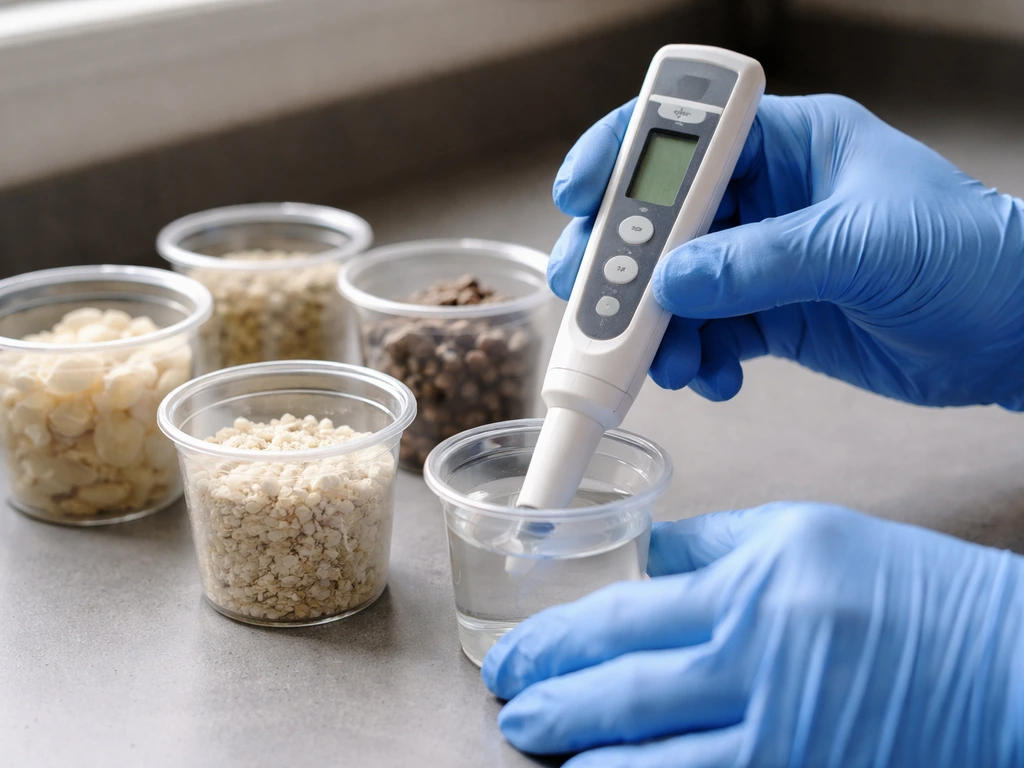
With inert media like rockwool, perlite, and clay pebbles, root-zone pH and EC stay close to whatever your nutrient solution reads. Control your reservoir and you control the root zone. With organic or semi-organic media (coco, peat, soil), the medium itself can shift pH and tie up nutrients. Coco's CEC is naturally loaded with potassium and sodium with little calcium or magnesium, so an unbuffered coco medium will pull Ca and Mg out of your feed before roots can use them. Soil mixes have complex biological buffering that can be very forgiving but also less predictable. The target pH for most hydroponic crops is 5.5–6.5 at the root zone. In soil, 6.0–7.0 is typical. Letting pH drift outside these windows is the most common cause of nutrient lockout.
CEC and Nutrient Holding
CEC (cation exchange capacity) measures how well a medium can hold onto positively charged nutrient ions like calcium, magnesium, and potassium. High CEC media (vermiculite, peat, amended soil) act as a nutrient reservoir between feedings. Low CEC media (perlite, clay pebbles, rockwool) hold almost nothing, so nutrients are only available when fresh solution is delivered. This isn't necessarily bad, it just means your feeding frequency and reservoir management matter a lot more with inert media.
Matching Medium to Plant Stage
Seedlings and Clones
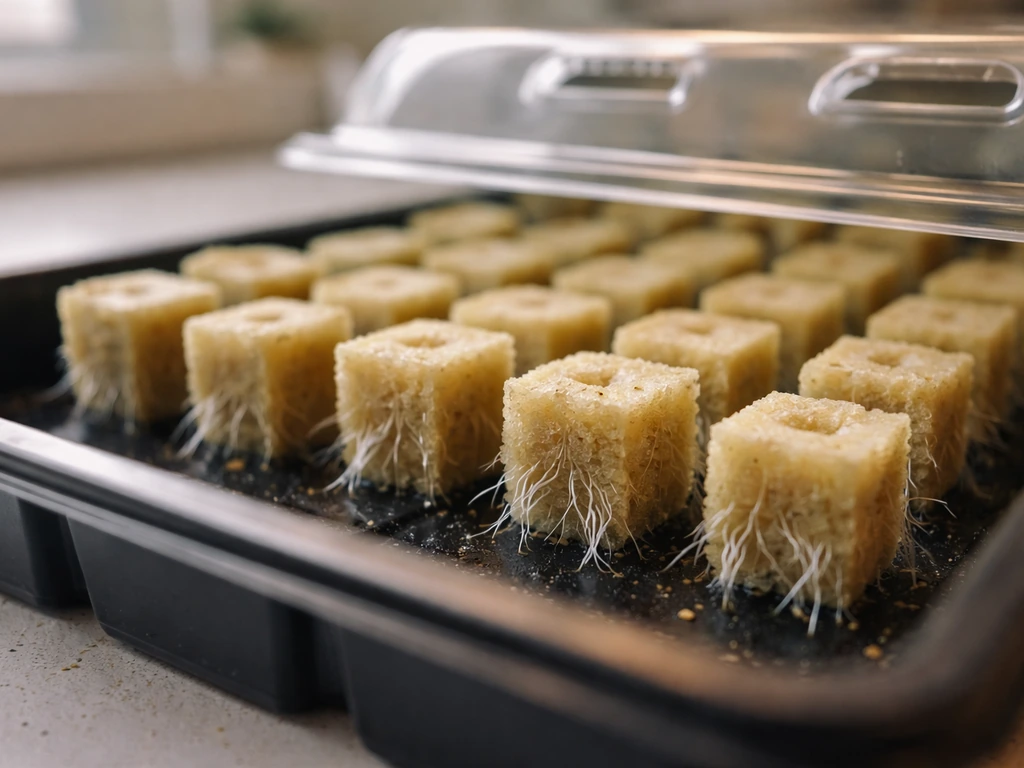
At this stage, roots are tiny and fragile. You need consistent moisture without waterlogging, and you want a medium with fine enough structure to support root initiation. Rockwool cubes (1-inch or 1.5-inch) are the gold standard for cuttings in hydroponic setups: they hold moisture evenly, drain well, and transplant directly into larger rockwool blocks or net pots without disturbing roots. Peat-based plugs or coco-based starter plugs also work well and are a bit more beginner-friendly because they're less alkaline out of the box. Avoid heavy soil mixes or straight perlite at this stage: too much drainage stress before roots are established causes early wilting and slow starts.
Vegetative Growth
In veg, roots are expanding fast and the plant needs a medium that supports aggressive growth without compacting or holding too much water. This is where coco/perlite blends (typically 70/30 or 60/40 coco to perlite) really shine. Clay pebbles work well in flood and drain setups during veg because the repeated wet/dry cycles keep oxygen levels high. Soil-based grows do well with a well-amended potting mix as the base, with perlite added if the base mix is dense. You can also upsize containers during veg, and the fresh medium in the new container gives roots a nutritional and structural boost.
Flowering and Bloom
During bloom, salt accumulation becomes a real concern, especially in drain-to-waste systems. You're feeding heavier nutrient solutions more frequently, and residue builds up in the medium over time. Inert media like clay pebbles and rockwool are easier to flush at this stage. Coco handles salt well if you're maintaining proper runoff and not pushing EC above 3.0–4.0 mS/cm. In soil, the biological activity that builds through veg helps process nutrients into bloom, but you need to watch pH drift closely as organic matter breaks down. Many soil growers switch to a lighter, mostly inert medium blend in later bloom to avoid salt buildup and compaction.
Hydroponic Grow Media: What Each One Does
Rockwool
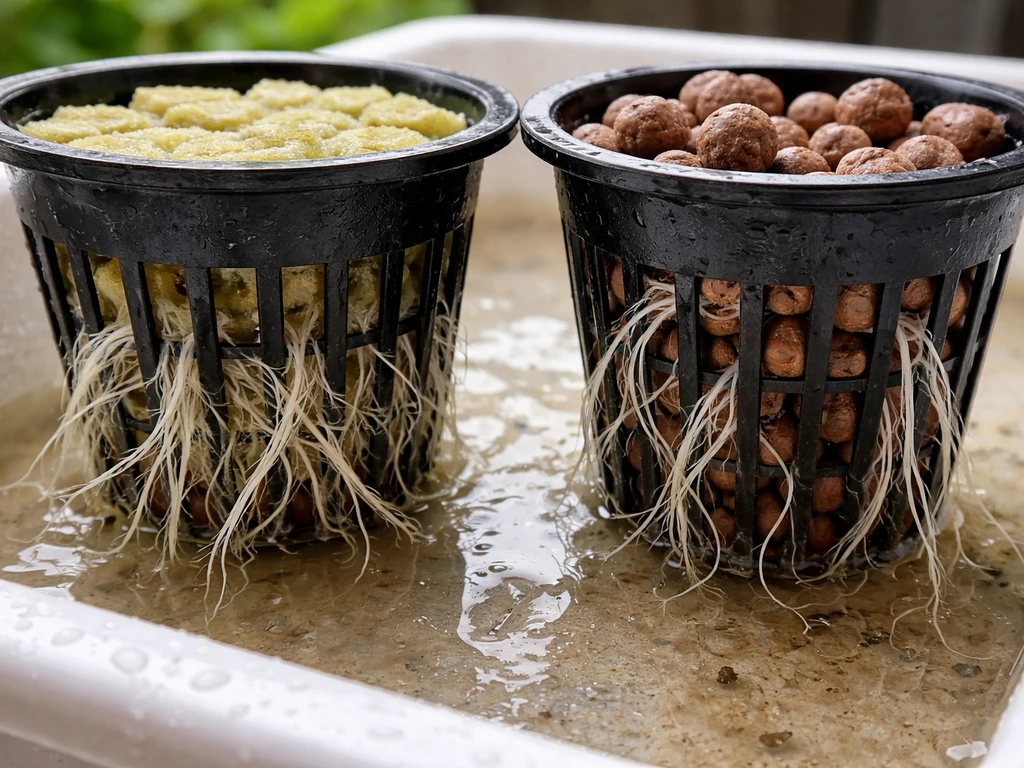
Rockwool (mineral wool) is spun from volcanic basalt rock into a fibrous, sponge-like structure. It has excellent air-filled porosity and moderate water retention, which makes it ideal for seedlings, clones, and slab systems. The catch: blank" rel="noopener noreferrer">fresh rockwool is alkaline, with pH often above 7.5. Before use, soak cubes or slabs in pH-adjusted water at around 5. A grower on r/Hydroponics also reports conditioning rockwool cubes or blocks by soaking around pH 5.8 for about a day and changing the water after 24 hours in a two-step approach blank" rel="noopener noreferrer">Before use, soak cubes or slabs in pH-adjusted water at around 5.. 5 for at least 24 hours to flush out the lime content and bring pH into range. Don't go below pH 5.2 in your soak solution or during use. During the grow, maintain nutrient solution pH at 5.5–6.5 and EC at 1.5–3.0 mS/cm depending on plant stage. Rockwool is not reusable after a full grow cycle without sterilization, and disposal requires care since the fibers don't break down quickly.
Clay Pebbles (LECA / Hydroton)
Clay pebbles are the default media for flood and drain and DWC net pot systems. They're fully inert, drain nearly instantly, and provide exceptional aeration. The main prep step most growers skip: rinse thoroughly before use to remove clay dust, then soak for 12–24 hours, and consider a dilute acid soak (to lower pH) if your pebbles run alkaline. Tap water with high TDS (above 150 ppm) can contribute to salt scale inside the pellets over time, so using filtered or RO water helps. After a crop, clay pebbles can be cleaned and reused: rinse out root material, soak in a dilute bleach or hydrogen peroxide solution, rinse again thoroughly, and let dry. Salt buildup on the pebble surfaces can shift pH and EC readings in your reservoir, so proper cleaning between grows is not optional.
Perlite
Perlite is expanded volcanic glass with a porous surface that holds a small amount of moisture while leaving the majority of pore space open to air. It's almost completely inert and has nearly zero CEC, meaning it doesn't buffer nutrients or pH at all. In hydroponic drain-to-waste systems, straight perlite in a bag or pot works surprisingly well because the rapid drainage forces repeated wet/dry cycles that oxygenate roots between feeds. More commonly, perlite is used as an aeration amendment in coco or soil blends at 10–30% by volume.
Aeroponics
Aeroponics uses no solid medium at all. Roots hang in air and are misted with nutrient solution at timed intervals. It delivers the highest possible oxygen levels to roots, which translates to very fast growth rates when the system is dialed in. The trade-off is that there's zero buffer for anything: a pump failure, a pH spike, or a nozzle clog causes stress within hours. This is an advanced system that rewards experience with pH/EC management and system maintenance.
Soil Grow Media: Building Your Own Mix
A good soil-based grow medium has three functional components: a moisture-retaining organic base, an aeration component, and a nutrient or biological amendment layer. Most commercial potting mixes give you the first layer but skimp on aeration and nutrients optimized for your specific crop.
The Base Layer
Coir, peat, or quality compost-based potting mix serves as the moisture-retaining backbone. Coco coir is increasingly preferred over peat because it's renewable, has better structure, and doesn't acidify as aggressively. Peat is cheaper and widely available but needs liming (pH adjustment) and is a non-renewable resource. A simple starting ratio is roughly 50% organic base to 50% amendment components, though this varies by how much water retention vs. drainage your plants and containers need.
The Aeration Layer
Perlite is the most common aeration component in home soil mixes. Add 20–30% perlite by volume to loosen up any dense base mix and improve drainage. Pumice is a heavier but more permanent alternative with similar aeration benefits. Bark chips at 25% by volume (as used in historical soilless studies from Oregon State) provide both aeration and slow-release organic matter. Vermiculite is sometimes used instead of perlite where more moisture retention is wanted alongside some aeration, since it has a higher WHC and a moderate CEC.
Amendments and Nutrition
For soil grows, amendments do the work that nutrient solutions do in hydro. Worm castings (5–10% of mix volume) add slow-release nutrition and beneficial microbes. Compost adds biological diversity and helps build a stable root-zone pH. Dolomite lime raises pH and adds calcium and magnesium to peat-heavy mixes. Mycorrhizal inoculants added at planting help roots access nutrients more efficiently. A well-built soil mix can feed plants through most of veg with little or no additional liquid feeding, which is a real advantage for hands-off growers.
How to Prepare, Buffer, and Re-use Your Medium
Pre-wetting Coco and Soilless Media
Dry coco coir (especially compressed bricks) is hydrophobic until fully saturated. Before use, rehydrate the brick with warm water and then rinse thoroughly. Commercial coco products that have been properly processed should come in under 0.7 mS/cm EC, but it's worth checking. Once expanded and rinsed, pre-wet with a dilute nutrient solution (pH 5.8–6.2, EC around 1.0 mS/cm) before potting. This gets the medium to field capacity and starts the pH stabilization process.
Buffering Coco
Buffering coco means loading its CEC sites with calcium and magnesium before your plants move in. Fresh, unbuffered coco is naturally loaded with potassium and sodium. When you start feeding, the coco will strip Ca and Mg from your nutrient solution to displace those ions, causing deficiency symptoms even when your feed looks correct on paper. To buffer: soak coco in a calcium-magnesium solution (look for a dedicated Cal-Mag product or use calcium nitrate) at roughly 150–200 ppm Ca for several hours, then drain and use. From that point, maintain a slightly elevated Cal-Mag supplementation for the first few weeks of feeding until the exchange sites stabilize.
Preparing Rockwool
Soak rockwool cubes or slabs in pH 5.5 water (never below 5.2) for at least 24 hours before use. Some growers add a dilute nutrient solution (EC around 1.0) to the soak to begin conditioning. Drain thoroughly before inserting seeds or cuttings. During the grow, check that solution pH stays in the 5.5–6.5 range; drift below 5.2 can cause micronutrient toxicity and above 6.5 leads to iron and manganese lockout.
Preparing Clay Pebbles
- Rinse pebbles thoroughly under running water until the water runs clear to remove clay dust.
- Soak in clean water (pH 5.5–6.0) for 12–24 hours.
- Optionally, soak in dilute pH-down solution for a few days to pre-acidify alkaline pebbles.
- Drain fully before adding to your system.
- For reuse after a crop: remove root material, soak in 1–3% hydrogen peroxide solution for 24 hours, rinse multiple times, and allow to dry completely before storage.
Soil Mix Preparation
Mix your components by volume in a clean container. Pre-wet the finished mix before potting: it should feel moist throughout but not drip when squeezed (the classic 'wrung sponge' test). If you're using peat as a base, add dolomite lime at the label rate and mix thoroughly, then let the mix sit for 24–48 hours before use so the lime has time to react and stabilize pH. Check runoff pH after the first watering: target 6.0–6.8 for soil-based mixes.
Common Mistakes and How to Fix Them
Overwatering and Low Root Oxygenation
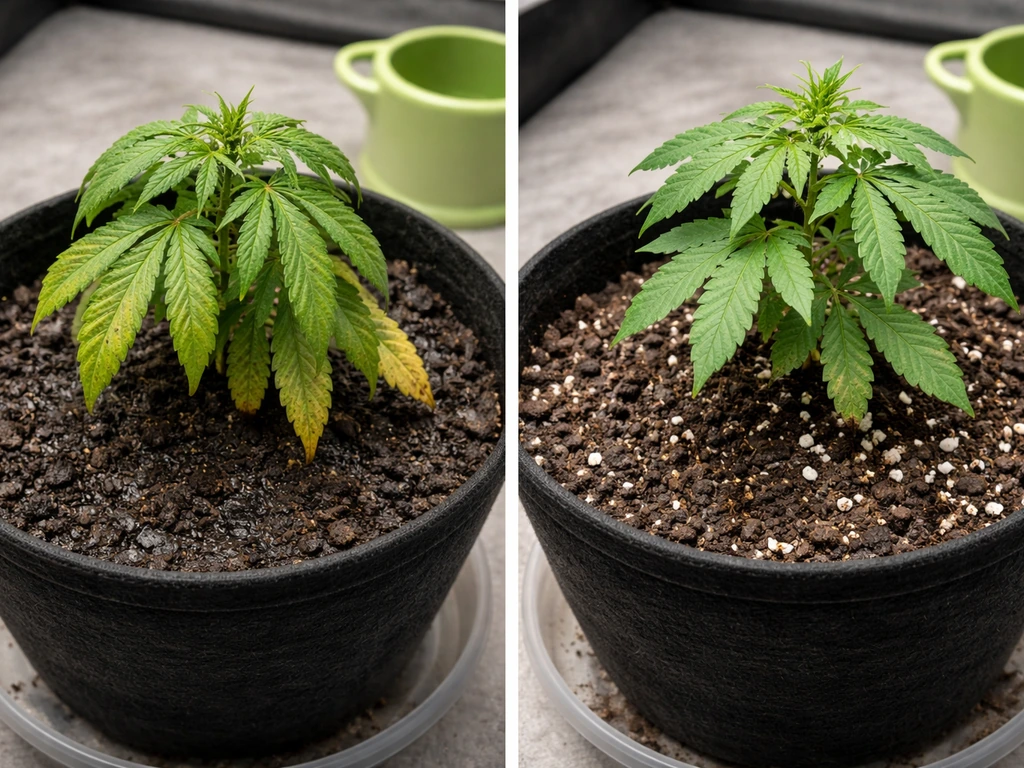
This is the most common problem across all medium types, but it's especially devastating in dense soil or unammended coco. The symptom looks like underwatering: drooping, yellowing leaves. But the cause is suffocated roots from a medium that never fully dries between waterings. Fix it structurally by adding perlite to the mix (if you haven't already), and fix it behaviorally by waiting until the pot is noticeably lighter before watering again. In hydro systems, check that your flood/drain intervals are set correctly and that medium drains fully between cycles.
Nutrient Lockout from pH Swings
Lockout happens when pH drifts outside the range where specific nutrients are soluble. You can be feeding the right nutrients at the right EC and still starve your plants if pH is wrong. With inert media, the root-zone pH tracks your nutrient solution directly, so check your reservoir first. With soil or coco, check runoff pH: if input is 5.8 but runoff is 7.2, something in the medium is spiking pH (old lime residue, alkaline water, etc.). The fastest fix for lockout in any medium is a flush with pH-correct plain water (or a very light nutrient solution at proper pH), followed by resuming feeding at the correct pH range. Don't just add more nutrients; address the pH first.
Salt Buildup
Salt accumulation is the slow-motion killer in recirculating systems and in media where runoff is minimal. EC creeps up, nutrient ratios get imbalanced, and plants show tip burn, leaf curl, or general stress. In clay pebbles, you'll sometimes see white crust forming on pebble surfaces. Preventively, run enough solution through the medium to create 10–20% runoff with each feeding (in drain-to-waste systems) and measure that runoff EC. If runoff EC is significantly higher than input EC, you have salt buildup. Fix: flush with clean, pH-adjusted water until runoff EC drops back to input levels.
Stunted or Slow Root Growth
If roots aren't expanding, the usual suspects are: too much water retention with too little air, pH out of range, or a medium that's physically compacted. In rockwool, this can happen if cubes were over-saturated and never allowed to drain. In coco, it's usually unbuffered media stripping Ca from the feed. In soil, it's often compaction from a mix that's too fine or was watered in heavily at transplant. Lift containers and check root zone: healthy roots should be white to cream-colored and smell fresh. Brown, slimy, or absent roots mean oxygen or disease problems, not just nutrient issues.
Not Monitoring Runoff
Assuming what goes in is what the roots experience is one of the most preventable yield losses in both soil and hydro growing. Especially in recirculating systems and long drain-to-waste runs, root-zone chemistry drifts independently of what's in your reservoir or feed jug. Make runoff pH and EC checks a routine part of your feeding schedule, at least weekly. If you're not measuring it, you're guessing, and in growing, guessing is expensive.
Quick Recommendations by Setup
If you want to stop reading and just pick something: beginners in containers do best with a quality amended soil mix plus 20–25% perlite. Intermediate growers looking for more control should move to buffered coco at a 70/30 coco-to-perlite ratio with a complete hydroponic nutrient line. Hydro growers running flood and drain or ebb and flow should use clay pebbles as the primary medium. Anyone running DWC or aeroponics is already past the need for solid medium as a growing substrate, but rockwool or clay pebbles in net pots handle plant support. Seedlings and clones across all systems start in rockwool cubes or peat/coco plugs. Each of these areas (best medium for specific hydro systems, best coco medium, best medium for indoor grows) goes deeper depending on your exact system, and they each have their own nuances worth exploring once you've nailed the fundamentals here.
FAQ
How do I choose the best grow medium if I might switch between soil and hydro later?
It depends on whether you want biological buffering (soil) or chemistry control (hydro). For a first pass when you are unsure of your future setup, choose a container soil mix that includes aeration (about 20–25% perlite) and avoid pure coco unless you are committed to buffering and frequent nutrient monitoring.
Can I use the same grow medium in different hydro systems without changing anything?
The right “fill level” is different by system. In flood and drain, you want the medium to drain fully between cycles, while in passive or barely drained setups you can suffocate roots even with the “correct” ingredients. If you cannot measure drainage, use a medium with high air-filled porosity (like coco/perlite or clay pebbles) rather than a dense fine mix.
What happens if I do not buffer coco before planting?
For coco, buffering is not optional if you want stable calcium and magnesium. If you skip it, plants often show deficiency symptoms even when your nutrient solution EC and NPK look correct, then the issue can look like “bad pH” or “wrong feed.” Make sure your buffering uses calcium and magnesium (not just pH adjustment), and plan on maintaining cal-mag supplementation during early weeks.
How can I tell if my medium has too much water retention before I hurt seedlings?
A quick decision rule is to test the medium behavior with water, before adding plants. Pre-wet and then squeeze in your hand, the target feel is evenly moist with no dripping, and the pot should lighten predictably before the next watering. If it stays heavy for days, you likely have too much fine material and not enough aeration.
Do pH and EC targets stay the same once the medium is in the container?
Yes, but do it by checking how the medium affects your readings, not by copying a reservoir target. With inert media, root-zone pH and EC usually track the reservoir closely, with soil or coco you must check runoff pH (or at least first-drain runoff) because media can spike pH or tie up nutrients.
What is the fastest fix for nutrient lockout when using coco or soil mixes?
Most “nutrient lockout” calls are actually a pH problem created by the medium or by runoff chemistry. In soil and coco, check runoff pH after the first proper watering and flush only lightly. If you flush too aggressively in an organic medium, you can strip buffering and microbes and temporarily make the plant worse.
What prep steps are most commonly skipped for clay pebbles and why does it matter?
Rinse and soak are the difference between smooth starts and immediate stress. Clay pebbles especially need thorough rinsing to remove dust, then a 12–24 hour soak so they do not pull water and nutrients in unpredictable ways at transplant. Also, if your tap water is high TDS, expect more scaling and plan on filtered or RO water for prep and future feeds.
My seedlings droop even though I water on schedule, what medium-related causes should I check first?
If seedlings wilt despite “proper” watering, check oxygen first. Over-saturated starter media, especially with dense or fine mixes, can suffocate fragile roots quickly. For fragile starts, use rockwool cubes or coco/peat plugs, keep moisture consistent but not waterlogged, and ensure good drainage so excess can move away from the root zone.
Can rockwool be reused safely for the next crop?
Rockwool is reusable only with sterilization and only if you can keep it clean and safe from root pathogens, mold, and salt residue. Most home growers treat it as single-use because fully sterilizing fibrous media is difficult, and because once it is contaminated the next crop can start with an unseen disease problem.
If I use a lot of perlite, do I need to add nutrients differently?
Perlite is almost completely inert and has near-zero CEC, so any benefit comes from structure and drainage, not from nutrients. If your plants stall in a perlite-heavy mix, you usually need a higher frequency feeding strategy or a more nutrient-supportive base (like coco or amended soil).
How do I know if salt buildup is happening in my system with my medium?
Measure runoff, not just reservoir EC, when you are using recirculating or low-runoff setups. If runoff EC climbs above input EC, salts are accumulating and your “right” EC target in the reservoir may no longer match the root zone. Fix by flushing with pH-adjusted water until runoff EC returns toward your input level.
What signs in the roots indicate the medium is the real problem, not the nutrient formula?
If you are seeing stunted root growth, the medium is often too fine or too wet for the container size, or the pH is outside range. In coco, this commonly comes from unbuffered coco stripping calcium and magnesium, in soil it can be compaction from fine particles or overwatering right after transplant. Pull one plant carefully and inspect roots, healthy roots should be firm and light colored, not brown or slimy.
What is a practical “first try” recipe if I am starting from scratch?
For the first crop in a new medium, start with a stable, repeatable recipe and one variable at a time. For example, choose buffered coco at a consistent ratio (like 70/30 coco to perlite) with a complete nutrient line, or use an amended soil mix with 20–25% perlite. Track pH and runoff once you start, then adjust feed strength or watering cadence rather than constantly changing the medium.