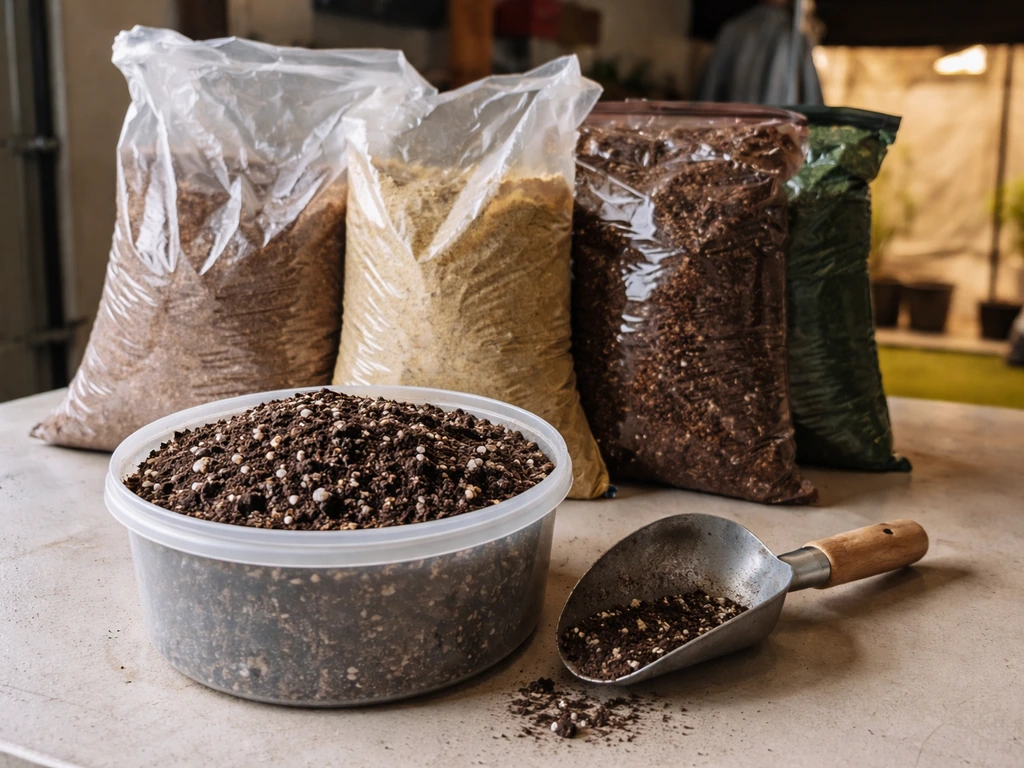
For most indoor home growers, a quality pre-mixed coco coir and perlite blend (roughly 70/30) is the best all-around indoor grow medium right now. It drains fast, holds enough moisture, buffers pH reasonably well, and works in containers, fabric pots, and drip systems. If you're a total beginner running a simple tent setup and you want a more forgiving option, a well-amended organic potting mix gets you closer to 'just water and go.' If you're running hydroponics, rockwool cubes for propagation and expanded clay pellets or coco slabs for your main reservoir or flood system are the standard choices that consistently outperform the alternatives. The right pick comes down to your irrigation method, your container setup, and how hands-on you want to be with nutrients.
Best Indoor Grow Medium: Choose the Right Mix for Success

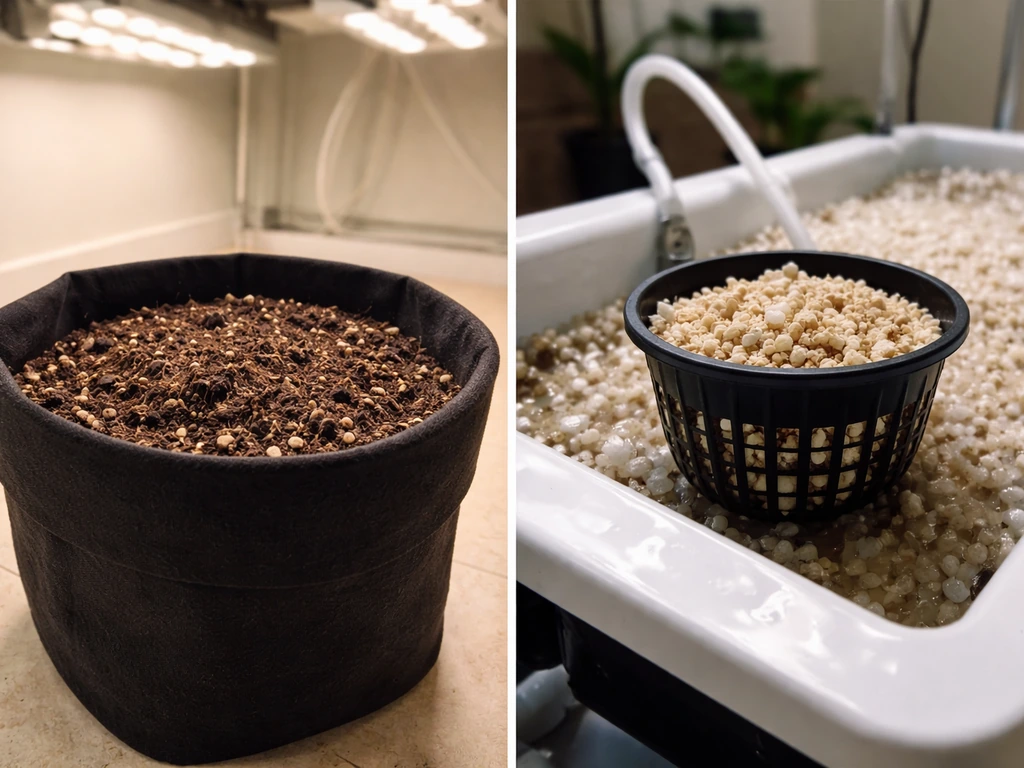
Best medium picks by grow style
| Grow Style | Best Medium | Why It Works | Best For |
|---|---|---|---|
| Soil container (tent) | Amended organic potting mix + 20-30% perlite | Buffers pH, feeds slowly, forgiving on watering frequency | Beginners, organic growers |
| Coco container (tent) | 70% buffered coco coir + 30% perlite | Fast drainage, high oxygen, full control over nutrients | Intermediate growers, high-yield goals |
| Drip / top-feed hydro | Coco coir slabs or loose coco + perlite | Holds moisture evenly between drip cycles, reusable | Experienced growers, commercial-style setups |
| Flood and drain / ebb and flow | Expanded clay pellets (hydroton) | Drains completely, no rot risk, reusable indefinitely | Hydro-focused growers, recirculating systems |
| DWC / deep water culture | Rockwool starter cubes + net pot hydroton | Inert, pH-stable, roots access solution directly | Experienced hydro growers |
| Propagation (any system) | Rockwool cubes or rapid rooter plugs | Consistent moisture, excellent root strike rates | All growers during clone/seedling stage |
Indoor soil grows: mixes, amendments, and what actually matters
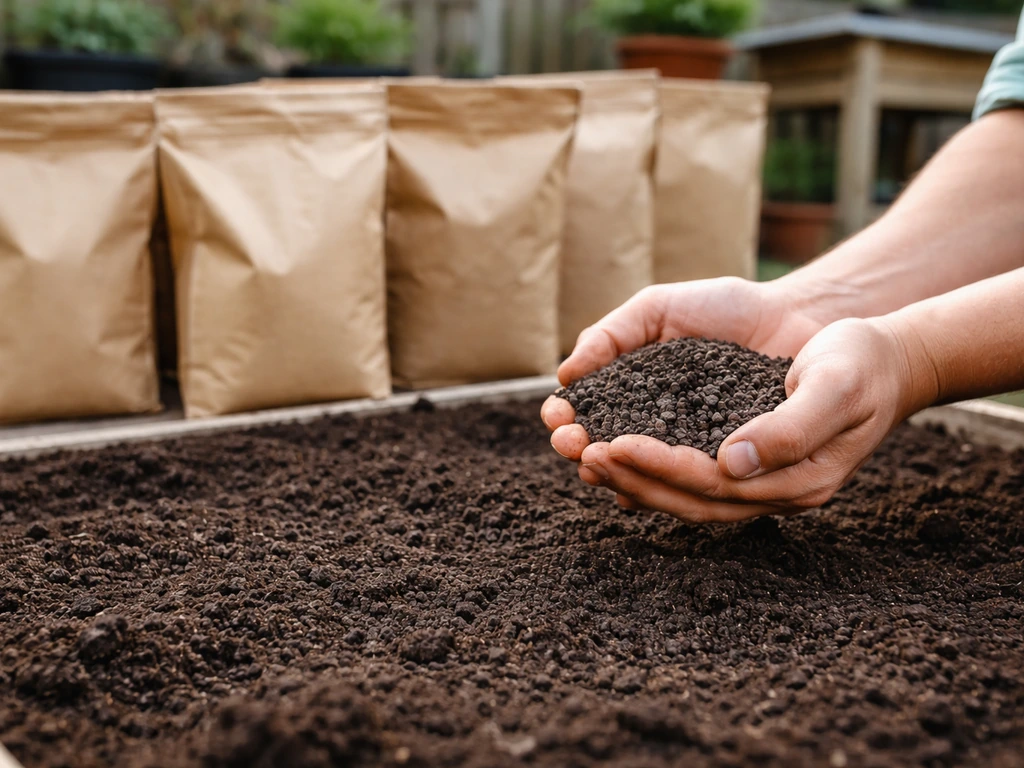
When people talk about soil grows indoors, they usually mean a peat-based or compost-based potting mix rather than actual garden soil, which is too dense and often carries pests. The gold standard is a high-quality organic potting mix that already contains perlite, compost, worm castings, and some slow-release nutrients. Brands like Fox Farm Ocean Forest, Roots Organics, and similar craft blends are popular because they're already pH-adjusted (usually around 6.0-6.8) and give plants a few weeks of built-in feeding before you need to add much externally.
The single best amendment you can add to any bagged potting mix is perlite. Most pre-mixed soils don't have enough for indoor container grows, where overwatering is the number one killer. Aim for 20-30% perlite by volume. If you're growing in fabric pots (which I strongly recommend indoors), you can get away with slightly less perlite because the fabric walls passively aerate the root zone. Avoid garden soils, topsoil bags, or anything labeled 'moisture control' because those retain water too aggressively for container culture.
Organic 'living soil' builds
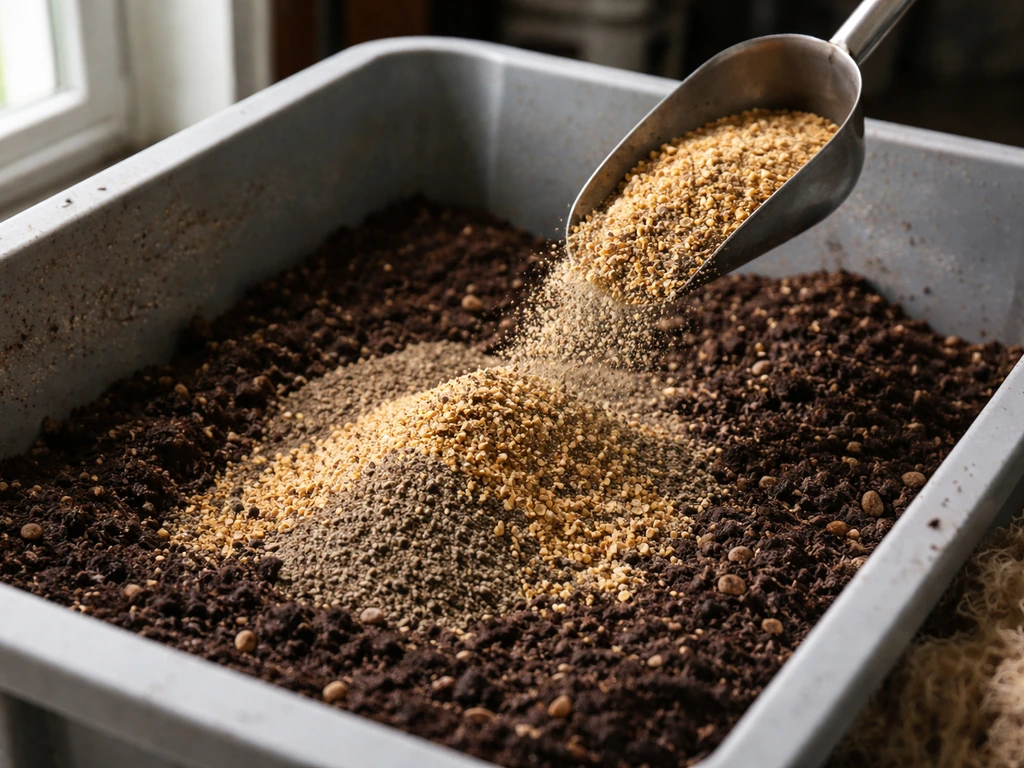
If you want to go full organic, you can build a living soil mix using compost, worm castings, peat or coco as the base, and a dry amendment pack for slow-release nutrients. This approach requires minimal liquid feeding once dialed in, but it takes practice to get the recipe right and it's not particularly forgiving if your environment swings. It's a great long-game strategy for experienced growers who want to cut feeding costs and produce terp-heavy harvests, but beginners should start with a quality pre-mixed bag before going down the living soil road.
Indoor hydroponic and soilless grows: coco, rockwool, and inert media
Soilless and hydroponic media are inert or near-inert, meaning they don't feed your plants on their own. They exist purely to anchor roots, hold moisture in the right ratio, and allow oxygen into the root zone. You control everything through your nutrient solution. That means more precision and more responsibility, but also faster growth and bigger yields when done right.
Coco coir
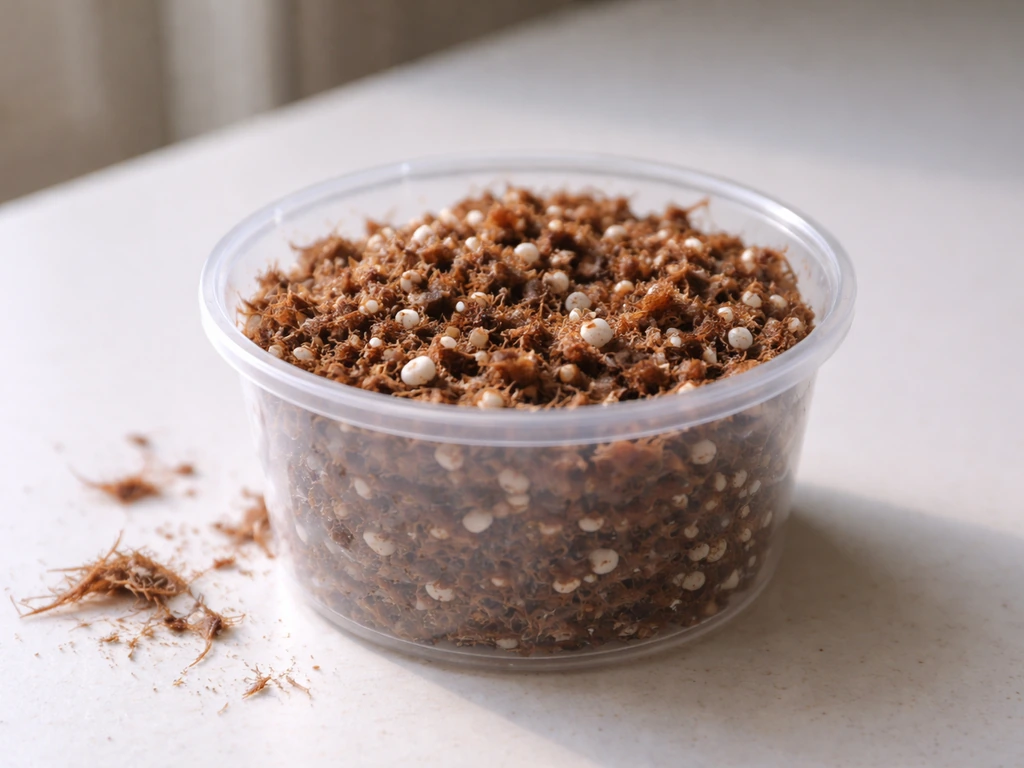
Coco coir is the most versatile soilless medium for indoor grows. It's made from processed coconut husk fibers and comes in loose bags, bricks (which you rehydrate), or pre-formed slabs. Coco holds roughly 30% air-filled porosity even at field capacity, which is excellent for root oxygen. It's slightly acidic on its own and naturally high in potassium, so you need to buffer it with a calcium-magnesium-rich solution before first use (most commercially bagged coco is pre-buffered now, but check the label). Run a 70% coco, 30% perlite blend in fabric pots or standard plastic containers with good drainage holes. This is the medium I'd recommend most for growers who want hydro-level control without the complexity of a full recirculating system.
Rockwool
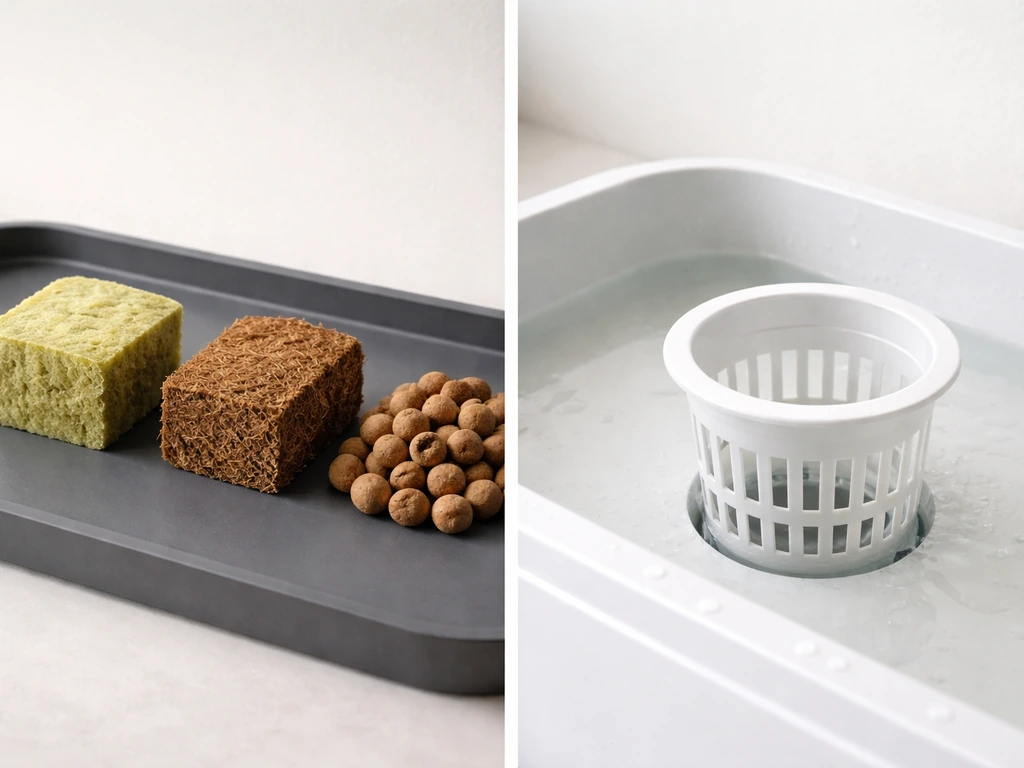
Rockwool (spun basalt rock fibers) is the dominant substrate in commercial greenhouse hydroponics for a reason. It's sterile, pH-stable after conditioning, and holds an ideal air-to-water ratio. For indoor home growers, rockwool cubes are best used for propagation: soak them in pH 5.5 water for a few hours, then use them for seed germination or cuttings. Large rockwool slabs work for drain-to-waste drip systems. The main drawback is disposal since rockwool doesn't break down and can irritate skin and lungs during handling. Always wear gloves and a dust mask when cutting or handling dry rockwool.
Expanded clay pellets (hydroton / LECA)
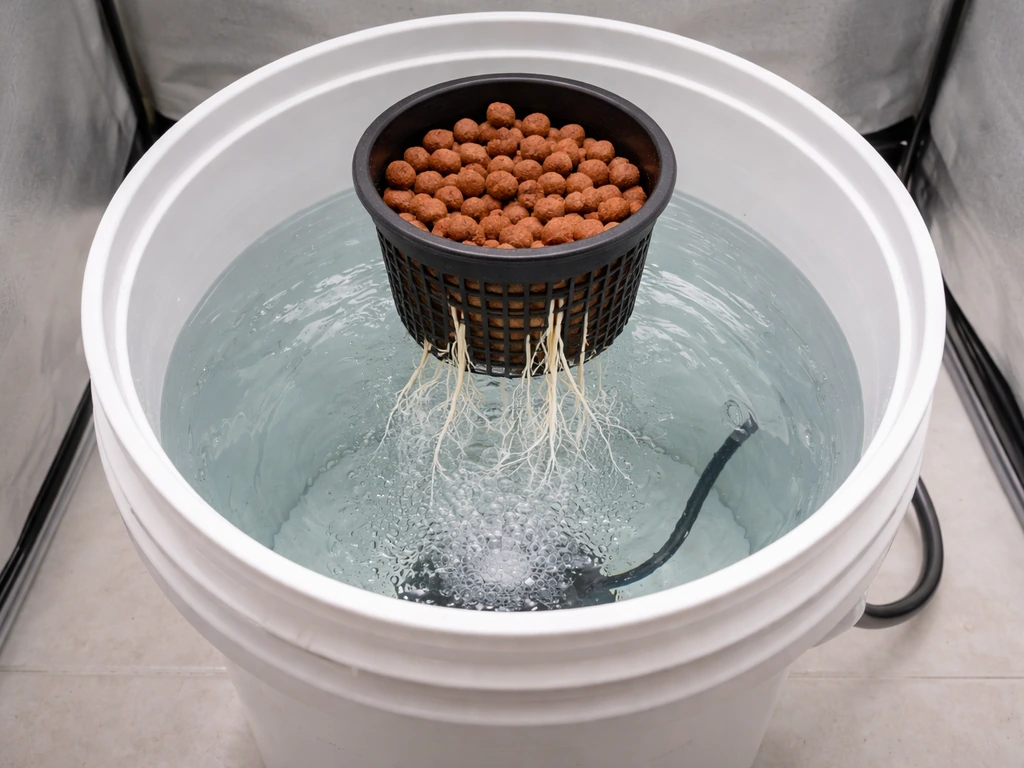
Expanded clay pellets are the go-to inert medium for flood-and-drain (ebb and flow) and deep water culture setups. They drain completely between flood cycles, which prevents anaerobic zones and root rot. They're reusable: rinse, soak in diluted hydrogen peroxide or a dedicated cleaning solution between grows, and they're good to go again. They don't hold a lot of moisture, so they're not ideal for hand-watering or drip systems with long intervals, but in an automated flood system they're almost foolproof.
Other soilless options worth knowing
- Perlite alone: works as a standalone medium in some drip or flood systems; very fast draining but holds almost no moisture between cycles
- Peat-based soilless mixes (Pro-Mix, Sunshine Mix): act like a lightweight soil with no native nutrients; popular in commercial greenhouse production and very beginner-friendly
- Rapid rooter plugs: made from composted bark, excellent for propagation and germination as an alternative to rockwool, and they break down over time
- Growstones / pumice: less common alternatives to hydroton with slightly higher moisture retention; work in similar systems
How to pick the right medium for your specific setup
The medium has to match your irrigation method, your container, and how much time you want to spend watering. If you are running an ebb and flow system, the best grow medium for ebb and flow usually follows the same rule about matching fully draining media to complete flood cycles. Here's how to think through it.
Match your medium to your irrigation method
Hand watering works best with soil or coco/perlite blends because those hold enough moisture to give roots consistent hydration between manual watering sessions. On Reddit, growers discuss switching from peat or coco and ask whether a 70/30 coco and perlite ratio works well when using coco instead of peat blank" rel="noopener noreferrer">coco/perlite blends. Drip systems pair well with coco slabs or loose coco in containers because the frequent small doses keep the medium at ideal moisture without waterlogging. Flood and drain systems need fully draining media like clay pellets, where the medium empties completely between flood cycles. For flood and drain setups, the best grow medium is typically a fully draining, fast-oxygenating option like expanded clay pellets (hydroton/LECA) best grow medium for flood and drain. DWC roots hang directly in oxygenated nutrient solution, so the 'medium' is mostly just the net pot fill material (clay pellets) to anchor the plant initially. In DWC, the best grow medium is usually minimal net-pot fill like clay pellets to keep roots supported while the nutrient water stays oxygenated DWC roots hang directly in oxygenated nutrient solution. In DWC, the best grow medium is usually minimal net-pot fill like clay pellets to keep roots supported while the nutrient water stays oxygenated, and the same “best grow medium” idea applies when you compare coco and soil for non-flood setups too.
Container size and drainage
Bigger containers dry out more slowly, which means you need faster-draining media to avoid root suffocation. A 5-gallon fabric pot with coco/perlite will dry out appropriately in 1-2 days under a good light. The same 5-gallon pot filled with dense potting mix might take 3-4 days, which increases overwatering risk significantly. Fabric pots are genuinely one of the best tools in indoor growing: they air-prune roots, prevent circling, and help regulate moisture more than any plastic container will. If you're running plastic pots, add more perlite (up to 40%) to compensate.
Beginner vs. experienced grower considerations
Beginners should lean toward soil or peat-based soilless mixes. The buffering capacity of organic matter means pH swings and minor nutrient errors are less immediately damaging. Intermediate and experienced growers benefit from coco because it rewards feeding precision with noticeably faster growth and better yields. If you're ready to commit to daily or twice-daily feeding schedules and regular pH/EC checks, coco is worth the step up. Full hydro systems like DWC are powerful but have the steepest learning curve: a pump failure or pH crash can wipe a crop in 24 hours.
Watering and feeding by medium type
This is where most growers go wrong. Each medium has a different relationship with water, oxygen, and nutrients, and your feeding schedule has to reflect that.
Soil feeding schedule
In soil, water when the top inch or two of the medium is dry and the pot feels light when you lift it. Feed nutrients at roughly 25-50% of manufacturer recommendations if you're using a pre-amended mix, then ramp up as the native nutrients deplete (usually after weeks 3-4). Keep pH between 6.0 and 7.0 for soil; most nutrients become unavailable outside this range. Flush with plain pH-adjusted water every few weeks to prevent salt buildup.
Coco feeding schedule
Coco requires more frequent feeding than soil because it doesn't buffer or store nutrients the same way. Feed at every watering once plants are established, targeting a 10-20% runoff to flush accumulated salts. Keep nutrient solution pH between 5.5 and 6.5 (with a sweet spot around 5.8-6.2). EC of the nutrient solution should typically run between 1.5 and 3.0 dS/m depending on growth stage, with seedlings at the low end and late flower at the higher end. Always test your source water first: if your tap water already reads above 0.5-0.8 dS/m, you have less room to add fertilizer before hitting problematic levels.
Hydro (inert media and DWC) feeding schedule
In fully inert media and DWC, the rootzone pH and EC directly mirror your nutrient solution because there's no buffering. Oklahoma State University Extension recommends keeping hydroponic nutrient solution pH between 5.0 and 6.0, while Ohio State Extension cites 5.5 to 6.5 as a workable range depending on crop. I'd aim for 5.8 to 6.2 as the practical target for most plants. EC should run 1.5 to 3.0 dS/m for most crops, starting low in early growth and increasing through flower. Because there's zero buffering, test pH and EC daily in DWC and check runoff EC in substrate systems at least every other day. Missouri Extension's guidance on source water is worth repeating: you want incoming water below 1.0 dS/m to leave yourself enough headroom to add your fertilizer without overshooting your target EC.
Quick reference: target pH and EC by medium
| Medium | Target pH | Target EC (dS/m) | Watering Frequency |
|---|---|---|---|
| Amended soil | 6.0 - 7.0 | 0.8 - 2.0 (feed solution) | Every 2-4 days (lift test) |
| Coco coir / perlite | 5.5 - 6.5 | 1.5 - 3.0 | Daily to twice daily (established plants) |
| Rockwool slabs | 5.5 - 6.2 | 1.5 - 2.5 | Drip cycles: 4-8x daily in peak growth |
| Clay pellets (flood/drain) | 5.5 - 6.5 | 1.5 - 3.0 | 2-6 flood cycles per day depending on stage |
| DWC (net pot + pellets) | 5.8 - 6.2 | 1.5 - 2.5 | Continuous (reservoir always active) |
Pros, cons, common mistakes, and how to fix them
Soil
- Pro: Forgiving with watering errors, slower to show deficiency symptoms, great for organic feeding
- Pro: No need to add nutrients immediately; good pre-amended mixes carry plants for weeks
- Con: Slower growth ceiling compared to coco or hydro
- Con: Harder to flush and correct quickly if something goes wrong
- Common mistake: Using standard bagged potting soil without adding perlite, which compacts and suffocates roots in containers
- Fix: Add at least 20-30% perlite by volume before filling containers
Coco coir
- Pro: Excellent drainage and oxygen retention, faster growth than soil, reusable for 1-2 additional grows if sterilized
- Pro: Responds quickly to nutrient corrections because there's minimal buffering
- Con: Requires more consistent feeding attention; plants show deficiency faster if you skip feeds
- Con: Unbuffered coco can lock out calcium and magnesium because of natural cation exchange with potassium
- Common mistake: Using cheap or unbuffered coco straight from the bag without pre-soaking in CalMag solution
- Fix: Soak fresh coco in a 150-200ppm CalMag solution for 24 hours before use, or buy pre-buffered coco
Rockwool
- Pro: Sterile, consistent, and excellent for propagation and commercial-style drip systems
- Con: High natural pH (7.0-8.0 out of the bag), requires pre-conditioning in pH 5.5 water for at least 6-12 hours
- Con: Non-biodegradable; disposal is an environmental and logistical concern for home growers
- Common mistake: Skipping the pre-soak step, which results in seedlings or clones sitting in an alkaline environment that locks out nutrients
- Fix: Always pre-soak in pH 5.5 water; never re-wet dry rockwool without reconditioning first
Expanded clay pellets
- Pro: Fully reusable, drains completely, almost impossible to overwater in a flood system
- Con: Poor moisture retention makes them unsuitable for hand-watering or long drip intervals
- Common mistake: Reusing pellets without cleaning them between grows, which introduces pathogens and salt buildup
- Fix: Rinse and soak in a diluted hydrogen peroxide solution (3% H2O2 in water, 1:5 ratio) after each harvest, then rinse clean before the next use
Setup checklist and next steps to buy and start
Here's a straightforward path to getting your indoor medium dialed in today. Work through this before you spend money on anything.
- Decide your grow method first: hand watering in containers, drip/top-feed, flood and drain, or DWC. Your irrigation method determines your medium, not the other way around.
- For hand-watering beginners: grab a 1.5-2 cubic foot bag of quality pre-amended organic potting mix and a bag of perlite. Mix 75/25 (mix to perlite). Fill 3-5 gallon fabric pots. You're ready to go.
- For coco/perlite grows: buy pre-buffered 70/30 coco-perlite blend or buffer your own (soak in CalMag at 150-200ppm, pH 6.0, for 24 hours). Fill fabric pots. Get a pH meter and EC pen before your first feeding. Target 5.8-6.2 pH and start EC around 1.0-1.2 for seedlings.
- For flood and drain or DWC: rinse clay pellets in clean water, then soak for 6-12 hours. Pre-condition any rockwool in pH 5.5 water. Set your reservoir to pH 5.8-6.2 and EC 1.5 before plants go in.
- Test your source water: check tap water EC before adding nutrients. If EC is above 0.5 dS/m, consider a basic RO filter or look for low-EC water locally. You need headroom to hit your target nutrient EC without overshooting.
- Pick your containers: fabric pots for soil and coco grows (3-7 gallons for most plants), net pots for DWC, and trays plus pots or slabs for flood systems. Size containers to your light footprint and strain size.
- Set a watering trigger: for soil, lift the pot and water when it feels about 30-40% of its fully watered weight. For coco, water daily once plants are established and the medium has dried slightly (not bone dry). For hydro, let your timer or flood schedule do the work.
- Plan your reuse or disposal: soil and living soil can sometimes be recycled into outdoor beds or composted (not recommended for reuse indoors if pests or disease were present). Coco can be reused for 1-2 additional grows if flushed and re-buffered. Clay pellets are reusable indefinitely with proper cleaning. Rockwool goes in the trash (check local guidelines).
- Source your medium locally if possible: garden centers, hydro shops, and online retailers all carry these. Coco in brick form is the cheapest per-volume option and stores well before hydration. Avoid buying the smallest bags of anything: a 50L coco bag or a 4 cubic foot soil bag gives you far better value per grow.
If you're still deciding between hydroponic-specific approaches, setups like flood and drain, DWC, or dedicated coco systems each have their own medium nuances worth diving into. The core principle holds across all of them: match the medium's moisture and drainage characteristics to your irrigation method, get your pH and EC dialed before plants go in, and test regularly rather than guessing. Get those two things right and your medium choice becomes almost secondary to good growing fundamentals.
FAQ
Does “best indoor grow medium” stay the same for both fabric pots and plastic pots?
It usually does, but only up to a point. If the blend is truly 70/30 coco to perlite, it will drain well in fabric or well-drained containers. However, if the soil-like “pre-mix” portion already contains fine particles that hold water, adding extra perlite can throw off the water holding and make watering harder. A practical check is to fill a container, water it, then squeeze and lightly tap the medium, it should crumble and drain quickly within minutes, not stay muddy for long.
Can I use coco/perlite or soil in an auto-watering drip system without issues?
Not necessarily, because what matters is not just medium choice, it is how much oxygen you can keep around roots. Coco and soil can both work with auto-pot drip setups, but coco typically needs more frequent fertigation and runoff management to avoid salt buildup. In plastic pots, you usually need to increase perlite (often toward the high end of your target range) because plastic doesn’t air-prune roots the way fabric does.
What’s the biggest coco problem I should watch for before the first grow?
Yes, and it’s one of the most common mistakes with coco. If coco is not conditioned or buffered, it can pull calcium from your nutrient solution and cause deficiency symptoms even when EC looks fine. Before planting, soak and pre-mix your coco with a calcium-magnesium-rich solution (or use a commercial buffered coco and still verify what the label says), then confirm your nutrient pH and runoff pH settle into a stable range.
Why does ebb-and-flow often fail when growers choose the “wrong” medium?
For ebb-and-flow, you generally want media that fully drains between cycles, otherwise you get pockets that stay wet too long. Clay pellets are a safe default because they empty well, and they resist anaerobic conditions. If you use coco in an ebb-and-flow, you must tune flood timing carefully and verify drainage performance, media that stays saturated between floods often leads to oxygen stress.
Should I rinse coco before using it?
You can, but it changes the medium’s behavior. Washing or rehydrating coco bricks to remove loose dust is fine, but rinsing a pre-buffered bag too aggressively can strip buffering salts and destabilize performance. If you do rinse, re-condition with the same calcium-magnesium approach you would use for unbuffered coco, then wait for pH to stabilize before using it.
How do I decide my fertilizer and pH targets if I don’t know my tap water readings?
It depends on whether your source water is already “medium-friendly.” If your tap water is high in EC (or contains high alkalinity), coco and soil may struggle to hit your target pH and maintain nutrient availability, and runoff EC can climb faster. A good decision aid is to test source EC and pH first, then confirm you have enough headroom to add fertilizer without exceeding your target runoff EC limits.
Can rockwool cubes be reused for the next batch?
Rockwool is usually a one-regimen tool, not a “store it and reuse forever” medium. You can propagate in cubes, then transplant into your chosen main medium, but cutting and handling dusty or dry rockwool is a safety risk. If you keep rockwool in a main system, plan for end-of-run disposal, it does not decompose, and “reuse” practices vary but are not as straightforward as rinsing clay pellets.
How quickly can a pH or pump failure show up in inert media like DWC?
If your medium is mostly inert (coco behaves partially as an ion exchanger, but it’s still not true soil), pH correction and nutrient dosing need to be more frequent. In DWC and other inert setups, roots respond quickly to changes, so a pump failure or pH crash can become visible fast. That’s why beginners often do better with forgiving buffered mixes first, or they use inert media only after they have alarms and backup plans for water flow.
What happens if I switch from soil to coco mid-grow?
Mostly, but with a caveat: coco and soil differ in how they buffer. If you switch from soil to coco, keep the same feeding frequency and your plants will usually show salt stress because coco doesn’t store nutrients like organic soil does. The practical approach is to gradually increase fertigation frequency and implement runoff checks, aim for runoff in coco systems and adjust EC targets stage by stage.
What’s the easiest “next step” after choosing a best indoor grow medium for my first tent?
If you’re aiming to minimize risk, the safest “starter” approach is a coco/perlite blend in fabric pots with a simple feeding schedule you can monitor, and runoff testing at least during the adjustment phase. Once you can reliably maintain runoff EC and pH, you can consider more complex inert systems. This avoids the steep learning curve of fully inert or recirculating hydro where daily testing is non-negotiable.