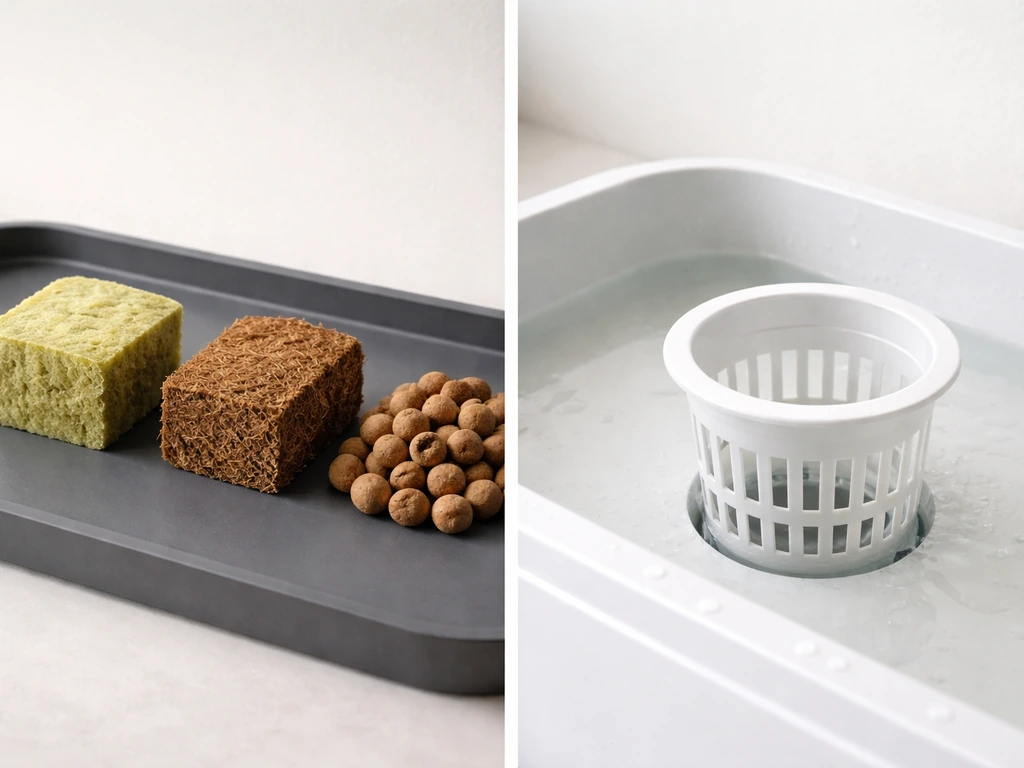
The best grow medium for DWC is expanded clay pebbles (LECA) for most growers, most of the time. If you are also dialing in a general indoor setup, the best indoor grow medium comes down to balancing oxygen, moisture, and pH stability for your specific plants. They are pH-neutral around 7. 0, inert, reusable, and their low water-holding capacity means roots get the oxygen they need without sitting in a suffocating wet mass.
Best Grow Medium for DWC: Choose, Set Up, and Fix Problems

Marcus Holloway
18 Apr 2026
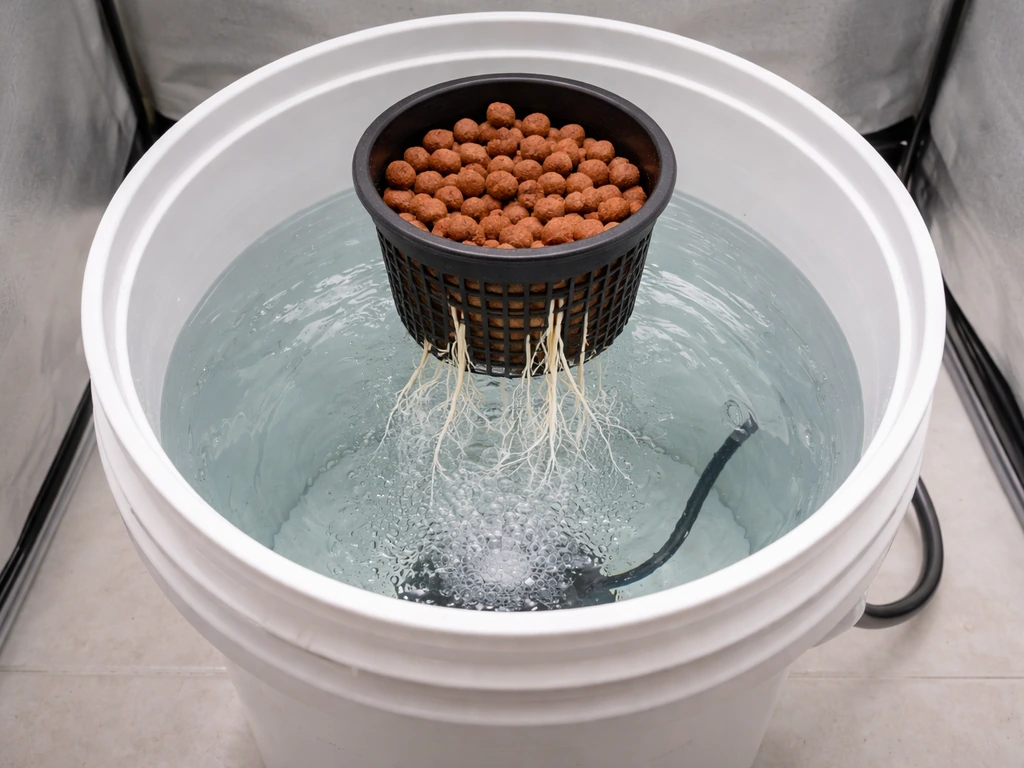
That said, the 'best' answer shifts based on whether you are starting from seed or clone, what size net pot you are running, and how dialed in your aeration and water temperature really are. This guide breaks all of that down so you can pick, prep, and troubleshoot your medium with confidence today.
What 'best' actually means in a DWC system
DWC is unforgiving compared to soil or even other hydro systems. Your roots are hanging directly in nutrient solution, which means oxygen, water retention, and physical stability are the three things your medium has to get right. Get any one of them wrong and you will be chasing root rot, pH swings, or toppling plants within a week.
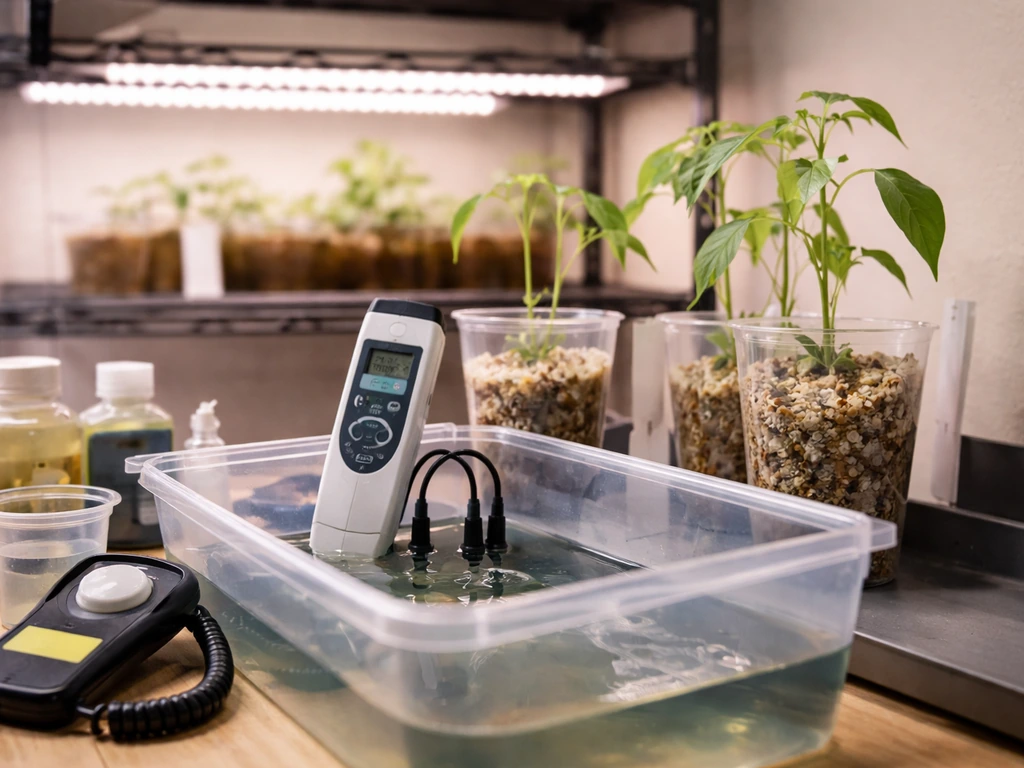
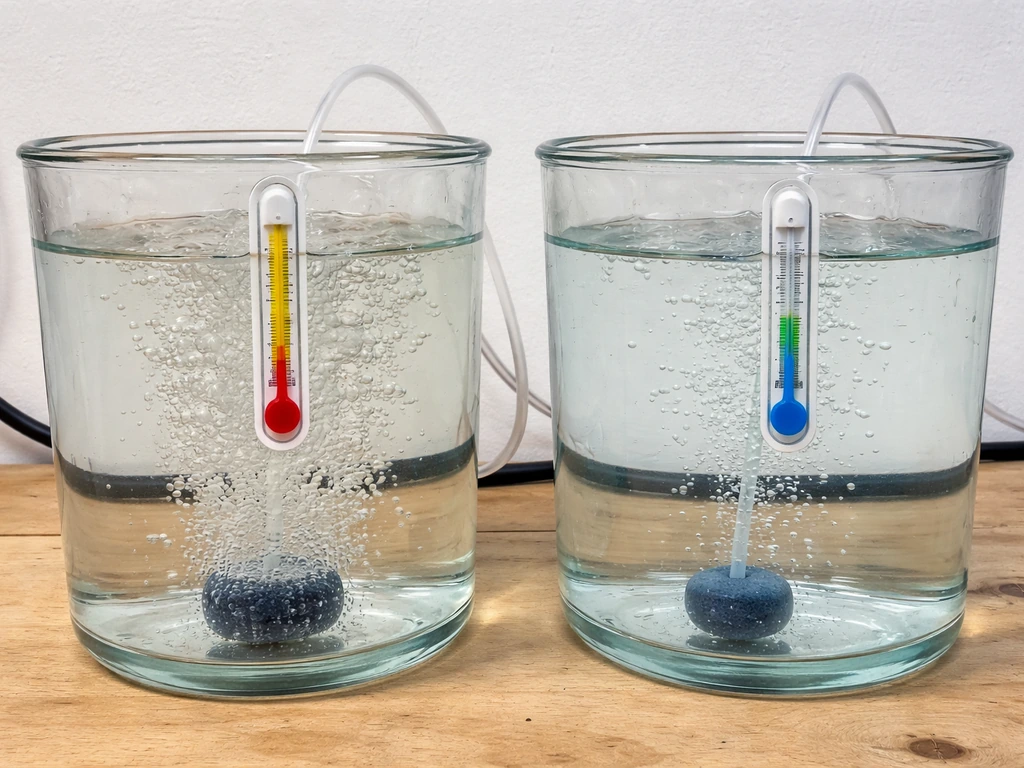
Oxygen is the biggest one. Root rot in DWC is almost always a dissolved oxygen problem first and a medium problem second. You want dissolved oxygen in your reservoir at 6 to 8 ppm for most crops, and solution temperature held around 65 to 68°F. As water warms past that range, it physically holds less oxygen (dropping from roughly 9 mg/L at 20°C down toward 7 mg/L at 35°C), which means even a great air pump cannot fully compensate for warm water. Your medium contributes by either helping or hurting airflow around the upper root zone.
Water retention matters differently in DWC than in other systems. Because roots below the net pot are already in solution, you do not need a medium that holds a lot of moisture. What you do need is a medium that keeps the crown of the root zone and the stem base from drying out or staying too wet. A medium that holds too much water traps moisture against the stem and creates the exact anaerobic conditions that cause root rot and stem damping.
Stability means both physical stability (the plant should not tip over) and chemical stability (the medium should not mess with your pH or EC). Inert media like clay pebbles do not have meaningful cation exchange capacity, so what you put in is what the roots see. Media with high CEC, like coco coir, can grab calcium and magnesium from your nutrient solution and temporarily alter what is actually available to the plant. That is not a dealbreaker, but it is something you have to account for during prep.
The main DWC media compared: clay pebbles, rockwool, coco, and more
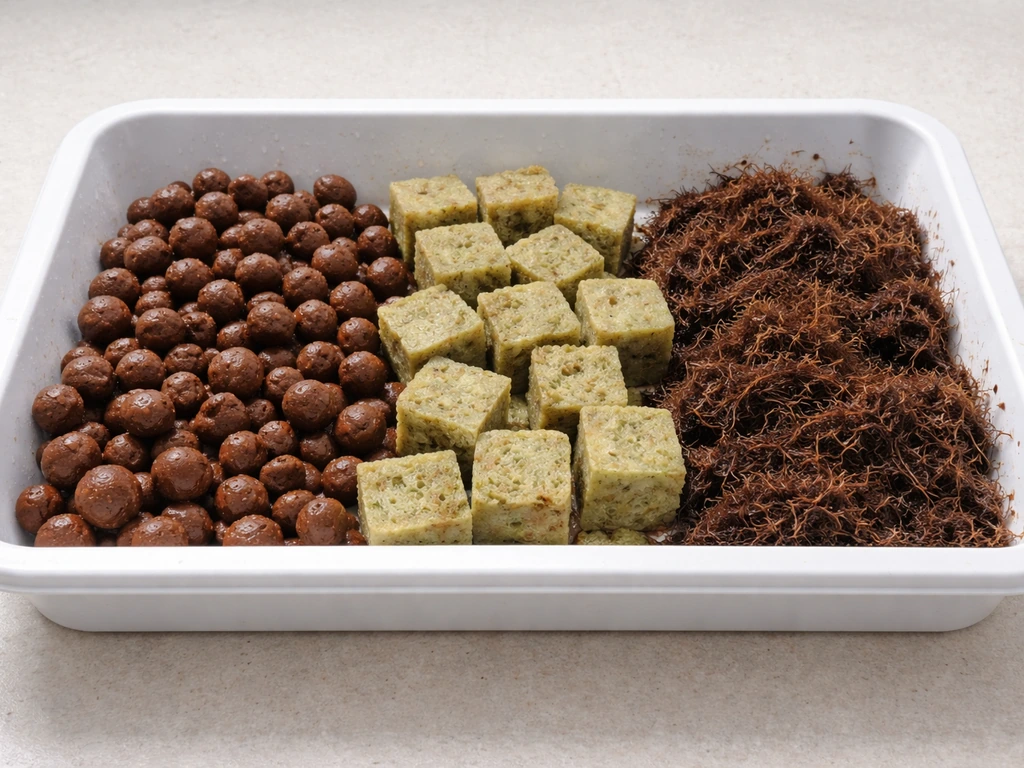
These are the options people actually use in DWC. Each has a real use case and real drawbacks. Here is how they stack up side by side, followed by the details you need to make a call.
| Medium | pH | Water Retention | Oxygen/Air Space | CEC | Reusable | Best For |
|---|---|---|---|---|---|---|
| Clay Pebbles (LECA) | ~7.0 (neutral) | Low | High | Negligible | Yes | Most DWC setups, clones, established plants |
| Rockwool Cubes/Slabs | 7.5–8.0 (must be conditioned) | High (18–25% air space when not submerged) | Moderate | Negligible | No (single use) | Seedlings, cuttings, DWC starts |
| Coco Coir | 5.5–6.8 (needs buffering) | High | Moderate-High | Moderate-High | Limited | Experienced growers blending coco into top of net pot |
| Neoprene/Foam Collars | Inert | Low | Low (collar only) | None | Yes | Clone collars, net pot inserts for aeroponic/DWC lids |
| Peat-Based Mixes | Acidic (4.5–6.0) | Very High | Low | Moderate | No | Not recommended for full DWC use |
Clay pebbles (LECA, hydroton): the DWC workhorse
Expanded clay pebbles are the default DWC medium for a reason. In the Purdue guide, expanded clay (LECA) is described as a fired clay medium used as an inert hydroponic substrate [expanded clay pebbles are the default DWC medium](https://www. purdue. edu/hla/sites/master-gardener/wp-content/uploads/sites/9/2022/10/Pages-from-Hydroponics-for-the-Home-Grower-Howard-M-Resh.
pdf). They are pH-neutral at around 7. If you are specifically comparing hydroponic options, the best hydroponics grow medium is the one that gives stable pH, good oxygen access, and predictable results in your exact setup pH-neutral at around 7. 0, they do not hold excess water, and their irregular shapes create air pockets around roots that keep oxygen moving.
Because they have negligible CEC, your nutrient solution stays predictable: what you mix is what the roots get, with no hidden calcium or magnesium getting locked up in the medium. They are also reusable across multiple grows if you sterilize them properly between cycles, which matters for growers watching their budget.
The one honest downside is that clay pebbles do not support very young seedlings or fresh cuttings well on their own. A tiny seedling needs contact moisture around its stem base, and the open structure of clay pebbles does not provide that. That is why most DWC growers start seeds or clones in a rockwool cube or neoprene collar and then drop that plug into a net pot filled with clay pebbles once roots have developed.
Rockwool: the best seedling and clone starter
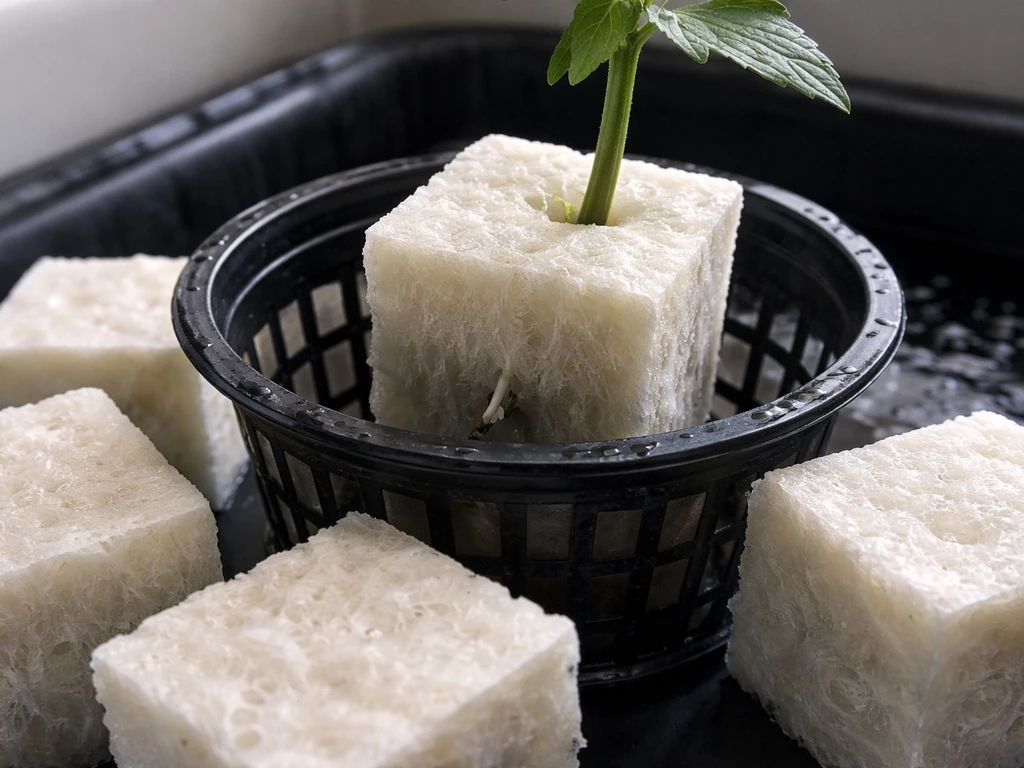
Rockwool is manufactured from spun basalt rock and slag. It is sterile out of the bag, has a consistent structure, and holds about 18 to 25 percent air space when not fully submerged, which gives young roots oxygen even in a moist environment. This makes it excellent for germinating seeds and rooting cuttings. The problem is that rockwool arrives at pH 7.5 to 8.0, which is far too alkaline for hydroponic nutrient uptake. You must condition it before use or you will see nutrient lockout from day one.
Once a cutting has rooted in a rockwool cube, most growers leave the cube in place and simply nestle it into a net pot surrounded by clay pebbles. You do not need to remove it. The rockwool continues to hold moisture around the young root crown while clay pebbles provide structure and aeration around the outside. It is a natural pairing.
Coco coir in DWC: useful but needs management
Coco coir has excellent water-holding capacity and good aeration, but it is not a plug-and-play DWC medium. Coco has a moderate-to-high cation exchange capacity, meaning it actively trades ions with your nutrient solution. In practical terms, fresh unbuffered coco will pull calcium and magnesium out of your solution and throw your EC and pH readings into drift. Coco also has minimal natural buffering, so pH corrections reach the root zone quickly, and any input error gets amplified fast.
That said, some experienced DWC growers use a layer of pre-buffered coco in the top section of their net pots to provide moisture contact during early root development. If you go this route, treat it as a tool for the top inch or two of the pot, not a full-bucket fill. For beginners, coco is better suited to drain-to-waste or recirculating coco systems rather than full DWC. It is worth noting that coco as a standalone hydroponic medium is a topic worth exploring separately from DWC use.
Neoprene and foam collars: simple and effective for clones
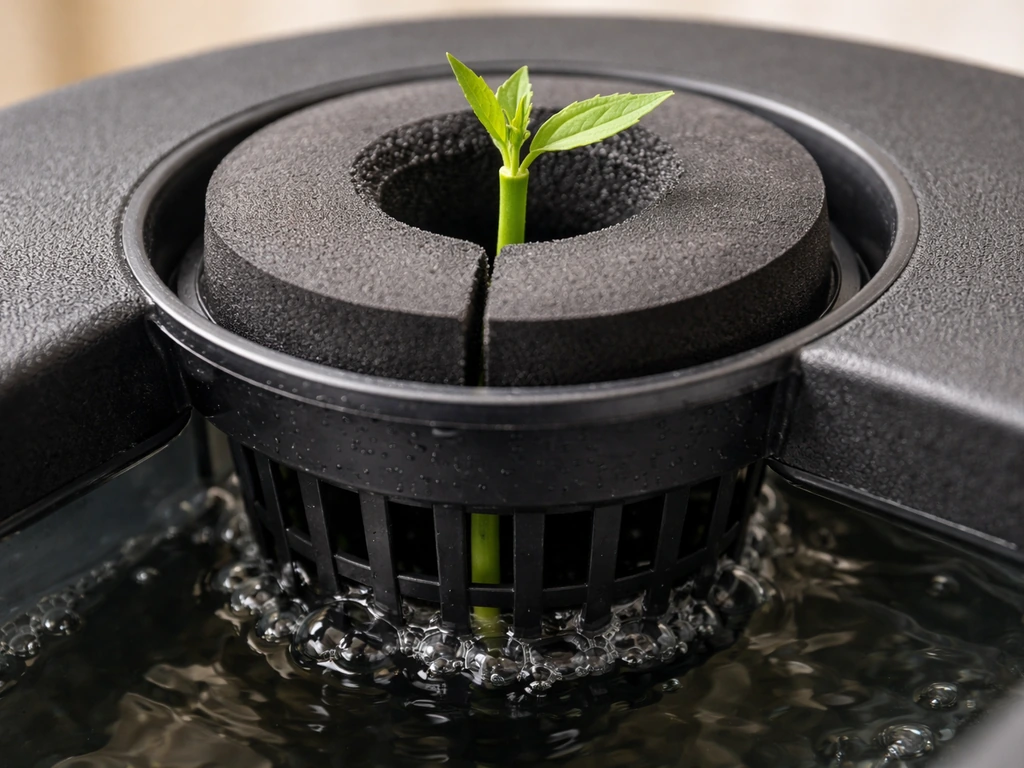
Neoprene collars and foam inserts are not a full medium but they deserve mention because they are how a lot of DWC setups handle clone placement. You insert a cutting directly through the collar, which sits in a net pot or a hole cut in a reservoir lid. The collar holds the stem in place, prevents light from reaching the solution below, and provides just enough moisture contact. They are inert, pH-neutral, and reusable. For aeroponic or single-bucket DWC setups running mature clones, they work cleanly. For seeds or very young cuttings that need more support, pair them with a small rockwool plug inserted through the collar.
Peat-based mixes: skip them for DWC
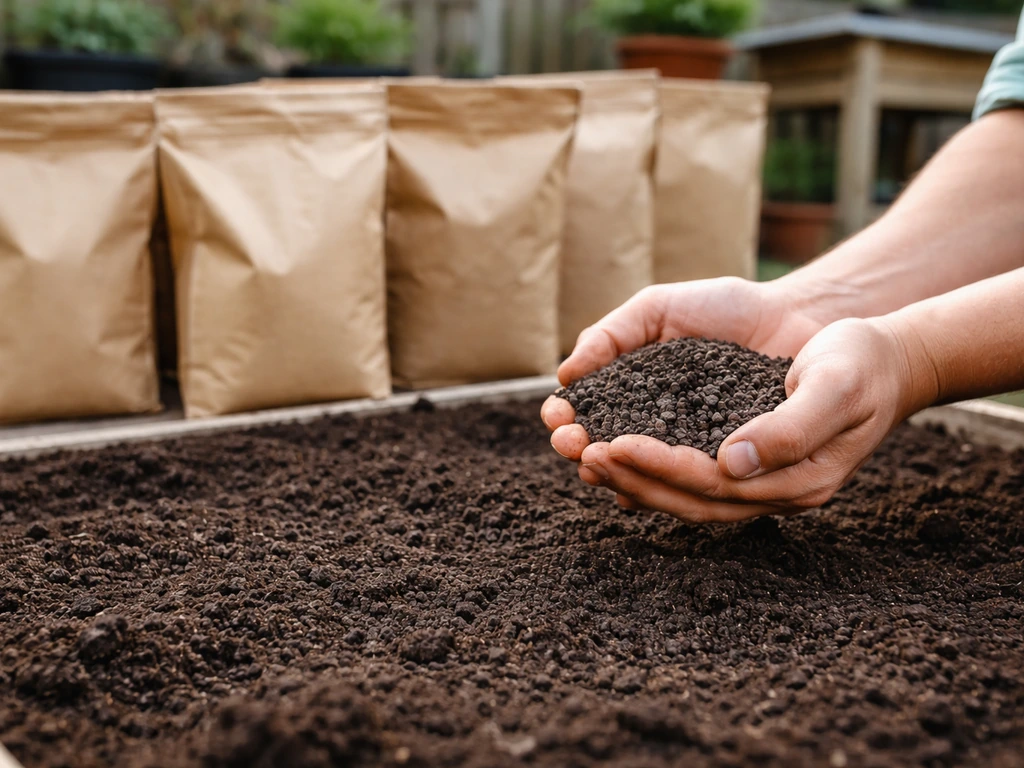
Peat holds a large amount of water, is naturally acidic (pH often 4.5 to 6.0 without amendment), and breaks down over time releasing particles into your reservoir. Those particles clog air stones and lines, and the decomposing organic matter creates exactly the kind of bacterial environment that accelerates root rot. Keep peat in your soil and outdoor grows, not your DWC buckets.
How to pick the right medium for your specific setup
The choice narrows quickly once you answer a few basic questions about your setup. Work through these in order.
Starting from seed vs. starting from clone
Seeds need consistent moisture contact and warmth to germinate. Start them in a rockwool cube (1-inch or 1.5-inch) or a small peat or foam plug, then transplant into your net pot once the tap root is visible or a small seedling has emerged. Do not put dry seeds directly into clay pebbles. A clone that has already rooted (roots visible from the bottom of the starter cube) can go straight into a net pot filled with clay pebbles, with the starter cube tucked in the center.
Net pot size and system type
Smaller net pots (2-inch) used in multi-site DWC systems or NFT hybrids work well with small rockwool cubes alone, with no secondary fill needed. Larger net pots (3-inch to 6-inch) in single-bucket or recirculating DWC (RDWC) benefit from clay pebbles surrounding a starter plug to hold the plant upright and provide structural support as the root system expands. If you are running a large net pot (6-inch or bigger) in a heavy-yielding system, clay pebbles are essentially required for physical stability.
Water temperature and aeration strength
If your reservoir runs warm (above 70°F) or your aeration is modest, lean toward clay pebbles and avoid any high-water-retention media in the net pot. Warm water plus wet media at the root crown is a root rot recipe. If you have strong aeration (multiple air stones, a high-quality air pump) and keep your reservoir at 65 to 68°F, you have more flexibility and could use a rockwool cube as a starter without issue.
Recirculating DWC vs. single bucket
In recirculating DWC (RDWC) systems, solution moves through multiple buckets continuously, which helps oxygenation and keeps temperatures more stable. The medium choice is similar to single-bucket DWC, but because flow rates can vary between sites, make sure clay pebbles are not so small that they rinse into lines. Use a standard 8 to 16mm pebble size. In single-bucket systems, you have one bucket to manage and oxygen is driven entirely by your air pump and air stone, so medium choice matters even more for keeping the upper root zone breathable.
Setup and prep: how to get your medium ready before planting
Skipping prep is the most common beginner mistake with DWC media. Every medium needs something before it goes in the bucket. Here is exactly what to do for each one.
Clay pebbles
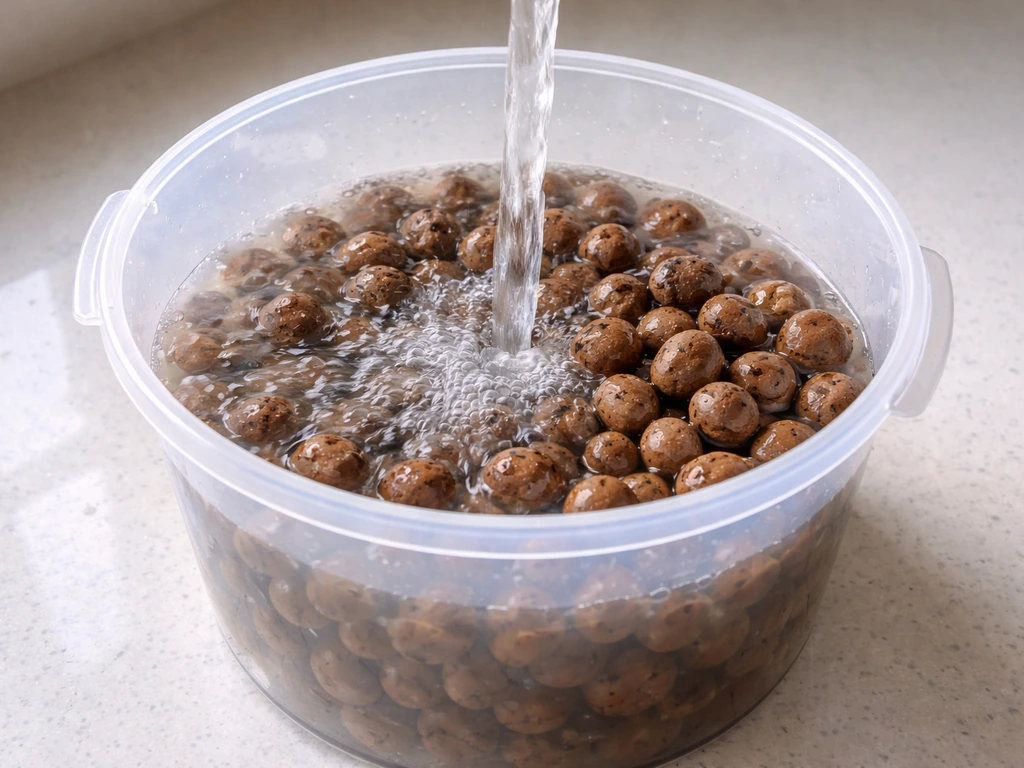
- Rinse thoroughly under running water until the water runs clear. Clay pebbles come coated in dust and fine debris that will cloud your reservoir and clog air stones.
- Soak in pH-adjusted water (pH 5.8 to 6.2) for at least 12 hours, ideally 24 hours. This pulls residual alkalinity out of the pebbles and gets them close to your target root-zone pH.
- Drain and rinse once more before filling net pots.
- Optional but recommended: soak in a dilute hydrogen peroxide solution (3 ml of 3% H2O2 per liter of water) for 30 minutes to sanitize, then rinse again. This is especially important when reusing pebbles from a previous grow.
Rockwool cubes
- Mix a conditioning soak at pH 5.2 to 6.0 (5.5 is the standard target). Do not use plain tap water as it will not neutralize rockwool's alkalinity effectively.
- Submerge cubes and soak for a minimum of 30 minutes. One hour or more is better for thicker slabs or cubes.
- Do not squeeze rockwool after soaking. Squeezing collapses the fiber structure and reduces the air space that makes rockwool valuable.
- Allow excess water to drain passively before planting. Rockwool should feel moist but not dripping.
- Handle cubes as little as possible once planted. Disturbing the fiber disrupts early root development.
Coco coir (if using in DWC net pots)
- Pre-buffer with a 150 to 250 ppm calcium-magnesium solution at pH 5.8 to 6.2. Soak for 8 to 24 hours. This displaces sodium and potassium from coco's cation exchange sites and replaces them with calcium and magnesium, preventing those elements from being pulled out of your nutrient solution later.
- Rinse after buffering to flush excess salts.
- Use only in the top layer of the net pot, not as a full fill. Monitor EC and pH closely in the first week as the coco stabilizes.
pH targets by medium
Once your medium is prepped and plants are in, maintain your nutrient solution at pH 5.5 to 6.0 for rockwool and coco-assisted setups. Clay pebbles are more forgiving and will work well across a slightly broader range of 5.5 to 6.5, though keeping tighter to 5.8 to 6.2 produces the most consistent results. Check pH daily during the first two weeks of a new grow, as new media can cause small shifts while stabilizing.
Troubleshooting medium-related problems in DWC
Most DWC problems that look like nutrient issues or root problems trace back to medium management. Here is how to diagnose and fix the most common ones.
Root rot and brown, slimy roots
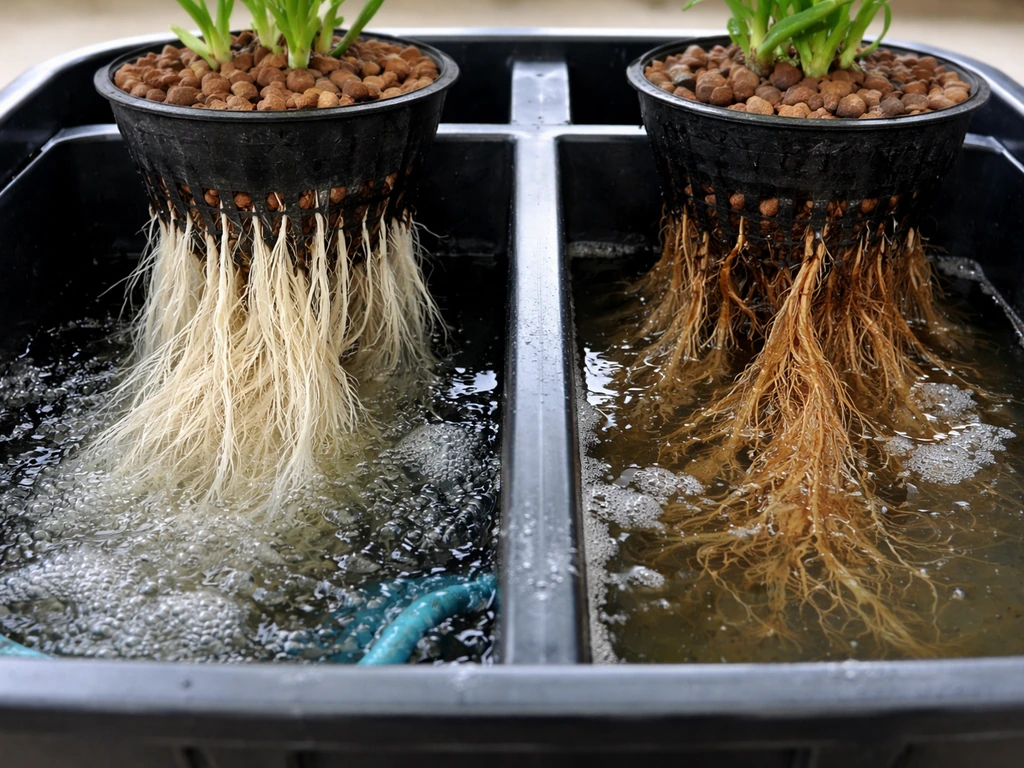
If your roots are turning brown and slimy, oxygen is the first thing to check, not the medium itself. Confirm your dissolved oxygen is at or above 6 ppm and your solution temperature is below 68°F. If your medium is holding too much moisture at the stem base (common with too much rockwool or a net pot overfilled with coco), the anaerobic zone starts at the top of the root, not the bottom.
Trim away any wet-compacted media from around the stem, improve airflow at the net pot surface, and add a second air stone if needed. Treat affected roots with a hydrogen peroxide flush (2 to 3 ml of 3% H2O2 per liter) or a beneficial bacteria product (Hydroguard is a common go-to) to stop the spread.
Algae and mold on the medium surface
Green algae on the surface of clay pebbles or the top of a rockwool cube means light is reaching your reservoir or the wet medium surface. Cover any exposed medium with an opaque material (a piece of black and white poly sheeting, or a properly sized neoprene collar), and make sure your reservoir lid has no light gaps. White fuzzy mold on the surface of rockwool is usually pythium or a surface mold encouraged by stagnant air. Improve airflow around the tops of net pots, reduce surface wetness, and check that your air pump is running continuously, not on a timer.
pH drift and EC instability
Unconditioned media is the most common cause of early pH drift in DWC. Rockwool that was not properly soak-conditioned will push reservoir pH up for the first week. Clay pebbles that were not soaked will do the same, just more mildly. Coco that was not buffered will cause EC to drop unexpectedly as the coco pulls calcium and magnesium from your solution. If you are seeing pH creep up consistently and your plants have been in for less than two weeks, pull a cube or some pebbles and re-condition them separately to confirm this is the source. After two weeks, persistent pH drift usually points to plant uptake patterns or a failing pH probe rather than the medium.
Nutrient lockout symptoms (yellowing, spots, tip burn)
Lockout in DWC is almost always a pH problem at the root zone, not a mixing problem in the reservoir. If you are seeing iron deficiency (interveinal yellowing on new growth) or calcium deficiency (tip burn, spotting), check that your pH is actually sitting at 5.5 to 6.2 at the root zone, not just in the reservoir. With coco in the net pot, the root-zone pH can differ from reservoir pH because coco has its own buffering activity. Flush the coco layer with pH-corrected water and re-check. For rockwool, the fix is similar: flush with pH 5.5 solution and let the medium stabilize.
Transplant shock when moving from starter medium to net pot
Moving a rockwool cube or peat plug into a net pot of clay pebbles can stress plants if the environment around the root ball changes dramatically. Keep the starter cube intact, do not disturb roots, and make sure the surrounding clay pebbles are already pre-wet and at the right pH before you transplant. Run a slightly lower EC (around 0.8 to 1.0 mS/cm) for the first three to five days post-transplant to reduce osmotic stress on recovering roots.
Long-term performance: keeping roots healthy from week one to harvest
The medium's job changes as the grow progresses. In the first two weeks, it is all about supporting early root establishment and maintaining moisture contact. By week three to four, roots should be reaching the solution below the net pot, and from that point on the medium mostly just anchors the plant. The roots in the nutrient solution are doing all the real work.
Keep clay pebbles slightly moist at the top of the net pot throughout the grow by occasionally misting or adding a drip ring. Dry clay pebbles at the surface can wick moisture away from the upper root zone and stress young lateral roots. In hot weather or low-humidity rooms where the top layer dries out fast, a thin layer of additional pebbles or an opaque cover helps reduce evaporation and algae risk simultaneously.
Do not remove starter rockwool cubes mid-grow. By the time roots have penetrated and grown out of the cube, removing it would tear live roots and cause unnecessary stress. Leave it in place. If the cube develops surface mold, treat topically with a dilute hydrogen peroxide spray and improve airflow rather than excavating the cube.
At harvest, root health tells you a lot about how your medium performed. Healthy roots should be white or very light cream, dense, and without slime or discoloration. If you are seeing brown roots that never cleared up, revisit your dissolved oxygen management and medium prep for the next cycle. If roots are white but sparse and slow-growing, check that your net pot placement keeps the bottom of the pebbles or cube just above the waterline at the start, allowing roots to grow down to the solution rather than sitting submerged from day one.
Between grows, clean and sterilize reusable clay pebbles by soaking in a 10 to 20% bleach solution for 12 hours, then rinsing until no chlorine smell remains, followed by a pH-adjusted soak before the next use. Properly cleaned pebbles can last for many grow cycles with no loss of performance.
Quick picks: the right medium by budget and experience level
If you want a direct answer without reading every detail above, here it is broken down by where you are as a grower.
| Grower Level | Recommended Medium | Why It Works Here | Notes |
|---|---|---|---|
| Beginner, starting from seed | Rockwool cube (starter) + clay pebbles (net pot fill) | Rockwool germinates seeds reliably; clay pebbles provide the structure and oxygen for the grow-out phase | Condition rockwool at pH 5.5 before use; pre-wet pebbles 24 hours ahead |
| Beginner, starting from clone | Neoprene collar or rockwool cube + clay pebbles | Simple, clean, no pH surprises if prepped correctly | Make sure roots are visible from the cube before transplanting into DWC |
| Intermediate, single or RDWC bucket | Clay pebbles throughout, rockwool starter cube | Predictable, inert, easy to manage pH and EC | Reuse pebbles across grows with proper sterilization to cut costs |
| Advanced, optimizing for yield | Clay pebbles with small buffered coco layer at top of net pot | Coco adds moisture retention at root crown during veg; clay maintains oxygenation | Buffer coco for 8–24 hours in 150–250 ppm cal-mag solution at pH 5.8–6.2 before use |
| Budget-conscious grower | Clay pebbles (reusable) | One bag lasts multiple grows; lowest per-cycle cost after initial purchase | Invest in a reliable air pump before spending more on premium media |
| Grower with warm reservoir issues | Clay pebbles only, no coco or extra rockwool in net pot | Minimizes moisture contact at the stem base where rot starts in warm-water conditions | Prioritize getting reservoir below 68°F; consider a water chiller before changing medium |
Whatever medium you choose, the single best investment you can make alongside it is a decent pH and EC meter that you calibrate weekly. No medium, no matter how perfectly prepped, can save a grow where the grower is flying blind on root-zone chemistry. Get your meters, prep your medium properly, and keep your water cool and oxygenated. That combination beats any premium media upgrade every time.
If you are exploring DWC media as part of a broader hydroponic setup decision, many of these principles apply across other system types as well. If you are exploring DWC media as part of a broader hydroponic setup decision, the same principles help you compare the best grow medium choices across systems.
Ebb and flow, flood and drain, and other recirculating systems each have their own media considerations that overlap with but differ from DWC-specific needs, and it is worth understanding those differences before committing to a setup. The same oxygen-and-drain logic applies to ebb and flow, so choosing the best grow medium for ebb and flow helps prevent root-zone moisture staying too wet between cycles.
If you are also running flood and drain, the best grow medium is still the one that keeps oxygen in the root zone while draining reliably between cycles best grow medium for flood and drain.
FAQ
Can I start seeds directly in clay pebbles for DWC?
If you are new to DWC, the most reliable “best grow medium for DWC” plan is expanded clay pebbles for everything structural, plus a starter plug for young plants (rockwool cube in a neoprene collar, then the cube sits in the center above pre-wet pebbles). That keeps oxygen high while you avoid the common mistake of trying to germinate directly in pebbles, which dries out too fast at the stem base.
Why do seedlings fail when I put them straight into DWC net pots filled with pebbles?
Not usually. Clay pebbles have low water-holding capacity, so a dry or inconsistently moist stem zone delays germination and increases damping-off risk. If you must use pebbles, you still need a consistent contact approach, like starting the seed in a small rockwool or foam/peat plug and only moving it to pebbles after a tap root is visible.
My roots are brown and slimy. How do I know if it is a medium issue or an oxygen issue?
Look at dissolved oxygen and temperature first, then the wetness at the stem base. Brown, slimy roots often mean low oxygen, but you can also create an anaerobic zone by overpacking with water-retentive media (for example, too much coco in the net pot or rockwool squeezed too tightly). Fix by improving aeration, keeping reservoir water in the mid-to-high 60s, and trimming away compacted wet media around the crown.
What causes slow, sparse root growth early in DWC?
A good rule is to keep the bottom of the medium pieces near the waterline for day one, not fully submerged. If your net pot is too low or the pebbles are already sitting deep in solution, roots can stay oxygen-poor. If you are seeing slow, sparse roots, raise or re-seat the net pot so roots must grow downward to reach the reservoir rather than being forced to sit in it.
Can coco coir be used as the main DWC medium?
Yes, but only in a limited way. If you use coco in a DWC net pot, treat it as a top inch or two contact layer, not a full-bucket fill. Also, pre-buffer it so it does not strip calcium and magnesium from day one, and expect you will need tighter EC and pH monitoring than with clay pebbles.
Should I remove a rockwool cube from the net pot after roots grow through it?
Leaving rockwool in place is usually correct, and you should not excavate mid-grow even if surface mold appears. Instead, improve airflow at the top, cover light-exposed surfaces to limit algae, and spot-treat the top with a dilute hydrogen peroxide spray only. Removing a penetrated cube can tear live roots and sets you back.
My pH keeps creeping up in the first week. How do I tell if it is the medium or something else?
You should not ignore early pH drift in the first 7 to 14 days. Condition unbuffered media separately (rockwool and pebbles both benefit from proper soaking), then verify root-zone pH rather than only reservoir pH. If the drift stops after the medium stabilizes, it was prep-related. If drift persists beyond two weeks, suspect uptake patterns, salt buildup, or a failing pH probe.
How should I clean and reuse expanded clay pebbles between DWC grows?
Medium contamination is a common hidden cause of recurrent problems across runs. Reuse clay pebbles only if you sterilize thoroughly (soak, rinse until chlorine smell is gone), then do a separate pH-adjusted soak before the next cycle. Also inspect for trapped biofilm, since clogged air pathways around the top of the net pot can recreate oxygen problems.
I have RDWC. What pebble size should I use to avoid clogging?
Use pebbles sized for your plumbing and flow. In RDWC, medium that is too small can wash into lines and partially clog returns. A practical target is using standard 8 to 16 mm pebbles, and ensuring the pebbles around the net pot crown are pre-wet so they do not float or shift and create drainage paths.
How can I troubleshoot nutrient lockout when my reservoir pH looks correct?
If you see consistent deficiency symptoms that do not match your reservoir targets, check root-zone chemistry. Coco especially can make root-zone pH different from reservoir pH due to buffering, so flush the coco layer with pH-corrected water and re-check where the roots are. Also confirm your pH meter calibration weekly, since small probe drift can look like nutrient lockout in DWC.