Grow Better All Purpose Plant Food is a blood-and-bone-based fertilizer with an NPK around 7:3:7 (some retail listings show 6:3:10. 5 depending on the batch size), trace elements included, and an organic nitrogen source that feeds plants slowly for up to six months. The soluble 250g version mixes at 5g per 5 litres of water and gets applied weekly over foliage and the root zone.
Grow Better All Purpose Plant Food Guide: Dose, Feed, Fix
Marcus Holloway
6 May 2026
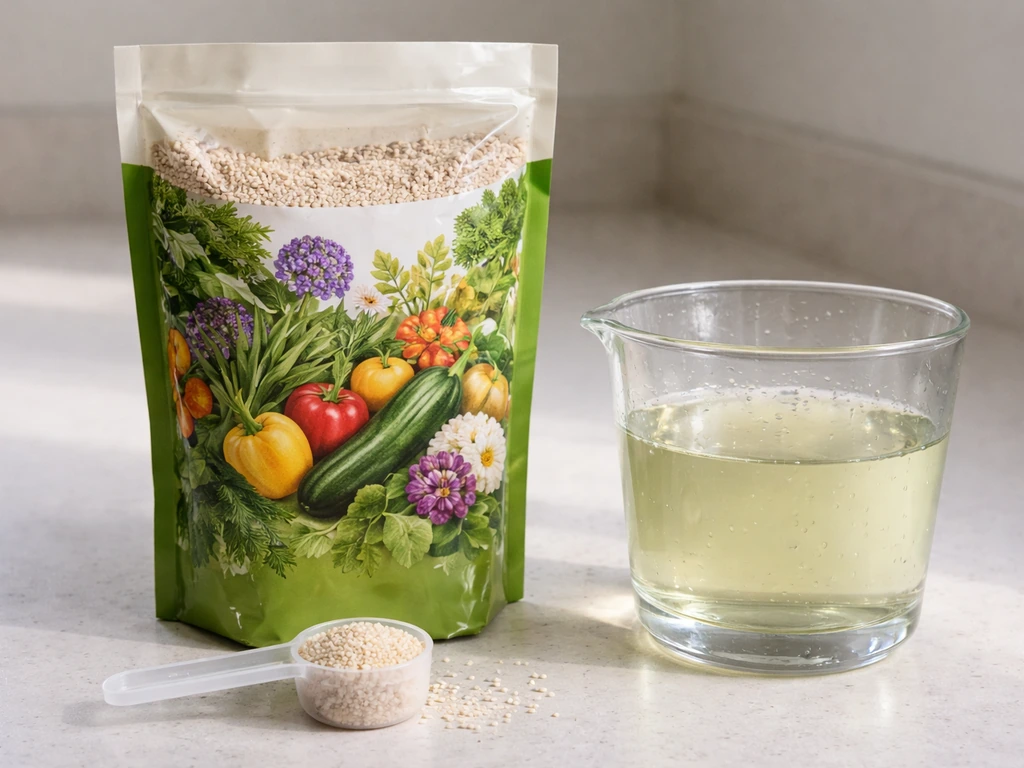
The granular version goes down at planting time and every 6 to 8 weeks after that, at rates like 80g per square metre for vegetables and herbs, or 10g per litre of potting mix for containers. That's the core of it.
Grow Better’s official 5kg All Purpose Plant Food product page confirms this All Purpose Plant Food range is an official Grow Better product line Grow Better’s official 5kg All Purpose Plant Food product page confirms an official “All Purpose Plant Food” line exists under the Grow Better brand.
Everything below explains how to dial those numbers in for your specific setup, whether you're growing in soil, pots, or a hydroponic system.
What an all-purpose plant food actually does (and when to reach for it)
An all-purpose fertilizer is designed to cover the nutritional baseline for most plants through most of their life cycle. It's not a specialist product. It won't push a flowering plant to its peak yield the way a dedicated bloom formula will, but it will keep roots developing, new leaves pushing out, and overall plant health ticking along without you needing to think too hard about what stage you're in.
Grow Better's all-purpose formula leans on organic nitrogen from blood and bone. That matters because organic nitrogen releases slowly, which means you get a sustained feed over weeks rather than a spike followed by a crash. The potash (potassium) is boosted, which supports cell wall strength, water regulation, and general disease resistance. The trace elements fill in what plain NPK leaves out: things like iron, manganese, zinc, and copper that plants need in small amounts but absolutely do need.
This product is genuinely the right choice for beginners, for mixed gardens with multiple plant types, for anyone who doesn't want to manage a multi-part nutrient program, and for plants that are just ticking along in maintenance mode rather than pushing hard growth or heavy fruiting. Where it falls short is in specialized situations: if you're pushing plants through a demanding flowering and fruiting phase, running a precision hydroponic setup, or dealing with a known deficiency that needs a targeted fix, you'll want to either supplement it or switch to something more dialed in.
Reading the label and calculating the right dose
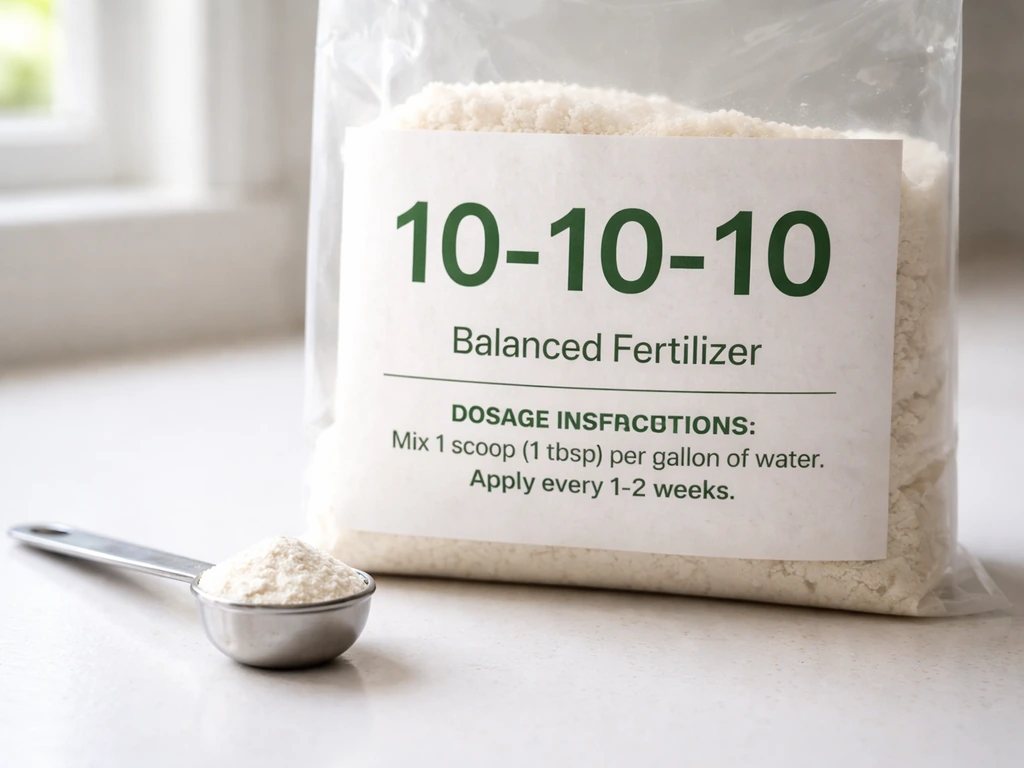
Before you mix or apply anything, spend two minutes with the label. The NPK numbers on Grow Better All Purpose Plant Food tell you the percentage by weight of nitrogen (N), phosphorus (P), and potassium (K). At roughly 7:3:7, this is a balanced formula with equal nitrogen and potassium, and lower phosphorus. That ratio supports leafy growth and root health without aggressively pushing flowering. Some retail listings show the formula closer to 6:3:10.5, which tips the potassium higher and makes it slightly more bloom- and stress-resilient. If you're buying in bulk (the 20kg granular) versus the 250g soluble, check the label on your specific product because the exact numbers can differ.
For the soluble 250g powder, the dilution is simple: 5 grams (one level measure of the enclosed spoon) dissolved in 5 litres of water. That works out to 1g per litre. Don't eyeball this. The difference between 1g/L and 2g/L might not sound like much, but doubling the dose of a fertilizer with concentrated nitrogen is a fast way to burn roots or cause leaf tip damage. Use the spoon, level it off, and dissolve it fully before applying.
For the granular product, the label gives specific rates by plant type and pot size. These aren't suggestions you can stretch. Granular fertilizer sitting in direct contact with roots at too-high a concentration will cause root burn just as readily as liquid overfeeding will. The key rates to know are listed below.
| Application Type | Dose | Notes |
|---|---|---|
| Vegetables, Herbs, Annuals, Tomatoes | 80g per sq metre | Apply evenly over soil surrounding plants |
| Fruit, Citrus, Trees, Shrubs | 100g per sq metre | Apply around the drip line |
| Lawns | 100g per sq metre | Apply evenly and water in thoroughly |
| Pots (general) | 10g per litre of potting mix | Incorporate into mix or top dress |
| 20cm pot | 50g | |
| 30cm pot | 80g | |
| Wine barrel | 200g |
One thing the label doesn't spell out clearly: always water in granular applications thoroughly. The nutrients need to dissolve into the soil water to become available to roots. A dry application that sits on the surface bakes in the sun and doesn't do much except create a salt crust over time.
Feeding in soil: containers vs in-ground
Container and pot feeding
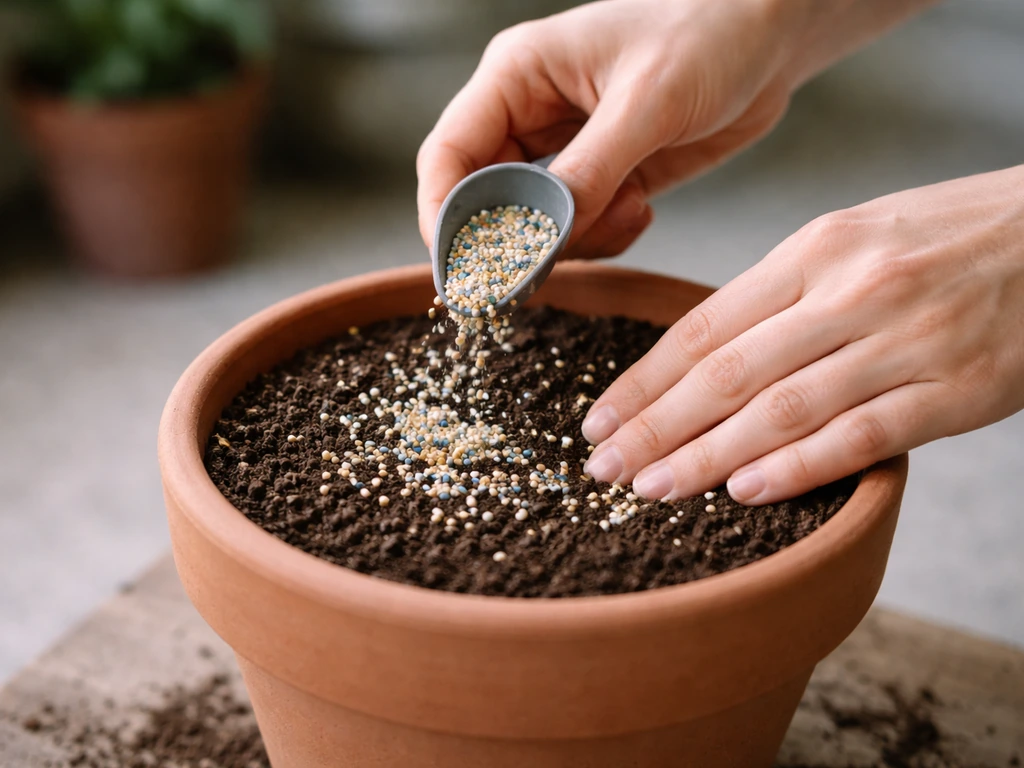
Containers are a more controlled environment, which is both an advantage and a risk. Nutrients can't leach out sideways the way they do in a garden bed, so they concentrate in the potting mix over time. This means overfeeding symptoms show up faster in pots than in the ground. Stick to the label dose of 10g per litre of potting mix, or the pot-size equivalents above, and don't be tempted to add more just because the plant looks hungry.
For granular applications in pots, work the measured amount into the top 3 to 5cm of potting mix rather than leaving it sitting on the surface. Then water thoroughly so the granules start dissolving. For the soluble version in containers, mix your 5g per 5L solution and water it in as you normally would, until you see some runoff from the drainage holes. That runoff also carries away any accumulated salts from previous feeds, which keeps the root environment clean.
Re-apply granular fertilizer every 6 to 8 weeks. For the soluble version, the label says weekly application over foliage and the root zone. In practice, I'd lean toward fortnightly for container plants in lower light or slower growth periods, and weekly during active warm-season growth.
In-ground garden bed feeding
For garden beds, spread the granular product at the appropriate rate (80g/sqm for vegetables, 100g/sqm for trees and shrubs), rake it lightly into the top few centimetres of soil, and then water in well. Apply at planting time, then return every 6 to 8 weeks through the growing season. For established trees and large shrubs, focus the application around the drip line, not against the trunk, because that's where the active feeder roots are.
The soluble version works equally well in-ground. Mix to the standard 1g/L dilution and water it onto the root zone. You can also apply it as a foliar spray at the same dilution, which gets nutrients into the plant quickly via the leaves. Foliar feeding is particularly useful when plants are stressed, during establishment, or when soil conditions are temporarily preventing root uptake (cold, waterlogged, or very dry soil). The label specifically covers both uses, and both are legitimate application methods.
Using it in hydroponics: reservoir dosing and keeping your numbers right
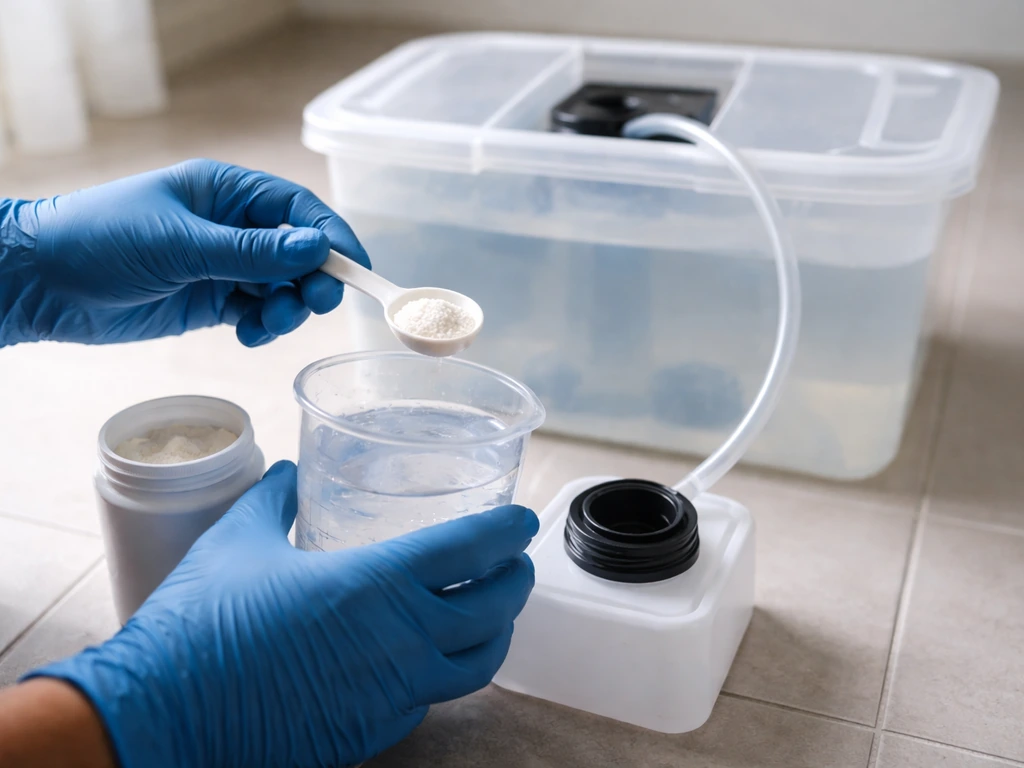
This is where you need to think carefully about what kind of product you're working with. Grow Better All Purpose Plant Food is an organically based fertilizer. Most purpose-built hydroponic nutrients are fully mineral and designed to dissolve cleanly into water without any particulate matter. Organic-based fertilizers can work in water culture, but they come with trade-offs: they can cloud the reservoir, promote microbial activity (sometimes beneficial, sometimes problematic), and don't give you the same precise EC readings as mineral nutrients.
If you're using the soluble version in a hydroponic or deep water culture setup, here's how to approach it practically. Mix at the standard 1g/L ratio as a starting point, then check your EC (electrical conductivity) with a meter. For hydroponic vegetables, Aero-Gro’s crop guidance table provides EC and pH recommendation ranges you can use as a starting target when dialing in your reservoir check your EC (electrical conductivity) with a meter. Most seedlings and young plants want EC between 0.8 and 1.2 mS/cm. Established vegetative plants do well at 1.4 to 2.0 mS/cm. If the EC reads higher than your target after mixing, dilute further before adding to the reservoir.
pH is non-negotiable in hydroponics. After mixing your solution, test pH and adjust to the 5.8 to 6.2 range before the solution goes anywhere near plant roots. Organic nutrient inputs often push pH upward, so you'll likely need to bring it down with pH-down solution. Check pH daily in an active system because it drifts as plants feed and as microbial activity changes the solution chemistry.
For reservoir management, do a full reservoir change every 7 to 10 days in recirculating systems. Top off with plain pH-adjusted water between changes when the level drops, rather than adding fresh nutrient solution every time, because plants drink water faster than nutrients, which gradually concentrates the reservoir. Check EC before topping off: if EC has risen, top off with plain water. If EC has fallen noticeably, top off with a half-strength nutrient solution.
Keep the reservoir dark to slow algae growth. Organic nutrients in a lit reservoir are an invitation for algae. Cover any transparent tubing, use an opaque reservoir, and check for algae on root surfaces and tank walls during each reservoir change. If you spot green or brown slime, clean the reservoir thoroughly with diluted hydrogen peroxide (3mL of 3% H2O2 per litre) before refilling.
When to feed and how often across growth stages
Feeding timing isn't one-size-fits-all. Plant nutrient demand changes as the plant moves from establishing roots, to pushing vegetative growth, to flowering and fruiting. An all-purpose formula is most at home in the vegetative growth window, but it can carry plants across all stages if you adjust the frequency.
| Growth Stage | Granular (20kg) | Soluble (250g) | Notes |
|---|---|---|---|
| At planting / transplanting | Apply at label rate, work into soil | Half-strength (0.5g/L) once after transplant | Avoid over-stimulating stressed new roots |
| Seedling / early establishment | Hold off 2-3 weeks if granular already applied | Quarter to half strength weekly | Young roots are sensitive to salt load |
| Active vegetative growth | Every 6-8 weeks | Full strength (1g/L) weekly | Highest nitrogen demand period |
| Pre-flower / transition | Every 6-8 weeks | Full strength weekly | Monitor for any sign of P or K deficiency |
| Flowering and fruiting | Every 6-8 weeks (consider supplementing with bloom formula) | Weekly, consider supplementing with higher-P/K product | All-purpose may not supply enough P and K for heavy fruiting |
| Winter / dormancy (outdoor) | Pause feeding | Pause or reduce to monthly | Minimal nutrient demand, overfeeding causes runoff waste |
For indoor plants with no seasonal change, use visible growth rate as your cue. Actively pushing new leaves means the plant is ready for regular feeding. A plant sitting still in winter light with no new growth doesn't need weekly applications. Match the feed frequency to what the plant is actually doing.
When things go wrong: diagnosing and fixing common problems
Yellowing leaves
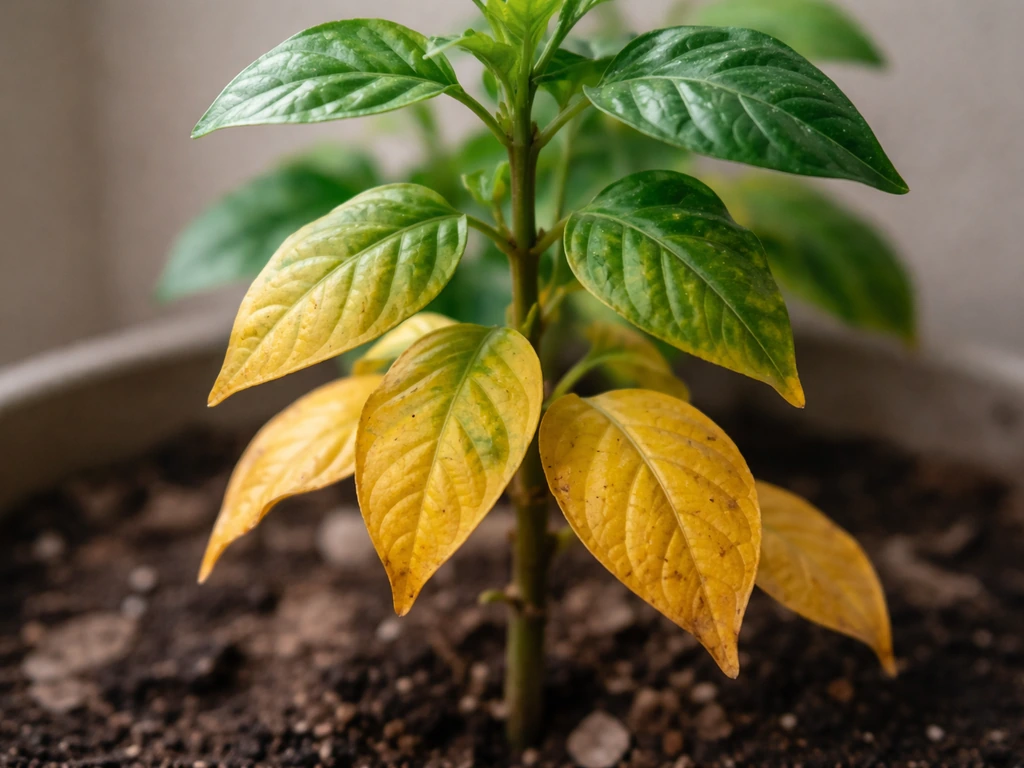
Yellowing that starts on older (lower) leaves and moves upward is a nitrogen deficiency. This is the most common deficiency in any garden. If you're on the recommended schedule and still seeing it, check whether your soil pH is in range (6.0 to 7.0 for most plants) because nitrogen becomes unavailable outside that window regardless of what you're feeding. In pots, check whether the plant is root-bound, as a pot-bound plant can't take up nutrients efficiently even when they're present. Fix: apply a full-strength soluble feed, check and correct pH, and consider repotting if the plant is clearly too big for the container.
Yellowing between leaf veins on new growth, with the veins staying green, points to iron or manganese deficiency (interveinal chlorosis). This is almost always a pH problem rather than a lack of the nutrient itself. High pH locks out micronutrients even when they're physically present in the fertilizer. Bring soil pH down to 6.0 to 6.5 or hydroponic solution to 5.8 to 6.2, and the problem usually resolves within two weeks.
Leaf tip burn and edge scorch
Crispy brown tips or edges, usually appearing on newer growth first, mean you've got too high a salt concentration at the root zone. This happens when you feed too frequently, apply too high a dose, or when salts have built up in a container over time without being flushed out. Fix: flush the container with plain pH-adjusted water (roughly 3 times the pot volume run through) to clear the salt buildup. Skip the next feeding cycle. Then return to the label dose, not a higher one.
Nutrient lockout
Nutrient lockout is when nutrients are present but unavailable to the plant because pH is out of range, competing ions are blocking uptake, or there's so much fertilizer salt in the medium that osmotic pressure is actually pulling water out of roots rather than letting them absorb it. The symptoms look like deficiency (yellowing, spots, slow growth) even though you're feeding regularly. In soil, the fix is to flush with plain water, test and correct pH, and let the plant recover before resuming feeding. In hydroponics, do a full reservoir flush, clean the system, mix a fresh solution at the correct pH and EC, and start over.
Salt crust on soil surface
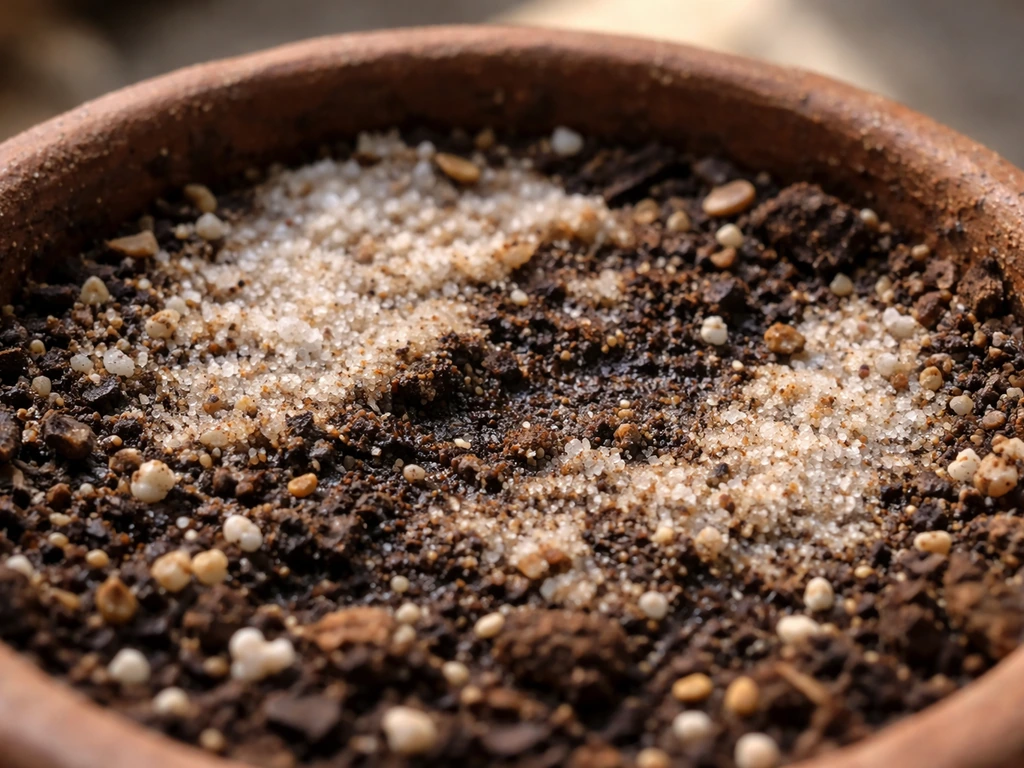
A white or tan crust forming on the surface of potting mix is crystallized fertilizer salt. It's a visual signal that you're either overfeeding or under-watering, and salts are accumulating rather than moving through the medium. Scrape off the crust, flush the pot thoroughly, and reduce feeding frequency. Adding a layer of fresh potting mix on top after flushing can help.
Hydroponic-specific issues: algae and root problems
Algae grows when light reaches a nutrient-rich solution. It competes with your plants for oxygen and nutrients, coats root surfaces, and can host pathogens. Prevention is almost entirely about light exclusion: cover all reservoir surfaces and opaque all solution-carrying lines. If algae is already established, drain and clean the entire system, treat with diluted hydrogen peroxide, and then block the light properly before refilling.
Brown, slimy, or smelly roots in hydroponics usually indicate Pythium (root rot), which is promoted by warm solution temperatures, low dissolved oxygen, and organic material in the reservoir. Keep reservoir temperature below 22°C, run an air stone to maintain oxygen levels, and change the reservoir on schedule. Beneficial bacteria products (like those containing Bacillus subtilis) can help outcompete root pathogens if you're using an organic nutrient input that encourages microbial activity.
Mixing with other nutrients and knowing when to switch formulas
Grow Better All Purpose Plant Food is generally compatible with most soil amendments and other organic inputs, but there are some combinations to think through carefully. Mixing it with a high-nitrogen fertilizer (like a separate blood meal product) on the same application will push total nitrogen well above what most plants need, increasing the risk of burn and forcing excessive leafy growth at the expense of flowers and fruit. If you're already using a slow-release granular all-purpose, hold off on additional nitrogen sources. If you want a steadier approach, a slow grow fertilizer can help support roots and foliage without constant re-dosing slow-release granular all-purpose.
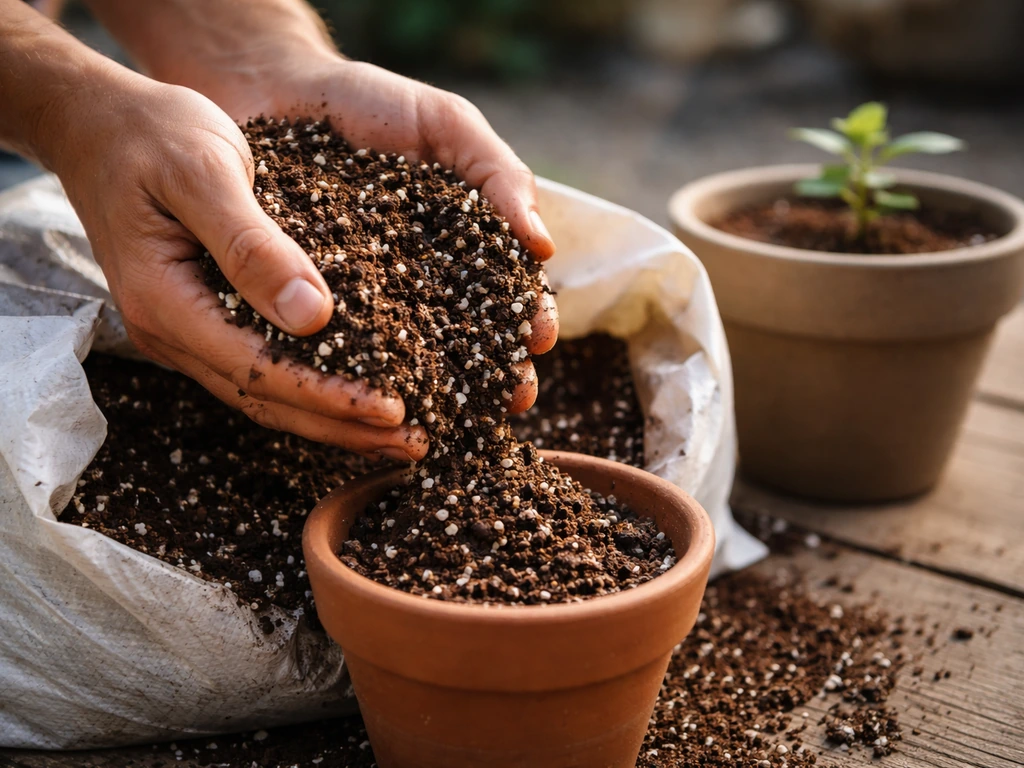
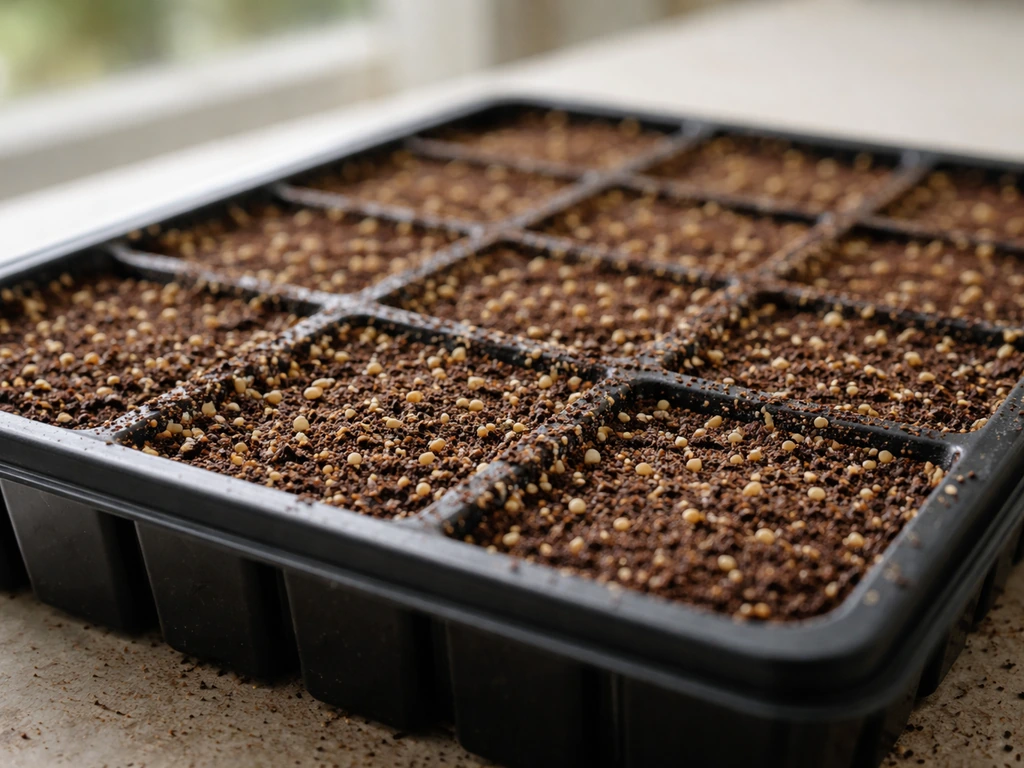
It works well alongside organic soil conditioners and composts. Compost improves soil biology, which in turn improves the breakdown and availability of organic fertilizers like this one. Using grow better organic potting mix as your base medium gives you a soil environment that's already primed for organic nutrient cycling, and the all-purpose food fits naturally into that system. Using grow better seed raising mix alongside it can help you start seedlings with an appropriate nutrient profile for early growth. Pair that with the right organic potting mix so your plants can grow better with consistent moisture and nutrients throughout the root zone Using grow better organic potting mix as your base medium gives you a soil environment.
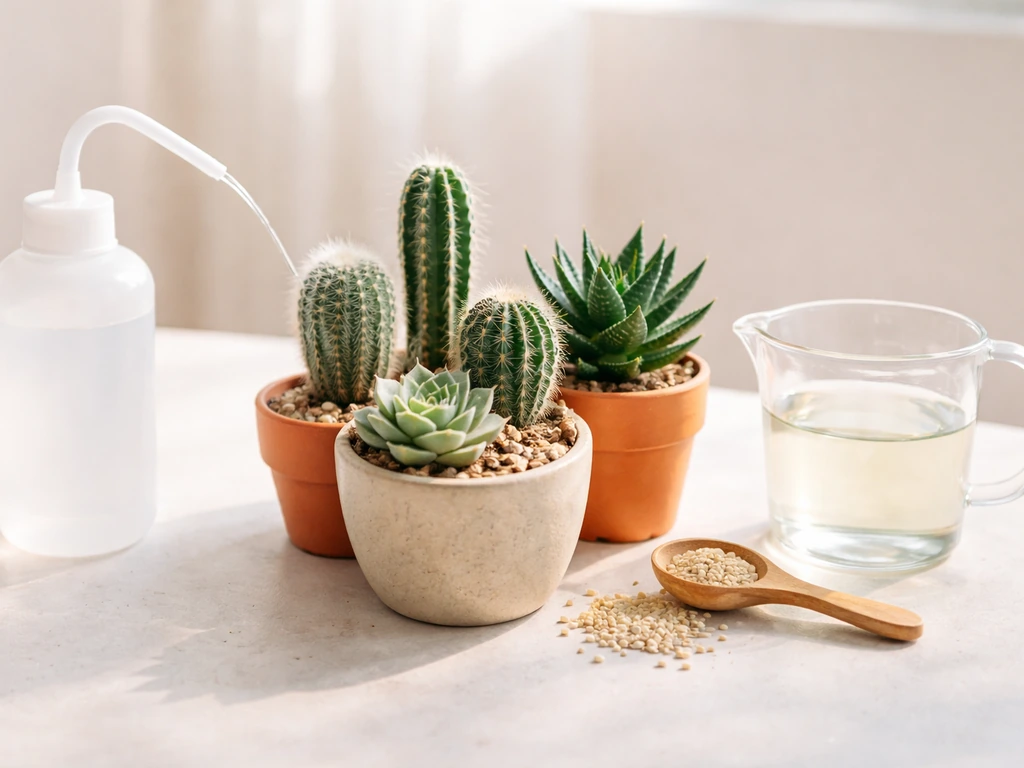
For cactus and succulents, the regular all-purpose formula can be used but at half dose or less, since these plants have low nutrient requirements and are highly sensitive to salt buildup. A purpose-built formula (like Grow Better's cactus and succulent fertilizer) is a better long-term choice for those plants.
Knowing when to switch is important. If your plants are entering a heavy flowering and fruiting phase, an NPK of 7:3:7 or 6:3:10.5 is probably not going to deliver enough phosphorus to support flower set and root development at their peak. You'll want to either supplement with a bloom booster or switch to a formula with a phosphorus number closer to 5 to 10 in the middle position. Heavy-feeding vegetables like tomatoes, peppers, and cucumbers will show the limits of an all-purpose formula during peak fruit load: look for slow fruit development, blossom drop, and overall plant exhaustion as signs that you need a different nutrient profile.
Slow-release fertilizer programs, which operate on a similar slow-feed principle to this product, can work in parallel with the granular all-purpose as long as you account for their contribution to the total nitrogen load. Don't stack multiple slow-release inputs without calculating what the combined dose actually delivers.
Your quick-start feeding plan and diagnostic checklist
Here's a simple starting framework you can implement today, regardless of whether you're in soil or hydro.
Soil and container quick-start
- Check soil pH with a meter or test strip. Target 6.0 to 7.0. Correct before feeding if outside that range.
- If using granular: measure the correct dose for your pot size or bed area. Work into the top 3 to 5cm of soil. Water thoroughly.
- If using soluble: mix 5g in 5 litres of water (1g/L). Apply to the root zone and optionally as a foliar spray.
- Mark the date. Return in 6 to 8 weeks for granular. Return weekly for soluble during active growth.
- After 2 to 3 weeks, check plant response: new leaf color, growth rate, and general vigor. Adjust timing if plants show deficiency or burn signs.
Hydroponics quick-start
- Mix soluble product at 1g/L in a separate container before adding to reservoir.
- Test EC: target 0.8 to 1.2 mS/cm for seedlings and young plants, 1.4 to 2.0 mS/cm for established vegetative plants.
- Test pH and adjust to 5.8 to 6.2 with pH-up or pH-down solution.
- Ensure reservoir is fully light-proof to prevent algae.
- Check EC and pH daily. Top off with plain water when level drops.
- Full reservoir change every 7 to 10 days.
- Inspect roots at each reservoir change for color and smell.
Diagnostic checklist: something isn't working
- Yellow lower leaves moving upward: nitrogen deficiency, check pH first, then increase feed frequency.
- Yellow between veins on new growth: iron or manganese lockout from high pH, correct pH before adding more fertilizer.
- Brown leaf tips or edges: salt burn from overfeeding, flush and reduce dose.
- White crust on soil: salt buildup, flush pot, reduce feed frequency.
- Slow or stalled growth with correct feeding: check pH, check root health, check light levels.
- Hydro reservoir turning green: algae from light exposure, clean and light-proof system.
- Brown slimy roots in hydro: root rot (Pythium), lower reservoir temp, increase aeration, clean system.
- Leaves pale and stunted despite feeding: possible nutrient lockout, flush, reset pH, start fresh solution.
- Heavy fruiting plants underperforming: all-purpose NPK may be insufficient, consider supplementing with a higher-P bloom formula.
The most common mistake with any all-purpose plant food is treating it like more is better. The label rates on Grow Better All Purpose Plant Food are calibrated for healthy, sustainable feeding. Following them consistently, checking pH, and flushing containers occasionally will get you further than doubling the dose and hoping for faster results. Start at the label rate, watch how your plants respond over two to three weeks, and adjust from there.
FAQ
Can I mix Grow Better all purpose plant food with other fertilizers or soil boosters at the same time?
In most cases, yes, but only if you adjust for nitrogen overlap. Adding blood meal or another high-nitrogen product on top can push total nitrogen beyond what the all-purpose fertilizer is already supplying, which increases the chance of leafy burn and reduced flowering. If you already have a slow-release granular in the mix, skip additional nitrogen sources and stick to the all-purpose product schedule, then reassess after 2 to 3 weeks of new growth.
What’s the best way to feed less if my plants are growing slower than expected?
For soil and container plants, the safest approach is to follow the label rates and reduce frequency rather than “stretching” the dose. If you want a lighter feed, use half the recommended amount at each application (and keep the same interval), especially for containers. For hydroponics, do not rely on intuition, use EC to keep within your target range.
What should I do if I forget a week of feeding?
If you miss a scheduled feeding, don’t try to catch up by doubling. In soil and containers, apply the next dose at the normal interval, and if you suspect salt buildup (white crust, crispy tips), flush and then restart at the label rate. For hydroponics, you should usually top off with pH-adjusted plain water until the next scheduled reservoir change, then mix fresh solution at the correct pH and EC.
Is Grow Better all purpose plant food safe for seedlings and very young plants, and at what dose?
You can use it on seedlings and young plants, but start at a reduced strength to avoid salt stress. A practical method is half-dose in containers (and ensure the root zone is evenly watered), then return to the label rate once you see consistent new growth. In hydroponics, keep EC closer to the lower end of the recommended seedling/young plant range.
Can I rely on foliar feeding instead of watering the solution into the root zone?
Use foliar feeding only as a supplement, not a replacement for root feeding in the long term. Spray when leaves are dry-to-start and avoid hot midday sun to reduce burn risk. Apply at the same dilution as the soluble root feed, and do it only during active growth or when roots are temporarily limited (cold, waterlogged, or very dry).
My leaves are yellowing after I started feeding, how do I tell deficiency from overfeeding or lockout?
A sudden yellowing after starting a feeding routine can come from several issues, not just nitrogen deficiency. First check soil or mix pH in range, then inspect the roots for confinement or stress in pots. If you also see crispy edges or white crust, treat it as salt stress, flush the container, then resume at the label dose or less.
How often should I flush container soil to prevent fertilizer salt buildup?
For containers, salts build up faster than in-ground, so aim for periodic flushing as a preventative habit, not only when symptoms appear. If you see crust on the surface, flush with roughly three pot volumes of pH-adjusted water, then skip one feeding cycle. After that, keep to the label dose and monitor runoff EC or plant response over the next 2 weeks.
Can I use the soluble version in a small indoor hydroponic system without a full sensor setup?
You can, but only if you can control pH and verify results, because organic nutrient inputs can keep drifting pH upward. In hydroponics, always check pH after mixing and before adding to the reservoir, then re-check daily. Start at 1g per 5L (1g/L) and adjust based on EC and plant response, not by guesswork.
Does the dosing change if I’m using coco coir or a soilless potting mix instead of garden soil?
Yes, but it’s a different risk profile. If you grow in a very inert mix or a soilless mix that holds little buffering capacity, nutrients can swing faster and cause salt stress. Stick to label rates, water consistently to prevent dry cycles, and flush containers occasionally. If you’re in pure coco or another low-buffer medium, consider more frequent light feeding rather than stronger doses.
Where exactly should I apply granular fertilizer for established trees and shrubs?
For most trees and shrubs, apply granular fertilizer around the drip line rather than against the trunk, then water in thoroughly so it dissolves and moves into the active feeder root zone. Avoid trenching right next to the trunk because many roots there are more structural and less efficient for nutrient uptake.
Is it okay to combine the all-purpose fertilizer with compost or other organic amendments?
Compatibility depends on what you’re adding and how you’re applying it. Don’t stack multiple slow-release fertilizers without calculating the combined nitrogen contribution. If you combine with compost or organic conditioners, you can usually proceed as long as you still follow the all-purpose feeding schedule and do not add extra nitrogen-heavy products.
What should I do immediately if my hydroponic roots turn brown and slimy?
In hydroponics, brown, slimy, smelly roots are typically a root rot indicator, and waiting usually makes it worse. First correct the environment quickly, keep solution temperature under 22°C, improve dissolved oxygen with an airstone, and follow a full reservoir change at the next appropriate time window. Clean the system thoroughly, then restart with fresh pH-corrected solution at your EC target.