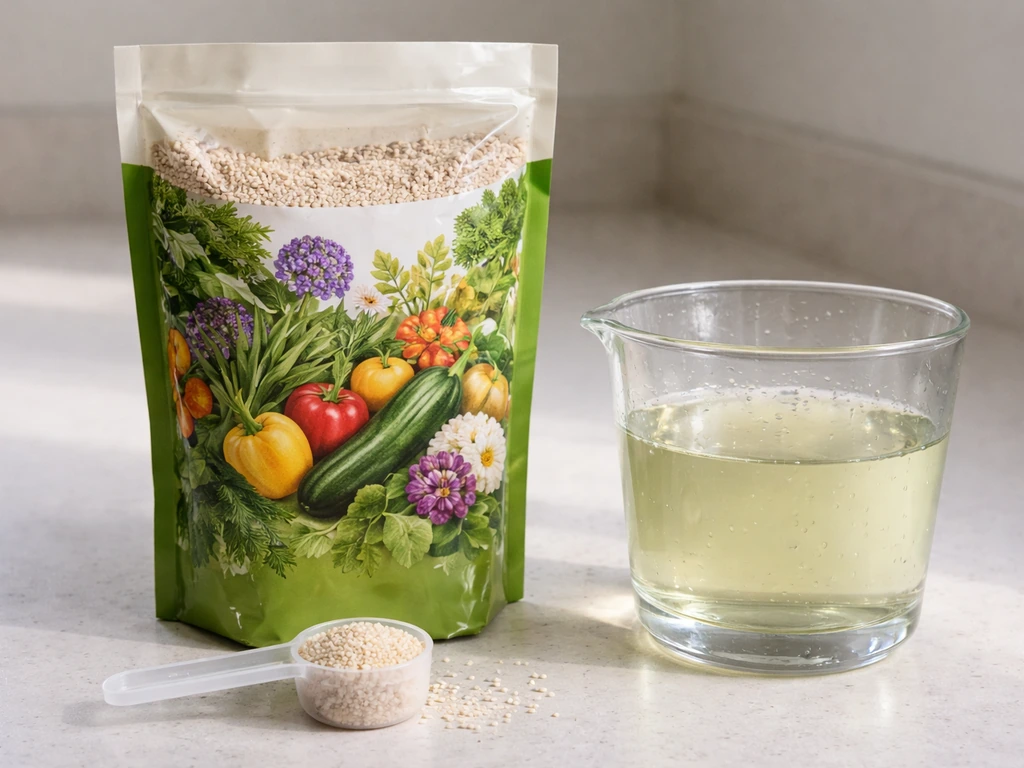
For most home growers at Bunnings, the best organic fertiliser pick comes down to two things: your plant's current stage and whether you're growing in soil or a container. For vegetables and herbs in active growth, a pelletised organic blend like Yates Thrive Natural Vegie & Herb gives you a slow, steady nitrogen feed without the burn risk. For fruiting and flowering plants, switch to something with a higher phosphorus and potassium profile, like a citrus and fruit pellet.
Grow Better with Organic Fertiliser from Bunnings: Guide
Marcus Holloway
27 May 2026
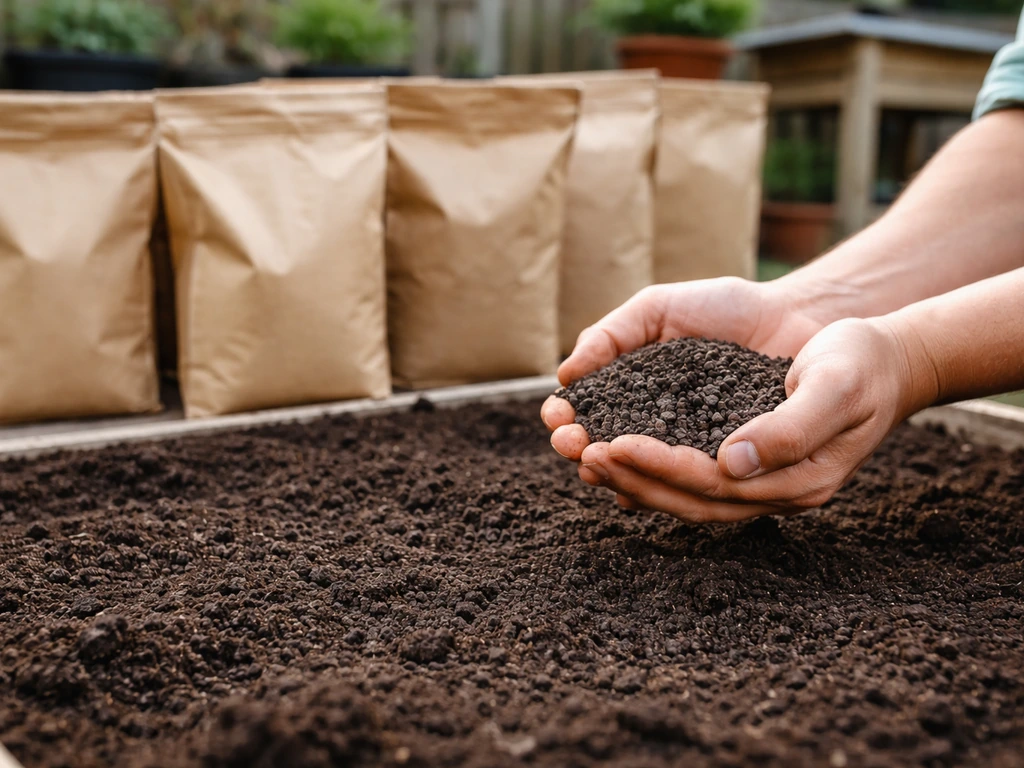
If you want a soil biology boost at any stage, worm castings or a liquid seaweed product (eco-seaweed is stocked at most Bunnings stores) layered on top or watered in will outperform any synthetic quick-fix for long-term plant health. The rest is getting the dose right and knowing the warning signs before they become problems.
What to look for in organic fertilisers at Bunnings
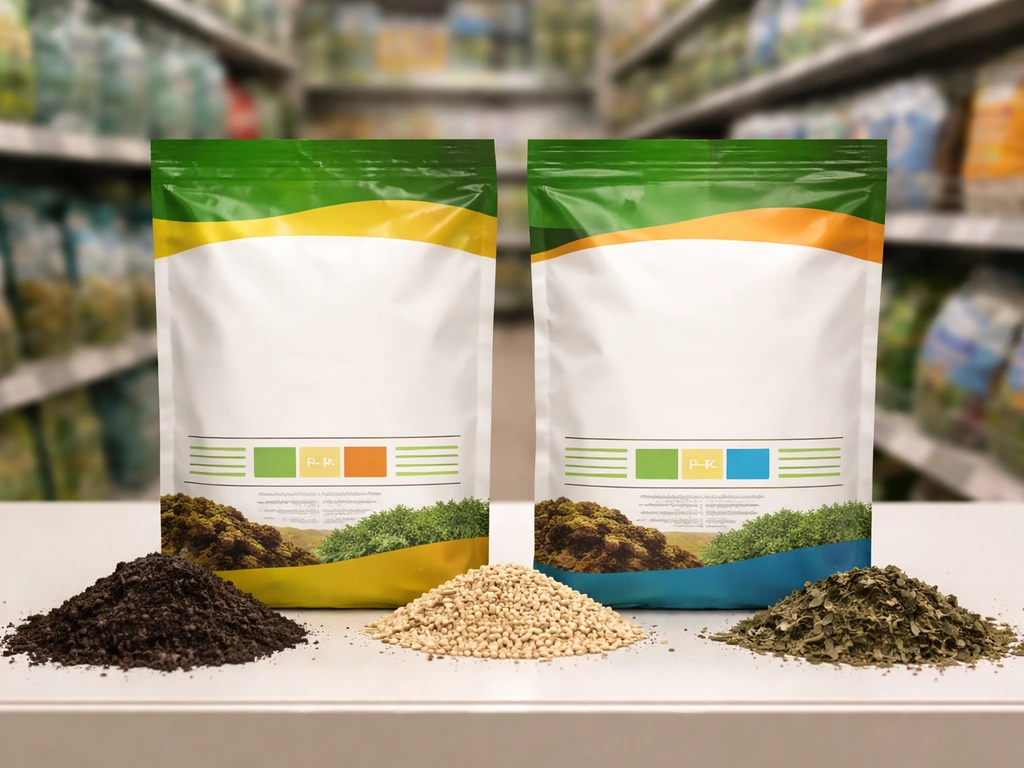
Standing in the fertiliser aisle can be overwhelming because the word "organic" on a label doesn't always mean what you think. Legally in Australia, "organic" on a fertiliser bag often just means it's carbon-based, not necessarily certified for organic production. OMRI Listed® is an independent review of inputs for use in certified organic production under specific organic standards, such as USDA NOP or Canada COR certified for organic production. That's worth knowing before you spend more for the label alone.
Here's what to actually check before you put a product in the trolley:
- NPK ratio on the front panel: the three numbers tell you nitrogen (N), phosphorus (P), and potassium (K) percentages. Higher N (first number) means leafy growth. Higher P and K (second and third) means flowering and root development. A balanced ratio like 5-4-4 is your general all-rounder.
- Ingredient list: look for identifiable organic sources like blood and bone, feather meal, fish meal, seaweed extract, composted manure, or worm castings. The more recognisable the source, the more predictable the release.
- Certifications: OMRI Listed (Organic Materials Review Institute) is an independent, nonprofit-reviewed certification meaning the product has been assessed against certified organic production standards. If you're growing for organic certification or just want maximum confidence in what you're applying, OMRI Listed is the most reliable third-party indicator on the shelf.
- Form factor: pellets (slow-release, low burn risk, good for soil and pots), liquids (fast uptake, ideal for correcting deficiencies or boosting plants mid-stage), and granular powder (mix into potting mix at transplant).
- Edible plant suitability: always confirm the label says safe for vegetables, herbs, or edible crops if that's what you're growing. Most Bunnings organic lines do, but check every time.
- Indoor vs. outdoor use: some manure-based products have odour that makes them unsuitable indoors. Liquid seaweed and worm casting teas are far better choices for indoor grows.
Bunnings' own range leans heavily on Yates Thrive Natural as the go-to pelletised line, supplemented by eco-seaweed and eco-aminogro for liquid biostimulant use. These aren't the only options, but they're consistently stocked, reasonably priced, and reliable for the home grower. Grow Better all purpose plant food can be a useful choice when you want a more balanced, all-round feed across many common garden plants. The Grow Better organic potting mix range also stocks complementary products worth pairing with your fertiliser choice.
Best organic fertiliser types for different plant stages
Different growth stages demand completely different nutrient profiles. Using a high-nitrogen flowering product during seedling stage, or a bloom formula during heavy vegetative growth, will give you mediocre results at best. Here's how to match the product to the moment:
| Growth Stage | What the Plant Needs | Best Organic Type | Example at Bunnings |
|---|---|---|---|
| Seedling (weeks 1-3) | Low nitrogen, gentle phosphorus for root establishment | Worm castings mixed into seed raising medium, very diluted liquid seaweed | Eco-seaweed at quarter strength, worm castings |
| Vegetative / leafy growth | High nitrogen, moderate phosphorus and potassium | Blood and bone, pelletised vegie/herb blend, fish meal | Yates Thrive Natural Vegie & Herb pellets |
| Pre-flower / transition | Reducing nitrogen, building P and K | Liquid seaweed + worm casting tea, transitioning to fruit/flower pellets | Eco-seaweed, worm castings |
| Flowering and fruiting | Low nitrogen, high phosphorus and potassium | Pelletised citrus/fruit blend, fish and kelp liquid | Yates Thrive Natural Citrus & Fruit pellets |
| Maintenance / soil health | Soil biology, microbial activity, trace elements | Worm castings, compost, liquid biostimulants | Worm castings, eco-aminogro |
Seedlings are the stage most growers get wrong with organics. The instinct is to feed heavily to speed things up, but roots at this stage are delicate and can be burned even by mild organic salts. Worm castings are genuinely the safest option here because they contain beneficial microbes and a gentle, slow nutrient release. If you've already bought a Grow Better seed raising mix, it usually contains enough nutrition to carry seedlings for the first two to three weeks without any additional feed. If you’ve got a bag of Grow Better seed raising mix, you can plan for little to no extra feeding early on and focus on gentle, careful support instead.
For plants like tomatoes, capsicum, and cucumbers, I'd treat the transition from vegetative to flower as the most important feeding moment of the whole season. Dropping nitrogen and lifting P and K at this point directly affects how many flowers set and how many of those become fruit. Don't skip the switch.
How to apply: soil vs potting mix vs top-dressing
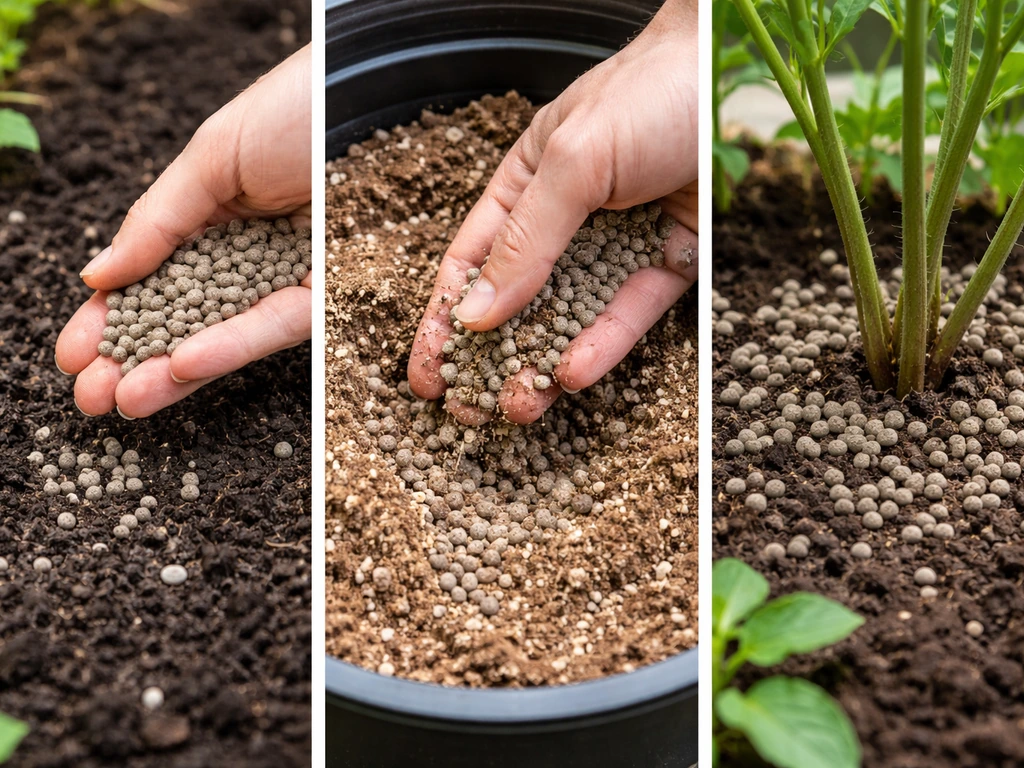
The application method matters as much as the product itself. Organic fertilisers release nutrients through microbial breakdown, which means how you place them in relation to roots and moisture directly affects how quickly and consistently your plant feeds.
Mixing into garden soil at planting
For in-ground beds, work pellets or granular fertiliser into the top 10-15 cm before planting. A good starting rate for pelletised products like Yates Thrive Natural is around 100-150g per square metre, but always check the packet rate and lean toward the lower end if your soil already has good organic matter. Mixing too deep wastes the product since most feeder roots are in the top 20 cm anyway.
Mixing into potting mix for containers
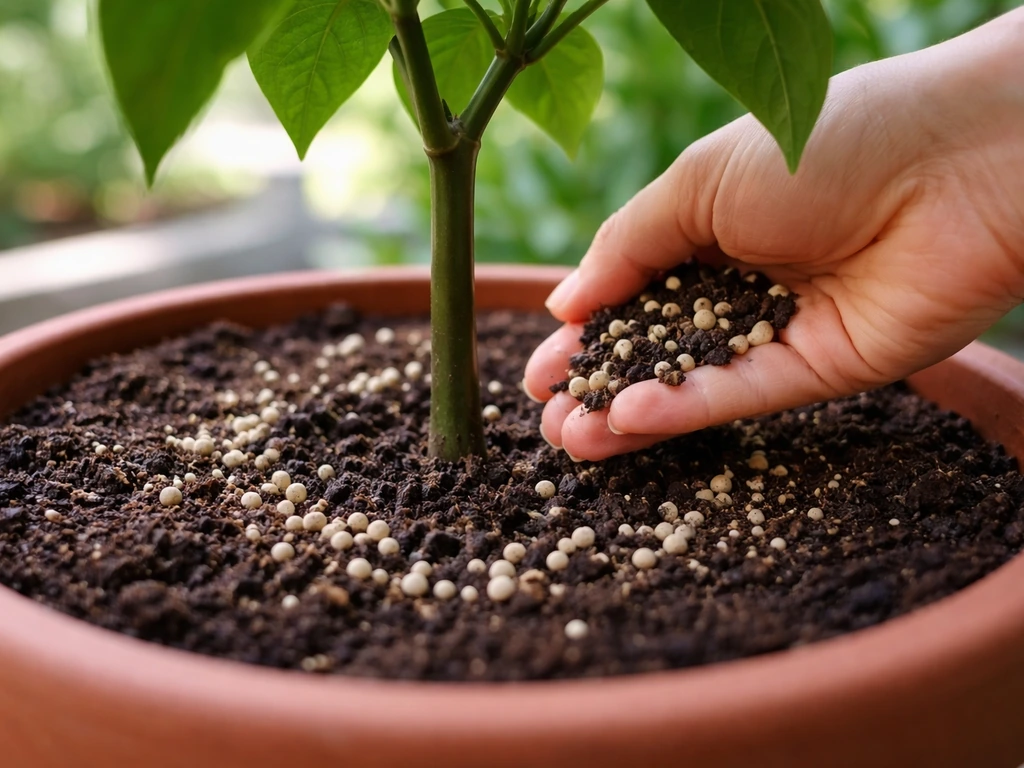
For pots, blend pelletised fertiliser through the potting mix before you fill the container, typically at a rate of about 3-4g per litre of mix. This gives you a consistent slow-release base for the first six to eight weeks. After that, the organic material in most potting mixes is largely exhausted and you'll need to switch to regular top-dressing or liquid feeding to maintain momentum. If you're using a Grow Better organic potting mix, check whether it already contains added fertiliser before doubling up. If you’re filling containers, using the right Grow Better organic potting mix can help you start with a better base for ongoing organic nutrition.
Top-dressing established plants
Top-dressing is the simplest and safest ongoing method for both garden beds and pots. Scatter pellets or a layer of worm castings (1-2 cm deep) around the drip line of the plant, avoiding the main stem. Water in thoroughly immediately after application. The watering activates microbial breakdown and starts moving nutrients toward the root zone. Without watering in, pellets sitting dry on the surface can actually draw moisture away from the plant and create a concentrated salt zone. Always water after top-dressing, no exceptions.
Liquid feeding
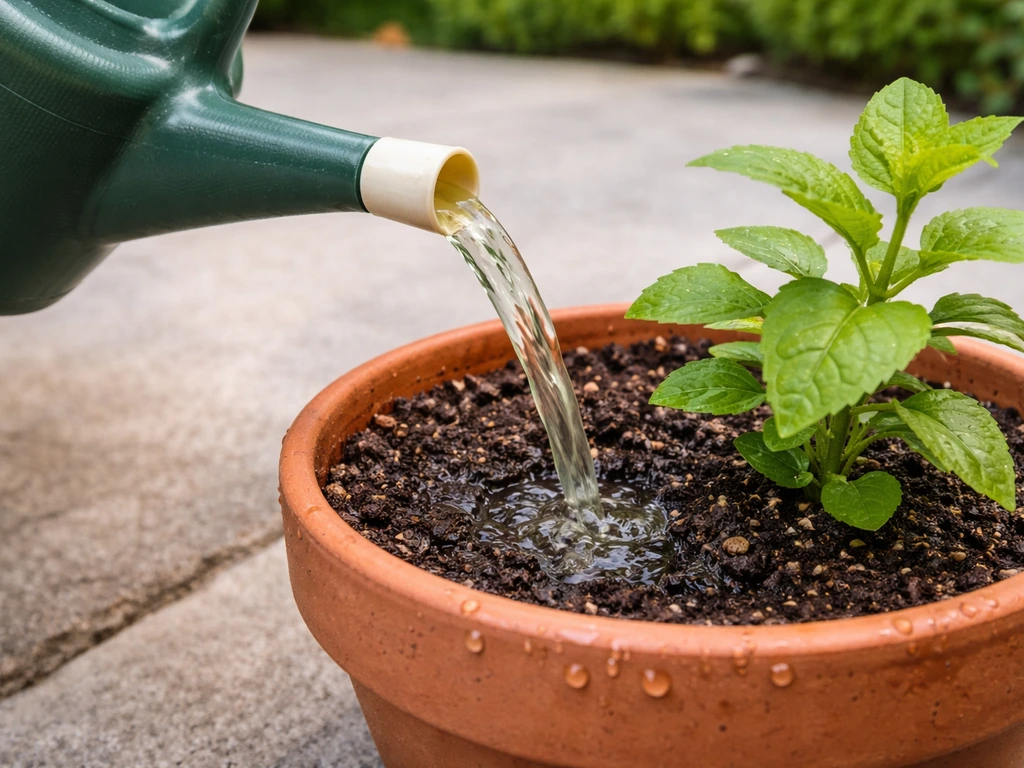
Liquid organics like eco-seaweed or eco-aminogro are applied as a diluted solution, usually every one to two weeks during the growing season. These are not your primary nutrient feeds. Think of them as a support system: they deliver trace elements, plant hormones, and biostimulants that improve how efficiently the plant uses everything else you've applied. Apply to moist soil, never dry, and water in after application or apply just before rain.
Feeding schedule and correct dosing (avoid overfeeding)
Overfeeding with organics is less common than with synthetics, but it absolutely happens, especially with liquid products in containers. Here's a practical schedule framework that works for most home growers:
| Feeding Type | Frequency | Dose Guide | Notes |
|---|---|---|---|
| Pelletised blend (base feed) | Every 6-8 weeks | Follow pack rate, start at lower end | Top-dress and water in thoroughly |
| Liquid seaweed (eco-seaweed) | Every 1-2 weeks | 2-4 mL per litre of water | Can be used as a soil drench or foliar spray |
| Eco-aminogro (plant protein) | Every 2 weeks | 2 mL per litre of water | Boost during transplant, stress, or slow growth |
| Worm castings (soil amendment) | Monthly or at each repot | 1-2 cm layer top-dressed or 10-20% of mix volume | No dosing risk, beneficial microbes included |
| Bloom/fruit formula (transition) | At first flower signs | Follow pack rate | Reduce or stop nitrogen-heavy feeds at the same time |
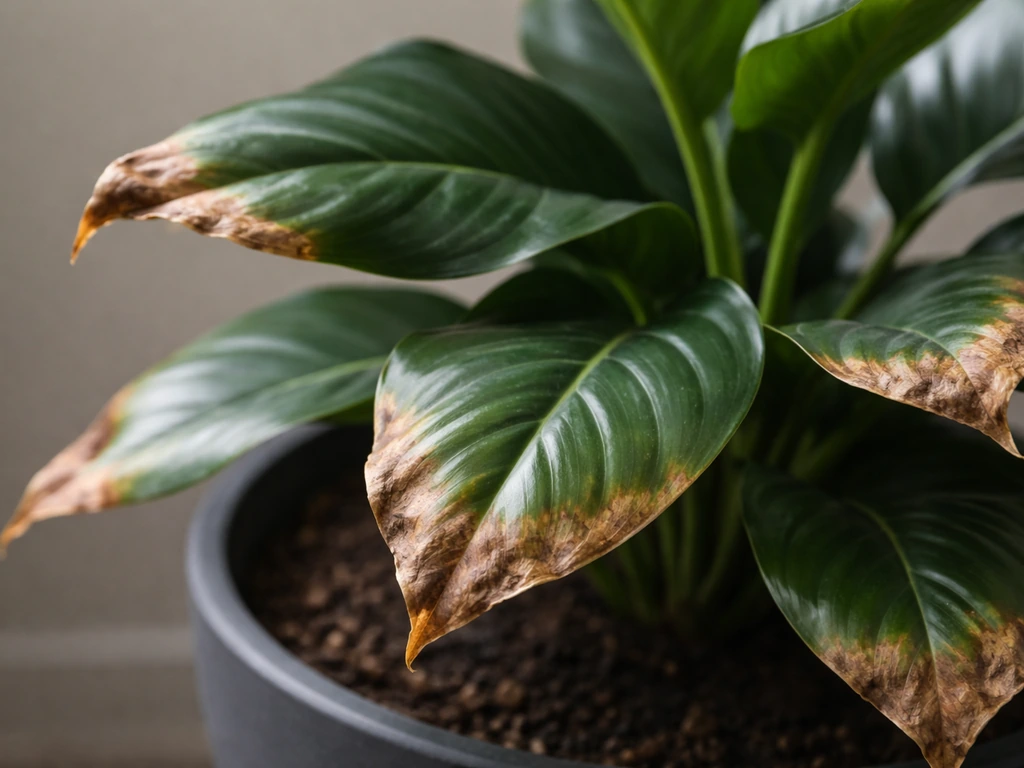
The biggest overfeeding mistake I see with pellets is doubling up. Growers apply pellets at transplant, then add more at six weeks without realising the first application hasn't finished breaking down. If you used a fertiliser-enriched potting mix, wait at least eight weeks before your first top-dress. Signs you've overfed (even with organics) include tip burn on leaves, crusty white deposits on pot surfaces, and wilting despite adequate watering, all caused by salt accumulation reducing the plant's ability to absorb water.
If you suspect overfeeding, flush the container with two to three times its volume of plain pH-adjusted water (aim for 6.0-6.8 for soil), then hold off feeding for at least two weeks before reassessing.
Using organic feeds for hydroponics and soilless setups
This is where most organic fertiliser guides let you down by not being honest: the majority of pelletised and granular organic fertilisers from Bunnings are designed for soil and are not suitable for recirculating hydroponic systems. The reason is straightforward. Organic fertilisers rely on soil microbes to break down organic matter into plant-available mineral ions. In a hydro reservoir without that microbial ecosystem, the organic particles just clog lines, rot in the reservoir, cause oxygen depletion, and create bacterial problems.
That said, there are organic-compatible approaches for soilless and hydroponic setups:
- Liquid seaweed (eco-seaweed): works well as a supplement in recirculating systems at low doses. It's technically a biostimulant rather than a primary nutrient feed, and it's free of the particulate matter that clogs drip lines. Use at half the soil rate in hydro.
- OMRI Listed liquid organic nutrients: some brands produce OMRI Listed liquid organics specifically formulated for soilless use. These are enzymatically processed so nutrients are already partially broken down into plant-available forms. Look for these if you specifically want an organic approach in a DWC or NFT setup.
- Bio-active media grows (living soil): if you want true organic growing without synthetic hydroponic nutrients, a living soil setup in a large container is the realistic path. Build the microbial ecosystem into the medium using compost, worm castings, and mycorrhizal inoculants, then water only (or with very diluted liquid organics). This is sometimes called 'water-only' growing and it genuinely works for one to two crops before the medium needs refreshing.
- Coco coir and rockwool: these soilless mediums don't have the microbial base to process organics efficiently. In coco especially, you need soluble mineral nutrients for best results. Organic liquid supplements can be added alongside, but they shouldn't be your primary feed.
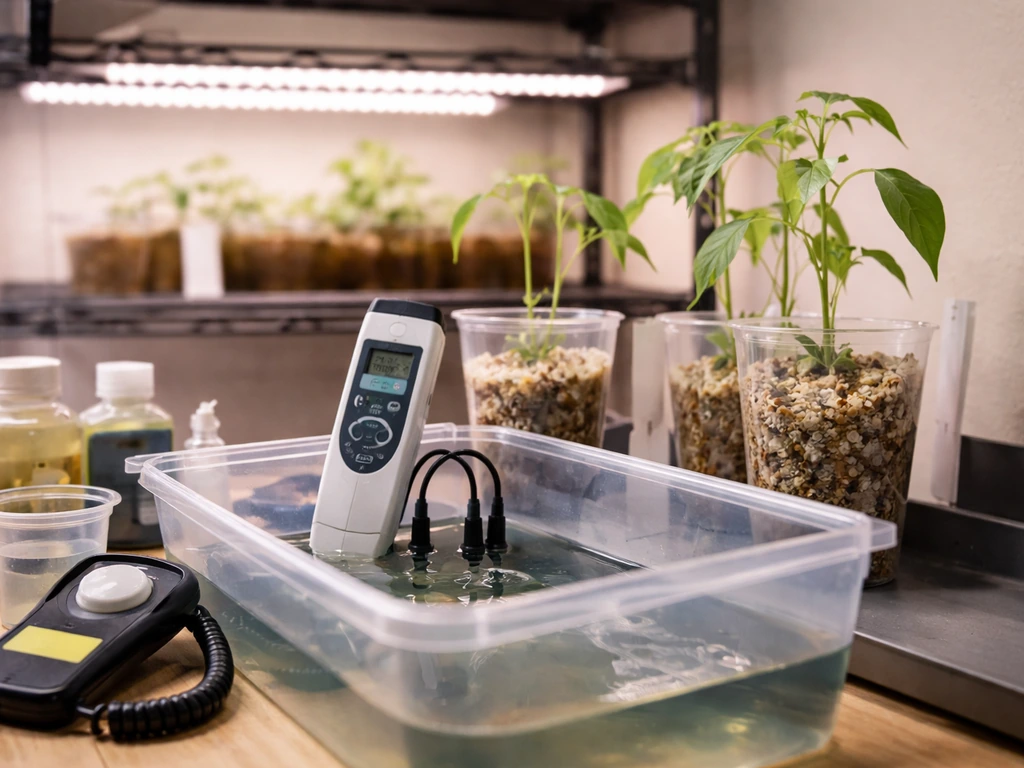
If your setup sits somewhere between soil and full hydro (think perlite-heavy containers, autopots, or coco with organic amendments), the practical middle ground is a mineral-based primary nutrient at reduced dose combined with liquid seaweed and worm casting teas as supplements. Track your EC (electrical conductivity) to make sure you're not overloading the root zone with salts.
For a full organic approach in these setups, the slow grow fertilizer options and approaches designed for low-input growing are worth researching as a complement. For soil and soilless setups where you want gentler, longer feeding, a slow grow fertilizer option can help reduce the risk of rapid swings in nutrient availability. If you're aiming for steady blooms without constant refeeding, look specifically at slow grow flower co products designed for low-input flowering slow grow fertilizer options.
Troubleshooting common results: yellowing, slow growth, no flowering
Organic fertiliser is often the first thing growers blame when plants underperform, but it's rarely the only cause. Here's a practical breakdown of the most common problems and how to diagnose them honestly before throwing more product at the issue.
Yellow leaves
Yellowing starting from older (lower) leaves and moving upward usually points to nitrogen deficiency or nutrient lockout. Before adding more fertiliser, check your watering pH. Soil pH outside the 6.0-7.0 range locks up nitrogen and other nutrients regardless of how much is in the medium. Test the soil or runoff pH first. If it's off, adjust the water pH before adding any more feed. If pH is fine and you haven't fertilised in six or more weeks, a top-dress of blood and bone or a liquid application of eco-aminogro will usually green things up within seven to ten days.
Yellowing starting from young (top) leaves suggests a different problem entirely, often an iron, manganese, or sulfur deficiency, which again is almost always a pH issue rather than a lack of product. Liquid seaweed helps here because it delivers a broad trace element profile, but fixing pH is the real solution.
Slow or stunted growth
If the plant looks healthy but growth is just slow, run through this checklist before changing your fertiliser: Is it getting enough light? If you want to encourage slow grow plants to build stronger roots, focus on consistent, gentle feeding rather than frequent high doses. Is the pot too small for the root system? Is the potting mix compacted and holding too little oxygen around the roots? Organic fertilisers improve soil biology, but they can't substitute for light, space, and good drainage. If all environmental factors check out, a liquid application of eco-seaweed plus eco-aminogro every seven days for three weeks often triggers a noticeable growth response, particularly after transplant stress or after cold weather.
No flowering or fruit set
This one is almost always either a light issue or a nitrogen excess. If your plant is lush and dark green but refuses to flower, you're likely still feeding a high-nitrogen product into the flowering stage. Cut nitrogen, introduce a phosphorus and potassium-dominant product like Yates Thrive Natural Citrus & Fruit pellets, and make sure flowering plants are getting the right light hours. For indoor growers, flowering is often triggered or supported by adjusting light cycle. Organics can't override photoperiod requirements.
Tip burn and crispy leaf edges
Tip burn from the leaf margins inward on otherwise healthy-looking plants usually signals fertiliser salt accumulation or a calcium or potassium excess. Flush the pot thoroughly, hold feeding for two weeks, and when you resume, go in at half the recommended dose. Organic pellets release slowly, so over-application has a long tail. You may see the effects for weeks after you've already backed off.
Quick checklist: product selection and next steps to boost plant performance
Use this when you're standing in Bunnings or browsing online to make a fast, confident decision and build a plan that actually works.
In-store product selection checklist
- Check the NPK: match the numbers to your plant's current stage (high N for veg, higher P/K for flowering).
- Read the ingredient list: blood and bone, fish meal, seaweed, worm castings, and composted manure are all good indicators of genuine organic inputs.
- Look for certifications: OMRI Listed gives you the strongest independent assurance the product meets certified organic production standards.
- Confirm edible plant suitability if you're growing food.
- Choose pellets for slow steady feeding in beds and pots, liquid for quick corrections and biostimulant support.
- Avoid products that list mostly synthetic NPK sources with a token organic additive if you want real soil biology benefits.
- If growing indoors or in containers, skip manure-heavy products and choose worm castings, fish-based, or seaweed-based options for odour control.
Next steps to actually improve results
- Pair your fertiliser with the right medium: organic fertilisers perform best in a living medium with good microbial activity. If you're using a plain potting mix, add worm castings at 10-15% of volume at the next repot.
- Check and adjust your watering pH: buy a cheap pH meter or strips and aim for 6.0-6.8 for soil, 5.8-6.2 for soilless. This single step fixes more nutrient problems than any fertiliser change.
- Set a feeding calendar: write down when you applied, what product, and at what dose. Organic fertiliser schedules are easy to lose track of, and doubling up is the most common cause of mid-season problems.
- Add liquid seaweed every one to two weeks as a base-level support regardless of what else you're doing. It's low-risk, inexpensive, and the plant health and stress response benefits are well-documented.
- If results still don't improve after two to three weeks on a corrected fertiliser program, look at pest load, root health, light intensity, and pot size before blaming the nutrients again.
- For cactus, succulents, or other low-nutrient plants, use a specifically formulated low-NPK option. The Grow Better cactus and succulent fertilizer range is designed for exactly this use case and avoids the overfeeding problems that come from applying general-purpose high-N products to drought-adapted plants.
- If you're scaling up or want a completely integrated organic system, look into building a living soil with compost, worm castings, and mycorrhizal inoculants as the foundation, with liquid organics as top-ups only.
The reality is that no single product from Bunnings is going to transform your growing overnight, but getting the match between fertiliser type, plant stage, and application method right will produce clearly visible results within two to three weeks. Start simple, track what you do, and adjust based on what the plant is actually showing you.
FAQ
Can I use grow better organic fertiliser bunnings pellets in hydroponics or an autopot system?
Only use pelletised or granular organic fertiliser if it’s intended for use in soil, not recirculating hydro systems. In a traditional garden bed or container with living potting mix, you can blend pellets through the mix and then top-dress later, but in hydro reservoirs pellets can clog lines and create oxygen problems. If you’re unsure whether your setup has an active microbial environment, treat it as “soil-adjacent” and stick to mineral-based primaries with liquid organics as supplements, while monitoring EC.
My seedlings look droopy and weak, should I add more grow better organic fertiliser from Bunnings?
Avoid “rescuing” seedlings by guessing with extra feeding. Start by checking the mix, if you used a fertiliser-enriched seed raising mix, you usually do not need to feed for the first 2 to 3 weeks. If you already added pellets or are seeing early distress, pause feeding and instead focus on consistent watering and light, then reassess after the mix has had time to settle.
How do I tell if I’m overfeeding and what should I do first?
If your pot has a crust or white deposits, or the plant wilts even though you’ve watered, treat it as salt accumulation and reduce or pause feeding immediately. Flush with pH-adjusted water, then wait at least two weeks before resuming. When you restart, use a lower dose (often half the packet rate), because organic pellets can continue releasing nutrients for weeks.
When is the right time to switch from nitrogen-heavy to flowering fertiliser with organic products?
Yes, but the timing matters. For most plants, you transition nutrients when flowering starts to approach, not after flowers are already fully formed. If you keep nitrogen too high into the flowering window, you can get dark green, leafy growth with fewer blooms. Choose a higher phosphorus and potassium option, and keep the switch aligned with the plant’s stage rather than the calendar.
Is liquid seaweed from Bunnings enough on its own, or do I still need pellets?
Don’t treat seaweed or other liquid biostimulants as the main feed. Liquid organics are usually best as a support step (trace elements and improved nutrient uptake), applied at diluted rates every 1 to 2 weeks during active growth. Your primary nutrition still needs to come from the right pellet or mix base.
The bag says organic, does grow better organic fertiliser bunnings automatically mean certified organic?
Many “organic” labels in Australia indicate carbon-based ingredients, not necessarily certified for organic growing. If certification matters for your personal or market needs, look specifically for certification wording and requirements on the label, and don’t assume “organic” equals “certified organic production.”
Can I use grow better organic fertiliser in pots, and how do I avoid doubling up with potting mix fertiliser?
Yes, but only if the product is meant for containers and you dose it as a potting-mix additive. A common approach is blending pellets through the potting mix before filling at a small rate per litre of mix, then top-dressing later if needed. If you have a fertiliser-enriched potting mix, check whether it already contains fertiliser so you don’t double up.
My leaves are yellow. How do I know if it’s a deficiency or a pH issue before fertilising?
If yellowing starts on older leaves and moves upward, focus on nitrogen and also confirm pH. If young leaves are yellow or you see widespread new-growth issues, it’s often a pH-related availability problem for iron, manganese, or sulfur. Test soil or runoff pH first, because adding more fertiliser without fixing pH can worsen symptoms.
Do I need to water in top-dressing straight away with organic fertiliser?
Yes, especially if you fertilise before watering or waterlogged. Organic pellets release through microbial breakdown, so dry surface pellets can draw moisture away and create concentrated salt zones. Always water in after top-dressing, and apply to moist soil for liquid organics.
If I flush and restart, should I go back to the full pellet dose or reduce it?
Generally yes, but do it safely. A “half dose” restart after flushing reduces the chance of another long-release overfeed, since organic pellets can keep acting after you stop. Also consider reducing feeding frequency first, rather than increasing volume, and watch for recovery over 1 to 2 weeks.
What should I check if the fertiliser seems right but my plants still grow slowly?
If growth is slow despite the right feed choice, confirm light, root space, and drainage before changing fertiliser. Organic products improve soil biology, but they cannot compensate for low light, a compacted mix with low oxygen, or a pot that’s too small. If those checks pass, you can try a short, controlled burst using a diluted liquid seaweed plus a biostimulant, but keep doses conservative.