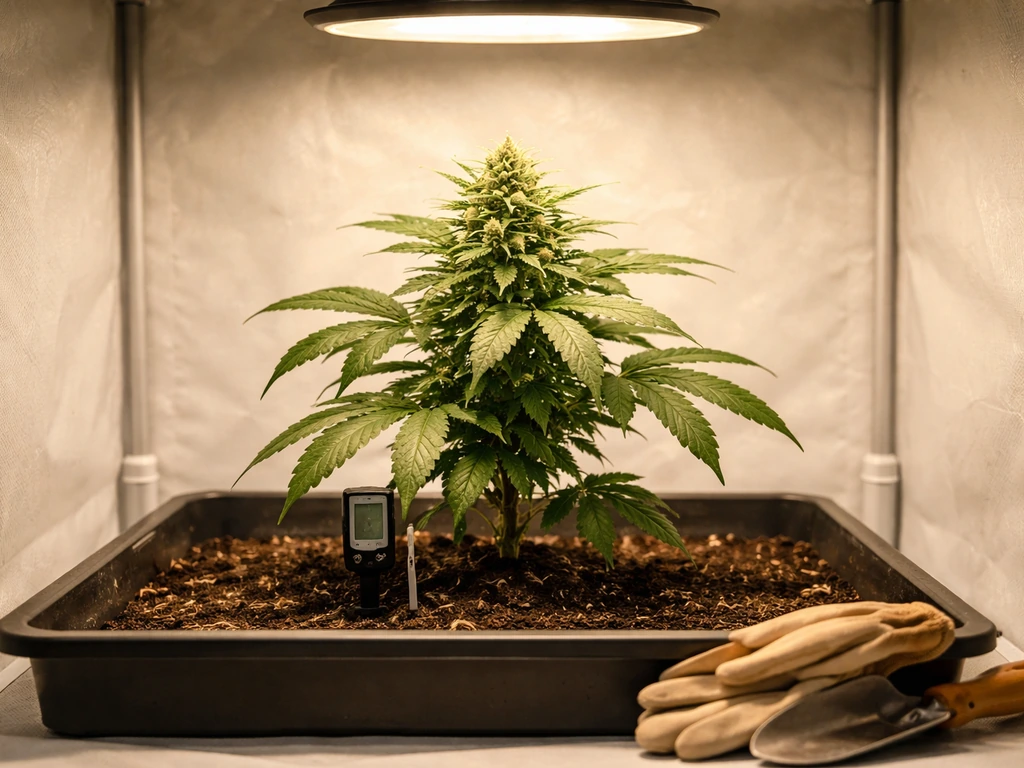
If your plants are growing painfully slowly, the most likely culprits are insufficient light intensity, pH or EC being out of range, overwatering (or poor root oxygenation in hydro), or temperatures that are too cold or too hot. One of those four is almost always the bottleneck. The fix starts with measuring, not guessing, because slow growth looks the same whether you have a light problem, a lockout problem, or a root problem. Work through the checks below in order and you will find it fast.
Slow Grow Plants: Diagnose and Fix Fast in Soil or Hydro
Marcus Holloway
16 May 2026
First: Confirm What 'Slow' Actually Looks Like
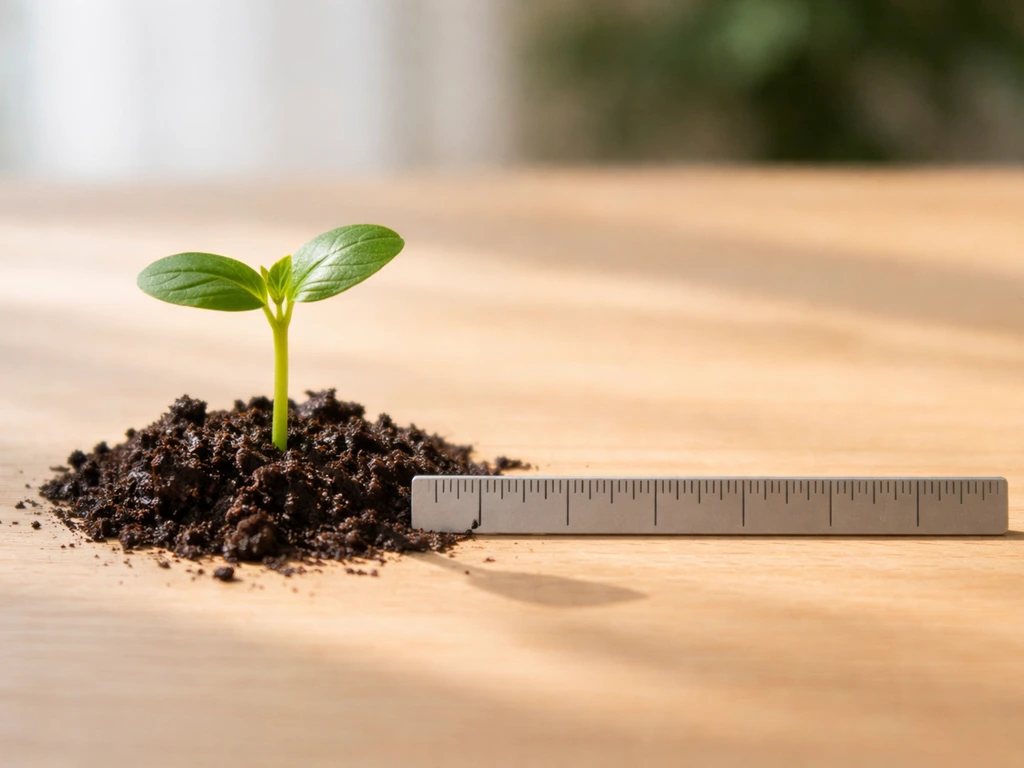
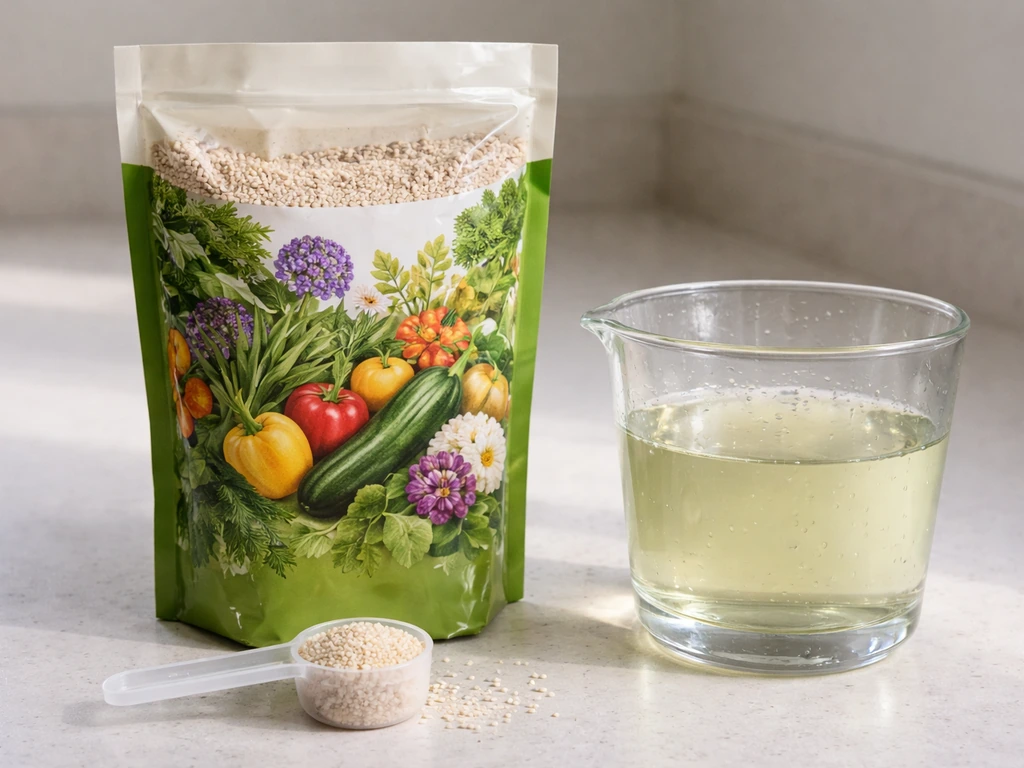
Before you start changing anything, get a baseline on what 'slow' means for your specific plant and stage. A seedling that has barely moved in 10 days is a real problem. For best results, start with a quality grow better seed raising mix so your seedlings have the right balance of moisture and aeration from day one. A plant in week 2 of veg that's growing 0.5 cm per day might be perfectly normal depending on genetics and environment. The triage questions to answer right now are:
- How many days since the slowdown started? If it's been 3 or fewer days, you might just be adjusting after a transplant or environmental change.
- Is the whole plant slow, or is new growth coming in but old leaves look bad? If leaves look healthy but growth is just slow, it's usually a light or temperature issue. If leaves are yellowing, curling, or showing spots, you're likely looking at a pH lockout or deficiency.
- Did anything change right before the slowdown? New batch of nutrients, reservoir refill, media swap, light height adjustment, or a temperature shift? Changes correlate strongly with cause.
- How long has the plant been in its current medium and container? Rootbound plants in small pots slow dramatically until transplanted.
- What does the root zone smell like? A sour, musty, or rotten smell is a red flag for anaerobic conditions or root rot, especially in soil.
If the slowdown has been happening for more than 7 days with no improvement, something in your environment or nutrition is genuinely limiting the plant. Don't wait it out. Pull out your meters and start diagnosing.
Top Causes of Slow Growth in Soil vs. Hydroponics
The causes overlap between soil and hydro, but the way they show up is different. Here's what to look at first depending on your medium.
Light: The Most Underestimated Limiter
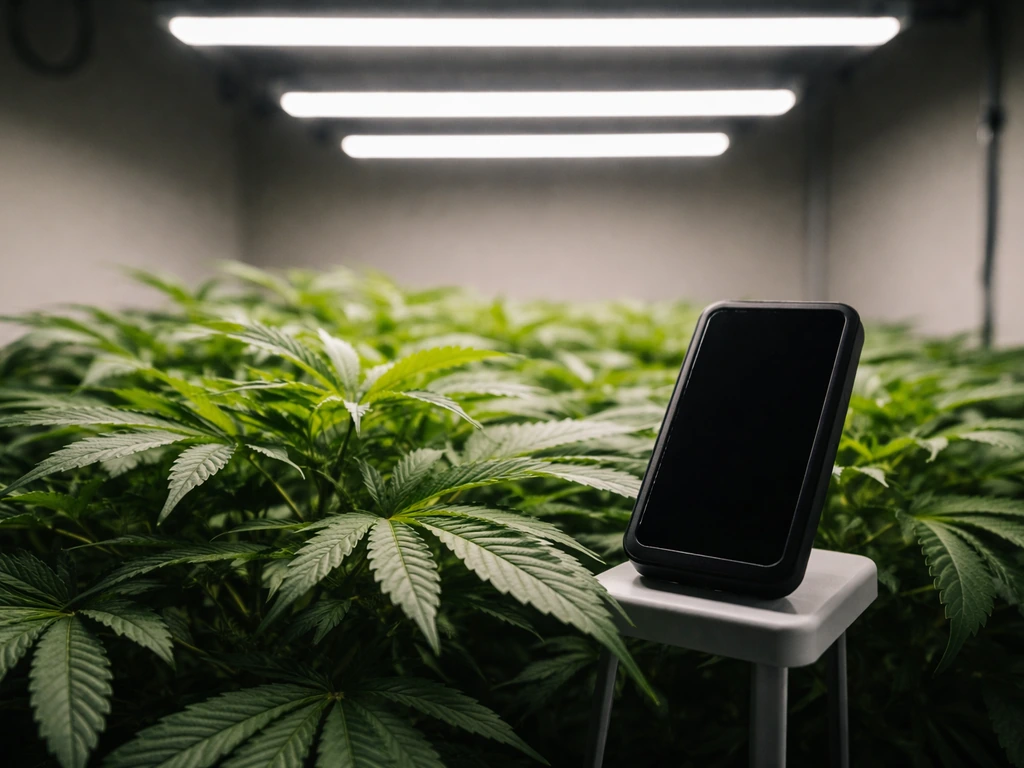
Slow or no growth despite adequate water and nutrients almost always points back to insufficient light intensity or photoperiod. Plants in vegetative growth need roughly 400 to 600 µmol/m²/s PPFD at the canopy. Seedlings and clones do well between 100 and 300 µmol/m²/s. If your light is hanging too high, angled wrong, or just isn't powerful enough for the footprint, your plants are essentially idling.
You can have perfect pH and perfect nutrients and still see slow growth if the plant doesn't have enough light energy to use them. If you are still stuck after confirming your light is strong enough, the next related thing to double-check is whether pH or EC is causing a lockout pH and EC lockout.
Temperature, Humidity, and VPD
Temperature directly affects how fast enzymes work inside the plant, how well roots absorb water, and how effectively stomata open and close. Most plants grow best between 20 and 28°C (68 to 82°F) in the canopy zone. Below 18°C, growth slows noticeably. Above 30°C, plants often go into stress mode.
Relative humidity alone doesn't tell the full story though. What really matters is VPD (vapour pressure deficit), which combines temperature and humidity into one number that reflects how hard the plant has to work to transpire. A target VPD of 0. 8 to 1.
0 kPa covers most vegetative growth stages well. Outside that window, particularly if VPD is too high (dry and hot), the plant closes its stomata and effectively stops photosynthesizing efficiently.
Watering, Overwatering, and Root Oxygen
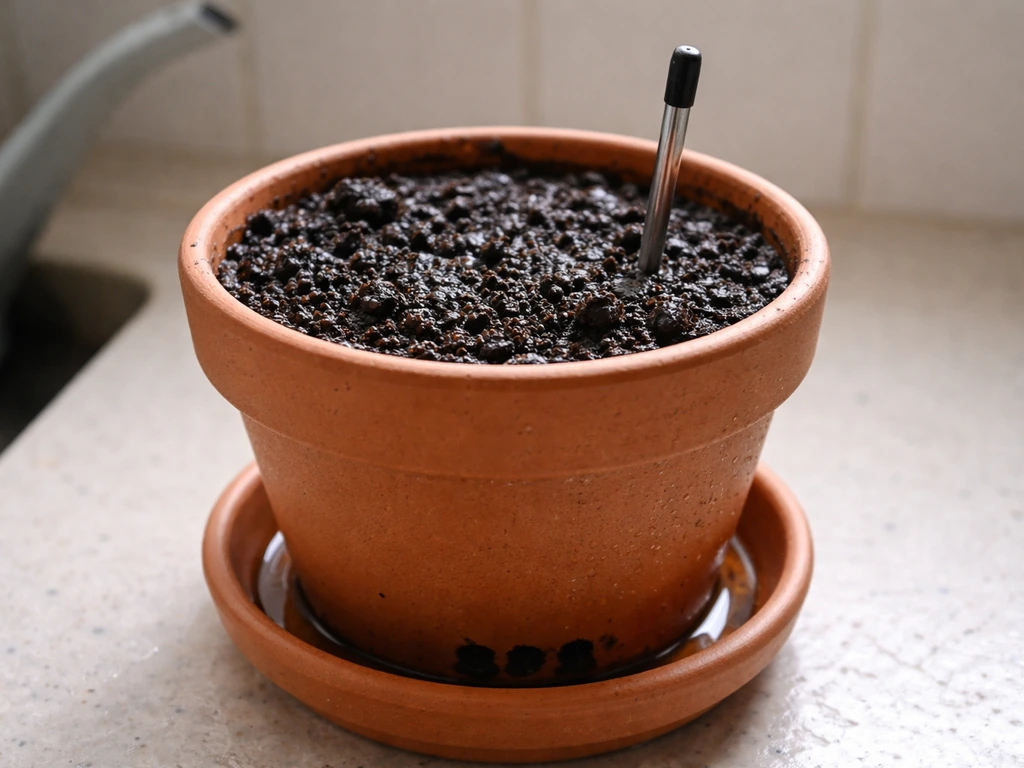
In soil, overwatering is the single most common cause of stunted growth that beginners misdiagnose as a deficiency. When the soil stays saturated, air pockets collapse and roots are deprived of oxygen. The plant looks droopy and slow, you think it needs more water, you water again, and the problem compounds. In hydroponics, the equivalent is low dissolved oxygen (DO) in the reservoir.
Roots forced into anaerobic conditions switch to less efficient respiration, stress quickly, and become vulnerable to root rot. The target DO level in a hydroponic reservoir is 6 to 8 mg/L at minimum, with 8 to 12 mg/L being ideal for active growth. Below 4 mg/L, you will see rapid deterioration. Water temperature is directly tied to this: warmer water holds less oxygen, which is why keeping your reservoir between 18 and 22°C matters.
HydroBuilder also emphasizes keeping hydroponic reservoir temperatures in the proper range to support adequate dissolved oxygen and root health hydroponic reservoir between 18 and 22°C.
Nutrient and pH/EC Lockout Troubleshooting
pH lockout is one of the most common reasons plants stop growing despite regular feeding. When pH drifts out of the optimal range, nutrients chemically change form and become unavailable to the roots, even if they're sitting right there in the solution or soil. The plant starves while surrounded by food.
What to Test and Target
| Parameter | Soil Target | Hydro/Coco Target | Critical Threshold |
|---|---|---|---|
| pH | 6.0 to 7.0 (ideal 6.2 to 6.8) | 5.5 to 6.5 (ideal 5.8 to 6.2) | Below 5.5 or above 7.0 causes lockout |
| EC (mS/cm) | Runoff EC under 1.5 mS/cm | 0.8 to 2.4 mS/cm (stage dependent) | Over 3.0 causes salt stress |
| Seedling/Clone EC | Low to none | 0.6 to 1.0 mS/cm | Above 1.5 can burn roots |
| Dissolved Oxygen (hydro) | N/A | 6 to 12 mg/L | Below 4 mg/L causes root stress |
| Reservoir temp (hydro) | N/A | 18 to 22°C | Above 24°C reduces DO fast |
How to Correct pH and EC Problems
In hydroponics, pH and EC are not 'set and forget' parameters. Both drift as plants feed and water evaporates, so you need to check and correct them daily or every other day at minimum. If pH has drifted outside 5.5 to 6.5, do a partial reservoir change with fresh pH-corrected solution rather than just dosing pH up or down repeatedly into a compromised mix. If EC has spiked (meaning the plant is drinking water but not eating nutrients), top off with plain pH-adjusted water until EC drops back into range.
In soil, if you suspect pH lockout, the most reliable fix is a flush followed by a corrected feeding. Run 2 to 3 times the pot volume of pH-adjusted water (target pH 6.0 to 6.5) through the medium until your runoff stabilizes at pH 6.0 to 6.5 and EC drops below 1.5 mS/cm. After the flush, let the medium dry down to about 30 to 40% moisture before feeding again with a properly pH'd nutrient solution.
Calibrating Your Meters Properly
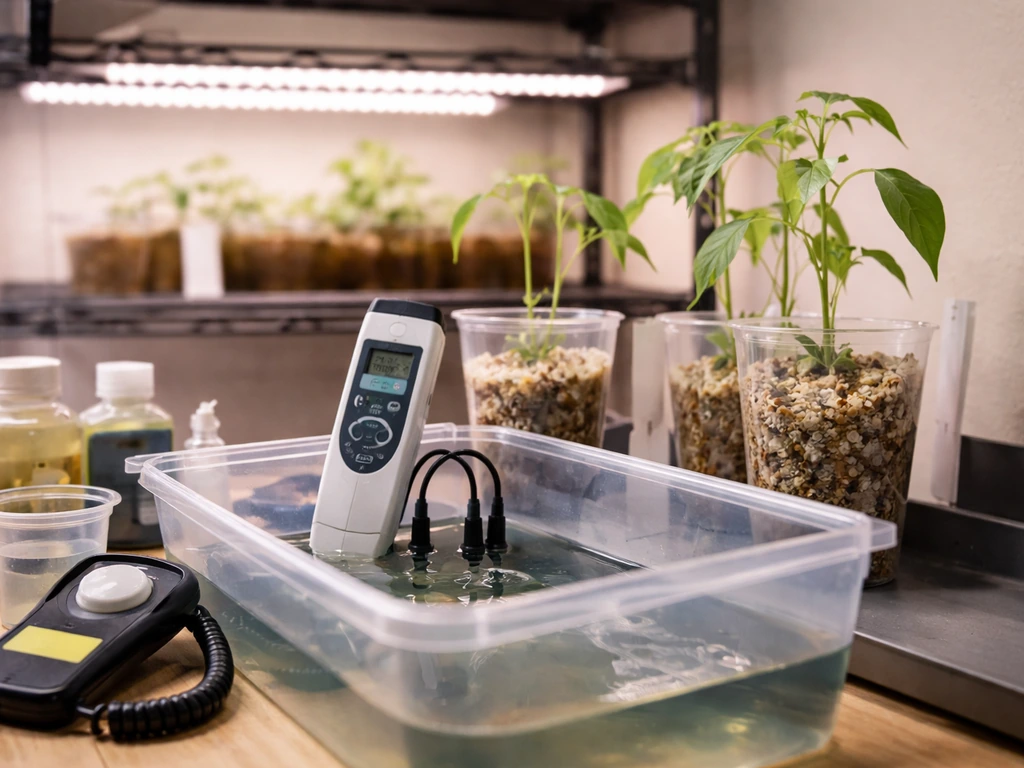
A pH or EC reading is only as good as your meter calibration. If you haven't calibrated in the last 2 weeks, do it now before trusting any readings. For EC meters, use a known standard solution: 1413 µS/cm (1.413 mS/cm) is the most common reference for the range most growers operate in. For pH meters, calibrate with at least two buffer solutions (pH 4.0 and pH 7.0 is the standard two-point calibration for the growing range). Wait for the reading to fully stabilize before accepting calibration. A drifting, uncalibrated meter will send you chasing problems that don't exist.
Medium-Specific Fixes: Soil vs. Hydroponics
Soil Adjustments
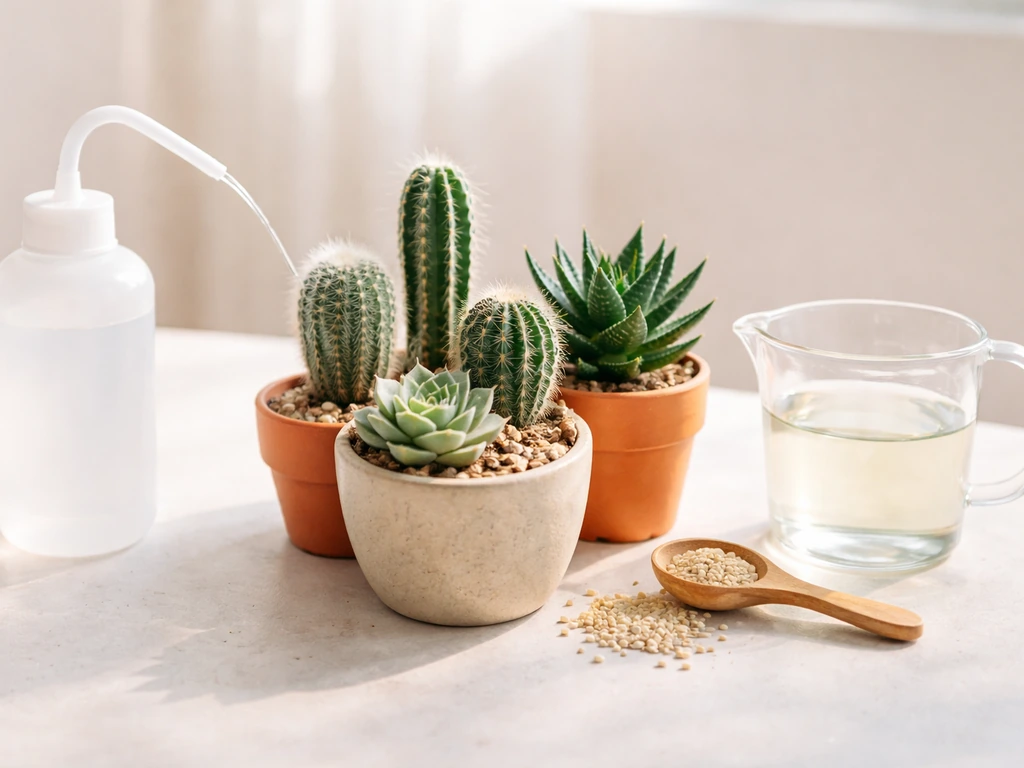
The two biggest soil-side issues that slow growth are compaction and overwatering. For cactus and succulents, you can tune growth by using a fertilizer formulated for arid plants and applying it at the right strength and frequency fertilizer for cactus and succulents. Compacted soil reduces oxygen in the root zone and makes it harder for roots to expand.
If your soil feels dense and water sits on top instead of absorbing quickly, your medium has too much fine particle content. For your next transplant, amend with perlite at a ratio of about 20 to 30% by volume to improve drainage and aeration. Quality premixed soils like well-structured organic potting mixes make this easier to dial in from the start.
For an existing plant in compacted or waterlogged soil, the fix is to let the medium dry down fully (lift the pot to check weight if you're not sure), aerate the surface carefully with a chopstick or skewer without damaging roots, and then resume watering only when the top 2 to 5 cm of soil is dry. Don't rely on touch alone if you want precision: soil moisture meters can help, but know that most measure a related property rather than direct water content, and they need calibration to be accurate.
Root rot in soil is the interaction of pathogen activity and oxygen deprivation. Simply reducing watering may not fully reverse it if the pathogen load is already high. If you smell something rotten from the soil and the plant is still struggling after a drydown period, consider a beneficial microbe inoculant (Trichoderma or mycorrhizal products) on the next watering to help restore the root zone biology.
Hydroponic Setup Changes
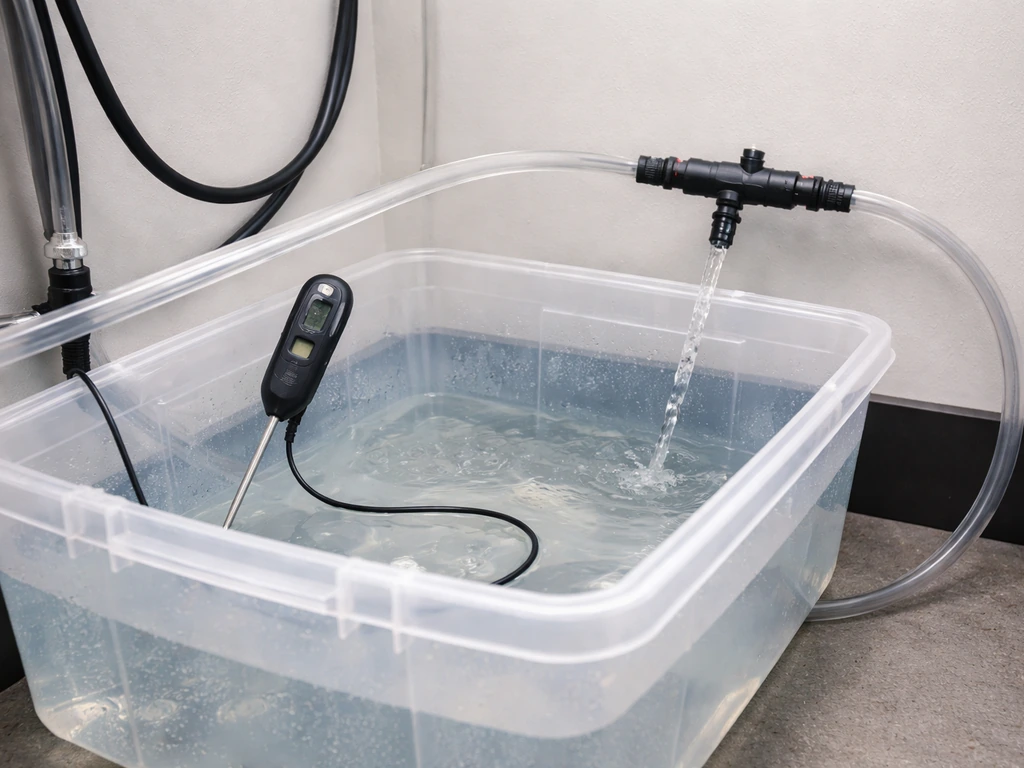
In hydro, slow growth that isn't explained by pH or EC is almost always root oxygen or temperature. Check these in order: First, measure your reservoir temperature. If it's above 22°C, add a water chiller or move the reservoir to a cooler location. Second, check your air pump output.
A single small air stone in a 20-liter reservoir is often not enough. You want vigorous bubbling across the whole reservoir floor. For deep water culture systems, the general guideline is at least 1 liter per minute of air per 4 liters of water in the reservoir. Third, inspect the roots.
Brown, slimy roots with a bad smell confirm root rot. Treat with hydrogen peroxide (3 ml of 3% H2O2 per liter of water) as an emergency rinse, then address the underlying temperature and oxygen cause, or the problem will return.
For nutrient film technique (NFT) or drip systems, slow growth often traces to flow rate issues. Make sure your pump is moving enough solution to keep roots consistently wet but not sitting in stagnant water. Check that emitters aren't clogged and that return channels are draining freely. Biofilm buildup inside lines and reservoirs reduces DO and can harbor pathogens, so a system clean-out between grows is not optional.
Optimizing Light Setup to Accelerate Canopy Growth
Even a high-quality LED or HPS light won't help if it's at the wrong height or running the wrong schedule. Here's how to get your light dialed in quickly:
- Measure PPFD at the canopy using a PAR meter or a reliable smartphone app (apps are less accurate but better than nothing). Vegetative growth: aim for 400 to 600 µmol/m²/s. Seedlings and clones: 100 to 300 µmol/m²/s. Flowering: 600 to 900+ µmol/m²/s depending on strain.
- Adjust light height based on your readings, not the manufacturer's recommendation. Manufacturer charts assume a specific room reflectivity and configuration that your space may not match.
- Check your photoperiod. For vegetative growth, 18 hours of light and 6 hours of darkness is the standard for most plants. Confirm your timer is functioning correctly by checking it manually. A failed timer that cuts your light short is a surprisingly common and easy-to-miss cause of slow growth.
- If you're getting adequate PPFD but growth is still slow, calculate your daily light integral (DLI). DLI (mol/m²/day) = PPFD × hours of light × 0.0036. Most plants in vegetative growth want at least 20 to 30 mol/m²/day. If you're under 15, extend your photoperiod before buying a new light.
- Watch for light burn on the top leaves if plants are too close to the source. Bleaching, taco-ing, or upward curling of the upper canopy means you're too close, which paradoxically causes slow growth by stressing the tissue.
Feeding Schedule, Plant Training, and How to Restart Growth
Once you've identified and corrected the main limiting factor, the plant still needs a few days to a week to visibly respond. Here's how to support recovery and get measurable growth restarted as fast as possible.
Reset the Feeding Schedule
If you've just flushed or corrected a nutrient issue, start feeding at half the recommended dose and build back up over 5 to 7 days. If you are using a grow better all purpose plant food, follow the same half-strength start and build up only after you see recovery. Hitting a stressed plant with a full-strength feed is a common mistake that sets recovery back.
In hydro, mix a fresh reservoir at the target EC for the plant's current stage (0. 8 to 1. 2 mS/cm for young veg, 1. 4 to 2.
0 mS/cm for established veg) and keep pH stable at 5. 8 to 6. 2. Slow grow fertilizer formulations designed for gradual release can help in soil by preventing EC spikes between watering events.
If you are looking for a practical option from Bunnings, choose an organic fertiliser that matches your plant stage and follow the label rates to avoid overfeeding organic fertiliser from Bunnings. If you prefer a dedicated slow grow strategy, Slow Grow Flower Co blends gradual-release feeding options to help keep growth steadier between checks Slow grow fertilizer formulations.
Use Low-Stress Training to Encourage New Growth Sites
While the plant recovers, low-stress training (LST) can redirect energy to new growth sites and flatten the canopy to get more of it under your light's optimal zone. Gently bend and tie the main stem to encourage lateral branching. This works in both soil and hydro setups and doesn't add stress the way topping or FIMing would on a plant that's already recovering. Don't top or make heavy cuts until the plant has shown at least 5 to 7 days of healthy new growth.
Transplant if the Plant Is Rootbound
If your plant is in a container that's too small for its root system, no amount of feeding or lighting adjustment will fully fix the problem. Check by gently removing the root ball from the pot: if roots are circling the outside of the mass or coming out of drainage holes in a thick mat, move up one container size. For soil, a 3 to 5 gallon pot suits most plants in mid-veg. For hydro setups using net pots and media like clay pebbles, make sure the root mass has enough room to expand into the reservoir.
Stop It From Happening Again: Measurement Routines and Common Pitfalls
Most slow-growth problems are preventable with a simple daily routine. The growers who avoid these slowdowns aren't necessarily more skilled, they're just more consistent about checking their numbers.
Build a Minimum Viable Measurement Routine
- Daily (hydro): Check reservoir pH and EC, top off water to maintain level, visually inspect roots and look for discoloration or slime.
- Daily (soil): Check canopy temperature and VPD using a thermometer and hygrometer. Feel or weigh pot to assess moisture level before watering.
- Every 3 to 4 days (soil): Check runoff pH and EC when watering to catch drift early. Target runoff pH 6.0 to 6.8 and EC below 1.5 mS/cm.
- Weekly: Calibrate pH meter using two-point calibration (pH 4.0 and 7.0 buffers). Verify EC meter against 1413 µS/cm standard solution. Log all readings in a grow journal.
- Weekly: Measure PPFD at canopy level, especially if you've raised or lowered the light or changed any reflectors.
- Every grow: Fully clean and sterilize hydroponic system, replace air stones, and check pump output before starting a new crop.
The Most Common Pitfalls to Avoid
- Watering on a fixed schedule instead of checking the medium. Plants dry at different rates depending on temperature, pot size, and growth stage. Always check before you water.
- Mixing nutrients into water before adjusting pH, then measuring pH and calling it done. pH drifts after nutrients are added, sometimes significantly. Always pH after mixing.
- Trusting uncalibrated meters. A pH meter that reads 0.3 units off can put you in lockout territory without you knowing it.
- Assuming slow growth is always a nutrient deficiency and adding more fertilizer. This is the second most common beginner mistake after overwatering. More nutrients into a stressed root zone makes things worse, not better.
- Ignoring VPD and only tracking RH. A grow space at 60% RH can have very different VPD values at 20°C versus 28°C. Track temperature and humidity together and calculate VPD, or use a grow controller that displays it directly.
- Not keeping a grow log. Without records, you can't see patterns, and patterns are where the real diagnostic power comes from. Even a basic notebook with daily pH, EC, temperature, and observations will cut your troubleshooting time in half.
Slow plant growth is almost never a mystery once you have real measurements in front of you. Run through the checks in order, correct the biggest limiting factor first, give the plant a week to respond, and then reassess. The combination of dialed-in light, stable pH and EC, proper root oxygen, and correct VPD removes virtually every common cause of slow growth in both soil and hydroponic systems.
FAQ
If my slow grow plants problem is likely light, should I just run the lights longer or increase intensity?
Yes, but only in specific ranges. If your light is strong enough and you are not raising stress, a longer photoperiod can speed growth in vegetative stages, but it can also increase transpiration and nutrient demand. Use VPD and daily runoff or reservoir readings to confirm plants are actually consuming more, not just drying out or drifting pH/EC.
When is it safe to start LST or other training after I fix the cause of slow growth?
Do it after the plants show at least partial recovery, typically after 5 to 7 days of new growth. If you train too early, you can delay recovery because the plant reallocates energy to wound healing and stress response. LST is safer during recovery than topping, FIMing, or heavy defoliation.
How accurate are soil moisture meters for diagnosing slow grow plants?
You can, but treat it as a supporting tool, not a rule. For soil, many moisture meters correlate to “how it feels electrically,” not true water content, so calibration and repeated checks against your own dry-down pattern matter. If you use one, verify it by fully drying a sample pot and noting where the meter reads at each stage.
What should I check first if slow growth continues even after correcting pH and EC?
If a plant is truly “stuck,” do a root oxygen and temperature check before changing nutrients again. In hydro, glucose and other organic buildup can raise apparent reservoir readings while lowering available oxygen. If you see drifting pH, low DO, or slimy roots, fix oxygen and temperature first, then correct pH/EC.
Should I raise EC or add more nutrients when slow grow plants persist?
Often not, because the plant can be underfeeding or locked out, but it usually has a pattern. EC that is low can cause slow growth, yet pH drift and oxygen deprivation can look identical. The quickest decision aid is to compare: Are roots healthy and reservoir DO in range, and does leaf color match the nutrient issue? If DO or temperature is off, nutrients won’t fix it.
How often should I flush or change solution when diagnosing slow growth?
Yes, and the method differs by medium. In soil, flushing too frequently can strip away beneficial biology and make the root zone more unstable, especially in organic mixes. In hydro, frequent partial changes can help if pH or EC are drifting, but you still need to maintain stable reservoir oxygen and temperature so roots can uptake consistently.
If I use drain-to-waste hydro, will that automatically prevent slow growth from salt buildup?
Not usually. “Drain-to-waste” can reduce buildup of salts in hydro systems, but it does not correct low DO, high reservoir temperature, inadequate airflow, or clogged emitters in drip systems. If you cannot keep DO and temperature stable, water changes alone will not solve root-limited growth.
Can slow growth start from the soil or mix used at seedling stage?
Yes, especially if you are growing from seed in a dense mix. If seedlings stay nearly unchanged for more than about a week, it can be light and temperature, but the early root environment matters too. Starting with an aerated seed-raising mix helps prevent early oxygen limitation that can later be mistaken for a nutrient deficiency.
How can I tell whether slow growth is a root oxygen problem versus a nutrient problem?
Look for symptoms that point to the root zone rather than nutrition. Brown, slimy roots with bad odor in hydro strongly indicate rot, while consistently saturated soil with poor drainage strongly indicates oxygen deprivation. If that’s present, increase aeration and correct reservoir temperature, then reassess nutrients after roots are healthy.
At what point should I transplant because slow grow plants is caused by being root-bound?
Container size matters, but it usually shows up as a mismatch between watering speed and plant response. If the pot stays wet too long, roots can’t oxygenate, and growth stalls regardless of feeding. If roots are circling in a mat or exiting drainage holes early, transplanting to a larger pot is the fastest long-term fix.
What EC and DO targets should I use to avoid making slow growth worse?
Use the specific numbers from your medium and stage, not “what you used last time.” For hydro, the article’s targets are 0.8 to 1.2 mS/cm for young veg and 1.4 to 2.0 mS/cm for established veg, and DO should be about 6 to 8 mg/L minimum. If you go above your stage target while VPD or DO is off, you can increase lockout and worsen slow growth.
If my plants are slow in soil, is it usually a fertilizer problem?
Most of the time, yes, and the right fix is medium and oxygen management rather than changing brands of fertilizer. Compaction and overwatering collapse air space, reducing root oxygen and slowing enzyme and uptake processes. If you suspect this, amend the medium for better drainage and aeration, then water based on the soil dry-down pattern instead of a fixed schedule.