FloraGro by General Hydroponics is not organic. The company says so directly: FloraSeries nutrients, including FloraGro, are made from refined minerals, and refined minerals disqualify a crop from organic status under standard organic rules. If you picked up a bottle labeled FloraGro and were hoping to run an organic garden, you need to know that upfront before you mix a single drop into your reservoir or soil drench.
Is Flora Grow Organic? How to Verify and Use It

Marcus Holloway
13 May 2026
What 'Flora' products are and what 'grow organic' actually means
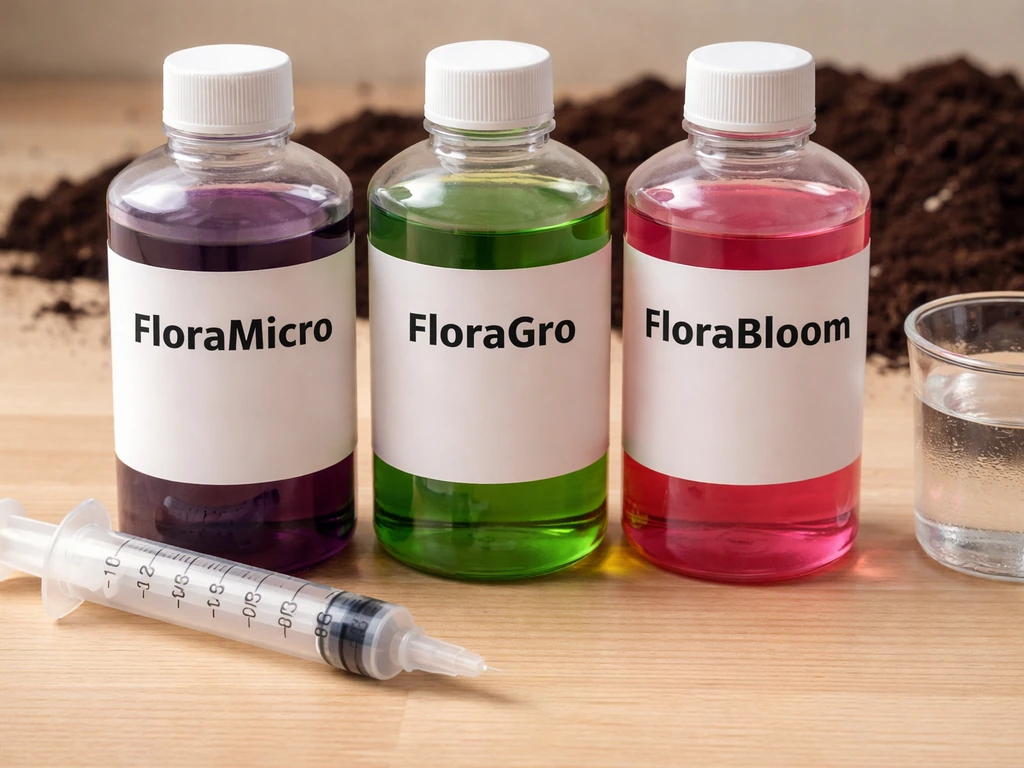
The word 'Flora' shows up on a few different nutrient lines, so let's pin down which one most growers are asking about. General Hydroponics makes the FloraSeries, a 3-part liquid nutrient system built around three bottles: FloraMicro, FloraGro, and FloraBloom. FloraGro is the vegetative-stage component with an NPK of 2-1-6. If you are trying to use General Hydroponics FloraGro, follow the bottle’s mixing and pH guidance and pair it with a hydroponic schedule that matches the vegetative stage.
It is formulated to push leaf and stem growth during the early phases of a plant's life. If you want to dial in rates for FloraGro, you will also need to know how much product to use per gallon based on the label directions and your plants’ stage how much flora grow per gallon. The system is extremely popular in hydroponic setups, but plenty of soil growers use it too.
Separately, Terra Aquatica (which is the rebranded European branch of General Hydroponics) sells a product called 'Pro Organic Grow,' which is a genuinely different formula designed to meet EU organic farming regulations. Terra Aquatica’s Pro Organic Grow safety data sheet describes it as an organic plant fertilizer for use in organic farming and references EU organic regulations N°2018/848 and 2021/1165. These two products are not the same thing, and the naming overlap causes real confusion. Knowing which bottle you actually have is step one.
When growers say 'grow organic,' they usually mean one of two things: either they want to use inputs that qualify under USDA National Organic Program (NOP) rules, or they simply want to avoid synthetic mineral salts and prefer natural, biologically-driven feeding. These two goals overlap but are not identical. A product can be made from natural sources and still not carry a USDA Organic certification. Understanding that distinction changes how you shop and how you build your grow plan.
Check the label: certifications, ingredients, and what actually counts
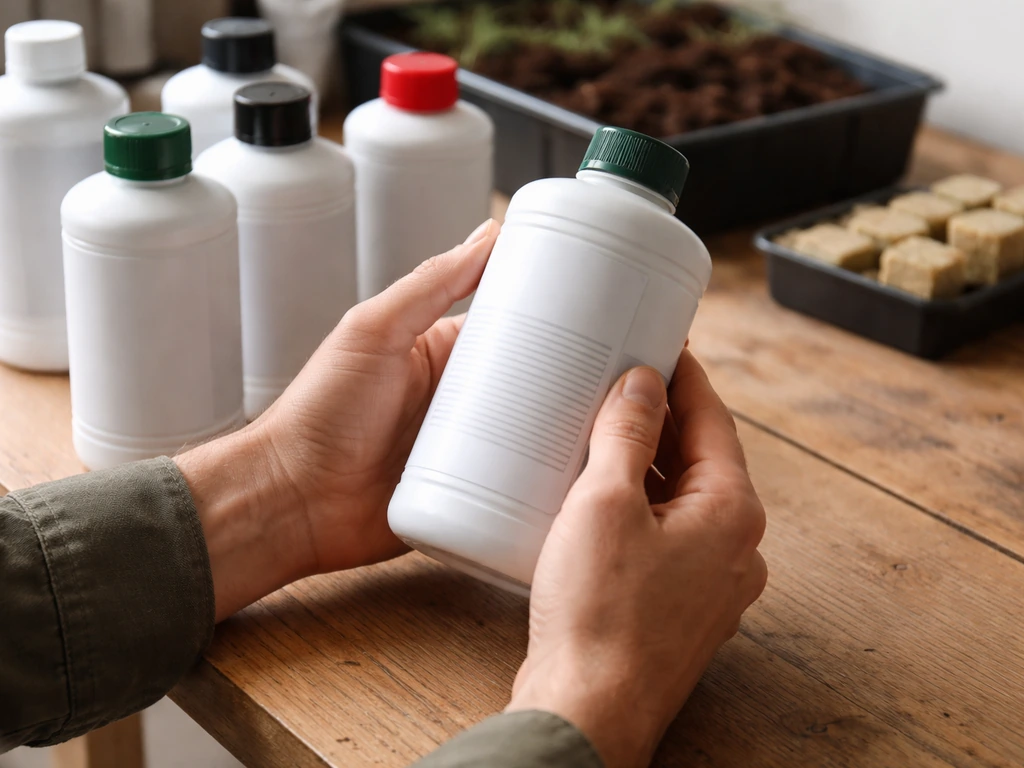
The single most important thing you can do is read the product label and the brand's own FAQ before assuming anything. Here is what to look for when you pick up any 'Flora' or grow nutrient product.
Organic certification logos
A legitimate organic nutrient product should display a recognized certification mark: the USDA Organic seal, OMRI (Organic Materials Review Institute) listing, or a recognized EU equivalent like the EU Organic logo referenced in EU Regulation 2018/848. If none of those appear on the label, the product is not certified organic, regardless of how it is described in marketing copy. FloraGro by General Hydroponics carries none of these certifications.
The 'Derived from' section tells the real story
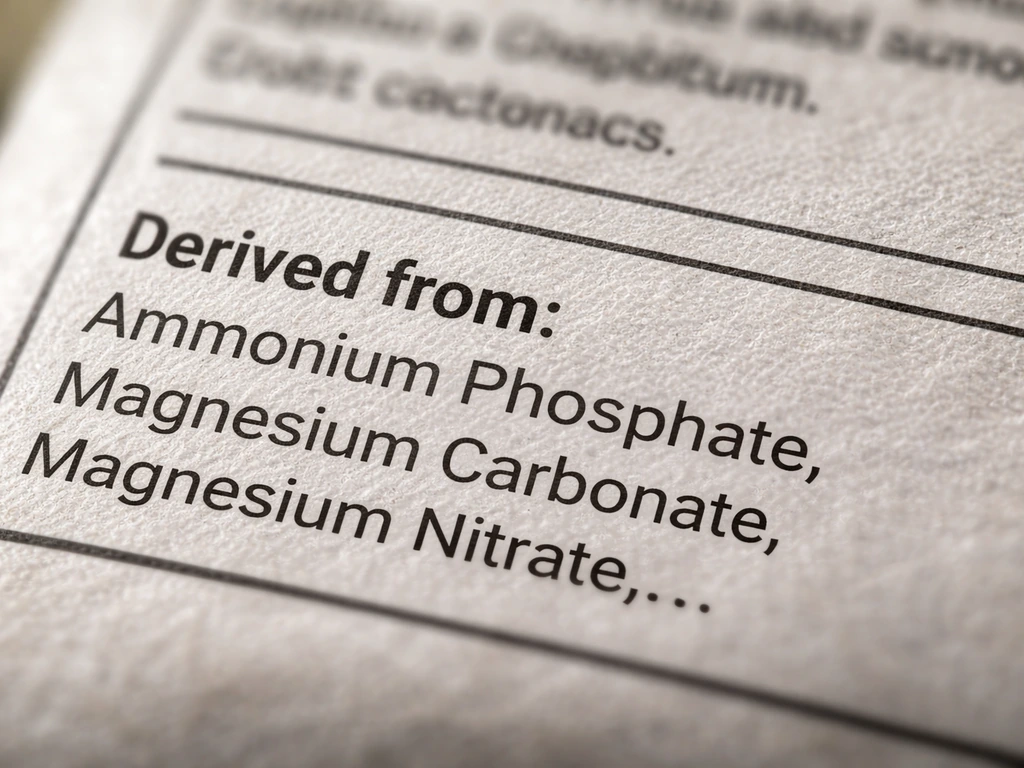
On US fertilizer labels, look at the 'Derived from' line in the guaranteed analysis section. FloraGro lists ammonium phosphate, magnesium carbonate, magnesium nitrate, magnesium sulfate, potassium carbonate, potassium nitrate, potassium phosphate, and potassium sulfate. Those are refined mineral salts. Under USDA NOP rules (7 CFR 205.
105), organic production must use only allowed substances, and highly processed mineral salts like these are generally prohibited for organic certification. Under USDA NOP rules (7 CFR 205. 105), organic production must use only allowed substances, and highly processed mineral salts like these are generally prohibited for organic certification [Under USDA NOP rules (7 CFR 205. 105), organic production must use only allowed substances, and highly processed mineral salts like these are generally prohibited for organic certification.
](https://ecfr. io/Title-7/Section-205. 105). An organic input will list sources like fish meal, kelp, worm castings, composted manure, or feather meal.
Unrefined vs. refined minerals
General Hydroponics explains this themselves: their FloraSeries components are refined minerals, which means they have been chemically processed to extract and concentrate specific elements. Organic standards typically allow unrefined mined minerals (like rock phosphate or greensand) under certain conditions, but they prohibit refined or synthetic mineral forms. This is the exact reason FloraGro fails the organic test even though it contains 'mineral' ingredients.
Soil growing vs. hydroponics: why 'organic' works differently in each
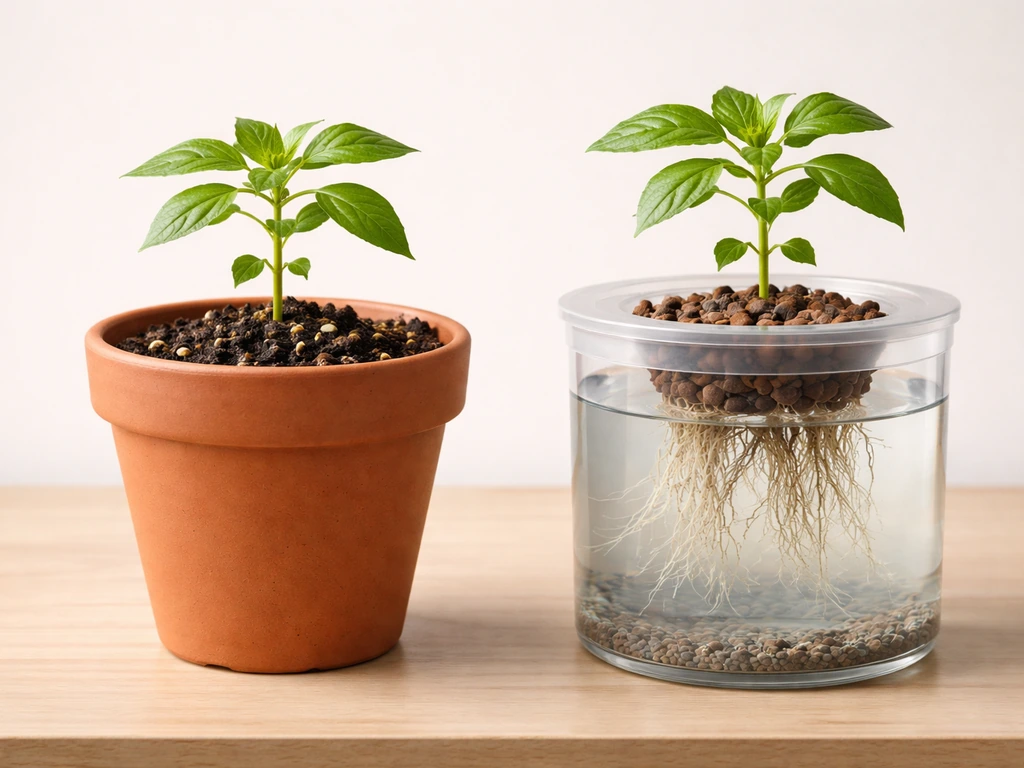
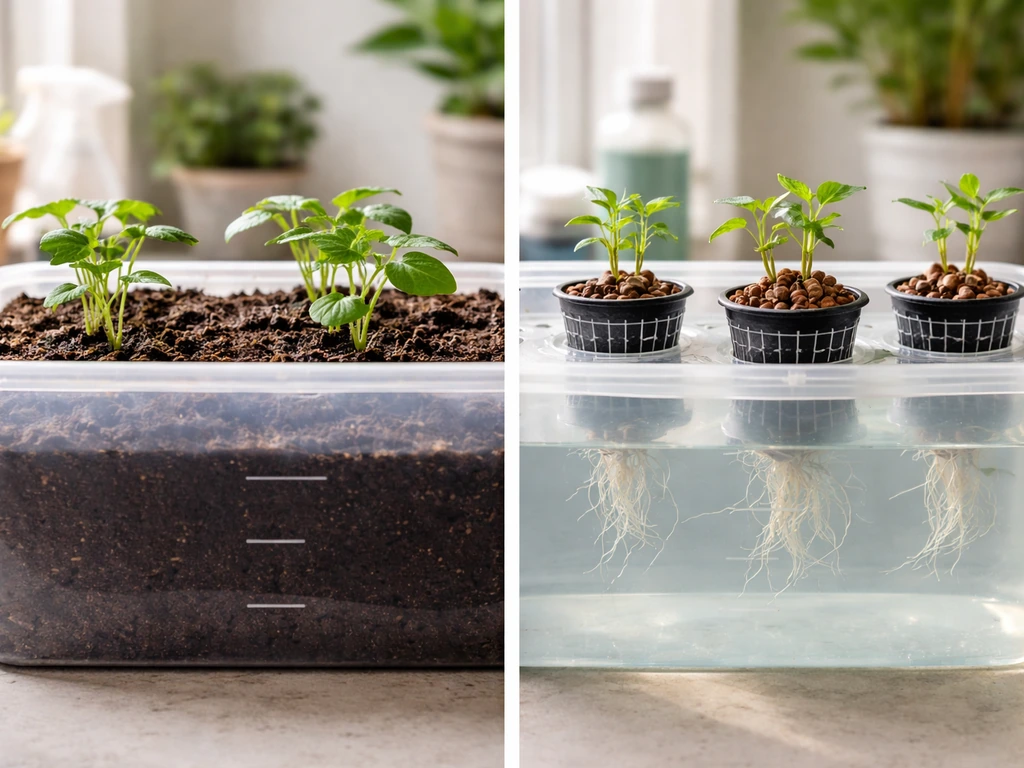
Organic farming rules were built around soil biology. The whole system depends on microorganisms in the soil breaking down organic matter into plant-available nutrients. That microbial activity is what transforms compost, fish emulsion, and kelp extract into nitrogen, phosphorus, and potassium a plant root can actually absorb. Organic certification assumes this biological conversion step exists.
Hydroponics deliberately skips that step. General Hydroponics describes it plainly: their system delivers minerals directly to plant roots, completely eliminating the need for soil and soil organisms. Because there are no soil microbes doing the conversion work, the concept of 'organic' as defined by NOP rules does not translate cleanly to traditional hydroponic setups. You can run a hydroponic system with organic-derived inputs (a practice sometimes called 'bioponics'), but it requires careful product selection and management because organic nutrient solutions break down differently in recirculating reservoirs.
In soil or coco coir, using organic amendments and certified organic liquid feeds is straightforward because the microbial environment is present to process them. If you are asking whether FloraGro works in soil, the answer is yes, it works well, but it still does not make your crop organic because the inputs themselves are disqualifying. The medium does not change what is in the bottle.
How to verify any product before you buy: a quick shop checklist
Before you bring home any nutrient product expecting it to support organic growing, run through this checklist at the store or on the product page.
- Look for the USDA Organic seal, OMRI Listed logo, or EU Organic certification directly on the label or product listing. No seal means no organic certification.
- Read the 'Derived from' section in the guaranteed analysis. Organic inputs should list biological sources: meals, extracts, composted materials, or mined unrefined minerals.
- Search the brand's own website for a FAQ about organic status. General Hydroponics has one for FloraSeries and it is unambiguous.
- Check the USDA Organic Integrity Database (ams.usda.gov) to confirm whether the manufacturer is a certified organic handler or whether the product appears in a certified operation's inputs list.
- If shopping for hydroponics specifically, look for products explicitly labeled for 'bioponics' or 'organic hydroponics' and confirm the OMRI listing covers hydroponic use.
- Cross-reference the product's Safety Data Sheet (SDS). Terra Aquatica's Pro Organic Grow SDS, for example, explicitly states 'organic plant fertilizer for use in organic farming' and references the relevant EU regulation numbers.
- When in doubt, call or email the manufacturer directly and ask: 'Is this product OMRI listed or USDA NOP compliant for certified organic production?' Their answer is on the record.
Build an organic-friendly grow plan: medium, nutrients, and amendments
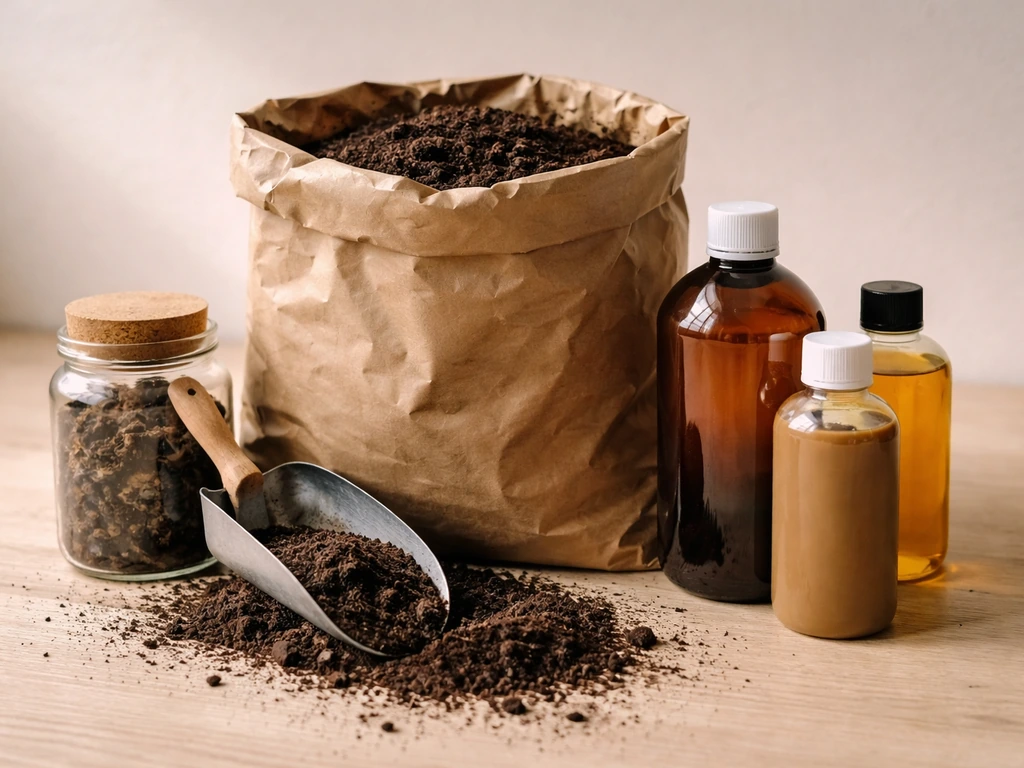
If organic growing is your actual goal, here is how to build a system that holds up. The plan looks different depending on whether you are growing in soil or trying a bioponic hydro approach.
Soil and living soil setup
Start with a quality organic potting mix or build a living soil blend using compost, aeration (perlite or pumice), and slow-release organic amendments like kelp meal, fish bone meal, and mycorrhizal inoculant. A pre-amended living soil can carry plants through the vegetative stage with minimal added liquid feeding. For supplemental liquid nutrients, choose OMRI-listed products: fish emulsion, liquid kelp, worm casting teas, or certified organic bloom boosters. Keep pH between 6.0 and 7.0 for soil. The microbial life does most of the heavy lifting when your medium is right.
Coco coir with organic nutrients
Coco is technically inert, so you are in charge of all nutrition. You can run an organic program in coco by using OMRI-listed liquid nutrients formulated for coco or hydro use, like Terra Aquatica's Pro Organic Grow line. Keep in mind that organic inputs in coco require attention to microbial activity since coco does not come pre-loaded with biology. Adding beneficial bacteria and fungi inoculants helps bridge that gap. pH target for coco is 5.8 to 6.2.
Bioponic hydroponics
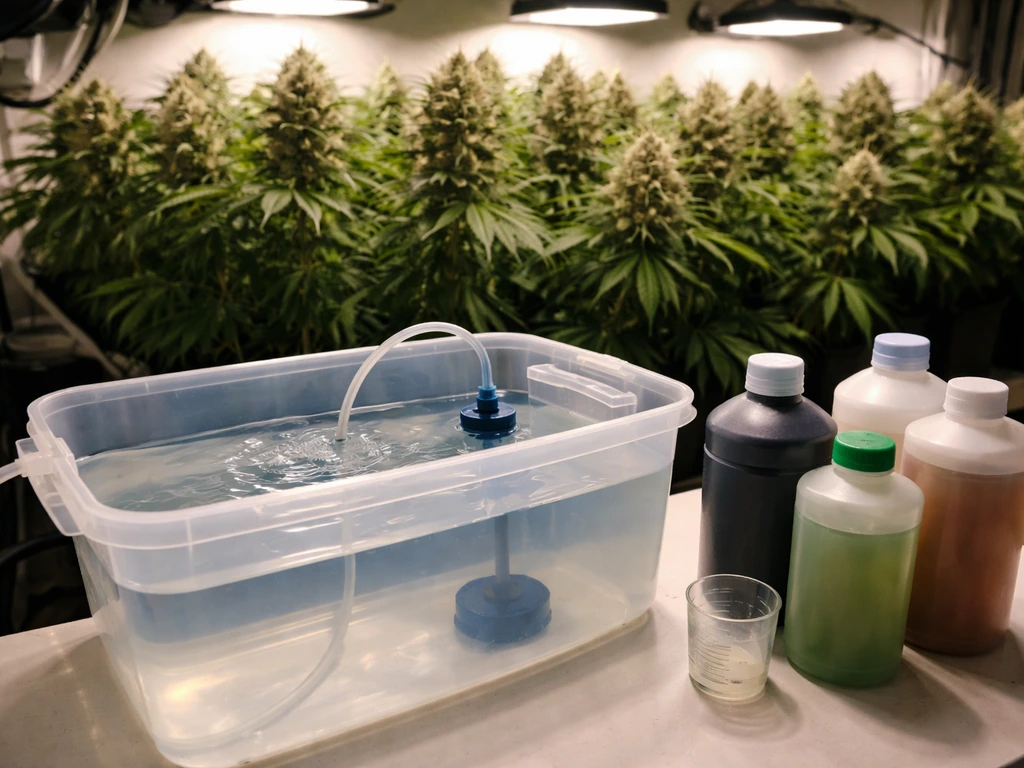
Running truly organic inputs in a recirculating hydroponic system is the hardest approach. Organic nutrient solutions can cloud reservoirs, clog pumps, and foster anaerobic bacteria if not managed well. If you want to try it, use a drain-to-waste system rather than recirculating, keep reservoir temperatures below 68°F (20°C), change the reservoir more frequently, and source nutrients specifically formulated for bioponics. Terra Aquatica's Pro Organic line is one example designed for this use case. Monitor pH closely since organic solutions can drift more than mineral salt ones.
A simple organic-compatible week-by-week feeding framework
| Growth Stage | Weeks | Key Inputs (organic) | pH Target |
|---|---|---|---|
| Seedling / Clone | Weeks 1-2 | Water only or diluted worm casting tea | 6.0-6.5 (soil) / 5.8-6.0 (coco) |
| Early Veg | Weeks 3-4 | Low-dose organic N source (fish emulsion, kelp), mycorrhizal inoculant | 6.0-6.5 (soil) / 5.8-6.2 (coco) |
| Late Veg | Weeks 5-6 | Full-rate organic grow formula, compost top-dress (soil) | 6.0-6.5 (soil) / 5.8-6.2 (coco) |
| Transition / Pre-Flower | Week 7 | Taper N, introduce organic P/K boost, kelp | 6.0-6.5 (soil) / 5.8-6.2 (coco) |
| Flower | Weeks 8-13 | Organic bloom formula, molasses (soil only), kelp/silica | 6.2-6.8 (soil) / 5.8-6.2 (coco) |
| Flush / Finish | Final 1-2 weeks | Plain pH-adjusted water or light enzyme wash | 6.0-6.5 (soil) / 5.8-6.0 (coco) |
Common pitfalls when growers expect 'organic' results but get something else
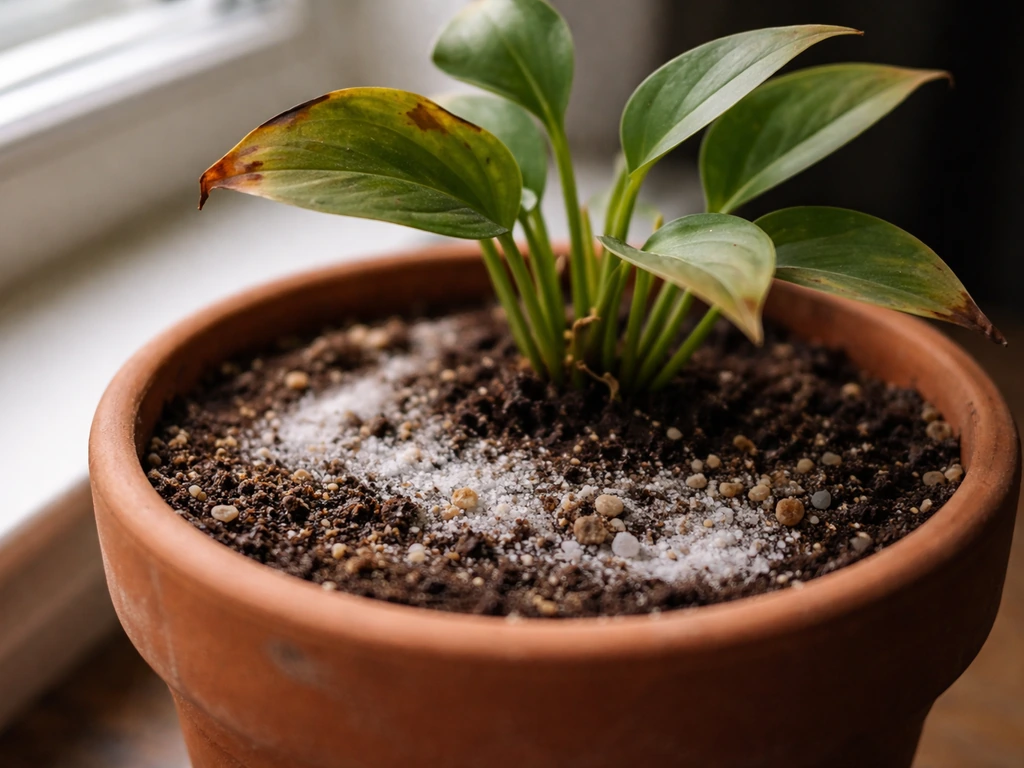
Most disappointments in this area come from a gap between what growers assume a product is and what it actually does. Here are the problems I see most often.
Assuming 'mineral' means 'natural' means 'organic'
All three of those words describe different things. FloraGro contains minerals, and minerals are natural in origin, but the refining and chemical processing of those minerals into soluble salt form moves them out of organic-allowed territory. Growers sometimes see 'magnesium' or 'potassium' on a label and assume it must be fine because those sound like natural elements. The source and processing method are what matter, not the element name.
Getting salt buildup behavior when expecting soil-like results
If you use mineral salt nutrients like FloraGro in soil and experience tip burn, browning leaf edges, or crusty white deposits on the soil surface, you are seeing salt accumulation. Mineral salt nutrients behave very differently from organic amendments in a soil environment. The quick fix is a thorough flush with plain pH-adjusted water and a transition to organic inputs if that is your goal.
Inconsistent growth or deficiencies after switching to organic inputs
Switching from mineral salts to organic feeds can produce a temporary slow-down as the soil biology catches up and starts processing the new inputs. This is normal and not a sign the organic product is failing. Give it one to two weeks before adjusting, and make sure your medium has enough microbial activity to work with what you are feeding. Adding worm castings or a compost top-dress can kick-start the process.
pH drift surprises with organic solutions
Organic nutrient solutions, especially in reservoirs or coco, tend to drift more in pH than mineral salt solutions. Check pH daily when you first start a new organic product and adjust as needed. FloraGro calls for a pH range of 5.5 to 6.5 in hydro, and while organic products often target a similar range, the buffering dynamics are different. Do not assume a set-it-and-forget-it approach will work during the first week with a new organic input.
Hard water interactions
Even if you switch to organic nutrients, starting with hard water (above 70 ppm calcium) can interfere with nutrient availability and pH stability. General Hydroponics flags this for FloraSeries users, and it applies equally to organic feeding programs. Using filtered, reverse osmosis, or rainwater gives you a clean starting point regardless of which nutrient line you choose.
Alternatives if FloraGro does not fit your organic goals
If you need a genuine organic grow nutrient, here are your main categories of alternatives, compared side by side.
| Product / Type | Organic Certified? | Best For | Key Consideration |
|---|---|---|---|
| General Hydroponics FloraGro | No (refined minerals) | Hydro, coco, soil (conventional) | High performance but disqualifies organic certification |
| Terra Aquatica Pro Organic Grow | Yes (EU Organic reg. 2018/848) | Soil, coco, bioponics | Designed specifically for organic farming rules; check OMRI status for US use |
| OMRI-listed fish emulsion (e.g., General Organics BioThrive Grow) | OMRI Listed | Soil, coco, light hydro | Slower release, works well with living soil microbiology |
| Dry organic amendments (kelp meal, fish bone meal, composted inputs) | Varies by brand; look for OMRI | Soil / living soil | Best results with active microbial populations; not suitable for recirculating hydro |
| Liquid kelp concentrate (OMRI listed) | OMRI Listed | Soil, coco, foliar | Excellent growth stimulant and micronutrient source; use as a complement, not a standalone |
Terra Aquatica's Pro Organic Grow is the most direct comparison to FloraGro because it occupies the same 'grow-stage liquid nutrient' role in a feeding program, just built from organic-compliant inputs. If you are already familiar with how to use a 3-part system or a single grow-stage liquid, transitioning to Pro Organic Grow is conceptually straightforward, though you will want to read their application chart because the dosing and substrate recommendations differ from the FloraSeries approach. If you are trying to do a Holland Secret-style grow, the key is to pick nutrient inputs and follow the labeled mixing and application guidance that match your medium holland secret grow how to use. If you are learning flora grow how to use, focus on the application chart and dosing rules for your specific substrate.
For soil growers who want the simplest path to organic compliance, a well-amended living soil combined with an OMRI-listed liquid feed for top-ups is both cost-effective and reliable. You do not need a complex multi-part system if your medium is doing most of the nutritional work. The key is starting with quality compost and slow-release organic amendments at transplant so the soil biology is active from day one.
Whatever direction you go, the practical next steps are the same: check the label for an OMRI or USDA Organic seal, read the 'Derived from' section, confirm the manufacturer's own organic FAQ if one exists, and match your nutrient choice to your medium and growing method. If you are using soil, organic inputs are easy to implement well. If you are in hydro or coco, be realistic about the extra management that organic or bioponic feeding requires, and choose products formulated specifically for those environments.
FAQ
If FloraGro contains nutrients that plants can use, does that make the resulting harvest “organic” in any sense?
No for USDA NOP organic status, because organic labeling depends on compliant inputs and processing rules, not only on whether plants absorb the elements. Even if your crop grows well, refined mineral salt inputs like FloraGro generally do not meet organic certification requirements.
Can I use FloraGro if I only want “natural” or “chemical-free,” not certification?
Be careful with that expectation, because FloraGro is a formulated mineral-salt nutrient, which is still chemically processed. If you want to avoid synthetic mineral salts, you need an organic-compliant line that explicitly states OMRI or USDA Organic certification (or EU organic equivalents), not just “natural ingredient” wording.
What’s the fastest way to confirm I have the right product when there are similarly named “Flora” lines?
Verify the exact brand and SKU on the bottle, then cross-check the guaranteed analysis and the manufacturer’s product page. Naming overlaps (like European rebrands) can hide major formulation differences, so you want confirmation from the label details, not the product name alone.
If the label lists “magnesium” or “potassium,” how do I tell whether those are organic-allowed sources?
Look beyond the element names and inspect the “Derived from” sources and how the nutrients are described (refined mineral salts versus organically derived materials like kelp, fish, bone meal, composted feeds). Refined, concentrated salt forms are the common reason an otherwise “mineral” sounding ingredient fails organic rules.
Is it possible to run “bioponics” with organic nutrient inputs but still use a recirculating hydro system?
It is possible but higher risk, because organic solutions can degrade, cloud, and promote biofilm or anaerobic conditions in reservoirs. If you do recirculate, plan on tighter temperature control, more frequent reservoir changes, and monitoring (pH and smell/clarity) rather than assuming the system will behave like standard mineral-salt hydro.
What should I do if I switch from mineral nutrients to organic and my plants slow down?
Expect a lag period while microbial activity and nutrient cycling catch up, often one to two weeks. Support that transition by ensuring your medium has adequate biology (for coco, consider inoculants), and avoid large nutrient jumps during the adjustment window.
How often should I check pH when using organic nutrients compared with FloraGro-style mineral salts?
Check more frequently, especially at the start. Organic programs tend to drift differently in pH than mineral salt solutions, so daily checks during the first week are a safer default before you decide on a lower monitoring cadence.
My soil gets crusty or I see leaf-edge burn after using mineral salts, what’s the most likely cause and fix?
Salt accumulation from mineral-salt nutrients is a common cause, especially in containers. A practical fix is a thorough flush with properly pH-adjusted water, then reduce or reset feeding, and switch toward organic inputs if your goal is organic compliance.
Does using organic amendments in soil “make up for” using non-organic bottled nutrients?
Usually not for certification intent. The medium can improve plant health and buffering, but organic status hinges on the specific inputs you add. If the bottled nutrients are refined mineral salts, that input can disqualify the crop from organic labeling even when the soil is rich.
If I’m growing in coco, do I still need microbial inoculants for an organic approach?
Often yes. Coco is relatively inert, so it does not arrive with robust soil biology. Using inoculants (beneficial bacteria and fungi) can help organic inputs break down and release nutrients more reliably, but you still need nutrients formulated for coco or hydro and you should monitor pH closely.
When choosing an alternative to FloraGro for an organic grow stage, what decision should I make first?
Decide your system type first (soil, coco, drain-to-waste, or recirculating). Then pick an organic-compliant nutrient line that is explicitly formulated for that environment, because dosing behavior and reservoir management differ substantially between hydro-style setups and living-soil approaches.
What label checks matter most if I’m trying to buy “genuinely organic” nutrients?
Confirm a recognizable certification mark (USDA Organic, OMRI listing, or a recognized EU organic logo), then review the “Derived from” section for organically derived sources. Also check whether the manufacturer provides an organic FAQ, because marketing claims without a certification trail are a frequent source of disappointment.