Rice is the best food to grow in RimWorld hydroponics for most colonies. It gives you the highest yield per day in a hydroponic basin, grows fast enough to smooth out shortages, and pairs well with a backup crop of strawberries to reduce pawn labor. If you want one crop to build your food supply around, plant rice. If you want a smarter two-crop setup that stays fed through solar flares and early stumbles, rice plus strawberries is the standard answer the community keeps coming back to.
RimWorld Best Food to Grow in Hydroponics: Ranked Guide

Marcus Holloway
7 May 2026
How to pick the right crop for your situation
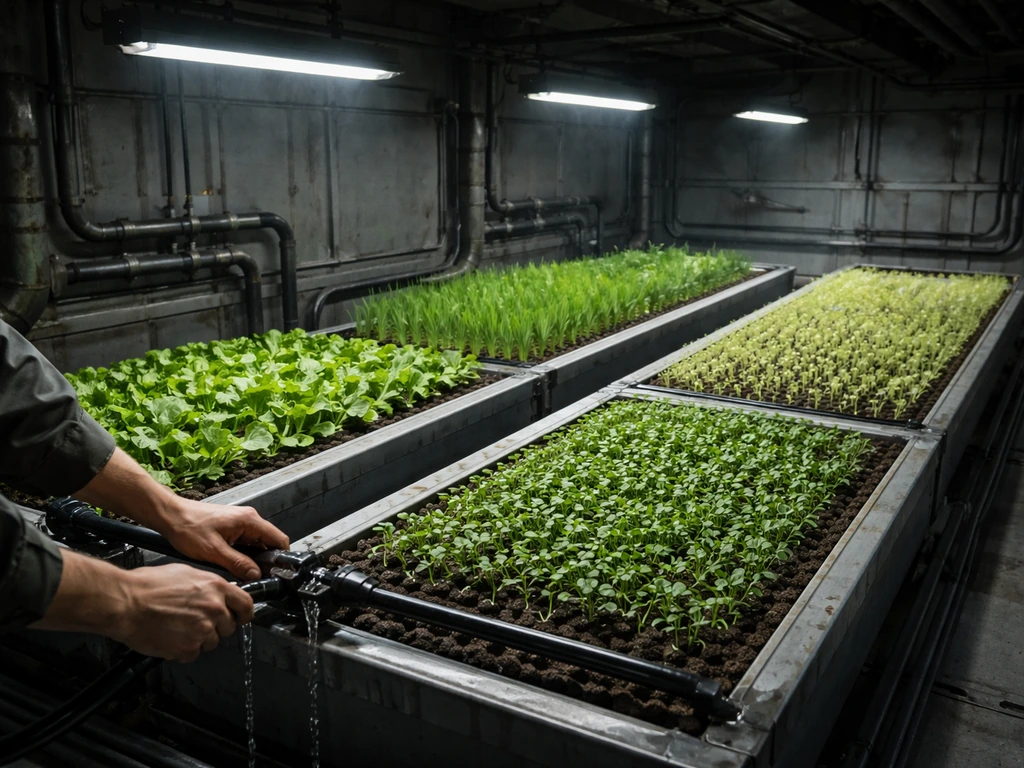
The 'best' hydroponic crop changes depending on where your colony is right now. At the early game, you need calories fast and reliably. You probably don't have a stable power grid, you might be fighting off raiders, and your grower pawn's skill is still low. In that situation, rice wins every time because its short grow cycle means you see returns quickly, and if something goes wrong you haven't lost months of investment.
In that situation, rice yields quickly enough that you see returns fast, and the short grow cycle helps limit how long you’re investing before harvest rice yields 24 per 1. 98 days with a Sun Lamp in optimal temperatures.
In the mid game, when you have a sun lamp running, climate control locked in, and a decent power buffer, you can afford to diversify. That's when strawberries become genuinely valuable alongside rice, cutting the labor your growers spend replanting. Late game, you're optimizing for meal quality and mood buffs, which opens the door to crops like potatoes for fine meals or occasional specialty plants.
Three constraints shape every hydroponics decision: space, heat, and power. A single sun lamp consumes 2,900 W during its active window (06:00 to 19:12), and each basin draws 70 W continuously, day and night. A standard 24-basin sun lamp room costs serious wattage, and if your power dips, you don't just lose light, you risk losing the crops entirely. Temperature matters just as much. A hydroponics basin provides fertility through its nutrient bath, but it does nothing for light or warmth. Your plants still need both to grow. Drop below the crop's minimum temperature and growth stops. Drop far enough and plants die. Plan your room with heaters before you plant anything.
Top hydroponic crops ranked by real output
Rice: the undisputed staple
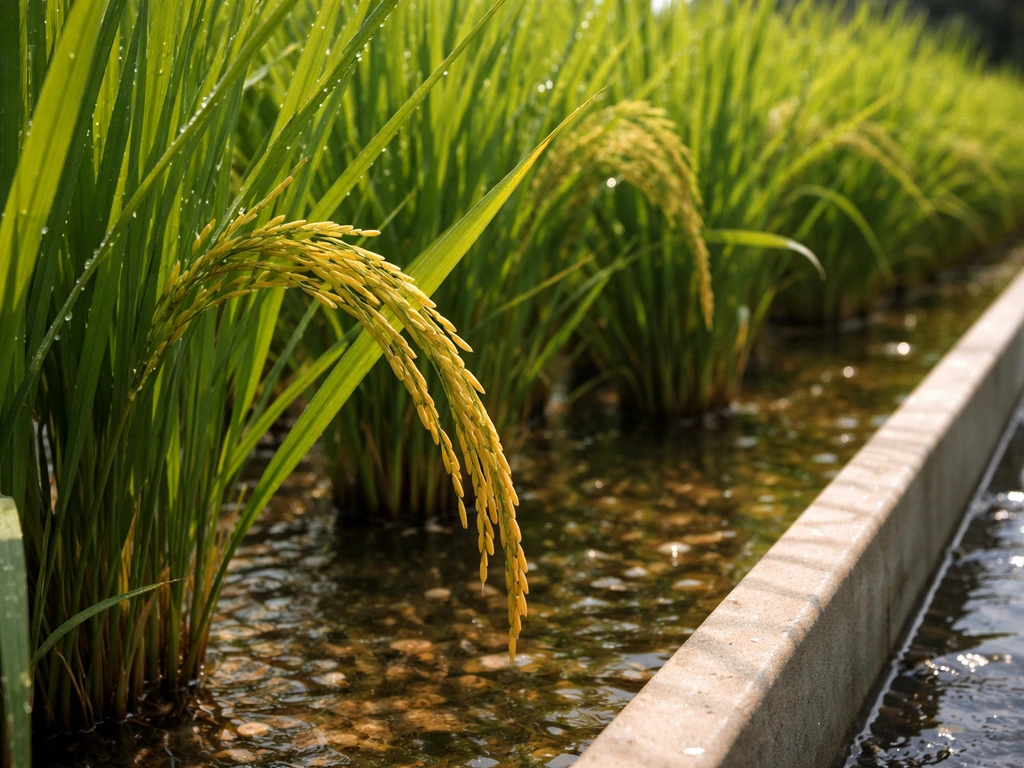
Rice is the go-to for hydroponic basins because it produces more food per day than any other base-game crop in that setting. Wiki calculations put a blank" rel="noopener noreferrer">well-managed 24-basin setup at roughly 12 food per day with rice at optimal conditions. The grow cycle is short, which means quicker harvests, faster recovery from disasters, and less time between when you plant and when your colonists eat. The tradeoff is labor: rice needs replanting often, so your growers stay busy. That's a worthwhile cost in early and mid colonies when calories are the bottleneck.
Strawberries: the low-labor alternative
Strawberries are the second-best hydroponic food and genuinely the best choice if pawn labor is your constraint rather than raw calories. They're listed as greatly affected by soil fertility, which means hydroponics specifically amplifies their output compared to ground planting. Community comparisons put strawberry pawn work at roughly two-thirds of what rice demands for equivalent production. They don't quite hit rice's daily calorie rate, but the labor savings matter when your grower is also your medic, your crafter, and your firefighter. If you're running a small colony, consider splitting your basins 60/40 between rice and strawberries.
Potatoes: solid but not optimal in hydroponics
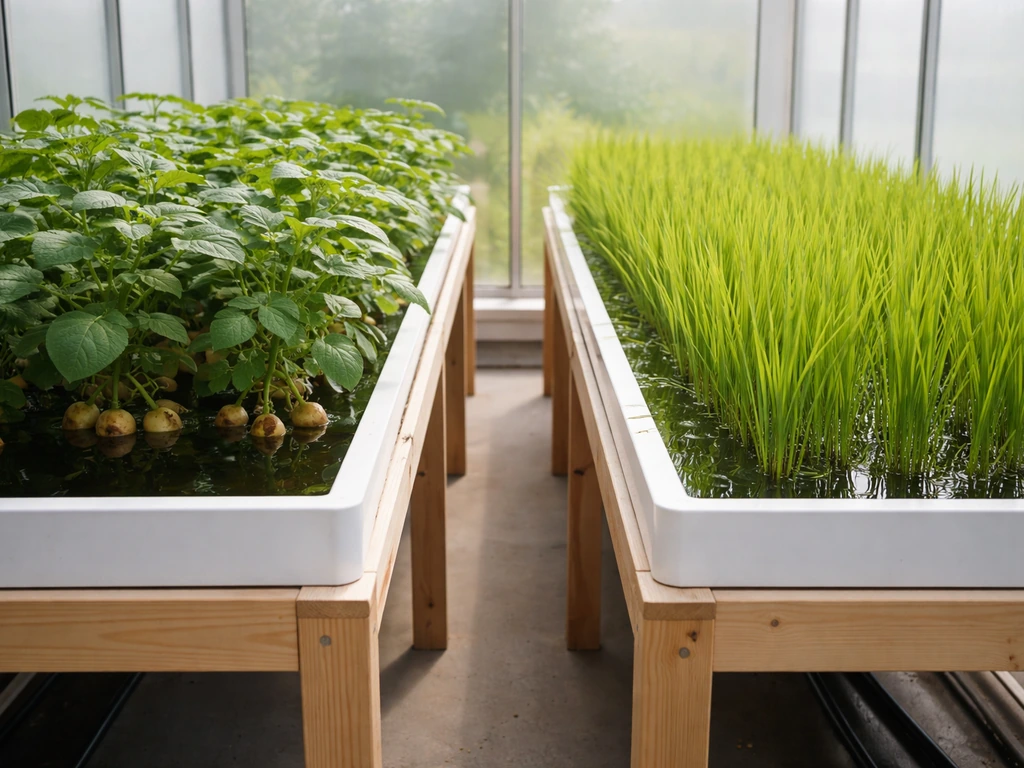
Potatoes work in hydroponics basins and are fully compatible, but their daily yield in hydro is only marginally behind rice on ordinary terrain and doesn't pull ahead the way rice does on nutrient-rich setups. Potatoes shine more in outdoor soil farming, where their calorie density per tile is competitive. In a hydroponics room where space is limited and every watt counts, rice and strawberries are more efficient uses of your basins. That said, potatoes are a reasonable third crop if you want variety for fine meal cooking and already have your staple food locked in.
Other compatible crops worth knowing
Healroot is worth growing hydroponically once your food is secure, since medicine is another colony bottleneck. Healroot growth in hydroponics is about 0.22 medicine per day per tile in a hydroponics basin, per the Medicinemaker dryad page blank" rel="noopener noreferrer">Healroot is worth growing hydroponically once your food is secure. Psychoid plants and other DLC or mod crops (including nutrifungus and fibercorn) are technically compatible with basins but come with a catch: some DLC crops have reduced fertility sensitivity, which means hydroponics gives them less of a boost than it gives rice or strawberries. Always check whether the specific crop you want actually benefits from the nutrient bath before burning basin space on it.
Planning a crop mix that keeps your colony fed
Running a single crop in hydroponics sounds simple but creates real risk. If a solar flare hits or your heater fails overnight, you could lose everything in one go with no food coming in. A two-crop approach splits that risk. The standard setup I'd recommend is a primary block of rice basins (your calorie backbone) and a secondary block of strawberries (labor relief plus calorie buffer). For a 24-basin sun lamp room, 16 rice and 8 strawberries is a reasonable split that keeps output high while reducing replant burden.
One thing that catches people off guard is staggered growth cycles. Over time, your crops won't all ripen at once, which can make your food supply feel inconsistent even when you technically have enough production. This is normal. The fix is to not replant everything at once after a loss event.
Instead, plant in batches a couple of days apart so harvests stay spread out and your cooks always have something to work with. If you're interested in expanding what you grow beyond the basics, the same principles apply whether you're choosing crops for RimWorld hydroponics or deciding what to grow hydroponically in a real setup.
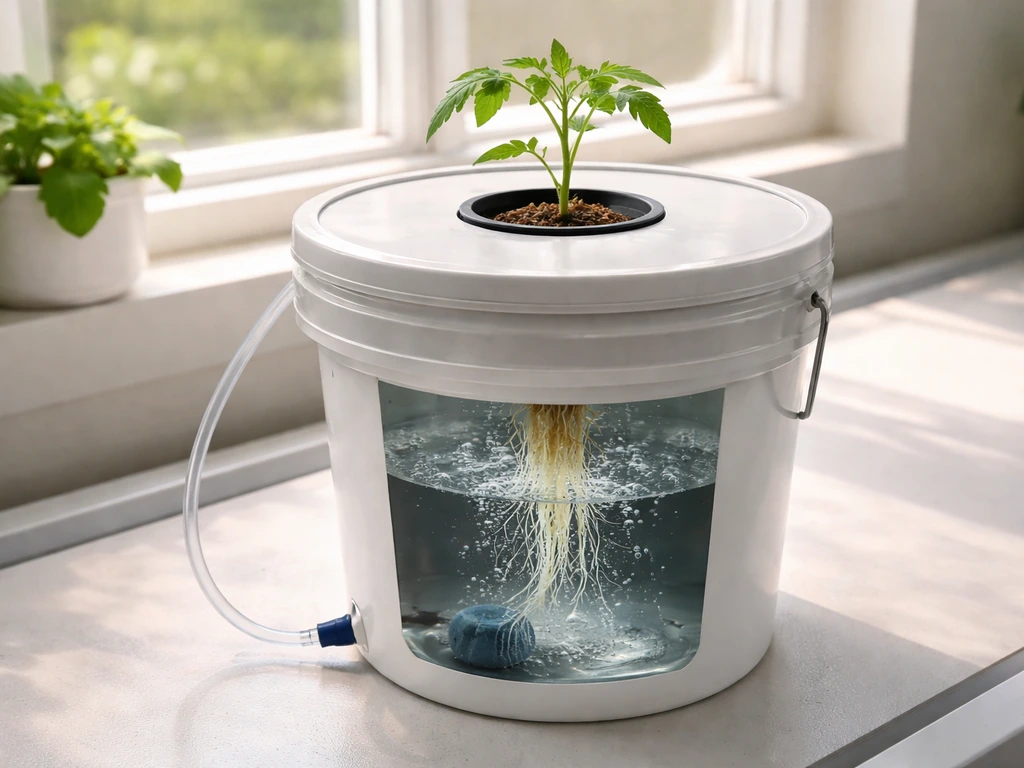
If you're still deciding on a first crop, this guide helps you narrow down what to grow in hydroponics in RimWorld based on your power, temperature, and labor needs. If you are growing tomatoes hydroponically in real life, the container choice matters as much as your lighting and nutrients grow tomatoes hydroponically. If you are wondering what to grow hydroponically for your own setup, start by matching a crop to your available light, temperature, and power budget.
| Crop | Hydro Yield/Day | Labor Demand | Best Use Case |
|---|---|---|---|
| Rice | Highest | High (frequent replant) | Primary calorie staple |
| Strawberries | High | Lower (~2/3 of rice) | Labor-saving second crop |
| Potatoes | Moderate | Moderate | Meal quality variety crop |
| Healroot | N/A (medicine) | Low | Medical supply after food secured |
| DLC crops (nutrifungus, etc.) | Variable | Variable | Check fertility sensitivity first |
Nutrient and medium setup for reliable harvests
In vanilla RimWorld, the hydroponics basin handles the nutrient delivery for you. The basin's built-in nutrient bath substitutes for soil fertility, which is exactly why rice and strawberries outperform their ground-grown versions here. There's no pH to manage, no nutrient solution to mix, and no growing medium to swap out. What you do need to manage is the power keeping that nutrient system running. If power drops, the basin stops providing nutrients and plants begin to deteriorate. The basin is essentially a deep water culture system: roots suspended in a nutrient-enriched bath with fertility set to maximum by default. Keep it powered, keep it lit, keep it warm, and the system does the rest.
If you're playing with mods that expand hydroponic options, you may encounter channel-based or NFT-style grow setups where nutrient flow management matters more. In those cases, the same principles that apply to real NFT (nutrient film technique) systems become relevant: thin film flow, root oxygenation, and channel slope. That makes it easier to choose what to grow in an NFT system by matching crop needs to nutrient flow and channel conditions. But in vanilla, your only 'medium management' task is making sure the basin stays powered and that you replace dead or harvested plants promptly to keep production continuous.
Lighting, temperature, and your power budget
A sun lamp covers a fixed area of basins and draws 2,900 W from 06:00 to 19:12 each in-game day. Each basin adds another 70 W on top of that, running continuously. For a 24-basin room, that's 2,900 W (lamp, during grow hours) plus 1,680 W (24 basins at 70 W each, all day). You need a power plant that can handle peak demand plus your base load. Most players add a dedicated geothermal or multiple solar panels with a battery wall to keep this system from competing with the rest of the colony for power.
Temperature has to stay within your crop's growth range. Rice's minimum is 10°C and it thrives up to around 42°C. Most crops follow similar ranges. Set your room temperature with heaters (or coolers in hot biomes) and put a temperature sensor or two inside the grow room to catch problems early. One approach that reduces lamp dependency: leave a small portion of the room unroofed to let natural sunlight in during the day, then use the sun lamp only as a supplement. This only works if you can still maintain temperature without a fully sealed room, which is biome-dependent.
Plants also have a built-in rest period during which they won't grow regardless of light level. This means your sun lamp running through the full active window doesn't produce 24-hour growth. Factor in that rest window when setting production targets. A 24-basin setup running rice at full efficiency should be aiming for roughly 12 nutrition units per day as a realistic benchmark, not a theoretical maximum.
Maintenance and production targets
Each hydroponics basin holds a single plant and provides maximum fertility to that plant. Yield per tile is therefore tied directly to which crop you choose and how consistently you replant after harvest. Rice harvests come around frequently, which means your grower will spend a significant chunk of their day tending the room. Assign a pawn with at least growing skill 5 to your hydroponics operation, and consider prioritizing growing to skill 8 or higher before mid-game to reduce harvest quantity loss from low-skill penalties.
For production planning, a single colonist needs roughly 1.6 nutrition per day. A 24-basin rice setup producing around 12 nutrition per day can theoretically support 7-8 colonists on raw food alone, or more if meals are cooked (which reduce nutrition waste compared to eating raw). Keep a food stockpile buffer of at least 5-7 days of colony nutrition at all times so a single bad event (solar flare, raid distraction) doesn't immediately threaten starvation. Aim to have your first 8-12 basins producing before your colony hits 5 colonists.
- Target growing skill 5+ for your primary grower before relying on hydroponics as your main food source
- Replant immediately after every harvest to avoid idle basin time
- Stagger planting batches to smooth out uneven harvest timing
- Keep 5-7 days of food stockpile as a minimum buffer
- Plan for 12 nutrition per day from a 24-basin rice setup at optimal conditions
What goes wrong and how to fix it
Power outages and solar flares
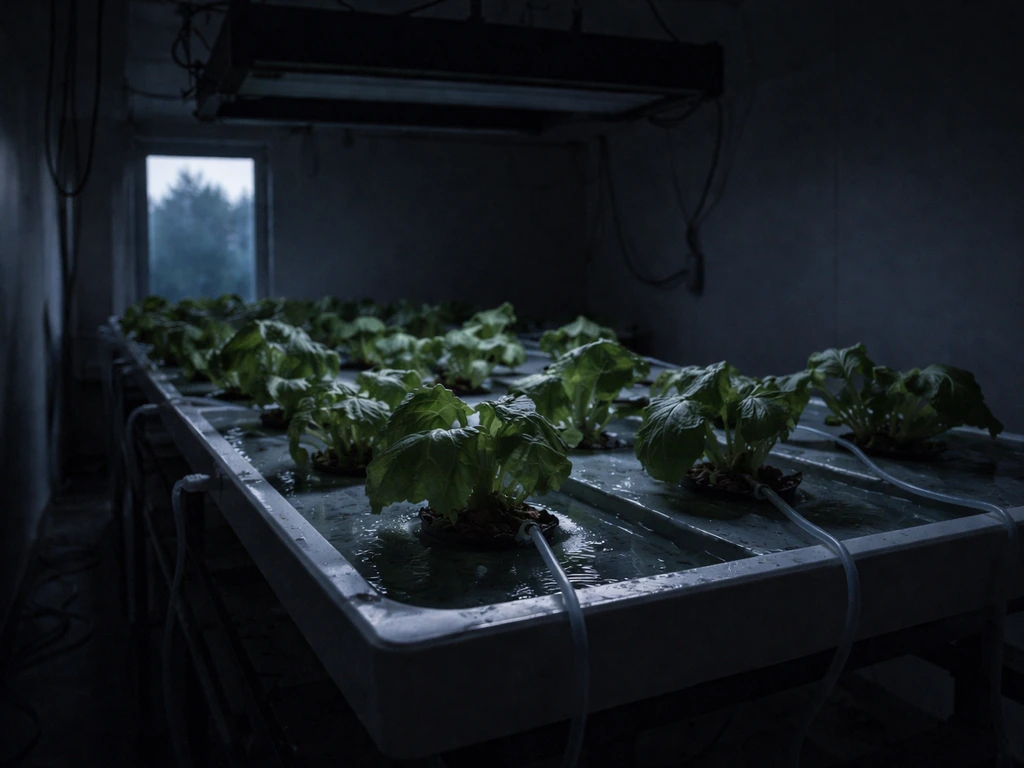
This is the most common hydroponics disaster in RimWorld. A solar flare cuts all powered buildings, which means your basins stop providing nutrients and your sun lamp goes dark. Crops don't die instantly, but they deteriorate quickly if the outage is prolonged. The fix is a battery wall dedicated to your grow room. Even if the batteries only keep the basins (70 W each) running during a solar flare, you buy time. Sun lamps can be allowed to go offline during flares since plants won't grow without the nutrient bath anyway. Prioritize keeping the basins powered over the lamp.
Temperature failure
If your heater breaks or gets destroyed in a raid, your grow room temperature drops. Plants stop growing below their minimum threshold, and some die at extreme cold (below -10°C for most crops). Always set a second heater as backup in your grow room and assign a repair pawn to handle broken heaters fast. A temperature alert zone around the grow room helps catch this before the plants are already gone. In hot biomes, cooling matters equally: temperatures above the crop's growth ceiling also stop growth.
Growth stalling
Plants in RimWorld won't grow during their rest period regardless of conditions. If your crops look like they're barely progressing, check whether it's during the plant rest window before assuming something is broken. Actual growth stalling outside rest periods is almost always tied to temperature being out of range, light levels being too low, or the basin losing power. Check those three things in order before anything else.
Pests, blight, and crop loss events
Blight can wipe out your entire hydroponic room if it hits at the wrong time. The best mitigation is splitting your growing operation across more than one room so a single blight event doesn't take everything. If blight hits, clear the affected plants immediately to prevent spread, replant as fast as possible, and fall back on your stockpile buffer. There's no in-game treatment for blight beyond removal, so speed is the only fix. Insects (infestation events) can also target indoor roofed areas, including grow rooms, so having a response plan and pawns who can fight is part of your grow room maintenance.
Low nutrient output from mismatched crops
Some players fill hydroponic basins with crops that don't actually benefit much from the high fertility (like certain DLC or mod crops with low fertility sensitivity). Check the grow table output for any crop you're considering and confirm its hydroponics yield per day is meaningfully better than its soil yield. If it isn't, use those basins for rice or strawberries and grow the other crop outdoors where it performs just as well without costing you basin space.
Your starting checklist for consistent hydroponic food
If you're setting up hydroponics for the first time or rebuilding after a disaster, here's the sequence that works. If you want a real-world setup, the same hydroponic principles apply, so you can focus on how to grow clones hydroponically with clean cuttings and steady nutrient solutions hydroponics. Get your power generation stable first, then build the grow room, then wire basins before installing the sun lamp.
Don't plant until you've verified temperature is in range and power is steady. Beginners should start with 8-12 rice basins before expanding, confirm the setup runs for 5+ in-game days without incident, then add more basins or a second crop. Experienced players can go straight to a 24-basin split room (rice plus strawberries) with a dedicated battery wall and redundant heaters.
- Secure stable power generation capable of handling sun lamp (2,900 W peak) plus all basins (70 W each) plus colony base load
- Build and roof your grow room, add heaters, and verify temperature reaches crop growth range before planting
- Install hydroponics basins and a sun lamp, then confirm all basins are powered
- Plant rice in all basins for your first run and assign a grower with skill 5+
- Add a dedicated battery bank to protect basins from solar flares and short outages
- After your first successful harvest cycle, split some basins to strawberries and begin stockpiling a 5-7 day food buffer
- Add a second grow room or outdoor soil farm as backup before your colony exceeds 8 colonists
Once your hydroponic food is running smoothly, the next logical upgrades are either expanding basin count to support colony growth, diversifying into a third crop for meal quality, or exploring what else you can grow hydroponically to address other colony bottlenecks like medicine. The same disciplined approach to power, temperature, and replanting that makes rice work in basins applies across every crop you add to the system.
FAQ
My hydroponic crops look stalled, how do I tell whether it is a rest period or a real problem (power, light, or temperature)?
If you are below your crop’s minimum temperature, you should expect growth to pause immediately and, for extended cold snaps, outright death. In that case, keep the basins powered first, then restore warmth. If your budget is tight, prioritize repairing or replacing the heater over adding more basins, because new basins won’t help if the room falls out of range.
During a solar flare, should I keep the sun lamp running or focus only on basins?
During solar flares, crops usually deteriorate rather than instantly die. That makes your decision simple: keep basins on as long as your battery wall can sustain the continuous 70 W per basin draw, and let the sun lamp go offline. When power returns, re-check temperatures before replanting, since cold during the outage can cause additional losses.
How do I avoid food supply dips when my hydroponic harvests all finish around the same time?
Yes, you can manage this by batching plantings. Replanting everything right after a harvest or after an event can create synchronized ripening, followed by a gap where you have little to cook. Plant in staggered batches (a couple of days apart), and keep at least one buffer batch that is not tied to your next cook rush.
What is the best response plan if insects or infestation events hit a fully enclosed hydroponics room?
If you are getting infestations inside the room, it is usually because insects can spawn and then route into your grow area. The practical counter is not just stronger defenses, it is also operational coverage: assign fighters who can interrupt the attack quickly, keep doors and turrets positioned to reach the grow room corridor, and clear affected plants immediately if your crops start to take damage.
Does growing skill actually affect hydroponics output enough to change which pawn I assign?
Skilled growers matter because harvest quality or quantity can drop when growing skill is low. A common mistake is hiring the lowest-skill pawn to “just keep it running.” Aim for at least growing skill 5 for hydroponics, and if you are relying on rice for calories, try to get that grower to skill 8 before you scale beyond a basic 8 to 12 basin setup.
When should I add a third crop, and how do I prevent it from destabilizing my food supply?
Don’t assume a third crop automatically improves stability. If you add variety, do it only after you have a buffer stockpile and a reliable power and heater setup, because extra basins increase the continuous 70 W load. If you want variety for meal quality, consider a small “overlay” block (for example, a few basins) while keeping rice as the backbone until your food stockpile consistently stays above your target buffer.
How can I tell whether a DLC or mod crop is a bad fit for hydroponic basins?
If a crop does not meaningfully benefit from nutrient bath fertility, its hydro yield will be close to or only slightly better than soil, which makes the basin space inefficient. The decision aid is to compare hydroponics output to that crop’s soil performance, then choose rice or strawberries for basins if the hydro advantage is not clear. For weak-bath crops, grow them outdoors to reclaim basin capacity.
Can I rely on natural sunlight to reduce sun lamp usage without losing hydroponic production?
Yes, you can reduce the sun lamp’s role, but only if you can still maintain temperature within the crop’s growth range and keep enough light for growth outside of the lamp window. If you use unroofed or partially open areas, confirm your room’s temperature stability over multiple days, because biome and weather can turn “natural sunlight” into inconsistent heating or cooling.
What should I do after a heater failure or blight event, replant immediately or stagger the recovery?
If you lose a batch of plants, resist the temptation to replant the entire room at once. That tends to recreate synchronization, followed by another dip. Instead, replant in smaller batches and use your stockpile buffer to cover the next staggered cook cycle, then adjust basin allocation once the new growth schedule settles.