Click & Grow plants last anywhere from 5 weeks to 5 months, depending entirely on what you're growing and how well you manage the system. That wide range isn't vague; it's just the reality of mixing fast-cycling greens with longer-lived herbs. A romaine lettuce pod is essentially done at 5 to 6 weeks. A rosemary pod, pruned correctly, can stay productive for up to 5 months. Most herbs sit somewhere in between. The key is knowing which category your pod falls into so you're not expecting a basil pod to act like a chive pod, or harvesting too aggressively and cutting a run short before the plant is truly done.
How Long Do Click and Grow Plants Last

Marcus Holloway
19 Apr 2026
What 'lasting' actually means for Click & Grow pods
There are two different timelines you need to keep in your head: the harvest cycle length and the total pod productivity. These are not the same thing, and confusing them causes a lot of frustration.
The harvest cycle is how long a single continuous grow run produces usable yield. For leafy greens like lettuce, that window is roughly 5 to 6 weeks of active harvesting. The total pod productivity refers to how long you can keep pulling something useful from a pod before the plant is genuinely spent. Some herbs, like chives or sage, support multiple harvest sessions over several months if you're careful about how much you take each time.
The limiting factor in both cases is the Smart Soil pod itself. The pod space and embedded nutrients are finite. Click & Grow is clear on this: once a plant has been fully harvested, it won't regrow, and you should replace it with a new pod. This is fundamentally different from a traditional soil pot where you can amend and reuse indefinitely, or a recirculating hydroponic system where you top up nutrients on your own schedule. The pod is a closed-loop resource. When it's depleted, the run is over.
That said, 'depleted' doesn't mean the same thing for every plant. The Grow Anything pods, which are seedless Smart Soil pods you fill yourself, state the pod contains plant food lasting up to 4 months and can last up to 18 weeks. That gives you a concrete upper ceiling for what the medium itself can support.
How long each pod type realistically lasts
Here's the practical breakdown for the most common Click & Grow plant types. These ranges come from Click & Grow's own guidance and assume reasonable care and correct lamp placement.
| Plant / Pod Type | Typical Productive Lifespan | Notes |
|---|---|---|
| Lettuce (Romaine, Red Oakleaf, Red) | 5 to 6 weeks | Best nutritional value 25 to 50 days after planting; bolt risk above 75°F |
| Mibuna | 5 to 6 weeks | Harvest gradually; avoid letting it age past 2 months |
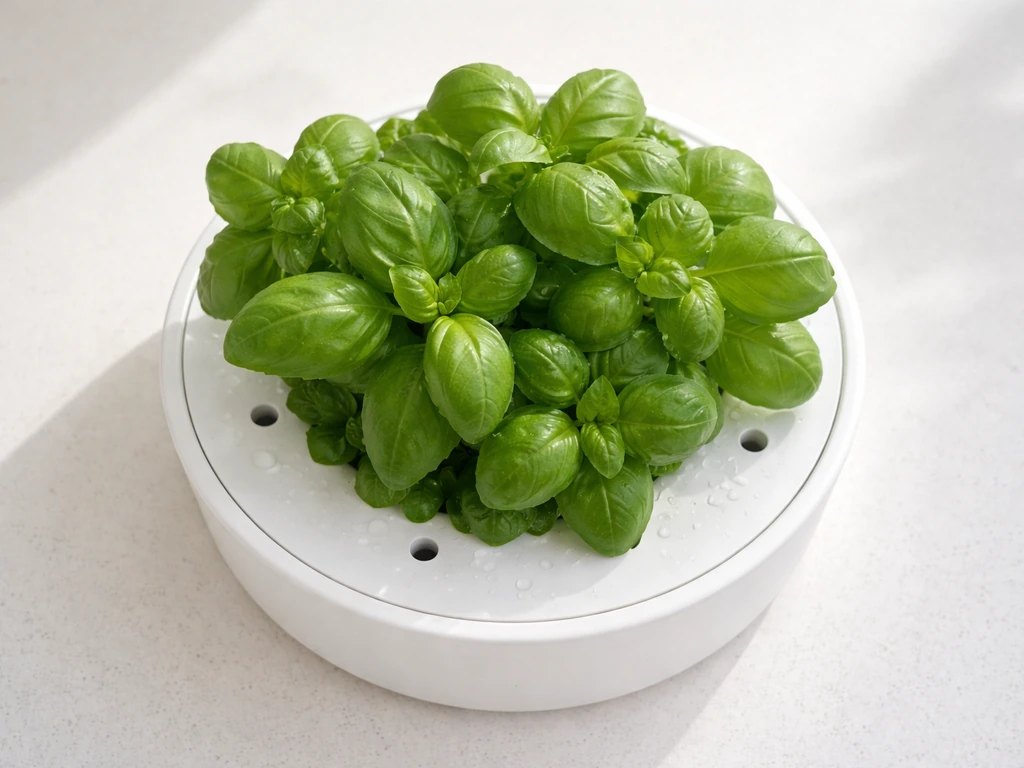
| Basil | Up to 70 days (~10 weeks) | Pinch tips to delay flowering; replace if it looks old at 70 days |
| Holy Basil | Up to 12 weeks | Trim tips to delay flowering and extend pod life |
| Curly Parsley | Up to 10 weeks | Harvest leaves individually starting at about 1 month |
| Chives | Up to 90 days (~13 weeks) | Heavy harvesting shortens this significantly |
| Garden Sage | Up to 100 days (~14 weeks) | Lifespan depends heavily on pruning frequency |
| Rosemary | Up to 5 months | Nutrients last ~4 months; can be transplanted to a larger pot after |
| Grow Anything pods | Up to 18 weeks | Nutrients last up to 4 months; species-dependent |
A few things stand out in that table. First, fast greens like lettuce have a hard expiration: 5 to 6 weeks is their productive window, and pushing past it isn't going to give you more yield. Second, herbs are dramatically more forgiving and longer-lived, but only if you manage them actively through pruning. A neglected basil that bolts at week 4 has effectively ended its run early. Third, the Click & Grow 25's 5-week rotation cycle is designed specifically around leafy greens. Some plant types are explicitly noted to be incompatible with that 5-week cycle because they grow slower, so if you're running a mix of pods, don't try to force everything onto the same replacement schedule.
What actually determines how long your plants last
Light duration and lamp height
The Smart Garden lamp runs on a built-in 16 hours on / 8 hours off timer, and that's the right baseline. What most people get wrong is lamp height. If the lamp is too high, plants stretch upward looking for light, producing long spindly stems with fewer leaves and less yield. This is called leggy growth, and it's one of the most common ways growers accidentally cut their productive lifespan short. If the lamp is too low, there's a burn risk. Click & Grow recommends keeping the lamp close enough to discourage leggy growth without scorching. Adjust the arm as your plants grow rather than setting it and forgetting it.
Temperature
Temperature has an outsized effect on heat-sensitive plants like lettuce. The ideal range is 64 to 72°F (18 to 22°C). Above 75°F (24°C), germination can be inhibited and plants tend to bolt, meaning they shift energy into flowering and seed production rather than leaf growth. A bolted lettuce pod is essentially at the end of its productive life. Keep your Smart Garden away from radiators, sunny south-facing windowsills in summer, and kitchen areas that spike in heat during cooking.
Water and wick health
The wicks are the delivery system that pulls water from the reservoir into the pod. If the wicks get clogged, whether from hard water mineral buildup or root matter growing through them, the pod starts drying out even when the tank is full. That moisture stress directly shortens productive lifespan. Soaking wicks in a warm vinegar solution clears limescale. If roots have grown through and clogged the wick, it's usually a sign the plant is near end of life anyway, but replacing the wick can buy a little more time. Hard water is worth taking seriously: a stuck float or mineral buildup on the float mechanism is another failure point that starves pods of water.
Nutrient delivery
Unlike a hydroponic system where you add liquid nutrients yourself, Click & Grow's Smart Soil has nutrients pre-loaded into the pod. If you are used to true hydroponic setups, it helps to remember that Click & Grow does not let you refill nutrients during a run. You don't top up nutrients, you simply replace pods. The practical implication is that the nutrient clock starts the moment you start the pod, and nothing you do with water will add more food. What you can do is avoid nutrient waste: keeping the system clean, preventing algae from competing with your plant, and ensuring water is actually reaching the root zone all make the pre-loaded nutrients go further.
Airflow and algae control
Poor airflow encourages mold on the pod surface and in the reservoir. Algae growing in the water tank also competes with plants for resources and creates a generally degraded growing environment. Keep the U-shaped lids on the pods at all times: they reduce water evaporation, block light from reaching the soil surface, and make the environment hostile to algae and mold. Keep the water tank covered by the plant trays at all times for the same reason. Light reaching the tank is the primary driver of algae growth.
Signs your Click & Grow plant is running out
Plants don't announce when they're done, but they do show clear signals if you know what to look for. Catching these early means you can either intervene to extend the run slightly or start planning the next pod so you're not caught with an empty system. Community guidance also notes the Click & Grow lamp runs on an internal 16‑hour ON / 8‑hour OFF timer, and that uneven or leggy growth can occur if conditions (for example higher temperature or humidity) increase the plants' light needs (source: Click & Grow community guidance) Click & Grow Ask a Gardener: The garden stopped working?.
- Yellowing lower leaves that spread upward: this is nutrient depletion working its way through the plant, especially visible in older leafy greens
- Bolting: the central stem shoots upward, producing small flower buds; this is the plant switching from leaf production to reproduction and it means the harvest window for leaves is closing
- Reduced new leaf production: you're harvesting at the same rate but there's noticeably less new growth coming in to replace what you took
- Leggy, sparse growth: if you haven't changed lamp height and the plant suddenly looks stretched and thin, it's often a sign of declining vigor
- Roots covering the entire bottom of the pod or growing out through the wicks: this root mat is a strong physical indicator that the plant has maxed out the available soil space
- Pods drying out despite a full tank: wick clogs or root-bound conditions preventing water uptake, both of which are late-stage signs
- Basil or herb taste turning bitter or flat: flavor quality drops before visual decline in some herbs, especially basil that has started to flower
For basil specifically, Click & Grow's guidance is direct: if a 70-day-old basil looks old, it is time to replace the pod. For holy basil, the threshold is 12 weeks. These are practical, calendar-based checks you can schedule rather than waiting for visible decline.
How to extend productivity without stressing the system
You can meaningfully extend a pod's productive output with a few targeted habits. None of these are complicated, but they make a real difference in how many weeks you get out of a pod before it's genuinely spent.
- Pinch and prune herbs regularly: for basil and holy basil, pinching off the growing tip causes two new shoots to develop within about a week. This keeps the plant bushy rather than tall, delays flowering, and directly extends how long the pod stays productive. Click & Grow explicitly states that this makes the pod last longer.
- Harvest gradually, not all at once: take outer leaves first on lettuce and parsley, leaving the inner growth center intact. For sage and rosemary, cut above a leaf node and leave at least two pairs of true leaves on each stem. Stripping a plant too aggressively in one session reduces its ability to recover.
- Keep the lamp at the right height: adjust it as plants grow. A plant that never goes leggy is putting its energy into leaves and flavor rather than stem length.
- Remove flower buds immediately on herbs: as soon as you see flowering starting on basil, sage, or parsley, pinch off the buds. Once a plant fully flowers and sets seed, the run is over for practical purposes.
- Keep U-shaped lids on and tank covered: reduces evaporation, blocks light from the reservoir and soil surface, and limits algae and mold development that would otherwise compete with your plant.
- Use clean, appropriate water: hard water accelerates wick and float clogging. If your tap water is very hard, consider using filtered or distilled water to reduce mineral buildup.
- Control room temperature: keeping the space below 75°F (24°C) is especially important for lettuce and other greens prone to bolting in heat.
Troubleshooting slow growth and yellowing leaves
If your plant has slowed down noticeably or leaves are yellowing and the pod is still within its expected lifespan, run through this checklist before writing the pod off.
| Symptom | Most Likely Cause | Quick Fix |
|---|---|---|
| Yellowing lower leaves | Nutrient depletion or overwatering stress | Check that wicks are functioning; if the pod is over its halfway mark, harvest more aggressively and plan replacement |
| Leggy, stretched growth | Lamp too high | Lower the lamp; adjust as the plant grows |
| Pod drying out despite full tank | Clogged wick or stuck float | Soak wick in warm vinegar solution; check float for limescale buildup |
| Green slime in tank or on pod surface | Algae from light reaching water | Keep tank covered; remove tank lid only to refill; replace water if heavily contaminated |
| White fuzzy growth on pod surface | Mold from poor airflow or excess moisture | Improve airflow around system; ensure U-shaped lids are in place; clean affected surfaces |
| Bitter taste in basil or herbs | Plant has started to flower | Pinch off all flower buds immediately; if past 10 weeks, replace pod |
| No germination after 2 weeks | Pod stored incorrectly or too long, or temperature too cold/hot | Check storage conditions; if pod is past its 1-year shelf life, replace it |
| Slow growth across all pods | Room temperature outside ideal range | Move system to a space consistently between 64 and 72°F (18 to 22°C) |
One situation that calls for a harder reset: if you've had a pest infestation, don't just replace pods and restart. Wash and disinfect the entire unit, use ethanol for disinfection, and leave the system completely empty for at least 3 weeks before starting a new round of pods. This is the only way to ensure you're not introducing the same pest pressure to fresh plants.
When to replace pods and how to set up the next run well
The decision to replace is usually clearer than people expect once you're tracking approximate pod age. If a leafy green pod is past 6 weeks and production has stalled, replace it. If a herb pod looks visibly aged and is past its species-specific threshold (70 days for basil, 90 days for chives, 100 days for sage), replace it. If roots are covering the entire bottom of the pod, replace it. Waiting longer won't recover yield; it just delays the next productive run.
For rosemary specifically, there's one interesting exception: after about 4 months when pod nutrients are exhausted, you can transplant the rosemary into a larger pot with fresh soil rather than discarding the plant entirely. Click & Grow’s Ask a Gardener guidance suggests transplanting before the plant’s natural life cycle is up, rather than waiting until it is fully spent transplant the rosemary into a larger pot with fresh soil.
This is worth doing if you've grown an established rosemary you'd like to keep. The broader question of whether and how you can transplant Click & Grow plants is genuinely useful to understand before you make that call. This question is especially relevant if you want to keep certain plants going beyond their Smart Soil pod lifespan, like rosemary can you repot click and grow plants.
Yes, the question of can you repot click and grow plants is part of the decision-making here, especially for long-term growers.
When you're ready to insert a new pod, clean the system first. Pour out remaining water, rinse the reservoir with warm water, and dissolve any limescale with mild food vinegar or citric acid solution. This removes mineral buildup that would otherwise clog the next set of wicks early. Don't run the device through a dishwasher; that voids the warranty. A manual clean with warm water and occasional vinegar is all it needs.
If you want to stagger your harvests rather than replacing all pods at once, start new pods 1 to 2 weeks apart so you're always in the middle of a productive run on at least some pods. This is exactly what the Click & Grow 25's 5-week rotation cycle formalizes, but you can apply the same logic to any Smart Garden model by just tracking when each pod was started.
One last practical note on pod storage: unused pods last about one year from purchase if kept in dark, dry conditions at normal room temperature (up to 26°C / 78°F). Store them in a cool cupboard rather than a shed or garage that gets warm in summer. Past that one-year window, germination success rate drops, which means slower starts and shorter productive runs. If you're buying pods in bulk, make sure you'll use them within that window.
Click & Grow pods vs. general indoor growing expectations
If you've been reading about indoor hydroponic systems or comparing Click & Grow to other pod-based garden products, it's worth quickly clarifying where the lifespan expectations differ. In a recirculating deep water culture or NFT hydroponic setup, you control nutrient delivery, pH, and reservoir refills independently. That means you can technically keep a plant alive and productive much longer because you're actively managing the nutrition. Click & Grow's Smart Soil pods have pre-loaded nutrients in a fixed amount of growing medium, which creates a firm endpoint that traditional hydroponics or soil growing doesn't have in the same way.
Whether Click & Grow is technically hydroponic is a separate debate, one worth looking into if you're comparing systems, but for practical lifespan purposes the key distinction is this: with Click & Grow, the pod's nutrient load is the clock. With a true hydroponic setup, you set the clock yourself. Neither approach is better; they're just different trade-offs between convenience and control. Click & Grow's system is simpler and more foolproof for beginners. A DIY hydroponic system gives you longer control over individual plant runs at the cost of more active management.
If you're thinking about using your own seeds or growing something outside Click & Grow's standard pod catalog, that changes the lifespan calculation too, since the Grow Anything pods are designed for that use case and have a slightly different nutrient duration profile (up to 4 months of plant food, up to 18 weeks of pod life). If you want to keep using your own seeds in Click & Grow, start by understanding how Grow Anything pods handle nutrient duration.
FAQ
How do I tell if a Click and Grow pod is nearing the end of its life before it visibly fails?
Look for slowed growth plus the plant’s leaves shifting from normal color to paler yellow, then compare it to the pod’s expected age window. If production has clearly stalled while the root mass is starting to fill the pod bottom, it is usually past the point where extra time will recover yield, so plan a replacement.
Does the device still run correctly if I leave an old pod in place after it stops producing?
It will often keep the system “alive” but it will not become productive again. Keeping an exhausted pod can increase mess, mold, or algae risk because you are still supplying the same moisture and light exposure without active plant uptake, so it is better to remove and start a fresh pod once yield stalls.
Can I extend a lettuce pod by harvesting less often or leaving more leaves?
You can slow depletion slightly, but you cannot convert it into an unlimited-long producer. Lettuce has an expiration-style productive window (around 5 to 6 weeks), so leaving more leaves generally delays the end only modestly and is not a substitute for replacing on schedule.
What’s the difference between harvest cycle and total pod productivity, and why does it matter?
Harvest cycle length is how long you get a continuous series of usable harvests, while total pod productivity is how many usable harvest sessions you can still get before the plant is genuinely spent. A pod can be in later-stage total productivity but no longer good for frequent harvesting, so matching expectations to the right timeline prevents frustration.
If my pod is within its expected age, but growth is poor, what are the first fixes to check?
Start with lamp height to prevent leggy growth, then verify temperature is in the recommended range for the plant (especially avoiding heat above roughly 75°F for lettuce). Next check wick delivery, since clogged wicks cause drying even when the reservoir looks full, and confirm the U-shaped lids and tank coverage are in place to reduce algae and mold.
How often should I clean the system during a pod’s lifespan, not just before replacing it?
Do quick maintenance when you see early signs of algae on the tank or residue near the pod surface, such as wiping accessible areas and ensuring the lids stay on. You should at minimum rinse and address limescale when you swap pods, because mineral buildup that starts small can turn into wick clogs quickly.
Do Grow Anything seedless Smart Soil pods last the same time as standard pods?
No. Grow Anything pods have their own nutrient-duration ceiling, with plant food lasting up to around 4 months and pod life typically topping out earlier (commonly cited around 18 weeks). If you’re mixing Grow Anything with standard catalog pods, you need separate replacement schedules.
What causes wicks to get clogged, and can that happen even if I water correctly?
Yes. Hard water mineral buildup can form scale that narrows flow paths, and roots can sometimes grow into or through wicks. If you notice drying stress symptoms while the tank level is still adequate, wick delivery is the first suspect, and cleaning or replacing the wick can sometimes buy a bit more time when the plant is not fully spent.
Is it safe to use tap water, or should I filter water to improve pod lifespan?
If your tap water is hard, it is more likely to cause limescale that clogs wicks and shortens productive lifespan. Using water that reduces mineral content, or regularly addressing limescale with vinegar or citric acid, helps keep wicks flowing and extends time to replacement.
Will pests or mold return if I only replace the pod after an infestation?
They often can. For pest issues, the article’s best practice is to wash and disinfect the entire unit, disinfect with ethanol, and leave the system empty for at least 3 weeks before restarting. This pause reduces the chance that you restart with existing pest pressure.
How should I replace pods in a staggered schedule without leaving gaps in output?
Start new pods 1 to 2 weeks apart so at least some pods are in the middle portion of their productive window at all times. Then track start dates per pod so your replacements align with species-specific timelines rather than relying on a single “same week for all pods” routine.
Can I store unused pods longer than one year and still expect good results?
You might get germination, but the success rate drops after about a year, which typically leads to slower starts and shorter effective productivity. If you are buying in bulk, use them within that one-year window in cool, dark, dry conditions.
Does repotting help with plants once the Smart Soil pod nutrients are exhausted?
For some plants, yes. Rosemary is the key exception discussed, where after roughly 4 months you can transplant into a larger pot with fresh soil rather than discarding. For other plants, repotting is less likely to restore a long productive run because the pod system’s nutrient and medium are already effectively spent.
Why does a hydroponic comparison make Click and Grow lifespan confusing?
In many true hydroponic setups you control nutrient delivery continuously, refill the reservoir, and adjust conditions, so the “nutrient clock” is not fixed by the medium. Click and Grow’s Smart Soil uses a fixed nutrient load inside the pod, so once the medium is depleted the run ends regardless of how healthy the rest of the system looks.