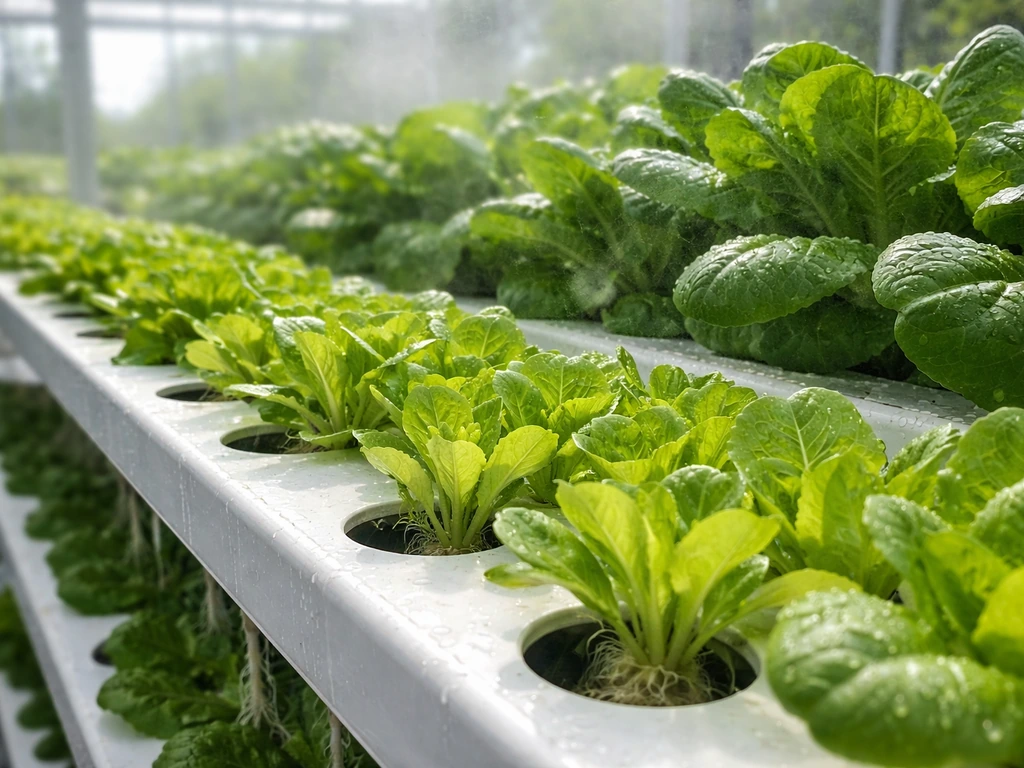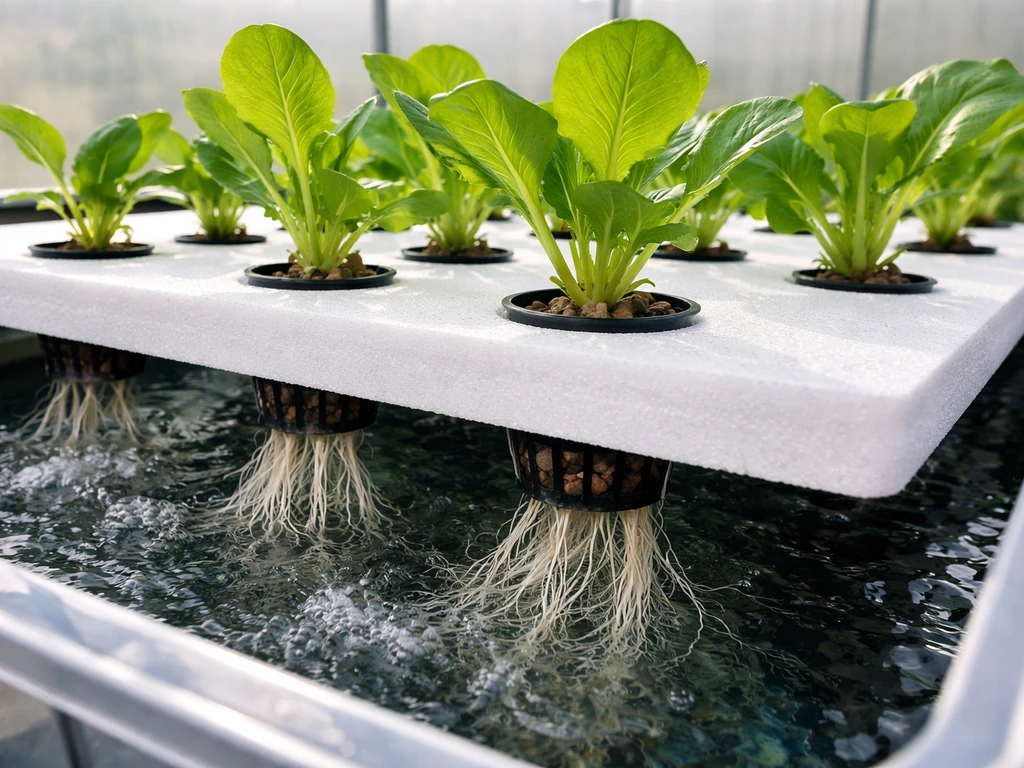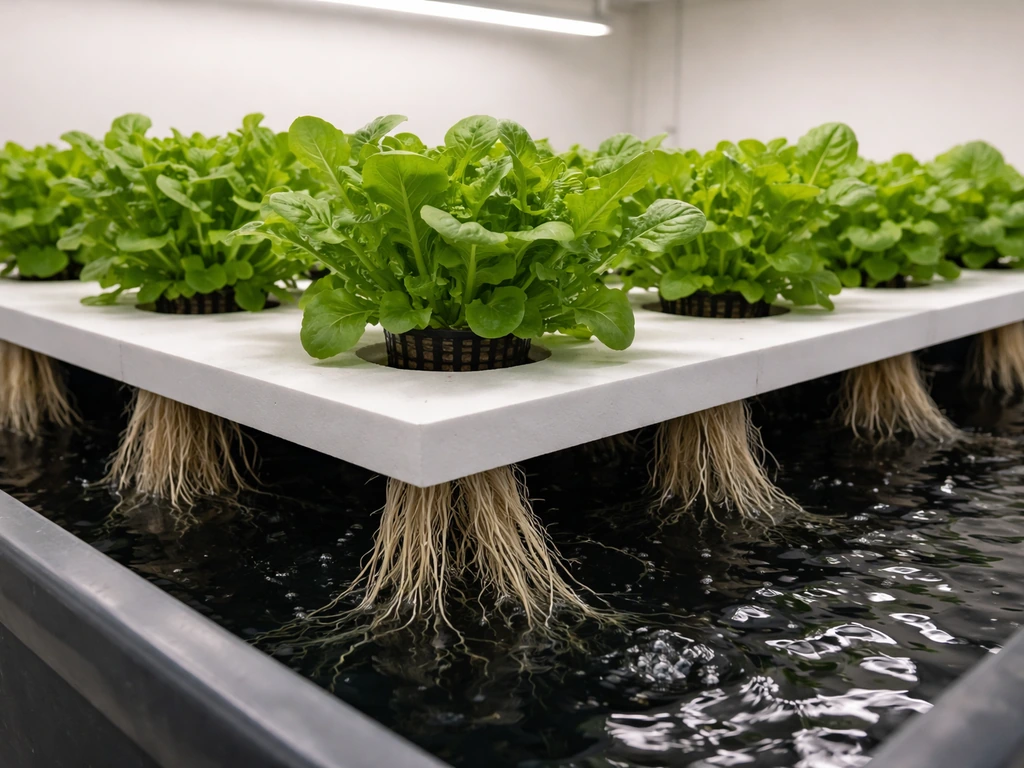
A complete hydroponic grow cycle runs anywhere from 7 days (microgreens) to 20+ weeks (indeterminate tomatoes), depending entirely on what you're growing and how you're running your system. If you want a clearer picture of how do crops grow hydroponically, it starts with delivering oxygenated nutrients directly to the roots instead of relying on soil. For most home growers, the realistic range is 4 to 12 weeks from starting material to harvest, with leafy greens and herbs sitting at the short end and fruiting crops like tomatoes and peppers taking the longest. Hydroponics typically shaves 20 to 30 percent off the timeline compared to soil, but only if your system is dialed in. In general, that speed boost is often the reason people ask how much faster hydroponic plants grow compared with soil.
How Long Is a Hydroponic Grow Cycle? Timelines by Stage
What actually counts as a hydroponic grow cycle
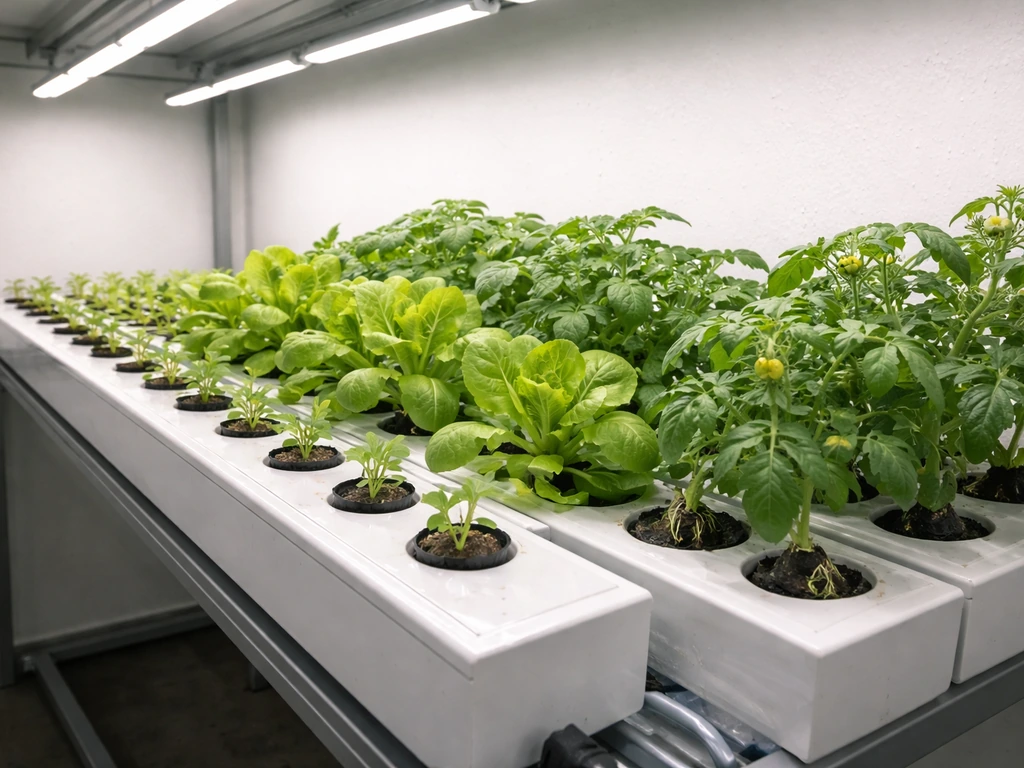
The grow cycle starts the moment you introduce starting material to your system, whether that's a seed going into a propagation cube, a rooted clone dropping into a net pot, or a seedling transplanting from a nursery tray into your NFT channel or DWC bucket. It ends at harvest. Everything before (sourcing seeds, germinating off-system) and everything after (draining, cleaning, resetting) is technically outside the grow cycle, even though both phases eat calendar time you need to plan for.
Growers often blur these lines and end up confused about why their 'eight-week cycle' actually takes ten weeks. Being precise matters when you're planning multiple runs per year or trying to run a perpetual harvest. The cycle itself has four main stages: propagation/seedling, vegetative growth, flowering or fruiting (for crops that need it), and finishing through harvest. Leafy greens and herbs skip the flowering stage entirely from a production standpoint, which is why their cycles are so much shorter.
Typical cycle lengths by stage and crop type
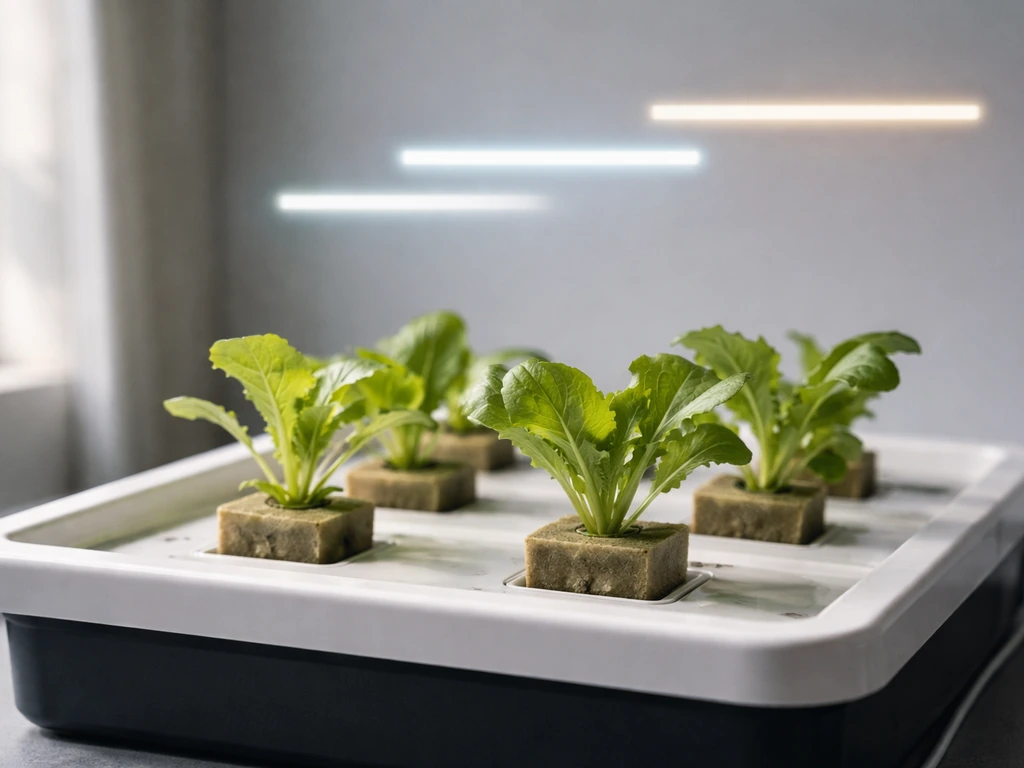
Here's how the math breaks down across the most common hydroponic crops. These are real-world ranges, not best-case lab numbers.
| Crop | Propagation / Seedling | Veg Stage | Flower / Fruit Stage | Total Seed-to-Harvest |
|---|---|---|---|---|
| Microgreens | N/A | 7–21 days (harvest at cotyledon/first true leaf) | N/A | 7–21 days |
| Lettuce (baby leaf) | 5–7 days | 18–25 days in system | N/A | 25–35 days from seed |
| Lettuce (full head) | 7–10 days | 25–40 days in system | N/A | 35–60 days from seed; 30–40 days from transplant |
| Herbs (basil, cilantro) | 7–10 days | 30–50 days in system | N/A | 40–60 days from seed |
| Cannabis (fast strains) | 7–14 days clone root | 3–5 weeks veg | 7–9 weeks flower | 14–20 weeks seed; 10–16 weeks from clone |
| Cannabis (standard photoperiod) | 7–14 days clone root | 4–8 weeks veg | 8–12 weeks flower | 16–26 weeks seed; 12–22 weeks from clone |
| Tomatoes (determinate) | 10–14 days seedling | 4–5 weeks veg | 8–12 weeks fruit set to harvest | 14–18 weeks total |
| Tomatoes (indeterminate) | 10–14 days seedling | 4–5 weeks veg | Ongoing (12–20+ weeks) | 18–26+ weeks total |
| Cucumbers | 7–10 days seedling | 3–4 weeks veg | 6–10 weeks fruiting | 12–16 weeks total |
| Peppers | 10–14 days seedling | 4–6 weeks veg | 8–14 weeks fruiting | 16–24 weeks total |
For lettuce specifically, the development path runs from seed through cotyledon, seedling, rosette, cupping, and heading stages. That cupping period alone (where the head starts forming) takes about 7 days in fall conditions and up to 14 days in winter. Understanding stage duration rather than just total days helps you spot problems early instead of guessing at harvest week.
How to estimate your own timeline from clone or seed to harvest
Rather than using a generic calendar, build your estimate from the actual indicators your plants are showing. Here's how I approach it:
- Propagation readiness: Seeds are ready to transplant when the taproot is visible and the cotyledons are fully open (usually 5–10 days). Clones are ready when roots are 1–2 inches long and actively white/creamy (7–14 days in a cloner). Don't rush this stage. Transplanting before roots are established adds days to your vegetative phase because the plant stalls.
- Vegetative duration: This is the one stage you can actually control. For photoperiod crops like cannabis, you choose when to flip. For tomatoes and cucumbers, veg ends when the plant naturally initiates flowers based on size and node count. For lettuce and herbs, 'veg' is the entire production phase. Plan your veg length based on target plant size and your system's canopy capacity.
- Flowering/fruiting trigger and duration: Photoperiod plants need a light schedule change (typically 12/12 for cannabis). After the flip, expect 1–2 weeks of stretch before true flower development begins. After that, use the breeder's or seed bank's stated flowering window as a baseline, then watch the actual maturity cues (trichome color for cannabis, brix or skin color for tomatoes) rather than the calendar.
- Training method adjustments: Topping adds 5–7 days recovery time to veg. SCROG/trellis work extends veg by 1–3 weeks because you need to fill the net before flipping. Low-stress training (LST) adds minimal time if started early. Factor these in upfront rather than discovering them mid-run.
- Harvest maturity cues over calendar dates: Lettuce is ready when the head feels firm and before it bolts. Tomatoes are ready at full color development. Cannabis is ready when trichomes shift from clear to cloudy/amber. The calendar estimate gets you in the ballpark; plant indicators tell you the actual harvest date.
System and environment factors that speed up or slow down your cycle
Hydroponic plants can grow significantly faster than soil-grown equivalents, but that speed advantage is conditional. Your system has to actually deliver what roots need. These are the variables that most commonly shift your cycle length in practice. Hydroponic setups can also help many crops reach harvest sooner than soil when conditions like oxygen and light are dialed in do hydroponic vegetables grow faster.
Water temperature and dissolved oxygen
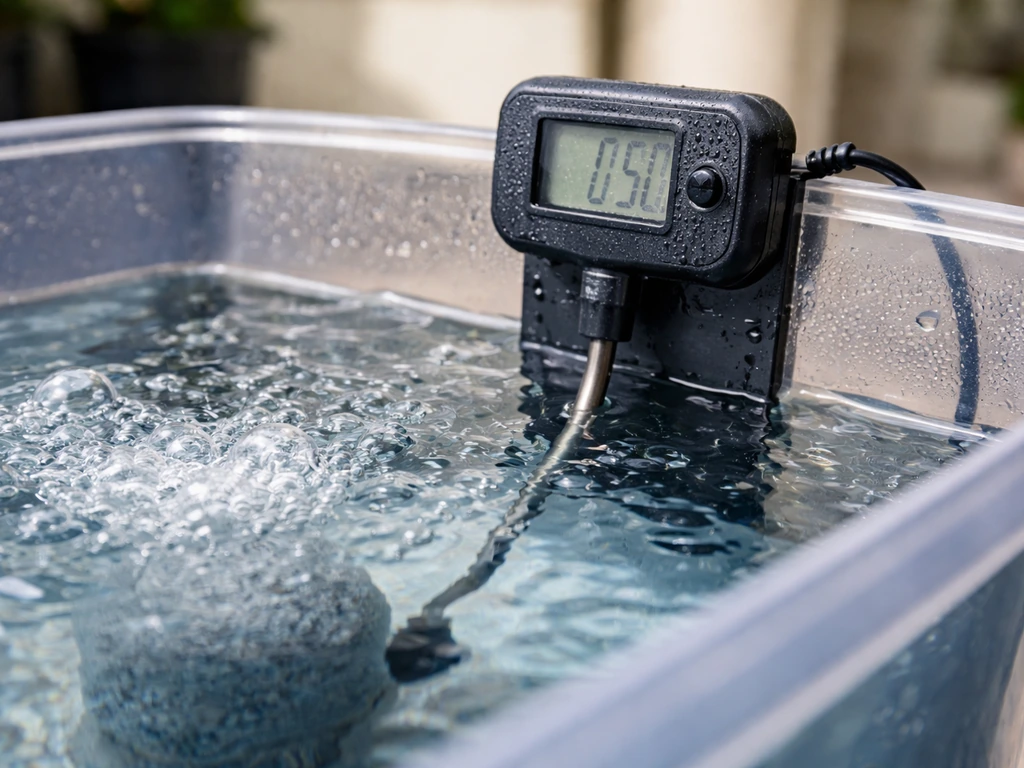
This is the single most underestimated cycle variable I see home growers miss. Water temperature directly controls how much dissolved oxygen your roots can access. The optimal target is 72 to 75°F. Go much above 75°F and oxygen levels drop, root activity slows, and your growth rate suffers noticeably. Research on lettuce in DWC conditions confirms that dissolved oxygen concentration significantly affects plant height, transpiration, and yield. Cool your reservoir if you're running in a warm environment, and you'll often see measurable acceleration in plant development within a week.
pH and EC stability
If your pH is drifting outside the 5.5 to 6.5 range (5.8 to 6.2 is the sweet spot for most crops), nutrient uptake locks out and growth slows even if everything else looks fine. EC that's too low means the plant is underfed; too high causes osmotic stress. Neither situation is immediately visible as a 'problem' in the early days, but both silently add time to your cycle. Check pH and EC daily during the first two weeks of each stage and every other day after that.
Light intensity and photoperiod
Low light is one of the two most common causes of slow vegetative growth (the other being low EC). Leafy greens need at least 200 µmol/m²/s DLI for decent growth rates; fruiting crops want 400 to 600+ µmol/m²/s. Running an 18/6 light cycle during veg and maintaining consistent darkness during flower prevents the schedule creep that happens when light leaks trigger re-veg in photoperiod plants.
System type
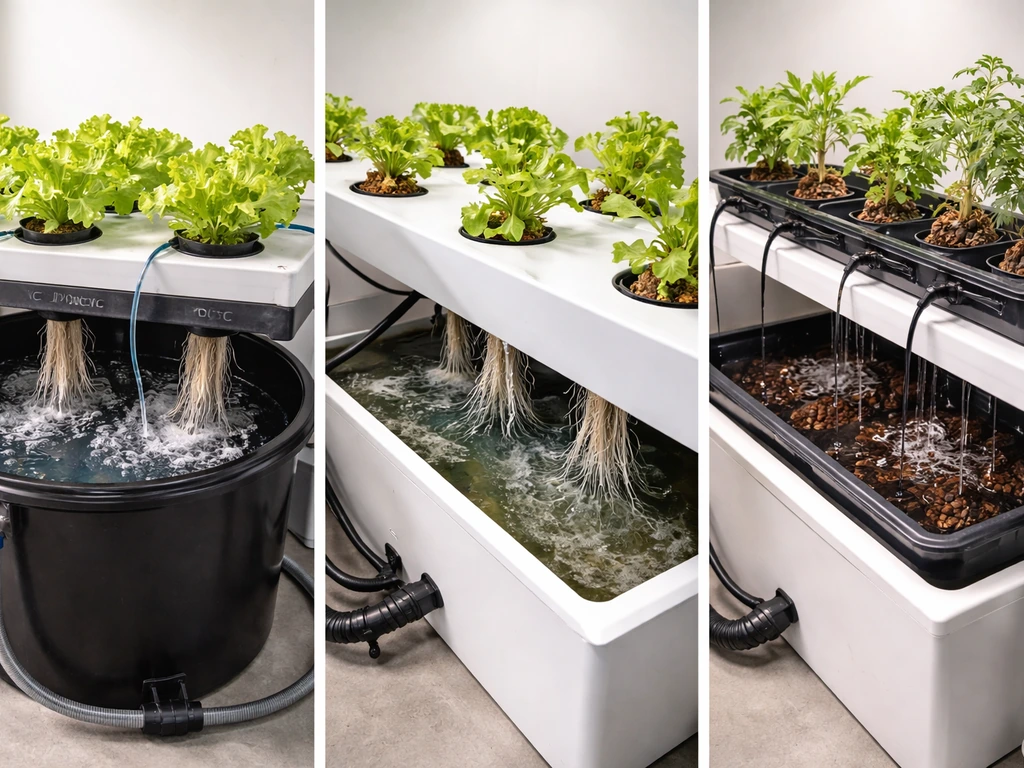
DWC and RDWC systems tend to push the fastest growth rates because roots are in constant contact with oxygenated nutrient solution. NFT is close behind, but it depends on consistent pump operation and proper channel slope (a minimum 2% slope is recommended to maintain proper nutrient film flow). Drip systems and ebb-and-flow setups are more forgiving but slightly slower on average. If you're comparing your cycle times to someone else's results, make sure you're comparing the same system type.
Quick comparison: system speed and management trade-offs
| System Type | Relative Speed | Cycle Impact | Main Risk Factor |
|---|---|---|---|
| DWC / RDWC | Fastest | Can shorten cycle by 1–2 weeks vs. drip | Root rot if DO or temps slip |
| NFT | Fast | Consistent when slope and flow are maintained | Pump failure = rapid crop loss |
| Drip (top-feed) | Moderate | Reliable but slower than DWC | Media clogging, salt buildup |
| Ebb and Flow | Moderate | Good for vegetative stages | Flooding frequency errors |
| Kratky (passive DWC) | Moderate | Fine for leafy greens; not ideal for long cycles | Oxygen depletion as roots grow |
Week-by-week checkpoints: are you on track?
Use these as benchmarks. If you're behind, the fix section below covers the most common reasons why.
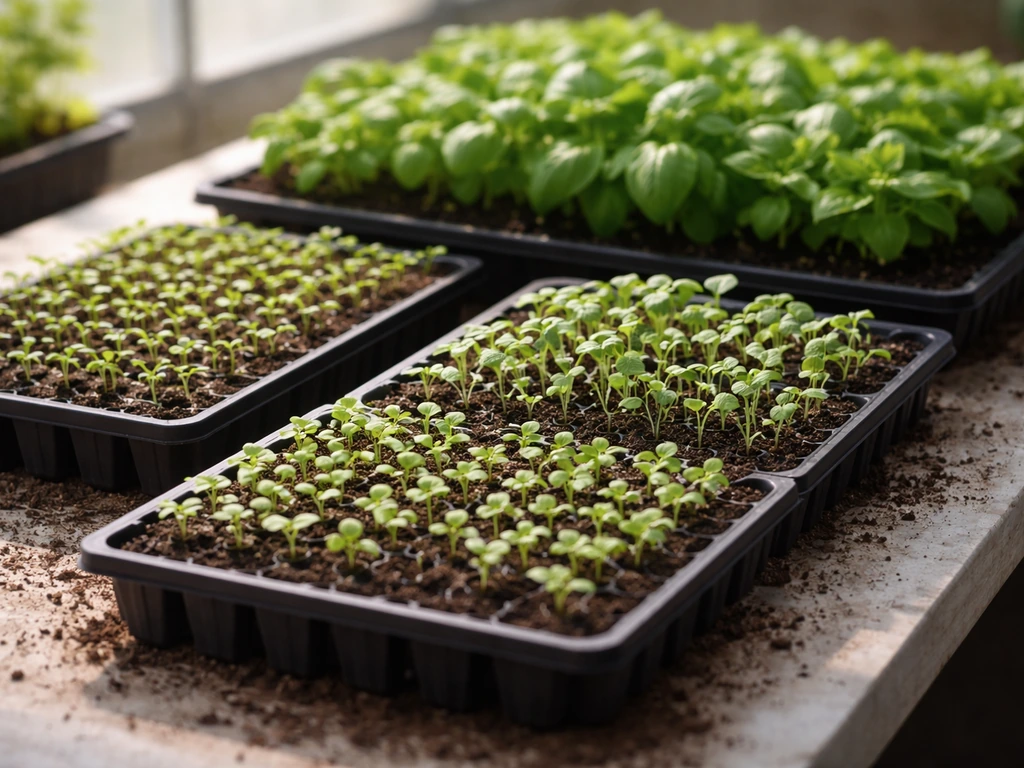
Leafy greens and herbs (e.g., lettuce, basil, cilantro)
| Week | What You Should See | Red Flag |
|---|---|---|
| Week 1 (transplant/seedling) | Roots beginning to enter system, cotyledons open and green, first true leaves emerging | Yellowing cotyledons, no root growth visible after 7 days |
| Week 2 | 2–4 true leaves, active root mass in nutrient solution, visible daily growth | Leaves pale or stunted, roots brown or slimy |
| Week 3 | Rosette forming, leaves broad and dark green, root mass dense | Slow leaf expansion, tip burn beginning (often a calcium/airflow issue) |
| Week 4–6 | Head cupping (lettuce) or harvestable foliage mass (herbs, baby greens). Cilantro ready for leaf harvest at 40–60 days from seed | Bolting (heat stress), bitter taste, or weak stems |
Fruiting crops (tomatoes, cucumbers, peppers)
| Week | What You Should See | Red Flag |
|---|---|---|
| Weeks 1–2 (transplant) | Root establishment, first true leaves hardening off, stem thickening | Wilting, no new leaf growth after 10 days |
| Weeks 3–5 (veg) | Rapid internode development, 6–10+ nodes visible, strong lateral branching | Stretching/etiolation (low light), slow node development |
| Weeks 6–8 (flower initiation) | First flower clusters visible, bees or manual pollination needed indoors | No flowers by week 8 (check light, temperature, and EC) |
| Weeks 9–14 (fruit development) | Fruit set and swelling, color changing toward ripeness by late in this window | Fruit drop, blossom end rot (calcium deficiency), cracking |
| Weeks 14–18+ (harvest) | Tomatoes at full color, firm skin. Cucumbers at target length. Peppers at desired color | Overripe fruit splitting if harvest is delayed |
Perpetual harvest scheduling
If you're growing leafy greens and want a steady supply rather than one big harvest, stagger your plantings by one week. After the initial lead-in period (roughly 3 to 5 weeks depending on crop), you'll have something ready to harvest every single week. This is the most efficient use of a small home system, and it keeps your cycle time feeling irrelevant because you're always harvesting something.
Why cycles run long and how to fix them
Most cycle delays come down to a handful of recurring problems. Here's what to check first when growth is behind schedule:
- Low light intensity: The most common veg-stage delay. Add a second fixture or move lights closer (check manufacturer's recommended hanging height to avoid light burn). Low-light plants stretch, develop slowly, and produce lower yields that take longer to reach harvest weight.
- Low EC / underfeeding: Plants that look 'fine but slow' are often running on too-dilute nutrient solution. Check EC against recommended ranges for the current growth stage and raise it incrementally in 0.2 mS/cm steps.
- Water temperature above 75°F: Oxygen availability drops, root metabolism slows, and root rot risk increases. Add a water chiller or a frozen water bottle as a temporary fix. This is especially common in summer runs.
- pH drift: A reservoir pH that creeps above 6.8 or below 5.5 locks out key nutrients and visibly stalls growth within days. If you're topping off with plain water and not monitoring pH, this is probably your problem.
- Root zone issues: Brown, slimy, or smelly roots indicate pythium or other pathogens. This can add 1 to 2 weeks to a cycle or kill the crop entirely. Prevention through reservoir sanitation between runs is far easier than treatment mid-cycle.
- Disease or pest pressure: Spider mites, fungus gnats, powdery mildew, and similar issues divert plant energy and extend the time to harvest-quality plants. Identify and address immediately rather than waiting.
- Transplant shock: Rushing clones or seedlings into the system before roots are established adds a 5 to 10 day stall while the plant recovers. Wait until you can clearly see active root growth before transplanting.
How long between harvest and your next run
Turnaround time between runs is not part of your grow cycle, but it is absolutely part of your growing calendar. Skipping or rushing this phase is one of the most common reasons growers end up with disease pressure and extended cycles in subsequent runs. Budget 3 to 7 days for a proper turnaround, and don't start the clock on your next cycle until this is done.
The standard sanitation sequence is: drain the reservoir completely, scrub all surfaces (channels, buckets, net pots, reservoir walls) to remove biofilm and root debris, apply a bleach or hydrogen peroxide sanitizer solution and let it sit for the recommended contact time, rinse thoroughly, and then refill with fresh nutrient solution. For NFT systems specifically, run a rinse cycle after the bleach treatment before introducing any plant material. This process exists for a practical reason: hydroponic systems run warm and nutrient-rich, which means pathogens can reproduce extremely rapidly once introduced. A 20-minute scrub between runs can save you from a 3-week cycle delay caused by root disease in the next crop.
Also note that old nutrient solution shouldn't just be dumped down a drain, as it can contribute to algal growth in waterways. Use it diluted as a soil drench for outdoor plants, or check local guidelines for disposal. Responsible handling here is just part of running a clean operation.
When you add it all up, a realistic full rotation calendar for a 10-week crop looks like this: 1 to 2 weeks propagation off-system, 10 weeks active grow cycle, 5 to 7 days turnaround. That's roughly 13 to 14 weeks of calendar time per run, not 10. Plan accordingly, and you'll never be surprised by your harvest schedule again.
FAQ
If the grow cycle is 10 weeks, why does my harvest sometimes take longer even when the plants look healthy?
Most of the delay comes from stage creep and planning math. The grow cycle in the article covers harvest, but not the early off-system propagation (often 1 to 2 weeks) or the turnaround between runs (3 to 7 days). Also, fruiting crops can show a normal flowering timeline while fruit set slows later due to light intensity, reservoir temperature, or gradual EC and pH drift, which pushes the final harvest back by days to weeks.
How do I estimate my grow cycle for my exact crop if I do not start from seed?
Treat rooted clones or transplanted seedlings as a shortened propagation/seedling stage, not as a totally new cycle. You still need to budget for the remaining stages, especially the vegetative lead-in and, for fruiting crops, the flowering and fruit maturation period. A practical method is to measure stage progression by visible nodes and canopy size, then back-calculate the likely harvest window instead of relying on the plant’s age from purchase.
Do I need to count sanitation and turnaround time as part of the hydroponic grow cycle?
No. Turnaround time is calendar time, but it is outside the biological grow cycle as defined in the article. If you are tracking how long plants are actively growing, keep turnaround separate. If you are tracking how quickly you can deliver product to harvest, turnaround matters, so plan it explicitly for your schedule and staffing.
What’s the biggest mistake that causes a “weekly” harvest plan to fall apart for leafy greens?
Starting seeds or transplants too close together without matching their real development rate. Even within leafy greens, temperature, light intensity (DLI), and reservoir oxygen can shift the time from rosette to harvest by about a week, which breaks the one-per-week cadence. Fix it by staggering by one week but also grouping plants that experience similar conditions, then adjust future batches based on your first two harvests.
How can I tell whether my plants are behind schedule because of light versus nutrient issues?
Light and low EC can both slow growth, but they often differ in the plants’ appearance and timing. If the canopy stays small but leaf color is relatively normal, light may be limiting (especially in veg), whereas pale leaves and weak growth often point to underfeeding or pH-driven uptake problems. The fastest confirmation is to verify pH and EC daily, then cross-check light with your DLI target (leafy greens typically around 200 µmol/m²/s, fruiting crops much higher).
Should I adjust the grow cycle length if I switch systems, like NFT to DWC?
Yes. System type changes the speed and how stable growth will be. DWC and RDWC usually run fastest because roots stay in constant oxygenated solution, while NFT is close but depends on reliable pump flow and channel slope. If you move between systems, use the first run as calibration, then update your stage durations rather than assuming the same weeks will match.
How important is reservoir temperature compared with pH and EC?
Reservoir temperature is a major cycle limiter because it affects dissolved oxygen, which drives root respiration and nutrient uptake efficiency. The article gives an optimal range around 72 to 75°F, and above that oxygen availability can drop enough to slow growth. In practice, treat it as a first-check variable along with pH and EC, because any one of them can make the others look “fine” while overall growth still lags.
If my pH is in range sometimes but not every day, will that still slow my cycle?
It can. Short excursions may not show immediately, but repeated drift during early stages can gradually reduce uptake and delay development. The article recommends checking pH and EC daily during the first two weeks of each stage, then every other day after. If you want a more forgiving schedule, at minimum use tighter monitoring during the transition periods (seedling to vegetative, and vegetative to flowering/fruiting).
Is “contact time” with sanitizer always the same for every cleaning product?
No. Different sanitizers have different recommended contact times and rinsing requirements. The article mentions a bleach or hydrogen peroxide approach and notes rinsing thoroughly, plus an extra rinse step for NFT after bleach. To avoid cycle delays from incomplete sanitation (or plant stress from leftover sanitizer), follow the product’s label for exact dwell time and rinse guidance.
Can I reuse old nutrient solution to speed up turnaround and reduce calendar time?
Reusing old nutrient solution is a common cause of recurring issues. Even if the EC and pH look acceptable after adjustment, the chemistry and microbial load can shift, increasing disease pressure and lengthening the next crop’s cycle. The article recommends refilling with fresh solution after sanitation, and that practice is especially important in warm systems where pathogens can multiply quickly.
How do I know whether my schedule delay is from a problem in an earlier stage or something happening later?
Look for the stage-specific signature. If propagation and early seedling look weak, the delay likely started before vegetative growth. If plants are building normal veg but stall at flowering or fruit set, the problem is likely light intensity, photoperiod consistency, or nutrient balance during the transition. Keeping a simple log of pH, EC, reservoir temperature, and light schedule by stage makes it much easier to pinpoint which segment is adding time.