Yes, hydroponic vegetables generally grow faster than soil-grown vegetables. If you want the short answer, yes, hydroponic plants can grow faster than soil-grown plants under the right conditions do hydroponic plants grow faster. Under well-managed conditions, you can expect leafy greens and herbs to reach harvest 25 to 50 percent faster in a hydroponic system compared to soil. Fruiting vegetables like cucumbers and tomatoes show meaningful speed gains too, though the difference is less dramatic. That said, "faster" is not automatic. The speed advantage is real, but it depends on getting several variables right: dissolved oxygen, pH, EC, light, and temperature. If you are wondering how do crops grow hydroponically, the key is delivering oxygenated nutrient water directly to the roots while you tightly manage pH and EC. Get those wrong and your hydroponic plants will grow slower than a pot of dirt on a windowsill.
Do Hydroponic Vegetables Grow Faster? Real Comparisons
What "faster" actually looks like in hydroponics vs soil
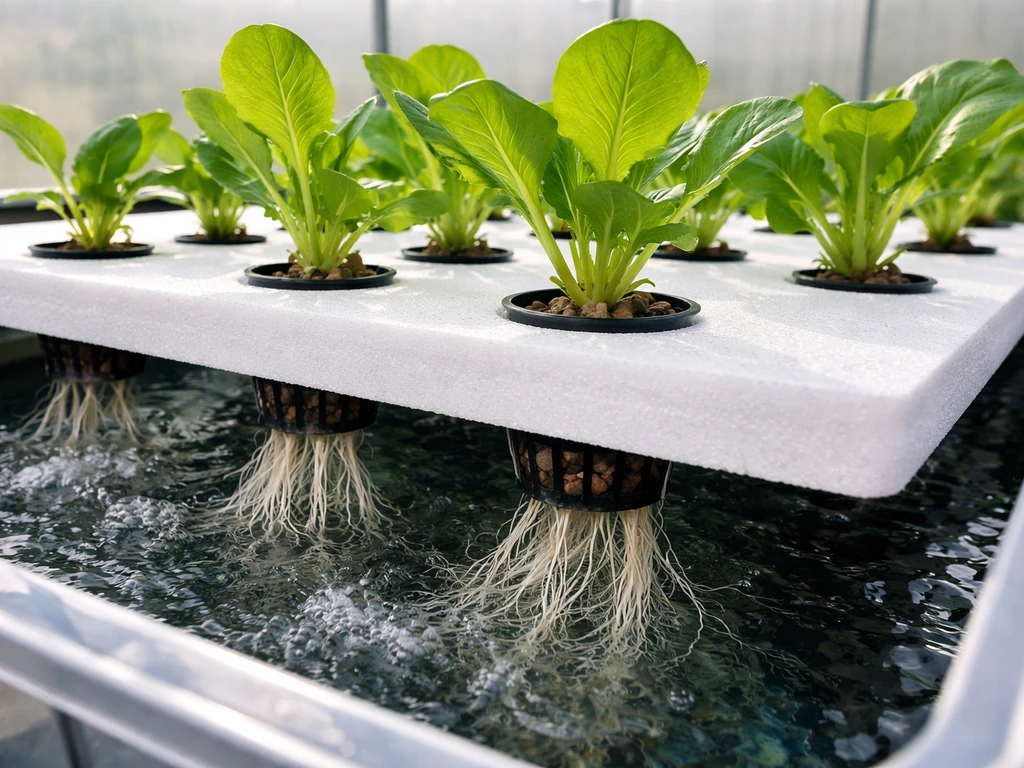
When growers talk about hydroponics being faster, they usually mean one of four things: shorter germination time, faster time to first harvest or first cut, a higher overall growth rate measured by leaf area or biomass per week, or better yield per unit of time. In hydroponics, all four can improve compared to soil, but they do not all improve by the same amount or for the same reasons.
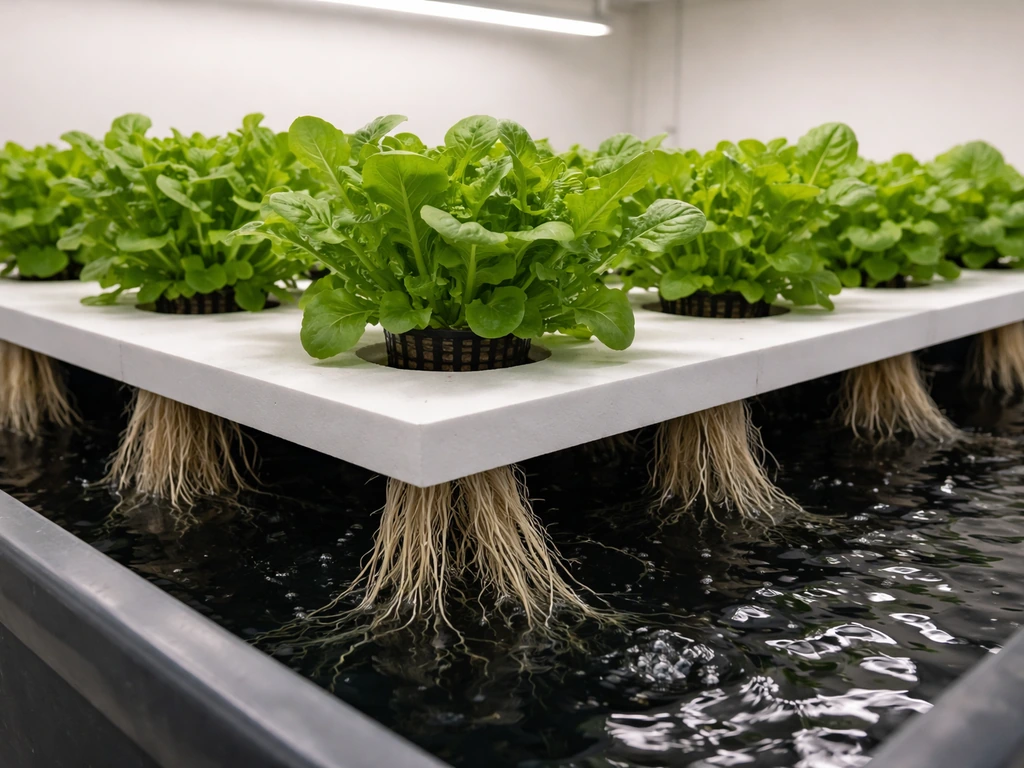
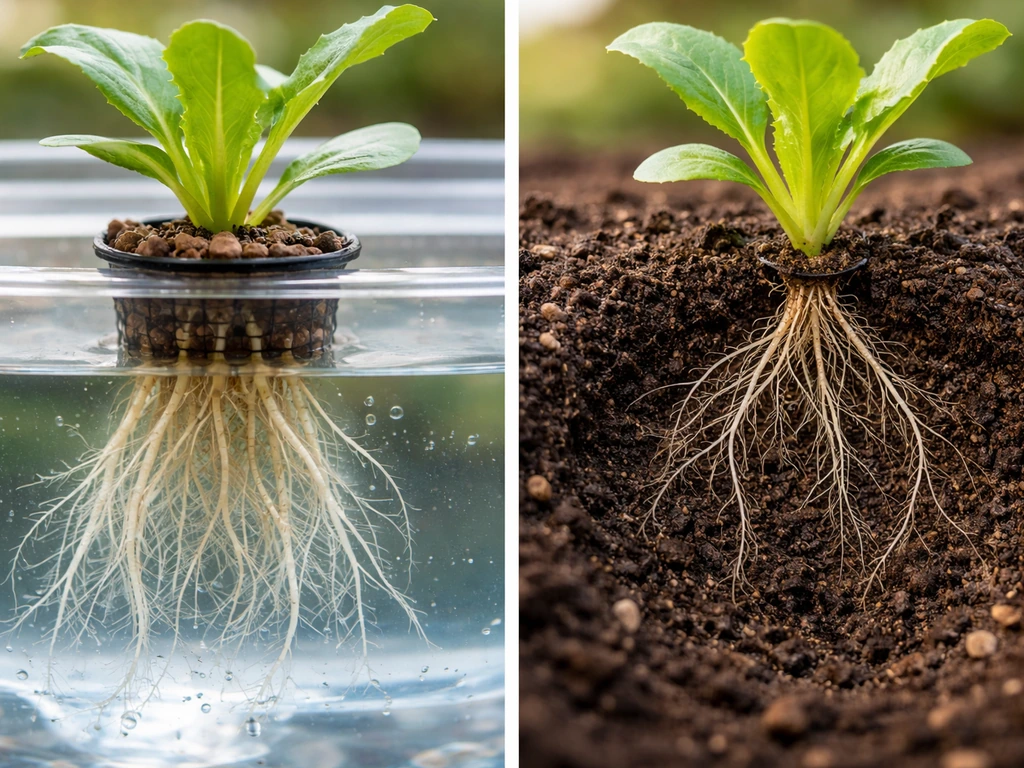
One of the clearest differences shows up at the root level. Side-by-side studies comparing hydroponic and soil-grown lettuce consistently show that hydroponics significantly promotes root growth, even when the shoot development looks similar on the surface. Bigger, more active root systems mean faster nutrient uptake and faster recovery from any growth stress. The shoot differences become more obvious when you're measuring harvest weight over 30 to 45 days rather than just looking at plant height.
For a home grower, the most practical way to think about this is time to first harvest. A soil-grown butterhead lettuce typically takes 55 to 70 days from transplant to harvest. So, how long is a hydroponic grow cycle overall? It depends on the crop and how well you manage variables like light, temperature, and nutrient balance. In a well-run DWC or NFT system with proper lighting and nutrients, that same variety can be ready in 35 to 45 days. That is a real, meaningful difference, not marketing hype.
Why hydroponics can speed up growth (and when it won't)
The speed advantage in hydroponics comes from a few interconnected mechanisms. In soil, plant roots have to physically search for water and nutrients, and nutrient availability is heavily influenced by soil pH, microbial activity, and organic matter breakdown. In hydroponics, nutrients are dissolved directly in water and delivered right to the root zone. The plant spends less energy foraging and more energy on shoot and leaf development.
Dissolved oxygen is the other big driver. Roots need oxygen to absorb nutrients efficiently. In soil, oxygen availability depends on soil texture, compaction, and watering habits. In a well-designed hydroponic system, you can maintain dissolved oxygen above 6 ppm consistently, which research from the University of Missouri Extension identifies as the optimum level for production. Studies confirm that hypoxic conditions at 2.2 mg/L or lower significantly reduce root permeability and nutrient uptake compared to systems running at around 9 mg/L. DWC systems tend to run slightly higher dissolved oxygen (averaging around 7.7 mg/L in research settings) compared to NFT (around 7.3 mg/L), though both beat poorly aerated soil.
Environmental control is the third factor. In hydroponics, you control root-zone temperature, nutrient concentration, and pH with precision. In soil, those variables shift constantly with watering, weather, and organic matter. Stability matters: research testing constant root-zone temperatures found that even small deviations from the optimal range noticeably affected growth rate, leaf number, leaf area, and biomass in hydroponic lettuce.
Now for the honest part: hydroponics will not speed things up if your setup is poorly managed. Incorrect pH locks out nutrients even when they are physically present in the solution. Low dissolved oxygen from warm water kills the speed advantage entirely. Insufficient light makes everything else irrelevant. A neglected hydroponic system can easily produce slower, weaker plants than a decent pot of quality soil.
Realistic speed expectations by vegetable type
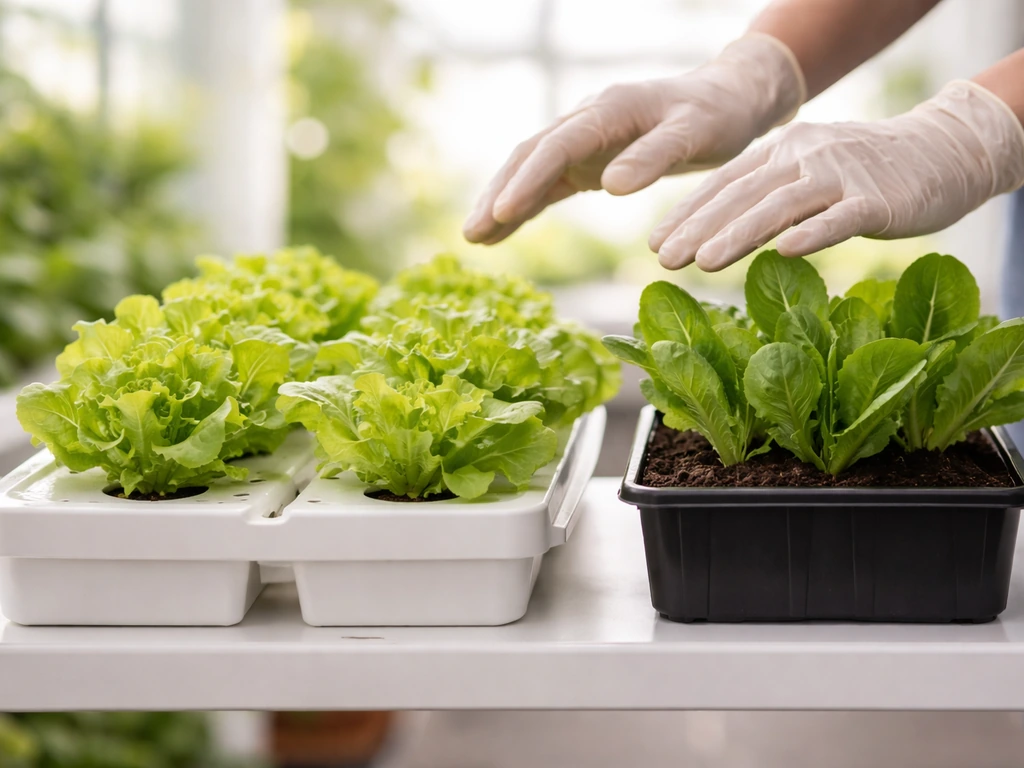
Not all vegetables benefit equally. Here is a practical breakdown of what to expect across the main categories.
| Vegetable/Category | Typical Soil Time to Harvest | Typical Hydro Time to Harvest | Speed Gain | Best System |
|---|---|---|---|---|
| Butterhead / looseleaf lettuce | 55–70 days | 30–45 days | ~30–45% faster | NFT, DWC |
| Spinach / arugula | 40–55 days | 25–35 days | ~30–40% faster | NFT, DWC, Kratky |
| Basil / cilantro / herbs | 60–75 days (seed to full harvest) | 35–50 days | ~25–35% faster | NFT, DWC |
| Kale / Swiss chard | 50–65 days | 35–50 days | ~20–30% faster | DWC, ebb and flow |
| Cucumbers | 55–65 days to first fruit (soil) | 30–50 days | ~15–30% faster | Drip, ebb and flow |
| Tomatoes (indeterminate) | 70–85 days to first fruit | 60–75 days | ~10–20% faster | Drip, DWC |
| Peppers | 70–90 days to first fruit | 65–80 days | ~10–15% faster | Drip, ebb and flow |
Leafy greens and fast-cycling herbs show the biggest gains because their entire life cycle is short and they respond quickly to improved nutrient and oxygen availability. Fruiting crops like tomatoes and peppers still benefit, but since a larger portion of their time is spent on flowering and fruit development (which hydroponics speeds up less dramatically), the percentage gain is smaller. Cucumbers sit in the middle: University of Kentucky extension research places cucumber first harvest in soilless systems at roughly 30 to 50 days depending on cultivar and conditions, which is genuinely impressive compared to outdoor soil growing. UGA Cooperative Extension states that cucumbers are ready for harvest 50 to 70 days from planting, depending on variety.
The fastest path to growth: system choice and setup checklist
Your system choice sets the ceiling on how fast you can grow. For leafy greens and herbs, NFT (Nutrient Film Technique) and DWC (Deep Water Culture) are the top options. NFT runs a thin, continuous film of nutrient solution over roots, making it ideal for fast-growing, shallow-rooted crops like lettuce and herbs, as Oregon State University Extension notes. DWC suspends roots directly in oxygenated nutrient solution and tends to deliver slightly higher dissolved oxygen levels. Both systems outperform ebb and flow or drip for pure speed with leafy greens. For fruiting crops, drip systems and ebb-and-flow (flood and drain) give you better control over feed frequency and are easier to scale.
Before you start a grow, run through this checklist to make sure your setup is not limiting your speed from day one.
- Choose the right system for your crop: NFT or DWC for leafy greens and herbs, drip or ebb-and-flow for fruiting vegetables.
- Size your reservoir properly: at minimum 1 gallon of nutrient solution per plant for leafy greens, 3 to 5 gallons per plant for fruiting crops.
- Install an air pump and air stones in DWC systems sized to keep dissolved oxygen above 6 ppm (1 watt of air pump per gallon of reservoir is a common starting point).
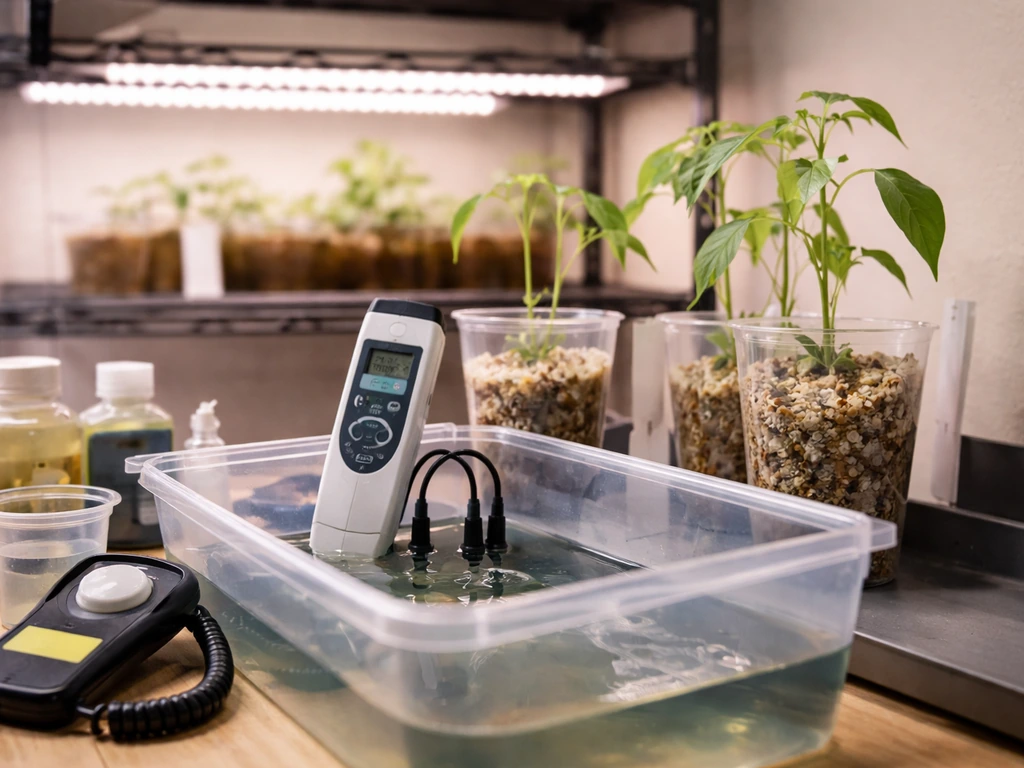
- Set up a reliable pH meter and EC/TDS meter before you add a single seed or seedling.
- Use an inert grow medium (rockwool, clay pebbles, or coco coir) that supports root structure without introducing soil pH variability.
- For NFT, verify your channel slope (typically 1: 30 to 1:40) and pump rate before planting to confirm the nutrient film is flowing continuously without pooling.
- Place a water thermometer in the reservoir. Root-zone temperature is a direct growth variable and one most beginners ignore.
- Set up your lighting before transplanting so you are not scrambling to adjust spectrum or intensity once plants are in.
Nutrient, pH, and EC targets that affect growth rate
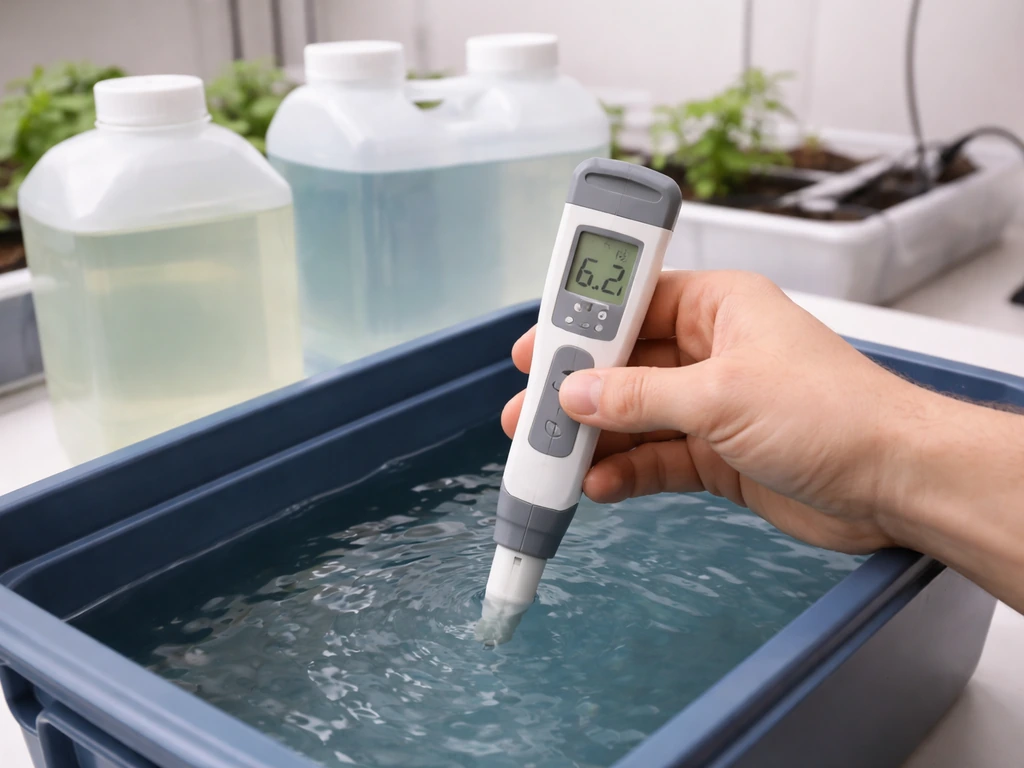
Getting the chemistry right is where most of the speed advantage either materializes or disappears. Start with pH. For home hydroponics, UNH Extension notes that keeping water pH between 5.5 and 7.0 is generally fine, and it recommends adding aeration to support healthy growth and yields. The optimum pH range for most hydroponic crops is 5.5 to 6.5, as confirmed by University of Missouri Extension guidelines. Outside that window, specific nutrients become chemically unavailable even when they are present in the solution. Iron locks out above pH 6.5. Calcium and magnesium availability drops below 5.5. Aim for 5.8 to 6.2 as your daily target and check it at least once a day during active growth.
EC (electrical conductivity) tells you the total concentration of dissolved ions in your solution, which correlates closely with nutrient strength. Missouri State University hydroponics guidelines recommend starting most leafy greens at an EC of 0.8 to 1.2 mS/cm and adjusting from there based on plant response. Seedlings and young transplants prefer the lower end to avoid salt stress. Mature plants in full vegetative growth can handle 1.2 to 2.0 mS/cm for most leafy greens. Fruiting crops typically run higher, 2.0 to 3.5 mS/cm depending on the crop and growth stage.
One important nuance: EC tells you total ion concentration but does not tell you whether any individual nutrient is at the right level. As University of Missouri Extension points out, you need to monitor pH and EC together and use a complete, balanced nutrient formula rather than relying on a single number to declare your solution healthy. Check your pH and EC every day during the first two weeks in a new setup. Once you have a stable system dialed in, every other day is usually fine.
| Parameter | Target Range | Notes |
|---|---|---|
| pH | 5.5–6.5 (ideal: 5.8–6.2) | Check daily; adjust with pH up/down solutions |
| EC (leafy greens) | 0.8–2.0 mS/cm | Lower for seedlings, higher for mature plants |
| EC (fruiting crops) | 2.0–3.5 mS/cm | Varies by stage; reduce during fruiting stress |
| Dissolved oxygen | >6 ppm (target ~7–9 ppm) | Keep water cool and air pump running 24/7 |
| Nutrient solution temperature | 18–24°C (65–75°F) | ~24.5°C found optimal in summer lettuce studies |
| Water temperature ceiling | <28°C (82°F) | Above this, oxygen solubility drops critically |
Lighting, temperature, airflow, and root-zone oxygen
Light is the single biggest limiter of growth rate in any indoor system, hydroponic or soil. Plants use light to drive photosynthesis, which powers all growth. Daily Light Integral (DLI) is the most useful measurement: it accounts for both light intensity and photoperiod together. Research on iceberg lettuce in vertical hydroponic systems shows that yield and leaf area respond clearly to DLI treatment differences. For leafy greens, target a DLI of 12 to 17 mol/m²/day. For fruiting crops, aim for 20 to 30 mol/m²/day. If you are using LED grow lights, check the manufacturer's PPFD chart and set your light schedule to hit those DLI targets rather than just running lights for 18 hours and hoping for the best.
Air temperature in the grow space should stay between 18 and 26°C (65 to 79°F) for most vegetable crops. Root-zone temperature is equally important and often overlooked. Research published in Annals of Botany and confirmed in a 2026 study on mini romaine lettuce in NFT and aeroponic systems found that sub-optimal root-zone temperatures directly constrain root development and biomass accumulation. An optimal root-zone temperature for summer hydroponic lettuce is approximately 24.5°C, though that number shifts slightly depending on ambient air temperature and crop variety. The practical takeaway: if your reservoir is sitting in a hot room or on a cold concrete floor, your plants are paying a growth penalty.
Airflow serves two purposes in a hydroponic grow space. First, it strengthens stems by creating mild physical resistance (this matters more for fruiting crops than leafy greens). Second, it removes humid, stagnant air from the canopy, reducing the risk of fungal issues that slow or stop growth entirely. Aim for one full air exchange every one to three minutes in an enclosed grow space. A simple oscillating fan pointed at canopy level handles this for most home setups.
Root-zone oxygen ties directly back to dissolved oxygen in the nutrient solution. Oxygen solubility decreases as water temperature rises: at 35°C with a high EC solution, dissolved oxygen can drop to around 6.85 ppm, which is right at the edge of the acceptable minimum. This is why keeping your reservoir cool is not optional, it directly determines whether your roots can absorb nutrients fast enough to drive rapid growth. Run your air pump continuously, never on a timer, in DWC systems.
Common reasons hydroponic plants grow slowly and how to fix them
When a hydroponic vegetable is growing slower than expected, the cause is almost always one of these seven problems.
- pH out of range: Even a pH of 7.0 will lock out iron and cause visible yellowing and stunted growth within a week. Fix it immediately with pH-down solution and recheck within 4 hours.
- EC too high for seedlings: Salt stress from over-concentrated nutrient solution burns young roots and stunts growth. Dial back to 0.8–1.0 mS/cm for transplants and build up gradually.
- EC too low for mature plants: Underfed plants run out of nitrogen and potassium first, showing pale leaves and slow growth. Increase EC in 0.2 mS/cm increments until you see response.
- Insufficient dissolved oxygen: If your air pump is undersized, running on a timer, or your water is above 26°C, your roots are hypoxic. Upgrade the air pump, run it 24/7, and insulate or chill the reservoir.
- Inadequate light: This is the most common issue in home setups. If your grow light is too far away, too weak, or on for fewer than 14 hours per day for leafy greens, no amount of nutrient optimization will compensate. Move the light closer (check manufacturer canopy distance specs) or add supplemental lighting.
- Transplant shock from seedlings: Moving plants from germination media into the hydroponic system too aggressively causes a growth stall. Give transplants 2 to 3 days at lower EC (0.8 mS/cm) and slightly lower light intensity to let roots adapt.
- Dirty reservoir or clogged lines: Algae, biofilm, and root debris consume oxygen, harbor pathogens, and reduce nutrient availability. Clean your reservoir and lines completely between grows, and keep reservoir lids light-tight to prevent algae growth during active cycles.
Tradeoffs, risks, and measuring results in your own setup
The speed advantage of hydroponics comes with real tradeoffs that are worth naming honestly. The biggest risk is how fast problems escalate. In soil, a pH problem or nutrient imbalance develops over days or weeks. In hydroponics, the same problem can damage or kill plants in 24 to 48 hours because every root is directly exposed to the solution. This means the monitoring workload is genuinely higher, especially for first-time hydroponic growers. Expect to check pH and EC daily for the first several grows until you understand how your specific system drifts.
Speed also varies by variety within the same crop category. Two different lettuce cultivars in the same DWC system on the same nutrient schedule can have noticeably different harvest dates. This is not a flaw in hydroponics, it is just genetics. When you are trying to optimize for speed, choose varieties with short days-to-maturity ratings and confirm they are recommended for indoor or soilless growing.
The best way to measure your actual results is to run a simple parallel test in your first few grows. Keep a grow journal with transplant date, daily pH and EC readings, weekly height or leaf-count measurements, and harvest date with fresh weight. After two or three cycles, you will have real data on your specific system, your local water source, your light setup, and your chosen varieties. That data is worth more than any general guideline because it reflects your actual conditions. If you are comparing to soil, grow the same variety in a quality soil mix under the same light and temperature conditions at the same time and measure both.
The other realistic tradeoff is upfront cost and learning curve. A functional DWC or NFT setup costs more than a bag of potting soil and a pot. You will spend time learning to read your plants, calibrate your meters, and troubleshoot chemistry. For most growers who stick with it past the first grow, that investment pays off quickly in faster harvests and more consistent yields. But if you go in expecting zero effort and automatic speed gains, you will be disappointed. Hydroponics rewards attention. The growers who get consistent 30 to 50 percent faster harvests are the ones checking their reservoirs every day, not setting it and forgetting it.
FAQ
Why do my hydroponic vegetables not seem faster than soil, even though my system is running?
Yes, but only if you also speed up the plant through the earlier stages. Many of the time gains come from shorter time to first harvest, not magical germination. If your seeds or starters are slow, your hydroponic cycle will start late, and you may end up with only a small advantage (or none). Use properly sized starters, keep the solution warmed to your target range, and transfer at a consistent transplant size.
What is the fastest way to diagnose what is slowing my hydroponic grow?
It usually means one limiter is dominating, even if the others look fine. The most common culprits are too little light (DLI below target), nutrient salts drifting out of range (especially pH), or root-zone oxygen being depressed by warm water, blocked air stones, or intermittent pumps. A practical check is to compare your daily pH and EC trend for the first two weeks, then measure reservoir temperature at the coldest point of the day.
Can I run the air pump on a timer and still keep hydroponic plants growing fast?
Leaning toward higher oxygen helps, but it is not the only oxygen factor. In DWC, continuously running the air pump is important, and you also need adequate water movement so nutrients and oxygen stay uniform around all roots. If you run aeration on a timer or your pump output is weak for your reservoir size, dissolved oxygen can look “okay” on a quick test but still drop where roots sit.
How much pH fluctuation is acceptable if I want the fastest growth?
Yes, but “stable” matters more than a perfect average number. If your pH swings around the optimal band daily, nutrient availability changes repeatedly, and growth rate suffers. For speed, aim for a consistent daily target (for example, holding around your preferred range) and correct drift quickly when readings trend off, especially during the first week after transplant.
If my EC is in range, can I ignore nutrient balance and still get fast harvests?
Usually, no. EC can tell you total ion strength, but it cannot confirm that each nutrient is correctly balanced for your crop stage. Two solutions can have the same EC but different levels of nitrogen, calcium, or potassium, which can slow growth and delay flowering or leaf expansion. Use a complete nutrient regimen and consider periodically refreshing or replacing the reservoir in actively growing systems.
Do hydroponic vegetables stay faster over multiple harvests, or only the first one?
It depends on what “ready” means for your goal. If you harvest only once, you may see a clear time-to-first-harvest advantage. If you do repeated cut-and-come-again harvesting, hydroponics can extend productivity and sometimes improve total yield per week, because regrowth is faster when roots recover quickly. Keep a consistent harvest height or leaf size so you measure speed fairly.
Is dissolved oxygen the main reason hydroponics grows faster, or are temperature and mixing equally important?
Bigger dissolved oxygen numbers do not automatically equal better performance if temperature and nutrient mixing are off. If your solution is warm, you can hit a borderline oxygen level even with strong aeration, and growth will stall. The practical approach is to control reservoir temperature, run aeration continuously where needed, and verify dissolved oxygen at the actual root-zone temperature, not just at room conditions.
How can I tell if my lights are the reason my hydroponic plants are not growing faster?
Often, yes. Many home setups underestimate light and assume long schedules fix it. If your DLI is low, plants cannot turn the faster nutrient delivery into faster growth. Check your LED PPFD and adjust your photoperiod or intensity so the DLI target is met, then reassess after a week because plants take time to respond.
Why do my hydroponic plants sometimes look about the same size as soil plants, but harvest sooner?
Rooting differences can be misleading early on. Shoots may look similar while roots are already responding, and later harvest weight can show the real advantage. If you only compare plant height, you may miss faster nutrient uptake and biomass accumulation. For best comparisons, measure harvest fresh weight and track days to first harvest for the same cultivar.
What hydroponic system is most likely to produce the fastest harvest for different vegetables?
For leafy greens and herbs, yes, NFT and DWC often deliver the best speed because they support rapid uptake and easy oxygen access. For fruiting crops, drip or flood-and-drain can be better because fruiting stages often need more careful feed frequency and system scalability. If your goal is the fastest possible harvest for a fruiting crop, prioritize the system that matches its water and nutrient delivery needs, not just what is fastest for lettuce.
How do I run a fair side-by-side comparison of hydroponic versus soil grown vegetables?
If you are comparing fairly, grow the same variety and match the whole environment, not only the media. Keep light intensity and schedule the same, use similar temperature targets, and transplant at the same developmental stage. If you do not, the experiment can show differences from your conditions rather than from hydroponics.
What should I plan for if I cannot check my hydroponic system every day?
Because hydroponics depends on exposed roots, problems escalate quickly. Even a small delay in correcting pH, oxygen, or temperature can turn a “nearly fine” system into a rapidly failing one, especially in DWC. If you travel or cannot monitor daily, set alarms for pH and temperature where possible, and consider a simpler approach like starting with leafy greens to learn your system before scaling up.