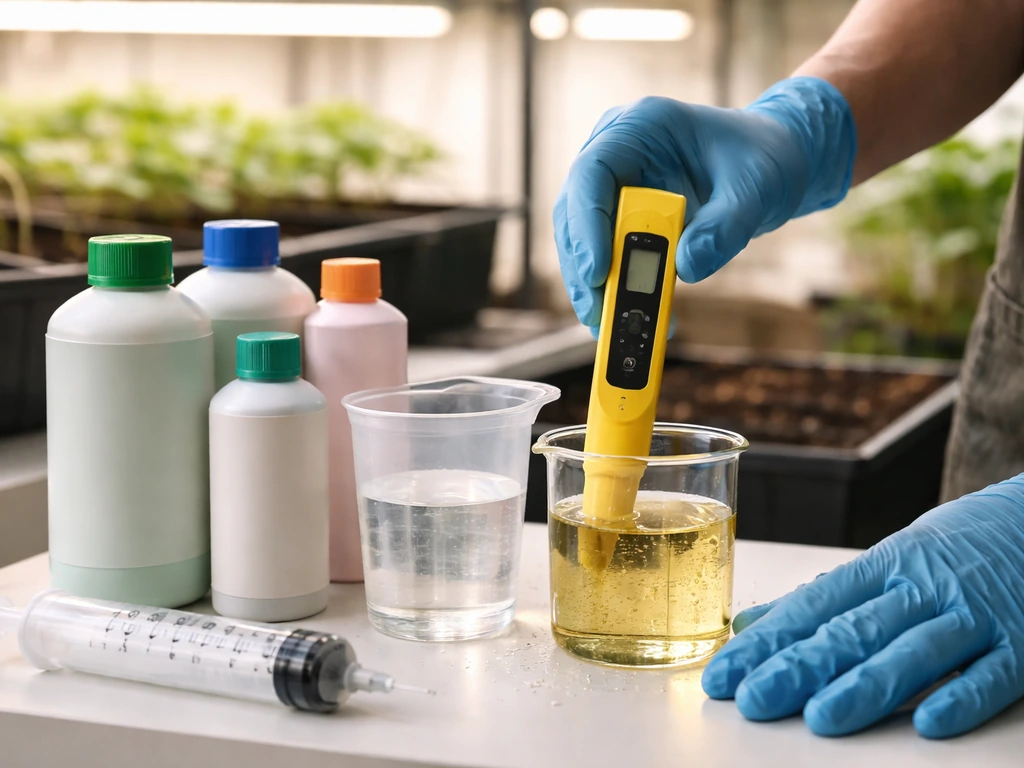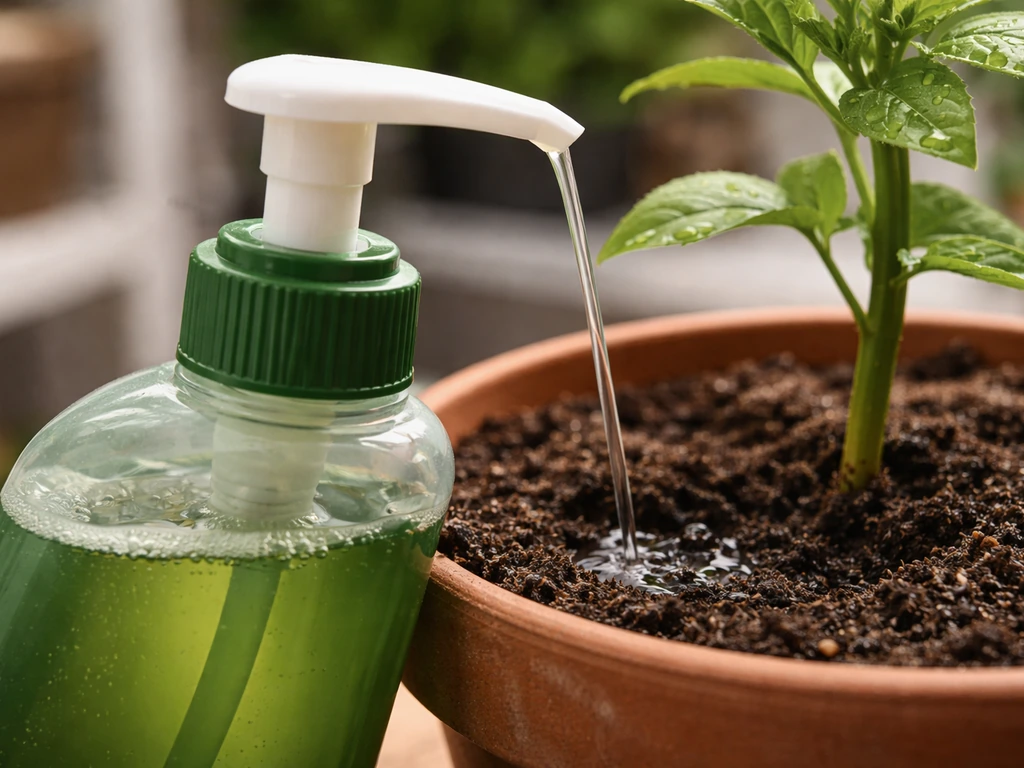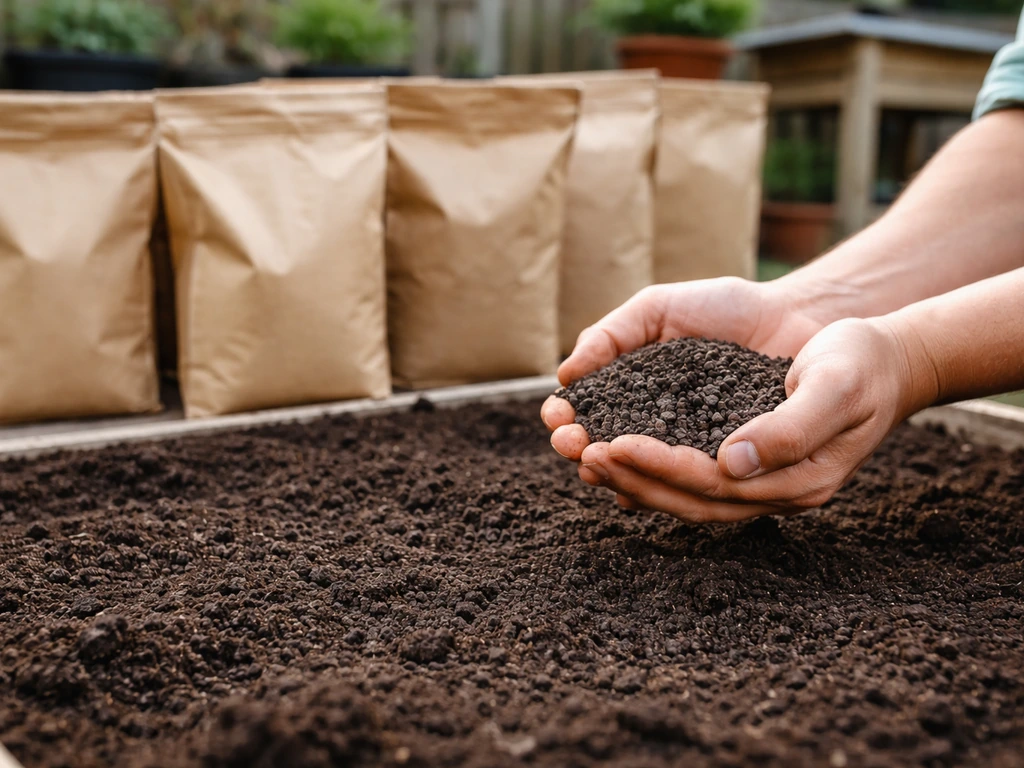
Mix Easy Grow fertilizer at roughly 0.5 to 1 teaspoon per liter (or 2 to 4 teaspoons per gallon) of water during the vegetative stage, then water your plants as normal or add it directly to your hydroponic reservoir. That rate applies to the Fearless Gardener version. If you have Future Harvest Easy Grow Plus (the powder labeled 5-4-7), pull up the product data sheet or label PDF before you mix anything, because the exact gram-per-liter rate is listed there and varies slightly by media. Either way, the process is the same: read your specific label first, mix to rate, check pH, then feed.
How to Use Easy Grow Fertilizer: Mix, Dose, Apply

Marcus Holloway
12 May 2026
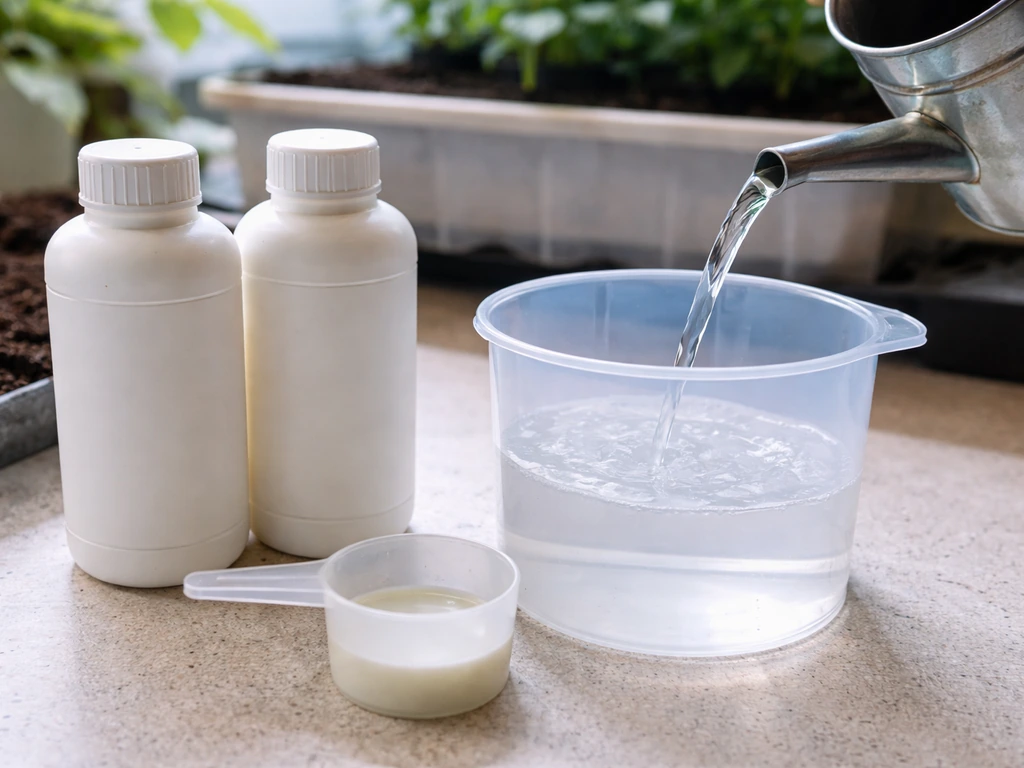
Figure out exactly which Easy Grow product you have
There are at least two distinct products sold under the "Easy Grow" name, and mixing them up will throw off your dosing. The two most common ones growers encounter are Future Harvest Easy Grow Plus (a powdered base nutrient, NPK 5-4-7, pH-stable, designed specifically for the vegetative stage in soil and coco) and the Fearless Gardener Easy Grow (a liquid all-purpose fertilizer with its own dilution table). They are not interchangeable.
Check your packaging for these identifiers. Future Harvest Easy Grow Plus will say "5-4-7" on the label, will come in powder form, and will reference a separate feed schedule for coco. The Fearless Gardener version is typically a liquid concentrate with a simpler mixing chart printed right on the bottle. If you are unsure, look for a product data sheet (PDS) or safety data sheet (SDS) either tucked in the box or downloadable from the brand's website. The SDS for Easy Grow Plus explicitly lists the 5-4-7 powder formula.
What the label is actually telling you
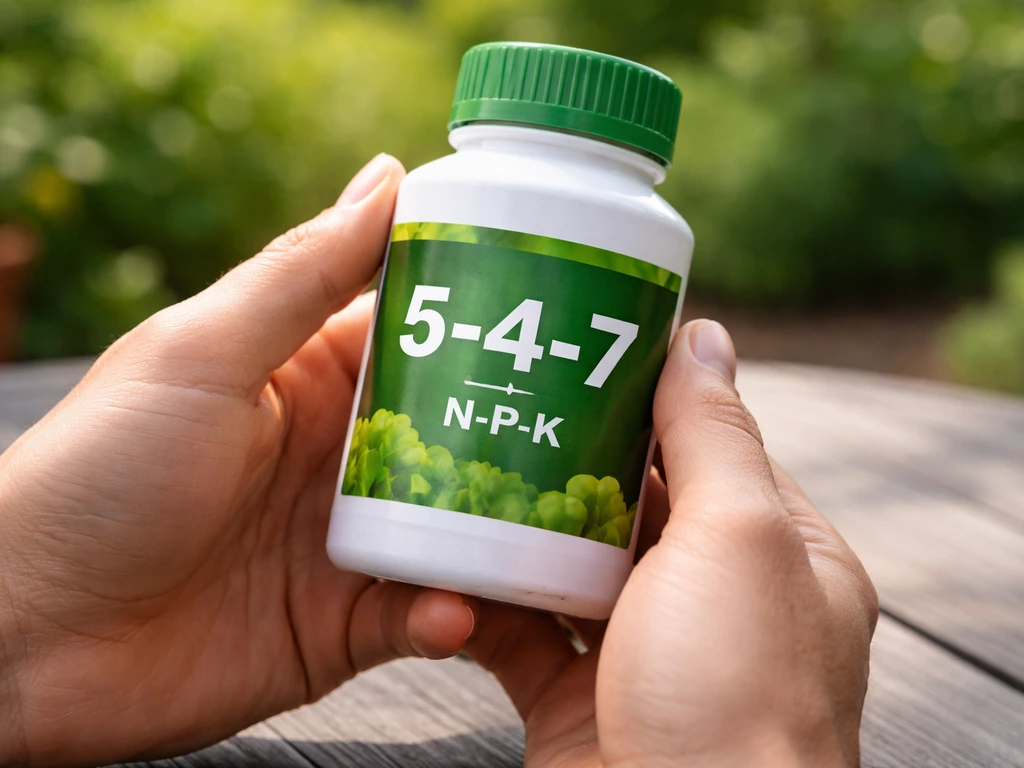
On any fertilizer label, the three-number NPK ratio tells you the percentage of nitrogen (N), phosphorus (P), and potassium (K) in the product. A 5-4-7 formula is nitrogen-forward but balanced, which is exactly what vegetative plants want. The label will also state the intended growth stage, compatible media (soil, coco, hydro), and the recommended application rate. For Easy Grow Plus, the PDS specifically calls out soil and coco, and notes that coco growers should follow a separate feed schedule. If your label mentions hydroponics, that use is supported; if it does not, the formula may not be optimized for a recirculating reservoir.
Step-by-step: how to apply Easy Grow fertilizer
The application process is straightforward once you know your rate. Here is how I approach it every time, whether I am feeding in soil or coco. If you are specifically trying to use power grow foliar fertilizer, apply it with the same label-first mindset, but follow the foliar product’s own mixing directions and timing rather than the soil and coco dosing used for Easy Grow step-by-step process. Following the label is also the quickest way to learn how to start an Easy Grow feeding routine without overdosing how to start eminent grow main.
- Start with your base water, not the other way around. Fill your watering can or mixing container with the target volume of water first.
- Measure your Easy Grow dose precisely. Use a digital scale for powders (Future Harvest Easy Grow Plus) or a measuring spoon for liquids (Fearless Gardener). Never eyeball powder nutrients.
- Add the fertilizer to the water and stir or agitate until fully dissolved. Powder nutrients can clump if added to a dry container.
- Check and adjust pH. Easy Grow Plus is marketed as pH-stable, but always verify. Target 6.0 to 7.0 for soil and coco, or 5.5 to 6.5 for hydroponics. Adjust with pH up or pH down solution as needed.
- Check EC (electrical conductivity) if you have a meter. This confirms you mixed the right concentration. Compare against your target EC range for the current growth stage.
- Water your plants slowly and evenly, saturating the root zone. For soil and coco, water until you see about 10 to 20 percent runoff from the bottom of the container. For hydroponics, add the mixed solution directly to the reservoir.
- Record what you mixed, the EC, pH, and the date. This makes troubleshooting infinitely easier later.
Dosing and mixing: soil and coco vs. hydroponics
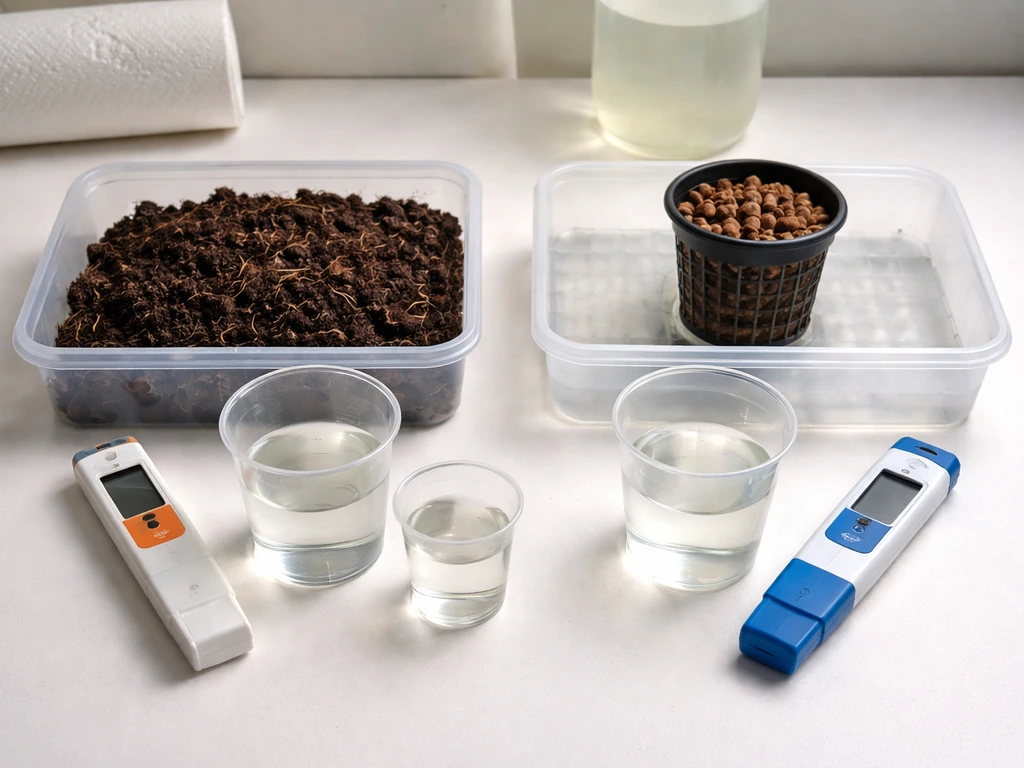
The right dose depends on your media, your plant's current stage, and the specific Easy Grow product you are using. Below is a practical reference based on available label data and standard application practice.
| Setup | Starting Dose | Target EC Range | Notes |
|---|---|---|---|
| Soil (Fearless Gardener liquid) | 0.5 tsp per liter / 2 tsp per gallon | 1.2 to 1.8 mS/cm (veg) | Start at lower end for seedlings and young plants |
| Soil (Future Harvest Easy Grow Plus powder) | Per label/PDS gram rate | 1.2 to 1.8 mS/cm (veg) | Weigh with a digital scale; do not use volume measures for powders |
| Coco coir | Per label/PDS, refer to feed schedule | 1.4 to 2.0 mS/cm (veg) | Coco feeds more frequently; follow brand's separate coco schedule |
| Hydroponics reservoir | Check label for hydro-specific rate | 1.4 to 2.2 mS/cm (veg) | Easy Grow Plus PDS does not explicitly list hydro; confirm compatibility before use |
| Full strength (Fearless Gardener liquid) | 1 tsp per liter / 4 tsp per gallon | Up to 2.2 mS/cm | Use only on established plants in active veg; back off if tips show stress |
A note on powder nutrients: measuring by volume (teaspoons) is inaccurate for powders because particle density varies. If your label gives you a gram-per-liter rate, use a kitchen scale that reads to 0.1g. If it gives teaspoons, that is fine for small batches, but try to verify with EC so you know you are in range.
For hydroponics specifically, Easy Grow Plus is documented for soil and coco on its product data sheet. If you are running a recirculating hydro system, check whether the brand has a dedicated hydro nutrient line (Future Harvest does offer hydro-specific products) and confirm that Easy Grow Plus is cleared for reservoir use before you commit. If you are specifically using Roots Organics Buddha Grow, follow its label instructions for the right dilution, timing, and reservoir or soil application method. Mixing an incompatible formulation into a DWC or NFT system can cause pH swings and salt precipitation. Other pH-balanced base nutrient lines like pH Perfect Grow, Micro, Bloom are purpose-built for recirculating hydro if you need a cleaner fit.
When to feed: timing from seedling through harvest
Easy Grow Plus is explicitly a vegetative stage nutrient. That shapes the entire feeding calendar. Here is how I time it across a standard grow cycle.
Seedlings (weeks 1 to 2)
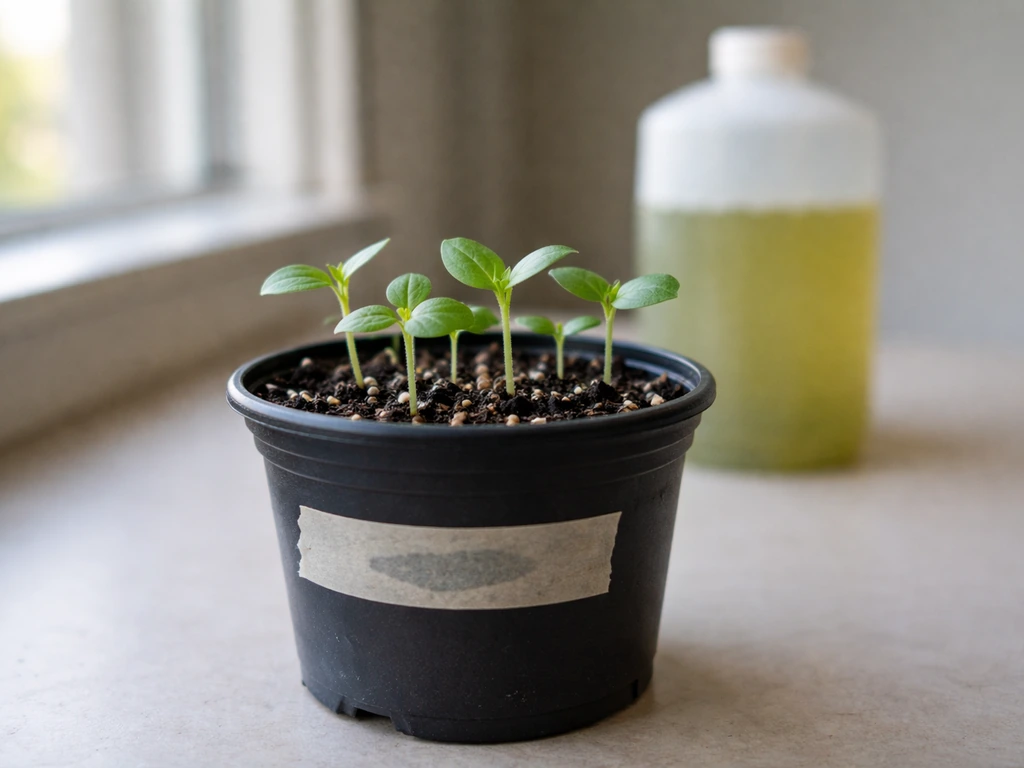
Do not feed seedlings with full-strength Easy Grow. Fresh seedlings draw from stored seed energy for the first week or so. If you are in a pre-amended soil, hold off entirely. If you are in an inert medium like coco or rockwool, introduce a very diluted solution, roughly 25 percent of the recommended rate, starting around day 7 when the first true leaves appear. EC should stay below 1.0 mS/cm at this stage.
Early to mid vegetative (weeks 2 to 5)
This is where Easy Grow earns its keep. Ramp up to half strength by week 2 to 3, then move to full label rate by weeks 4 to 5 as the plant puts on foliage. Feed every other watering in soil (plain water in between), or with every watering in coco since coco holds very few nutrients of its own. In a hydro reservoir, top off with fresh nutrient solution every 2 to 3 days and do a full reservoir change every 7 to 10 days.
Late vegetative and pre-flower (weeks 5 to 8)
Keep feeding at full vegetative rate until you are within a week or two of flipping to flower or the plant shows signs of transitioning. At this point you can maintain EC near the top of your veg range. Watch internodal spacing and leaf color closely; fast-growing plants at this stage have real nitrogen demand and will reward consistent feeding.
Flower and fruiting stage
Easy Grow is a vegetative nutrient. Once you flip to flower (or see the first signs of budding and fruiting), you need to transition to a bloom-focused formula with lower nitrogen and higher phosphorus and potassium. Continuing to push high-nitrogen vegetative nutrients into flower will delay and diminish your yield. Taper off Easy Grow over about 7 to 10 days as you introduce your bloom nutrient, rather than cutting it abruptly.
Pre-harvest flush
In the final 1 to 2 weeks before harvest, most growers flush with plain pH-adjusted water to clear residual salts from the medium. Stop all nutrient inputs, Easy Grow included, at this point.
Reading your plants and fixing problems
Your plants will tell you when something is off before your meter does, if you know what to look for. Here are the most common issues with Easy Grow use and how to correct them.
Signs you are overfeeding
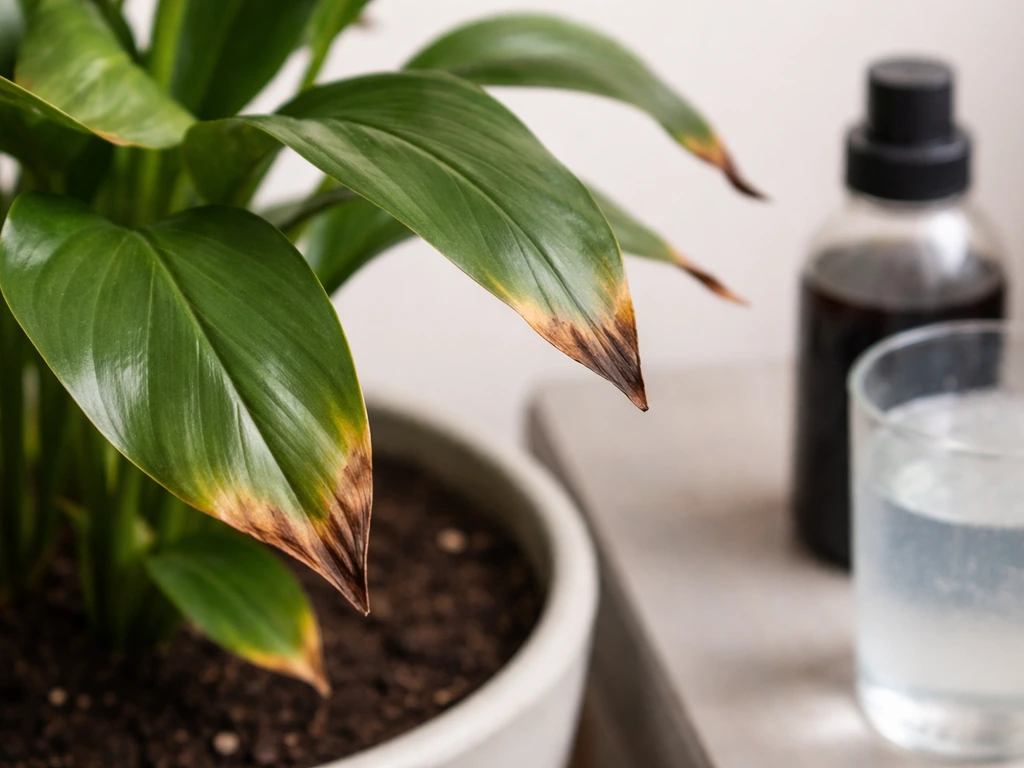
- Leaf tip burn (brown, crispy tips on lower or mid canopy leaves) is the earliest warning sign of nutrient excess or salt buildup
- Dark, almost blue-green leaves indicate nitrogen toxicity from pushing too much veg nutrient
- Clawing or downward-curled leaf tips, especially on lower leaves, often signals nitrogen excess
- White crusty buildup on the top of your growing medium or on container edges means salt accumulation
If you see these signs, cut your dose by 25 to 50 percent immediately, and flush the medium with plain pH-adjusted water (2 to 3 times the pot volume) to push out accumulated salts. Then resume feeding at the lower rate and watch for recovery over 5 to 7 days.
Signs you are underfeeding
- Pale or yellowing leaves starting from older (lower) growth, moving upward, usually signals nitrogen deficiency
- Slow growth, small new leaves, and stretched internodes despite good lighting
- Leaves losing color uniformly (yellowing all over) rather than in spots or patterns
If the plant looks hungry, gradually increase your dose by 25 percent per feeding and monitor. Do not double the rate all at once; that can shock roots that have adapted to lower concentration. Also check pH before assuming the plant needs more food, because a pH that is out of range will lock out nutrients even when they are present in the solution.
Common mistakes growers make with Easy Grow
- Skipping EC and pH checks because the product says 'pH stable': pH stable means the product resists large swings, not that you never need to check. Always verify.
- Using the same rate from seedling to late veg: plants at different stages have different demands. Ramp up gradually.
- Continuing to use Easy Grow (a veg nutrient) into the flowering stage instead of switching to a bloom formula.
- Never flushing between nutrient changes: salt buildup is cumulative. A flush every 3 to 4 weeks in soil and coco keeps the root zone clean.
- Mixing powder nutrients by volume instead of weight, resulting in inconsistent dosing batch to batch.
- Not running enough runoff in soil and coco: without 10 to 20 percent runoff, salts concentrate in the lower root zone and cause lockout.
Safety, storage, and cleanup
Fertilizers are generally low-hazard for home growers, but a little care goes a long way. The SDS for Easy Grow Plus is available from the supplier (QualiCan QAP Services) and is worth reading once. The basics: avoid inhaling powder dust when measuring (a dust mask is cheap insurance), wash hands after handling, and keep the product away from children and pets. The Easy Grow Plus SDS also advises washing hands after handling and using appropriate protective measures such as gloves, eye protection, and face protection, with a “WARNING” signal word blank" rel="noopener noreferrer">wash hands after handling, and keep the product away from children and pets.
For storage, keep Easy Grow in a cool, dry, dark location away from direct sunlight and moisture. Powder nutrients can clump or degrade if exposed to humidity, so reseal the bag or container tightly after each use. A shelf temperature between 10 and 25 degrees Celsius is ideal. Liquid versions should be kept from freezing, as emulsification can break down in cold temperatures. Shelf life for sealed, properly stored fertilizer is typically 2 to 3 years, but if the product has changed color, smells off, or has hardened into a solid mass, it is time to replace it.
For cleanup, rinse any mixing containers, measuring tools, and reservoir components with plain water immediately after use. Do not let nutrient solution dry in plastic containers or on rubber seals; dried mineral salts are harder to remove and can harbor bacteria in recirculating systems. A dilute hydrogen peroxide rinse (3 percent solution) works well for sanitizing reservoir components between full nutrient changes. Dispose of runoff and flush water following your local guidelines; nutrient-rich runoff should not go directly into storm drains.
What to do at your next watering
Before you fill your watering can or top off your reservoir, do this: confirm which Easy Grow product you have and locate the label or PDS for the exact gram or teaspoon rate. To get the best results, follow the label dosing and check pH and EC every time you use your pump to deliver the nutrient solution.
Mix to the lower end of the recommended rate if your plants are young or you are seeing any tip burn. Check pH and EC after mixing. Then water as normal, collect a small sample of runoff if you are in soil or coco, and measure its EC. If runoff EC is significantly higher than your input EC, that is salt accumulation and you need a flush before your next feed.
If everything looks in range, you are set. Adjust upward by 10 to 15 percent at the next feeding if plants look healthy and hungry. That is the whole loop: mix, check, feed, observe, adjust.
FAQ
How do I know whether I mixed Easy Grow at the right strength (soil, coco, or hydro)?
If your runoff or reservoir EC is higher than what you mixed, the most likely cause is salt buildup or incomplete drainage. In soil or coco, collect runoff from the same day you feed, then flush only if runoff EC stays noticeably elevated for 1 to 2 cycles. In hydro, do a full reservoir change sooner (every 7 days instead of 10) if EC is creeping upward even when you top off with fresh solution.
Does the order of mixing or when I adjust pH matter for Easy Grow?
For the best consistency, mix in the order of water first, then fertilizer, stir well, and only then adjust pH. If you adjust pH before the nutrients fully dissolve, you can end up with a pH drift over the next several minutes because some powders dissolve slowly.
Can I measure Easy Grow powder by teaspoons instead of grams?
Yes. If you are using the powder product, measuring “teaspoons” can be off because powders settle and vary in density. Use a kitchen scale when possible, or at minimum mix the same way every time (same spoon, same heaping method, and same scoop technique). If you must use volume, verify your strength by measuring EC after mixing.
Is it safe to mix Easy Grow with other fertilizers or supplements?
Do not combine Easy Grow with other base nutrients unless you are confident the label rates are meant to be used together. Many blends double up nitrogen and salts, which leads to tip burn and pH instability. If you want to add something, start by using Easy Grow alone for a week, then introduce one additive at a time and watch EC, pH, and leaf color.
What should I do if I accidentally skip a feed or fall behind schedule?
If you missed a feeding or watered with plain water, return gradually rather than jumping to full strength immediately. A practical approach is to resume at about 75 percent of the label rate for the next feeding, then move back to full once the new leaves and overall color look stable for 3 to 5 days.
My plants show signs of fertilizer stress, do I increase or decrease Easy Grow?
If you see leaf edge burn, weak growth, or a crusty medium surface, start by lowering the next dose by 25 to 50 percent and flush with pH-adjusted water (2 to 3 times the pot volume in soil). Avoid “watering more fertilizer” right away, because the symptom is usually excess salts or nutrient lockout, not a lack of food.
Can I apply Easy Grow as a foliar spray?
You can use foliar feeding only if that specific product is labeled for foliar use and the label provides a dilution. Even then, foliar application does not replace root feeding for vegetative nutrition, it’s usually an occasional supplement. Apply in low light or off-hours to reduce burn risk, and never foliar spray at full-strength rates unless the label explicitly says so.
Does Easy Grow dosing change if I’m growing in coco instead of soil?
With coco, be extra strict about consistent feeding and drainage, because coco holds less “buffer” than soil. If your irrigation method is prone to over-drying, you can get nutrient uptake swings that look like a deficiency even when EC is correct. Keep watering cycles consistent and check runoff EC to confirm stability.
Why does my pH keep drifting after I add Easy Grow?
If pH keeps drifting, it often means the product is being used outside its intended system or the water is unbalanced. First, confirm you are using the correct Easy Grow version for your media, then re-check pH right after mixing and again after 1 to 2 hours. If pH swings are large, consider using a different nutrient line built for recirculating hydro, or verify your pH adjustment strategy and water alkalinity.
How do I transition from veg dosing to bloom without stalling flowering?
At transition, keep nitrogen from spiking. Taper the vegetative nutrient over about a week by lowering Easy Grow dose stepwise while introducing bloom nutrients, then monitor internodal spacing and leaf color. If you already see bud formation, avoid restarting full veg dosing, instead use the bloom formula’s label rate as your reference.