Bananas grow best in warm, humid conditions and their "season" is really just a window when temperatures stay consistently above 15°C (59°F). In tropical climates, that window is basically the entire year. In subtropical or temperate zones, it shrinks to late spring through early fall, roughly May to September in the Northern Hemisphere. If you're growing indoors in containers or a hydroponic setup, the season is whenever you decide it is, because you control the environment. Let's break that down in practical terms so you know exactly when to plant and what to expect.
Banana Grow in Which Season: Planting Timing Guide
Marcus Holloway
18 Apr 2026
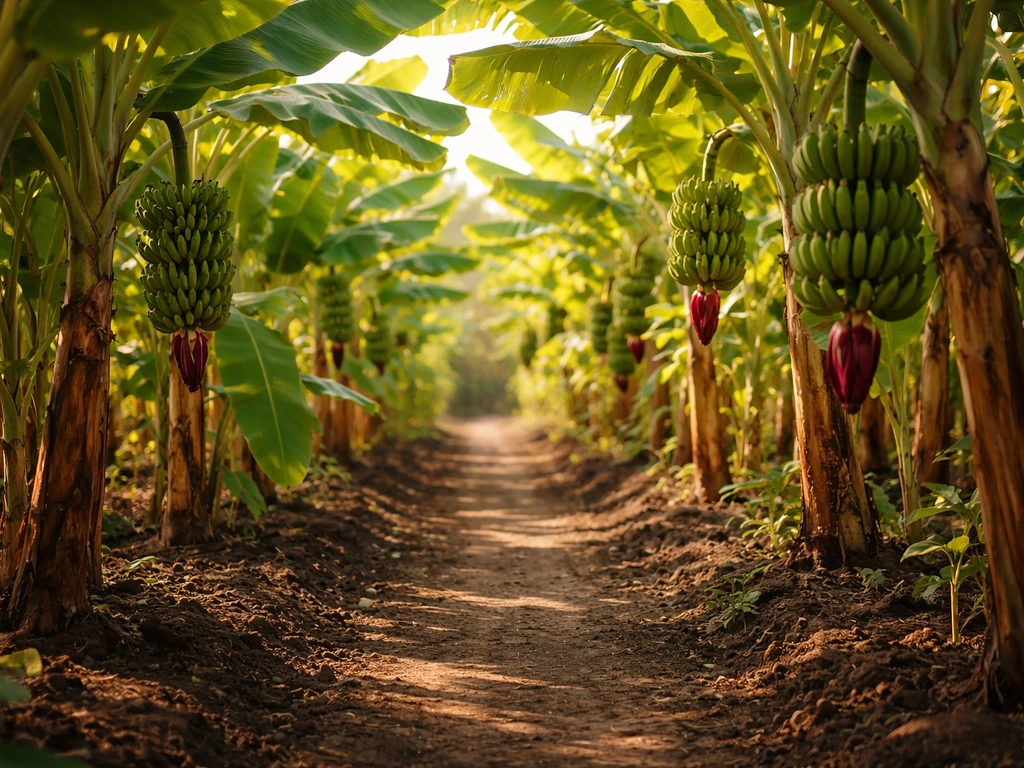
Banana growing seasons by climate
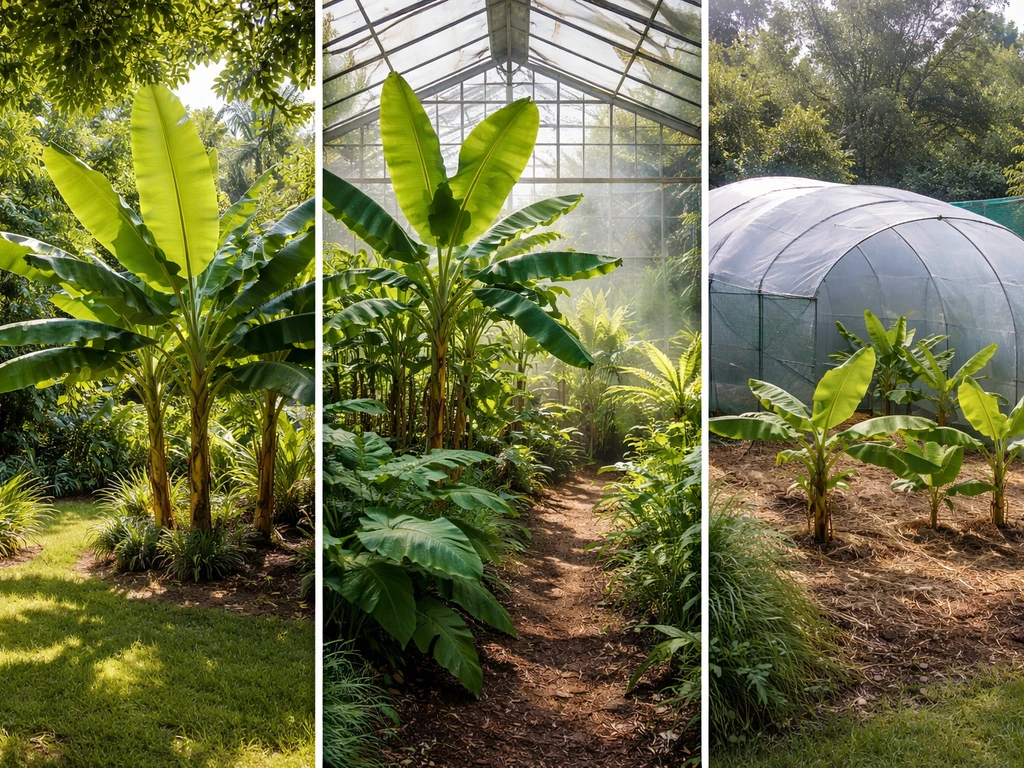
Where you live is the single biggest factor determining your banana season. Bananas are tropical plants optimized for mean temperatures around 27°C (81°F), and they flatly stop growing below about 15°C (59°F). Drop below 12°C (54°F) and you're looking at real physiological damage, not just slow growth.
| Climate Type | Growing Season | Notes |
|---|---|---|
| Tropical (USDA Zones 10–13) | Year-round | Active growth all 12 months; harvest cycles overlap continuously |
| Subtropical (Zones 9–10) | March to November | Brief cool pause in winter; protect roots during cold snaps |
| Warm Temperate (Zones 8–9) | May to September | Limited season; choose fast-maturing varieties or grow in containers |
| Cool Temperate (Zones 7 and below) | Containers/indoors only | Outdoor growing is not practical without season extension technology |
In practice, subtropical growers in places like Florida, Southern California, and coastal Mediterranean regions get roughly eight to nine months of productive growing weather. The plant may survive a brief cool period if the roots are mulched heavily and temperatures don't crash, but above-ground growth will stall. In cooler temperate regions, the outdoor banana growing "season" is too short to complete a full growth cycle from sucker to harvest, which is why container and indoor growing becomes the practical answer.
Best time to plant bananas
The ideal planting window is when nighttime temperatures have reliably cleared 15°C and are trending upward, not just touching that threshold and dropping back. For most subtropical growers, that means mid-spring, roughly late March through April in the Northern Hemisphere, or late September through October in the Southern Hemisphere. This gives the plant a full warm season to establish, push out leaves, and start working toward the vegetative mass it needs before flowering.
Suckers vs. tissue-cultured plantlets
Most home growers start with suckers (pups from an established mat) or tissue-cultured plantlets from a nursery. Suckers can be planted as soon as soil temperatures warm up and frosts are done. Tissue-cultured plantlets need a little more care at the start: they typically produce new roots within four to five days of being weaned from their culture environment and push new leaves within eight to ten days, but they're fragile at first. Harden them off in partial shade for two to three weeks before full sun exposure. Once a tissue-cultured plant is properly established in the field or in a container, it can reach harvest in as little as nine to ten months from transplant. Texas A&M AgriLife notes that after planting, the true stem emerges and later bears fruit, which helps place that transplant-to-harvest timing on a practical production timeline it can reach harvest in as little as nine to ten months from transplant. That's a meaningful timeline advantage over a large sucker, which can take twelve to eighteen months depending on the variety and conditions.
Ideal temperature and sunlight ranges
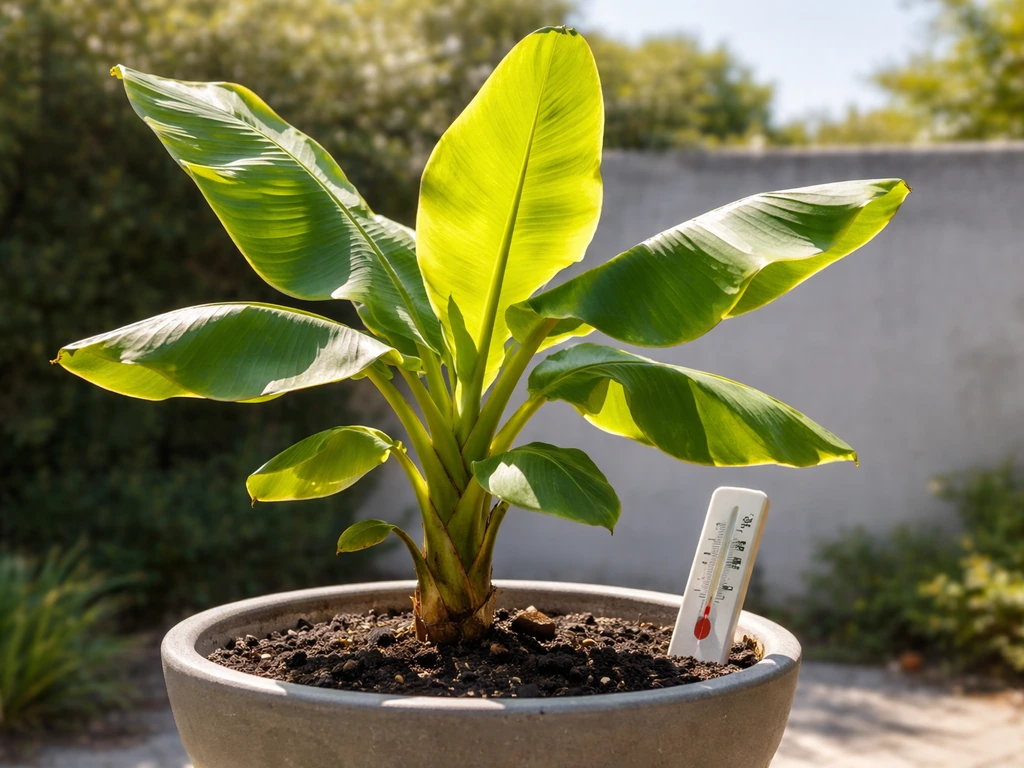
Bananas want at least six to eight hours of direct sunlight daily. Full sun is not optional, it's how these plants generate the energy to build that massive pseudostem and fruit bunch. On the temperature side, here's the practical breakdown you need to keep in mind:
- Below 12°C (54°F): Growth stops and physiological damage begins. Leaves will show chilling injury.
- 12°C to 15°C (54°F to 59°F): Marginal zone. Very slow growth, high stress risk.
- 15°C to 20°C (59°F to 68°F): Slow but functional growth. Not ideal.
- 20°C to 30°C (68°F to 86°F): Sweet spot. Optimal growth and fruiting happens here.
- 27°C (81°F) mean: The research-backed optimum for banana productivity.
- Above 38°C (100°F): Heat stress kicks in. Leaves scorch and flowers can abort.
Freeze damage is a different category entirely. When temperatures drop below 0°C (32°F), above-ground parts show a water-soaked appearance initially, followed by browning, desiccation, and death of leaves, pseudostems, and any fruit on the plant. The underground rhizome can sometimes survive a brief freeze if it's healthy and well-mulched, letting the plant regrow from the base, but you lose the current season's crop entirely.
Indoor vs. outdoor planting season
This is where the site's focus on both soil and hydroponic growing really matters. Outdoors, you're at the mercy of your local climate, and the "season" question is legitimate and constraining. Indoors, in a container or a hydroponic system, you essentially eliminate the season variable. You can start bananas any month of the year as long as your grow space maintains the right conditions.
Hydroponic and container timing
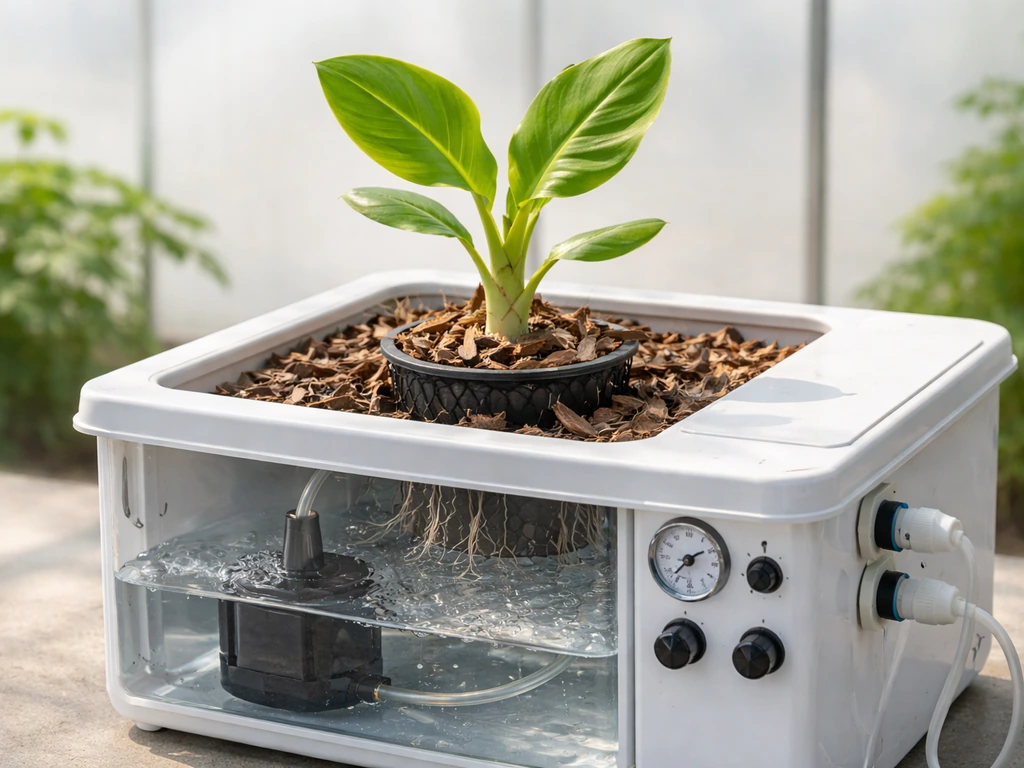
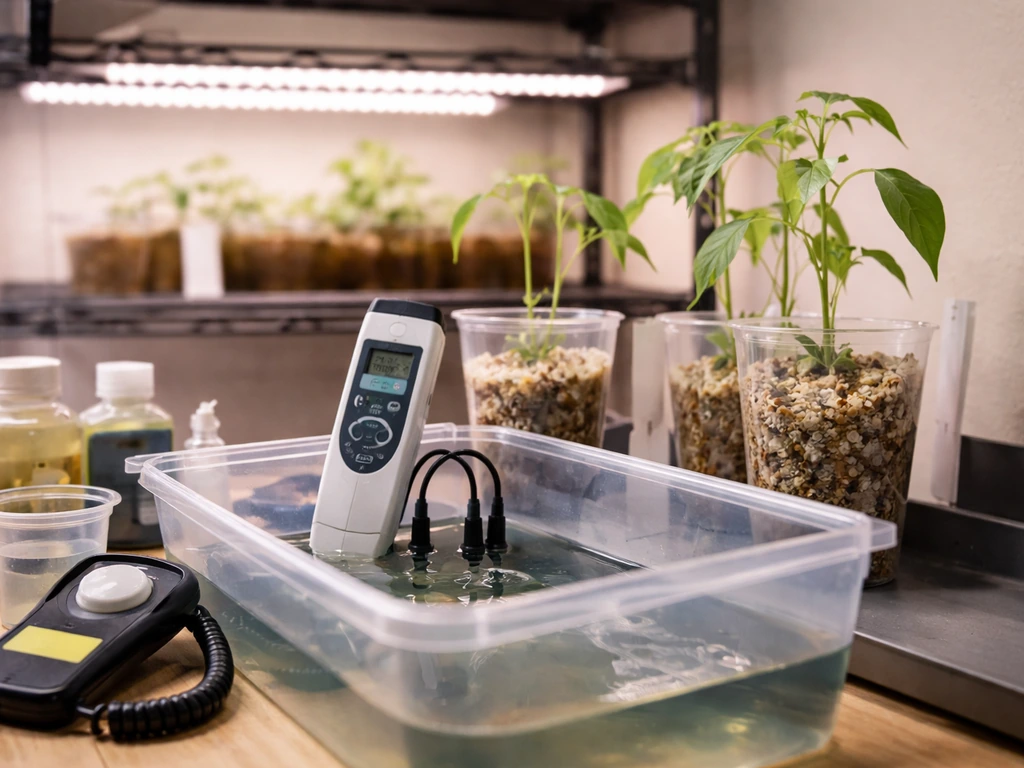
If you're running bananas in a hydroponic setup, the main seasonal consideration is not when to start, it's making sure your system parameters are dialed in consistently. Target a nutrient solution pH of 5.5 to 6.5 and an EC of 1.8 to 2.2. Keep water temperature in the 72 to 75°F (22 to 24°C) range to maintain healthy root-zone activity and prevent pathogen pressure. These targets keep banana roots comfortable and nutrient uptake efficient year-round regardless of what's happening outside. One practical tip: if you're running a deep water culture or NFT system and your reservoir is in a garage or basement that gets cold in winter, your water temp will drift below the safe range. A submersible aquarium heater or inline water heater solves this.
Container growers moving plants in and out seasonally should plan the transition carefully. Move pots outside only after nighttime temps have cleared 15°C consistently, and bring them back in well before the first expected cold snap in fall. Because container volume limits root spread, you'll also need to be more attentive to nutrient levels and watering frequency during peak summer growth. This is also a good moment to think about when to adjust your feeding program: when to switch from grow to bloom nutrients is a question that comes up naturally once your banana plant starts showing its first flower bract, and getting that transition right can make a real difference in bunch development.
Month-by-month seasonal calendar
This calendar is written for subtropical and warm temperate growers in the Northern Hemisphere (approximate Zones 8b to 10). Tropical growers can compress the "preparation" phases and run a year-round cycle. Adjust months by six for Southern Hemisphere timing.
| Month(s) | Stage | Key Tasks |
|---|---|---|
| January to February | Dormancy / Planning | Protect roots with heavy mulch. Order tissue-cultured plantlets or identify healthy suckers. Plan variety selection. |
| March to April | Pre-planting prep | Amend soil, set up containers or hydro system. Start hardening off tissue-cultured plantlets indoors. |
| April to May | Planting | Transplant suckers or established plantlets once nights clear 15°C. Water in well, mulch heavily. |
| May to July | Early vegetative growth | Rapid leaf production begins. Begin full nutrient program. Watch for aphids and spider mites as temperatures rise. |
| July to September | Peak vegetative / Pre-flowering | Tallest pseudostem growth. Ensure consistent moisture. Begin transitioning nutrients as flower bract emerges. |
| August to October | Flowering and bunch development | Flower bract opens. First hand opens — start your 75 to 90 day harvest countdown from this point. |
| October to December | Harvest window | Harvest when fingers are plump and angular edges round out. Cut bunch, remove old pseudostem, allow pups to take over. |
| November to December | Season wind-down | Protect remaining plants from cooling temps. Mulch heavily. Bring containers indoors. |
One thing to lock in: once the first hand (the first tier of bananas on the bunch) opens, you're looking at roughly 75 to 90 days before the bunch is harvest-ready. Don't harvest early based on size alone; fingers need to round out and lose their angular shape. Knowing this count helps you backward-plan. If your first hand opens in late August, you're harvesting in November, which in cooler zones means you need to protect that bunch from cold as it finishes ripening. Understanding when to harvest your outdoor grow at the right moment is just as important as getting the planting timing right.
Seasonal problems and how to fix them fast
Cold stress
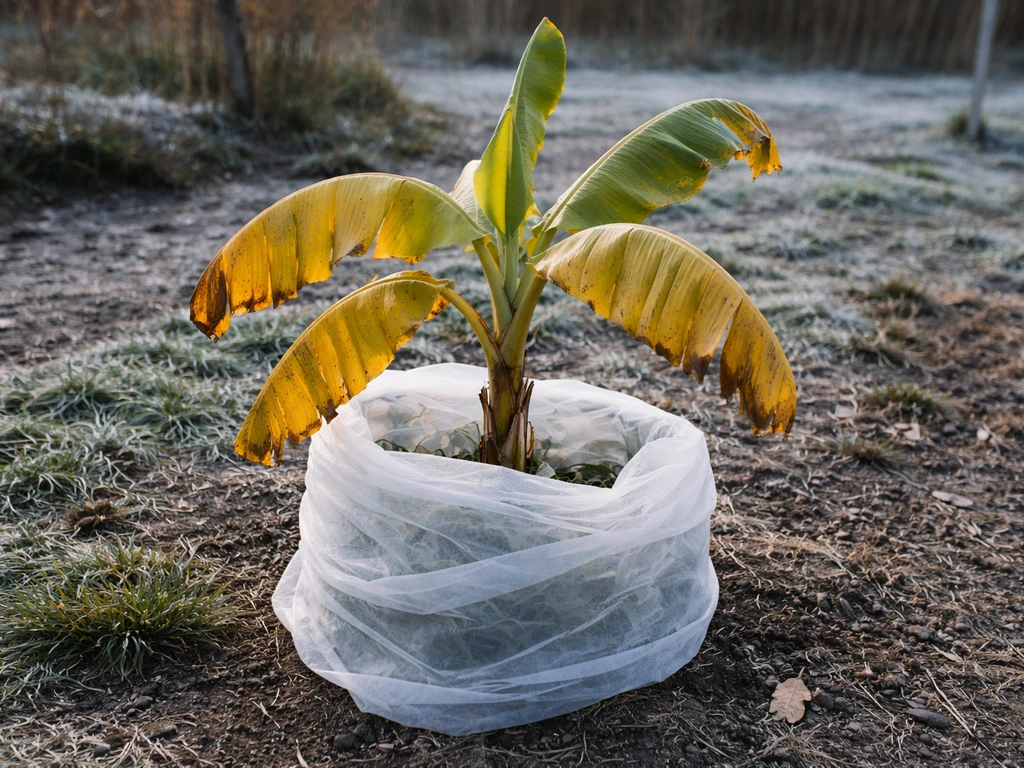
Cold stress is the most common seasonal killer for banana growers outside the tropics. Early symptoms are leaf yellowing and slowed growth. More serious chilling (below 12°C) shows up as brown leaf margins, curling, and a general loss of turgor. UC Davis Postharvest (Ask Produce Docs) notes that temperatures below 12°C (54°F) cause chilling injury that prevents normal ripening responses, and it also distinguishes fruit temperature from air temperature More serious chilling (below 12°C) shows up as brown leaf margins, curling, and a general loss of turgor.. Freeze damage looks different: leaves develop a water-soaked, dark, translucent appearance before collapsing and browning completely. The fix for mild cold stress is straightforward: mulch the base heavily (four to six inches of organic mulch over the root zone), add row cover or frost cloth over the plant on cold nights, and stop fertilizing until temperatures recover since cold roots can't absorb nutrients anyway.
Drought stress
Drought stress in bananas shows up as leaves folding lengthwise (the plant's way of reducing transpiration surface), followed by pale green to yellow coloring and premature leaf death. Bananas have a massive leaf area relative to root volume, so they dry out faster than you'd expect during hot, dry spells. The fix is consistent deep watering at the base rather than frequent shallow sprinkles, and a thick mulch layer to retain soil moisture. In hydroponic setups, drought stress translates to depleted reservoir levels or blocked emitters, so check your system daily during peak summer heat.
Seasonal pest pressure
Aphids, spider mites, and banana weevils all ramp up during warm dry periods. Aphids cluster on new growth and the undersides of younger leaves; a strong water spray or insecticidal soap knocks them back quickly. Spider mites thrive when humidity drops in late summer, so increasing irrigation frequency and misting foliage helps deter them. Banana weevil borers are more serious and attack the pseudostem from the base; the best control is removing and destroying old pseudostems promptly after harvest and not leaving decaying plant material on the ground. If you're also growing other plants in the same space, the kind of integrated pest management thinking that applies to any outdoor grow, like what you'd use in a do si dos outdoor grow situation, translates well: monitor consistently, intervene early, and don't let pressure build before you act.
Nutrient timing issues
One mistake growers make is maintaining a heavy vegetative nutrient program all the way into flowering. Once the flower bract emerges, your banana's nutritional priorities shift and you should adjust accordingly. If you're unsure how to manage that mid-cycle transition, the principles behind switching nutrients mid grow apply here: it's not about a hard cutover, it's about gradually shifting your ratios to support the fruiting phase without shocking the plant. For outdoor growers specifically, the timing of that shift lines up with seasonal cues, so understanding when to switch from grow to bloom nutrients outdoors based on your plant's actual stage rather than the calendar is the smarter approach.
Picking varieties to match your harvest window
Variety selection is where you can actually engineer your timeline. If you're in a climate with a short warm season, choosing a fast-maturing dwarf variety like Dwarf Cavendish or Dwarf Brazilian gives you a better shot at completing the cycle before temperatures drop. These compact types also work well in containers for growers who move plants in and out seasonally. Larger varieties like Williams or Grand Nain take longer and need more vertical space, but they produce bigger bunches and handle subtropical conditions well.
| Variety | Mature Height | Time to Fruit | Best For |
|---|---|---|---|
| Dwarf Cavendish | 1.5 to 2.5 m | 9 to 12 months | Containers, short seasons, cool-zone growers |
| Grand Nain | 2.5 to 3.5 m | 11 to 14 months | Subtropical outdoor growing, full season climates |
| Williams Hybrid | 3 to 4 m | 12 to 15 months | Tropical and warm subtropical, large-space growers |
| Ice Cream (Blue Java) | 4 to 6 m | 15 to 24 months | Warm subtropical, unique flavor, longer commitment |
| Dwarf Brazilian (Mysore) | 2 to 3 m | 10 to 13 months | Heat-tolerant, good drought resistance, subtropical |
For growers in Zones 8b to 9 with a six-month warm window, Dwarf Cavendish started from a tissue-cultured plantlet in April can realistically produce a bunch by the following spring if you bring it inside or protect it through its first winter. That's not a guarantee, it depends on how well you manage cold protection, but it's achievable. In full subtropical and tropical climates, you have the flexibility to choose based on taste and bunch size rather than racing against a seasonal clock.
The bottom line: bananas grow in the warm season, and that window runs from when nighttime temperatures reliably clear 15°C to when they start dropping back toward that threshold in fall. In the tropics, that's all year. In subtropical zones, it's roughly eight to nine months. In cool-temperate climates, it's containers or hydroponics, full stop. Pick a variety that fits your actual seasonal window, plant at the right time, keep temperatures and nutrients consistent, and you'll have bananas on a timeline you can actually plan around.
FAQ
Can I plant bananas when daytime temperatures are warm, but nights are still cool?
Even if days are warm, bananas will not establish reliably if nighttime stays near or below 15°C for long stretches. A common mistake is starting right after the last frost when cold nights linger, which delays root establishment and pushes flowering outside the safe window.
What should I do if I already planted, and a late cold snap is forecast?
If a cold snap threatens after planting, prioritize protecting the leaf crown and keeping the root zone insulated rather than trying to “force” growth with extra fertilizer. Heavy mulch plus row cover works best for short dips, and you should pause feeding until temperatures recover.
After a brief freeze, will my banana regrow, or should I replant right away?
Freeze losses are usually total for the current season above ground, but the underground rhizome can survive if the soil is insulated and the freeze is brief. To improve odds, keep mulch deep, avoid soggy soil that can worsen cold injury, and assess after temperatures stabilize before replanting.
Why do tissue-cultured banana plantlets sometimes stall even when planted on time?
Tissue-cultured plantlets can look healthy above ground but still fail to thrive if the root zone stays cold or waterlogged. Plant when the soil warms, keep drainage excellent, and avoid moving them straight into hot afternoon sun before they harden off.
Can I grow bananas year-round indoors without any natural season timing?
Yes, but success depends on how well you control heat and light. Indoor banana “season” is not only temperature, you also need consistent direct light (or strong grow lights) and stable airflow. Without these, leaves elongate weakly and flowering timing slips.
How should I handle moving container bananas outside and back in during fall?
For containers, the best rule is to treat night temperature as the trigger, not the calendar date. Move outside only after nighttime reliably clears 15°C, and bring them back before the first sustained period of cool nights, since slow cold stress can damage the plant even without a hard freeze.
Does the 75 to 90 day harvest timeline stay accurate if my banana flowers earlier than normal?
Flowering timing depends on how fast the plant accumulates warm growth, so the “75 to 90 days from first hand opening” is most useful once you see the actual bract and hand development. If your plant flowers earlier or later than expected, harvest planning should shift accordingly.
How often should I water bananas during the warm months without causing root problems?
Deep watering is usually better than frequent shallow watering, because bananas have a large leaf area and draw heavily, but they still need oxygen at the roots. Let the top layer dry slightly between waterings, then water thoroughly at the base to avoid chronic water stress.
When is the right moment to switch nutrients for bananas, relative to the first signs of flowering?
Start the grow-to-bloom shift based on plant stage, not just when you first see a flower tip. Once the flowering structure emerges, gradually adjust nutrients rather than abruptly changing everything, and keep potassium and supportive micronutrients steady to support bunch filling.
How do I choose a banana variety if my warm season is short?
Yes, variety can change your “banana season” window meaningfully in cool areas. Dwarf types often finish faster and fit containers, but the tradeoff is smaller bunch size, and you still need protection through winter to preserve the cycle.
If my area gets brief cold weather, can I still expect a full harvest in the same year?
Yes, in subtropical zones a plant can survive brief cool periods, but it will stall during cold root activity below the safe range. That means you may not get enough vegetative buildup before the next cool period, so plan for a longer establishment or use protection.
What is the most common seasonal failure in hydroponic banana growing?
In hydroponics, the biggest “season” risk is water temperature drifting low in cold months, not just nutrient ratios. Use a heater and monitor daily, because root-zone cold can reduce nutrient uptake even when pH and EC look correct.