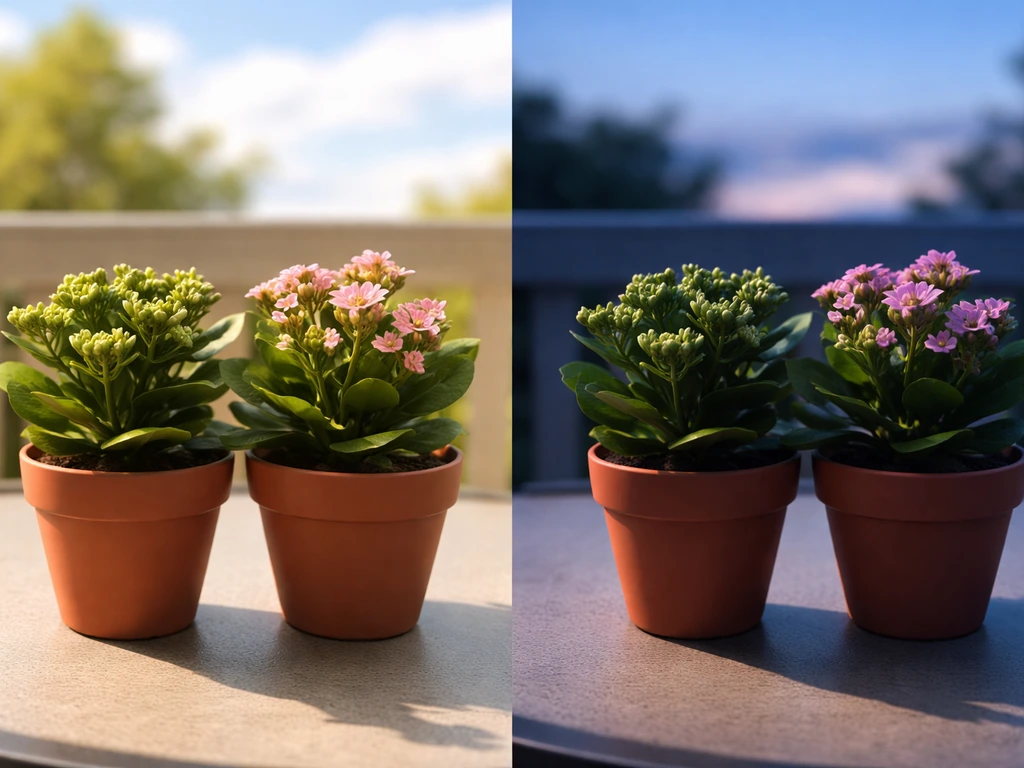
Switch from grow to bloom nutrients when your plant shows its first pre-flowers or pistils, not on a fixed calendar date. For most outdoor photoperiod plants, that moment arrives naturally as day length shortens in late summer, typically around late July to mid-August in the Northern Hemisphere.
When Should I Switch From Grow to Bloom Outdoors?

Marcus Holloway
25 Apr 2026

The exact trigger is your plant's own biology: once you see those first white hairs (pistils) or tiny bud sites forming at the nodes, your plant has committed to flowering and its nutrient priorities have already shifted. Grow Weed Easy describes early flowering or pre-flower indicators as white pistils, or hairs, that form at the joints where fan leaves meet the stem first white hairs (pistils) or tiny bud sites forming at the nodes.
That's your cue to start transitioning.
What grow and bloom nutrients are actually doing
Grow formulas are nitrogen-heavy for a reason. During the vegetative stage, your plant is building stems, leaves, and a root system. Nitrogen drives all of that, fueling chlorophyll production and rapid cell division. A typical grow formula like FloraNova Grow delivers high N relative to phosphorus (P) and potassium (K) because that's what a plant building biomass needs most.
Bloom formulas flip that priority. Once a plant commits to flowering, phosphorus becomes critical for DNA replication, energy transfer, and flower initiation. Potassium regulates water movement, enzyme activation, and overall metabolic function during fruit and flower development. Magnesium and sulfur also become more important at this stage. General Hydroponics' FloraBloom, for example, is specifically formulated to deliver phosphorus, potassium, magnesium, and sulfur to drive flower and fruit development. Notice that bloom formulas don't eliminate nitrogen entirely, because the plant still needs it for energy and metabolic work, but the ratio shifts decisively toward P and K.
The key biological insight is this: high nitrogen during flowering actively works against you. It pushes continued vegetative growth and can suppress flower development. That's why getting the switch timing right, not too early and not too late, actually matters for your final yield.
Outdoor timing: when the switch happens by plant stage
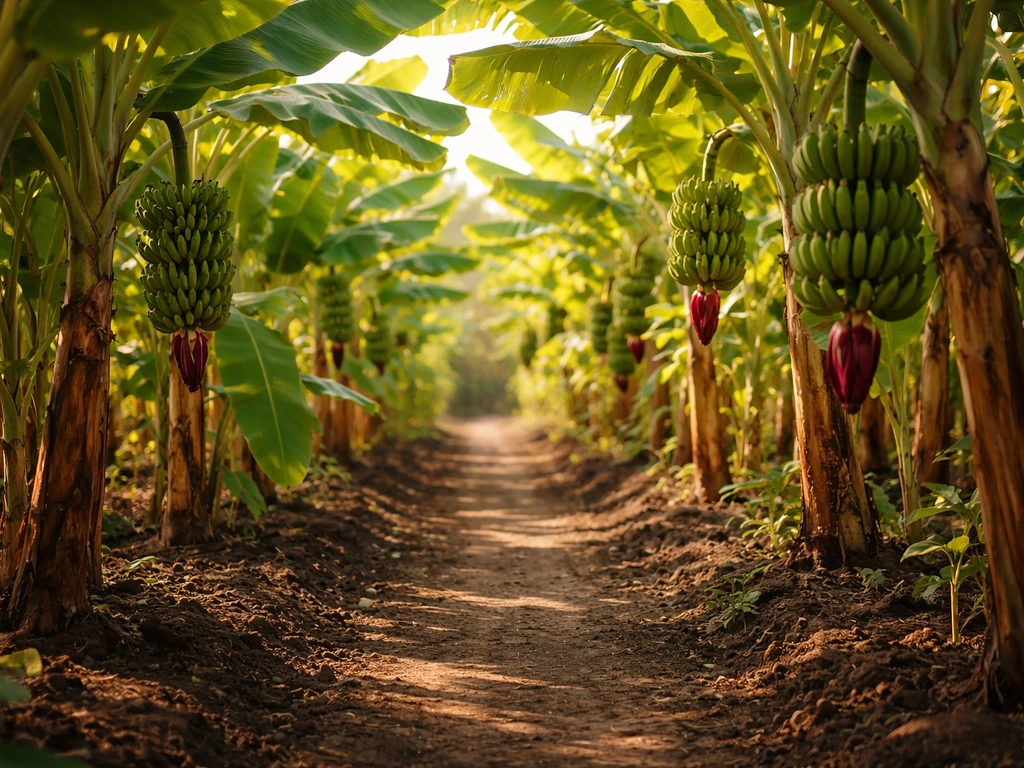
Outdoor plants run on sunlight duration, so your switch timing is driven by the seasonal light cycle, not a grow-room timer. Here's how the outdoor calendar maps to plant stage in the Northern Hemisphere for photoperiod crops like cannabis: For bananas grown outdoors, the right season depends on your local climate, but warm weather and enough sunlight are the key drivers banana grow in which season.
| Stage | Approximate Outdoor Dates (Northern Hemisphere) | Nutrient Focus |
|---|---|---|
| Full Veg | Spring through late June / early July | High nitrogen grow formula |
| Pre-Flower / Transition | Late July to early August | Blend grow and bloom (50/50 or taper) |
| Early Bloom / Stretch | Mid-August | Shift to bloom-dominant, retain some N |
| Mid Bloom | Late August through September | Full bloom formula, higher P and K |
| Late Bloom / Finishing | Late September to October | Taper or flush, reduce all nutrients |
| Harvest | October (strain-dependent) | Water only or minimal flush |
In the Southern Hemisphere, flip those dates by six months. The point is that dates are just approximations. A hot summer can delay pre-flower slightly, a cloudy stretch can accelerate it. Use the dates as a rough anchor, but rely on your plant's physical signals to make the actual call.
How to spot the right moment: pre-flower, stretch, and early bud signals
This is where experienced growers have a real advantage over calendar-only thinking. Here's what to look for, in order:
- Pre-flowers at the nodes: The first sign is tiny pistils (white hair-like structures) appearing at the junction between the stem and branch. This is your earliest warning that the shift is happening, usually 1–2 weeks before full flower development.
- Internodal stretch: Right after pre-flower, many plants go through a 'flowering stretch,' rapidly adding height and spacing out new growth nodes. For cannabis-type crops, this can mean doubling in height over 1–2 weeks. During this stretch phase, the plant still needs some nitrogen to support all that new tissue.
- Visible bud sites: Once small clusters of developing flowers appear at multiple nodes, the plant is in early bloom. This is when you want your bloom formula fully in rotation.
- Slowing vertical growth: When stretch stops and the plant focuses energy on building out flower sites rather than gaining height, you are solidly in mid-bloom territory.
The practical takeaway: start your nutrient transition at the first pre-flowers, not after you see full buds. For many outdoor growers, dialing in the do si dos outdoor grow approach starts with getting the grow-to-bloom nutrient switch timed to the plant’s first pre-flower signals. Waiting until you have obvious bud development means you missed the window by at least a week, sometimes two.
Different crops, different rules
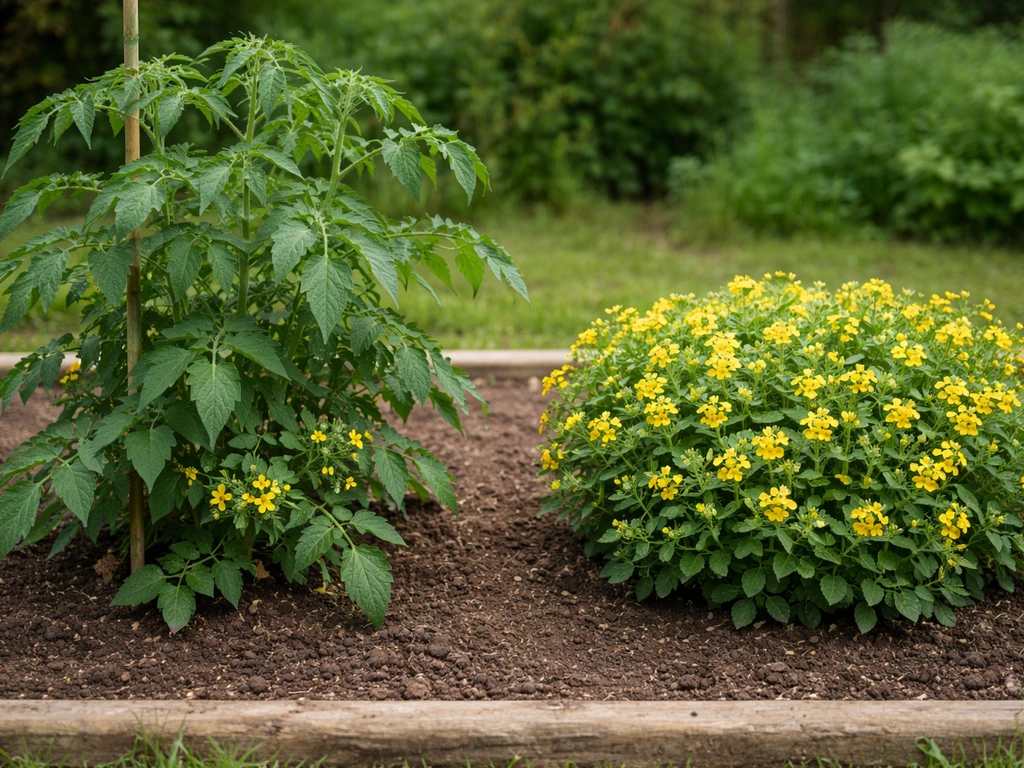
Most of this guide applies directly to photoperiod flowering crops like cannabis, tomatoes, peppers, and annual flowers. But your crop type matters for how you time and manage the transition.
Indeterminate crops (tomatoes, some peppers)
Indeterminate plants are tricky because they keep producing new vegetative growth at the tip while simultaneously flowering and fruiting lower down on the plant. This means they never fully 'stop' needing nitrogen the way a determinate plant does. For these, you should shift toward bloom ratios but not eliminate nitrogen as aggressively. Keep some N in the mix throughout the season, just make sure P and K are dominant once the first flower clusters appear. The UC Davis principle applies here: nitrogen uptake is highest during leaf development and early fruit set, but slows later as the plant translocates N into developing fruit.
Determinate crops and cannabis-style photoperiod plants
These follow the cleanest arc: veg, transition, bloom, finish. The nutrient switch is most straightforward here. Once stretch starts, you move firmly to a bloom-dominant feed and stay there until you begin tapering for harvest.
Annual flowers and mixed beds
For ornamental flowering annuals grown outdoors, the same logic applies. Once you see the first flower buds forming, reduce your nitrogen input and increase P and K. The timeline tends to be more gradual than with cannabis, but the biological principle is identical.
How to switch nutrients without shocking your plants
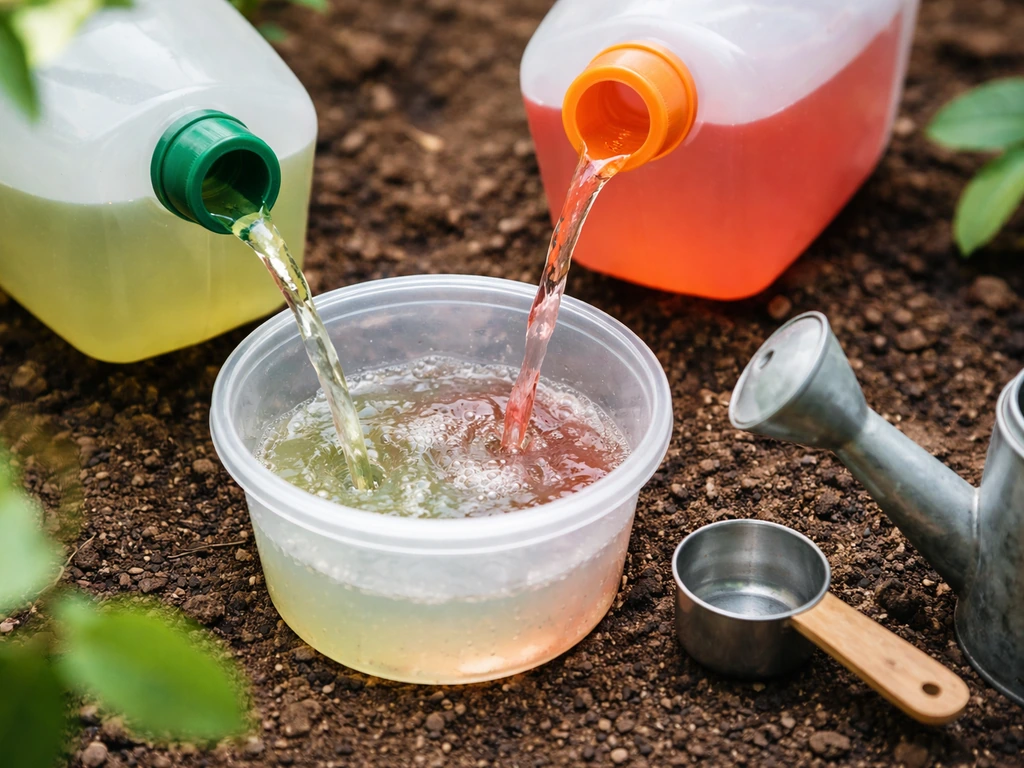
The worst thing you can do is flip from full-strength grow to full-strength bloom in one feeding. Here's how to do it cleanly, with slightly different approaches for soil versus outdoor hydro.
The transition blend approach
At the first sign of pre-flowers, mix your grow and bloom formulas at roughly a 50:50 ratio for the first week of transition. Over the following 1–2 weeks, shift to 25% grow and 75% bloom, then move to full bloom formula by the time stretch is finishing. This mirrors what the plant is actually doing biologically: it's not an on/off switch, it's a gradient.
Soil outdoor growers
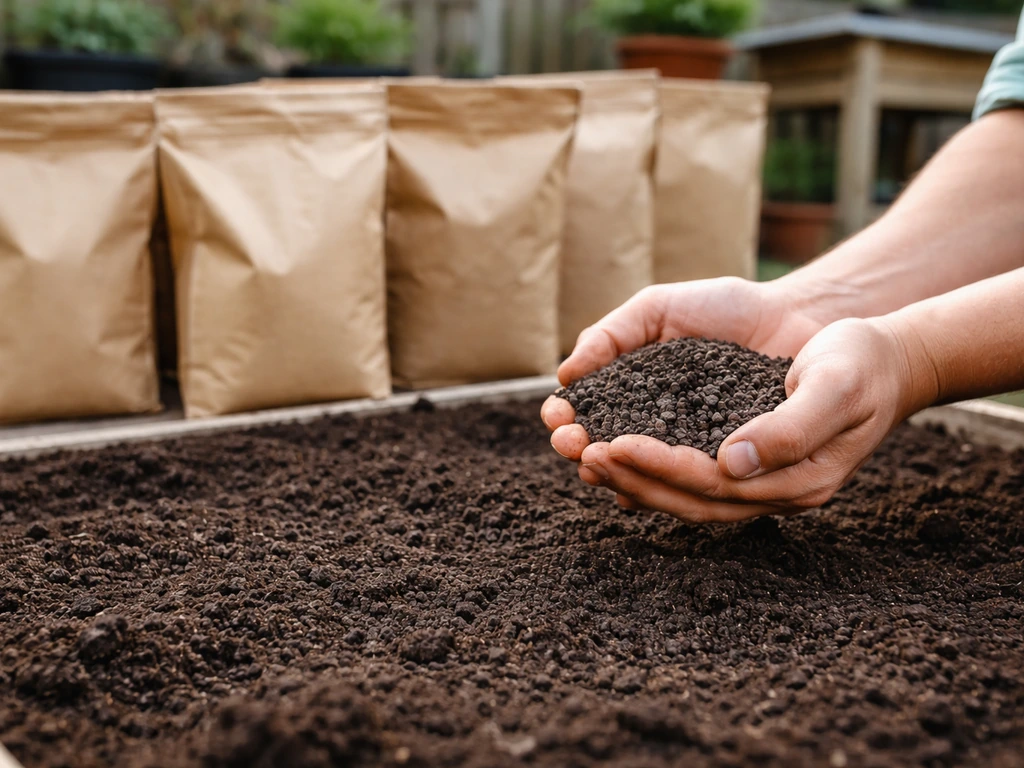
Soil buffers nutrient changes naturally, which is both a benefit and a risk. The buffering means a gradual transition is forgiving, but it also means nutrients linger longer and salt buildup from concentrated bloom formulas can accumulate. Check your runoff EC during the switch. If you're seeing EC in runoff consistently above 3.0 dS/m, you're building up salt load and need to water through with plain pH-adjusted water (no nutrients) to flush the excess down below the root zone. For reference, leaching salts effectively in outdoor soil requires pushing enough water through: roughly 6 inches of water reduces salinity about 50%, and 12 inches reduces it around 80%. Make sure your containers or beds drain freely.
For soil pH, aim to keep your root zone between 6.0 and 7.0. Below 6.0, phosphorus and calcium availability drops fast. Above 7.0, iron and manganese can lock out. During the bloom switch, when you're suddenly delivering more P and K, a pH drift can cause apparent deficiencies even when your nutrient solution is correctly formulated. Test your runoff or soil slurry pH at every other watering during the transition.
Outdoor hydro growers
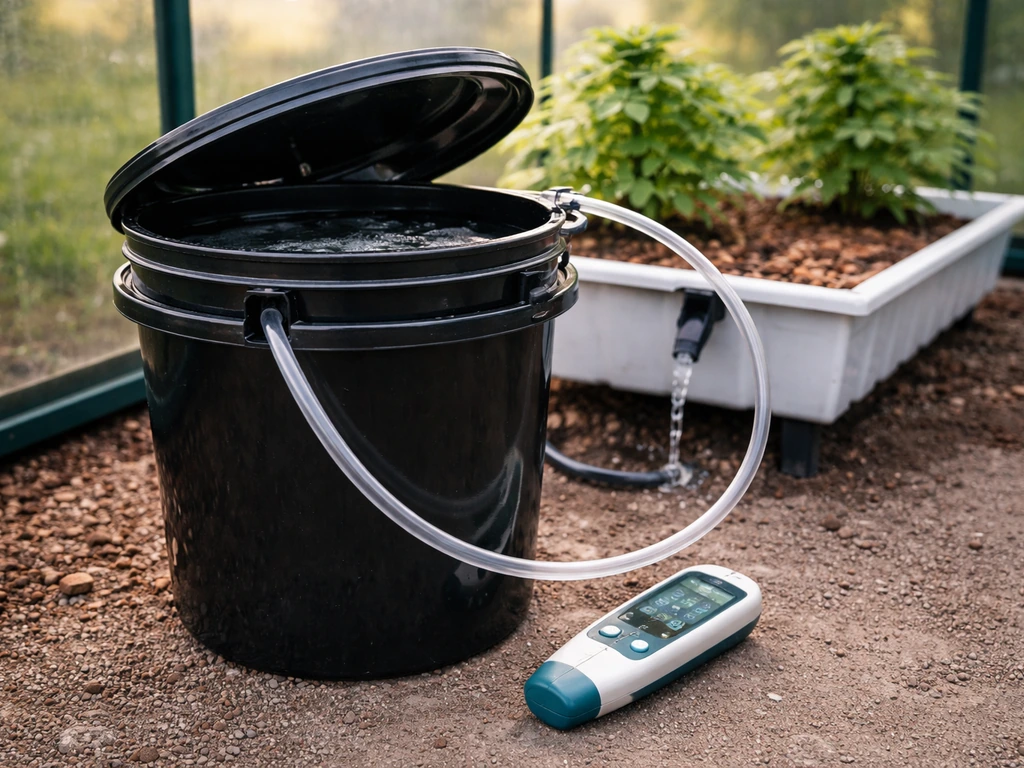
Hydro systems outdoors (including ebb and flow, DWC buckets, or NFT runs in greenhouse/outdoor setups) respond to nutrient changes much faster because there's no soil buffer. That's a double-edged advantage. You can dial in your bloom formula precisely, but a wrong mix hits the roots immediately. When transitioning, drain or dilute your reservoir first rather than simply adding bloom nutrients on top of an existing grow solution.
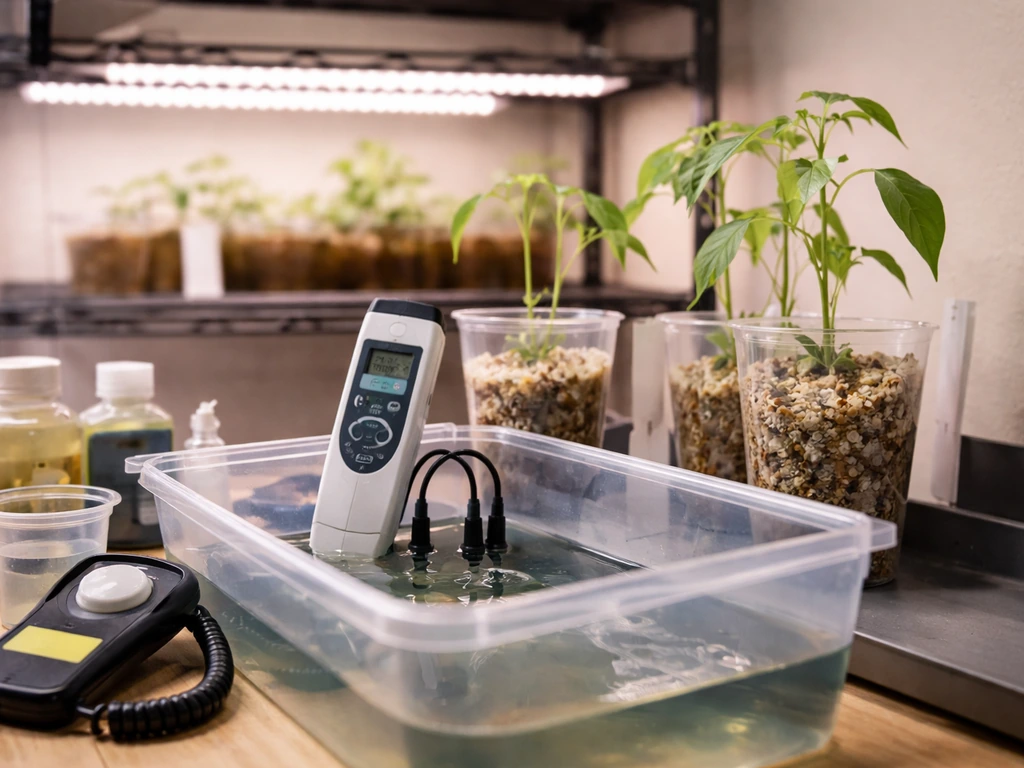
Target EC between 1.0 and 2.5 dS/m during early bloom, edging toward 2.0–3.0 dS/m through mid-bloom. Keep pH tightly in the 5.5–6.0 range for most hydroponic crops. Outside that window, phosphorus uptake in particular degrades quickly, meaning your bloom formula stops working even if it's correctly mixed. Check pH daily during the transition week because the shift in nutrient composition can cause pH drift in your reservoir. One caution specific to multi-part systems like General Hydroponics FloraPro or similar two-tank setups: never mix concentrated calcium/micro solutions directly with concentrated phosphorus or potassium concentrates. The calcium will precipitate out, clogging equipment and pulling nutrients out of solution before they reach the roots.
What goes wrong and how to fix it
Yellowing leaves after switching

Some lower leaf yellowing in early bloom is actually normal: the plant is mobilizing nitrogen from old leaves and relocating it to developing flower sites. This should be gradual and mostly affect the oldest, lowest leaves. If yellowing is rapid, climbing up the plant quickly, or affecting new growth, that's a problem. Causes can include: switching too abruptly and dropping nitrogen too fast, pH drift causing nutrient lockout (making the plant deficient even though your mix is correct), or starting bloom formula before the plant had adequate veg time. For the first two, check pH and EC immediately. For the third, consider a partial nitrogen supplement for one to two feedings while you let the plant stabilize.
Stalled bud development or weak flowers
If your plant pre-flowered weeks ago but bud sites just aren't filling out, the most common culprits are: switching to bloom formula too late (so the plant was running on high nitrogen while trying to flower), P and K values too low in your bloom mix for the crop's needs, or EC too low overall meaning the plant is underfed during its highest-demand phase. Confirm you're at the right EC for mid-bloom, bump P and K if you're using a flexible nutrient system, and make sure your runoff pH isn't locking out phosphorus.
Nutrient lockout
Lockout during the grow-to-bloom switch is almost always a pH problem. You changed formulations, the new mix shifted your reservoir or soil pH, and suddenly key nutrients are no longer available even though they're present. In soil, check runoff pH. In hydro, check reservoir pH. Bring pH back into range (6.0–7.0 for soil, 5.5–6.0 for hydro) with pH-up or pH-down solution before adding any more nutrients. If lockout has been going on for more than a few days, a clean flush with pH-adjusted water followed by a fresh, properly diluted bloom solution is the fastest reset.
Salt buildup (especially in containers)
Bloom formulas tend to be saltier than grow formulas, and outdoor containers don't get rain to naturally leach salts the way in-ground beds sometimes do. If your runoff EC is climbing well above 3.5 dS/m or you're seeing tip burn and crispy leaf edges, you have salt accumulation. Flush with plain pH-adjusted water until runoff EC drops to a more reasonable level, then resume bloom feeding at a slightly reduced concentration.
Finishing strong: tapering, flushing, and harvest timing
The last two to three weeks before harvest are where a lot of growers either nail or ruin the final product. Here's the honest breakdown.
Tapering nutrients in late bloom
About two to three weeks out from your expected harvest, start reducing overall nutrient concentration. The plant's uptake slows significantly in late bloom as it shifts energy toward ripening rather than building new tissue. Continuing to feed at full bloom strength during this window can result in excess mineral accumulation in the fruit or flower. Taper down by reducing your EC target by about 25–30% per week as you approach harvest.
The flush debate
Flushing before harvest is genuinely debated, and the honest answer is: it depends on your system and your goals. For hydroponic growers, running plain pH-adjusted water through the system for 5–14 days before harvest does reduce residual nitrate concentration in plant tissue and clears out the root zone.
For soil growers, the soil's buffering capacity means a short flush has less dramatic effect on plant tissue composition, but running clean water through for the last one to two waterings before harvest doesn't hurt and helps reduce any salt accumulation. The critical rule either way: don't flush so aggressively or so early that you strip the plant of P and K while it's still actively ripening.
Premature nutrient removal causes the plant to cannibalize its own tissue too fast, resulting in premature leaf death and reduced final quality.
Aligning your nutrient phase with actual harvest readiness
The single biggest finishing mistake is deciding to flush based on a date rather than on the plant's actual maturity signals. Use trichome color (for cannabis-type crops), seed color and pod dryness (for seed crops), or fruit color and firmness (for fruiting vegetables) as your primary harvest cues, not a calendar countdown. Start tapering when you estimate you're 2–3 weeks out, but let the plant tell you when it's actually ready.
Harvest timing is worth getting right regardless of the nutrient strategy, and it connects directly to the quality of everything you did in the bloom phase. If you want to line your final taper and flush up correctly, it helps to also understand when to harvest outdoor grow based on maturity signals rather than the calendar.
One last thought: the grow-to-bloom switch is one of the most impactful decisions of your outdoor season, but it doesn't have to be stressful. Watch your plant, not just your calendar. Match your nutrient ratios to what the plant is doing biologically. Keep your pH and EC in check throughout the transition, and you'll have the foundation for a strong finish.
FAQ
What if my plant shows pre-flowers but the weather turns unusually hot or cold outdoors, should I still switch to bloom nutrients right away?
Yes, base the switch on the plant signal, but adjust the feed strength. If temperatures swing hard, keep the 50:50 transition ratio and recheck pH and EC more often (every other day). Hot stress can accelerate uptake and drift EC upward, cold stress can slow uptake and make deficiencies look like bad ratios.
How do I know whether yellowing during the switch is normal nitrogen relocation or an actual nutrient problem?
Normal yellowing is usually slow and starts on the lowest, oldest leaves, with growth at the top staying green and healthy. If yellowing climbs quickly, affects new growth, or you see necrotic spots, treat it as a lockout or underfeeding issue, check runoff or reservoir pH first, then confirm your EC is in-range for early bloom.
Should I stop using nitrogen completely once flowering begins?
In most outdoor cases, no. Even in early bloom, plants still need some nitrogen for metabolism. A better approach is reducing grow dominance, then shifting to bloom-dominant feeding while keeping enough N to prevent rapid, whole-plant decline, especially for indeterminate crops that continue tip growth.
What’s the safest way to handle the first bloom feeding if I’m currently using a full-strength grow solution?
Don’t simply add bloom on top. Dilute or drain first, then start the transition at roughly a half-and-half mix. This reduces sudden jumps in both EC and ion balance, which is a common trigger for phosphorus-related lockout and stalled bud development.
My plant is producing pre-flowers, but the buds never really fill out. Could the grow-to-bloom switch be the only cause?
It’s a frequent cause, but also check light quality and intensity outdoors, because weak late-season sun can mimic nutrient issues. If you switched late and the plant stayed on higher nitrogen, bud sites may never fully commit, so verify timing, then confirm bloom EC and runoff pH are supporting phosphorus availability (pH out of range is the most common fixable mistake).
In soil outdoors, do I need to flush during the nutrient switch or only if I see salt buildup?
Only if you see a pattern of high salt measures or burn symptoms. Use runoff EC as your decision tool, if it’s consistently high (around 3.0 dS/m or above during the transition), leach with plain pH-adjusted water to move salts below the root zone, otherwise focus on gradual ratios and correct pH.
What runoff numbers tell me I have pH lockout versus just mild nutrient imbalance during bloom transition?
If pH is drifting out of the target range, runoff often shows inconsistency in pH and you may see phosphorus deficiency traits even when bloom formula is correct. If pH is in range but runoff EC is too low, you may be underfeeding. If pH is in range and EC is too high with leaf edge burn, it’s more likely salt accumulation than a ratio problem.
For hydroponics outdoors, how often should I check pH during the transition week?
Check daily during the first week of switching. Even small changes in nutrient composition can cause pH drift quickly in reservoirs without soil buffering, and phosphorus uptake is sensitive, so daily monitoring prevents prolonged lockout before you can correct it.
Can I use a bloom formula at full strength immediately to 'catch up' after I switched late?
Avoid it. Full-strength bloom right after being late usually worsens stress because the roots and nutrient balance were built for a grow ratio. Instead, go back to a controlled transition (for example, start near 50:50, then step to 25:75), then correct the cause of lateness (timing and pH/EC), not just the nutrient name.
Does the optimal switch timing change for determinate versus indeterminate plants outdoors?
Yes. Determinate plants tend to follow a clearer shift from vegetative growth to fruiting, so a more decisive grow-to-bloom taper works well. Indeterminate plants keep growing and fruiting simultaneously, so keep bloom dominant but maintain some nitrogen, and expect the transition to be less abrupt.
When should I taper nutrients near harvest in an outdoor setting, and do I taper EC or both EC and ratio?
Taper EC (overall concentration) by about 25 to 30 percent per week starting roughly 2 to 3 weeks before harvest, as uptake slows near ripening. Typically keep the bloom dominance for as long as the crop is actively ripening, then reduce total strength rather than swinging back to grow ratios.
Is flushing before harvest always necessary for outdoor plants?
No, flushing is goal dependent. For hydro systems, a 5 to 14 day plain-water period can reduce residual nitrate and clear the root zone, while soil buffering means short flushing is often mainly about salt reduction. Don’t flush too early or too aggressively, since stripping P and K can reduce final quality.