For most indoor home growers, the best fertilizer is a complete liquid nutrient system matched to your medium: a 3-part hydro formula like General Hydroponics FloraSeries (FloraMicro, FloraGro, FloraBloom) for hydroponic setups, or a quality organic or synthetic liquid feed with calcium and magnesium support for soil grows. What makes any fertilizer 'best' indoors is that it covers the full nutrient spectrum across every growth stage, gives you control over feeding strength, and lets you dial in pH and EC so your plants can actually absorb what you're giving them.
Best Fertilizer for Indoor Grow: Soil and Hydro Guide

Marcus Holloway
30 Apr 2026
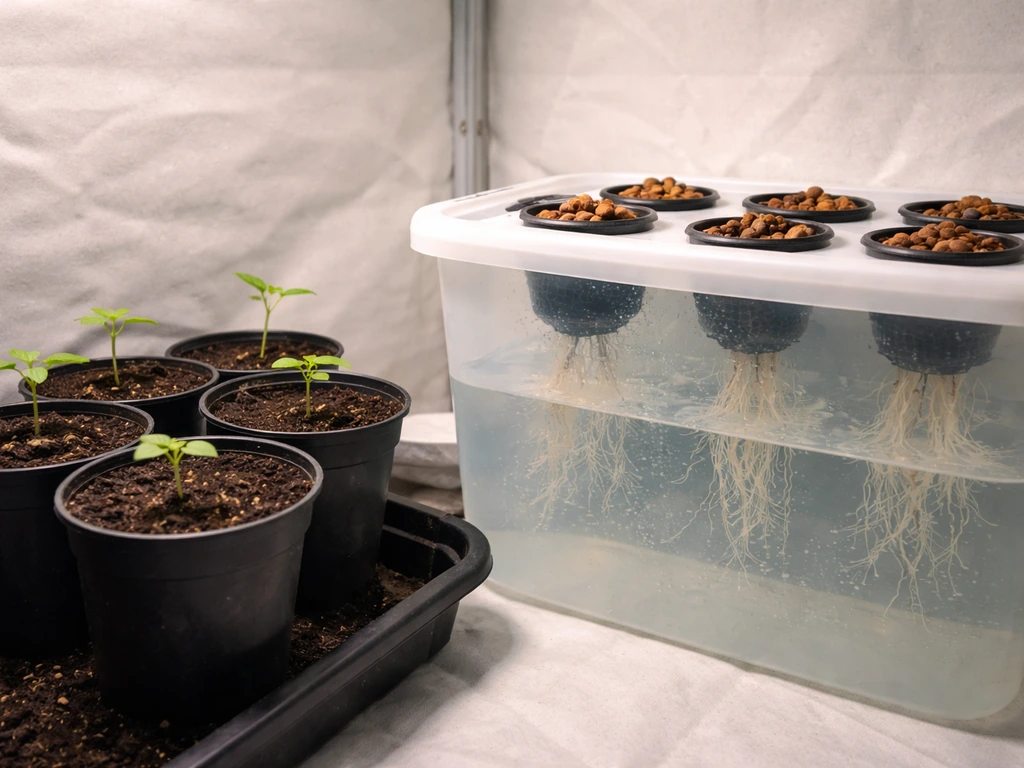
What 'best fertilizer' actually means for indoor grows
Outdoors, soil biology, rainfall, and microbial life fill a lot of nutrient gaps for you. Indoors, you're entirely responsible for what goes into your medium and what your plants eat. That changes everything about how you define 'best.' It's not just about nitrogen-phosphorus-potassium (N-P-K). A complete indoor fertilizer covers primary macros (N, P, K), secondary macros (calcium, magnesium, sulfur), and trace micronutrients like iron, manganese, zinc, copper, boron, and molybdenum. Without the full picture, you'll hit deficiencies mid-cycle regardless of how well you're doing everything else.
The medium you're growing in is the most important factor in choosing a fertilizer type. Soil and hydro are fundamentally different environments, and a product optimized for one can underperform or cause problems in the other.
Soil grows
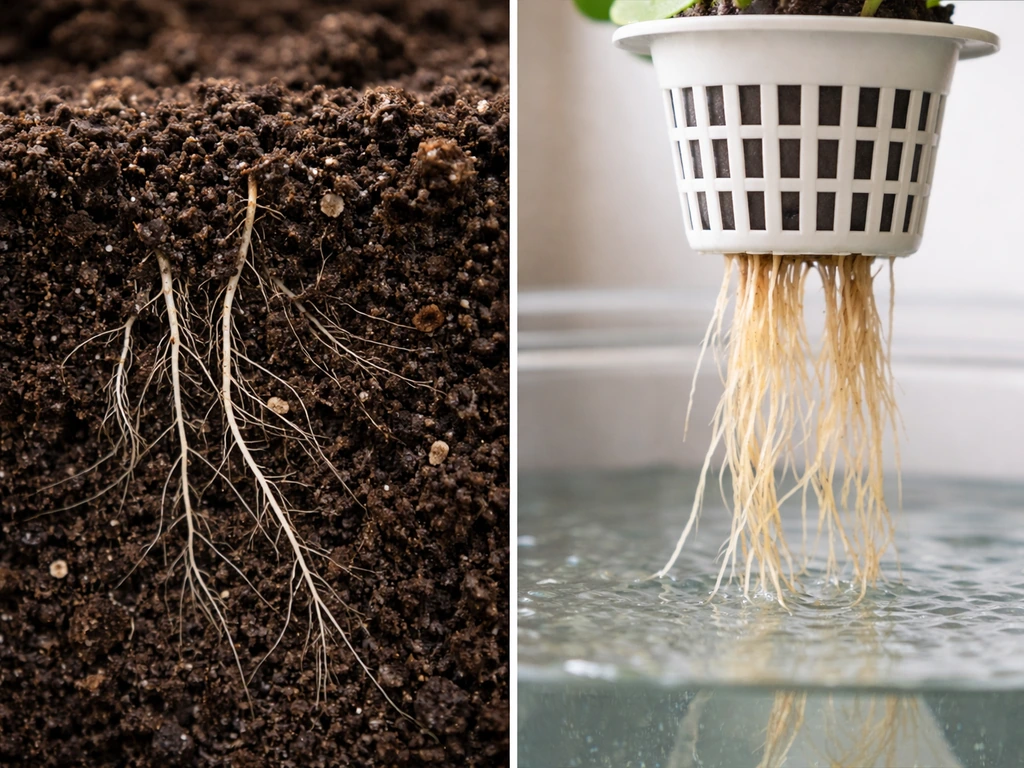
In soil, you have a living buffer. Organic matter, microbial activity, and the cation exchange capacity of the soil hold and release nutrients slowly. This means soil growers can get away with slightly less precise feeding because the medium itself acts as a reservoir and pH buffer. A high-quality potting mix often has 4 to 6 weeks of base nutrition built in, so seedlings in fresh soil rarely need fertilizing at all. After that buffer is exhausted, you supplement. Organic liquid feeds and slow-release granular fertilizers both work well in soil because the soil biology can process them.
Hydroponic grows
In hydro (DWC, coco, NFT, ebb and flow), there's no soil buffer. Your nutrient solution is everything your plant eats, and if something is missing or out of balance, the plant shows symptoms fast, sometimes within 48 to 72 hours. Hydroponic fertilizers are formulated to be water-soluble, immediately available, and pH-stable in solution. Synthetic hydro nutrients are far more common than organic ones here because organic compounds can clog lines, breed bacteria, and create unstable pH in reservoirs. This is exactly why multi-part systems like GH FloraSeries exist: they let you adjust the ratios of macro and micronutrients stage by stage, which a single all-in-one bottle often can't do accurately.
Fertilizer types: how to pick your format
Before picking a brand, pick a format. The format determines how much control you have, how much work you do, and what mistakes are possible. Here's how the main types stack up.
Organic vs. synthetic
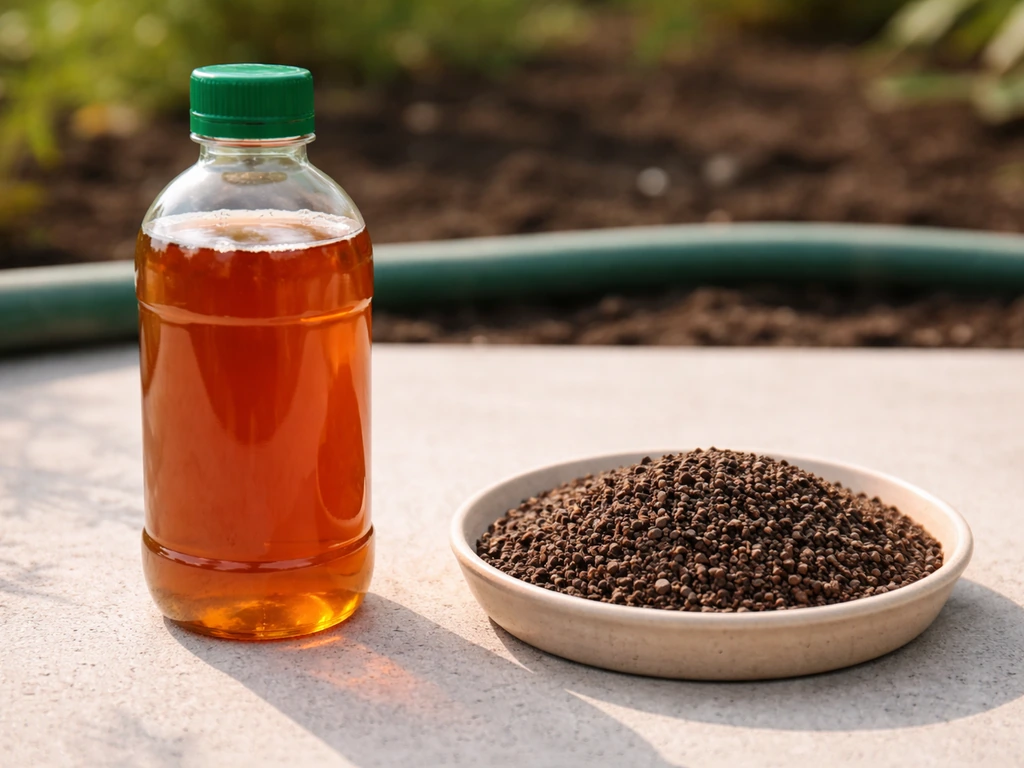
Organic fertilizers (fish meal, worm castings, kelp, bat guano, compost teas) feed soil microbes, which then break nutrients down into plant-available forms. The upside is a forgiving, buffered feeding cycle and often better terpene/flavor development in the final product. The downside is slower response time and less precision. You can't dial in an exact EC with a compost tea. Synthetic fertilizers deliver nutrients in their ionic form immediately. They're faster, more precise, and easier to measure and adjust. The downside is that there's no buffer: if you overfeed, the plant feels it right away, and synthetic feeding in soil over time can degrade microbial life if you're not careful.
Liquid vs. dry/granular
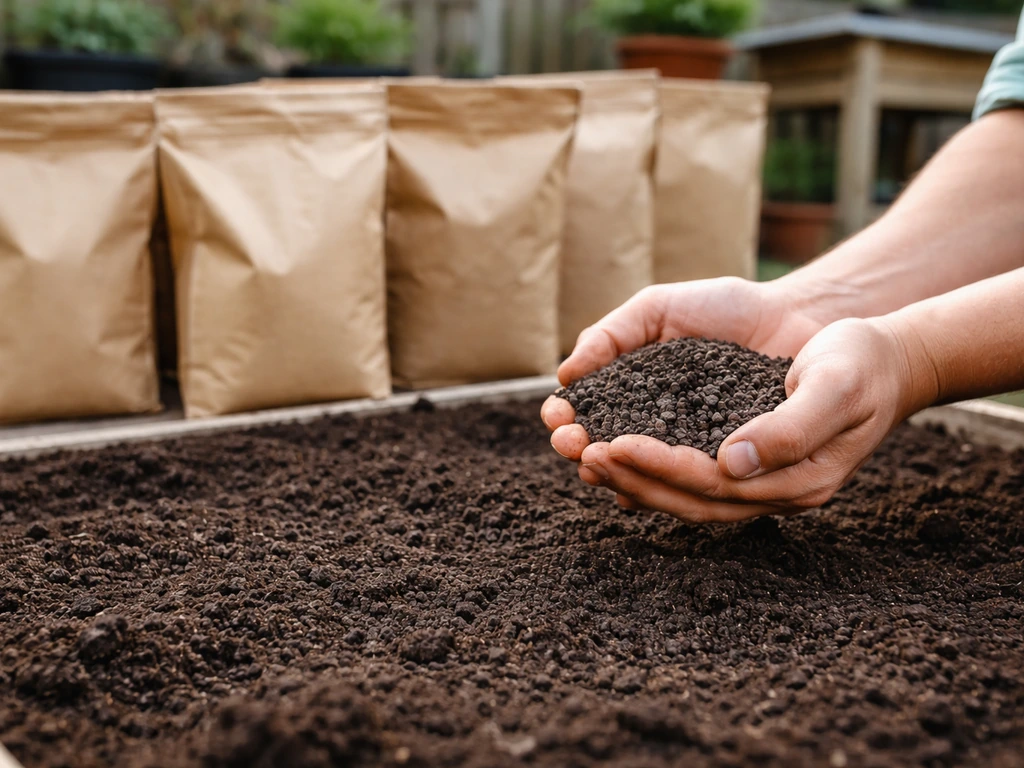
Liquid nutrients are pre-dissolved or concentrated and mix quickly into water. They're the most common format for hydro and for feeding soil plants mid-cycle because they're immediately available and easy to measure with a syringe or graduated cylinder. Dry or granular fertilizers (including slow-release pellets like Osmocote) are popular for soil top-dressing or amending at transplant. Osmocote Exact Standard, for example, delivers a full macro and micro spectrum including Mg, Fe, Mn, Zn, Cu, B, and Mo over 5 to 6 months. That's convenient, but you lose the ability to stage-adjust your N-P-K ratios as plants move from veg to bloom. For flowering and fruiting plants where you want to shift from nitrogen-heavy to phosphorus/potassium-heavy nutrition, slow-release granulars are less ideal.
One-part vs. multi-part systems
One-part (all-in-one) fertilizers are beginner-friendly. You measure one bottle, mix it in water, and feed. They work reasonably well for leafy greens and herbs where N-P-K ratios don't need to shift much across the cycle. For flowering and fruiting plants, where you need to drop nitrogen and push phosphorus and potassium during bloom, a one-part formula is a compromise. Multi-part systems like GH FloraSeries give you three bottles: FloraMicro (the foundation, supplying N, K, Ca, and chelated trace elements), FloraGro (vegetative growth emphasis), and FloraBloom (bloom and fruiting emphasis). You mix all three every feed, but you adjust the ratios by stage. That flexibility is worth the extra complexity for any grower doing a full cycle with flowering plants.
| Format | Best for | Control level | Beginner-friendly? |
|---|---|---|---|
| Organic liquid (fish/kelp blend) | Soil grows, flavor-focused | Low-medium | Yes |
| Synthetic liquid, one-part | Leafy greens, herbs, simple setups | Medium | Yes |
| Synthetic liquid, multi-part (e.g., FloraSeries) | Full-cycle hydro and soil, flowering plants | High | Moderate |
| Slow-release granular (e.g., Osmocote) | Soil amending, low-maintenance setups | Low | Yes |
| Dry soluble (e.g., JR Peters) | High-volume or reservoir-based feeding | High | Moderate |
Nutrient needs by growth stage
Plants don't eat the same thing from seed to harvest. Feeding the wrong ratio at the wrong stage is one of the most common reasons indoor grows underperform even when growers are technically 'feeding correctly.'
Seedling stage (weeks 1 to 2)
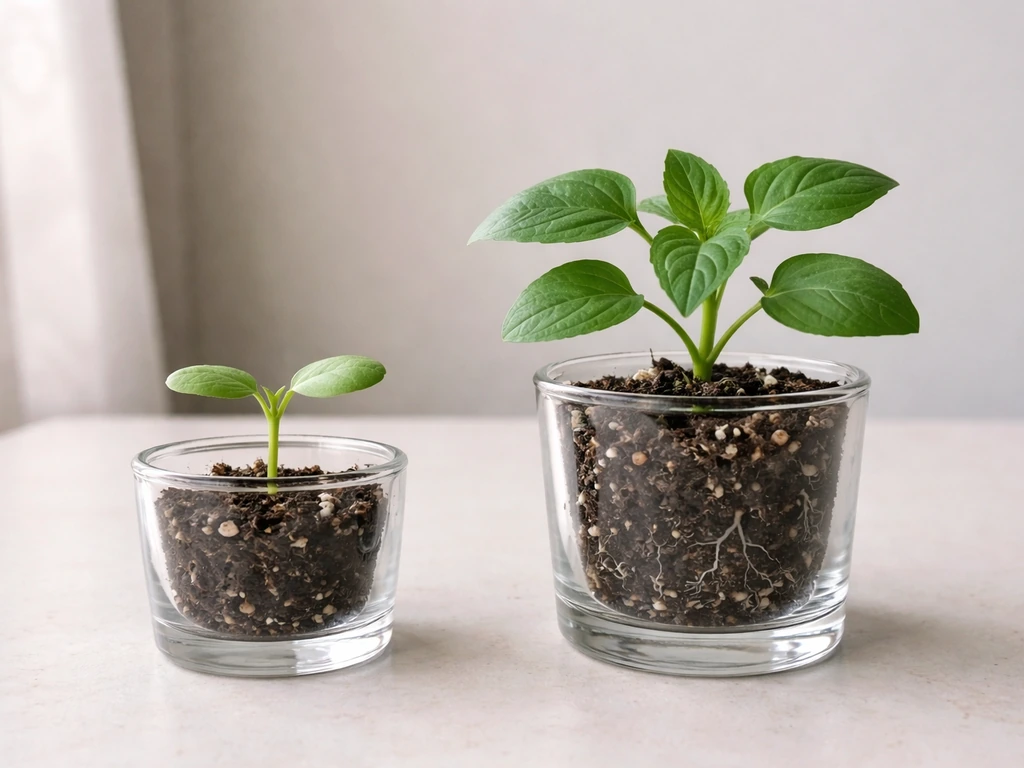
Seedlings have almost no root system and are extremely sensitive to salt buildup. Do not fertilize seedlings in fresh potting mix. If you're in a hydro setup, start at very low EC, around 0.4 to 0.6 mS/cm. If you're in soil or a seedling plug, plain pH-adjusted water is fine until the plant shows its second or third set of true leaves. Over-fertilizing seedlings is the single most common beginner mistake and causes tip burn, wilting, and stunted root development.
Vegetative stage (weeks 3 through flip)
In veg, plants need more nitrogen than anything else. Nitrogen drives leaf and stem development. A good veg formula runs higher N relative to P and K, something like 3-1-2 or 2-1-2 in ratio terms. In a multi-part system, you dial up your grow component and run moderate doses of micro and bloom. Target EC in hydro during mid-veg is typically 1.2 to 1.8 mS/cm depending on plant size and how aggressively you're pushing growth. Calcium and magnesium are especially important during this phase because they support cell wall integrity and chlorophyll production.
Flowering and bloom stage
When plants flip to flower, their nitrogen demand drops and their phosphorus and potassium demand rises sharply. Phosphorus drives bud/flower site development and energy transfer, while potassium supports water regulation and terpene/resin production. In a 3-part system, you scale back FloraGro and scale up FloraBloom. EC targets typically rise during peak bloom to the 1.8 to 2.5 mS/cm range, depending on your strain, system, and how well-established your root zone is. In the final 1 to 2 weeks before harvest, many growers flush with plain pH-adjusted water to clear residual salts, which can improve final product quality.
Leafy greens and herbs: a simpler path
If you're growing lettuce, basil, spinach, or similar crops indoors, you don't need to stage-shift your nutrients much at all. These plants don't flower (in the sense that matters for yield), and a consistent, moderate-nitrogen formula works well throughout. A one-part synthetic or a simple organic liquid like fish-kelp blend at 1/4 to 1/2 label strength is plenty. Keep EC around 1.0 to 1.4 mS/cm in hydro, and you're in a good place.
How to feed indoors: mixing, strength, schedules, and reading labels
Most nutrient problems indoors aren't from choosing the wrong product. They're from mixing incorrectly, feeding at the wrong strength, or misreading labels. Here's how to get it right.
Reading the label correctly
The guaranteed analysis on a fertilizer label tells you the percentage of each nutrient by weight. The N-P-K numbers (like 15-11-29 on JR Peters Peat-Lite) represent total nitrogen, available phosphate (P2O5), and soluble potash (K2O). Labels from brands like JR Peters also list chelated micronutrients (Fe, Mn, Zn, Cu) and trace elements (B, Mo), which confirms you're getting a complete formula. When a label only shows N-P-K with no micronutrient listing, that's a flag: you'll need to supplement calcium, magnesium, and micros separately.
Feeding rate instructions on labels are almost always written for agricultural or commercial use. For indoor home grows, especially in hydro, start at 1/4 to 1/2 of the label rate and build up based on your EC readings and plant response. Working at full label strength right away is a fast track to overfeeding.
Mixing correctly
Always add nutrients to water, not water to nutrients. Start with your base water, then add nutrients one at a time, stirring between each addition. If you're using a multi-part system, add FloraMicro first (it's the foundation and contains calcium), then FloraGro, then FloraBloom. Never mix concentrated nutrients directly together before diluting in water; calcium and sulfate or phosphate concentrations can precipitate and lock out nutrients before they ever reach your plant. After mixing, check and adjust pH before feeding.
Feeding schedules and rules of thumb
- Soil: feed every 2 to 3 waterings (every third watering is plain pH-adjusted water to prevent salt buildup)
- Coco coir: feed every watering, since coco has no buffer and dries out fast
- DWC/recirculating hydro: change reservoir every 7 to 10 days; top off with fresh nutrient solution between changes
- NFT and ebb-and-flow: follow the manufacturer's reservoir schedule; EC should stay consistent between top-offs
- Seedlings: water only until the second or third true leaf set, then start at 1/4 strength
pH, EC, and nutrient lockout: the basics you can't skip
You can have the best fertilizer in the world in your reservoir and your plants will still look sick if pH is off. When storing nutrient solutions in a reservoir, FlairForm recommends keeping pH between 5.0 and 6.0 (with an absolute maximum of 6.5) to help avoid precipitation and related chemistry issues blank" rel="noopener noreferrer">pH is off. Nutrient lockout happens when pH is outside the range where roots can absorb specific elements, even if those elements are present in the solution. This is the number one cause of deficiency symptoms in indoor grows that are being fed regularly.
Target pH ranges
| Medium | Target pH range | Why it matters |
|---|---|---|
| Soil | 6.0 to 7.0 (sweet spot: 6.2 to 6.8) | Soil buffers pH but drifts; microbial activity optimized here |
| Coco coir | 5.8 to 6.2 | Coco behaves like hydro; tighter range needed |
| DWC / NFT / hydro | 5.5 to 6.2 (sweet spot: 5.8 to 6.0) | No buffer; small drift causes rapid lockout |
| Ebb and flow | 5.8 to 6.2 | Same as DWC; check reservoir daily |
EC (electrical conductivity) and feeding strength
EC measures total dissolved salts in your solution, which is a proxy for nutrient concentration. A cheap EC meter (under $30) is one of the best investments any indoor grower can make. For seedlings in hydro, start around 0.4 to 0.6 mS/cm. Ramp up to 1.2 to 1.8 mS/cm in veg and 1.8 to 2.5 mS/cm at peak bloom. If your runoff EC in soil is much higher than your input EC, you have salt buildup and should flush. If it's much lower, your plants are eating heavily and you may need to increase feeding strength.
Diagnosing and fixing lockout
If your plant is showing deficiency symptoms but you know you've been feeding, check pH first. Correct pH, then wait 24 to 48 hours and see if the plant improves before adding more nutrients. In soil, flush with 2 to 3 times the pot volume in pH-correct water, then resume feeding at half strength. In hydro, drain and replace the reservoir with fresh, pH-correct nutrient solution at the right EC. Adding more fertilizer to a locked-out plant just compounds the problem.
Reading your plant: what deficiencies and excess look like
Plants are pretty honest communicators once you know the language. Here are the most common symptoms and what they tell you.
Common deficiency symptoms
| Symptom | Likely cause | Immediate fix |
|---|---|---|
| Yellowing from bottom leaves upward (older leaves first) | Nitrogen deficiency | Increase N; check pH; if in late bloom, may be normal |
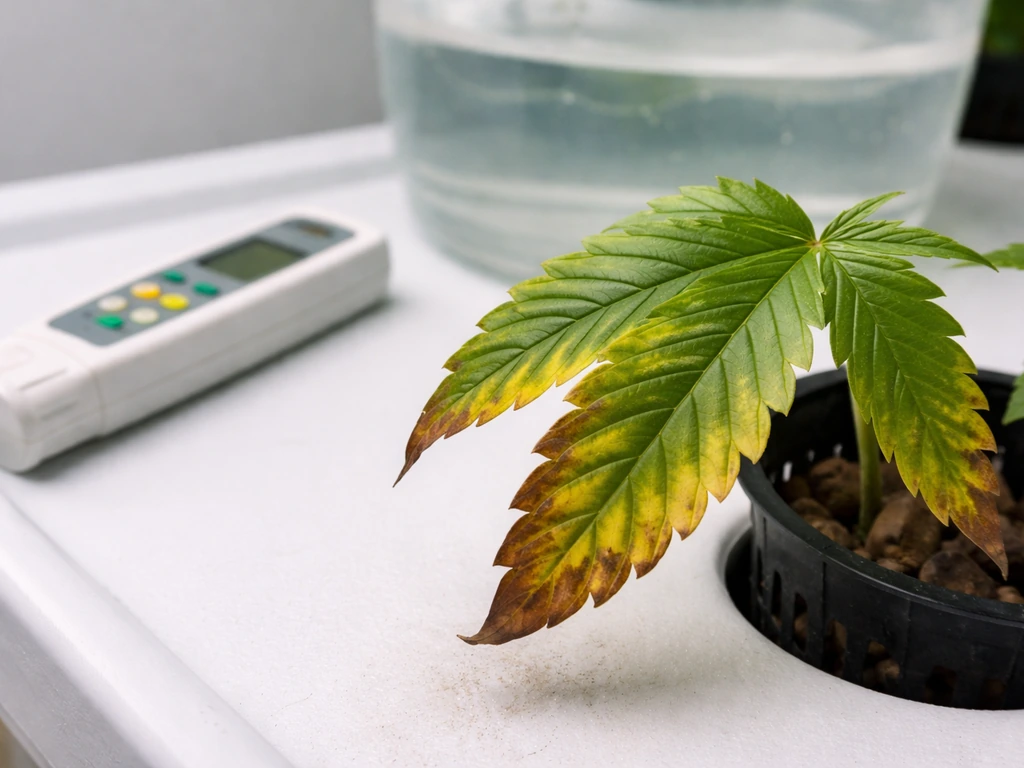
| Yellowing between leaf veins, new growth affected | Iron or manganese deficiency (often pH lockout) | Correct pH to 5.8–6.2 in hydro or 6.2–6.5 in soil; add chelated micros |
| Brown leaf edges and tips curling up | Potassium deficiency or salt burn (overfeeding) | Check EC; if high, flush; if normal, add K source and check pH |
| Brown spots or blotches on leaves, especially mid-canopy | Calcium deficiency | Add CalMag supplement; correct pH; increase airflow |
| Yellowing between veins on new leaves, older leaves fine | Magnesium deficiency | Foliar spray with Epsom salt (1 tsp/gallon) or add CalMag to solution |
| Leaves dark green, claw downward ('the claw') | Nitrogen toxicity (overfeeding) | Flush with plain water; reduce N; resume at lower strength |
Overfeeding vs. underfeeding: how to tell the difference
Underfeeding usually shows up as slow, pale, or stunted growth with yellowing starting on older (lower) leaves. The plant looks hungry. Overfeeding looks like tip burn, dark waxy leaves, curling, or crispy brown edges, and the plant looks stressed even though it's being fed well. Check your EC and runoff. Overfeeding will show high EC in runoff from soil; underfeeding shows low EC. In hydro, if your reservoir EC is drifting down faster than the water level, your plants are eating and you may need to feed more. If water is dropping but EC is climbing, they're drinking but not eating, which often points to a pH problem.
Simple recommendation paths: where to start this week
Here's how to cut through the options and get started based on your actual setup right now.
If you're in soil growing flowering plants
Pick up a quality 3-part liquid nutrient line or a dedicated veg/bloom two-bottle system. Something like GH FloraSeries works in soil too, not just hydro. Alternatively, an organic liquid like fish and kelp blend for veg plus a high-P bloom booster for flowering covers the basics at lower cost. Buy a pH meter and a pH adjustment kit (pH up and pH down). Water at 6.3 to 6.8. Feed every second or third watering at 1/4 to 1/2 label strength, and add a CalMag supplement if you're on soft water or RO water. Flush once mid-veg and once before harvest.
If you're in hydro (DWC, coco, NFT)
Use GH FloraSeries or a comparable 3-part hydro system. Follow the manufacturer's feed chart for your stage, but start at half the recommended EC until you understand how your specific plants and environment respond. Buy both a pH meter and an EC meter before you start; they're non-negotiable in hydro. Target pH 5.8 to 6.0, and check it daily. OSU Extension recommends keeping hydroponic nutrient solutions at a pH of 5 to 6, usually around 5.5, and maintaining the root environment between pH 6 and 6.5 Electrical Conductivity and pH Guide for Hydroponics. Change your reservoir every 7 to 10 days. Mix nutrients in this order always: water first, then FloraMicro, then FloraGro, then FloraBloom. Adjust pH after mixing.
If you're growing leafy greens or herbs
A one-part all-purpose soluble fertilizer or a simple organic liquid (fish emulsion, seaweed extract) works great. You don't need a multi-part system. Keep feeding light (1/4 to 1/2 strength), pH at 5.8 to 6.2 in hydro or 6.0 to 6.5 in soil, and you'll have healthy, productive plants without overthinking it.
Common mistakes to avoid from day one
- Feeding seedlings in fresh soil: the mix already has nutrients; adding more burns roots
- Mixing concentrated nutrients together before adding to water: causes precipitation and nutrient loss
- Skipping pH adjustment: this single habit causes more deficiency symptoms than any other mistake
- Jumping straight to full label strength: always start at 1/4 to 1/2 and scale up based on plant response and EC readings
- Using soil nutrients in a hydro reservoir: they're not formulated for it and will cause problems with pH stability and clogging
- Ignoring CalMag on soft or RO water: most base nutrients assume some baseline mineral content in tap water; soft water creates deficiencies fast
- Not flushing: salt buildup in soil over time creates lockout even when you're feeding correctly
Your first-week action plan
- Identify your medium (soil, coco, DWC, NFT, ebb and flow) and your plant type (leafy greens vs. flowering/fruiting)
- Buy a pH meter and, if you're in hydro or want precision in soil, an EC/TDS meter
- Choose your fertilizer format: 3-part liquid system for hydro or full-cycle flowering grows; simple one-part or organic liquid for herbs and greens
- Mix your first feed at 1/4 to 1/2 label strength in pH-correct water; adjust pH after mixing, not before
- Water and observe for 24 to 48 hours; look at new growth for signs of deficiency or toxicity
- Record your EC and pH at every feed so you can track trends and catch problems early
- Set a reminder to check reservoir EC and pH daily in hydro, and to test runoff pH and EC weekly in soil
Indoor grows give you more control than any outdoor setup, and that control is the whole point. The difference between a great harvest and a frustrating one almost always comes down to understanding what your plants are eating, whether they can actually absorb it (pH), and whether you're giving them too much or too little (EC). Nail those three things and almost any decent fertilizer will work well for you. If you're also running or planning an outdoor grow, the nutrient priorities and feeding schedules shift quite a bit since outdoor plants have access to soil biology and seasonal rainfall patterns that change the calculus entirely. If you want crowd-tested ideas, you can also compare your outdoor feeding plan with discussions like best nutrients for outdoor grow reddit. When you switch to an outdoor grow, use the feeding schedule best nutrients for your plants and match it to the weather and growth stage. For outdoor plants, the best bloom nutrients for outdoor grow focus on boosting phosphorus and potassium during flowering while supporting calcium and magnesium uptake. If you’re switching to the best seeds for outdoor grow, you’ll also want a seed-appropriate feeding plan that matches your local season and soil conditions. If you’re also planning an outdoor grow, prioritize balanced nutrients matched to your soil and growth stage for steady results. For outdoor grows, the best fertilizer is typically one that matches your soil type and growing stage, while accounting for rainfall and nutrient uptake patterns.
FAQ
If my water pH keeps drifting upward or downward, how does that affect the best fertilizer for indoor grow?
Start with your water pH target and your water alkalinity, then choose nutrients that match your pH control needs. If your tap water has high alkalinity, it can force pH up even after you adjust, so you may need stronger pH dosing discipline (check more often) or a fertilizer line known for better pH stability in solution.
Can I use slow-release granulars (like Osmocote) and still get good results during flowering indoors?
For soil, avoid relying on slow-release pellets as your only nutrient plan during the first month of flowering, because you cannot precisely shift N-P-K ratios at the time your plant demands them. Use pellets only as a baseline and supplement with a light liquid feed if you see bloom-stage deficiencies or if your medium is fast-draining and “empty” sooner than expected.
Do I really need a 3-part fertilizer, or can an all-in-one be “best” for my indoor grow?
If you are using an all-in-one fertilizer successfully, it can still fail if your medium chemistry is off. In practice, confirm pH and EC regularly, then consider switching to a multi-part system only when you consistently need to correct deficiencies at specific stages (for example, calcium or bloom-related stress) or when your EC targets do not match the label’s implied dosing range.
Is it worth using organic liquid fertilizer in hydroponics, and what’s the risk?
Yes, but only if you can control salts. In hydro, organic feeds often lead to unstable pH and clog risks, so if you try organics, use them in setups designed for it (and expect more frequent monitoring and line maintenance). In general, synthetic hydro nutrients are more predictable for maintaining EC and preventing lockout symptoms.
My plant shows calcium-related symptoms, should I just add CalMag?
Most “calcium deficiency” issues indoors are not just missing calcium, they are caused by poor pH control, low transpiration, or incompatible nutrient ratios. Before adding more Ca/Mg, check pH after mixing, verify EC is in range, and ensure your environment (especially humidity and airflow) supports steady transpiration so calcium can actually move into new growth.
What should I do if I mixed nutrients wrong or mixed two concentrated parts together?
Mixing order matters because some salts can precipitate when concentrations get too high, and precipitation reduces what the plant can absorb even if EC looks fine. If you suspect this happened, fully discard the mix, clean the reservoir, and remix with nutrients added one at a time to fresh water, then re-check pH and EC before feeding.
How do I decide whether I have an actual nutrient deficiency versus lockout?
If you see deficiency symptoms, check pH first, then EC, and only then consider more fertilizer. Overcorrecting with extra nutrients is common and often worsens the problem by increasing salt load while roots are still unable to absorb due to lockout. Wait after correcting pH before making additional changes.
How reliable are runoff EC and pH tests in soil for troubleshooting the best fertilizer choice?
In soil, runoff EC and runoff pH can vary a lot with drainage, pot size, and how much you leach during watering. Use them as a directional signal, ideally compare input EC to runoff EC after thorough watering, and avoid drawing conclusions from tiny runoff samples or inconsistent watering volume.
My hydro reservoir EC is rising but pH is changing too, what does that indicate?
If EC climbs while your solution volume drops, your plants may be consuming more water than nutrients, but if pH is off, they may not be absorbing specific ions, creating a mismatch. The practical step is to test pH immediately, then adjust and consider a reservoir refresh if the drift is persistent rather than repeatedly “topping off” with plain water.
What EC and feeding approach should I use for clones or seedlings so I don’t stunt them?
For seedlings and clones in hydro, do not aim for the same EC you use in veg. Keep EC low, stabilize pH, and prioritize root establishment over growth speed, because young plants can show tip burn quickly when salts accumulate even if your label dosing looks “reasonable.”
Does flushing always help, and what if my plants slow down after a flush?
If a flush causes a noticeable slowdown, it can be due to dropping salts too aggressively, or pH rebound in the new water/nutrients. Instead of a full reset, consider a lighter flush approach (or shorten the flush window) and resume feeding at half strength once EC and pH are back in range, then ramp according to plant response.