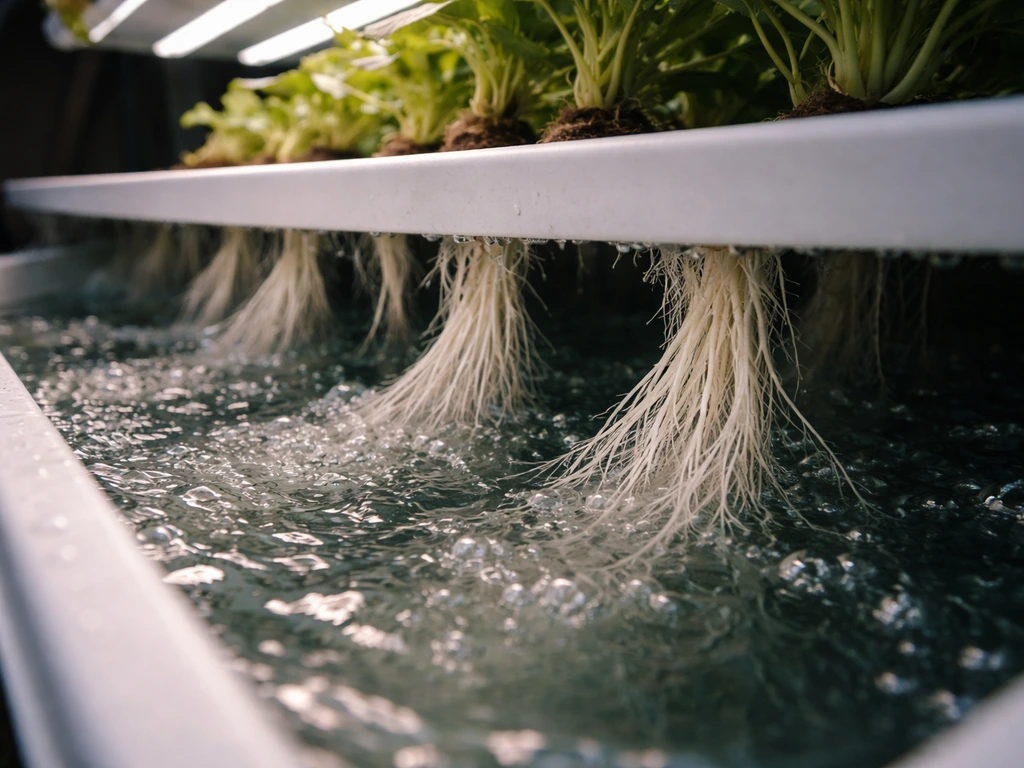
Technically, no, you cannot grow hydroponics without nutrients. If you are wondering what you need to grow hydroponics, focus on the nutrient solution basics, even when you try alternatives to bottled mixes grow hydroponics without nutrients. The entire point of hydroponics is delivering dissolved minerals directly to plant roots through water. If you are wondering why grow hydroponically, the biggest reasons are faster growth and tighter control over nutrients compared with soil.
Can You Grow Hydroponics Without Nutrients? Reality Check

Marcus Holloway
29 Apr 2026
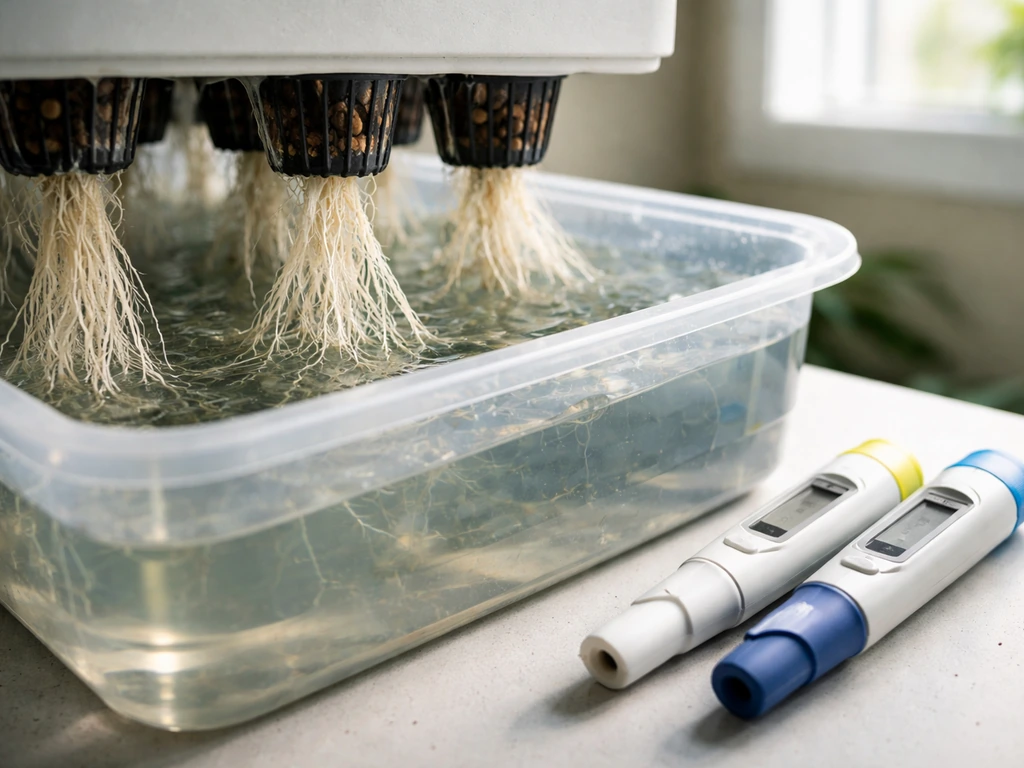
If there are zero nutrients in the water, your plants will stall, show deficiency symptoms within days, and eventually die. That said, what most growers actually mean when they ask this question is: 'Can I skip buying those expensive bottled hydro nutrients and still get results? ' The answer to that version is yes, with the right approach and realistic expectations.
What 'no nutrients' actually means in hydroponics
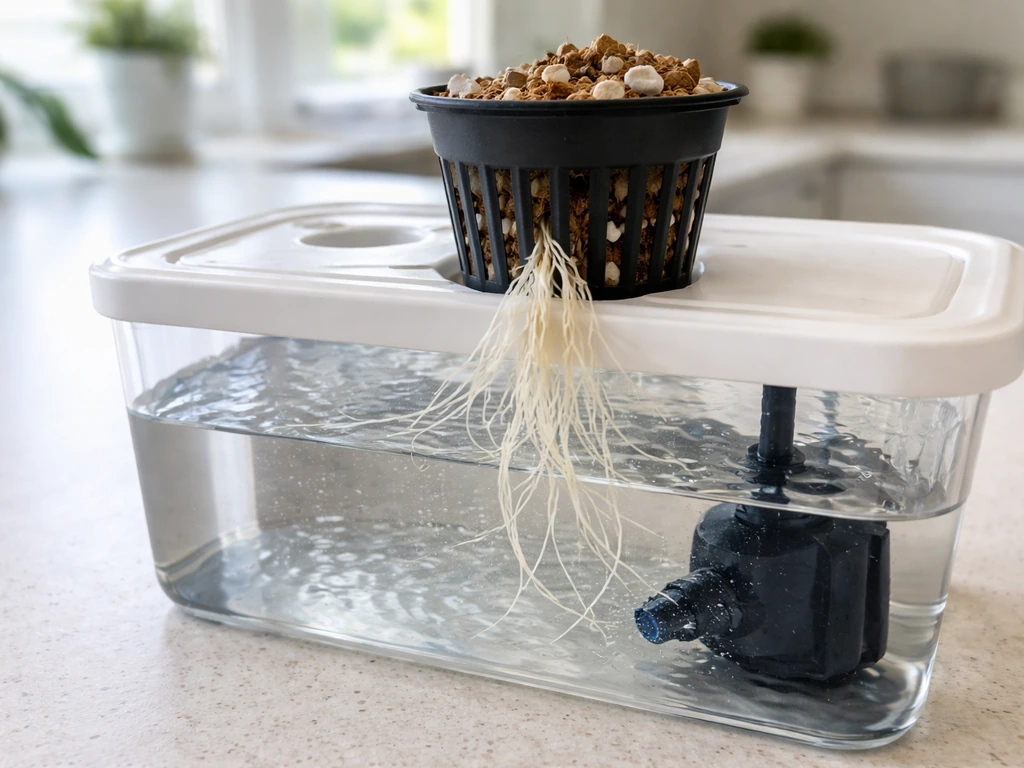
The USDA defines hydroponics as growing plants in a water-based nutrient solution instead of soil, sometimes with an inert medium like coconut coir, perlite, or vermiculite. Oklahoma State University Extension reinforces this, noting that the liquid nutrient solution is the defining element, and that both pH and electrical conductivity (EC) are used to manage it. Oregon State puts it plainly: the roots rely entirely on that solution. So by definition, a hydroponic system without nutrients is not really a hydroponic system at all. It's just wet roots in water.
When growers say 'no nutrients,' they usually mean one of three things: they want to avoid buying pre-formulated hydro nutrient bottles, they want to use natural or organic inputs instead of synthetic salts, or they want a lower-maintenance system that does not require weekly nutrient mixing. These are all solvable problems. The plants still get nutrients in every case, they just come from a different source than a plastic bottle from a grow shop.
Plain tap water does contain some dissolved minerals, and depending on your source, it may have measurable calcium, magnesium, and bicarbonates. But the concentrations are far too low and unbalanced to support healthy plant growth on their own. Research on radishes grown hydroponically shows that removing essential mineral ions restricts growth measurably, even over short periods. Your plants need a specific ratio of macronutrients (nitrogen, phosphorus, potassium, calcium, magnesium, sulfur) and micronutrients (iron, manganese, zinc, copper, boron, molybdenum). No matter what delivery method you choose, those elements need to be present.
Alternatives when you want to avoid bottled hydro nutrients
If buying pre-mixed hydroponic nutrients is what you want to avoid, there are several real, working alternatives. Each comes with trade-offs you should understand before committing.
Aquaponics: let the fish do the feeding
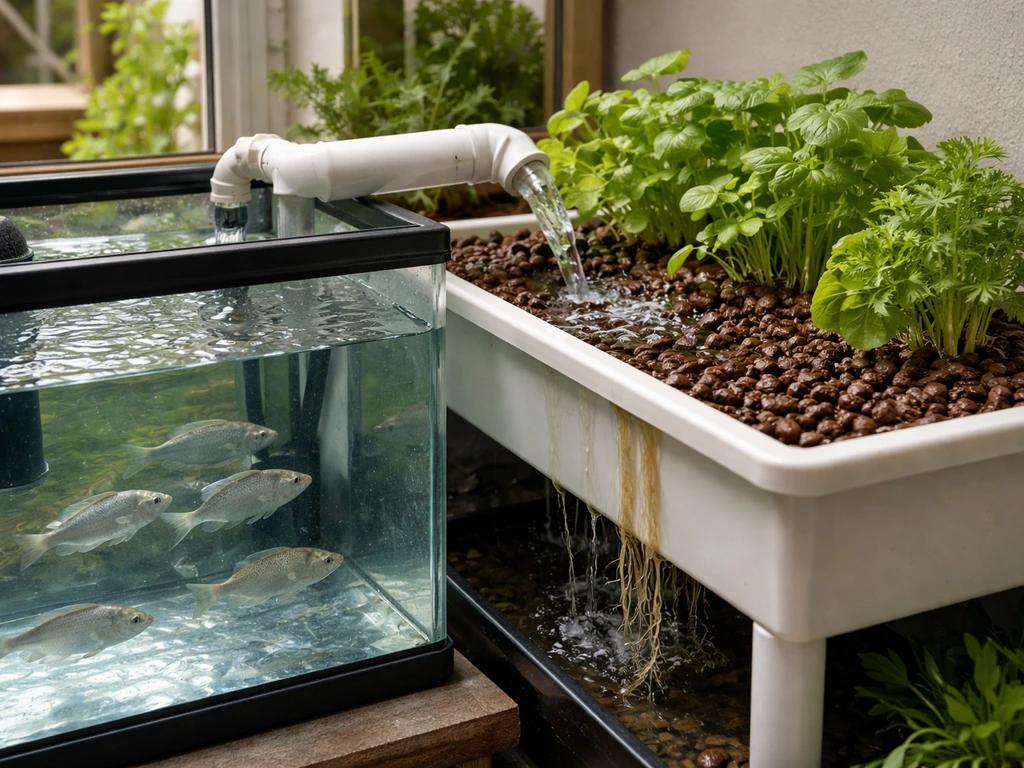
Aquaponics is the most legitimate zero-bottled-nutrient hydroponic approach available to home growers. Fish produce ammonia-rich waste, beneficial bacteria convert that ammonia into nitrates, and the plant roots absorb those nitrates as their primary nitrogen source. Other nutrients come from fish food and the fish themselves. You feed the fish, the fish feed the plants. In a well-cycled aquaponics system, you do not add any separate nutrient solution. Tilapia, goldfish, and koi are common choices for home setups. The trade-off is complexity: you are managing an ecosystem, not just a reservoir. Water temperature, ammonia levels, pH, and bacterial colony health all matter. It takes 4 to 6 weeks to cycle a new system before planting.
Compost tea and organic liquid inputs
Actively aerated compost tea (AACT) can be brewed at home using finished compost, water, and an air pump. The result is a microbially rich liquid that also contains soluble plant nutrients leached from the compost. Using this as your reservoir liquid is a low-cost, organic alternative to bottled nutrients. The challenge is consistency: compost tea nutrient content varies batch to batch, and managing EC and pH becomes harder.
You can stabilize things by combining compost tea with diluted liquid inputs like fish emulsion or kelp extract, which are naturally derived and much cheaper per liter than most hydroponic nutrient lines. This approach works best in deep-water culture (DWC) or kratky-style passive systems. [Deep-water culture (DWC)](https://en. wikipedia.
org/wiki/Deepwaterculture) works by suspending plant roots in a nutrient-rich, oxygenated water solution that relies on dissolved nutrients and aeration at the root zone.
Diluted mineral sources and natural amendments
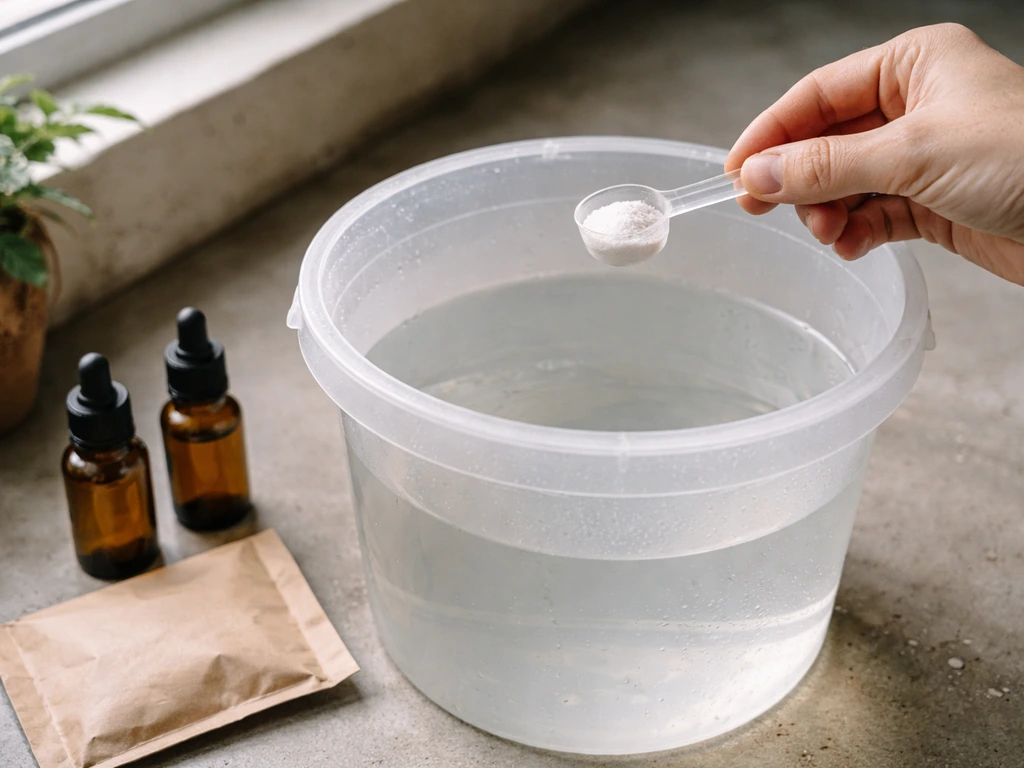
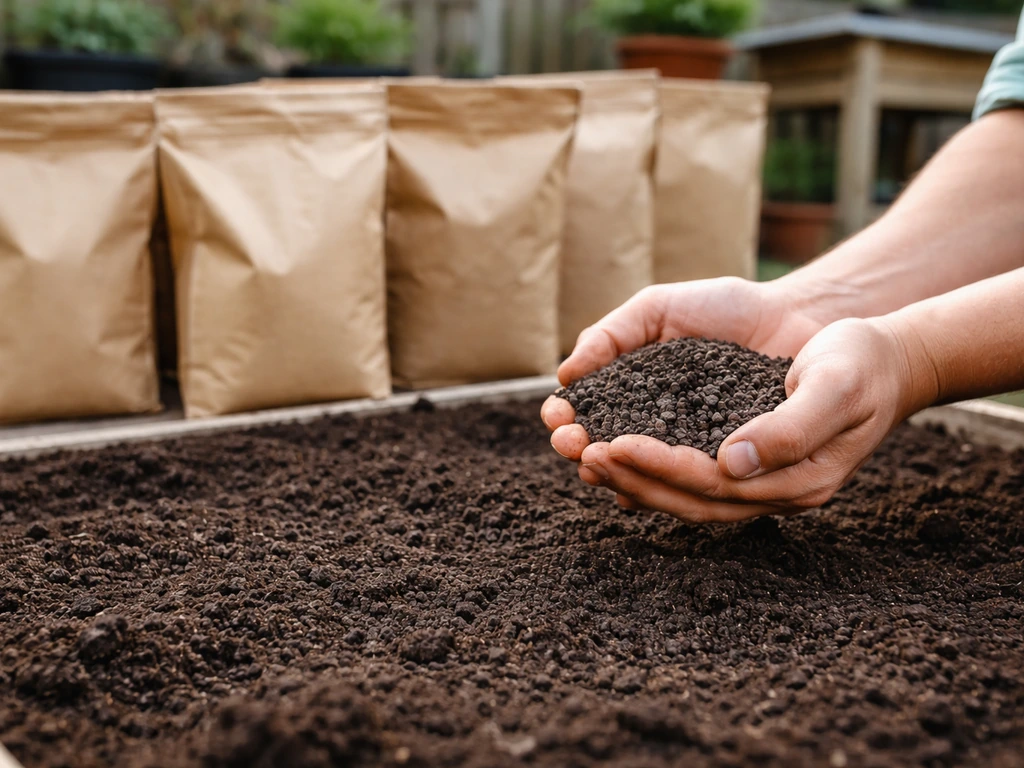
Some growers use food-grade inputs that happen to contain the right mineral ratios. Cal-mag supplements, for example, are sometimes derived from limestone or seawater. Worm castings leachate (the liquid runoff from a worm bin) is another low-cost, nutrient-dense input with good micronutrient profiles. Seaweed and kelp concentrates supply potassium and micronutrients. Mixed together in the right ratios, you can build a functional nutrient reservoir without ever touching a hydro nutrient bottle. You will still need to measure and manage pH and EC, but the inputs are more accessible and often cheaper.
What about aeroponics?
Aeroponics mists nutrient solution directly onto hanging roots rather than submerging them. It is not a nutrient-free method; it still requires dissolved nutrients in the mist. However, because plants uptake nutrients much more efficiently in aeroponics (due to higher oxygen exposure at the root zone), you can often run lower EC levels than in other systems. This means you use less nutrient concentrate overall. If minimizing inputs is your goal, aeroponics can be an efficient choice, though the equipment cost and maintenance demands are higher than simpler systems.
Setting up a low-input or natural-nutrient hydro system
Choosing the right system
Not all hydroponic systems handle natural or inconsistent nutrient inputs equally well. Deep-water culture (DWC) and kratky passive systems are the most forgiving because the reservoir is large relative to plant size, and you have time to correct imbalances before the plant suffers. NFT (nutrient film technique) and aeroponics are less forgiving because the roots have minimal buffer, and any hiccup in nutrient delivery is felt immediately. For compost tea or aquaponics-fed systems, DWC or a recirculating deep-water setup is the most practical starting point. Aquaponics specifically tends to use flood-and-drain (ebb and flow) or media-bed systems to accommodate the biofilter.
Water quality: start here before anything else
Your source water quality matters more in low-input systems than in conventional hydro, because you have less control over the total mineral profile. Before you start, test your tap or well water for pH, EC (electrical conductivity), and calcium/magnesium levels. Most tap water in the US runs pH 7. 0 to 8.
0, which is too alkaline for hydro, and you will need to bring it down to 5. 8 to 6. 2 for most crops. EC tells you how many dissolved solids are already in the water.
High-EC tap water (above 0. 4 mS/cm) may actually help in low-input situations by providing baseline minerals, but could also signal high sodium or chlorine that competes with nutrient uptake. Reverse osmosis (RO) water starts at near-zero EC and gives you maximum control, though you will then need to supply all minerals from scratch.
Reservoir and filtration basics
In aquaponics and compost-tea systems, particulate matter in the reservoir is normal and actually beneficial (it carries microbes and organic nutrients), but you need to manage it carefully. Use a food-safe, opaque reservoir to block light and prevent algae. Provide constant aeration with an air pump and air stones. For aquaponics, run a mechanical filter to remove solids before the water reaches plant roots. For compost-tea systems, strain the tea through fine mesh before adding it to the reservoir to avoid clogging drip emitters or air stones. Change or top up the reservoir every 7 to 14 days in organic systems, more frequently in warm weather.
How to avoid the most common failures
Recognizing nutrient deficiency symptoms
Deficiencies are the most common problem in low-input systems and show up faster in hydroponics than in soil because there is no mineral buffer. Here is what to watch for, and what it likely means:
| Symptom | Most Likely Deficiency | Quick Fix |
|---|---|---|
| Yellowing of older/lower leaves | Nitrogen (N) | Add fish emulsion or increase fish load in aquaponics |
| Purple or reddish leaf undersides | Phosphorus (P) | Add kelp/seaweed extract or bone meal leachate |
| Yellowing leaf edges, brown tips | Potassium (K) | Add wood ash tea or potassium silicate (diluted) |
| Yellowing between veins on new leaves | Iron (Fe) or Manganese (Mn) | Adjust pH down to 5.8–6.0 to improve iron availability |
| Pale new growth overall | Calcium (Ca) or Magnesium (Mg) | Add cal-mag supplement or Epsom salt (for Mg) |
| Stunted growth, dark green leaves | Phosphorus excess or pH imbalance | Check and adjust pH, dilute reservoir |
pH and EC management
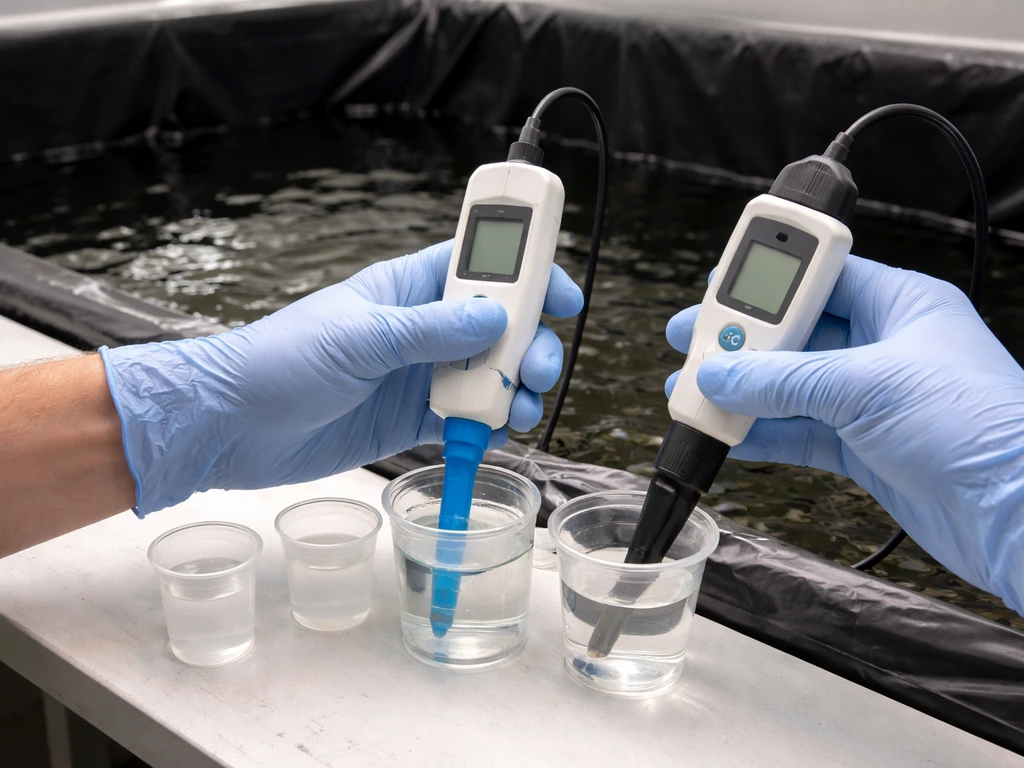
pH is the single most important variable to monitor in any hydro system, but especially in low-input ones where nutrient concentrations are already marginal. If pH drifts outside the 5. 8 to 6. 5 range, plants cannot absorb the nutrients that are present, and deficiency symptoms appear even when the reservoir contains adequate minerals.
Check pH every 1 to 2 days at first, then dial in a maintenance schedule once you see how your system drifts. Use pH up (potassium hydroxide or potassium bicarbonate) and pH down (phosphoric acid) to correct as needed. EC should read between 0. 8 and 1.
6 mS/cm for most leafy crops and herbs in a low-input system. Below 0. 8, plants are likely to starve; above 2. 5 in an organic system, you risk salt stress or microbial imbalance.
Algae, biofilm, and microbial balance
Organic inputs like compost tea and fish waste create an environment where beneficial microbes thrive, but also where algae and pathogenic biofilm can take hold quickly. Keep your reservoir completely light-proof: even brief light exposure triggers algae blooms that compete with plants for nutrients and oxygen. If you see green slime on reservoir walls, drain, scrub with diluted hydrogen peroxide (3 percent solution), rinse thoroughly, and refill. In aquaponics and compost-tea systems, aim for biological balance rather than sterility. Beneficial bacteria in the root zone and reservoir actually help break down organic matter into plant-available nutrients, so do not over-sterilize. Adding beneficial microbes like Bacillus subtilis or mycorrhizae-compatible strains can strengthen this balance.
Oxygenation
Dissolved oxygen in the reservoir is non-negotiable. Roots need oxygen to uptake nutrients, and low-oxygen water promotes anaerobic bacteria that cause root rot. Run an appropriately sized air pump continuously. A good rule of thumb is one air stone per 5 gallons of reservoir volume, with a pump rated for at least double the reservoir size. Water temperature also affects dissolved oxygen: keep reservoir temps between 65 and 72 degrees Fahrenheit. Warmer water holds less oxygen and speeds up microbial activity in ways that can destabilize organic systems fast.
Best crops for low-input and alternative hydro methods
Nutrient-hungry crops like tomatoes, peppers, and cannabis are not ideal candidates for low-input approaches, especially for beginners. If you are specifically trying to figure out what equipment is needed to grow hemp, note that it is still a nutrient-demanding crop like cannabis, so low-input hydro can be trickier unless you plan your nutrient delivery and monitoring equipment carefully. If you are thinking about hemp grow mats, note that cannabis is nutrient-hungry and usually needs more precise nutrient delivery than low-input setups can reliably provide can you reuse hemp grow mats. They need precise, high-EC nutrient delivery and do not tolerate variability well. Start with lower-demand crops and work your way up as you learn how your system behaves.
- Lettuce and leafy greens (spinach, arugula, kale): low nutrient demand, fast feedback on system performance, harvest in 4 to 6 weeks
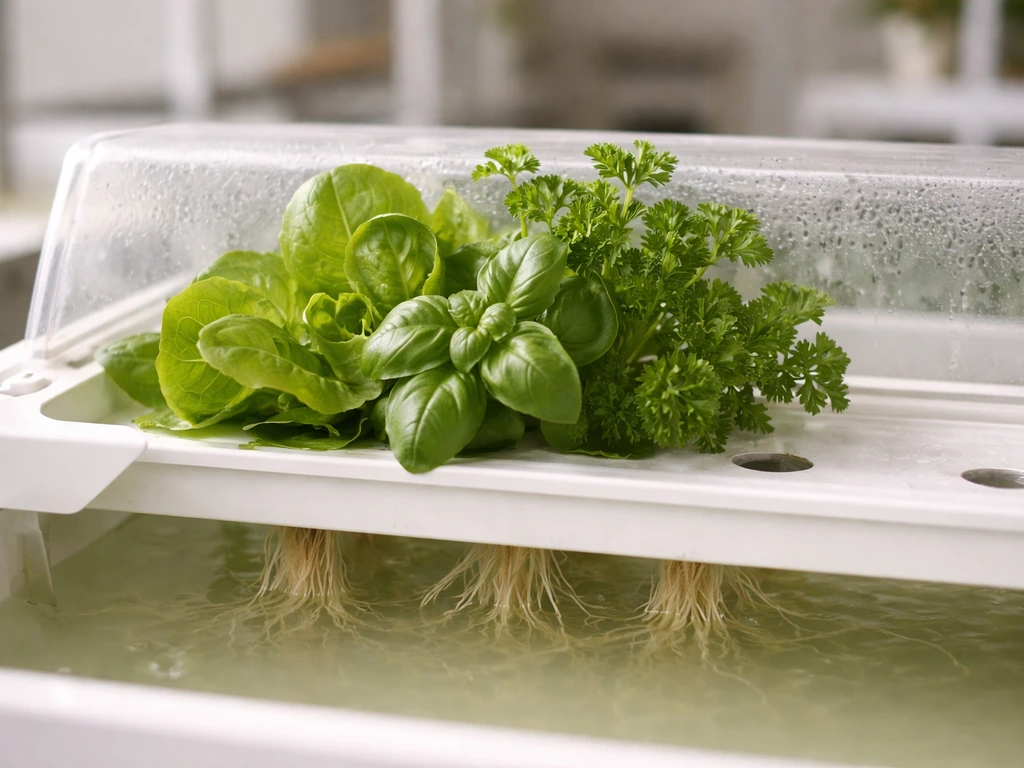
- Herbs (basil, cilantro, mint, parsley): forgiving, aromatic, and practical for home growers
- Radishes and turnips: short lifecycle (20 to 30 days), useful for testing system stability before committing to longer crops
- Watercress: naturally aquatic, thrives in low-EC, high-moisture conditions that suit aquaponics
- Strawberries: moderate nutrient need, well-suited to aquaponics systems once established
- Cucumbers: feasible in aquaponics with mature, well-loaded fish systems, but needs closer monitoring than leafy crops
If you are interested in growing grains or hops hydroponically, those are more advanced undertakings with different nutrient timing requirements that go beyond low-input approaches. Focus on leafy crops and herbs first to get your system dialed in.
Your practical next steps: a starter experiment plan
Materials checklist
- 5-gallon opaque container (your reservoir)
- Air pump rated for 10+ gallons, tubing, and one or two air stones
- pH meter and pH calibration solution (invest in a decent one, cheap meters are unreliable)
- EC/TDS meter
- pH up and pH down solutions
- Net pots and a grow medium (hydroton clay pebbles or rockwool cubes)
- Your chosen nutrient input: fish emulsion, compost tea, worm casting leachate, or a live aquaponics setup
- Seedlings or seeds of lettuce, basil, or radishes
- A notebook or phone app to log measurements daily for the first two weeks
Measurement routine
- Day 1: Test source water pH and EC before adding any inputs. Record baseline.
- Day 1: Mix your nutrient input (compost tea, fish emulsion dilution, or cycle aquaponics for 4 to 6 weeks first). Target EC 0.8 to 1.2 mS/cm for seedlings.
- Day 1: Adjust pH to 5.8 to 6.2. Transplant seedlings.
- Days 2 to 7: Check pH and EC every day. Correct pH as needed. Top up with pH-adjusted water if level drops.
- Week 2 onward: Check every 2 days. Do a 25 to 50 percent reservoir refresh every 7 to 10 days in organic systems.
- Week 2: Begin visual inspection for deficiency symptoms. Cross-reference with the table above.
- Week 3 to 4: Evaluate plant vigor compared to a control pot grown in standard potting mix. Note differences honestly.
Troubleshooting decision path
- Plants yellowing overall with slow growth: check EC first. If below 0.8, add more nutrient input and recheck in 24 hours.
- Plants showing yellowing but EC is normal: check pH. If above 6.5, bring it down to 6.0 and monitor for 48 hours.
- New leaves pale or distorted, EC and pH look fine: suspect calcium or iron deficiency. Add a small dose of cal-mag and verify pH is 5.8 to 6.2 for iron availability.
- Roots brown and slimy, reservoir smells bad: root rot. Drain reservoir, rinse roots gently with diluted 3 percent hydrogen peroxide, clean reservoir, refill with fresh solution, and increase aeration.
- Green algae visible in reservoir or on net pots: block all light sources immediately. Do a full reservoir change and cover every opening.
- Rapid pH swings (more than 0.5 per day): usually means microbial activity is very high or root mass is large. Increase reservoir change frequency to every 5 to 7 days.
- No visible problems but plant growth is slow: compare EC to target range. For leafy crops, try nudging EC up to 1.4 to 1.6 mS/cm and observe growth rate over the next week.
The bottom line is that hydroponics without any nutrients is not possible, but hydroponics without buying bottled nutrients absolutely is. Aquaponics, compost-tea systems, and naturally derived organic inputs all work, provided you stay on top of pH, EC, dissolved oxygen, and deficiency monitoring. Start with low-demand crops, keep your setup simple, and measure consistently. Once you have one successful harvest with a natural input approach, scaling up or trying more demanding crops becomes a much more informed decision.
FAQ
If tap water already has minerals, can I just use that and skip all nutrient additions?
Not reliably. If you use only tap water or RO water with no added minerals, plants still need a usable nutrient ratio (not just “some minerals”). A practical check is to measure EC, if it stays near baseline and pH is off target, you will see stalling or deficiency quickly. Low-input systems work only when you add nutrients indirectly (aquaponics, compost tea, or mineral supplements) and then manage pH and EC.
Can I make a one-time compost tea batch and keep using it without measuring EC and pH?
You can, but you cannot set it and forget it. Compost tea and other organic inputs usually drift in both pH and EC as microbes process material, so check pH frequently at the start (daily for the first week) and then at least every 2 to 3 days once stable. Also, strain well and watch for clogs, because partially degraded solids can block emitters even when the tea “looks fine.”
Which low-input system is most forgiving if I mess up pH or EC? (and what should I do first?)
Very often, yes. Low-input setups commonly run at borderline EC, so even small swings can push plants into deficiency. If you cannot get EC and pH monitoring, choose a simple bottled nutrient approach, or pick a very forgiving method like deep-water culture with larger reservoir volume. If you do monitor, correct pH first, then adjust by topping with the specific mineral input you are missing rather than adding random salts.
Do I need to sterilize everything to prevent algae and pathogens in low-input hydro?
Aquaponics and compost-tea approaches rely on biological conversion, so “sterilizing” the reservoir too aggressively can slow nutrient availability. Instead of overusing disinfectants, aim for light-proofing (opaque reservoir), good aeration, and removing solids that fuel bad biofilms. If you see slime, a localized cleanup (scrub and rinse, then refill) is usually better than repeatedly sanitizing the whole system.
Should I start from RO water or tap water for the easiest low-input nutrient strategy?
Use RO water if you want maximum control, but you must rebuild both macronutrients and micronutrients from other inputs, since RO starts near-zero EC. Tap water can help as a baseline mineral source, but it also may bring alkalinity that forces higher pH, plus potential sodium or chlorine that can interfere with uptake. In either case, test pH and EC first, then decide whether to blend (tap plus RO) to land in a manageable starting range.
What are the most common causes of root problems in nutrient-minimal hydro, other than low EC?
For low-input systems, dissolved oxygen failures are a faster killer than nutrient shortages. Keep the air pump running continuously and ensure adequate airflow for the reservoir volume, and do not use passive setups if your environment is warm and oxygen levels drop. A quick diagnostic is to look for browning roots, foul odor, and stalled growth at the same time, which often points to oxygen or biofilm issues rather than a simple “nutrient missing” problem.
Can I use EC and pH alone to tell whether my compost tea or fish-fed system is working?
Yes, but use it as an adjustment tool, not a substitute for nutrients. EC should rise when your nutrient input is functioning. If EC stays flat, the tea or bio conversion may be underperforming, or the solids may be clogging aeration and reducing oxygen. Always re-check pH after any EC changes, because organic inputs often shift pH faster than mineral salt solutions.
How low can I push EC in a low-input hydroponics setup without harming plants?
You can run lower EC in some setups, but not all crops. Leafy greens and herbs usually tolerate lower and more variable nutrient levels better than fruiting crops, and seedlings are more sensitive than established plants. If you want to move toward higher-demand crops, expect to tighten monitoring, increase reservoir volume, and consider more consistent nutrient sources rather than relying only on variable organic leachates.
What should I do if my reservoir starts growing algae or green slime? (especially with compost tea)
Light-proofing is one of the highest-impact steps because algae steals oxygen and nutrients and can also clog systems. If you see algae or green buildup, drain and scrub, then make the reservoir opaque and reduce how often you open it. In compost-tea systems, also strain thoroughly and keep consistent top-ups, because excess particulates can amplify microbial blooms that you cannot fully control.
If my plants show deficiency symptoms, how do I determine whether it is a missing nutrient or a pH availability issue?
A nutrient imbalance often looks like a nutrient deficiency, but pH problems are a frequent root cause. If you see yellowing or spotty leaves, test pH first, because many minerals become unavailable outside roughly the 5.8 to 6.5 zone discussed in the article. If pH is in range yet symptoms persist, then evaluate EC and the specific likely missing element (for example, iron-related chlorosis usually points to availability issues even when total nutrients seem adequate).