You can reuse hemp grow mats, but only under the right conditions and with proper cleaning between runs. The honest answer most commercial growers won't tell you: reuse is situational. For short-rotation crops like microgreens, most mats are effectively single-use because roots bind so tightly into the fibers that you can't remove them cleanly enough to make reuse safe. For longer-cycle crops in hydroponic or soil-adjacent setups, reuse is more realistic if you dry the mat completely, pull off as much root material as possible, and sterilize with food-grade hydrogen peroxide before the next run.
Can You Reuse Hemp Grow Mats? When It Works and How
Marcus Holloway
25 Apr 2026
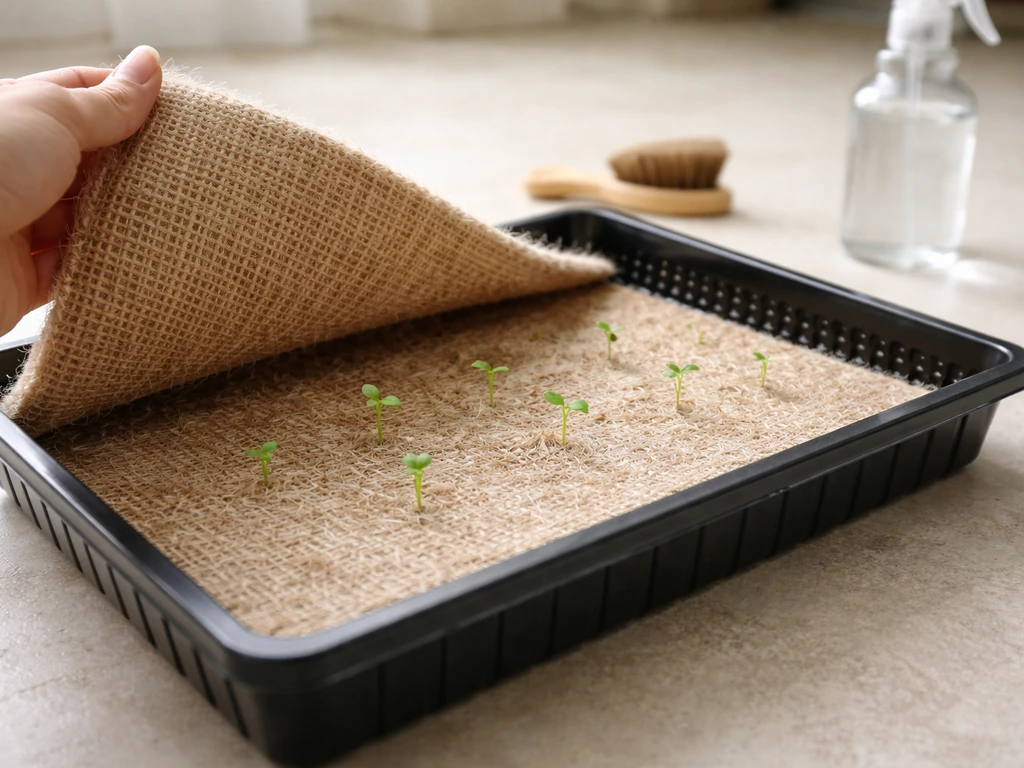
When reuse is (and isn't) worth it
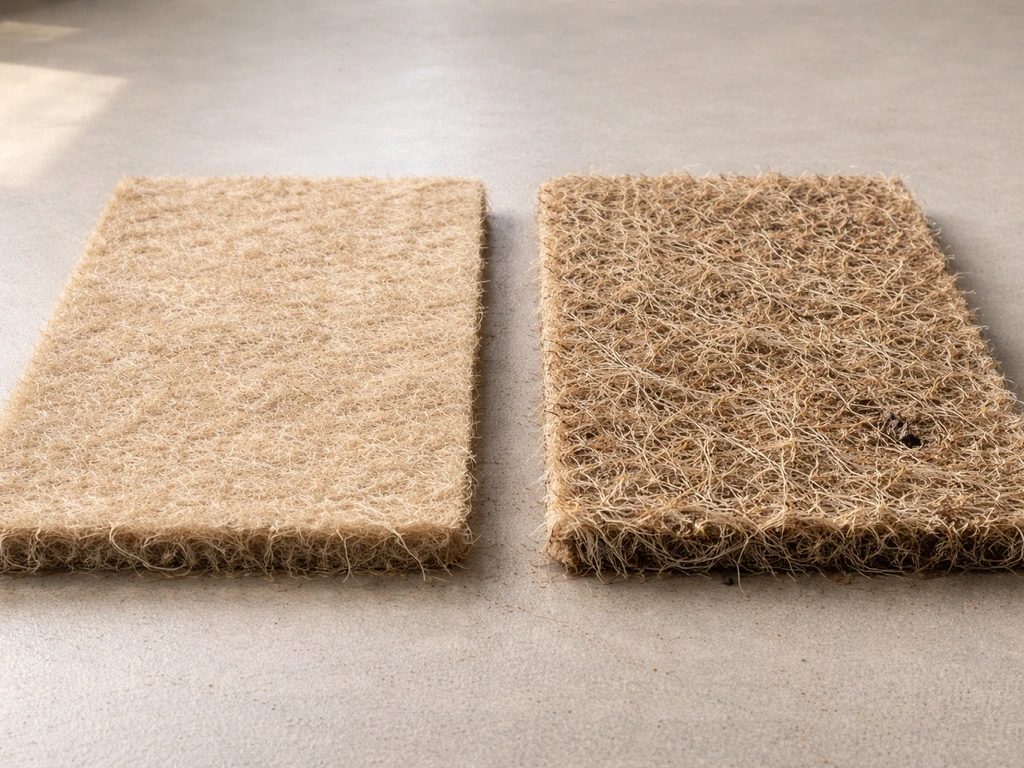
The main factor is how deeply the previous crop's roots penetrated the mat. Microgreens are the hardest case: the roots weave into hemp fibers so completely that you physically cannot separate them without tearing the mat apart. Several suppliers, including OregonP and Microgreen-shop, explicitly label their hemp felt mats as single-use for this reason, and they're right. Trying to reuse a microgreens mat is risky because root remnants trapped in the fibers decompose and become a breeding ground for mold and pathogens before your next seeds even germinate.
For hemp fiber hydroponic mats used as under-basket or under-slab support layers, the picture is different. These mats don't host roots directly in the same way, so cleaning is more practical. Similarly, if you used a mat as a rooting medium for a single larger plant (a hemp start, a cutting, or a seedling plug), there's a reasonable argument for reuse if the mat held its structure and didn't show signs of disease. The key question is always: can you actually get it clean? If root material is woven throughout and you can't clear it, skip the reuse.
Fiber breakdown is the other limiter. Hemp grow mats degrade over time, especially in wet environments. After one full run, a mat that has been kept constantly moist may have lost meaningful structural integrity. Press it gently: if it compresses and doesn't spring back, or if it falls apart at the edges, it won't provide consistent drainage and aeration for the next crop. That change in physical structure affects root health directly, which matters whether you're running a soil-based container setup or a hydroponic system.
How to tell if your mat is still healthy to reuse
Before you spend time cleaning a mat, run it through this quick assessment. You're looking for physical and biological red flags that would make cleaning impractical or the mat unsafe regardless of what you do to it.
- Smell it: a healthy used mat smells earthy or neutral. A sour, ammonia, or musty smell means decomposition or mold is already established inside the fibers, and sterilization may not reach all of it.
- Check for visible mold: white, gray, green, or black patches anywhere on the mat surface or inside the fibers are a hard stop. Discard it.
- Test drainage: pour a small amount of water through it. Water should pass through relatively freely. If it pools on top and drains slowly, salt and mineral buildup or fiber collapse has changed the structure.
- Look at fiber integrity: the mat should hold together as a coherent unit. If it tears easily, sheds fibers heavily, or has soft decomposed sections, it won't perform reliably.
- Root load: pull back from a corner and estimate how deeply roots have penetrated. If roots run all the way through the mat's depth, reuse is not practical for hygiene reasons.
- Check for pests: look for fungus gnat larvae (small white worms near the base), spider mite webbing, or any other visible insect activity. A single infested mat can contaminate your entire grow space.
If the mat passes all of those checks, it's a candidate for cleaning. If it fails even one, the risk-reward math usually doesn't favor reuse. A new hemp mat costs less than the time and potential crop loss from a contaminated run.
Cleaning and decontamination steps for a safe next run
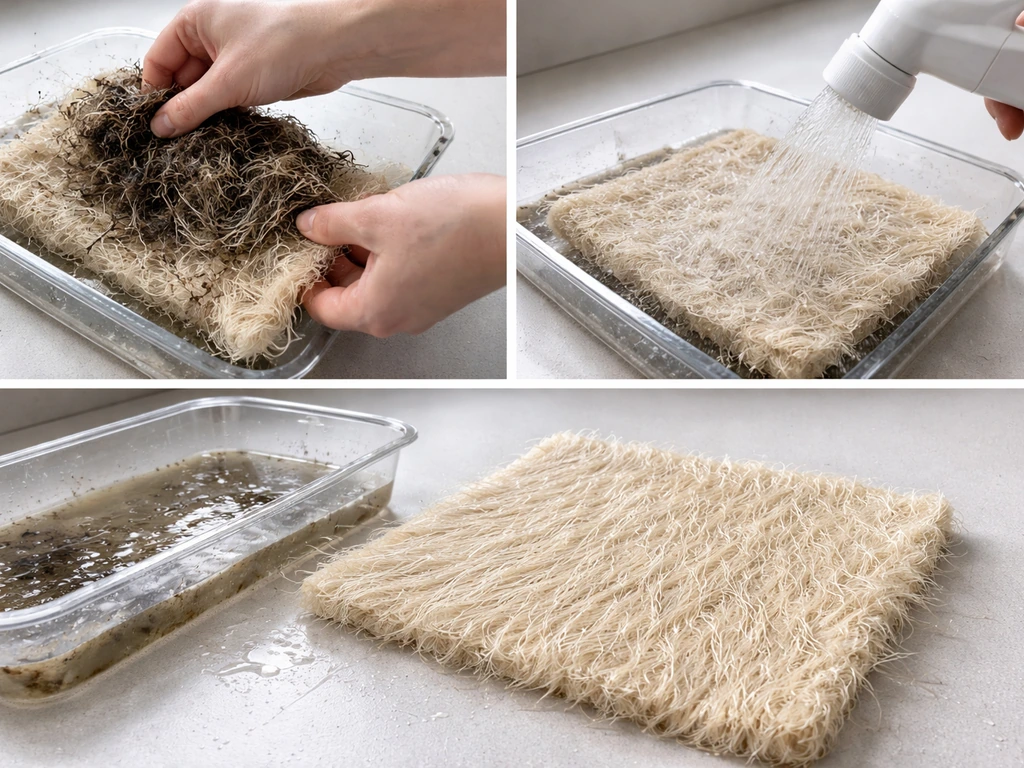
This is the process Terrafibre themselves recommend, and it aligns with what experienced hydroponic growers use for other fibrous media like coco coir. The goal is to remove physical debris first, then kill pathogens chemically, then rinse out all chemical residue before the next crop touches the mat.
- Remove all visible root material: pull roots off by hand and use a soft brush to dislodge surface debris. Work over a trash bin, not your grow space, to avoid spreading pathogens.
- Dry the mat completely: this step is non-negotiable. Lay the mat flat in a well-ventilated area or under a gentle fan until it is fully dry through the core, not just the surface. Damp mats harbor anaerobic bacteria even through chemical treatment. Depending on mat thickness and ambient humidity, full drying can take 24 to 72 hours.
- Prepare your hydrogen peroxide solution: use food-grade hydrogen peroxide at 3 percent concentration (the standard pharmacy bottle) or dilute stronger concentrations down. A working solution of 2 mL of 35 percent H2O2 per liter of water is a common hydroponic standard. For mats, a simpler approach is a 3 percent solution straight from the bottle diluted 1:1 with clean water.
- Soak the mat: submerge the dry mat in your peroxide solution for at least 4 hours. Some growers soak overnight (8 to 12 hours), which matches guidance used for coco coir disinfection. Keep the container covered to maintain concentration.
- Rinse thoroughly: rinse the mat with clean, pH-balanced water (target 6.0 to 6.5 for most crops) until you're confident no peroxide residue remains. Peroxide breaks down into water and oxygen, so residual amounts dissipate quickly, but heavy concentrations can damage root tips at transplant.
- Dry again before use or storage: after rinsing, dry the mat fully before introducing it to the next crop or storing it. Storing a damp mat, even a sterilized one, allows mold to recolonize within 24 to 48 hours.
A quick note on bleach: it works as a disinfectant and is sometimes recommended for grow equipment, but it's harsher on natural fibers, harder to rinse out completely, and can leave residue that affects plant health. Stick with hydrogen peroxide for the mat itself. Save bleach for hard surfaces like trays and benches where rinsing is easier. Whichever chemical you use, work in a ventilated space and wear gloves. Both hydrogen peroxide and bleach can cause skin and respiratory irritation at working concentrations.
Reuse best practices in soil vs hydroponic-style setups
How you reuse a hemp mat depends a lot on what kind of setup you're running. The two contexts have different contamination risks and different ways the mat interacts with your system.
| Factor | Soil-Based Setup | Hydroponic-Style Setup |
|---|---|---|
| Root penetration depth | Usually shallower if mat is used as a liner or seed-start layer | Can be deep if mat is used as primary medium for propagation or small plants |
| Salt/mineral buildup | Lower, since soil buffers most nutrient runoff | Higher, because nutrient solutions cycle through directly and salts accumulate in fibers |
| Pathogen risk | Moderate, soil introduces its own microbiology | Higher, because hydroponic environments favor fast-spreading waterborne pathogens like Pythium |
| Cleaning difficulty | Easier if mat wasn't submerged | Requires more thorough flushing to clear salt and mineral deposits |
| Reuse viability | Reasonable after 1 to 2 runs if mat structure holds | More conservative: 1 run is typical before structural or contamination issues appear |
| Recommended sterilization | Hydrogen peroxide soak plus full dry | Hydrogen peroxide soak, pH-balanced flush, full dry before reintroduction |
In hydroponic systems, the bigger concern beyond pathogen load is salt and nutrient buildup in the fibers. Over multiple runs, dissolved minerals precipitate inside the mat and change its water-holding and drainage behavior. A pH-balanced flush before and after the peroxide soak helps clear this. Think of it the same way you would flushing and reconditioning coco coir between runs: the goal is to reset the mat's chemistry as close to neutral as possible so it doesn't interfere with the next nutrient program.
In soil-based setups, the mat is usually being used as a liner, a seed-starting layer, or a structural support inside a container. Root penetration tends to be less severe, and the soil environment already has its own active microbiology, which changes the risk calculus somewhat. That said, you still need the physical cleaning and drying steps. Don't skip those just because you're not running a hydroponic system.
Troubleshooting problems from reusing mats
Mold appearing on or near the mat
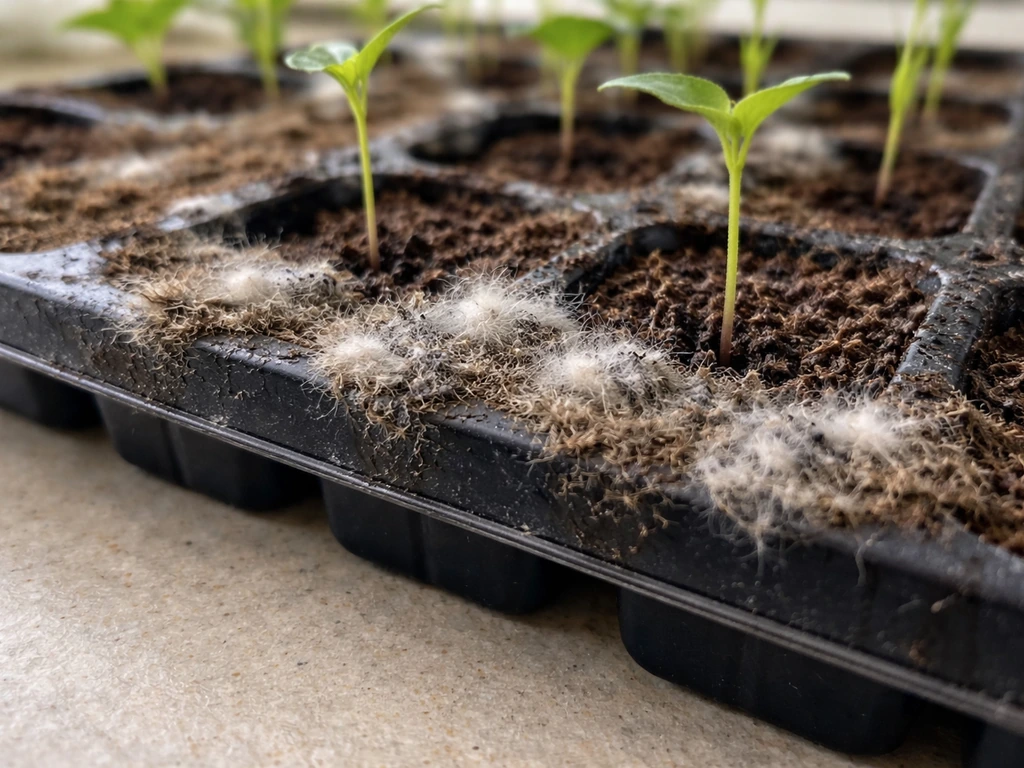
If you see white or gray fuzz appearing at the base of seedlings or around the mat surface within the first week of a new run, the mat wasn't clean or dry enough before reuse. The most common culprit is residual root material decomposing in the fibers, which is exactly the kind of organic matter mold and rot organisms feed on. At this point you have two options: remove the mat, re-clean and re-dry it (if the plants are early enough to survive the disruption), or cut your losses, discard the mat, and transplant into fresh medium. Running a small amount of hydrogen peroxide solution directly onto the affected area as a spot treatment can slow mold spread while you decide, but it won't eliminate an established colony inside the mat.
Slow drainage or waterlogging
If the mat is holding water longer than it did in the first run, the fiber structure has degraded or mineral deposits have partially blocked drainage pathways. This leads to anaerobic conditions at the root zone, which promotes root rot and Pythium. You can try a thorough flush with clean water to clear blockages, but if the mat compresses and doesn't recover its original thickness, it's structurally compromised. Replace it. Waterlogged root zones are one of the fastest ways to lose a crop, so don't gamble on a degraded mat.
Pest carryover between runs
Fungus gnats and shore flies lay eggs in moist organic material, and a hemp mat with residual root debris is an ideal breeding site. If you had a gnat problem in the previous run and you're reusing the mat, you're likely restarting the infestation. The hydrogen peroxide soak will kill most larvae and eggs on contact, but only if the soak reaches all parts of the mat. British Columbia’s seed handling guidebook gives an example [hydrogen peroxide soak](https://www2.
gov. bc. ca/assets/gov/farming-natural-resources-and-industry/forestry/tree-seed/tree-seed-publications/seedhandlingguidebook_hi. pdf)-time reference, using a 3% H2O2 solution for seed sanitation (up to four hours).
Complete submersion for the full soak period is important here, not just a surface spray. After the soak, the complete drying step removes the moisture those insects need to survive and reproduce. If pests were severe in the previous run, the safest call is still replacement.
Stunted or discolored new seedlings
Yellowing, slow growth, or tip burn in a new crop planted on a reused mat often points to one of two things: chemical residue from incomplete rinsing after sterilization, or a pH or salt imbalance from the previous run still locked in the fibers. Test your runoff water pH if you're in a hydroponic setup. If it's drifting significantly from your target range, flush the mat again with pH-corrected water. If you used bleach instead of hydrogen peroxide and didn't rinse aggressively, chlorine residue can inhibit root development directly.
When to replace: weighing cost, time, and risk
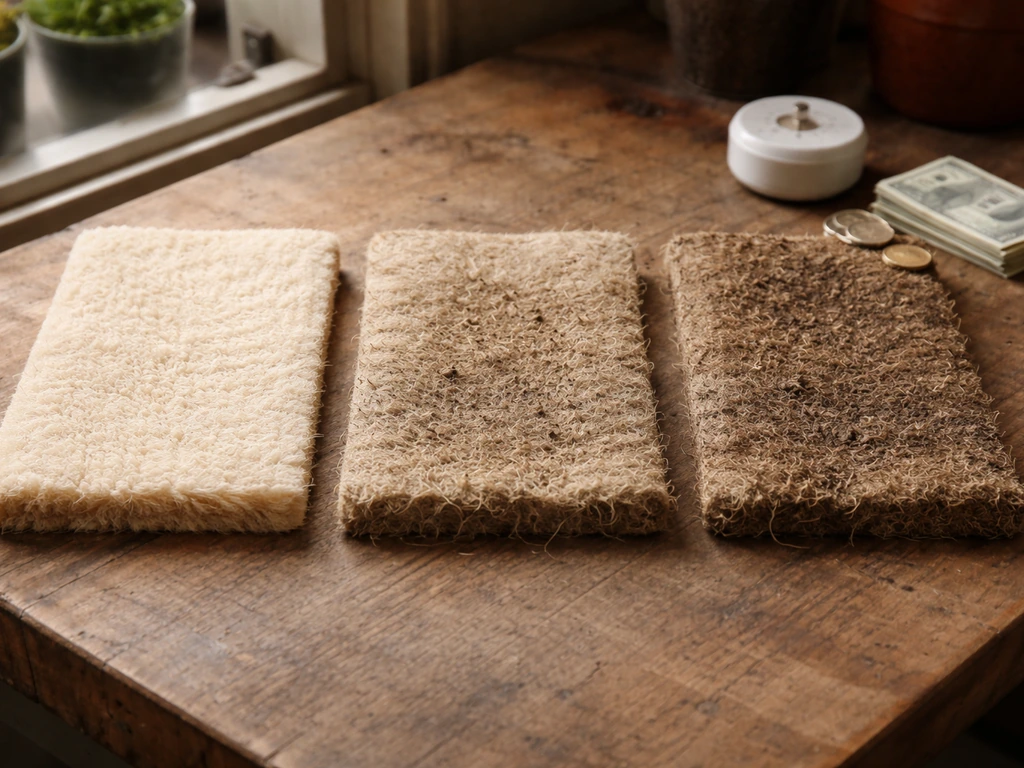
Hemp grow mats are not expensive. That's important context for the whole reuse conversation. If a mat costs a few dollars and the cleaning process takes an hour of your time plus the cost of hydrogen peroxide, you're not saving much by reusing it more than once or twice. The risk of losing even part of a crop to mold, pests, or root issues from a compromised mat far outweighs the savings from squeezing out a third or fourth run.
A practical replacement schedule for most home growers: plan on one reuse for mats used in longer-cycle crops (propagation, single larger plants, hydroponic support applications), with thorough cleaning between runs as described above. Before you reuse or choose a mat, it helps to know what hops need to grow so you can set up the right environment from the start what do hops need to grow. For microgreens or any crop where roots fully penetrate the mat, treat them as single-use and budget accordingly when ordering supplies. Buying mats in bulk reduces per-unit cost significantly and removes the temptation to push a compromised mat through another run.
If you're setting up a more systematic grow operation and want to get better performance out of every run regardless of medium, the same principles that apply to hemp mats apply to other hydroponic media: clean thoroughly between crops, don't carry pathogens forward, and invest in fresh medium before a problem run rather than after. If you are also planning your hydroponic system from scratch, it helps to know what you need to grow hydroponics before choosing or reusing a medium other hydroponic media.
If you're planning a hemp grow, you'll also want to understand what equipment is needed to grow hemp so your environment is properly set up from day one. Before you even decide whether to reuse hemp mats, make sure you understand what hops need to grow, including the right light, support, and moisture what do hops need to grow.
When you are trying to can you grow grains hydroponically, the same idea applies: keep the medium and root zone hygienic and reset conditions between crops. Getting your broader growing setup right, including nutrient management, system hygiene, and equipment choices, makes individual medium decisions less stressful because your baseline environment is healthy to start with.
If you want to run a hydroponic-style system without nutrients, focus on the root-zone chemistry and water quality, since skipping nutrients usually means using specialized setups or alternative nutrient sources hydroponic without nutrients. If you are asking what is not necessary to grow a hydroponic plant, it often comes down to skipping nutrients, but you still need to manage water quality and root-zone conditions hydroponic without nutrients.
FAQ
How long should a reused hemp grow mat be dried before the next crop?
Dry it until it is completely air-dry throughout (no cool, damp center). If the mat still feels “soft” or springs poorly, or if it holds water longer than a new mat, drying was not sufficient and you should plan to re-clean and re-dry or replace it.
Can you speed up drying of a hemp mat after hydrogen peroxide?
You can speed it up with airflow and a warm, dry location, but avoid heat sources that can partially melt or harden natural fibers. Use gentle warmth and full drying time, because incomplete drying increases mold risk and also helps prevent fungus gnats from restarting.
What’s the safest way to tell if the mat is still too contaminated to reuse?
Look for more than just smell. If you cannot remove visible root debris, see persistent fuzzy growth after drying (white, gray, or greenish), or the mat texture remains sticky or overly wet, treat it as contaminated and discard rather than trying another cleaning cycle.
Is hydrogen peroxide soaking enough if I had root rot or Pythium in the previous run?
Often it helps reduce pathogens, but you still need two extra checks before reuse: confirm thorough submersion coverage (no dry pockets) and re-run physical testing for drainage and structure recovery. If the mat stays waterlogged or compresses and does not spring back, peroxide will not fix the underlying anaerobic conditions.
Can I reuse a hemp mat for a different crop type (for example, from microgreens to herbs)?
Yes sometimes, but only if the mat did not show disease or heavy root penetration. Microgreens mats are the exception, since root weaving makes safe cleaning unlikely. For other crops, the decision hinges on whether you can remove root remnants and whether the mat’s drainage behavior resets after cleaning.
Should I rinse the mat after the peroxide soak, and what if I skip rinsing?
Yes, rinse aggressively after peroxide, then reset the mat chemistry with clean, pH-balanced water in hydroponic-type use. Skipping rinsing can leave residue that can slow root development or contribute to pH and salt imbalances in the next run.
Does using bleach instead of hydrogen peroxide always make reuse riskier?
It can. Bleach can bind or remain in natural fibers more than hydrogen peroxide, and rinsing it out completely is harder. If bleach was used, assume you need longer and more thorough rinsing, plus a chemistry reset, otherwise nutrient uptake and root growth can be impaired.
If the mat is structurally compromised, is it still okay to reuse it as a liner rather than a root-contact medium?
Maybe, but not if the liner role still traps moisture against plant roots or changes drainage. If it compresses, edges break apart, or water stays longer than in the first run, it can create damp microclimates that still support rot and pests, even if it is not your primary rooting layer.
Why do I see seedling mold or fuzzy growth within the first week after reusing a mat?
The most common cause is leftover root material or organic debris decomposing inside fibers before the next crop establishes. Another contributor is incomplete submersion during sterilization, leaving untreated pockets. If it appears quickly, it usually means cleaning and drying were not adequate, so replacement is the safer move.
Can I reuse a mat that dried slowly or was stored damp between runs?
No, not safely. Damp storage increases microbial growth and can accelerate fiber breakdown. Store mats dry and closed from contamination, and if a mat was stored damp, treat it as single-use unless you can remove debris and demonstrate the mat fully dries and drains like new.
Should I reuse mats if I had fungus gnat or shore fly issues before?
Only if you can do complete submersion during peroxide soaking and then achieve full drying. If pest pressure was severe, eggs or larvae can be abundant, and the safest option is replacement, because even small missed pockets can restart the infestation.
Do I need to test pH or salts when reusing in a hydroponic system?
Yes, it’s a smart check. Mineral buildup can shift water behavior and root zone chemistry. If you see drifting runoff pH, do another flush with pH-corrected water before planting again, and avoid reusing a mat that no longer returns to its original thickness and drainage pattern.
What’s a practical rule-of-thumb for how many times you can reuse a hemp mat?
For home and most longer-cycle uses, plan on one reuse (two runs total) if the mat fully dries, cleans well, and remains structurally sound. For anything resembling microgreen use where roots penetrate heavily, treat it as single-use to avoid recurring mold and disease risk.