Yes, you can grow cannabis without adding liquid nutrients during the grow, but only if the medium you start with already contains enough plant-available nutrition to carry the plant through its cycle. The key word is "added." The nutrients don't disappear just because you're not pouring a bottle of feed into your watering can. They're either already in the soil, or they're not, and that distinction is everything.
Can You Grow Weed Without Adding Nutrients? (Low-Feed Guide)
Marcus Holloway
13 Apr 2026
What "no nutrients" really means for cannabis
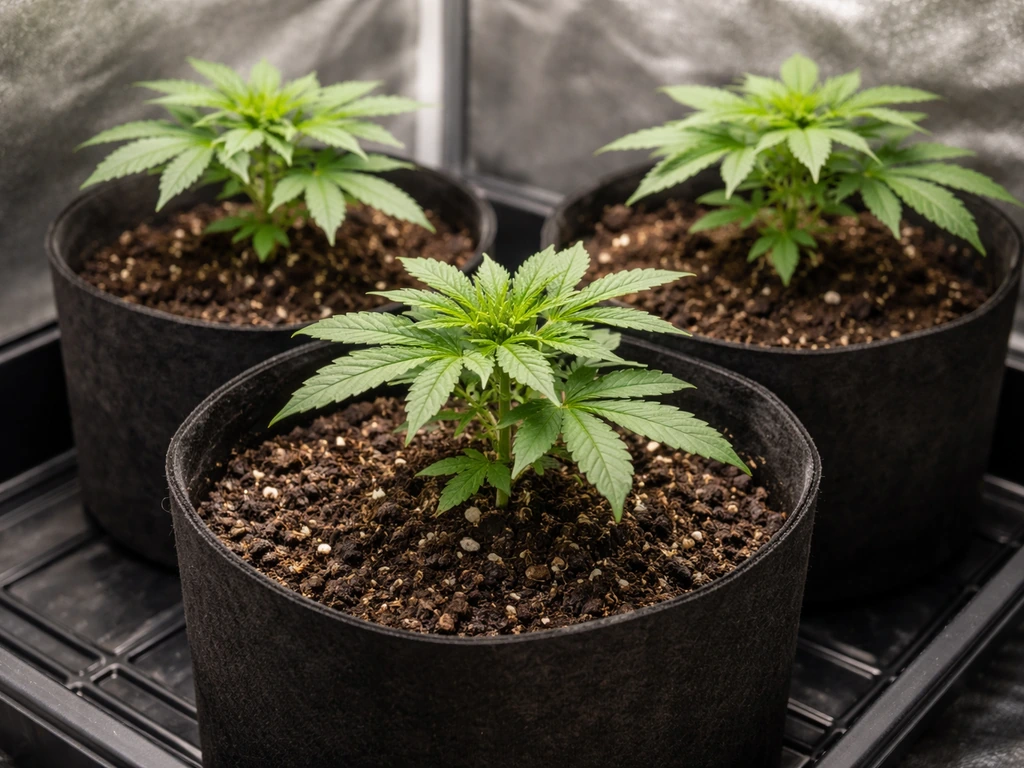
When most growers say they want to grow without nutrients, they mean they don't want to buy and mix liquid fertilizers every week. That's a totally reasonable goal. What it doesn't mean is that the plant can survive on water alone. Cannabis needs nitrogen (N), phosphorus (P), potassium (K), calcium (Ca), magnesium (Mg), and a suite of micronutrients (iron, zinc, manganese, copper, boron, molybdenum) at every stage of its life. Those elements are non-negotiable at the plant-biology level, regardless of whether you're growing in soil, coco, or water.
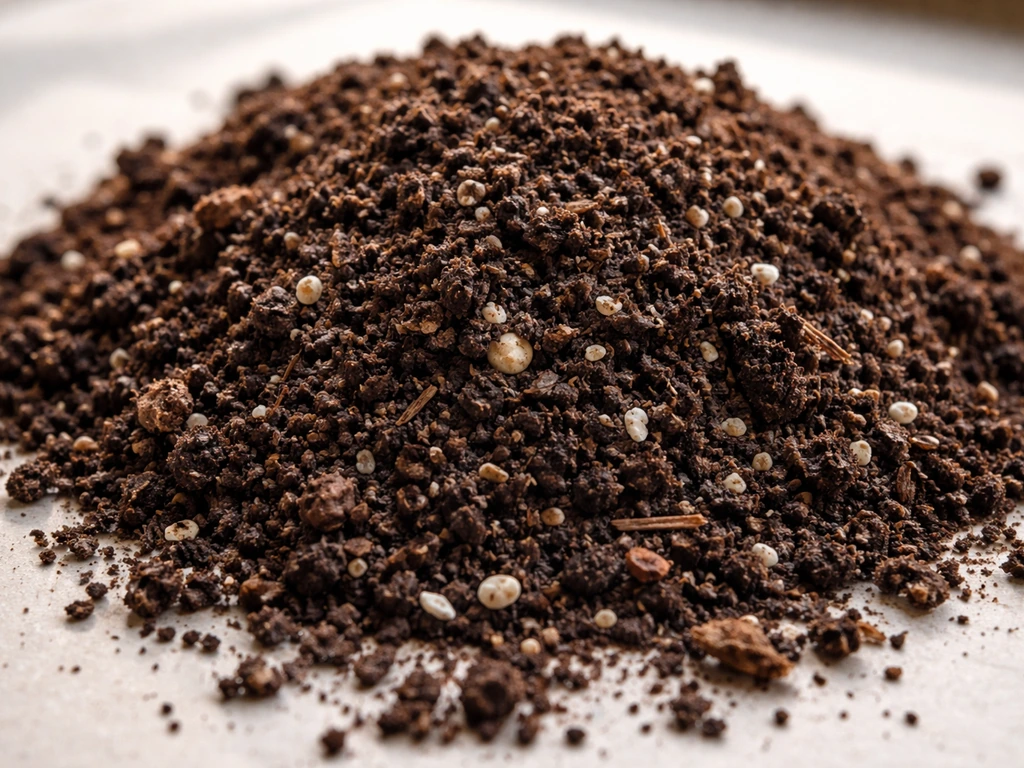
So "no nutrients" in practical growing terms means: the nutrients are preloaded into the medium, not absent from the system. A properly prepared super-soil or living-soil mix is doing the nutrient work before the seed even goes in the ground. You're not skipping nutrition, you're front-loading it. That distinction matters a lot when you're troubleshooting problems later.
It's also worth flagging the legal reality upfront: cannabis cultivation laws vary widely by location. Before you set up any grow, confirm your local and state or national regulations. Nothing in this guide overrides your legal obligations, and no "DIY nutrient" additive made from unverified household chemicals is ever a safe or legal workaround.
Options that let you run low or no supplemental feeding
There are a few practical paths to genuinely low-input growing. The most reliable is using a nutrient-dense amended soil or super-soil mix. Living soil goes one step further by incorporating active biology (bacteria, fungi, nematodes) that continuously breaks down organic matter and makes nutrients available to roots over time. Deep Roots Living Soil describes worm castings as supporting nutrient absorption and soil life, aligning with the living-soil idea of biological nutrient availability over time active biology (bacteria, fungi, nematodes) that continuously breaks down organic matter and makes nutrients available to roots over time. Both approaches work on the same principle: build a rich, biologically active medium before you plant, and the system feeds the plant so you don't have to.
A second option is using a high-quality commercial potting mix specifically marketed as pre-amended for cannabis. Some of these mixes include slow-release fertilizer pellets, worm castings, bat guano, kelp meal, and mycorrhizal inoculants. They can carry a plant through a significant portion of veg without added feeding, though they rarely last all the way through flower without at least some top-dressing.
A third approach, popular among outdoor and large-container growers, is growing in raised beds amended with compost, aged manure, cover crop material, and rock minerals. The volume of the medium buffers the plant against deficiencies for longer, and the soil food web has more room to develop. This is about as close to a true water-only grow as most people will get, especially for outdoor cultivation where natural inputs like rainfall and soil microbes contribute meaningfully to plant nutrition.
Soil vs hydroponics: why true water-only usually fails in hydro
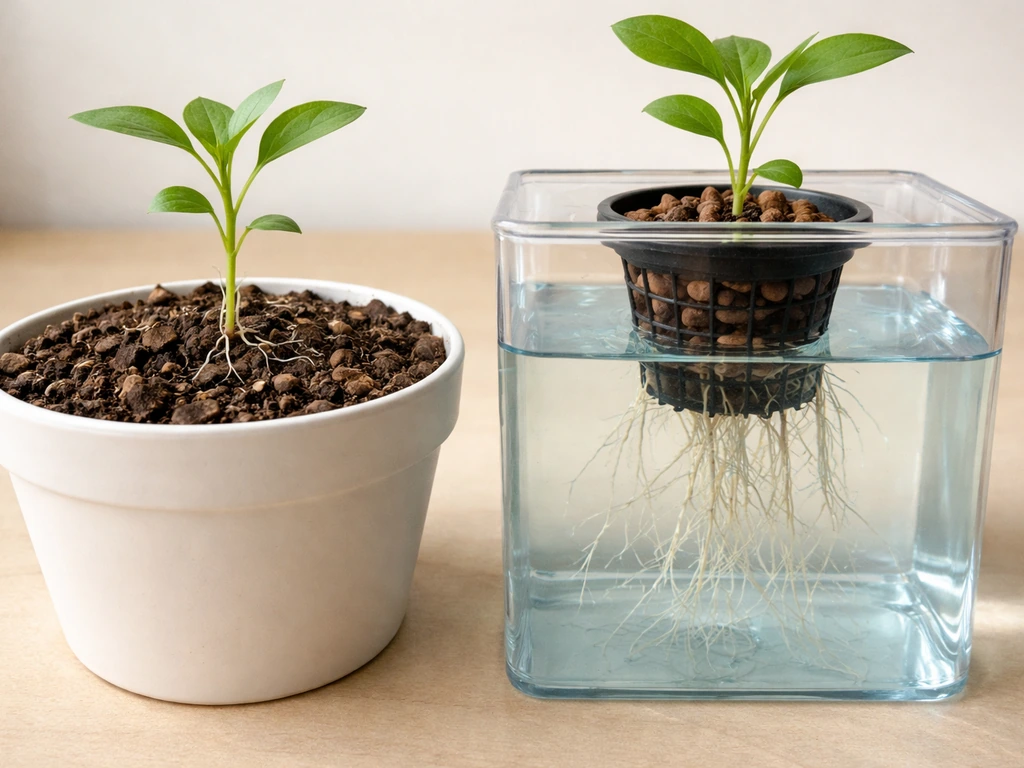
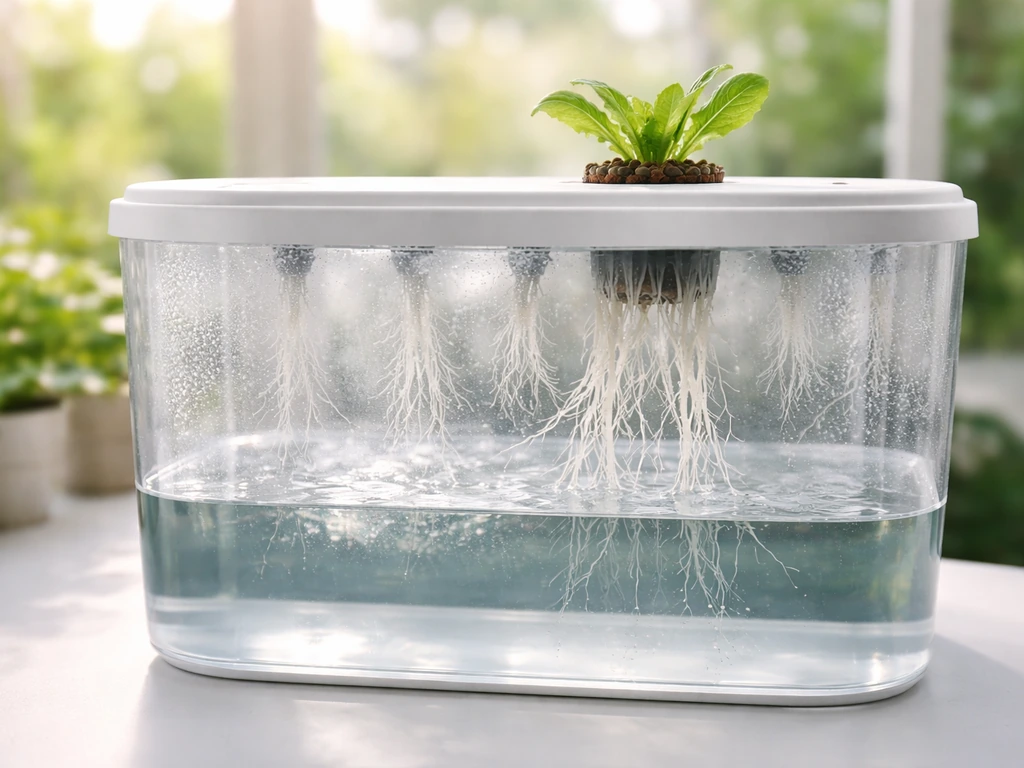
In soil, organic matter breaks down and releases mineral ions over time through microbial activity. The medium itself is a nutrient reservoir. In hydroponics, there is no medium to break down. The roots sit in or are constantly misted with water, and every element the plant needs has to be dissolved in that water as mineral salts. If you fill a hydroponic reservoir with plain water and nothing else, you're essentially starving the plant from day one.
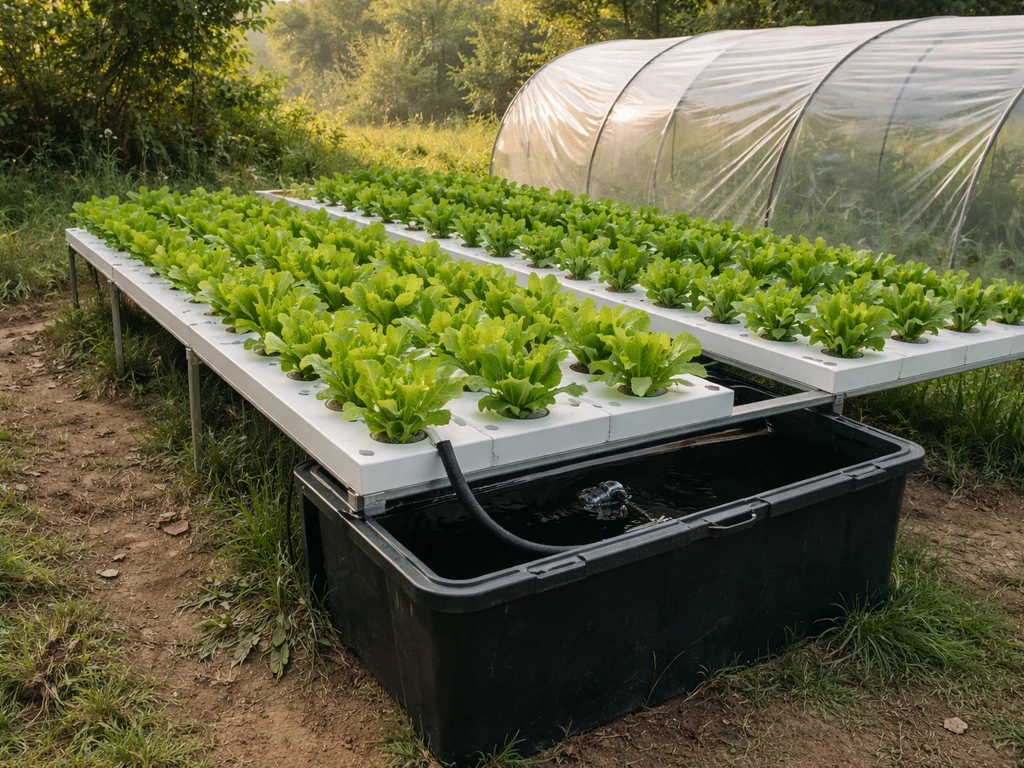
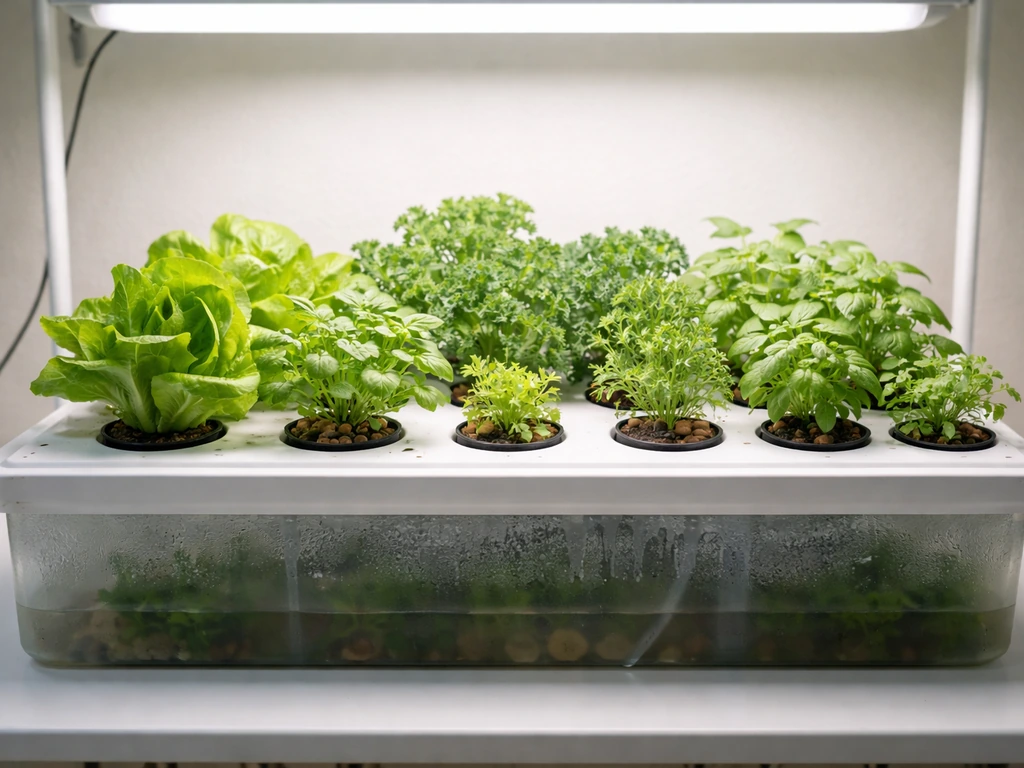
This is why the question of whether you can grow anything hydroponically without nutrients has a hard answer: no, not in the conventional sense. NFT channels, flood-and-drain tables, DWC buckets, and similar systems all rely entirely on the dissolved mineral nutrient solution as the plant's food source. There's no soil biology to fall back on, no slow-release amendment cycling through, no stored reserves in a substrate. The grower supplies the nutrients through the water, full stop.
Some growers experiment with aerated compost teas or plant-extract solutions (fermented plant juice, for example) as more "natural" hydro inputs. These can work as supplements in living-soil applications, but as the sole nutrient source in a true hydro system, they're inconsistent and difficult to dial in. Nutrient ion concentrations in compost tea vary widely batch to batch, making it nearly impossible to maintain the precise EC and pH control that hydroponic systems require. You can explore what's possible with alternative growing methods like aeroponics, but even in those systems, what you can grow with aeroponics is still constrained by the need for a complete dissolved nutrient profile.
The bottom line: if you want a genuinely low-input grow, soil or a living-soil bed is your path. Hydro is not the right tool for avoiding nutrient management. It's actually the system that demands the most precise nutrient management of all.
How to set up a nutrient-carrying grow medium (and how long it lasts)
Super-soil is the most popular DIY approach. The concept is straightforward: you mix a base of high-quality compost or potting mix with a range of organic amendments, then let the blend "cook" for about four weeks before planting. That cooking period is essential because it gives soil microbes time to begin breaking down amendments and converting them into plant-available mineral forms. Skip the cook and you risk nutrient lock-out or burn from raw amendments that haven't cycled yet.
A typical super-soil amendment stack might include worm castings (5 to 30% of total mix volume), bat guano (for phosphorus), kelp meal (micronutrients and trace minerals), rock phosphate (slow-release phosphorus), greensand (potassium and iron), dolomite lime (pH buffer and calcium/magnesium source), and mycorrhizal inoculant. The exact ratios vary by recipe and by the base mix you start with, so testing your specific blend matters. The important thing is that every macro and micronutrient category is represented.
How long does it last? In a 5-gallon container, a well-built super-soil typically carries a plant comfortably through all of veg and into the first two to three weeks of flower. After that, the most available nutrients start to deplete, and the plant enters the high-demand stretch of bud development just as your medium starts to run dry. This is exactly why top-dressing exists. Applying a thin layer of worm castings, compost, or a dry organic amendment blend at the transition to flower, ideally before you see any symptoms, keeps the nutrient pipeline running. The timing matters: top-dressing takes one to two weeks to cycle through the soil biology and become available to roots, so you need to act ahead of the plant's peak demand, not after it's already showing yellowing.
Larger containers and raised beds extend that window considerably. A 20-gallon fabric pot or a 4x4 raised bed with a deep, rich amendment profile can carry a plant much further into flower before the medium exhausts itself. This is one of the strongest arguments for going big on container size if your goal is a true water-only or near-water-only approach.
Signs of nutrient deficiency and how to intervene early
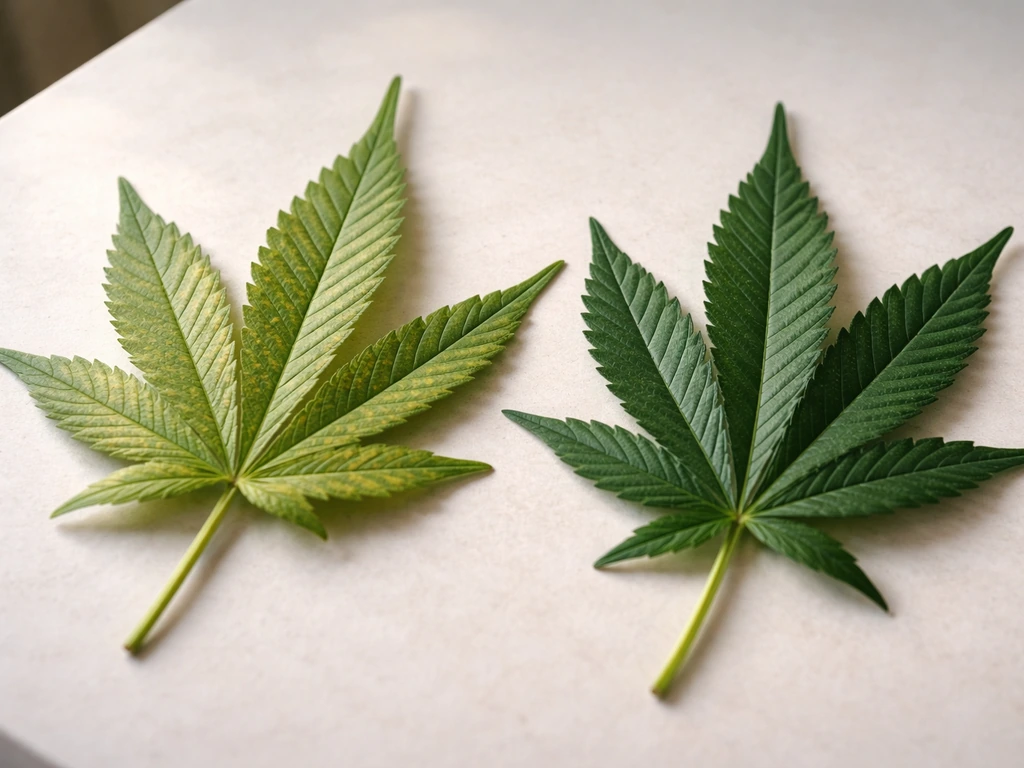
The most important diagnostic tool here is understanding mobile versus immobile nutrients. Mobile nutrients (nitrogen, phosphorus, potassium, magnesium) can be relocated within the plant. When they're scarce, the plant strips them from older, lower leaves and redirects them to new growth. So deficiency symptoms for mobile nutrients appear first on the oldest leaves. Immobile nutrients (calcium, iron, zinc, boron) can't be moved once deposited, so deficiencies show up in new growth first.
Here's a quick reference for the deficiencies most likely to show up in a low-feed grow:
| Nutrient | First symptom location | What to look for | Mobile? |
|---|---|---|---|
| Nitrogen (N) | Older/lower leaves | Light green, then yellow; stunted growth | Yes |
| Phosphorus (P) | Older leaves | Dark green to purple tones, dull coloring | Yes |
| Potassium (K) | Older leaf edges | Chlorosis along leaf margins, tip burn | Yes |
| Magnesium (Mg) | Older leaves between veins | Interveinal yellowing (veins stay green) | Yes |
| Calcium (Ca) | New growth, growing tips | Distorted or clawed new leaves, tip die-off | No |
| Iron (Fe) | New growth | Bright yellow between veins on young leaves | No |
Nitrogen deficiency is the most common issue in low-feed grows. It shows as an overall lightening of color that starts at the bottom of the plant and climbs upward. If your lower fan leaves are going light green or yellow and the plant's growth rate has slowed, nitrogen is the first suspect. In flower, some lower-leaf yellowing is normal as the plant redirects energy to buds, but if it's progressing fast or climbing into the middle canopy, you need to act.
Phosphorus deficiency in cannabis often shows as darker coloring or purpling on older leaves, not the obvious yellow you might expect. Potassium deficiency produces a distinctive crispy edge on older leaves that starts as yellowing and progresses to browning at the tips and margins. Magnesium deficiency gives you that classic interveinal yellowing, where the tissue between leaf veins turns yellow while the veins themselves stay green.
Early intervention matters. As soon as you see the first signs, top-dress with appropriate amendments, brew and apply a diluted compost tea, or if the situation is urgent, use a minimal dose of a readily available organic liquid feed (like a fish/seaweed emulsion) to bridge the gap while your soil biology catches up. Don't wait to see if it resolves on its own. It won't.
Troubleshooting outcomes: stunted growth, color changes, yield impacts
Stunted growth in veg almost always traces back to nitrogen deficiency or a pH problem that's locking out nutrients even though they're present in the soil. If your plant is sitting at the same height for two weeks and the leaves are pale, the medium has either run out of available nitrogen or the pH has drifted outside the ideal range of roughly 6.0 to 7.0 for soil. Check your runoff pH before assuming you need to add more nutrients.
Color changes during flower are trickier to read because some are normal and some are deficiency. Natural senescence (the plant dying off at the end of its cycle) causes lower leaves to yellow from the bottom up in late flower, and that's fine. A deficiency during weeks three through six of flower, when the buds are actively developing, is not fine. Nitrogen deficiency at this stage causes weak flower production and smaller, less dense buds. Potassium or phosphorus deficiency during mid-to-late flower directly reduces the plant's ability to fuel bud formation and energy transfer, cutting into your final yield.
Purpling of stems or leaves can indicate phosphorus deficiency but is also sometimes a response to cold temperatures, so consider your environment before treating. Tip burn (browning leaf tips) can be calcium deficiency, but it can also be caused by overly high EC in the root zone or low humidity. Diagnose the root cause before acting.
If you're seeing multiple deficiency symptoms at once, the issue is often pH-driven lockout rather than true absence of nutrients. In that case, adding more amendments won't fix it. Flushing with pH-corrected water and then reestablishing the correct root-zone pH is the first move.
A realistic plan and expectations for veg vs flower without added nutrients
Here's what a full no-added-nutrients cycle realistically looks like in a well-built super-soil or living-soil setup. Veg is the easy part. A properly cooked super-soil in a decently sized container (at minimum 5 gallons, ideally 10 or more) will carry most cannabis plants through the full vegetative phase without any supplemental feeding. Growth should be healthy, green, and on pace if the medium was built right and pH is in range.
The transition to flower is where most low-feed grows hit their first wall. The plant's nutrient demand ramps up sharply as it begins bud production, and the most available nutrients in your medium have already been partially drawn down during veg. This is the point where you should top-dress regardless of whether the plant looks healthy, ideally one to two weeks before or right at the flip to 12/12. Think of it as refueling the tank before it shows empty, not after.
Mid-flower (weeks three through six) is the high-demand window. If you top-dressed at the flip and your medium is genuinely rich, many plants will make it through this stretch without additional input. Some won't. Watch the canopy closely. If lower leaves are yellowing faster than normal or the plant's overall color is fading, you need a top-dress or a light liquid feed within the next few days, not next week.
Late flower (weeks seven through harvest) actually benefits from backing off nitrogen. The plant naturally redirects energy to ripening, and a slight nitrogen reduction in the last two weeks is normal practice even in conventional grows. This is one phase where a low-feed approach aligns naturally with best practice.
Here's a simple decision framework to help you choose the right strategy for your situation:
| Setup | Low/No-Feed Viable? | What You Still Need to Do | Best For |
|---|---|---|---|
| Super-soil / living soil (large container or bed) | Yes, with top-dressing at key points | Cook soil 4 weeks, top-dress at flower transition, monitor pH | Experienced growers wanting minimal liquid feeding |
| Pre-amended commercial potting mix | Partial (veg only) | Plan to top-dress or lightly feed from week 4-5 of flower | Beginners who want simplicity without full DIY |
| Standard potting mix (no amendments) | No | Must add nutrients from week 3-4 onward | Any grower comfortable with a standard feed schedule |
| Hydro (DWC, NFT, aeroponics) | No | Must supply complete dissolved nutrient solution | Growers prioritizing speed and yield, not low-input |
| Raised outdoor bed (heavily amended) | Closest to true water-only | Amend before planting, possible light top-dress in flower | Outdoor growers with space and soil-building interest |
Understanding the full range of growing systems helps put this in perspective. If you're curious about the broader landscape of what these different systems can produce, it's worth exploring what you can grow hydroponically to see where cannabis sits relative to other crops and how nutrient demands compare across plant types.
The honest bottom line: a water-only grow is achievable through most of veg and into early flower with a well-built super-soil or living-soil setup. A truly zero-input grow from seed to harvest, where you never add anything beyond water, is possible but rare and requires a very large, very rich medium that most home setups can't replicate in a container. Most successful low-feed grows still involve some organic top-dressing at the flower transition at minimum. That's not failure. That's just how soil-based nutrition actually works, and it's still dramatically simpler than managing a weekly liquid feeding schedule in a mineral-nutrient system.
FAQ
Can you grow weed using only water with no top-dressing at all?
Sometimes in very rich, large-volume living-soil or super-soil setups, you may get through most of veg and early flower. But for most home grows, nutrients become limiting mid-flower, especially nitrogen and potassium, so at least a flower-transition top-dress is usually needed to avoid yield loss.
If I use “pre-amended” soil, will I truly never need to add anything?
Pre-amended mixes often cover early growth, but they are not typically designed to last the entire flowering period. Plan on monitoring color and leaf behavior around the flip to 12/12, then top-dress if the medium starts to deplete, especially in small pots.
What container size matters most if I want a near-water-only grow?
The larger the medium volume, the longer nutrients buffer the plant. Many low-feed growers find 5 gallons is the minimum for “most veg plus early flower,” while 10 gallons or larger, or raised beds, delays depletion farther into flowering.
How do I tell the difference between nutrient shortage and pH lockout?
If you see multiple deficiencies at once, or symptoms don’t match the usual mobile versus immobile pattern, pH-driven lockout is more likely than true absence. In that case, check runoff or root-zone pH (and correct it with properly adjusted water) before adding more amendments.
Do “no nutrients” grows still need calcium and magnesium?
Yes. Even in a low-feed soil approach, calcium and magnesium must be present in the medium or supplied indirectly through amendments. If these are missing, new growth can show problems because these are among the nutrients that are harder for the plant to relocate once established.
Is compost tea a replacement for soil nutrients in a low-feed setup?
Not reliably as a sole nutrition source. Compost tea quality varies by batch, and it can be inconsistent in both strength and nutrient composition. In low-feed grows, treat it as a supplement to help bridge gaps, while your soil biology and amendments remain the main nutrient reservoir.
If my plants look pale in veg, should I always add more fertilizer?
Not always. Pale, slow growth is often nitrogen deficiency, but it can also come from pH being out of the ideal soil range. First check pH and root health, then decide whether a small top-dress or a targeted bridge feed is appropriate.
Should I top-dress even if the plant looks healthy at the flip to flower?
For a low-feed strategy, yes, it’s often the smart move to top-dress at or shortly before the flip. Bud development rapidly increases nutrient demand, and by the time symptoms show, you may already lose yield potential because the medium is running out.
How do deficiencies usually progress in a no-added-nutrients grow?
Mobile nutrients tend to show on older leaves first, while immobile nutrients show up on newer growth. That pattern helps you decide whether you are dealing with true depletion, incomplete amendment coverage, or pH-related uptake problems.
Can I use liquid “DIY” nutrients made from household ingredients?
It’s risky and often unreliable. Even if they seem “natural,” their nutrient content and contamination risk can be unpredictable, and they may not address the full macro and micronutrient profile cannabis needs. Stick to well-validated amendments and follow local legal guidance.
What’s the most common reason low-feed grows fail in late flower?
Nutrients depleting faster than expected, especially in smaller containers or media that were not properly built and cooked. The fix is usually earlier planning (flower-transition top-dress) rather than waiting for late-stage yellowing.
If I’m in cold weather, can deficiency-like symptoms be misleading?
Yes. Some signs, like purpling, can be influenced by temperature stress rather than phosphorus alone. Before treating, consider your environment, then verify with pH and the overall pattern of leaf changes.