Hydroponics beats soil for indoor growing because it gives you direct control over every variable that drives plant growth: nutrients, water, pH, and oxygen at the root zone. That control translates into faster growth rates, higher yields per square foot, and cleaner, more repeatable results than most soil setups can deliver. That said, it is not the right tool for every grower or every situation, and going in with a clear picture of the tradeoffs saves a lot of frustration.
Why Grow Hydroponically: Benefits, Tradeoffs, and First Steps
Marcus Holloway
2 May 2026
The real reasons growers switch to hydroponics
The single biggest motivator is control. In soil, nutrients are locked inside organic matter and mineral particles that release on their own schedule, influenced by microbial activity, moisture, and temperature. You are essentially asking soil to do the work for you, and it usually does a decent job, but you are also at its mercy when something goes wrong. In hydroponics, you mix the nutrient solution yourself, set the pH to a target range of about 5.5 to 6.0, dial in the electrical conductivity (EC) to somewhere between 1.5 and 3 dS/m, and deliver it directly to the roots. There is no middleman.
The second motivator is location independence. Hydroponics lets you grow fruits, vegetables, and herbs regardless of your local climate, soil quality, or available outdoor space. To figure out what hops need to grow, you still have to dial in key inputs like pH, nutrients, and root-zone oxygen so the plants can take those resources up reliably regardless of your local climate. If you are working with a spare bedroom, a basement, a garage shelf, or a balcony, hydroponics fits where traditional soil growing would be impractical or messy. This is the core reason indoor cultivators gravitate toward it.
Third, for growers chasing quality as much as quantity, controlled comparisons of tomatoes grown in soil versus deep water culture and nutrient film technique systems show that hydroponically grown tomatoes produced higher levels of lycopene and beta-carotene than their soil-grown counterparts. That is not just a yield argument, it is a quality argument. For culinary growers and anyone focused on nutritional output, that matters.
What you actually gain: speed, yield, and consistency
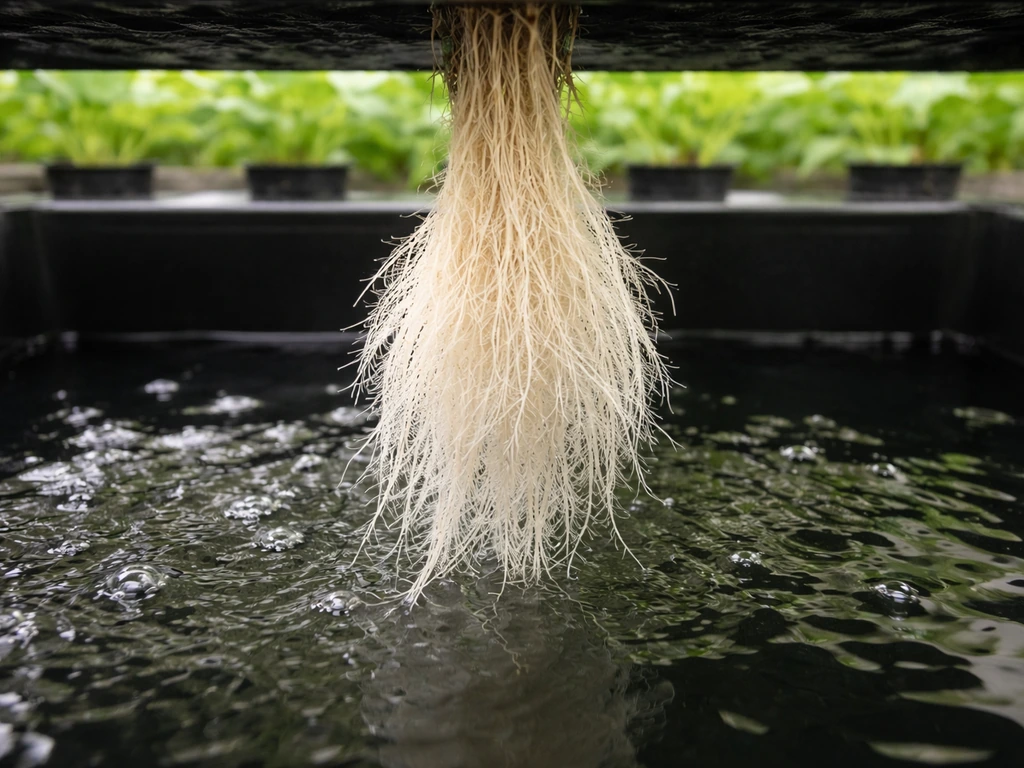
Growth speed is probably the benefit that surprises new growers most. When roots have constant access to oxygenated, nutrient-rich solution at an optimal pH, plants do not spend energy searching for food the way they do in soil. That energy goes into above-ground growth instead. Lettuce and leafy greens in particular respond dramatically, often finishing weeks ahead of soil-grown equivalents. Peer-reviewed modeling of lettuce production confirms higher yields per unit area for hydroponics compared to conventional agricultural methods.
Consistency is the underrated benefit. Once you dial in a working nutrient formula and stable environmental parameters, you can replicate that run almost exactly. Soil is far more variable: bag-to-bag nutrient content differs, microbial populations shift with temperature, and outdoor conditions introduce unpredictability. In hydroponics, if something changes in your output, you can usually trace it back to a measurable parameter, whether that is EC drifting up, pH creeping outside the ideal window, or dissolved oxygen dropping. That feedback loop is tight and learnable.
Water efficiency, space, and environmental control
Water savings are one of hydroponics' most documented advantages. Recirculating systems, where unused nutrient solution is collected and returned to the reservoir rather than lost to runoff or deep percolation, can reduce water consumption by up to 90 percent compared to traditional field farming according to FAO data on recirculating systems. Even at a small home scale, you are watering far less than you would with containers of soil because nothing is lost to drainage or evaporation from a large soil surface. Controlled tomato comparisons showed statistically significant differences in water use efficiency between soil and recirculating hydroponic systems, measured as both total water consumed and water used per kilogram of fruit produced.
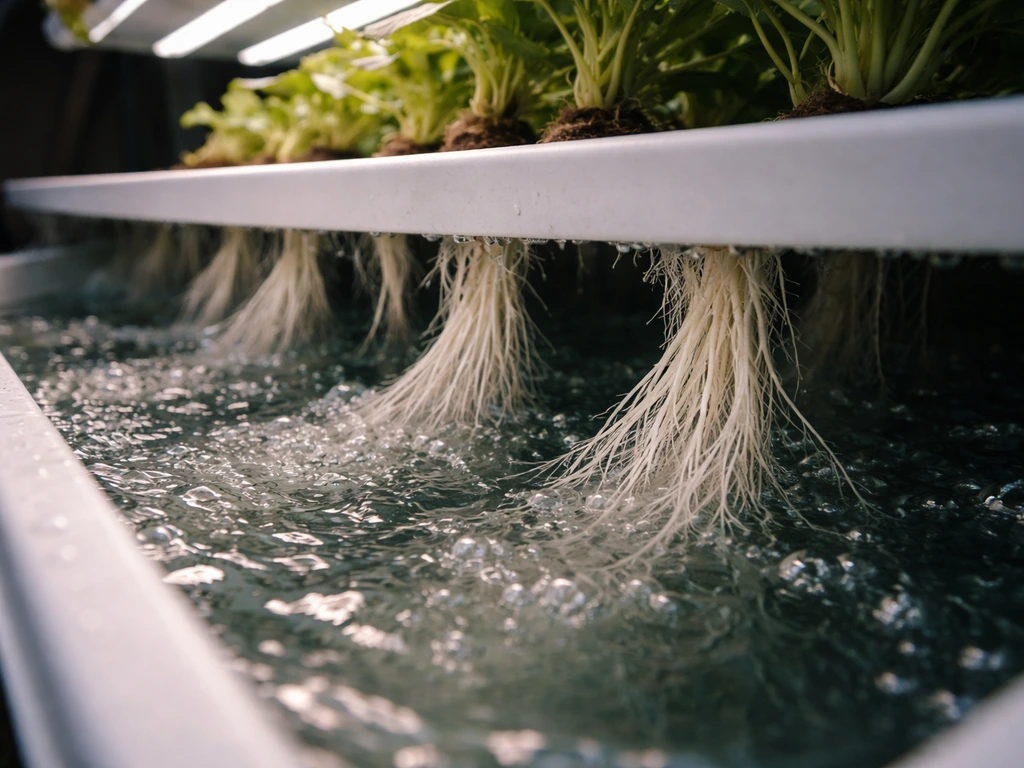
Space efficiency is another real advantage. Vertical NFT channels, raft systems, and compact DWC buckets let you pack much more canopy into a given footprint than soil containers would allow. You are not allocating volume to a heavy growing medium, just to roots, solution, and structure. For apartment growers or anyone working with a tent or small room, that density matters.
Environmental control is where hydroponics and a well-equipped indoor setup truly separate themselves from outdoor soil growing. When you control light cycle, temperature, humidity, CO2, and root-zone chemistry simultaneously, you are not farming, you are engineering. That precision allows for year-round production, consistent run times, and the ability to push plants harder than you safely could outdoors without risking environmental stress. Many growers find that once they experience that level of control, going back to soil feels like flying blind.
Hydroponics vs soil: a direct comparison
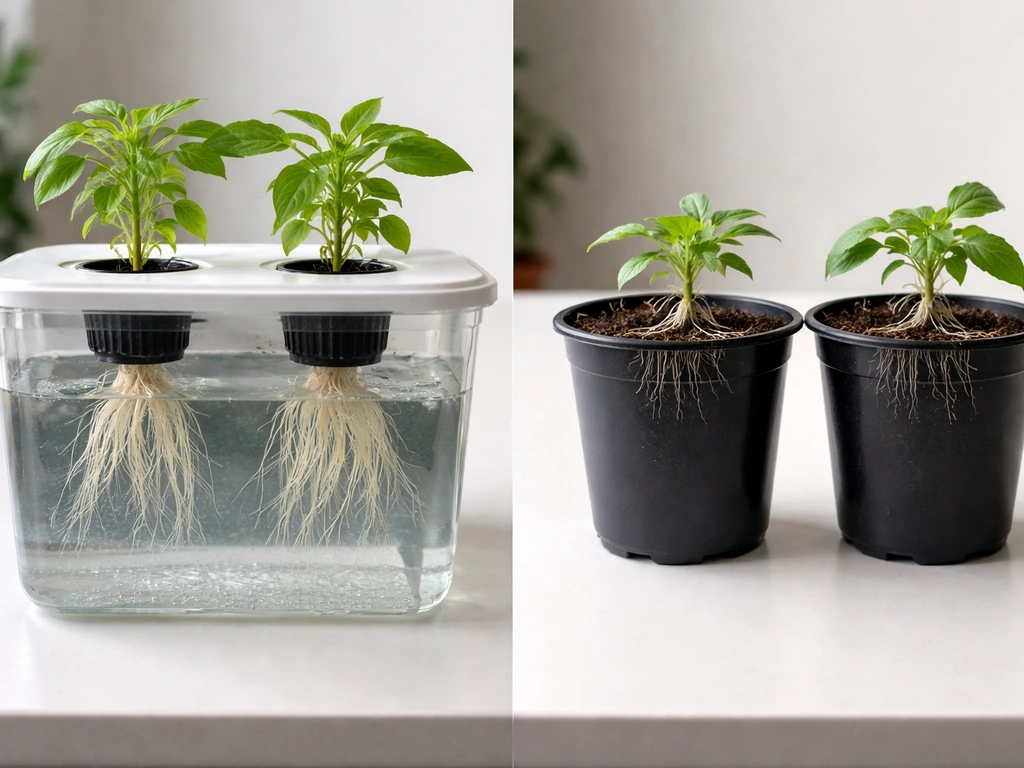
| Factor | Hydroponics | Soil |
|---|---|---|
| Setup cost | Higher upfront ($80-$150+ for basic DWC kit, more for full systems) | Lower upfront (pots, bags of growing medium, basic amendments) |
| Growth speed | Faster, roots have direct nutrient access | Slower, nutrients must be broken down and mobilized |
| Yield per sq ft | Higher in controlled comparisons | Lower, limited by medium nutrient release |
| Water use | Up to 90% less with recirculating systems | Higher, significant loss to drainage and evaporation |
| Learning curve | Steeper, must monitor pH, EC, DO, temp | Gentler, soil buffers many mistakes naturally |
| Error tolerance | Low, problems show up fast | Higher, soil acts as a buffer |
| Mess/weight | Less soil mess, but reservoir leaks can occur | Heavy bags, soil spillage, fungus gnats common |
| Nutrient quality | Higher lycopene/carotenoids in tomatoes vs soil | Dependent on soil organic matter and amendments |
| Best use case | Indoor, controlled environments, leafy greens, herbs, fruiting crops | Outdoor, beginner-friendly, large-scale, low-infrastructure setups |
If you are a complete beginner with no monitoring equipment and want the most forgiving entry point, starting in a quality potting mix is not a bad call. There is also a straightforward way to identify what is not necessary to grow a hydroponic plant so you do not waste money on the wrong gear. Soil is more buffered, meaning a pH that drifts slightly or a nutrient ratio that is a little off will not kill a plant overnight. Hydroponics is less forgiving: Penn State Extension notes that nutrient problems can produce visible symptoms quickly, and Utah State Extension points out that hydroponic systems are poorly buffered, meaning small pH shifts can happen fast and move outside the effective range before you notice. That is not a reason to avoid hydroponics, but it is a reason to go in with your monitoring tools ready.
The real tradeoffs you should know before starting
Cost
Entry-level DWC kits run roughly $80 to $150 for a basic pre-made setup. Once you add grow lights, a ventilation setup, pH and EC meters, nutrients, and a growing medium, a small functional indoor hydro setup can land between $300 and $600 before you count electricity. That is a real investment compared to starting with a bag of soil and a few containers. OSU Extension also notes that small-scale hydroponics can be economically more challenging than conventional growing, especially when you factor in ongoing inputs like nutrient concentrates, pH adjustment solutions, and replacement parts.
Complexity and ongoing monitoring
Managing a hydroponic system means staying on top of pH, EC, dissolved oxygen, water temperature, and water alkalinity on a regular basis. To grow hydroponics successfully, you also need a simple routine for nutrient solution, oxygen, and temperature control from day one Managing a hydroponic system means staying on top of pH, EC. Missouri Extension lists all five as parameters growers need to monitor to keep crops in their comfort zone. pH in particular is critical: if it drifts outside the 5. OSU Extension guidance for hydroponics commonly targets a pH around 5.5 to 6.0, since higher pH can reduce nutrient availability blank" rel="noopener noreferrer">pH in particular is critical: if it drifts outside the 5.. 5 to 6.0 range, plants can lose the ability to uptake nutrients even when those nutrients are present in the solution, which can look exactly like a deficiency. Testing solution pH and EC weekly at minimum is standard practice, and checking more frequently during the first few runs is smart.
Failure modes
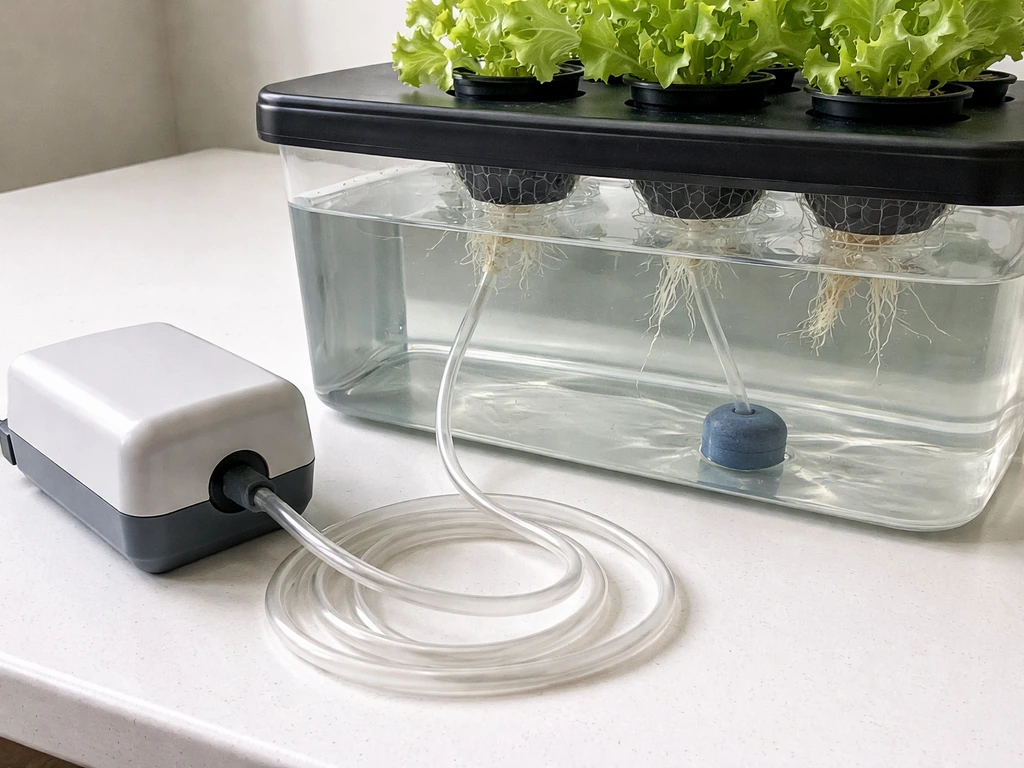
The two fastest ways to lose a crop in hydroponics are pump failure and pH crash. If your air pump or water pump stops while you are away, roots can become oxygen-deprived within hours in a DWC system. A pH that swings too high or too low can lock out nutrients within a day. Algae growth in exposed reservoir water is another recurring issue, and roots that develop problems due to temperature or pathogen pressure can decline quickly. The University of Minnesota Extension recommends regular equipment cleaning, including spraying down equipment to remove debris and algae, as a core part of keeping systems healthy. These are manageable risks with good habits, but they are real.
What plants and settings hydroponics works best for
Hydroponics shines with crops that have relatively shallow root systems and fast growth cycles. Lettuce, spinach, basil, and other leafy greens are the easiest starting point and are consistently cited by extension programs as ideal beginner hydroponic crops. Herbs like cilantro, mint, and parsley perform extremely well. Strawberries, tomatoes, cucumbers, bell peppers, and chili peppers are excellent choices too, especially when you have adequate light and vertical space to support them.
Deep-rooted crops like potatoes, carrots, and large brassicas are much harder to manage hydroponically and are generally not worth the effort unless you have a specialized system. The Royal Horticultural Society notes that while many plants can technically be grown hydroponically, the method is most widely used and most productive for greenhouse and controlled-environment crops where the infrastructure investment is justified by yields.
In terms of setting, hydroponics is a natural fit for indoor tents, grow rooms, urban apartments, basement setups, and any situation where outdoor space is unavailable or soil quality is poor. It also suits growers who want year-round production and are willing to invest time in learning the system. If you are asking can you grow grains hydroponically, planning for consistent year-round cycles makes it much easier to dial in germination and harvest timing year-round production. If you are growing outdoors in good soil with adequate rainfall and you are happy with your yields, hydroponics may add complexity without proportional gain.
How to start growing hydroponically today
Step 1: Pick your system type
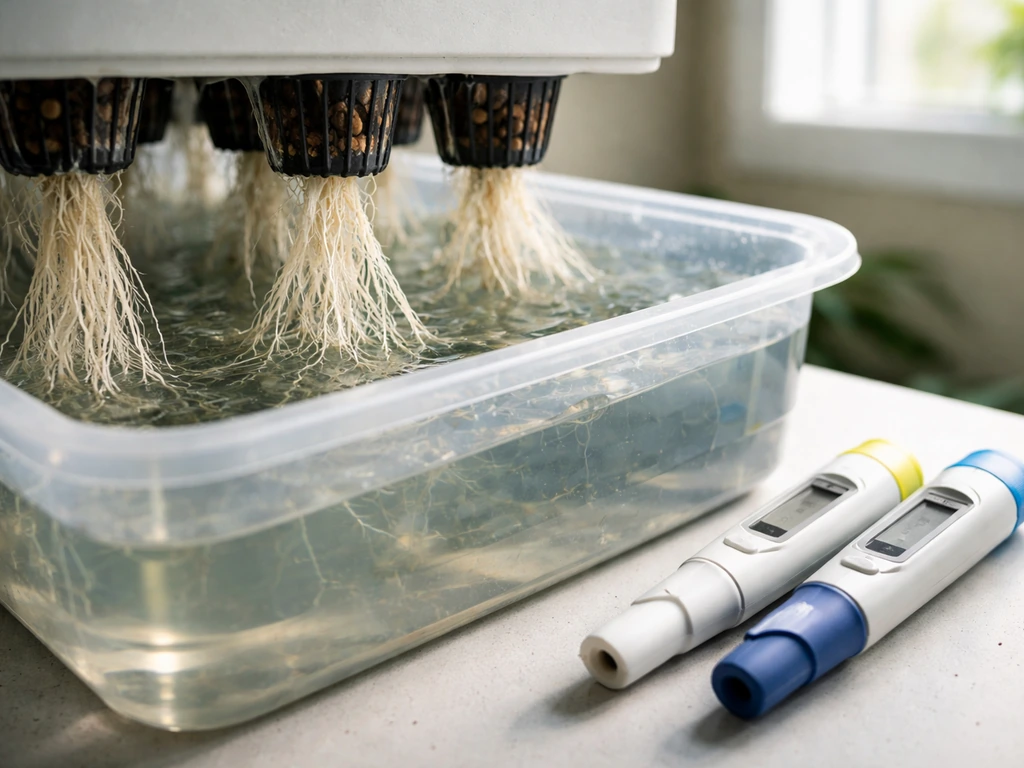
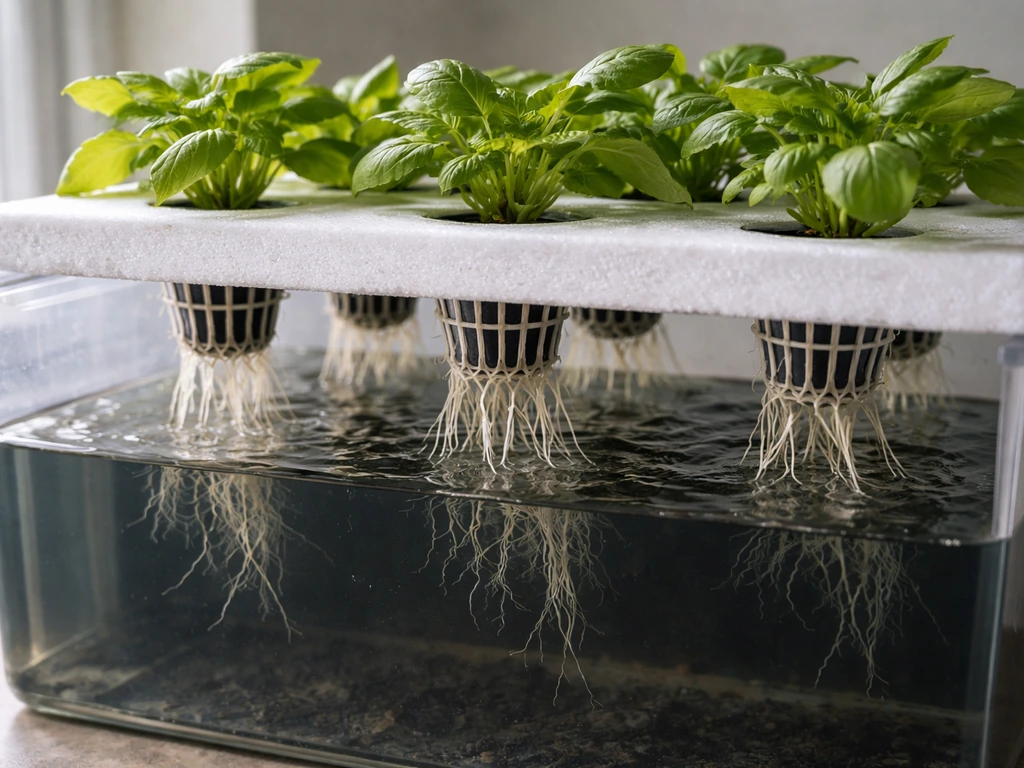
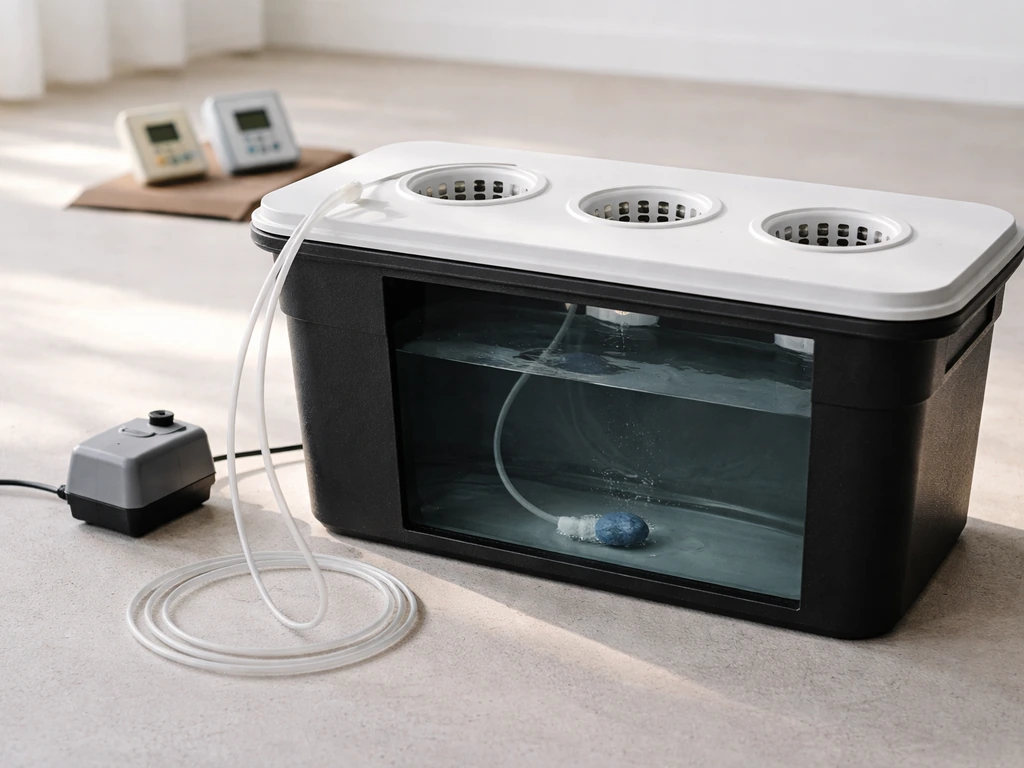
Deep water culture (DWC) is the best starting point for most beginners. Plants sit in net pots over a reservoir of nutrient solution, and an air pump with an air stone keeps the solution oxygenated. It is mechanically simple, affordable, and easy to troubleshoot. NFT (nutrient film technique) and ebb-and-flow systems offer more scalability and are worth exploring once you have one successful DWC run under your belt. Aeroponic systems are highly efficient and offer excellent water use efficiency at optimized flow rates, but they are more technically demanding and less forgiving on the maintenance side.
Step 2: Sort out your water and nutrients before you plant
Before you mix your first nutrient solution, test your source water. OSU Extension recommends having water analyzed to catch problems with alkalinity or mineral content before they affect your crop. Your source water pH should ideally sit between 5.5 and 7.0 before you even add nutrients. Mix your nutrient concentrate according to the manufacturer's directions, then adjust pH to the 5.5 to 6.0 range using pH-up or pH-down solutions, and check your EC to confirm it falls within 1.5 to 3 dS/m depending on your crop and growth stage. Never guess at these numbers, a $20 to $30 combination pH/EC meter is one of the most important investments you will make.
Step 3: Choose a growing medium
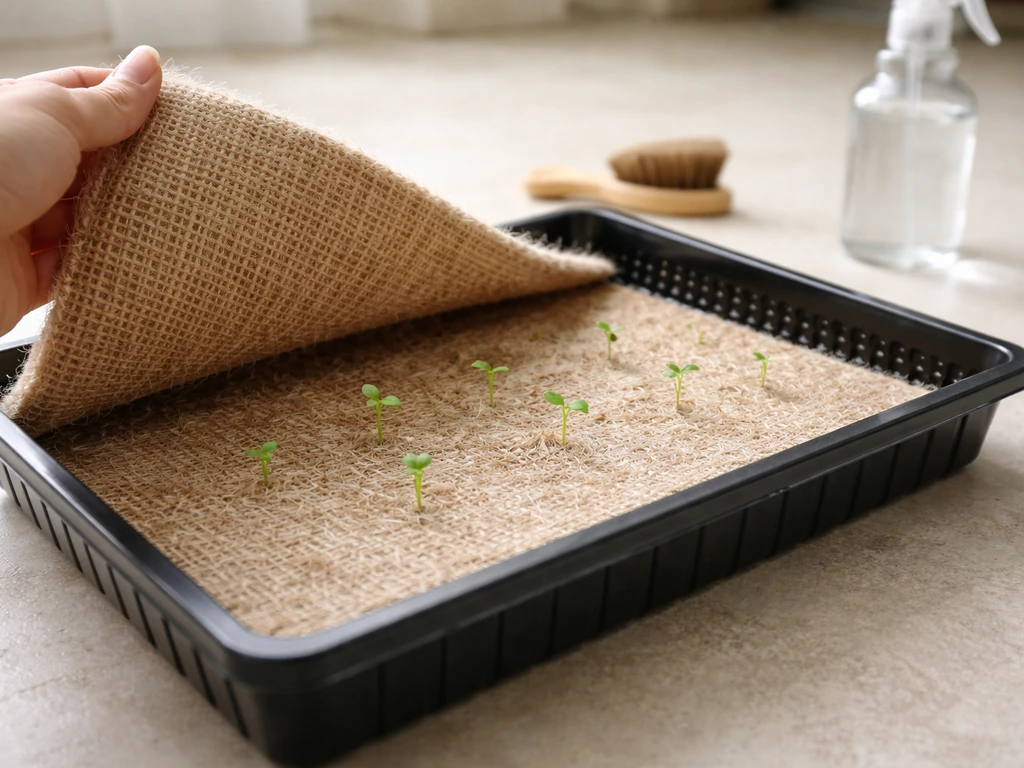
For DWC and most beginner systems, expanded clay pebbles (hydroton) are the standard choice. They drain freely, hold enough moisture to support root development, are reusable, and are pH-neutral. Rockwool cubes are excellent for germination and early-stage seedling development before transplanting into net pots. Hemp grow mats are another option for germination stages in some systems. Your medium's job is to anchor the plant and allow root access to oxygenated solution, not to provide nutrition. In some hydroponic setups, growers ask whether you can grow hydroponics without nutrients by relying on alternative nutrient sources or careful system design.
Step 4: Your basic setup checklist
- DWC reservoir (opaque, to prevent algae) with net pot lid and net pots sized to your plants
- Air pump, tubing, and air stone (sized to your reservoir volume)
- pH meter and EC/TDS meter (calibrated before first use)
- pH-up and pH-down solutions
- Two-part or three-part hydroponic nutrient concentrate appropriate for your crop
- Grow light appropriate for your space and crop type
- Thermometer for solution temperature (keep roots between 65 and 72 degrees Fahrenheit)
- Timer for lights and, if needed, for pump cycles
- Grow medium (expanded clay pebbles for DWC)
- Seeds or seedlings of a beginner-friendly crop like lettuce, basil, or spinach
Step 5: Monitor consistently from day one
Check pH and EC at least every two to three days during your first run, and daily if you notice any leaf discoloration or unusual plant behavior. Nutrient concentration can shift as plants take up water and nutrients at different rates, and in a small reservoir those shifts happen faster than you expect. UMN Extension notes that EC can be higher at the start and will drop as plants uptake nutrients, so topping up the reservoir with pH-adjusted water is often enough to stabilize things between full solution changes. Do a full reservoir flush and refill every one to two weeks. Check roots at the same time: healthy roots are white to cream-colored; brown, slimy, or foul-smelling roots indicate a problem that needs immediate attention.
Once you are comfortable with solution management and have completed a couple of successful runs, you can start exploring more advanced topics like what nutrients are truly essential, which crops push the limits of what hydroponics can produce, and whether a recirculating system design is worth building out. If you are also wondering what equipment is needed to grow hemp, start by looking at climate control, lighting, and the same kind of monitoring tools used for nutrient and pH management. The learning curve is real, but it compresses fast once you have hands-on reps with pH, EC, and a living plant in front of you.
FAQ
Is hydroponics worth it if I am a casual grower with limited time to monitor?
You grow hydroponically because you can control root-zone conditions precisely, but that control only pays off if you can measure and correct problems quickly. If you cannot reliably check pH and EC (and do basic maintenance), soil or a simpler soilless approach will usually be more forgiving.
What is the most beginner-friendly way to start if I do not want to overcomplicate things?
For most beginners, the fastest path is to start with a DWC kit and leafy greens, then keep your system simple enough that you can troubleshoot. Once you have stable pH and EC for a couple of harvests, only then consider NFT or ebb-and-flow, because more moving parts add failure points.
Will hydroponics always save money compared to soil gardening?
Not always. Hydroponics can produce higher yields per square foot and faster growth, but your net advantage depends on electricity for lighting and climate control, plus recurring costs like pH adjusters and nutrient concentrate. A practical test is to price your monthly inputs, then compare against what you would spend on equivalent produce.
Can I grow grains hydroponically, and how does it change the plan?
Yes, but plan around the biology and the schedule. Hydroponically grown grains and long-cycle crops often need different nutrient targets, longer running time, and more precise environmental stability, so success usually comes from designing for continuous light, consistent germination, and harvest timing rather than expecting quick results.
What are the most common ways beginners lose plants in hydroponic systems?
The biggest killer is usually not the nutrient recipe, it is oxygen or chemistry drifting out of range unnoticed. In DWC, a pump that stops can cause root oxygen deprivation quickly, and a pH shift can lock nutrients out even if the solution still contains them.
How do I avoid overfeeding in hydroponics?
Mixing too concentrated is a frequent mistake, because new growers often try to “help” by raising EC. Many plants do better when you start on the lower end for their stage, then adjust after you see how they respond, especially during seedling and early vegetative growth.
If my pH is correct, can EC still be a problem, and what should I do?
Use a simple target window as a guardrail, but treat pH and EC together. If pH is in range but EC is rising, that can indicate you need to top up with properly adjusted water or perform a partial change, because the nutrient concentration may be moving even when pH looks acceptable.
Why does my pH keep drifting even after I adjust it?
Yes. Your source water can limit success even with the right hydroponic nutrients, especially if alkalinity is high (buffering pH against adjustment) or if there are minerals that skew nutrient balance. Testing your water before you start helps you choose the correct pH adjustment approach and avoids persistent “mystery” deficiencies.
How do I prevent algae and slimy buildup in the reservoir?
Even though hydroponics is often “cleaner,” you can still get algae and biofilm buildup in warm, light-exposed reservoirs. The practical fix is to keep the reservoir light-proof, follow a cleaning routine, and reduce stagnant warm water conditions rather than only focusing on nutrients.
Can I grow hydroponically without adding purchased nutrients?
You can, but results depend on having either a true nutrient supply from an alternative source or a system that generates nutrients reliably. Many people underestimate how much plants still require soluble forms of nitrogen, phosphorus, potassium, and micronutrients, so “no nutrients” usually becomes “unknown nutrition” unless you design and test carefully.
Which plants should I avoid until I have a couple successful runs?
Start with crops that match a short harvest cycle and shallow roots, then scale difficulty by system complexity. Leafy greens, basil, and cilantro are forgiving, while deep-root crops are harder due to longer time in the solution, greater demand stability, and more room for error.