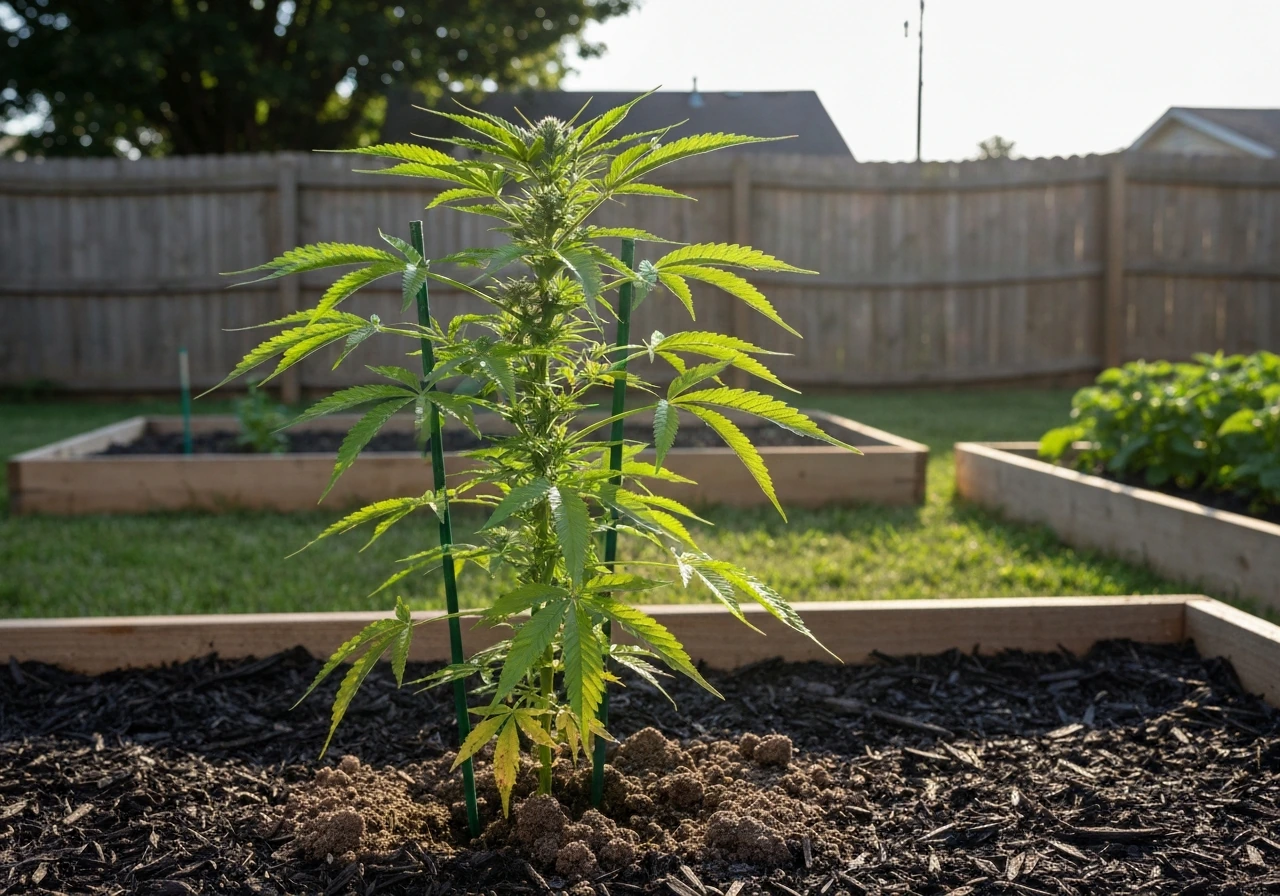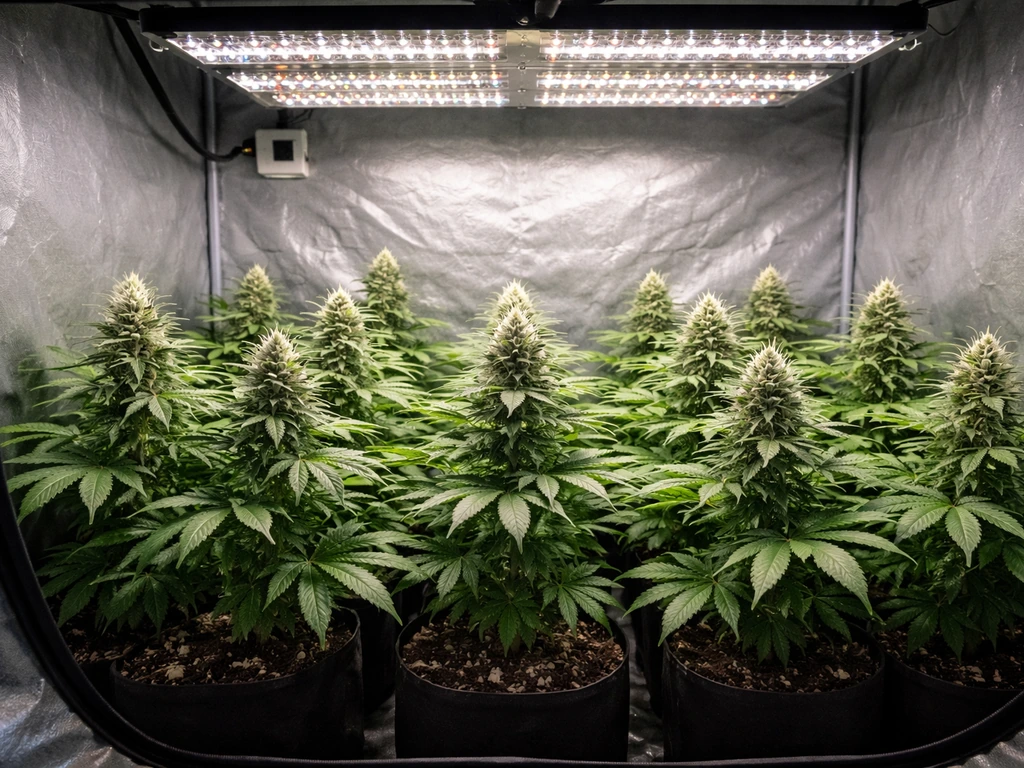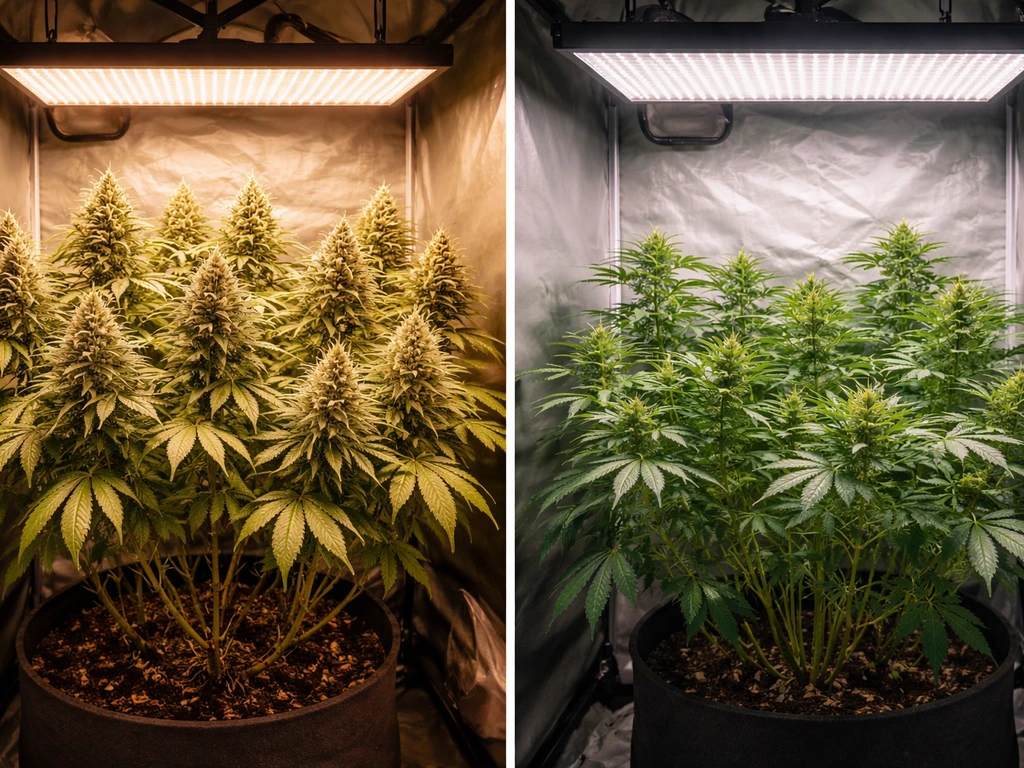
Yes, you should grow autoflowers if you want a faster harvest, smaller plants, and a simpler light schedule than photoperiod cannabis. But that's only the right answer if your goals and setup actually match what autos deliver. That said, many growers also wonder whether they can grow autoflower and photoperiod plants together in the same space without creating scheduling headaches can you grow autoflower and photoperiod together. If you want the biggest possible yields, heavy training, or you have complete control over your environment for months at a time, photoperiod strains might serve you better. This guide walks through exactly how to make that call, then tells you what to do next once you've decided.
Should I Grow Autoflowers? Guide for Beginners and Setup Tips
Marcus Holloway
22 Apr 2026
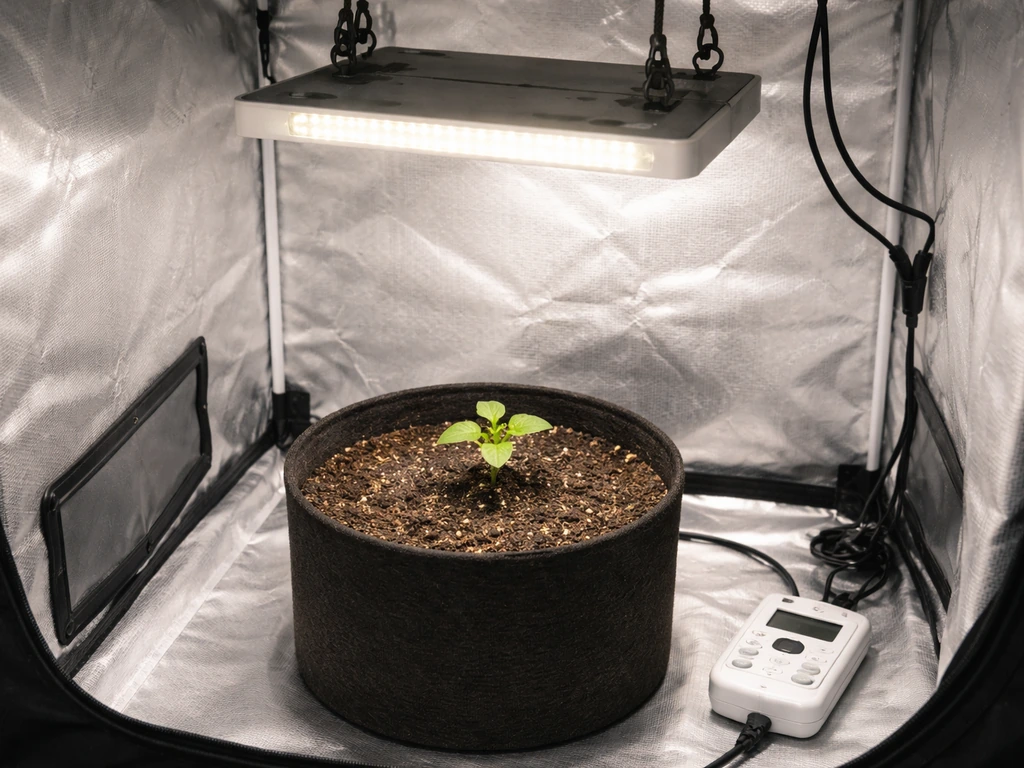
What autoflowers actually are and what problem they solve
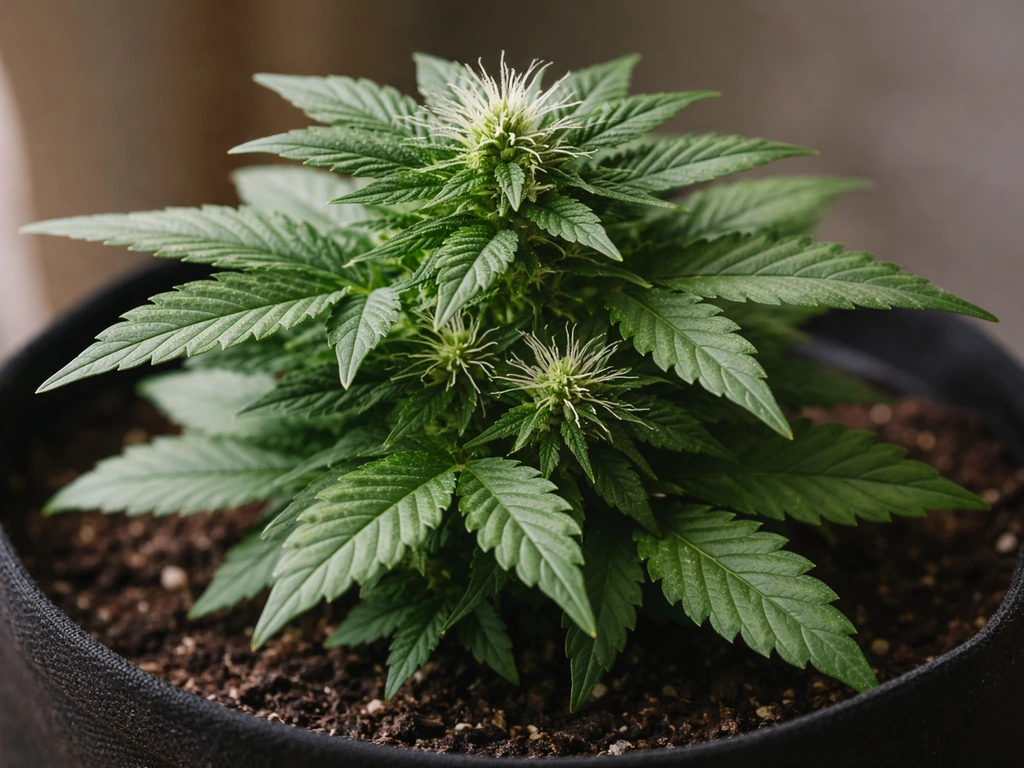
Autoflowering cannabis plants flower based on age and maturity, not light cycle. That comes from Cannabis ruderalis genetics, which evolved in short-season northern climates where waiting for shorter days wasn't a viable strategy. The practical result: an autoflower plant doesn't care if it's getting 18 hours of light or 12. It starts flowering on its own schedule, usually around weeks 3 to 5, and is typically ready to harvest 8 to 12 weeks from germination depending on the strain.
Photoperiod plants work differently. They stay in vegetative growth as long as they receive long light periods, and they only flip into flowering when you switch them to 12 hours of light and 12 hours of uninterrupted darkness. That gives you control over plant size and timing, but it also means a longer total grow and a harder setup to manage outdoors. Yes, but the size you get outdoors depends on sun exposure, temperature, and how well you match the plant’s quick growth cycle grow autoflowers outdoors. Autoflowers solve a specific set of problems: speed, simplicity, stealth, and flexibility. If those problems aren't your problems, the tradeoffs may not be worth it.
Quick decision checklist: autoflowers or photoperiod?
Run through these. The more checkboxes you tick, the more confidently you should choose autoflowers.
- You want to harvest in under 12 weeks from seed
- You're growing indoors and don't want to manage separate veg and flower light schedules
- You have a small tent or limited vertical height (under 1.5 m)
- You're a first-time or early grower who wants fewer variables
- You're growing outdoors in a short season or unpredictable climate
- You want to run multiple harvests per year in the same space
- You don't need the absolute maximum yield per plant
- You'd rather not do heavy training like topping or manifolding
On the other hand, lean toward photoperiod if you want to take clones, veg plants until they're large before flipping, maximize yield per square meter through aggressive training, or if you already have a light-dep setup or a controlled environment you can run for 5 to 6 months.
Autoflowers vs photoperiod: the honest comparison
Here's how the two types stack up across the factors that actually matter for a home grower making a decision today.
| Factor | Autoflowers | Photoperiod |
|---|---|---|
| Seed to harvest | 8–12 weeks from germination | 14–30+ weeks depending on veg length |
| Light schedule | 18/6 or 20/4 from seed to harvest, no flip needed | 18/6 veg, then must switch to 12/12 to trigger flower |
| Plant size | Generally smaller, 40–100 cm indoors | Can grow very large; you control size via veg length |
| Yield per plant | Lower (but more harvests per year possible) | Higher ceiling with proper training and veg time |
| Training options | Low-stress training (LST, SCROG) recommended; topping is risky | Full range: topping, FIMing, manifolding, mainlining |
| Beginner friendliness | High: fewer variables, no light flip, faster feedback loop | Moderate: more time to recover from mistakes, but more complexity |
| Outdoor flexibility | High: finishes before season ends, not triggered by day length | Needs long days in veg, then short days to flower |
| Cloning | Not practical; clones flower on plant's original timeline | Clones work perfectly, same age as mother at cut |
| Mistake recovery | Low tolerance: short life means problems compound fast | More forgiving: longer veg allows recovery time |
The yield gap is real but often overstated for home growers. A single large photoperiod plant can absolutely outproduce a single auto, but if you're running two or three auto cycles per year in the same tent, the annual total can be competitive. The real downside of autos is that you can't pause them. A photoperiod plant that gets stressed during veg can be nursed back over several weeks. An auto that hits problems in week 2 is already burning through its limited timeline.
Autos do grow faster than photoperiod strains in most real-world setups. The compressed timeline is genuinely useful when that's what you need, but it also demands that you have your environment dialed in before the seeds go into the medium. There's no waiting for a better moment.
Setting up autoflowers indoors: light, environment, and training
Light schedule
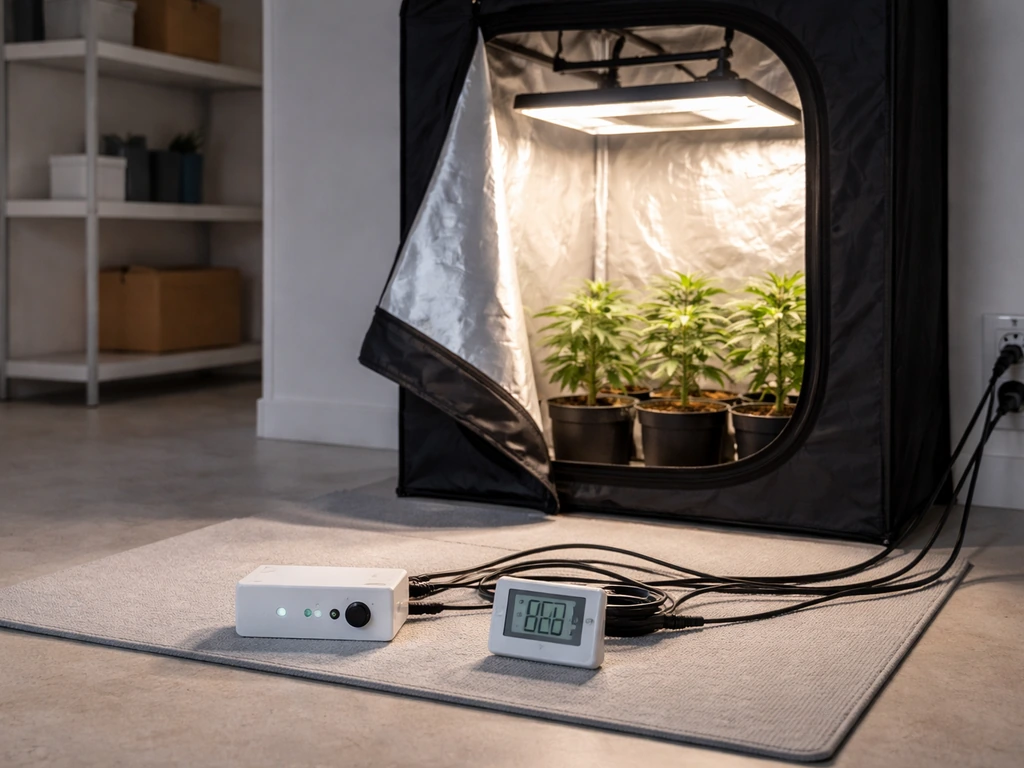
The most common and practical indoor schedule for autos is 18 hours on and 6 hours off (18/6) from seed to harvest. Some growers run 20/4 and see similar results. Running 24/0 is possible but most growers find it doesn't produce meaningfully more yield while costing more electricity and skipping the slight recovery benefit of a brief dark period. Stick with 18/6 as your default. You never need to flip to 12/12 with autos, which is one of the biggest practical simplifications compared to running photoperiod strains. If you want to know more about what happens when autos are run on a 12/12 schedule, that's a separate topic worth exploring, but 18/6 is the standard for a reason. If you do try a 12/12 schedule with an auto, the plant can still flower, but growth and timing may shift compared to the standard approach. If you are specifically asking can autoflowers grow in 12 12, the key takeaway is that they can still flower, but timing and growth can shift 12/12 schedule.
Environment targets
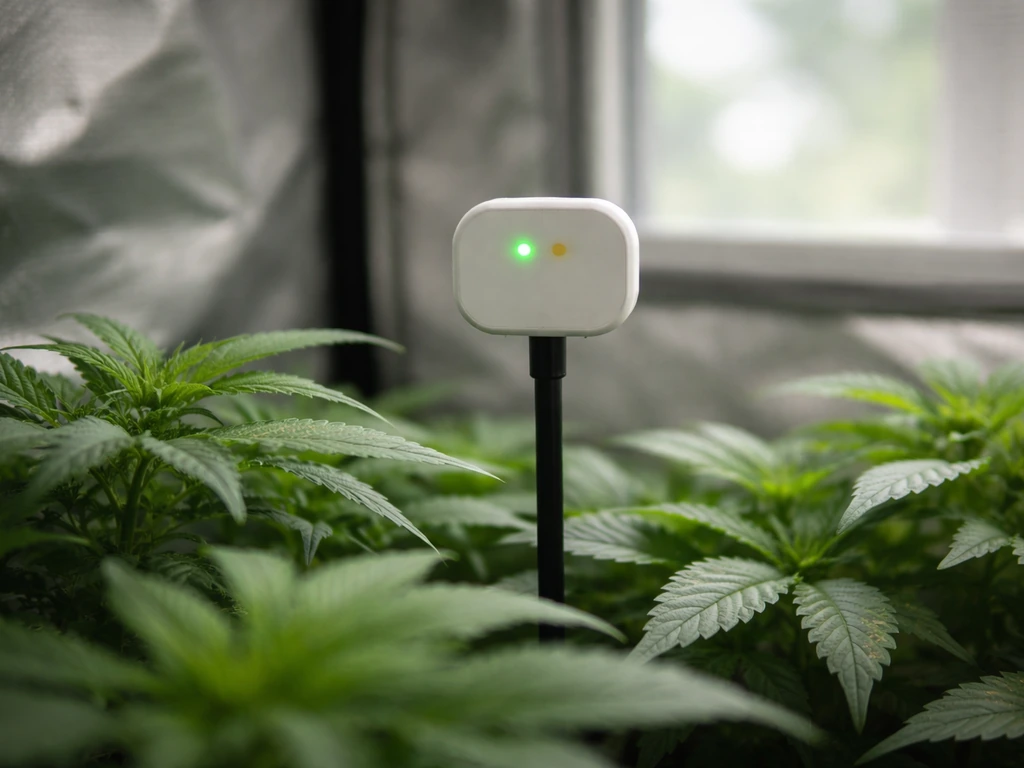
Early seedling stage: aim for 22 to 25°C air temperature and 70 to 90% relative humidity. As plants move into mid-veg and early flower, bring humidity down gradually toward 50 to 60% RH. During flowering, target a VPD of around 1.0 to 1.2 kPa (which roughly corresponds to 60% RH at 25°C). Late flower, drop humidity further to 40 to 50% to protect dense buds from mold. Because autos move through these stages fast, you can't spend a week getting humidity right after it goes wrong. Set your environment up before germination.
Training: keep it low-stress
Topping and other high-stress training (HST) techniques carry real risk with autos because recovery time is limited. Zamnesia similarly recommends topping works best with photoperiod cannabis, while for autos it suggests low-stress training instead because autos have limited recovery time recovery time is limited. If you top a photoperiod plant in veg and it takes a week to recover, no big deal. If you top an auto at week 3 and it sulks for 10 days, that's a significant chunk of the plant's entire vegetative window gone. Low-stress training (LST) works well: gently bend and tie the main stem outward starting around week 2 to 3 to open up the canopy and expose lower sites to light. A SCROG net works too if you plan ahead. If you're a complete beginner, honestly consider skipping training entirely on your first run. A naturally grown auto in good conditions will still produce a rewarding harvest, and you'll learn more about the plant before adding training complexity.
Growing autoflowers in soil: medium and nutrient timing
Choosing your medium
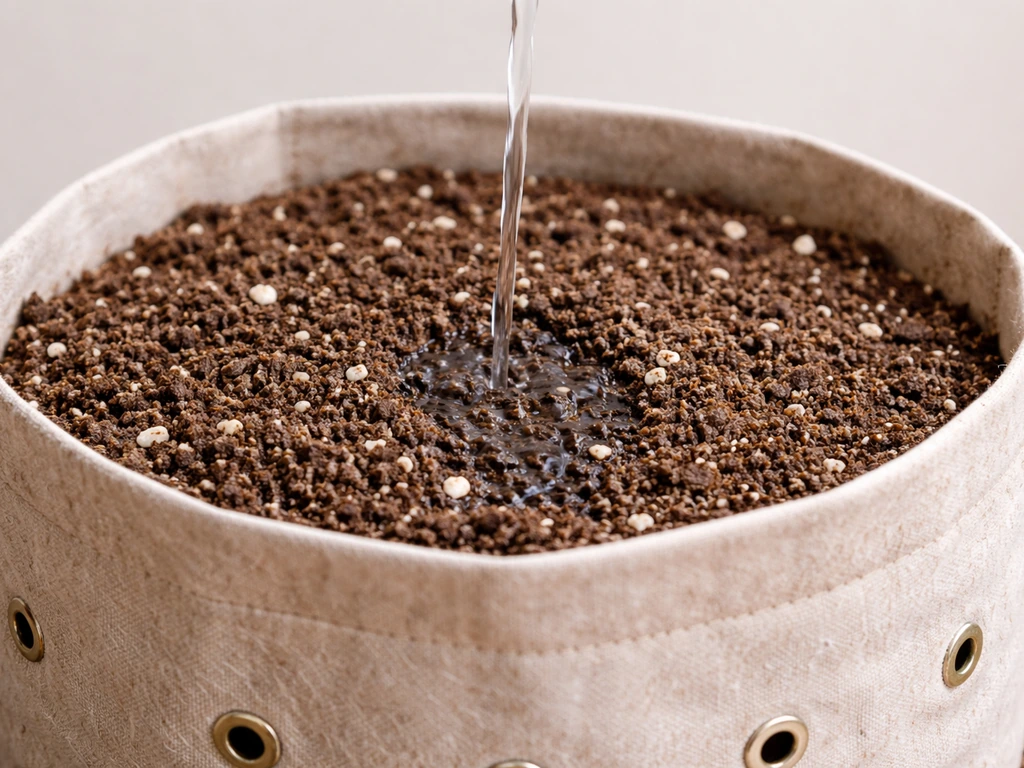
For soil grows, a light, airy mix works better than dense potting soil. Autos have relatively small root systems and benefit from good drainage and oxygen at the roots. A mix of quality potting soil, perlite (around 20 to 30%), and optionally some coco coir creates a forgiving, well-draining medium. Go with containers in the 7 to 12 litre range for most auto strains. Transplanting is generally a bad idea with autos because it causes stress during a timeline that has no buffer for it. Direct sow into your final container from the start.
Nutrient timing for a short life cycle
If you're using a quality pre-amended organic soil, you may not need to add nutrients at all for the first 3 to 4 weeks. The soil feeds the seedling through early veg. From around week 4 onwards, as the plant transitions to flowering, you can begin introducing a light bloom-oriented feeding. Think of a rough 10 to 12 week schedule like this: weeks 1 to 2 are plain water; weeks 3 to 4 introduce very light veg nutrients if the soil isn't pre-loaded; weeks 5 to 8 are the main flowering window where bloom nutrients become the focus; weeks 9 to 10 are a flush or tapering off before harvest. The single biggest feeding mistake with autos is overfeeding. Autoflowers can sometimes grow without added nutrients, but you need the right medium and enough organic food to cover early growth overfeeding. Their smaller root zones and faster cycle mean they need less nutrient input than photoperiod plants. When in doubt, feed at half the recommended dose and watch the plant's response before increasing.
Soil pH should stay between 6.0 and 7.0, with 6.2 to 6.8 being the sweet spot for most nutrient availability. Check runoff pH if you're feeding with liquid nutrients to catch drift before it causes lockout.
Growing autoflowers hydroponically: system setup and feeding
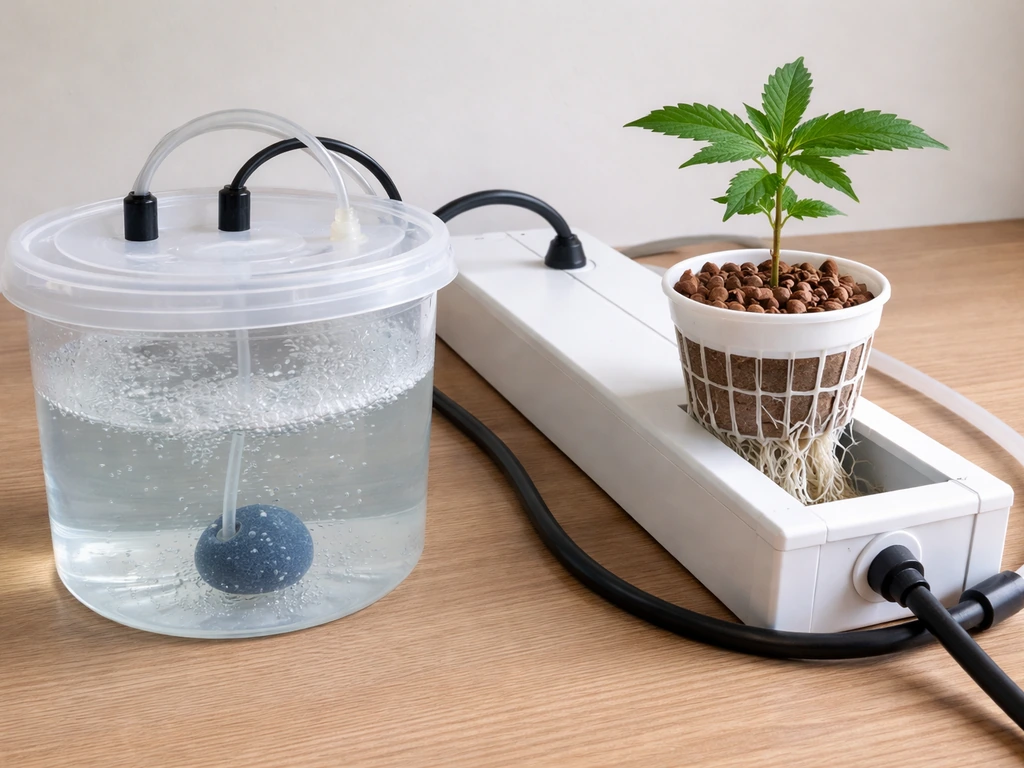
Autos work well in hydroponic setups, and in some cases grow faster and produce more than their soil counterparts because nutrient delivery is direct and consistent. The most beginner-friendly hydro options for autos are deep water culture (DWC) and coco coir (which is technically a soilless medium but feeds like hydro). Coco is especially forgiving for first-time hydro growers because it buffers mistakes better than recirculating systems.
In coco or hydro, pH targets shift down slightly compared to soil: aim for 5.5 to 6.1 for coco and 5.5 to 6.0 for DWC. Feeding frequency increases compared to soil. In coco, you're typically feeding once or twice daily at relatively low EC (electrical conductivity) levels. Start with an EC around 0.4 to 0.6 in seedling stage and ramp up to 1.0 to 1.4 during peak flower, always watching for tip burn or deficiency signs before adjusting up.
One key difference with hydro autos versus photoperiod hydro grows: because the timeline is short and the plant moves quickly, you need to be ready to adjust the nutrient profile earlier. The transition to bloom nutrients in hydro can start around week 3 to 4 when you first see pre-flowers, rather than waiting for a light flip signal as you would with photoperiods. Keep a close eye on plant response because the compressed timeline means a week of suboptimal feeding hits harder than it would in a longer grow.
If you're curious whether growing autoflowers hydroponically is worth the extra setup complexity versus soil, it genuinely can be. Hydroponic autoflowers can work well with systems like deep water culture or coco when you dial in pH, EC, and feeding schedule early grow autoflowers hydroponically. Faster growth, better oxygen to the roots, and precise feeding control are all real benefits. The tradeoff is that system problems (pump failure, pH swing, root rot) can devastate an auto in days, so you need to be monitoring more actively.
Scenario-based recommendations: which path is right for you
Rather than one-size-fits-all advice, here's how the decision actually plays out across the most common situations home growers are in:
- Complete beginner: Start with autoflowers in soil. Pick a forgiving, mid-size strain (Blue Dream Auto or similar), direct sow into a 10L pot with pre-amended soil, run 18/6 lighting, skip training on your first run, and just focus on maintaining stable temperature and humidity. The short cycle gives you real feedback faster.
- Limited indoor space or small tent: Autoflowers are the clear choice. They stay compact (many stay under 60–80 cm), and you can fit multiple plants in a 60x60 cm tent. Choose a specifically compact or indica-dominant auto strain.
- Outdoor grower in a short or unpredictable season: Autos are built for this. They don't rely on day length to flower, and they finish in 10–12 weeks from seed. In most temperate climates, a May planting finishes well before autumn cold and rain hit. Autos also handle cooler climates better than many photoperiod strains thanks to their ruderalis heritage.
- Want multiple harvests per year indoors: Autoflowers are the answer. You can potentially run 3 to 4 harvests per year in the same tent, which isn't practical with photoperiod plants that need 16 to 24 weeks per cycle.
- Experienced grower prioritizing maximum yield: Photoperiod strains will serve you better. You have the skills to manage the light flip, extend veg to build a large canopy, and run intensive training. The yield ceiling of a well-trained photoperiod plant significantly exceeds what most autos produce.
- Want to mix autos and photoperiods in the same tent: It's possible but has real complications around light schedules and plant timing. That topic deserves its own detailed walkthrough before you commit.
When autoflowers are genuinely a bad idea
Autos are not always the right call. Here are specific situations where they'll frustrate you more than help you.
- Your environment is inconsistent. If your grow space temperature swings dramatically, your humidity control is poor, or you can't check on plants regularly, the compressed auto timeline means problems escalate faster and cost you more of your harvest than they would with a slower photoperiod plant.
- You want to clone your plants. Autoflower clones are technically possible but flower on the original plant's schedule, not a fresh young plant's schedule. Clones taken from an auto at week 4 will flower almost immediately. Cloning isn't a useful strategy with autos.
- You plan to do heavy training. If you want to manifold, mainline, or run aggressive topping programs that produce flat, even canopies over many weeks, photoperiod plants are the right tool. Autos simply don't have enough vegetative time for this approach to pay off.
- You're outdoors in a climate with very low spring light. Autos need decent light intensity even if they don't need specific photoperiods. Plants started too early in cold, cloudy conditions will stretch, produce airy buds, and underperform. Wait until you have consistent daily light and temperatures above 15°C before putting autos outside.
Your next steps: strain selection, first-run plan, and a minimal week-by-week calendar
Pick the right strain first
Strain selection matters more with autos than photoperiods because you can't extend veg if something goes wrong. Choose a strain with good reviews for resilience and consistency, not just yield claims. For beginners, indica-dominant or hybrid autos are more forgiving than sativa-dominant genetics, which can stretch taller and take longer to finish. Check that the advertised finish time (usually 8 to 10 weeks from seed on the breeder's site) matches your timeline needs. Growers discussing autoflowers on r/Autoflowers also note confusion about whether seed-bank timelines are counted from seed to harvest or from when flowering starts, since many breeders describe flowering time rather than full seed-to-harvest time seed-bank timelines are counted from seed to harvest vs from when flowering starts. A strain advertised at 70 days will forgive early beginner mistakes better than one advertised at 56 days.
First-run setup checklist
- Get your environment stable before germination: 22–25°C, 70–80% RH for seedlings, with a plan to dial down humidity as plants mature
- Direct sow seeds into final containers (7–12L for soil, appropriate DWC bucket or coco pot for hydro) — do not start in small pots and transplant
- Set lights to 18/6 from day one and keep that schedule through to harvest
- Use a light, pre-amended soil or coco/perlite mix — not dense potting compost
- Plan your nutrient schedule before week 3: have your bloom nutrients ready to introduce when pre-flowers first appear
- Start pH-checking your water and runoff from week 2 onward — catching drift early prevents lockout during the critical flower window
- If doing LST, start gently bending the main stem outward around week 2 to 3 — no cutting, no topping on your first run
Minimal week-by-week calendar for a first auto run
| Week | What's happening | Your main job |
|---|---|---|
| Week 1 | Germination and seedling emergence | Keep humidity high (70–80% RH), temp at 22–25°C, light watering only |
| Week 2–3 | Early veg, first true leaves developing | Check pH, begin very gentle LST if desired, no nutrients yet in pre-amended soil |
| Week 3–4 | Late veg, pre-flowers may appear | Introduce light veg nutrients if needed, start dropping RH toward 60% |
| Week 5–7 | Active flowering, bud sites forming | Switch to bloom-focused nutrients, maintain VPD 1.0–1.2 kPa, watch for deficiencies |
| Week 8–9 | Bulking and ripening phase | Taper nutrients, check trichomes with a loupe (milky = near peak, amber = past peak) |
| Week 10–12 | Harvest window | Final flush if desired, harvest when trichomes hit your preferred ripeness |
The timeline above is a guide, not a guarantee. Some strains are done at week 8. Others take 12 to 13 weeks. Always trust trichome color over the calendar. But having this rough map in your head before you start means you're not scrambling to figure out what nutrients to use when your plant is already mid-flower and you haven't ordered anything yet.
If you've decided autos are right for your situation, the best move today is simple: pick a beginner-friendly strain from a reputable breeder, set up your space to hit those environment targets before germination, and commit to not overcomplicating it on the first run. Autos reward consistency and stable conditions far more than they reward complicated training or aggressive feeding. Get the basics right and the plant will do most of the work for you.
FAQ
Should I grow autoflowers if I’m a true beginner with no tent gear yet?
Yes, if you can keep conditions stable, especially temperature and humidity, but plan for simplicity: start with one plant, use a basic timer for 18/6, and pick a beginner strain with a predictable finish time. Autos are unforgiving of big swings, so get the environment targets (including dehumidification if needed) sorted before germination.
How long do autoflowers really take, and what if my plant finishes earlier than expected?
Most are typically ready about 8 to 12 weeks from germination, but the finish time can vary by strain and conditions. If it ends earlier, harvest when trichomes match your goal rather than waiting for the calendar, because stressing an auto late in its cycle usually reduces quality.
Is there any reason not to grow autoflowers in the same tent as photoperiod plants?
Yes. Even though autos do not require light switching, photoperiods often need long uninterrupted darkness to trigger flowering. That dark period can conflict with the light schedule you choose for autos, so you may end up running an inconsistent cycle that affects growth timing for one or both types.
What is the biggest “mistake” that makes autoflowers fail even when everything else is right?
Overfeeding and nutrient timing errors. Because autos move quickly and have smaller root zones, excess nutrients or starting bloom feeds too late or too early can cause tip burn or lockout before you have time to correct course.
Should I germinate first and then set the light schedule, or set everything up before germination?
Set up before germination. Autos compress the margin for error, so if you wait to dial in your light intensity, airflow, and humidity after the seed is in the medium, early stress can show up as stunted growth later when you cannot pause the plant.
Can I run autoflowers on 12/12 if I only have that schedule available?
They can still flower, but growth rate and the timing of flowering can shift compared to the standard 18/6 approach. If you must run 12/12, expect a different maturation timeline, and be ready to troubleshoot issues earlier because the plant can still progress on its own schedule.
Do autoflowers need a dark period at all?
You generally want at least a short off period with autos, most commonly 18/6, because a brief dark window can help recovery and still keeps the schedule simple. Running 24/0 is possible but often costs more electricity and does not reliably increase yield enough to justify it for most home setups.
Should I top or use high-stress training on my first autoflower grow?
Usually no for a first run. Autos have limited recovery time, and topping at early stages can cost meaningful growth. If you want to manage canopy size, consider low-stress training like gentle bending from around week 2 to 3, or skip training entirely and focus on dialing in the environment.
Is transplanting ever a good idea for autoflowers?
Generally no. Transplanting causes stress, and autos do not provide a long veg buffer to recover. The safer approach is direct sow into the final container from the start, especially in soil where root disturbance is common.
What container size should I use for autoflowers in soil?
A common beginner range is about 7 to 12 liters per plant. Smaller containers can make watering and nutrient management harder and can limit root development, especially if you are still learning how quickly your auto dries out.
How do I avoid mold problems late in flowering with autos?
Lower humidity further in late flower, roughly targeting 40 to 50% RH. Also improve airflow around dense buds, because dense structure forms quickly in autos and it does not give you much time to correct humidity after the risk window opens.
If I’m using coco or hydro, how do I know whether my EC is too high or too low?
Watch for tip burn and leaf-edge stress for EC too high, and for persistent pale or weak growth for EC too low. Adjust gradually, because the compressed timeline means symptoms can progress fast, and sudden nutrient changes can create oscillations you cannot smooth out over multiple weeks.
Should I switch to bloom nutrients on a strict calendar for autos?
Not strictly. In hydro and coco you can often begin the bloom-oriented profile around week 3 to 4 when pre-flowers appear, but the best trigger is early flowering signals plus plant response. If you start bloom too late or too early, you may slow development or cause deficiencies.