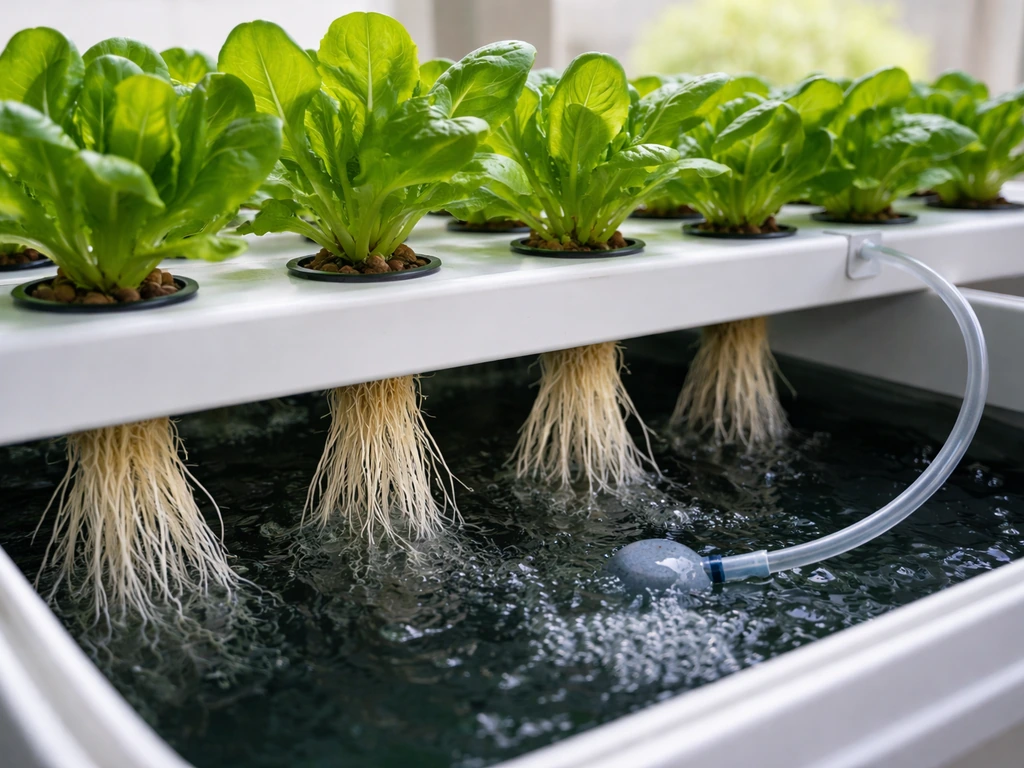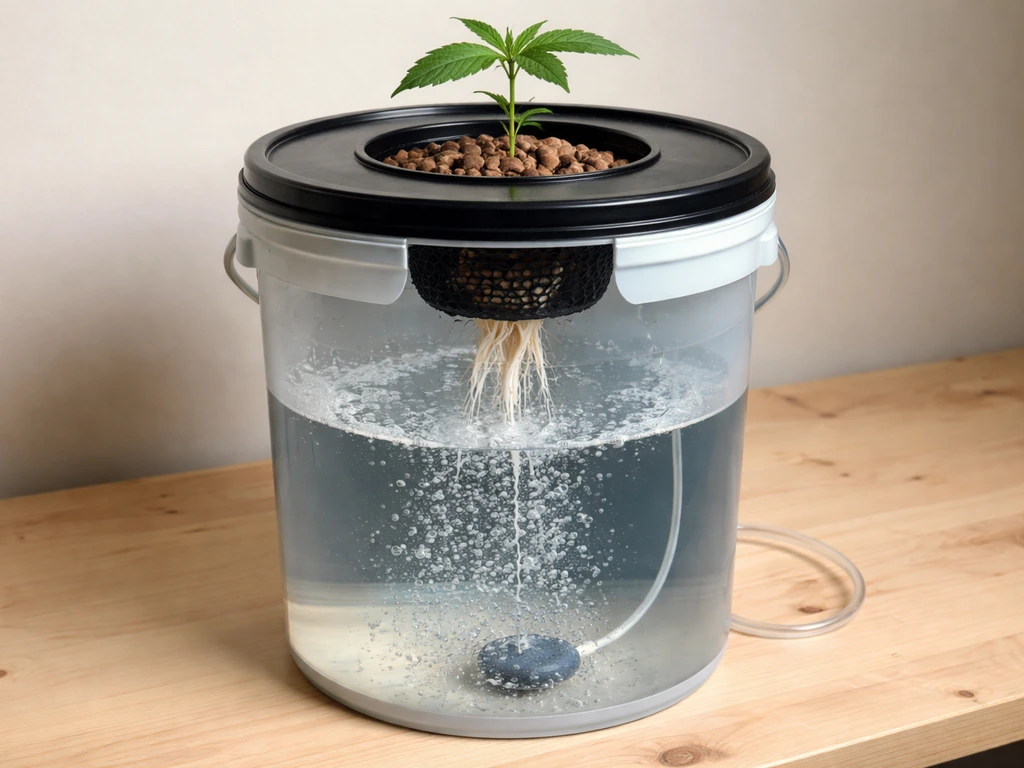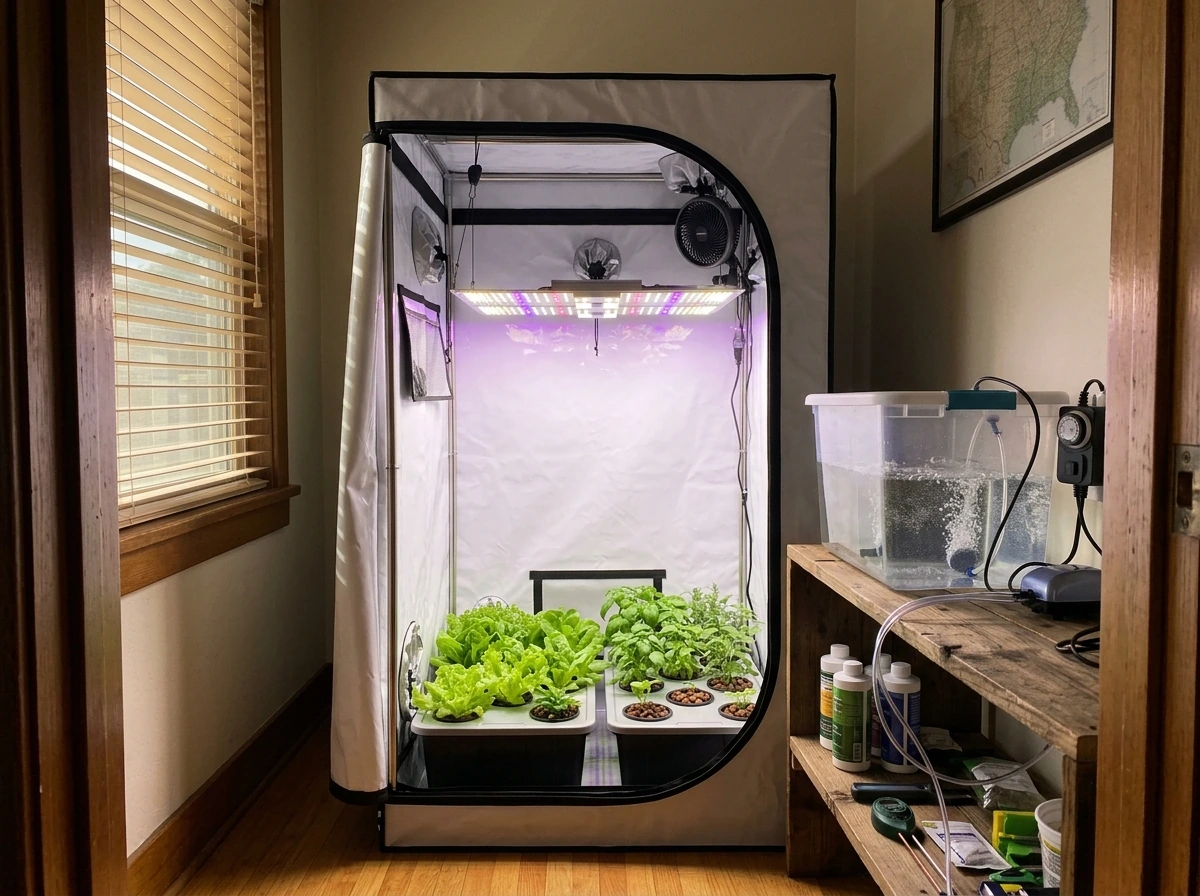
If you're searching for quality grow hydroponics in Kansas City, the good news is you have real options: local shops, knowledgeable staff, and enough product selection to get a serious grow running without waiting on shipping. The harder part is knowing what 'quality' actually means for your specific situation, what to prioritize when you walk through the door (or browse online), and how to avoid the setup mistakes that kill a first grow before it ever gets going. This guide walks you through all of it. If you are focused on better grow hydro, prioritize dialing in water quality and nutrient delivery so your pH and EC stay stable throughout the cycle.
Quality Grow Hydroponics Kansas City: Setup Guide & Checklist

Marcus Holloway
21 Apr 2026
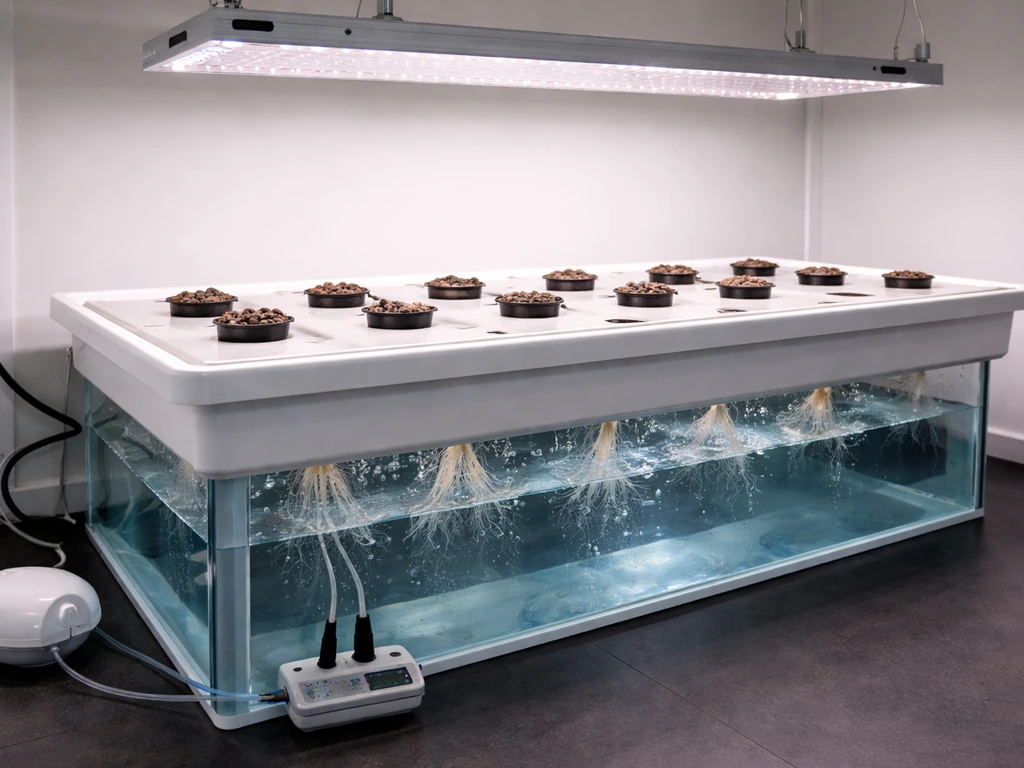
What 'quality hydroponics' actually means for your situation
Quality in hydroponics is not a brand name or a price tag. It means your system reliably delivers the right nutrients, at the right pH, with enough dissolved oxygen, and does it consistently across your entire grow cycle. That definition applies whether you're running a single 5-gallon deep water culture bucket in a closet or a multi-site flood-and-drain setup in a dedicated room.
Before you buy anything, answer three questions: How much space do you have? What are you growing (vegetables, herbs, or other crops)? Are you a first-timer or do you have at least one grow under your belt? Your answers determine the system type, the size of your light, the nutrient line you start with, and how much automation you actually need. A beginner with 4x4 feet of space and a budget of a few hundred dollars needs a completely different setup than someone building a 10-light room. Start with your constraints, not with product lists.
Kansas City hydroponic stores worth knowing
Kansas City has a handful of dedicated hydroponic retailers that let you touch equipment, ask questions, and walk out with what you need same day. Quality Grow Hydroponics at 8308 Wornall Rd is a locally owned shop stocking gear from AC Infinity, Flora Flex, General Hydroponics, Advanced Nutrients, Athena, CANNA, and Botanicare, among others. That product mix covers beginner-friendly nutrient lines all the way to professional two-part and three-part programs, plus ventilation and environmental control gear. Quality Grow Hydroponics at 8308 Wornall Rd is a locally owned shop stocking gear from AC Infinity, Flora Flex, General Hydroponics, Advanced Nutrients, Athena, CANNA, and Botanicare, among others quality-grow-hydroponics. River Market Hydroponics, also in KC, carries grow tents with ventilation and circulation automation alongside nutrients and other inputs. OverGrow KC markets itself as a one-stop shop for hydroponic and gardening needs. Mike's Nursery rounds out the local ecosystem with RO systems and filters, the HydroFarm Root Spa 5-gallon DWC kit as an entry point, net cups, food-grade buckets, tubing, drippers, pumps, air pumps, air stones, clay pebbles (LECA), and rockwool.
When you visit any of these stores, treat it like an interview. Ask the staff what pH and EC targets they recommend for the crops you want to grow. A knowledgeable shop will tell you pH 5.0 to 6.0 and EC 1.5 to 3.0 dS/m without hesitation. If they can't give you those numbers or they wave off your questions about pH adjustment, shop somewhere else. Good local support is one of the biggest advantages of buying locally, so use it.
Choose the right hydroponic system for your space and goals
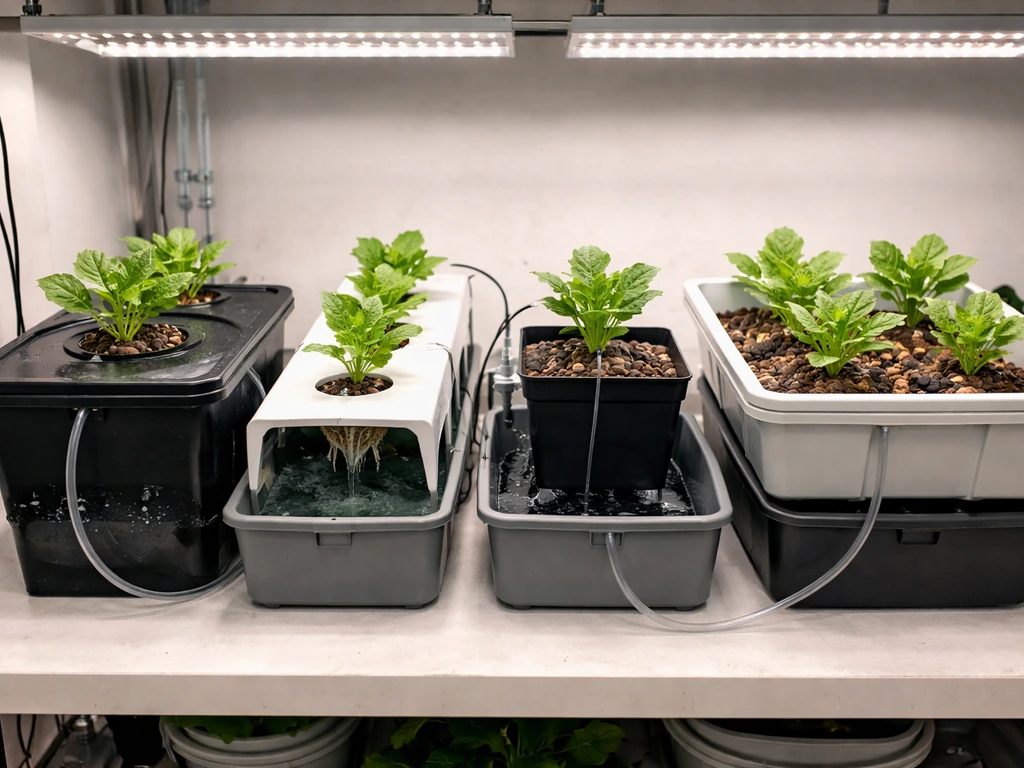
There are several system types, and picking the wrong one for your experience level is one of the most common early mistakes. Here is a straightforward comparison of the most practical options for home growers in Kansas City.
| System Type | Best For | Complexity | Upfront Cost | Main Risk |
|---|---|---|---|---|
| Deep Water Culture (DWC) | Beginners, fast-growing crops, single plants | Low | Low ($30–$150 for a starter kit) | Root rot if DO drops or temps rise |
| Kratky (passive DWC) | Herbs, lettuce, very small spaces | Very low | Very low ($10–$50 DIY) | No active oxygenation, limited to small crops |
| Nutrient Film Technique (NFT) | Leafy greens, herbs, intermediate growers | Medium | Medium ($150–$400) | Pump failure starves roots quickly |
| Drip/Top-Feed | Larger plants, more control, intermediate to advanced | Medium | Medium ($100–$300+) | Dripper clogs, salt buildup in media |
| Flood and Drain (Ebb & Flow) | Versatile, multiple plants, experienced growers | Medium-High | Medium-High ($200–$500+) | Timer failure floods or starves roots |
| Recirculating DWC (RDWC) | Serious multi-plant grows, experienced growers | High | High ($300–$1,000+) | System-wide pH/EC swings, clog risk |
For a first grow in Kansas City, start with a basic DWC setup. Mike's Nursery carries the HydroFarm Root Spa, which is a solid 5-gallon DWC kit that removes most of the guesswork from your first build. Once you have one successful grow with DWC, you understand nutrient management well enough to move to NFT or drip systems if you want more plant sites or better scalability.
What to buy first: nutrients, water plan, growing media, and key tools
Water quality comes before nutrients
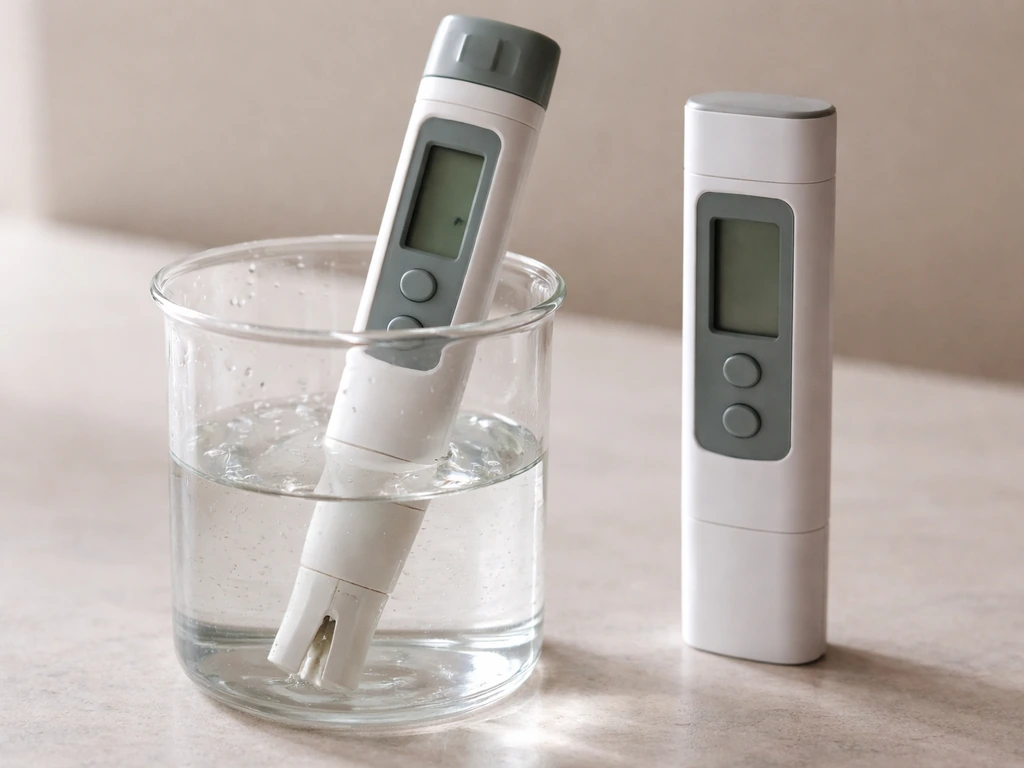
Kansas City municipal water is chlorinated and has variable mineral content depending on which side of the metro you're on. Before you mix a single nutrient solution, know your starting water. Water that you want to grow starts with knowing and managing your starting water, then matching pH and EC to the crop. At a minimum, let tap water sit 24 hours to off-gas chlorine, or better yet, run it through a reverse osmosis (RO) filter. Mike's Nursery and Quality Grow both carry RO systems. Starting with RO water near 0 EC gives you a clean baseline so you know exactly what's going into your reservoir rather than guessing around unknown mineral loads. For a lab-quality baseline, you can send a sample to a water analysis lab (OSU's SWAFL is one option used by extension researchers), but for most home grows, an RO filter plus a decent meter gets you 90% of the way there.
Nutrients: pick one line and follow it
General Hydroponics Flora Series, Athena, CANNA, and Advanced Nutrients are all available locally through Quality Grow. For beginners, General Hydroponics Flora Series (3-part) is the most documented nutrient line in hydroponics, with thousands of feeding schedules publicly available and a forgiving mixing ratio for new growers. Athena and CANNA are excellent intermediate-to-advanced options with clean salt profiles. Don't mix brands or supplement heavily on your first grow. Pick one line, follow the manufacturer's feed chart, and dial in your EC meter readings instead of chasing additives.
Growing media choices
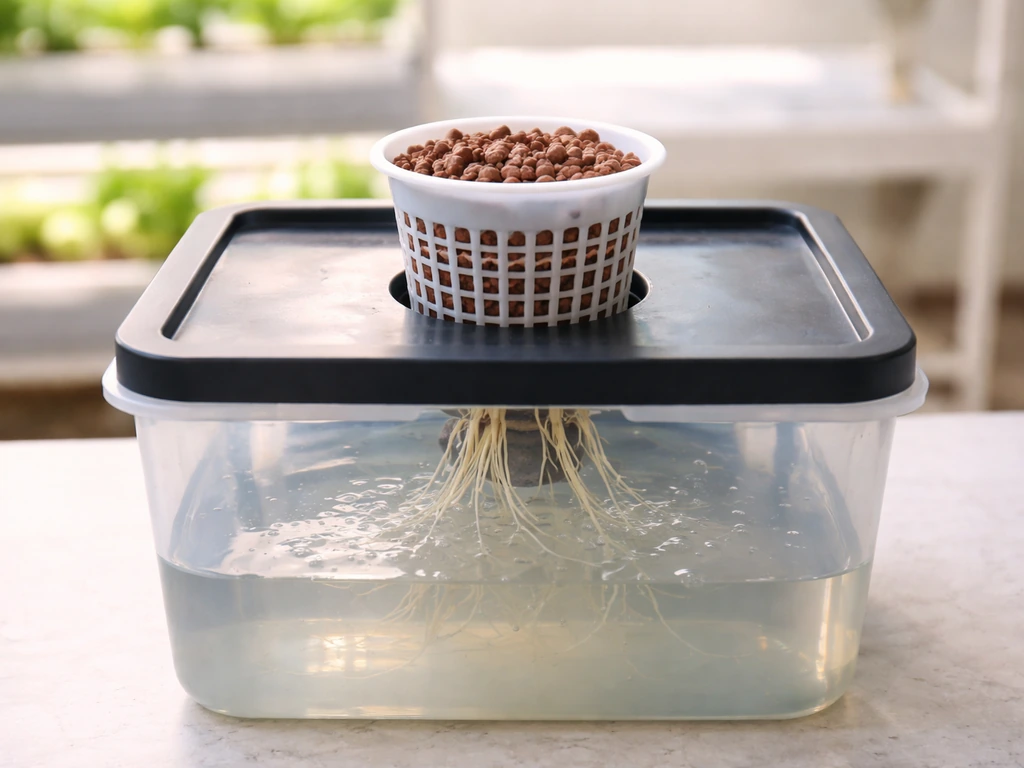
For DWC, you mainly need net cups and something to hold the plant in place while roots hang into the reservoir. Clay pebbles (LECA) are the standard choice: they're reusable, pH neutral, and widely available locally. Rockwool cubes are useful for germination and early propagation before transplanting into a hydro system. Avoid peat-based mixes in active hydroponic systems because they break down, clog lines, and introduce organic matter that can fuel bacterial growth in your reservoir.
Tools you need from day one
- Digital pH meter (calibrate it before every use with pH 4.0 and 7.0 calibration solution)
- EC/TDS meter (most combo pH/EC pens cover both)
- pH Up and pH Down solutions (General Hydroponics or equivalent)
- Thermometer for both air and reservoir water temperature
- Air pump, air stone, and tubing for DWC oxygenation
- Timer for lights (mechanical or digital)
- Opaque reservoir to block light and prevent algae
Setup checklist: lights, ventilation, reservoir management, and environmental targets
Lighting
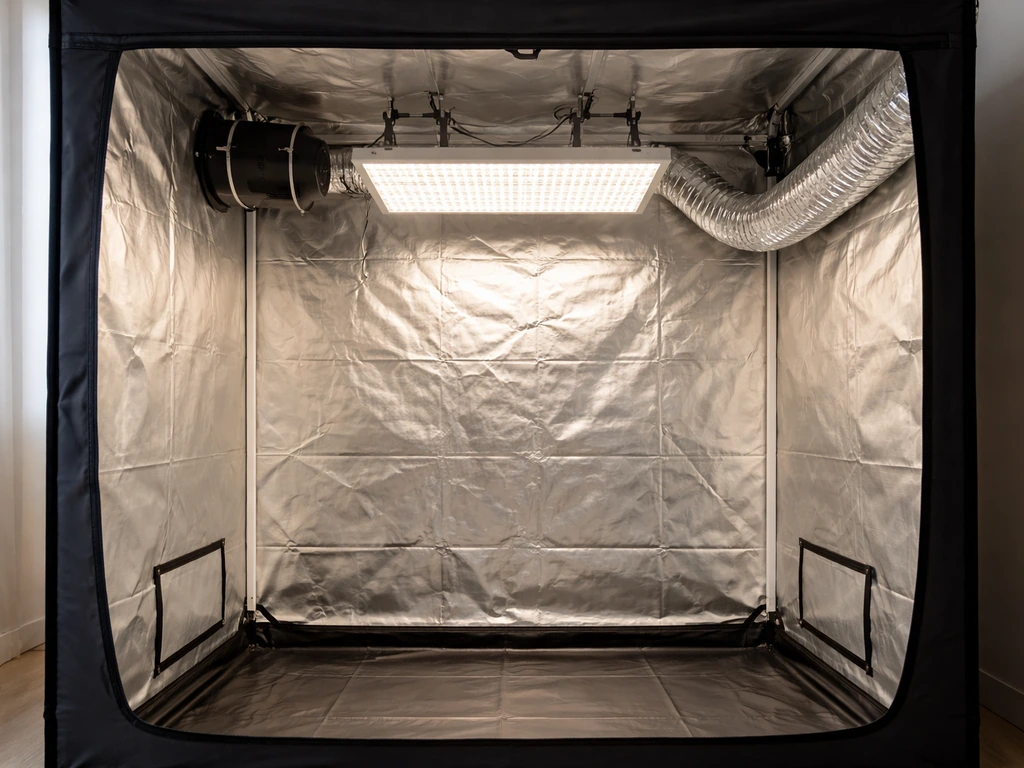
LED panels have become the practical standard for indoor hydro grows. AC Infinity makes quality fixtures available at Quality Grow, and their grow lights pair well with their ventilation controllers. For a 4x4 tent, target 600 to 800 true watts of LED output from the wall. Cheaper LED panels often overstate their actual wattage, so check the actual power draw, not the 'equivalent' number on the box. Vegetative growth typically runs 18 hours on and 6 hours off. Flowering crops that respond to photoperiod shift to 12/12.
Ventilation and environment
Your exhaust fan needs to exchange the full volume of your grow space at least once per minute. For a 4x4x6.5 foot tent (roughly 104 cubic feet), that means a minimum of 104 CFM. In practice, add 25% for carbon filter resistance, so target a fan rated at least 130 CFM for that space. AC Infinity's inline fans with built-in temperature and humidity controllers are the most popular choice at local Kansas City shops and for good reason: they automate your exhaust response to real conditions rather than running at full blast constantly. River Market Hydroponics also stocks ventilation and climate gear with ties to Quest Climate for more serious HVAC integration if you're running a larger space.
Reservoir management and environmental targets
Nail these numbers and most of your problems disappear before they start. Keep reservoir water temperature between 65 and 72 degrees Fahrenheit. Above 75°F, dissolved oxygen drops sharply and root rot risk spikes. Maintain dissolved oxygen above 6 ppm, which your air pump and air stones handle in DWC. Keep pH between 5. UMN Extension recommends checking your water source for pH and electrical conductivity (EC), and notes that plants generally do best when the water pH is between 5.4 and 7 Keep pH between 5.. 0 and 6.0 (5.5 to 5.8 is the sweet spot for most crops). Target EC between 1.5 and 3.0 dS/m, starting on the lower end for seedlings and young plants, then gradually increasing as plants mature. Aim for ambient air temperature of 70 to 82°F during lights-on and relative humidity of 50 to 70% during vegetative growth, dropping to 40 to 50% during flowering.
Kansas City-specific growing considerations and scheduling
Kansas City sits in USDA Hardiness Zone 6a/6b with hot, humid summers (regularly above 90°F in July and August) and cold winters that drop below 0°F. For indoor growers, summer is actually your hardest season, not winter. When outdoor temps hit the 90s, your grow tent's exhaust struggles to keep up, and reservoir temperatures creep toward the danger zone. Plan for this: consider a small aquarium chiller for your reservoir from June through August, upgrade your exhaust if needed, and run lights during nighttime hours when ambient temperatures are lower.
Winter is more forgiving indoors since your lights provide heat and Kansas City homes are well-insulated, but unheated garages or basements can drop cold enough to slow or stop root activity if your reservoir water gets below 60°F. A small aquarium heater in your reservoir solves this cheaply. If you're planning any outdoor or greenhouse hydroponic production, the KC frost dates matter: last spring frost averages around April 15 and first fall frost around October 15, giving you roughly a 6-month outdoor window. For reliable year-round production, indoor is the practical choice in this climate.
For scheduling indoor grows, fast-finishing crops like lettuce and herbs cycle in 4 to 6 weeks from transplant, meaning you can run 6 to 8 crops per year with no seasonal limitations. Slower crops take longer but equally benefit from the climate-controlled environment that eliminates the seasonal variability you'd fight outdoors.
Troubleshooting essentials: pH/EC, nutrient imbalances, and common early failures
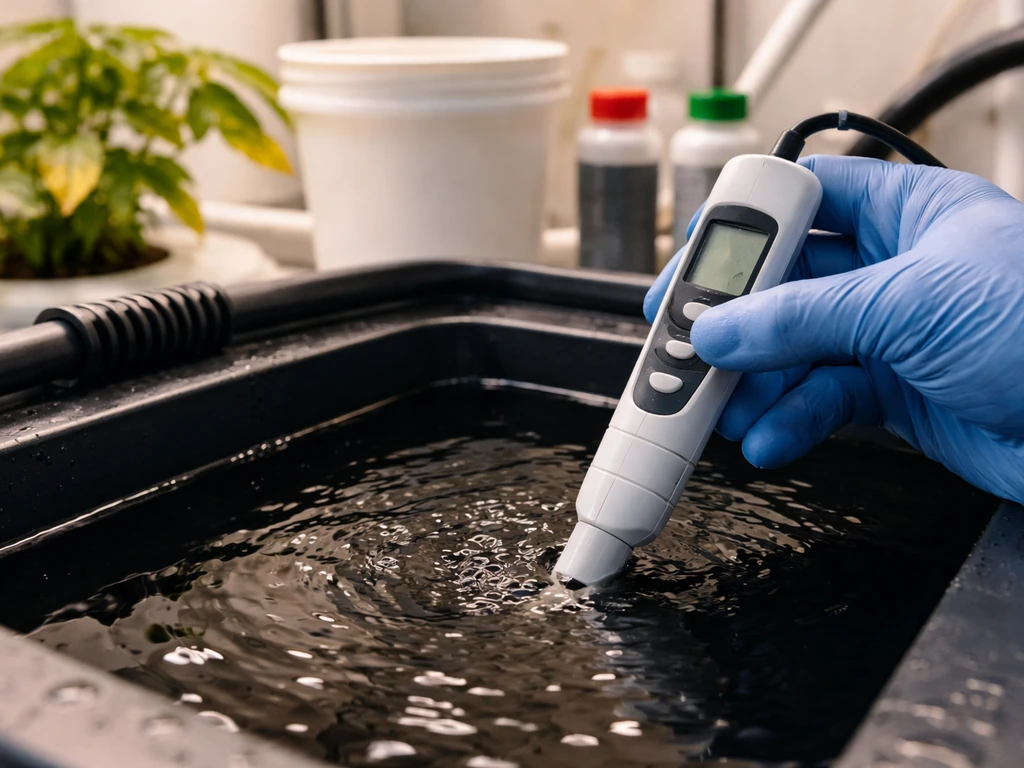
Most early hydro failures trace back to pH drift, EC that's too high or too low, or a reservoir temperature problem. Here is how to read the warning signs.
pH problems
If your pH drifts above 6.5, iron, manganese, and zinc become unavailable to the plant even if they're in your solution. You'll see interveinal yellowing on new growth. If pH drops below 5.0, calcium and magnesium uptake is impaired and you can see tip burn or brown leaf margins. Check pH every day for your first few grows, especially after adding nutrients. pH drifts as plants consume water and nutrients, so one-time mixing is never enough. Adjust with pH Down (usually phosphoric acid) or pH Up (usually potassium hydroxide) in small amounts, then recheck after 15 minutes.
EC problems
If your EC is climbing between reservoir changes, plants are drinking more water than nutrients, meaning your solution is getting more concentrated. Top off with plain pH'd water (not nutrient mix) until you hit your next scheduled reservoir change. If EC is dropping, plants are eating more nutrients than water, which usually means they're healthy and growing fast. Add a half-strength nutrient top-off. If TDS approaches 2,000 ppm (roughly 3.5 dS/m or higher), your solution is too concentrated and you risk nutrient burn: stunted growth, brown leaf tips, and claw-shaped leaves.
Common early failures and fixes
| Symptom | Likely Cause | Fix |
|---|---|---|
| Brown, slimy roots | Root rot from high water temp or low DO | Chill reservoir to below 72°F, add air stone, consider beneficial bacteria product |
| Yellowing lower leaves | Nitrogen deficiency or pH too high | Check and correct pH first, then verify EC is in range |
| Interveinal yellowing on new growth | Iron or manganese lockout from high pH | Lower pH to 5.5–5.8 |
| Tip burn on leaf edges | Calcium deficiency or pH too low | Raise pH, verify calcium in nutrient mix |
| Wilting with adequate solution | Root rot or reservoir too warm | Check root zone temperature and DO |
| Algae in reservoir | Light leak into reservoir | Cover all light entry points, use opaque reservoir |
Maintenance and simple pest prevention for hydroponic grows
Reservoir maintenance routine
Change your full reservoir every 7 to 14 days in active DWC grows, or sooner if EC or pH becomes difficult to stabilize. When you change the reservoir, rinse the inside of the bucket with plain water, check your air lines and air stones for blockages, and inspect the roots. Healthy roots are white or cream-colored with a slightly fuzzy look from root hairs. Brown, slimy, or foul-smelling roots are the first sign of pythium (root rot) and need immediate action: lower the reservoir temp, increase aeration, and add a beneficial bacteria product containing Bacillus subtilis or Trichoderma.
Pest prevention indoors
Indoor hydro grows in Kansas City deal most commonly with fungus gnats, spider mites, and aphids. Fungus gnats are usually introduced through contaminated media or by leaving the top of your growing medium wet. Since DWC roots hang in solution rather than sitting in soil, fungus gnats are far less of a problem than in soil grows. Spider mites thrive in hot, dry conditions, so keeping your humidity above 45% and your temperature below 82°F is your first line of defense. Aphids can hitchhike in on clones or from outdoor air. Yellow sticky traps inside the tent catch flying adults early before populations build.
Prevention beats treatment every time in a hydro setup because pesticide runoff into your reservoir can destabilize your nutrient solution or harm roots. Keep your grow space clean, quarantine any new plant material for a week before introducing it to your main grow, and change clothes or wash hands before handling plants if you've been outside in a garden. These simple habits stop most pest problems before they start.
Quick-start path: a beginner-to-intermediate shopping and setup plan
Here is a concrete shopping and setup sequence designed to get you from zero to growing in Kansas City within a week or two, without overbuying or under-equipping yourself.
- Visit Quality Grow Hydroponics (8308 Wornall Rd) or Mike's Nursery first. Pick up a 5-gallon DWC kit (HydroFarm Root Spa or similar), a bag of clay pebbles, a pack of 3-inch net cups, and a combo pH/EC pen with calibration solution.
- Buy your nutrient line in the same trip. General Hydroponics Flora Series Grow, Micro, and Bloom covers everything. Add pH Up and pH Down to the cart.
- Get an RO filter or at minimum a carbon block filter if your tap water has strong chlorine or high mineral content. Ask store staff about your local water hardness if you're unsure.
- Source your grow tent and light. A 2x4 or 4x4 tent with an AC Infinity LED panel and their inline fan with controller covers lighting and ventilation in one purchase. Quality Grow stocks AC Infinity.
- Set up your tent, run your ducting, hang your light, and fill your reservoir with RO water before mixing any nutrients. Confirm your air pump is running and air stone is producing bubbles throughout the reservoir.
- Mix your first nutrient solution to roughly half-strength for seedlings or young transplants (target EC around 0.8 to 1.2 dS/m). Adjust pH to 5.5 to 5.8 after mixing. Confirm reservoir temperature is between 65 and 72°F.
- Check pH and EC daily for the first week. Log the numbers. This data tells you how fast your plants are drinking and eating, which is the foundation of all future nutrient management decisions.
- Do your first full reservoir change at day 7 to 10. Inspect roots, clean the bucket, and mix a fresh solution at slightly higher EC (1.5 to 2.0 dS/m) as plants grow into the vegetative stage.
Intermediate growers with one or two grows already completed can skip the starter kit and build a recirculating DWC or NFT system with multiple plant sites using the same local suppliers. The nutrient management principles are identical: start low on EC, keep pH in the 5.5 to 5.8 range, monitor daily, and change reservoirs on a consistent schedule.
The Kansas City hydroponic community is more developed than most people realize. Between Quality Grow Hydroponics, River Market Hydroponics, OverGrow KC, and Mike's Nursery, you have enough local support to run a serious grow without relying entirely on online ordering. Use your local shops not just as suppliers but as a resource: ask questions, compare their recommendations against the nutrient and pH targets in this guide, and build a relationship with staff who can help you troubleshoot when something goes sideways. If you are trying to better grow hydro in Pasadena, focus on the same fundamentals: stable pH and EC, clean water, and reliable aeration from day one local shops. If you are trying to better grow hydro in Cardiff, focus on the same fundamentals: stable pH and EC, clean water, and reliable aeration from day one. Good to grow water starts with stable pH and EC, plus reliable aeration and filtration so your plants get consistent conditions from day one clean water. Good to grow hydroponics is all about starting with the right nutrients, stable pH and EC, and reliable aeration so your plants get consistent conditions Good to grow water. That local support is a real advantage that online-only growers don't have.
FAQ
Do I need an air pump in every DWC bucket, or is a bigger reservoir enough?
You still need aeration. Reservoir size helps with stability, but dissolved oxygen depends on surface agitation and air exchange. If you upgrade, increase airflow and air stone surface area, then verify DO stays above 6 ppm with a meter, not just by feel.
How do I pick between RO water and tap water if I do not want to buy a full system yet?
Start with a simple test. Measure tap EC after the water sits 24 hours. If your baseline EC is meaningfully above near-zero and fluctuates, RO will reduce guessing. If it is already low and consistent, you can run tap with thorough dechlorination, but you will still need to calibrate your pH and EC meter regularly.
What pH probe issues cause bad readings, and how can I prevent pH drift from misleading me?
Most “mystery” pH problems are probe calibration or aging. Use pH calibration buffers before the first mix and whenever readings seem off, store the probe properly (do not let it dry), and rinse with clean water between tests so residue from nutrient solutions does not skew readings.
Should I aim for the same EC for seedlings and mature plants?
No. Keep EC on the lower end for seedlings and young plants, then step up gradually as plants show consistent growth and stable pH. A sudden jump in EC is a common early mistake that looks like nutrient burn even if the nutrient line is correct.
If my EC rises quickly, is it always because of evaporation, or could it be something else?
It can also be incomplete mixing or inconsistent top-offs. Evaporation raises EC, but if you top off with nutrient mix instead of plain pH’d water, EC will climb faster. Also check for leaks or poor circulation that causes uneven concentration across the reservoir.
How often should I check pH and EC once my system is stable?
For the first few runs, check daily, especially right after adding nutrients or doing reservoir changes. Once you prove your system stabilizes, you can stretch to a schedule like every other day, but you should still verify after any heat spikes, plant stress, or major growth spurts.
What is the best way to stop algae without harming my root oxygen levels?
Use light-blocking on reservoirs and keep intake areas dark, rather than aggressive chemical treatments. If you cover the bucket and manage exhaust, algae usually drops significantly. Avoid adding anything that could reduce oxygen transfer or interfere with pH control.
Do I need to change the whole reservoir every 7 to 14 days, or can I top off longer?
You can top off longer only if pH remains stable and EC does not become difficult to correct. In active DWC, full changes are typically safest because salt buildup and biofilm formation accumulate over time. If your pH keeps requiring frequent correction, switch to shorter reservoir intervals.
What beneficial bacteria product should I use if I see early signs of slimy roots?
Choose a product specifically labeled for hydroponic systems and that contains living Bacillus subtilis or Trichoderma. Apply according to the label, then immediately correct the underlying cause (warm water and low oxygen are common). Do not rely on bacteria alone if aeration or temperature is off.
How can I tell whether yellowing is from nutrient lockout versus overwatering?
Nutrient lockout often tracks with pH drift (especially above 6.5) and shows interveinal yellowing on newer growth. Overwatering or poor root oxygen usually comes with slower growth and may show browning or odor from roots. Confirm by testing pH, EC, and root appearance the same day.
Are clay pebbles and rockwool interchangeable in the same DWC setup?
They are not fully interchangeable. LECA works well as the long-term media because it is reusable and inert, while rockwool is best for germination and early propagation before transplant. If you keep rockwool in the hydro system longer, it can complicate cleaning and root-zone hygiene.
How do I avoid overheating in Kansas City summers when the tent exhaust struggles?
Plan for reservoir temperature control, not just tent air. If water approaches the mid-70s, oxygen drops and root-rot risk rises. Options include running lights during cooler hours, upgrading exhaust, and adding a small reservoir chiller or at least insulating the reservoir to reduce heat gain.
Can I run lights 18/6 year-round, or should photoperiod change when humidity or temperature changes?
Keep the crop’s schedule as the baseline, but adjust your environment strategy around it. In hot, humid stretches, you may get better stability by shifting the light cycle to night and improving exhaust control rather than changing from the recommended vegetative 18/6 pattern.
What are the most common “meter mistakes” that make growers think the nutrients are wrong?
Using uncalibrated meters and skipping temperature compensation are big ones. EC and pH probes drift over time, so calibrate with fresh buffers, rinse properly between readings, and avoid testing samples that are still warming up after mixing. A wrong reading can lead to unnecessary nutrient changes.
Should I quarantine clones or new plants before putting them into the main hydro system?
Yes. Quarantine for about a week helps catch aphids or mite eggs that would otherwise multiply inside the tent. Keep the quarantined plants physically separated, and do not move from the quarantine area to the main grow without changing clothes or washing hands if you have been outside gardening.