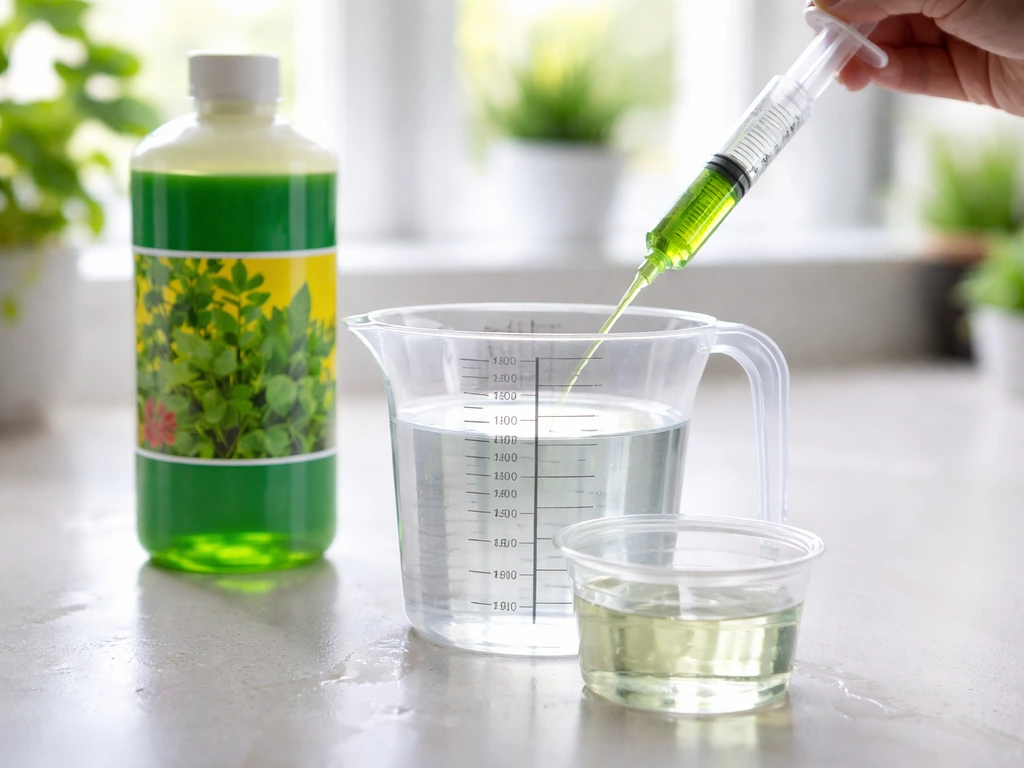
If you're trying to figure out how much FloraGro and a "Carbo" additive to put in your reservoir or watering can today, here's the short answer: start FloraGro at around 2.5 mL per gallon (0.66 mL/L) during early veg, and start your Carbo product at its label's lowest recommended dose, typically 2.5–5 mL per gallon (0.66–1.32 mL/L), then monitor your EC, pH, and plant response before moving up. Everything below explains exactly how to dial that in for your specific setup, plant stage, and grow method.
Flora Grow Carbo Dosage Guide for Hydroponics and Soil

Marcus Holloway
17 Apr 2026
What Flora Grow and "Carbo" actually do (and where each fits)
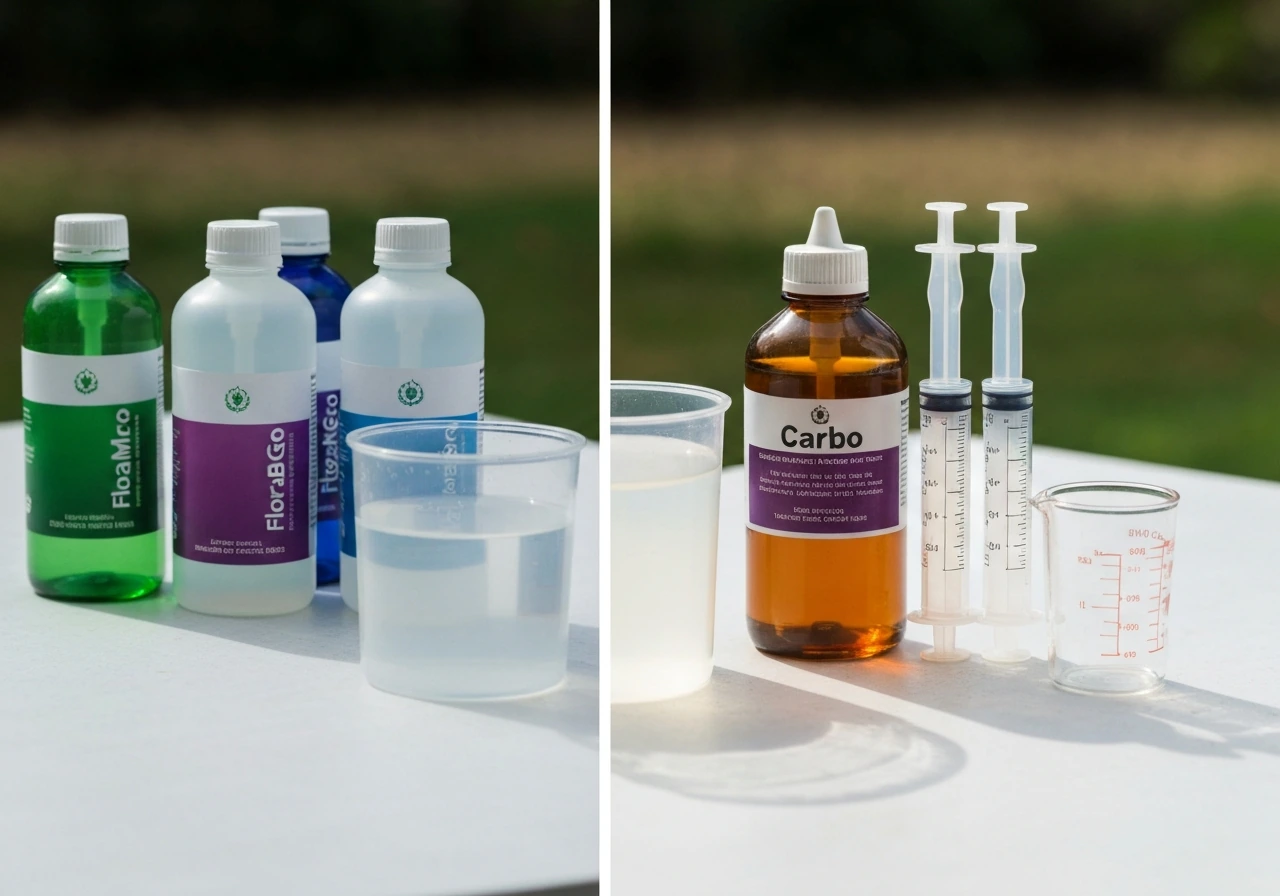
FloraGro is one part of General Hydroponics' three-part Flora Series system, which also includes FloraMicro and FloraBloom. FloraGro is the vegetative support component, meaning it provides primary nutrients alongside magnesium and pH buffers that keep everything water-soluble and available to roots. FloraMicro is the foundation of the system, delivering nitrogen, calcium, and trace minerals, while FloraBloom covers phosphorus, potassium, magnesium, and sulfur for flowering and fruiting. You almost never use FloraGro alone. The three parts are mixed together at ratios that shift depending on growth stage, and those ratios are what you're tuning when you talk about "Flora Grow dosage."
"Carbo" products are a completely different category. These are carbohydrate or sugar-based supplements, not macronutrient fertilizers. Products like Botanicare Sweet Raw Carbo or Roots Organics Trinity Carbo Catalyst are categorized as metabolic support additives, sometimes also marketed for root development and plant transitions. They provide simple and complex carbohydrates that beneficial microbes and plant roots can use as an energy source.
In a hydroponic system they can support root zone biology; in soil or containers they do the same while also feeding the microbial life in your growing medium. They are not CO2 supplements in the gas-injection sense, despite the name confusion. If you were hoping to boost CO2 levels in your grow room, supplementing with CO2 gas is a separate conversation involving CO2 tanks, burners, or fermentation setups.
In hydroponics, both FloraGro and your Carbo additive go directly into the reservoir, which means any dosing error affects the entire root zone immediately. In soil or container grows, the nutrients get buffered by the medium, so you have a bit more forgiveness, but pH and salt buildup are still real concerns over time. The basic dosing logic is the same for both, but the monitoring looks a little different, and I'll cover that separately below.
Check your exact product and get your units right before mixing anything
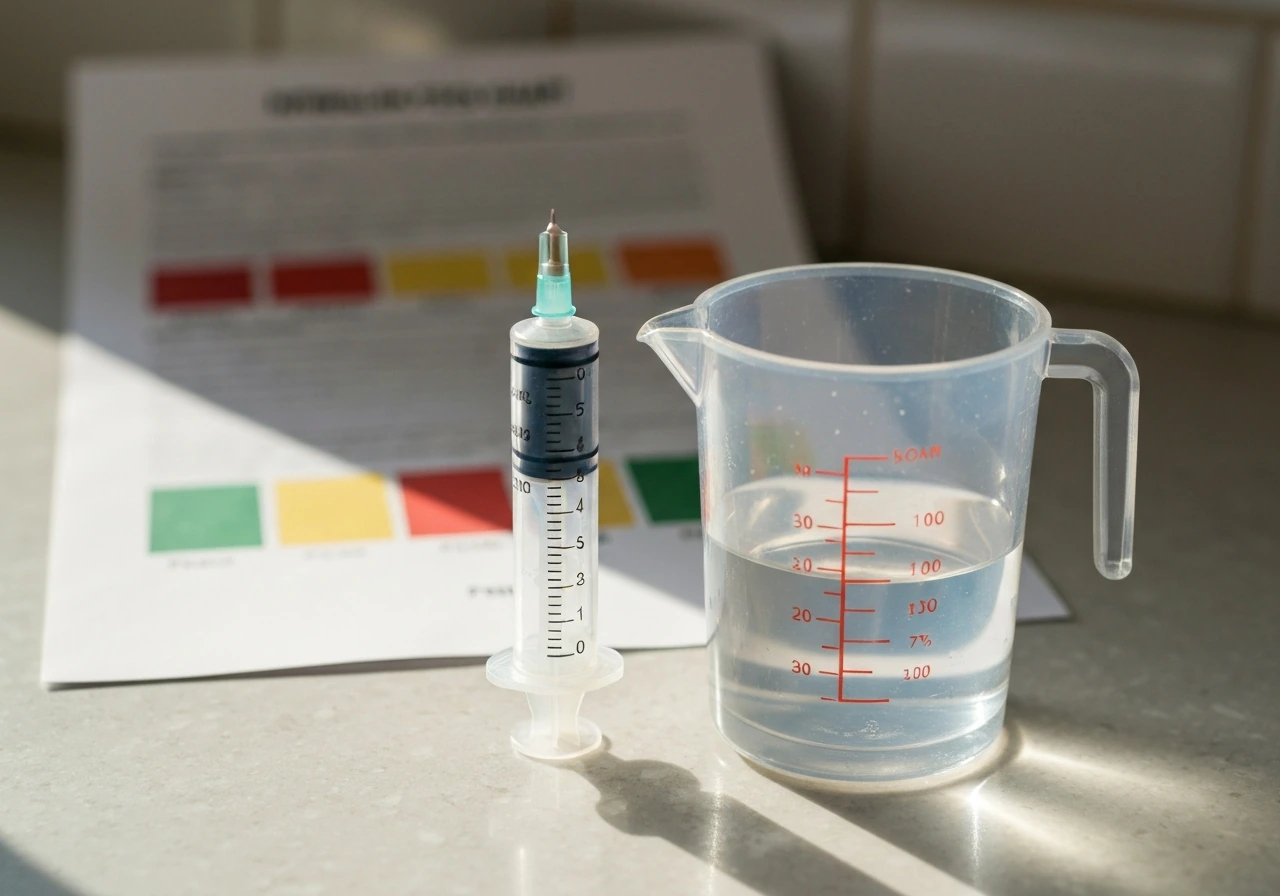
This sounds obvious but it's where most mistakes happen. General Hydroponics feed charts list all amounts per 3.79 liters (1 U.S. gallon). If you're working in liters, you need to divide those values by 3.79. So a chart calling for 2.5 mL/gal translates to roughly 0.66 mL/L. That gap matters when you're making a 20-liter reservoir and you accidentally use the per-gallon number at per-liter scale, because you'll be at nearly 4x the intended concentration.
For Carbo products, every brand has its own rate. Botanicare Sweet Raw Carbo is listed at 8 mL per gallon. Roots Organics Trinity Carbo Catalyst is dosed at 1 tsp to 1 tablespoon per gallon (roughly 5–15 mL/gal), added with every reservoir change. A Dutch/Legacy-style "Carbo Logic" product recommends 2.5 mL per liter (or about 2 tsp per gallon). Before you mix anything, pull up your specific product's label and confirm whether the dose shown is per liter or per gallon, and what plant stage it's intended for. Don't assume one Carbo product doses the same as another.
| Product | Typical Dose (per gallon) | Typical Dose (per liter) | Notes |
|---|---|---|---|
| FloraGro (early veg) | ~2.5 mL/gal | ~0.66 mL/L | Use alongside FloraMicro + FloraBloom |
| FloraGro (peak veg) | ~5–6.6 mL/gal | ~1.3–1.7 mL/L | Ratio shifts as plants mature |
| Botanicare Sweet Raw Carbo | 8 mL/gal | ~2.1 mL/L | Metabolic support, every feeding or weekly |
| Roots Organics Trinity Carbo Catalyst | 5–15 mL/gal (1 tsp–1 tbsp) | ~1.3–4 mL/L | Every reservoir change |
| Carbo Logic (Dutch/Legacy style) | ~9.5 mL/gal (2 tsp) | 2.5 mL/L | Stage/week referenced in feed chart |
Starting doses: where to begin and how to measure accurately
For FloraGro in a straightforward vegetative feed, the General Hydroponics feed charts show FloraMicro at roughly 2.5–3.8 mL/gal, FloraGro at 1.5–2.5 mL/gal, and FloraBloom at 2.5 mL/gal in early stages. A common beginner starting point is 1 tsp (about 5 mL) of FloraGro per gallon alongside 1 tsp of FloraMicro and 1 tsp of FloraBloom. That puts you roughly in the ballpark for a moderate-strength general vegetative mix. If you want to be conservative on your first mix, cut those rates in half and work up from there. You can always add more nutrients; you can't un-dose an already-mixed reservoir without flushing.
For Carbo products, start at the lower end of the label range. If the label says 5–15 mL/gal, begin at 5 mL/gal. If it says 8 mL/gal flat, start at 4–5 mL/gal for your first application and watch for signs of stress (more on that below). Measure with a graduated syringe or pipette, not a kitchen spoon. Teaspoons and tablespoons vary enough that you'll get inconsistent results over time, and consistent dosing is what lets you actually troubleshoot problems.
Always measure your total water volume accurately. If you think you have 5 gallons in your reservoir and it's actually 4.5, your concentration is already 10% higher than intended. Fill to a marked line each time, and if you're topping off between reservoir changes, account for the volume of water you're adding when you re-dose.
Adjusting dosage as your plants grow (by stage, EC/pH, and grow method)
Stage-by-stage FloraGro ratios
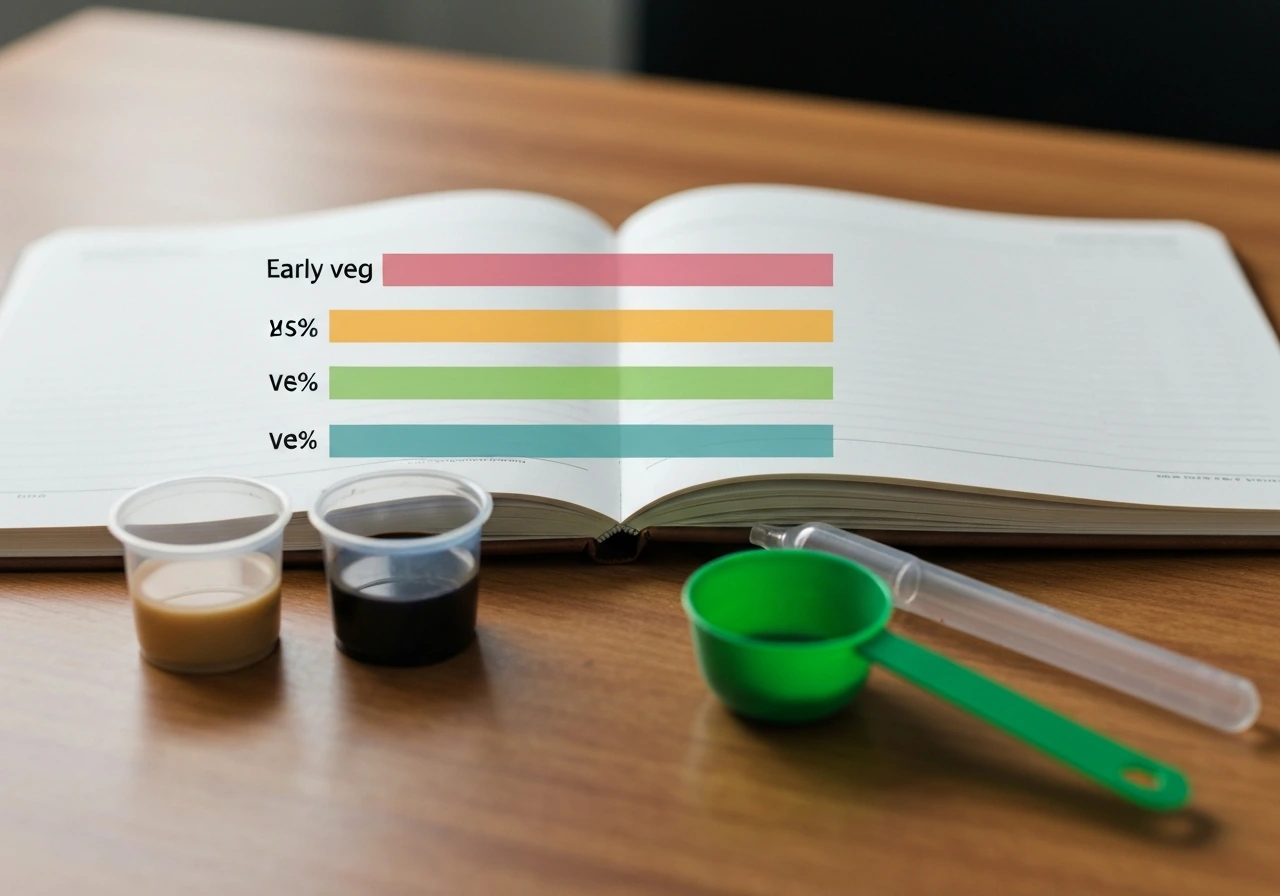
The FloraSeries is designed so you shift the ratios between its three parts across growth stages, not just scale the whole mix up or down. In early veg, FloraGro is relatively dominant because you're building stem, leaf, and root structure. As plants approach the transition to flower, you start pulling FloraGro back and leaning into FloraBloom. The feed charts show FloraGro values ranging from about 1.5 mL/gal in the early stages all the way to 6.6 mL/gal at peak vegetative growth, then dropping significantly in bloom. FloraMicro values run from roughly 2.5 mL/gal in seedling/early veg up to 7.6 mL/gal at peak performance. Use the official GH feed chart for your exact stage rather than a single fixed ratio.
Target EC ranges by stage from GH performance feed charts look roughly like this: early vegetative growth around 1.3–1.6 mS/cm, peak vegetative growth around 2.1–2.5 mS/cm, and mid-bloom around 2.0–2.4 mS/cm. These are targets, not hard limits, and your specific strain, root zone temperature, and water quality all affect where your plants perform best. Always let EC guide your concentration adjustments more than the calendar does.
Hydroponic reservoir vs. soil containers
In a hydroponic reservoir, you're working in a closed system. Every change you make hits the roots directly. Change your reservoir every 7–10 days during active veg, dose fresh nutrients each time, and top off with plain pH-adjusted water between changes as the reservoir level drops. In soil or containers, water less frequently and let the medium dry out appropriately between feeds. Nutrient salts accumulate in soil over time, so a monthly flush with plain pH-adjusted water is a good habit. The Flora Grow dosage guidance for soil growers generally runs at 50–75% of the hydro-rated dose because the medium buffers and holds nutrients between feedings.
For Carbo additives specifically, in hydro you'll add them with every reservoir change (or every other one, depending on the product instructions). In soil, you can add them to your watering can with each feeding or every other feeding. Carbo products don't significantly shift EC the way macronutrients do, but they do contribute a small amount, so factor them in when you're checking your total solution EC.
pH: the number that overrides everything else
Keep your nutrient solution pH between 5.5 and 6.5 for hydroponics, and 6.0–6.8 for soil. If pH drops below 5.5, micronutrients like iron and manganese become available at toxic levels while macronutrients (N, P, K) lock out. Above 6.5 in hydro, you'll see iron and calcium deficiencies even with plenty of those nutrients in the solution. Adjust pH after you've finished mixing all nutrients and additives, since each component affects the final pH. For pH Up and Down, start with 1 mL per gallon, mix thoroughly, then re-test before adding more. Small, incremental adjustments are the way to go here.
Signs to watch for: too much, too little, and other stress signals
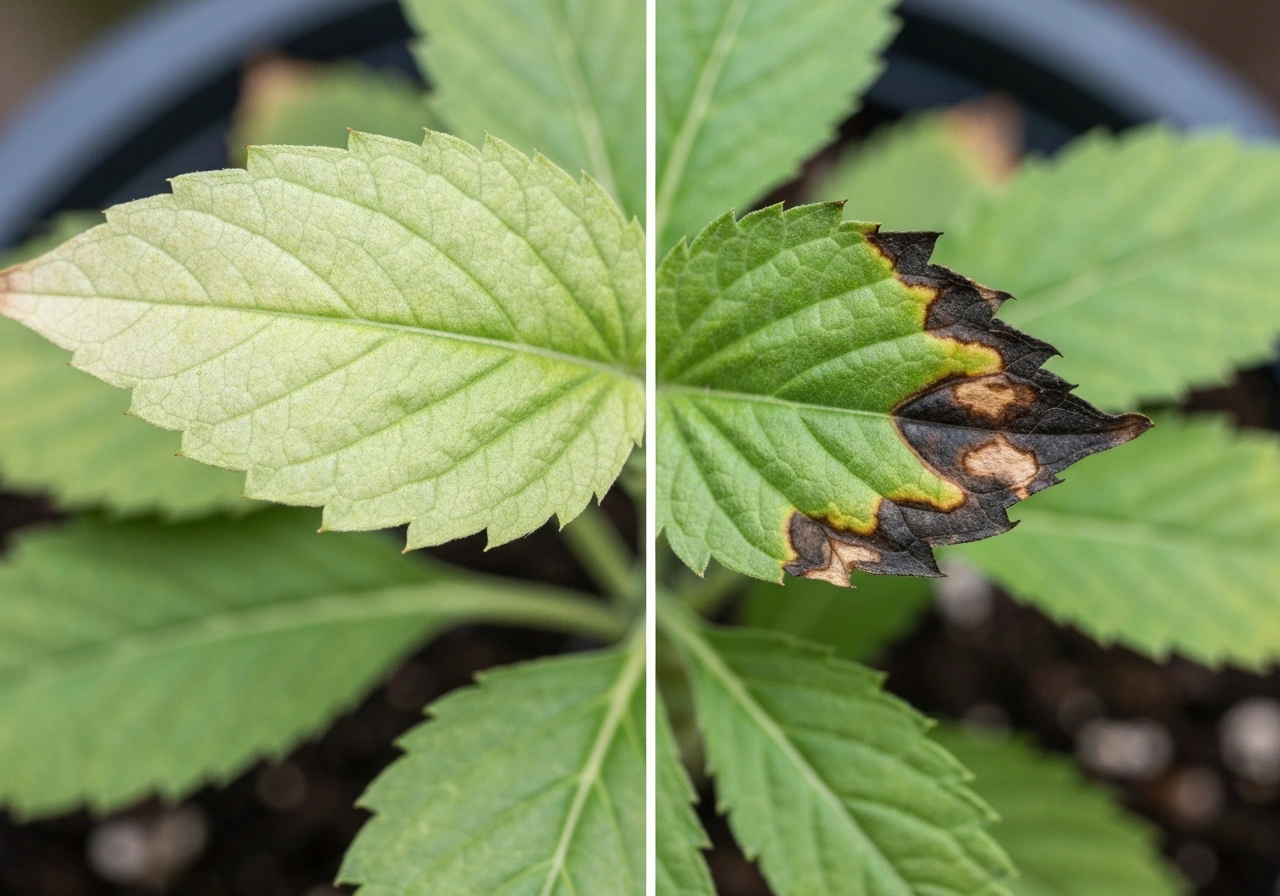
Underdosing signs
- Pale green or yellowing older leaves (nitrogen deficiency from too-low FloraGro/FloraMicro)
- Slow internode development and thin, weak stems in veg
- Purple leaf undersides or stems in early stages (phosphorus lockout often linked to pH being too low, not always underdosing)
- Small, underdeveloped root system with little branching
Overdosing and toxicity signs
- Leaf tip burn ("nutrient burn") starting at the tips of new growth, indicating EC is too high
- Dark green, almost waxy leaves that curl downward (nitrogen toxicity from too much FloraGro)
- Brown, slimy roots in hydroponic systems, which can be compounded by excess sugars from Carbo products feeding pathogens
- Interveinal chlorosis on newer leaves, often a sign of micronutrient toxicity from pH crashing below 5.5
- Wilting even with adequate moisture, which can indicate root damage from salt stress
Carbo-specific concerns: algae and root zone
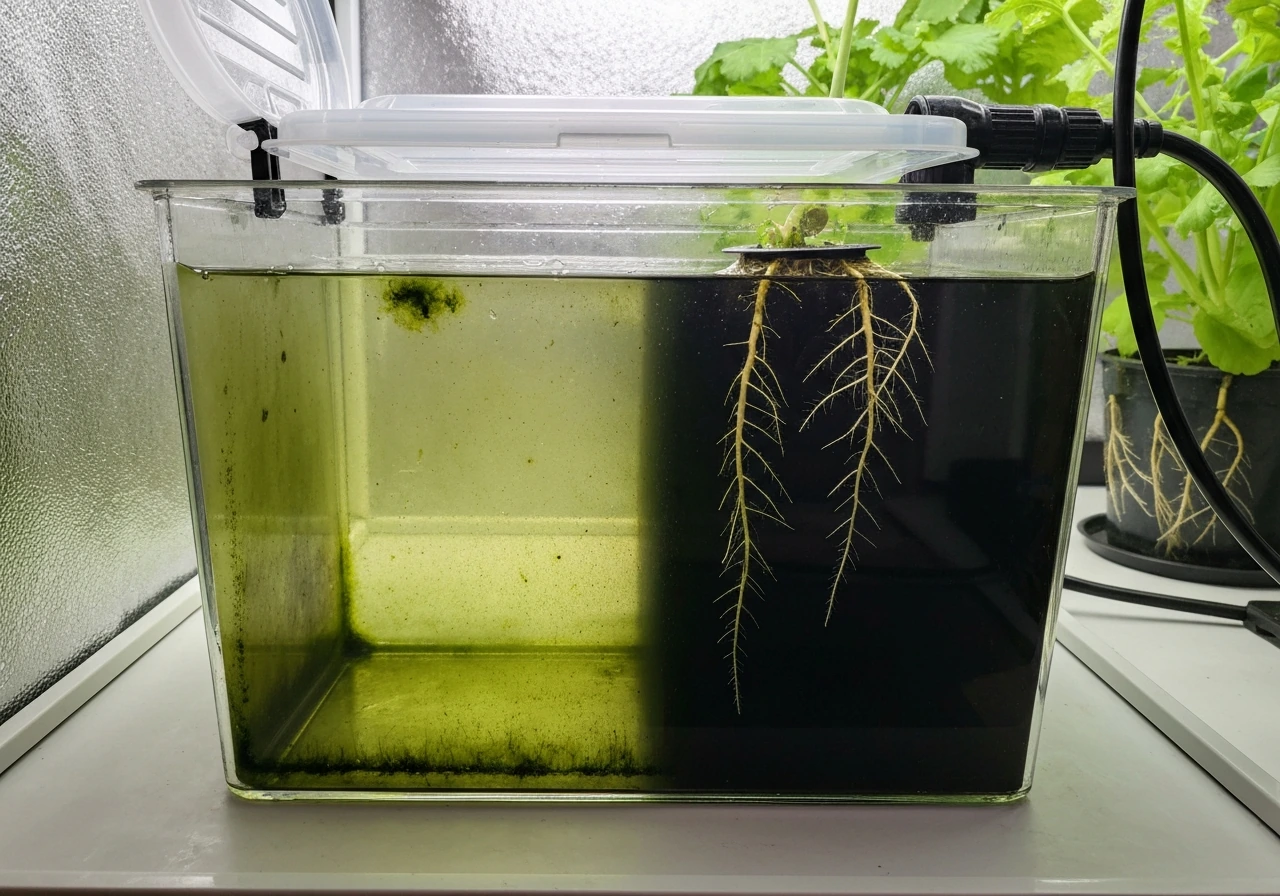
Carbo products add sugars to your solution, and sugars feed more than your plants. In a hydroponic system with any light leaks in your reservoir, those sugars will accelerate algae growth significantly. Keep your reservoir completely light-proof. If you're already seeing green or brown slime on reservoir walls or tubing, pull back the Carbo dose and address your light leak first before reintroducing the additive.
Algae also competes with plants for oxygen and can contribute to root rot. This is one area where less is genuinely better if your system has any vulnerabilities. Some growers skip Carbo products in recirculating systems entirely for this reason and reserve them for soil or coco where algae risk is lower. Interestingly, whether you're growing aquatic plants like Monte Carlo in a low-tech tank or cannabis in a DWC bucket, the sugar-feeds-algae relationship is the same problem.
Compatibility, mixing order, and water quality
Always mix FloraMicro into your water first, before FloraGro or FloraBloom. This is not optional. Mixing FloraGro and FloraBloom together without FloraMicro already diluted in water first can cause precipitation (the nutrients clump and fall out of solution, often as a white or tan sludge). The correct order is: start with pH-adjusted water, add FloraMicro and stir, then FloraGro, then FloraBloom, then any other additives like ArmorSi or Cal-Mag, and finish with Carbo products last. If you're using a silica supplement (ArmorSi or similar), that actually goes in first, before FloraMicro, because silica at high pH can react with calcium in FloraMicro and cause problems.
Carbo products are generally compatible with Flora Series nutrients, but add them after your base nutrients are fully mixed and the pH is close to your target. Check EC before and after adding the Carbo product if you want to see exactly how much it's contributing to your solution's total dissolved solids. If you're running a full additive lineup (Cal-Mag, silica, enzyme product, Carbo, beneficial bacteria), introduce one new product at a time over several reservoir changes so you can identify the cause if something goes wrong. Setting up a floraflex-style grow is a good example of how a structured feed program with clear mixing steps reduces error in these multi-additive situations.
Water quality matters more than many beginners realize. If your tap water already has an EC of 0.4–0.6 mS/cm (common in hard water areas), that's background minerals competing with your nutrients and affecting your target EC calculations. Check your source water EC before you start, and either use filtered/RO water or subtract your baseline EC from your target. Hard water specifically can cause calcium and magnesium imbalances when mixed with FloraSeries nutrients, which is why GH makes a Hardwater FloraMicro variant.
Troubleshooting today: when to ramp up, back off, or flush
If you're starting fresh right now
- Mix your reservoir at 50% of the recommended feed chart dose for your current growth stage. For a basic early-veg mix, that means roughly 1.25 mL/gal FloraMicro, 1.25 mL/gal FloraGro, and 1.25 mL/gal FloraBloom to start.
- Add your Carbo product at the low end of its label range (half-dose is fine for the first application).
- Check EC. If you're in early veg, target 0.8–1.2 mS/cm for a conservative start. Adjust if needed.
- Check and adjust pH to 5.8–6.2 for hydroponics. Use 1 mL/gal of pH Up or Down at a time, stir, retest.
- Let the plants run on this solution for 48–72 hours and observe. No tip burn, no yellowing, good color? Step up to 75% dose on the next reservoir change.
- After another 3–5 days, if plants look healthy, move to the full recommended dose for your stage.
If plants are already showing stress
Tip burn on new growth means EC is too high. Don't try to dilute your existing reservoir by adding plain water; it works in the very short term but you're also unbalancing your ratios. The cleaner fix is a full reservoir change at a lower EC, targeting about 0. 4–0.
6 mS/cm below your previous level. If roots look brown and slimy, flush the system with plain pH-adjusted water and a root zone cleaner (FloraKleen works well for this), then rebuild your reservoir from scratch at a lower concentration without the Carbo additive until roots recover. If you're seeing yellowing on older leaves with healthy new growth, your nitrogen is probably too low, so increase FloraGro and FloraMicro slightly on your next mix.
Ramping up: a simple week-by-week approach
| Week | FloraGro (mL/gal) | FloraMicro (mL/gal) | FloraBloom (mL/gal) | Carbo (mL/gal) | Target EC (mS/cm) |
|---|---|---|---|---|---|
| Week 1 (seedling/early veg) | 1.25 | 1.25 | 1.25 | 2.5–4 (half label) | 0.8–1.2 |
| Week 2 (veg ramp) | 2.5 | 2.5 | 2.5 | 5–8 (label low) | 1.2–1.6 |
| Week 3–4 (peak veg) | 5–6.6 | 3.8–5.7 | 2.5–3.8 | Label rate | 1.8–2.3 |
| Transition to bloom | 2.5–3 | 3.8 | 3.8–5 | Label rate or reduce | 1.8–2.2 |
| Mid-bloom | 1–1.5 | 3.8–7.6 | 5–8.5 | Label rate or skip | 2.0–2.4 |
These numbers are a practical starting framework, not a rigid prescription. Your plants are the real feedback loop. A healthy plant in veg has bright green, slightly glossy leaves, active new growth at the top, and a good root mass. If you're hitting those targets, your dosage is working. If something looks off, check pH first (it fixes the majority of issues), then EC, then review your mixing order and water quality before blaming the nutrient ratios. Stay consistent, take notes on what you mix each time, and you'll have a reliable baseline to tune from within two to three reservoir cycles.
FAQ
How can I tell how much the Carbo product is actually changing my EC?
Test a “dose-only” baseline first. Mix your Flora series without the Carbo product, adjust pH, then measure EC. After that, add Carbo at the label starting dose, re-stir, re-test EC, and note the delta. If your EC jumps more than expected, you can dial Carbo down rather than reducing Flora nutrients unnecessarily.
If I’m making a larger reservoir, can I just multiply the FloraGro dose?
No, you generally should not “double the FloraGro number” when increasing reservoir size. The correct approach is to scale the full recipe by total volume, then re-check EC and pH after mixing and again after adding Carbo. Even small measurement errors (like being off by 0.5 L in a 20 L tote) can cause nutrient concentration to drift.
When should I start reducing FloraGro for flowering and not just follow the calendar?
Use the feed chart and the stage, not just “more veg days equals more FloraGro.” If you are approaching transition, cut FloraGro earlier and shift toward FloraBloom, then let EC and plant response confirm. Staying too heavy on FloraGro during early transition can create rank growth and nutrient imbalances.
What should I do if I gave too much Carbo and my tank develops algae or slime?
If you accidentally over-dosed Carbo, the fastest safe move is to stop adding it for the next change and prioritize algae control (light-proof reservoir, cover tubing, remove reflective surfaces). For significant slime or root browning, do a reservoir change, flush with plain pH-adjusted water, and rebuild without Carbo until roots show recovery.
Should I adjust pH again after adding Carbo, or only after the base nutrients?
For pH, re-check after the last additive is in. Carbo and sugars can shift readings slightly, so the correct workflow is mix base nutrients, add Carbo last, then pH-adjust to target. Don’t adjust pH mid-mix repeatedly, do it once at the end to avoid chasing a moving target.
If I want to be more conservative, is it okay to reduce FloraGro only?
Yes, but only if you keep the total nutrient ratio consistent. For example, if you halve rates to be conservative, also halve FloraMicro and FloraBloom as a matched set and still aim for the same stage-based EC target. Cutting only FloraGro often breaks the balance the three-part system is designed around.
What happens if I mix FloraGro and FloraBloom before FloraMicro?
Don’t skip the mixing order. If you add FloraGro or FloraBloom before FloraMicro is dissolved in pH-adjusted water, precipitation risk rises, and that can make some nutrients unavailable. If you suspect precipitation already formed (visible sludge), strain or discard the solution and remix to avoid “mystery” deficiencies.
How do I know whether a problem is from Carbo or from the Flora nutrients?
Look for the “wrong direction” symptom mix: Carbo issues are often linked to algae, reservoir film, and sometimes reduced oxygen in the root zone, while nutrient strength issues show as leaf color and growth rate changes. If the reservoir stays clean but plants yellow or stall, focus on Flora EC and pH first, not Carbo removal.
How should I adjust the plan if my tap water is hard (high baseline EC)?
Yes, because water hardness and alkalinity can change how much nutrient salts accumulate and how stable pH feels. If your source water EC is high, subtract baseline EC (or use RO/filtered water) so your target EC reflects nutrients and not background minerals. Also consider the Hardwater FloraMicro variant if you repeatedly see calcium or magnesium imbalance.
Does the Flora Grow plus Carbo dosing schedule change if I switch from soil to hydro?
If you are switching from soil to hydro (or the reverse), don’t assume the same Carbo frequency applies. In hydro you typically add Carbo with each reservoir change (or per that product’s schedule) because there is no medium buffering, while soil can tolerate less frequent additions. When in doubt, follow the Carbo label frequency and re-check EC after dosing.
How should I measure EC and pH so my troubleshooting notes are accurate?
Use a calibrated meter and measure the actual nutrient solution temperature around the same time each check, since EC can vary slightly with temperature. When troubleshooting, take EC and pH readings at a consistent point in mixing (after stirring) so you can compare cycles reliably.
If I see tip burn, what are the top non-dosage causes to check first?
If new growth is wilting or tips burn but EC is in range, suspect pH being off, inadequate oxygen (especially in recirculating hydro), or uneven mixing. Also verify that you did not accidentally measure tablespoons instead of using a syringe, since dosing inconsistency can create localized over-strength pockets.