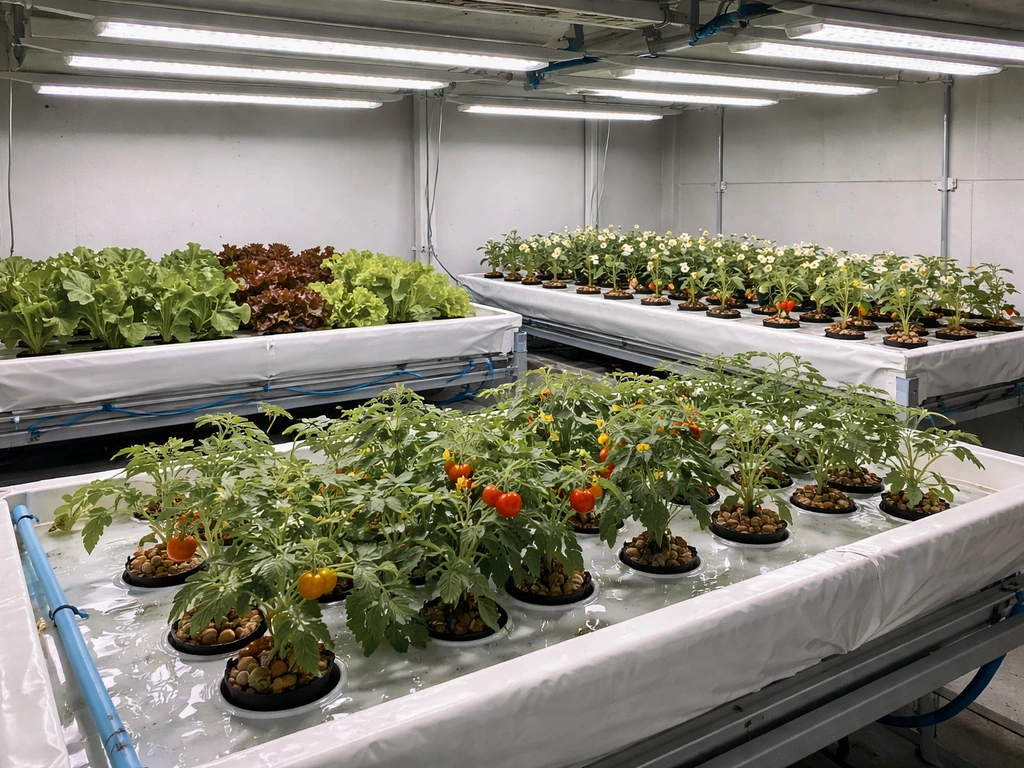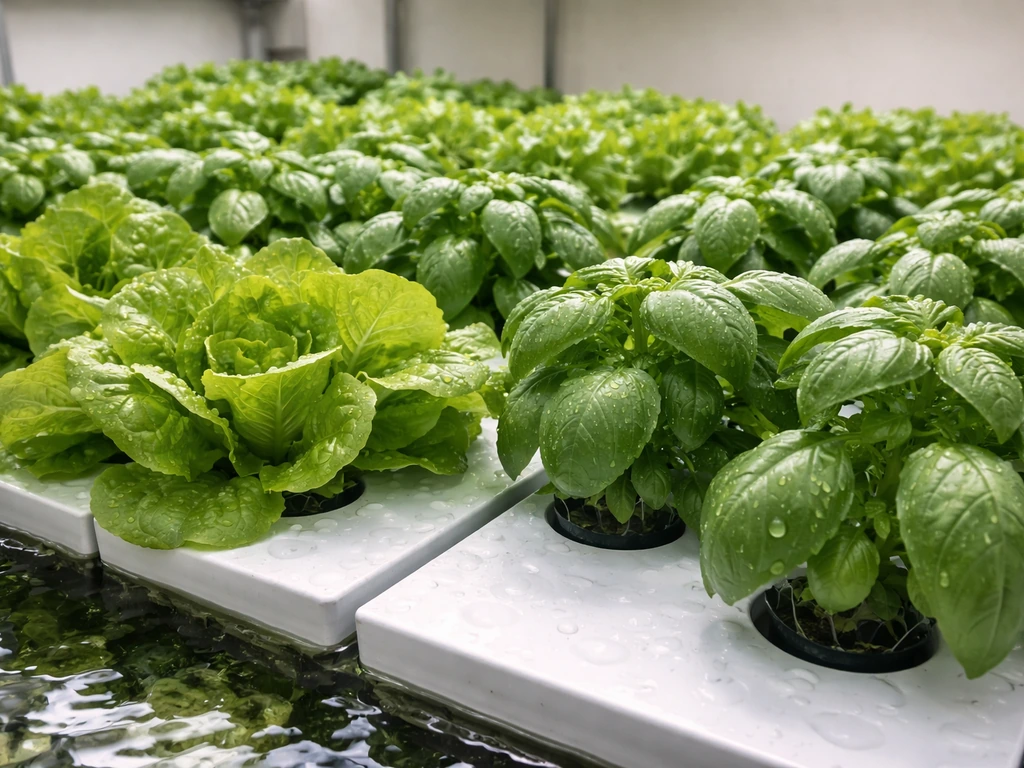
Lettuce is the single best green to start with in hydroponics. If you want more options beyond lettuce, review the best plants to grow hydroponically and pick the ones that match your space and time. Loose-leaf varieties like butterhead, romaine, and oakleaf go from transplant to harvest in 25 to 35 days under decent light, tolerate a wide pH range, and thrive in almost every system type a beginner is likely to build.
Best Greens to Grow Hydroponically: Simple Picks and Setup Guide
Marcus Holloway
27 May 2026
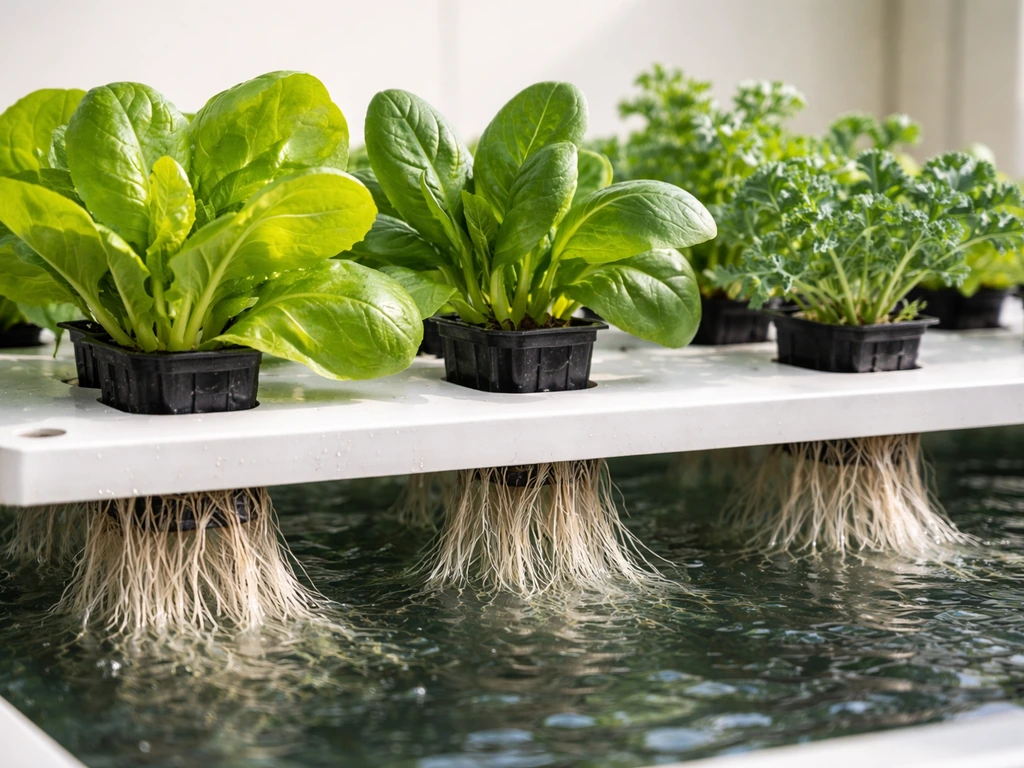
Drip Canopy notes that with good conditions, most loose-leaf lettuce varieties can reach harvest size in about 25 to 35 days from transplant most loose-leaf lettuce varieties reach harvest size in about 25 to 35 days from transplant. After lettuce, spinach, kale, Swiss chard, arugula, and mustard greens round out a reliable beginner lineup. All of them grow well year-round indoors, ask for similar nutrients, and reward you with fast, repeatable harvests without much fuss.
Best hydroponic greens to start with
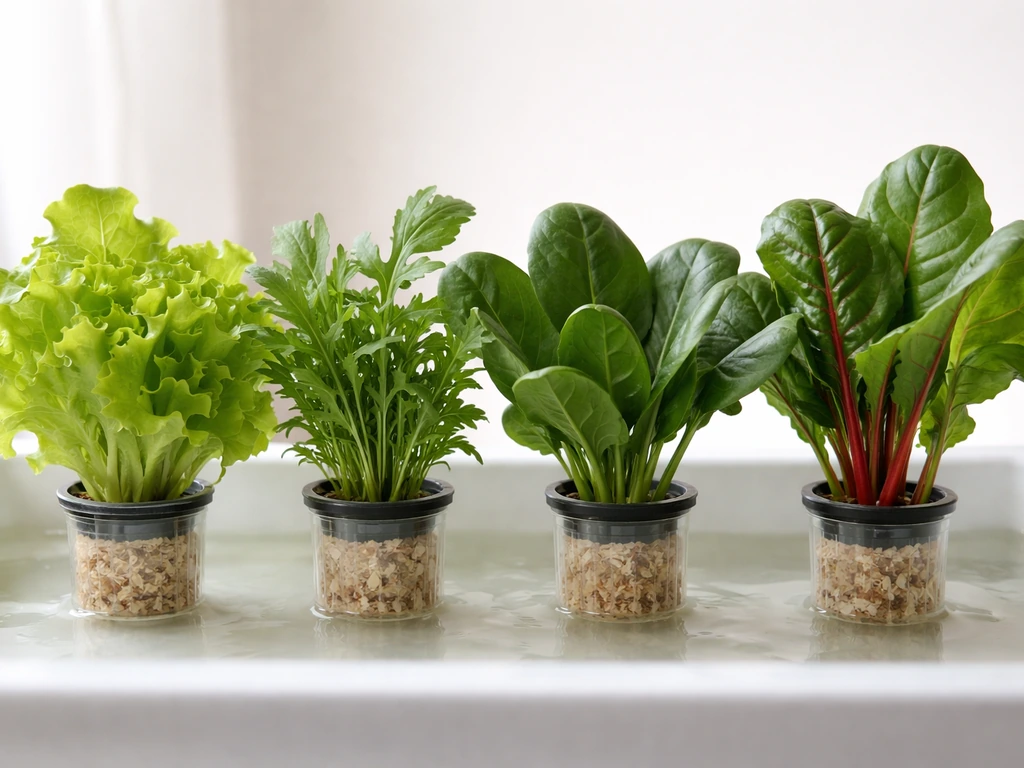
Not every leafy green is equally beginner-friendly. The ones below share a few important traits: fast germination, tolerance for the slightly lower EC that most beginner nutrient mixes start at, and forgiving pH ranges. Start with the top tier, get one successful cycle under your belt, and then branch into the more demanding crops.
| Green | Difficulty | Days to Harvest | System Fit | Notes |
|---|---|---|---|---|
| Loose-leaf lettuce | Very easy | 25–35 days from transplant | NFT, DWC, raft, flood-and-drain | Best beginner crop, huge variety selection |
| Spinach | Easy | 35–45 days | DWC, raft, NFT | Bolt-sensitive to long days; keep photoperiod at 14 hrs or less in summer |
| Arugula | Easy | 30–40 days | NFT, raft, DWC | Spicy flavor intensifies with warm roots; harvest young for mildest taste |
| Kale / Swiss chard | Easy–moderate | 40–60 days | DWC, raft, NFT | Cut-and-come-again for weeks; larger root mass than lettuce |
| Mustard greens | Easy | 30–45 days | NFT, raft, DWC | Fast, productive, slightly pungent; great for succession planting |
| Bok choy / pac choi | Moderate | 45–60 days | DWC, raft | Needs slightly more headroom; prone to bolting if temperatures spike |
| Watercress | Moderate | 30–40 days | DWC, NFT (high flow) | Loves high dissolved oxygen; slightly fussier about water temperature |
Head lettuces like iceberg are technically doable but take longer and form tight heads that need more vertical spacing, so save those for after you have a few quick cycles done. Brassica greens like kale and mustard are listed by extension programs as reliable year-round hydroponic crops, and in practice they earn that reputation. If you want a mix from day one, pair butterhead lettuce with arugula in the same system. They want almost identical conditions and you get a ready-to-eat salad from one harvest.
Growth speed, flavor, and harvest windows
Hydroponic greens almost always grow faster than their soil counterparts because the roots get oxygen and dissolved nutrients on demand rather than having to search for them. Here is what to realistically expect during your first grow.
Week-by-week timeline for loose-leaf lettuce
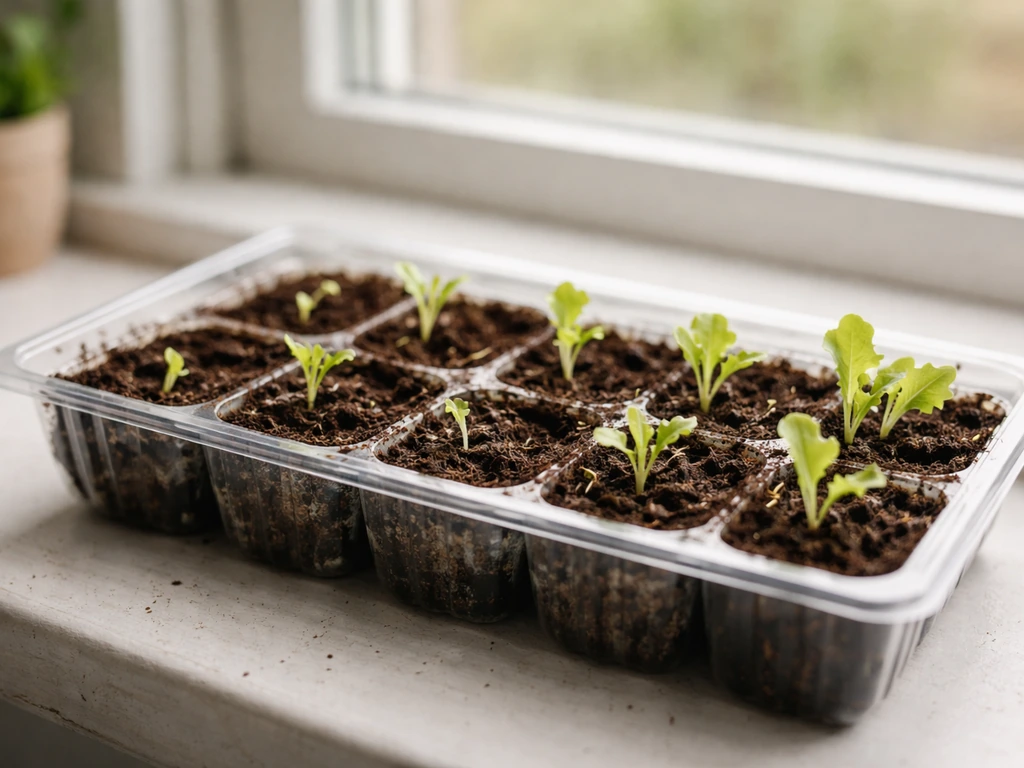
- Days 1–5: Seeds germinate in starter medium (rockwool, foam plugs, or perlite) at room temperature. Roots emerge and reach toward the bottom of the plug.
- Days 6–14: Seedlings develop 2 to 4 true leaves. Keep under low light (50–100 µmol/m²/s) and maintain moisture in the starter plug before transplanting.
- Days 15–20: Transplant into your hydroponic system when roots are visibly hanging below the plug or touching the net pot. This is the transition week.
- Days 21–28: Exponential leaf growth. Plants double in canopy size. Nutrient uptake peaks here.
- Days 29–35: Harvest-ready. Outer leaves are full size. Begin cutting or harvest the whole plant depending on your system.
Spinach runs 35 to 45 days from transplant under similar conditions. Kale and Swiss chard can hit first harvest at 40 to 60 days but then keep producing via cut-and-come-again for several additional weeks, making them higher total yield per plant even if the initial wait is longer. Arugula and mustard greens sit right alongside lettuce in speed, usually ready at 30 to 40 days.
Flavor is meaningfully affected by water temperature, light intensity, and nutrient EC. Lettuce grown in cooler solution (18 to 22°C) tends to be crisper and less bitter. Arugula and mustard develop more peppery notes when the solution is slightly warmer or when you let the plants mature a bit longer before cutting. Spinach grown under excessive light or heat will bolt and turn bitter quickly, so keeping your photoperiod at 14 hours or less during warmer months matters.
System choice and nutrient and lighting needs for greens
Which hydroponic system works best
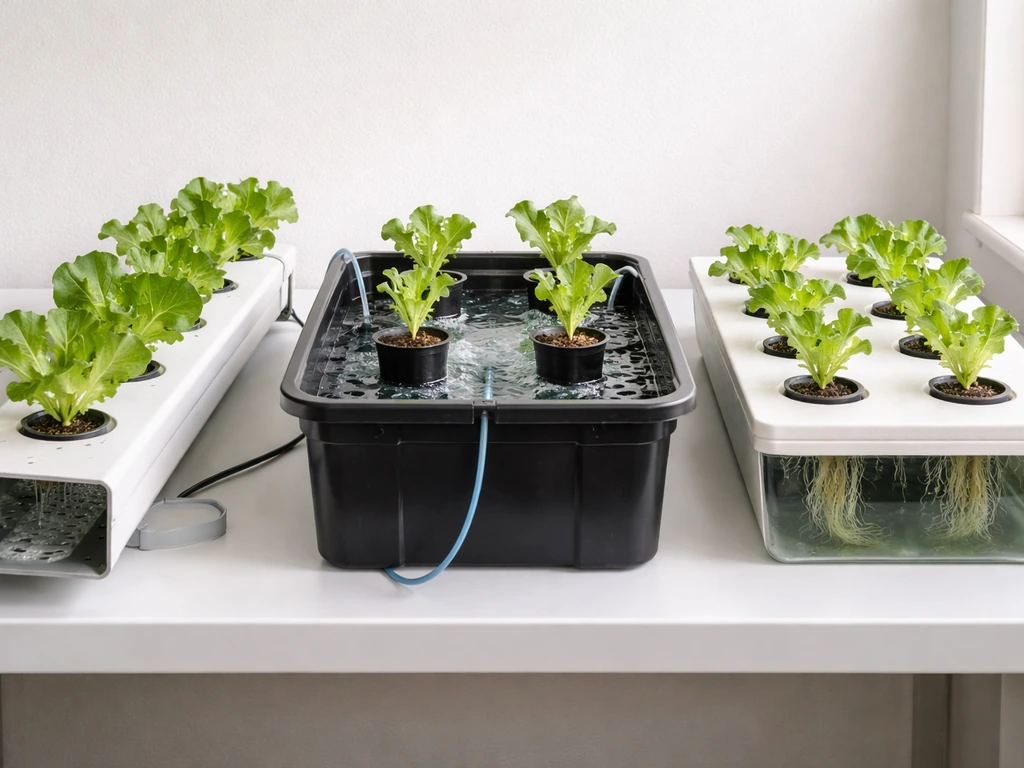
For leafy greens, NFT (nutrient film technique), deep water culture (DWC), and raft (float) systems are the three most practical choices for home growers. They all work well because greens are shallow-rooted, fast-cycling, and do not need the extra root volume that fruiting plants like tomatoes require.
- NFT: A thin film of nutrient solution flows continuously along the bottom of sloped channels. Roots sit in the film and get plenty of oxygen from the air above. Ideal for lettuce and arugula. Verify your flow rate by collecting solution from the channel outlet for 60 seconds and measuring the volume against your pump specs. A typical target for greens is around 1 to 2 liters per minute per channel.
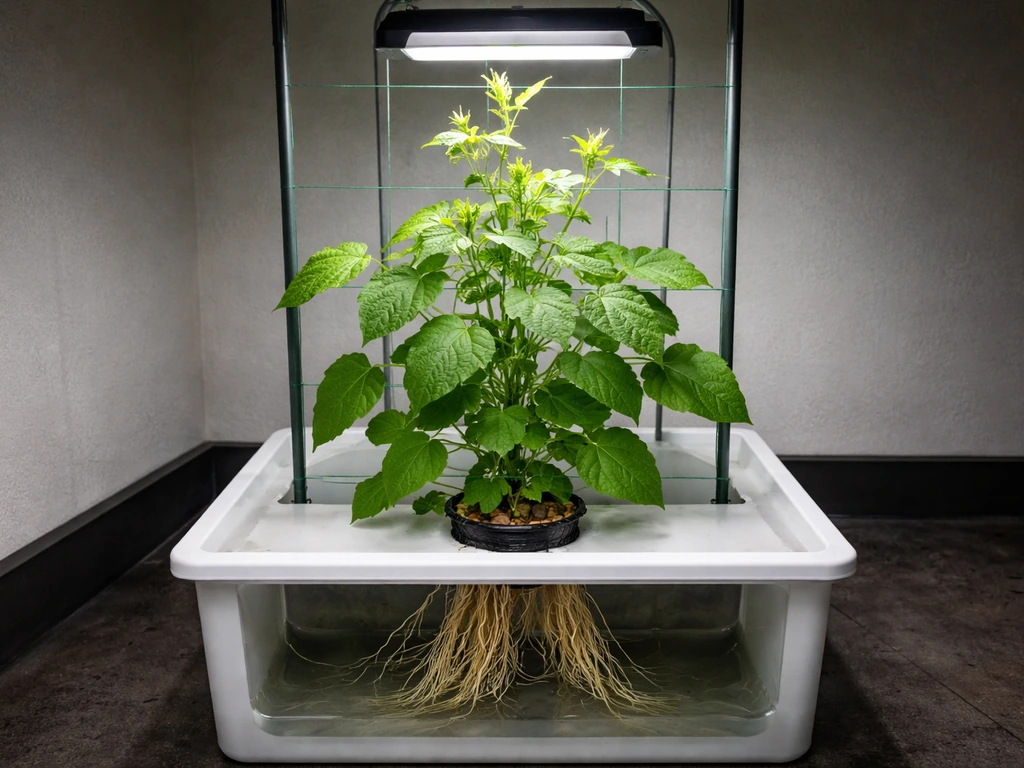
- DWC / Deep Water Culture: Plant roots hang into a reservoir of aerated, nutrient-rich solution. Simple to build, very forgiving for beginners, and scales easily. The air pump and air stones are non-negotiable here because waterlogged roots without oxygen rot fast.
- Raft / Float system: Net pots or foam boards float on top of a reservoir. Works almost identically to DWC at a larger scale. Popular in small commercial setups and easy to DIY.
- Flood and drain (ebb and flow): The tray fills and drains on a timer. More moving parts than DWC or NFT, but excellent if you want to grow multiple crop types in one system.
- Wick systems: Only viable for very small-scale greens like microgreens or baby herbs. Too slow for full lettuce or kale heads.
Lighting for leafy greens
Greens are low-to-medium light crops. A light intensity of 150 to 250 µmol/m²/s at canopy level is the target range for most leafy greens, running 16 to 18 hours per day. Full-spectrum LEDs work best for home systems because they run cool and allow you to hang the fixture close to the canopy without heat stress.
T5 fluorescent fixtures are a budget option that works well for lettuce and herbs at close range (4 to 6 inches above the canopy), though they do not scale as efficiently as LEDs. In winter or in rooms with poor natural light, you will almost certainly need supplemental lighting to hit adequate daily light integrals (DLI). A DLI of roughly 12 to 17 mol/m²/day covers most leafy greens.
If you have a light meter or a smartphone quantum flux app, check your canopy level readings before assuming your setup is sufficient.
Nutrients: what matters most for leafy growth
Leafy greens are primarily nitrogen-hungry crops. A balanced two-part or three-part hydroponic nutrient formula designed for the vegetative/leafy stage covers the basics. Look for a formula with a higher nitrogen (N) ratio relative to phosphorus (P) and potassium (K). For most greens, a target EC (electrical conductivity) of 0.
8 to 1. 6 mS/cm is the practical range. Start at the lower end (0. 8 to 1.
0) for seedlings and young transplants, then bump to 1. 2 to 1. 6 as plants reach mid-growth. Avoid the temptation to push EC higher thinking you will get faster growth.
Excess nutrient concentration stresses shallow-rooted greens and causes tip burn or edge scorch, especially in lettuce. Always measure the EC of your source water before mixing. Hard tap water can already carry 0. 3 to 0.
5 mS/cm of dissolved solids, which eats into your headroom.
Seed and clone setup and germination tips
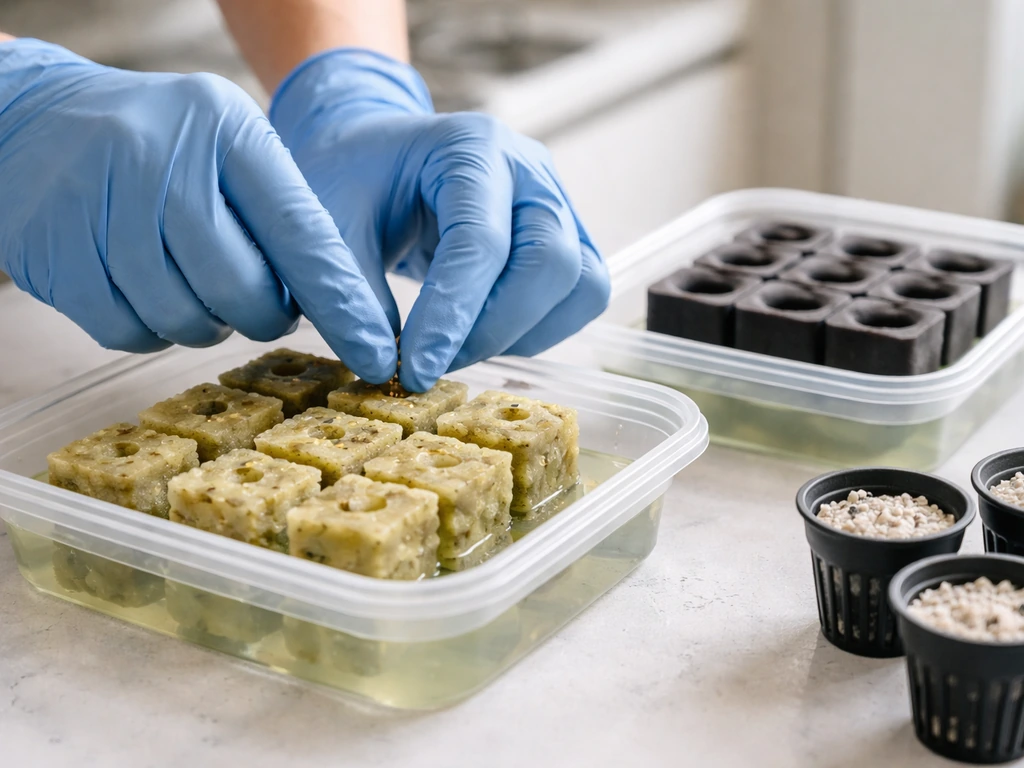
Almost all hydroponic greens are grown from seed rather than clones, so germination technique matters. Here is a simple, reliable process.
- Pre-soak starter media (rockwool cubes, foam plugs, or perlite-filled net pots) in pH-adjusted water at 5.5 to 6.0. This is especially important for rockwool, which starts highly alkaline out of the bag.
- Place 1 to 2 seeds per plug or net pot, about 3 to 5 mm deep. Do not plant too deep.
- Keep seeds in a dark, warm space (20 to 24°C / 68 to 75°F) with the medium consistently moist but not waterlogged. A humidity dome helps maintain moisture during the first 3 to 5 days.
- Once cotyledons (seed leaves) emerge, move seedlings under low light immediately. Lettuce seeds are light-sensitive germinators and can actually be triggered by light, so some growers expose them to a few hours of dim light to improve germination rates.
- Feed only plain pH-adjusted water for the first 5 to 7 days after germination. The seed contains enough nutrition for the first week and introducing nutrient solution too early can burn delicate roots.
- Transplant into your hydroponic system once 2 to 4 true leaves have developed and roots are visibly extending below the plug, typically 10 to 14 days after germination.
For succession planting (the key to continuous yields), start a new tray of seeds every 10 to 14 days. By the time your first batch is harvested, the next is ready to transplant, and you never have a gap in production.
Medium and water quality
Choosing a growing medium
In systems like DWC and NFT, the medium is mainly a physical anchor for the plant, not a nutrient source. Rockwool cubes are the most widely used choice and work well with the transplant process described above. Foam net pot inserts (sometimes called Oasis or phenolic foam) are a cheaper option and work fine for lettuce and smaller greens. Perlite in net pots provides good drainage and is easy to work with. Hydroton (expanded clay pebbles) is reusable and works well in flood-and-drain systems. Coconut coir is possible but retains too much moisture for some systems and can affect your EC readings if it leaches potassium. Whatever medium you choose, rinse it thoroughly with pH-adjusted water before first use.
pH and EC targets
pH is the single most important variable to control in a hydroponic system. Most leafy greens do best between pH 5.5 and 6.5, with 5.8 to 6.2 being the sweet spot where the widest range of nutrients are available. Spinach is the outlier, tolerating pH up to 7.0, but for a mixed system keep it between 6.0 and 6.5. A general home hydroponics guideline accepts a pH range of 5.5 to 7.0 as workable, but staying in the tighter 5.8 to 6.2 range avoids most nutrient lockout issues. Use food-grade pH up and pH down solutions to adjust. Test at least once daily at first until you understand how quickly your system drifts.
| Green | Target pH Range | Target EC (mS/cm) | Solution Temp (°C) |
|---|---|---|---|
| Lettuce (all types) | 5.8–6.2 | 0.8–1.4 | 18–22 |
| Spinach | 6.0–7.0 | 0.8–1.6 | 18–21 |
| Arugula | 5.8–6.2 | 0.8–1.4 | 18–22 |
| Kale / Swiss chard | 5.8–6.5 | 1.0–1.6 | 18–22 |
| Mustard greens | 5.8–6.2 | 0.8–1.4 | 18–22 |
| Bok choy | 6.0–6.5 | 1.0–1.6 | 18–22 |
EC rises when plants transpire water and leave salts behind, and it drops when plants actively uptake nutrients. If EC is climbing without a matching rise in plant size, your plants may be stressed. Top up the reservoir with plain pH-adjusted water (not nutrient solution) when the level drops by 10 to 20 percent to prevent EC from creeping too high between reservoir changes. Change your full nutrient solution after every crop cycle, or sooner if growth slows noticeably. This is not optional. Old solution accumulates problematic salt ratios and creates pathogen risk.
Common problems and how to fix them
Tip burn
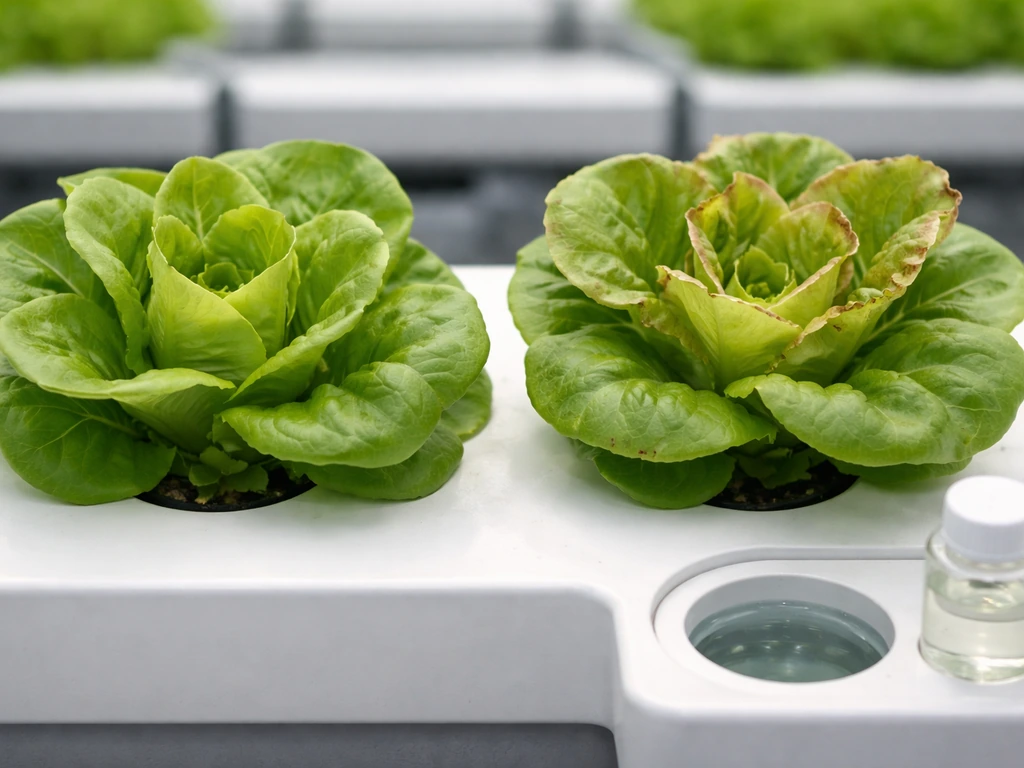
Tip burn is the most common problem in hydroponic lettuce. It shows up as brown or papery edges on the innermost young leaves. Despite looking like a calcium deficiency, it is almost always caused by water stress and poor airflow rather than a lack of calcium in your solution. The outer leaves transpire normally, but rapidly expanding inner leaves cannot move enough water and calcium to keep up. Fixes: improve airflow with a small oscillating fan aimed above the canopy, reduce solution temperature if it is above 22°C, and avoid extremely high nitrogen EC that pushes growth faster than calcium translocation can follow.
Yellowing leaves (nitrogen deficiency)
Older (lower) leaves turning pale yellow while newer growth stays green is a classic nitrogen deficiency signal. In a correctly mixed nutrient solution this should not happen, but pH drift outside the 5.5 to 6.5 range locks out nitrogen even when it is present in the solution. Check pH first. If pH is correct, increase your EC slightly (by 0.2 to 0.3 mS/cm) and do a partial reservoir refresh with fresh nutrient solution.
Root problems: slime, rot, and brown roots
Healthy hydroponic roots are white to cream-colored. Brown, slimy roots signal either pythium (root rot) or bacterial infection. Root rot accelerates when solution temperature is above 22 to 24°C, dissolved oxygen is low, or light is reaching the reservoir and feeding algae. Fixes: insulate or cool your reservoir, check that your air pump and stones are working, and block all light from reaching the solution with opaque covers or dark buckets. In early stages, beneficial bacteria products (like those containing Bacillus subtilis or Trichoderma) can help reverse mild root rot if you also fix the underlying cause.
Algae growth
Green or brown slime coating the reservoir walls, tubing, or net pot edges is algae. It competes with plants for oxygen and nutrients and feeds pathogens. The cause is always light getting into the reservoir or water channels. Prevent it by making every surface that touches nutrient solution fully light-proof. Black plastic tubing, opaque reservoir lids with tight-fitting net pot holes, and foil or paint on exposed walls all help. Once algae appears, drain and clean thoroughly with a dilute hydrogen peroxide solution before refilling.
Aphids, fungus gnats, and whiteflies
Indoor hydroponic greens are generally less pest-prone than outdoor soil gardens, but they are not immune. Aphids cluster on the undersides of leaves and cause distorted, sticky growth. Fungus gnats lay eggs in moist media and their larvae can damage roots. Whiteflies are less common indoors but possible if the space is shared with other plants. Prevention is the best strategy: inspect new plant material before bringing it near your system, keep your grow space clean, and maintain airflow. For active infestations on edible greens, insecticidal soap spray (diluted, applied carefully away from the reservoir) is the safest option. Yellow sticky traps handle fungus gnats effectively.
pH drift
pH drifts constantly in a living system. Plants push pH up or down depending on which nutrient ions they are taking up at higher rates. In a small reservoir, pH can shift a full point in 24 hours. Get into a daily testing habit at the start. Once you understand your system's drift pattern, every-other-day checks are often sufficient. Always adjust gradually: add pH up or pH down in small increments, mix well, and re-test before adding more.
Harvesting, trimming, and keeping production continuous
For loose-leaf varieties (butterhead, oakleaf, most lettuces), you have two harvesting approaches. The first is a full harvest: cut the entire plant at the base leaving about an inch of stem, then replant the space with a new seedling. This gives the cleanest system management and the fastest re-use of space. The second is cut-and-come-again: harvest only the outer leaves, leaving the growing center intact. This extends the productive life of each plant by two to three additional weeks but works better with kale, Swiss chard, mustard greens, and arugula than with head-forming lettuces.
When doing a full harvest, clean the net pot and medium plug thoroughly before reusing, or start with fresh media to reduce pathogen carryover. Refresh the full nutrient reservoir with new solution at each crop cycle turnover. For cut-and-come-again crops, monitor the center of the plant: once it shows signs of bolting (a tall central stem forming, especially in spinach or arugula under long days), pull the plant and replace it. Flavor degrades fast after bolt initiation.
The most reliable way to maintain continuous production is staggered planting. If your system has 12 net pot sites, plant in three groups of four spaced 10 to 12 days apart. This way you are harvesting from group one just as group three is transplanting, and you always have greens at different growth stages.
Your beginner setup checklist for today
If you want to get started this week, here is everything you need to source and do before dropping your first seeds. This list assumes a small DWC or NFT system for lettuce and one or two other greens.
- System: Choose a DWC bucket or tote kit (a 10 to 20 gallon opaque tote with a lid, net pots, an air pump, air stone, and tubing) or a pre-built NFT channel system. Both are widely available and beginner-ready.
- Growing medium: Pick up a bag of rockwool starter cubes or foam net pot inserts. Rinse with pH-adjusted water (pH 5.5 to 6.0) before use.
- Nutrients: Get a two-part or three-part hydroponic nutrient solution labeled for leafy greens or vegetative growth. Mix to an EC of 0.8 to 1.0 mS/cm for seedlings.
- pH tools: Buy a digital pH meter (not cheap paper strips) and food-grade pH up and pH down solutions. Calibrate the meter with calibration solution before first use.
- EC meter: An EC/TDS meter is essential for monitoring nutrient concentration. Budget models under $20 work fine for home use.
- Light: A full-spectrum LED panel rated for your canopy footprint, targeted to deliver 150 to 250 µmol/m²/s at canopy level, running 16 to 18 hours per day on a timer.
- Timer: A basic outlet timer for your lights. Automation removes the biggest source of human error.
- Seeds: Buy loose-leaf lettuce (butterhead or oakleaf) for your first run. Add arugula or mustard greens as a second crop if you have the space.
- Thermometer: Monitor solution temperature daily and keep it between 18 and 22°C. A simple aquarium thermometer works.
- Notebook or app: Log pH, EC, temperature, and any visual observations daily for the first cycle. This data makes every future cycle easier to troubleshoot.
- Fan: A small oscillating fan to keep air moving above the canopy. Prevents tip burn and fungal issues at essentially zero cost.
- Spare plugs and seeds: Always have the next germination batch started 10 to 14 days before your expected harvest date for continuous production from day one.
Once you have one full lettuce cycle complete with good notes, expanding into spinach, kale, or brassica greens is straightforward because the system and habits are already in place. Greens are genuinely one of the easiest and most rewarding hydroponic starting points, and the speed of the first harvest, often within five weeks, is one of the best motivators to keep building and improving your setup.
If you are also exploring other hydroponic crops beyond greens, beans and other vegetables follow many of the same system principles but have their own specific requirements worth exploring separately. Many growers also ask what the most profitable hydroponic crops are, since price per pound, demand, and speed to market can outweigh pure yield. Beans have their own specific hydroponic needs, so it helps to look up the best beans to grow hydroponically before you plan your system.
FAQ
Should I harvest greens by full cut or cut-and-come-again in hydroponics?
It depends on the green and how you harvest. For loose-leaf lettuce, you can take outer leaves and keep the plant going, or do a full cut and reset with fresh media. For spinach and arugula, cut-and-come-again works only until the center starts stretching, then you should replace the plant to avoid bitter, tougher leaves.
How many hours of light should I run for the best greens to grow hydroponically?
Most systems are easiest when you keep a constant light schedule, but you still need shorter photoperiods during warm months. A practical rule is to aim for 14 hours or less when temperatures rise, because the article notes faster bolting and bitterness risk when heat and long light days overlap, especially for spinach.
What should I do if my EC and pH keep drifting but my plants seem okay?
If your EC and pH are drifting but plants look healthy, do not chase numbers. First verify your test equipment and calibration, then adjust gradually. Also confirm your top-up water is pH-adjusted plain water, not nutrient solution, since adding nutrients via top-ups is a common cause of EC creep.
How often should I change the nutrient solution for hydroponic greens?
Do it for every crop cycle, not once a month. The key is that nutrient ratios and salt composition change as plants take up different ions, which can create deficiency symptoms and disease risk even when EC still looks “in range.” A full reservoir refresh after each crop cycle prevents the buildup issue.
Can I grow hydroponic greens in coconut coir instead of rockwool or foam?
Yes, but it is usually harder to maintain stable pH and nutrient balance. If you still want to use coir, pre-wet and rinse well, then monitor potassium-related EC changes because the article notes coir can leach potassium and skew your readings.
What is the fastest way to improve flavor and avoid bitterness in hydroponic greens?
For leafy greens, temperature control often matters more than “max EC.” Keep solution cool, because the article links excessive solution temperatures to bitterness and bolting, and it also ties root rot to higher temperatures. If you can only improve one variable, prioritize lowering reservoir temperature and keeping airflow moving.
How should I adjust pH day-to-day without causing lockout?
Avoid pH “jumping.” Adjust using small increments, mix thoroughly, then re-test after the solution has circulated. The article recommends gradual adjustments because pH can shift quickly in small reservoirs, and overshooting can trigger nutrient lockout even when you eventually reach the right pH band.
My roots look brown or slimy, what should I check first in a DWC or NFT system?
White slimy roots, especially with a rotten smell and plants losing vigor, are a warning to act immediately. Check dissolved oxygen and solution aeration first, then cool the reservoir and block light from reaching the nutrient solution. If root rot seems mild, beneficial bacteria can help, but you still must fix oxygen, temperature, and light exposure.
How do I tell tip burn from a calcium deficiency, and what is the correction?
Brown papery edges on inner leaves are tip burn, but the cause is commonly water stress and poor airflow, not missing calcium. Add an oscillating fan aimed above the canopy, keep solution temperature from rising above the low-22°C range, and avoid pushing nitrogen EC too high.
Can I use clones or transplants instead of starting from seed for hydroponic greens?
Most hydroponic greens are grown from seed for good reason, you avoid plant-specific variability. If you want to start faster, transplants are the shortcut, but you should still plan to seed new trays every 10 to 14 days so you get continuous harvests without gaps.
How do I plan succession planting if my system has only a few net pots?
Yes, succession planting is the main strategy for “always harvesting.” If you have limited net pot sites, stagger within the same system, for example splitting into multiple groups spaced about 10 to 12 days apart, so one batch is ready while another is just being transplanted.
My reservoir develops algae, is it enough to scrub it or should I rebuild the system?
Algae usually means light is reaching the nutrient solution or channels. The fix is to make all solution-contact surfaces light-proof, use opaque reservoir covers, and ensure tubing and reservoir walls stay dark. Once you see slime or algae, drain and clean thoroughly before refilling rather than just adding more nutrients.