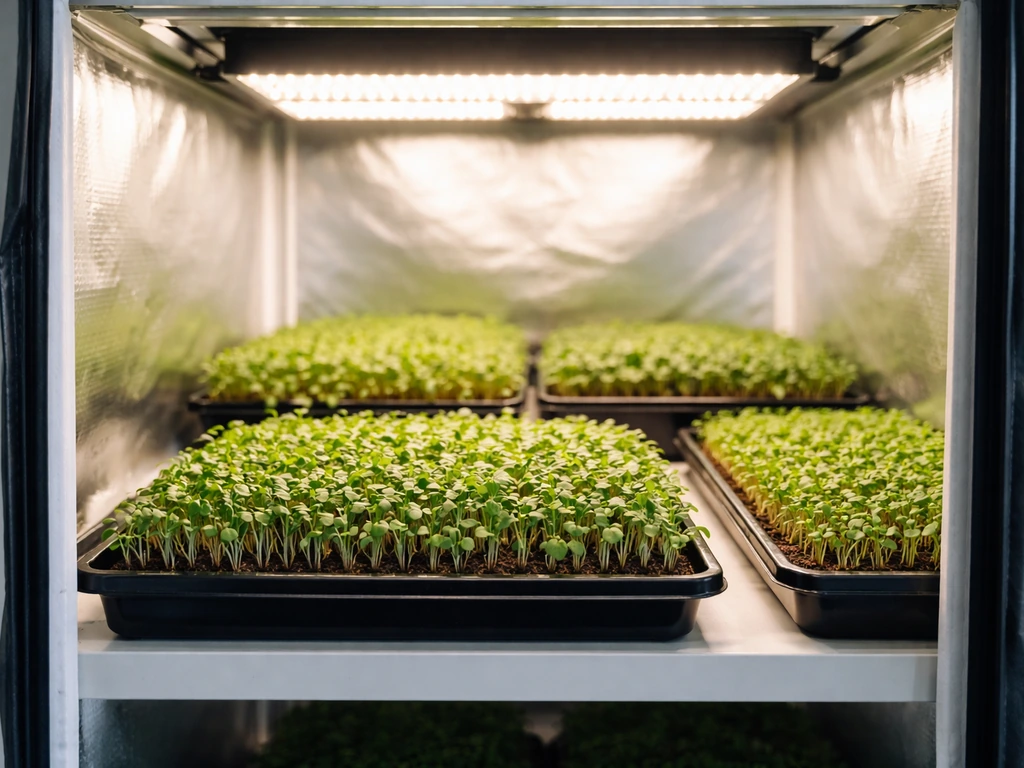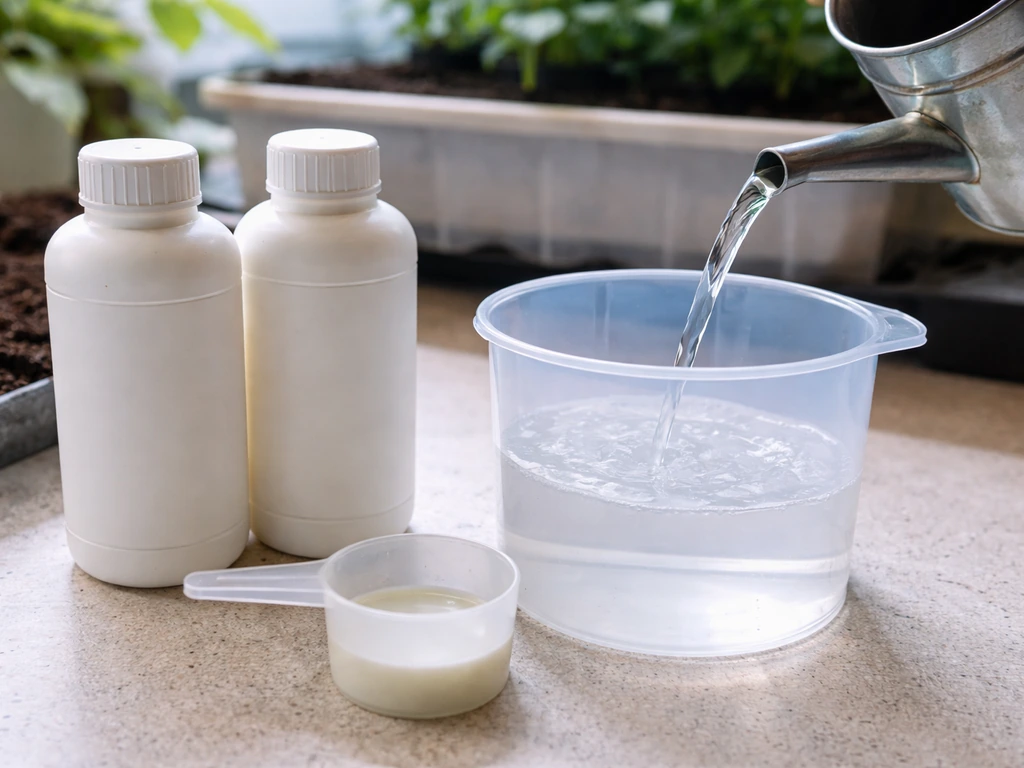
To use Power Grow foliar fertilizer correctly, mix 80-100ml of the product per 16-liter knapsack sprayer (or 1 liter per 200 liters of water for large-scale use), shake the bottle well before measuring, and spray directly onto leaves during the early morning (5am-9am) or late afternoon (5pm-7pm) when temperatures are below 80°F. If you are also wondering how to use Dr. Earth Pump and Grow, follow the product directions for dilution and apply it the same way you do foliar feeding, focusing on correct timing and coverage. Start your first application 14 days after planting and repeat every 7-10 days for a total of 4 applications over roughly 45 days, using Power Grow Green during the vegetative stage and switching to Power Grow Red when your plant moves into flowering.
How to Use Power Grow Foliar Fertilizer Step by Step


First, identify which Power Grow product you actually have

Power Grow is produced by Dynapharm International and comes in at least two distinct variants: Power Grow Green and Power Grow Red. This matters because they are not interchangeable. The Green formula is a vegetative growth booster, formulated to push leaf development and structural growth during the early weeks of a plant's life. The Red formula targets the flowering and fruiting stage, delivering a different nutrient profile designed to support reproduction rather than vegetative expansion. Using Red during veg, or Green during flower, won't cause catastrophic damage, but you will waste product and likely underperform on yield.
Before you do anything else, check the color of the label and the product name printed on the bottle. The label will also confirm the dilution rates and the stage it's designed for. If you bought a product described as 'Power Grow Organic Foliar Fertilizer,' it should contain macronutrients, micronutrients, humic acid, and Acadian seaweed extract. If your bottle doesn't match that description or the label is missing, don't guess at the dilution rate. The mix ratios on this guide apply specifically to Dynapharm's Power Grow line. Other products marketed under similar names (including a houseplant concentrate sold elsewhere) have completely different formulations and their own SDS sheets with separate safety classifications.
When foliar feeding actually makes sense (and when to skip it)
Foliar feeding works because leaves absorb dissolved nutrients directly through their stomata, the tiny pores on the leaf surface that open and close depending on light, temperature, and humidity. When those stomata are open and the solution you spray is diluted correctly, uptake is genuinely fast, often faster than root uptake for micronutrients and trace elements. That's the real value of a foliar product like Power Grow: it delivers a broad-spectrum nutrient hit that complements what's happening at the root zone, not replacing it.
The situations where foliar feeding earns its place include early-stage seedlings where root systems aren't fully developed, mid-grow periods where you want to correct a visible micronutrient deficiency quickly, or moments when root zone feeding is disrupted (like a pH lockout in soil or a reservoir reset in hydro). It's also useful as a preventative boost during high-stress transition periods, like when you flip photoperiod plants from veg to flower.
When to skip it: don't foliar feed within a few weeks of harvest on anything you're consuming, don't spray during active flowering when buds are present (the moisture and organic material can invite mold), and avoid it entirely when your grow space has poor airflow. If you're already running a well-dialed root feeding program with products like a pH-perfect grow/micro/bloom system, foliar feeding is supplemental, not essential. If you’re using a pH-perfect grow/micro/bloom system, make sure your micro and bloom inputs match the same stage timing as your foliar plan. It fills gaps, it doesn't replace foundations.
How to mix Power Grow: dilution rates and water prep
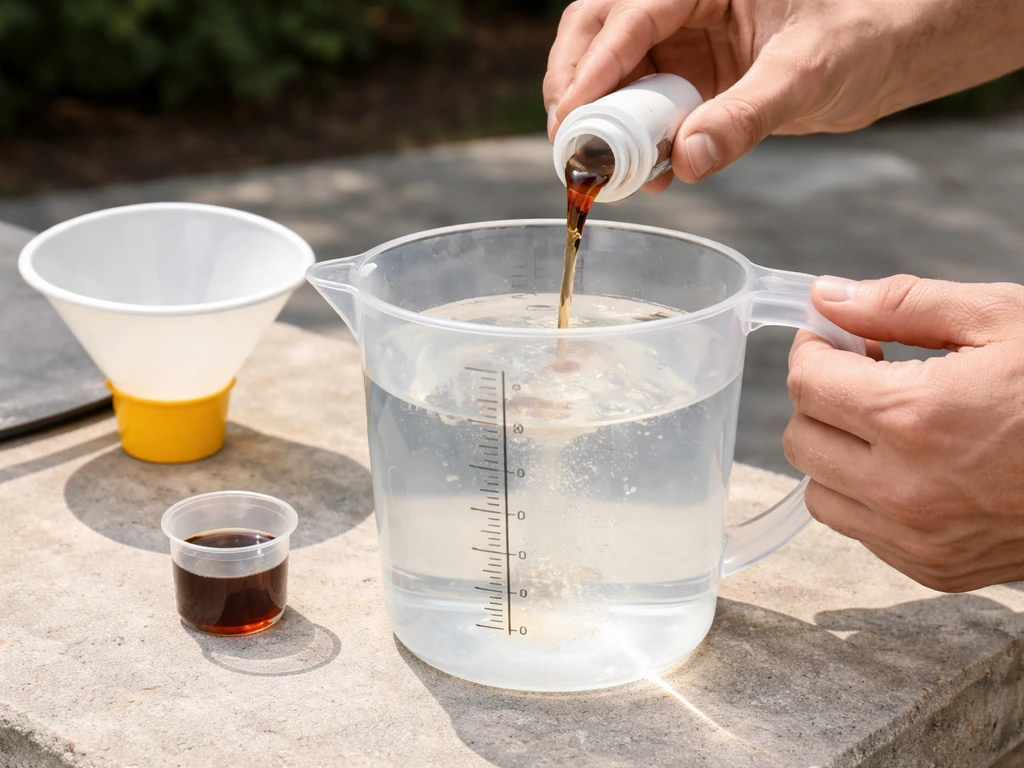
The standard dilution for a knapsack or backpack sprayer is 80-100ml of Power Grow per 16 liters of water. For larger applications, the rate scales to 1 liter of Power Grow per 200 liters of water per hectare. For home growers working with a standard garden sprayer or a small 1-2 liter hand sprayer, this translates to roughly 5-6ml per liter of water as your working rate.
Water quality matters here even though the Dynapharm label doesn't call it out explicitly. If your tap water is heavily chlorinated, let it sit uncovered for 12-24 hours before mixing, or use filtered or RO water. Chloramine (used in some municipal water systems) won't off-gas the way chlorine does, so if you're in an area with chloramine treatment, filtered water is the safer choice. The organic components in Power Grow, particularly the humic acid and seaweed extract, are sensitive to water chemistry extremes.
Mixing order: shake the Power Grow bottle well before measuring your dose. Add your measured Power Grow to a partially filled sprayer tank, then top up with the remaining water. Agitate or swirl the tank until the solution looks uniform. The product is listed as compatible with pesticides and fungicides, so if you're tank-mixing, add Power Grow first, then your other product, then finish filling with water. Always do a small test spray on a single leaf before committing to a full application with any new tank mix.
The actual spray technique: coverage, pressure, and timing
Timing is the single most impactful variable in foliar application. Spray during early morning (5am-9am) or late afternoon (5pm-7pm). During these windows, temperatures are lower, humidity is higher, and the stomata on your leaves are more open. That combination means better absorption and far less risk of the solution evaporating before it's taken up. Avoid spraying in direct hot sun or when temperatures are above 80°F. The solution will evaporate too quickly, leave salt deposits on the leaf surface, and in the worst case, the concentrated residue will cause scorch marks.
For spray technique, use a fine-mist nozzle tip. A coarse stream doesn't give you coverage, it gives you runoff. You want a fine, even mist that coats both the top and underside of leaves. Stomata are concentrated on the undersides, so don't skip that surface. Spray until you see the leaf surface glisten, but stop before liquid starts running off in heavy drops. That runoff is wasted product and can cause pooling issues at soil level.
A wetting agent or surfactant isn't listed on Dynapharm's label, but adding a small amount (a drop or two per liter) of a plant-safe surfactant to your mix will significantly improve how the solution spreads and sticks to leaf surfaces. This is standard practice in professional foliar programs and is especially useful if your plants have waxy or hairy leaves that naturally repel water. If you go this route, use a silicone-based or yucca-extract surfactant rather than dish soap, which can damage leaf cuticles at foliar concentrations.
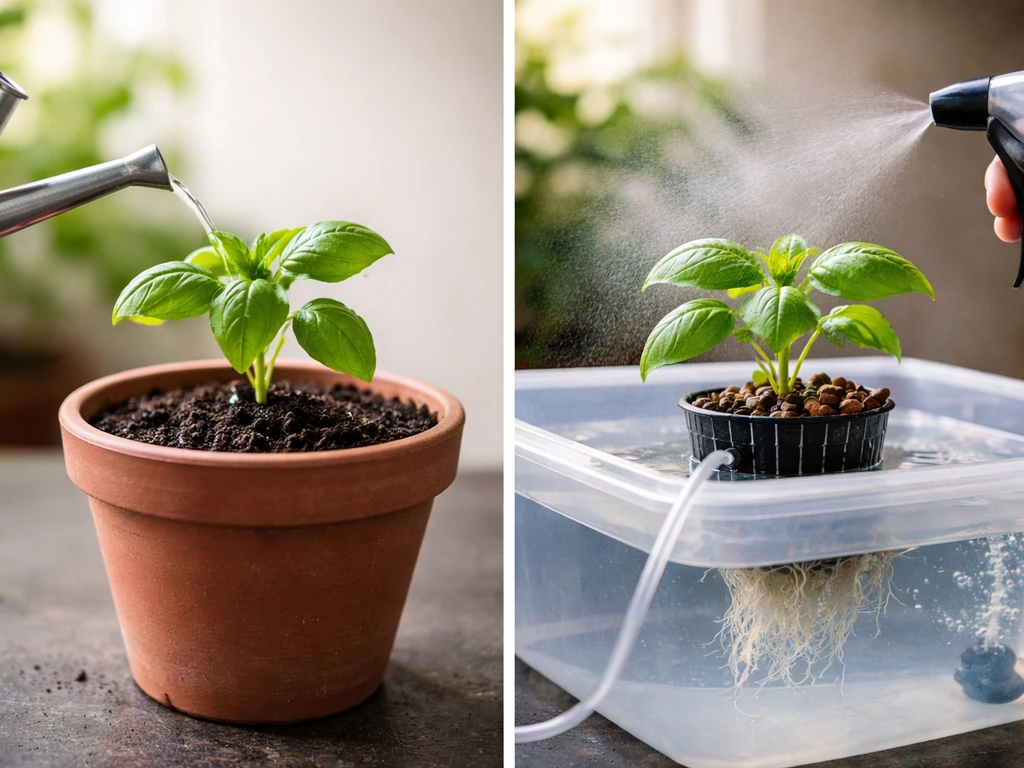
Using Power Grow foliar in soil vs. hydroponic setups
| Factor | Soil Growing | Hydroponic Growing |
|---|---|---|
| Role of foliar feeding | Supplements root feeding; corrects deficiencies faster than amending soil | Fills gaps during reservoir changes or pH lockouts; not a substitute for nutrient solution |
| Primary nutrient delivery | Root zone via soil amendments and liquid feeds | Root zone via nutrient solution in reservoir |
| When foliar adds the most value | Early seedling stage, micronutrient corrections, transplant stress | Transition periods, heat stress, mid-cycle deficiency response |
| Risk of overdoing it | Leaf burn if dilution is off; otherwise lower risk than hydro | Can cause salt buildup on growing medium if solution drips into system |
| Application adjustments | Can spray more generously; soil buffers any runoff | Spray carefully to avoid contaminating reservoir; cover media when spraying |
| Frequency | Every 7-10 days per schedule | Every 7-10 days, but monitor closely and reduce if signs of stress appear |
In a soil grow, Power Grow foliar works alongside your regular root feeding schedule without much coordination required. The soil buffers any drip-off, and the organic components in the formula (humic acid, seaweed) can actually benefit soil biology if they reach the root zone. In hydroponics, you need to be more deliberate. Cover your growing medium or net pots before spraying to prevent the foliar solution from dripping into your reservoir and throwing off your EC or introducing organic material that can cause bacterial or algae issues. After spraying, let the leaves dry before removing any covers over your media.
If you're running a more complex hydroponic nutrient program, think of Power Grow as a weekly micronutrient and biostimulant layer on top of your base nutrients. It's not replacing your calcium, your nitrogen, or your phosphorus delivery through the reservoir. If you're also experimenting with organic soil amendments like Roots Organics Buddha Grow or similar products, Power Grow foliar complements those well since it delivers bioavailable nutrients through a different pathway entirely.
Reapplication schedule and what to do when results aren't showing
The official Dynapharm schedule gives you 4 applications over 45 days, with the first application at 14 days after planting. From there, you apply every 7-10 days. The stage-based breakdown looks like this:
- Day 14 after planting: First application using Power Grow Green (vegetative formula)
- Day 21: Second application, still Power Grow Green
- Day 42: Third application, switch to Power Grow Red (flowering/fruiting formula)
- Day 49: Fourth application, continue with Power Grow Red
For photoperiod cannabis growers or any plant with a manually triggered flowering stage, adapt this schedule to your flip date rather than calendar days from seed. Apply Green during your veg weeks, and transition to Red at or shortly after your flip. The 7-10 day interval still applies. Don't stack applications trying to accelerate results. More is not more with foliar fertilizers, and doubling up within 3-4 days is one of the fastest routes to leaf tip burn.
If you're not seeing a response after two applications (new growth looking healthier, leaves a deeper green, improved stem strength), check three things first. One: are you spraying at the right time of day? Midday applications in warm conditions explain a large percentage of 'it's not working' complaints. Two: is your dilution correct? Undermixing means insufficient nutrient delivery. Three: is your overall growing program healthy? Foliar feeding accelerates results when a plant is fundamentally healthy and well-fed at the roots. It can't rescue a plant with a root rot problem, a severe pH lockout, or a lighting issue.
Preventing leaf burn, stress signs, and staying safe
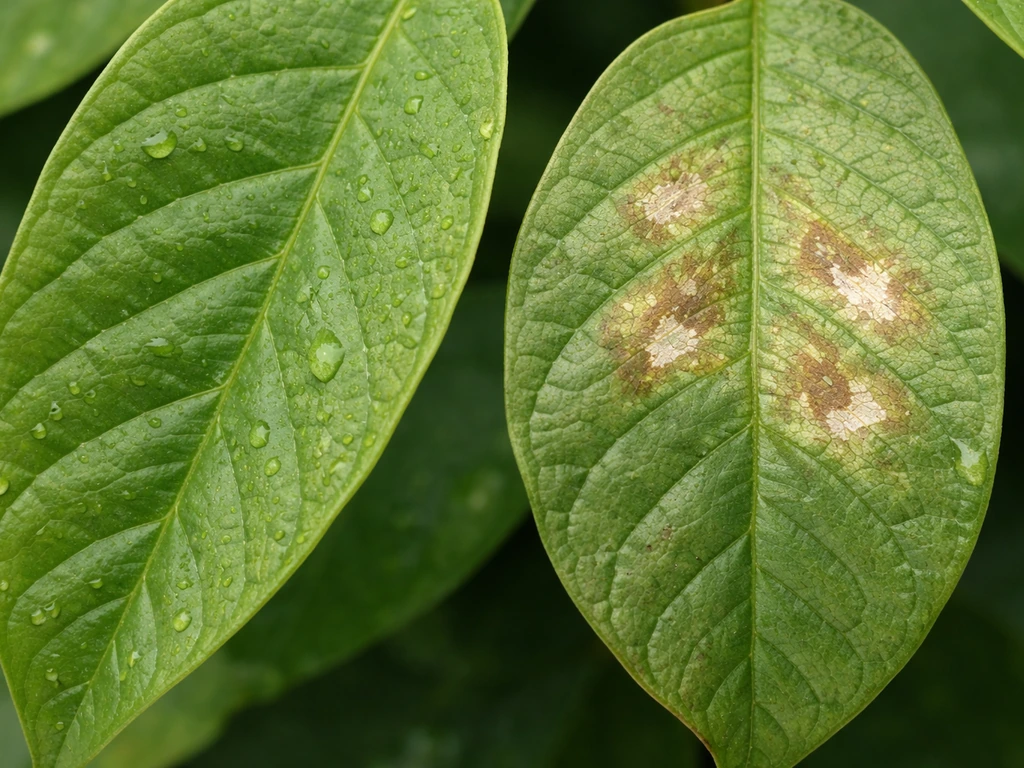
Nutrient burn from foliar application shows up differently than root-zone burn. You'll typically see small, bleached, or bronze spots in the center of leaves where solution pooled, rather than the classic tip burn associated with root overfeeding. If you're seeing that pattern, your concentration is too high, you're spraying in too much heat, or both. Flush the affected leaves with plain water, reduce your next application to the lower end of the dilution range (80ml rather than 100ml per 16L), and dial back to early morning only.
Other stress signs to watch for after foliar application: wilting within an hour of spraying (usually a heat or concentration issue), yellowing that appears at application sites rather than spreading systemically (burn, not deficiency), and sticky or crusty leaf residue after drying (usually from water with high mineral content, or over-application). If you see any of these consistently, review your water source, your dilution, and your spray timing before adjusting anything else.
PPE and safe handling
blank" rel="noopener noreferrer">The SDS documentation for concentrated Power Grow-type products includes eye damage classification, meaning the concentrate (not the diluted spray) can cause serious eye irritation on contact. Wear safety glasses or goggles and nitrile gloves when measuring and mixing. This is especially important when you're working with the concentrated product before dilution. If you get concentrate in your eyes, flush immediately with clean water for at least 15 minutes and seek medical advice. Once diluted to working concentration the risk drops significantly, but wearing glasses during spraying is still a good habit, particularly indoors where mist can drift back toward your face.
For indoor grows, ventilate the space during and after spraying. Organic foliar sprays can leave a noticeable smell, and fine mist particles in an enclosed room without airflow aren't something you want to breathe repeatedly. Run your exhaust fan during application, or if you have a tent setup, leave a flap open while you spray. For outdoor grows near harvest, check the product label for any pre-harvest intervals. As a general rule, avoid spraying any fertilizer product on edible plants within 1-2 weeks of harvest unless the label specifically states it is safe to do so right up to harvest.
The bottom line: Power Grow foliar is a simple, practical tool when you follow the dilution and timing rules. how to micro grow. Shake the bottle, mix at 80-100ml per 16L, spray in the morning or evening, hit both leaf surfaces with a fine mist, stick to the 7-10 day interval, and use Green for veg and Red for flower. If you want the “grow more 30 10 10” style feeding, use the same careful dilution and timing steps described here for Power Grow foliar, then match the product to the correct growth stage. You can also use Power Grow by starting with the right product choice for your plant stage, then following the correct mixing and reapplication schedule start with the right product for your plant stage. That's really all there is to it.
FAQ
What should I do if I only have time to foliar feed during the hottest part of the day?
If you miss the morning and only have midday conditions, wait for a cooler window or pause until late afternoon. If you absolutely must spray, reduce the dose to the lower end of the range (about 80 ml per 16 L), use the finest mist, and expect less absorption and higher residue risk.
Can I add a wetting agent even though Power Grow’s label does not list one?
Yes, but only if you pre-test. Some surfactants or spreaders change leaf wetting and can increase penetration, which raises burn risk. Mix at working strength, do a single-leaf test, and stop if you see bronzing within 24 hours.
How long can I keep mixed Power Grow solution in the sprayer before it needs to be used?
Use fresh working mix. Foliar solutions with organic components can degrade or separate as they sit, and their spreading performance can change. If you must store, keep it tightly capped, away from heat and light, and use within the same day for best results.
Can I speed up results by applying Power Grow twice within the same week?
Do not. Doubling up within a few days often causes localized leaf burn that looks like bleached spots where the spray pooled. Follow the 7-10 day interval and adjust by stage or dose rather than frequency.
If my plants already get nutrients through the roots, how do I decide whether foliar feeding is necessary?
If your roots are already receiving a strong, balanced program, foliar feeding should be supplemental. Instead of increasing concentration, improve timing and coverage, and confirm you are using Green in vegetative weeks and Red after the flip.
How do I time foliar feeding for indoor grows with lights on during the day?
Typically you should not spray right before the lights turn on or while buds are visibly wet. Plan so leaves are dry before the next high-humidity or low-airflow period, and avoid heavy spraying during active flowering when buds are present.
I got heavy runoff on a few plants, should I leave it or rinse?
If you see runoff and leaf pooling, you can rinse the affected leaves with plain water once the plant is not in hot direct sun. For repeat prevention, reduce spray output, hold the nozzle closer for even mist, and stop at “glisten but no dripping.”
What is the best way to troubleshoot when my plants show a minor response or no response after one application?
Start with a small test section, then check leaves 24 hours later. If new growth improves, continue with the normal schedule. If you get consistent spotting or residue crust, lower concentration next time and review your water quality and spray timing.
Does spray coverage matter, or is it enough to wet the tops of leaves?
Yes, especially if you are not already covering under-leaf surfaces. The most common “not working” issue is missing the underside and spraying too coarsely, leading to poor stomatal uptake. Use a fine-mist nozzle and coat both leaf faces evenly.
If I’m growing in hydro, how do I prevent Power Grow from affecting my reservoir chemistry?
In hydro, cover net pots and protect the reservoir from drips, then remove covers only after leaves dry. Recheck EC and pH after spraying because any dilution or organic contamination can shift readings.
Is it safe to foliar feed near harvest on edible plants or cannabis at the end of flowering?
A good rule is to use it during active vegetative and flowering periods per the product stage, not near harvest unless the label explicitly says it is safe to consume right up to harvest. For edible crops, keep a conservative window and follow any pre-harvest interval listed on your specific bottle.
What personal safety precautions should I take when measuring and mixing Power Grow?
Concentrated product can be harsh on skin and eyes, even before dilution. Wear eye protection and gloves during measuring, and avoid handling the concentrate near your face or in unventilated areas where mist can drift.