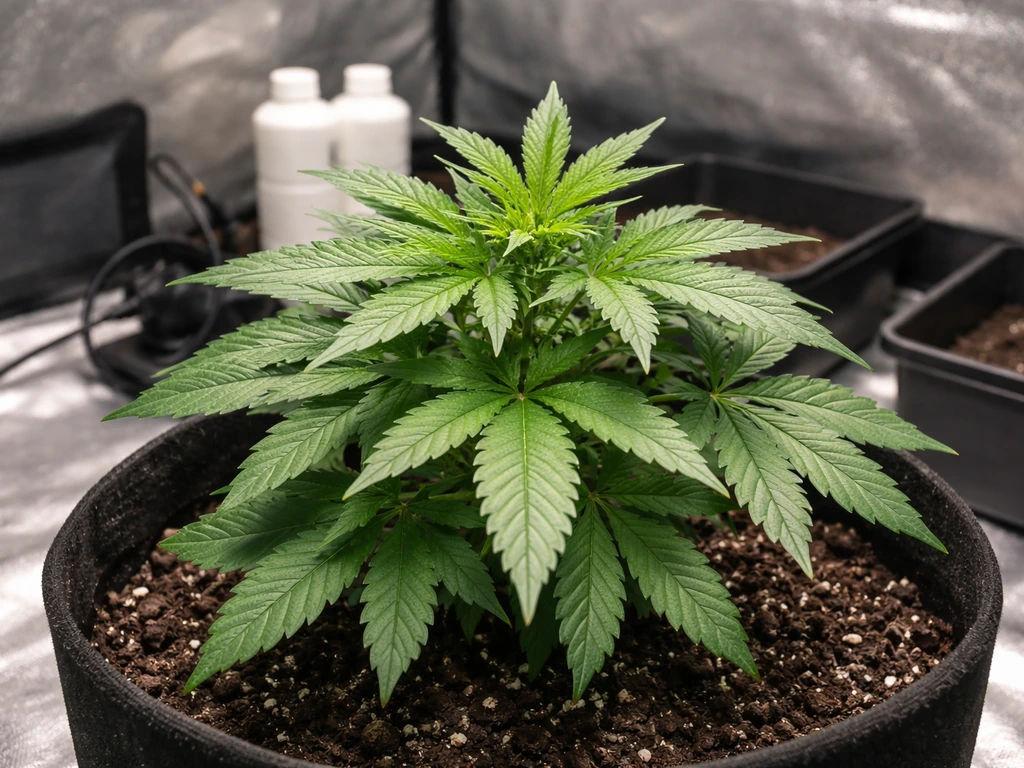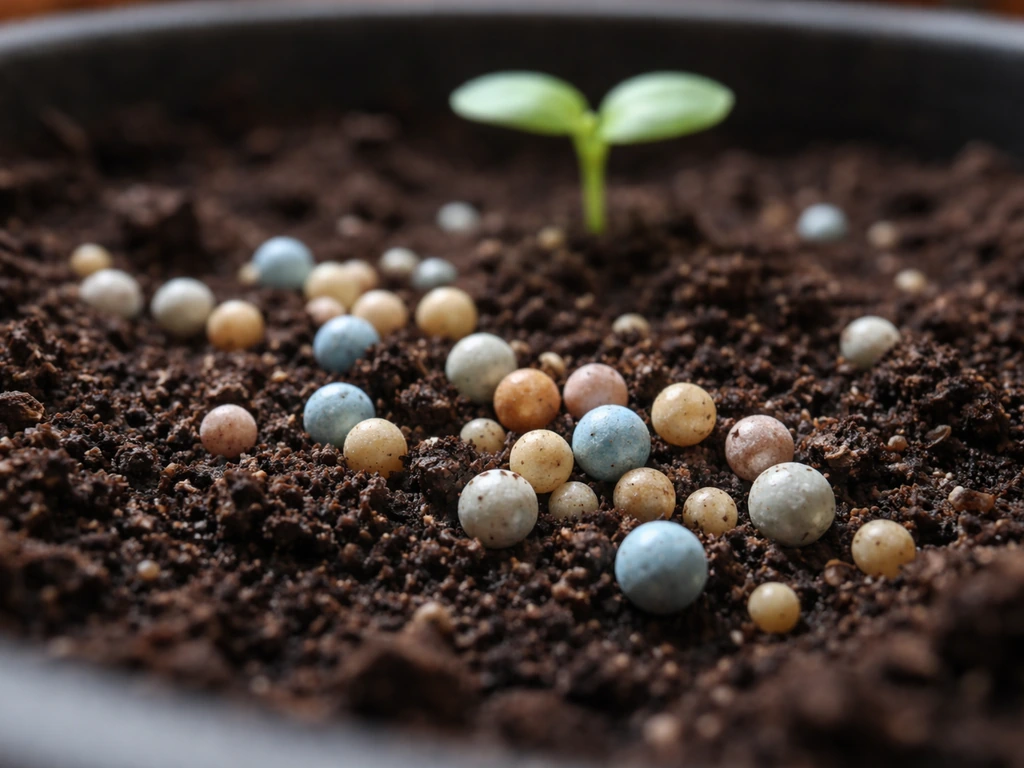
<a data-article-id="5A11EA2F-FEFF-4D74-BCF1-DC373ECBAA2F">The best grow nutrients for most home growers</a> are a quality 3-part liquid base system (like General Hydroponics Flora Series) for hydroponics and coco, or a balanced complete liquid fertilizer for soil grows. The brand matters less than getting the fundamentals right: matching nutrient strength to your growth stage, keeping pH in range, and mixing in the correct order. Get those three things dialed in and your plants will thrive regardless of whether you spend $20 or $120 on nutrients.
Best Grow Nutrients Guide: Soil and Hydro Feeding Plans

Marcus Holloway
23 Apr 2026
How to choose the right nutrients for your plant and growth stage
Plants need completely different things depending on where they are in their life cycle. If you are still deciding what nutrients does weed need to grow, start by matching nutrient type to the plant’s stage and your grow medium. Seedlings are fragile and want almost nothing, vegetative plants want nitrogen-heavy feeding to build mass, and flowering plants shift hard toward phosphorus and potassium to support bud development. Buying one fertilizer and using it start to finish is one of the most common beginner mistakes, and it usually ends in either a starved plant mid-flower or a burnt one in early veg.
Here is how to think about each stage when choosing nutrients:
- Seedling (weeks 1–2): Roots are tiny and sensitive. Aim for just 200–400 PPM (EC roughly 0.4–0.8). Most seedlings in fresh soil need zero added nutrients for the first week or two. In hydro or coco, use a very diluted solution.
- Vegetative stage: Ramp up to 600–900 PPM (EC 1.2–1.8). Higher nitrogen is the priority here. Look for a veg formula or a 3-part base mixed with more 'Grow' component than 'Bloom.'
- Flowering/bloom stage: Target 1000–1400 PPM (EC 2.0–2.8) at peak flower. Shift to a bloom-heavy ratio with elevated P and K. Taper back toward flush as harvest approaches.
Beyond stage, think about your grow medium. Soil buffers pH and holds nutrients, so you can get away with simpler, less precise feeding. Hydro and coco coir give you no buffer at all, meaning every mistake shows up faster but you also have full control. If you are growing in coco, treat it exactly like hydroponics for nutrient purposes, not like soil.
Best nutrient types for soil vs hydroponics
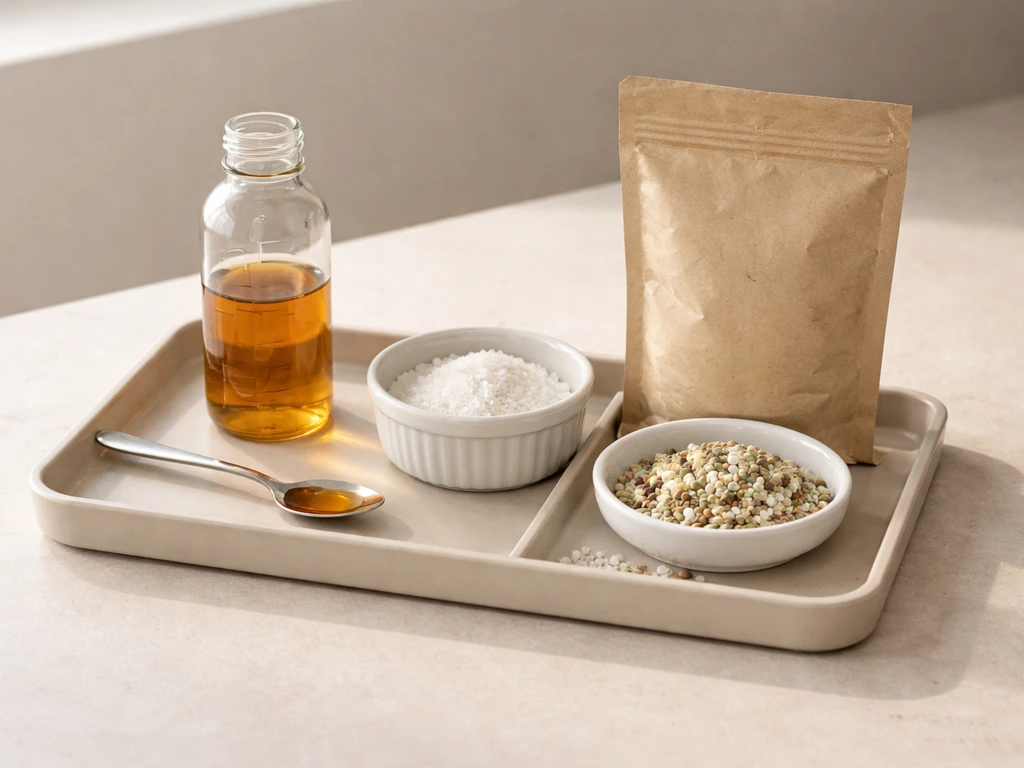
The format of your nutrients matters as much as the brand. Liquid concentrates, dry salts, and pre-blended complete fertilizers each have a different ideal use case.
| Nutrient Format | Best For | Pros | Cons |
|---|---|---|---|
| Liquid concentrates (e.g., 3-part systems) | Hydro, coco, and advanced soil grows | Precise dosing, easy to adjust by stage, widely available | More expensive per grow, requires multiple bottles |
| Dry salts / water-soluble powders | Hydro, coco, large-scale grows | Cheapest cost per gallon, long shelf life | Harder to dissolve, less beginner-friendly |
| Complete liquid fertilizers (single bottle) | Soil, beginners, small grows | Simple, hard to over-complicate | Less flexibility to tune by stage |
| Pre-blended organic fertilizers / top-dress granules | Outdoor soil, living soil systems | Slow-release, low burn risk, feeds soil biology | Slow response time, harder to correct deficiencies quickly |
For hydro and coco, a 3-part liquid system gives you the most control at every stage because you adjust the ratio of grow-to-bloom parts as the plant matures. For soil grows, especially organic soil, a simpler complete liquid fertilizer or a granular top-dress paired with liquid bloom support at flower is usually all you need. If you want more detail on organic approaches, the topic of best organic grow nutrients covers that path in depth. If you want to prioritize organic inputs, the best organic grow nutrients section breaks down what to use and how to apply it safely. If you are specifically growing in coco, the nutrients for coco coir section of this site goes deeper on coco-specific ratios and flushing protocols. If you want the exact ratios and nutrient strategy that work best in coco coir, use the guide for the best nutrients for coco coir grow.
Mixing, dosing, and water pH/EC basics
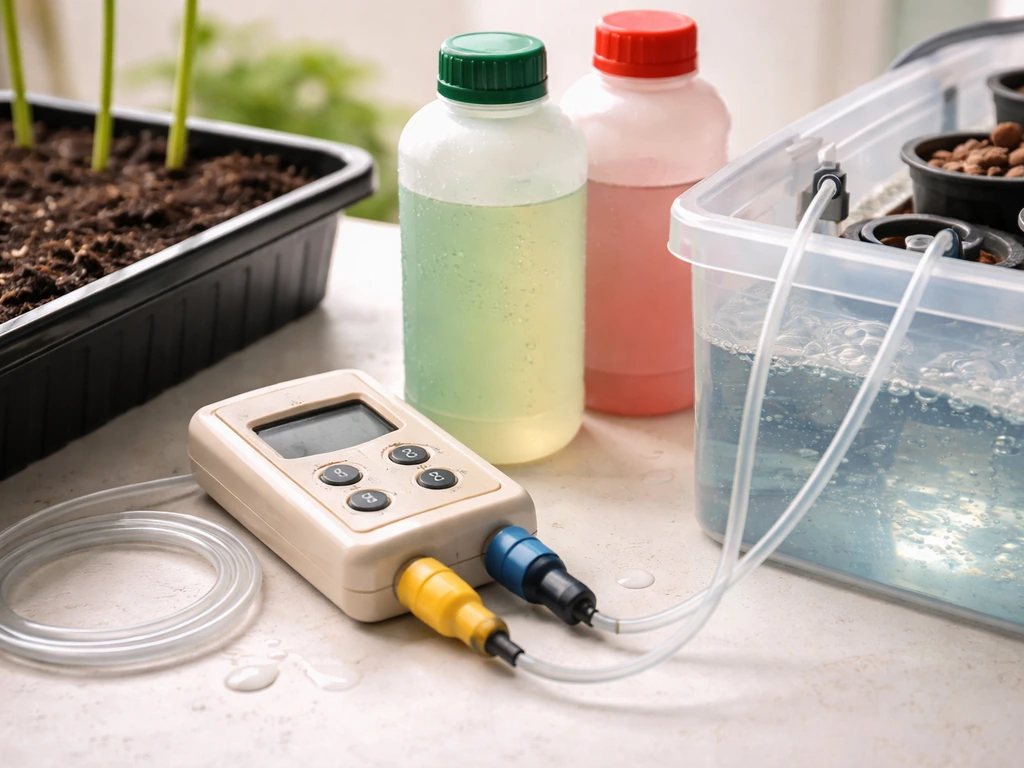
This is where most nutrient problems actually start, and fixing these fundamentals will do more for your plants than switching brands. You need a digital pH meter and an EC/TDS meter. Both can be bought for under $30 combined and they are non-negotiable if you want consistent results.
The correct mixing order
Always add nutrients to water, never the other way around. The order you add products matters because some react with each other and can precipitate out of solution. Follow this sequence every time:
- Start with your base water (RO, tap, or filtered) at room temperature
- Add silica first if you use it, stir and let it mix fully
- Add base nutrients (Part A, then Part B, or the multi-part in label order), stirring between each
- Add Cal-Mag if you are using it (especially important with RO water or soft water)
- Add any remaining additives (enzymes, root boosters, bloom stimulators) one at a time
- Check EC/PPM now to confirm you are hitting your target for that stage
- Adjust pH last, after everything else is in solution, because each additive shifts pH and there is no point adjusting until they are all mixed in
That last point trips up a lot of growers. pH your water after mixing, not before. If you pH first and then add nutrients, you will almost always end up out of range anyway.
Target pH ranges by medium
pH determines whether nutrients are physically available to roots. Even if nutrients are present in the solution, the wrong pH locks them out. This is the single most common cause of nutrient deficiencies that look like something else entirely.
| Medium | Target pH Range | Notes |
|---|---|---|
| Soil | 6.2–6.8 | Soil buffers pH, but check runoff to see root-zone reality |
| Coco coir | 5.8–6.5 (inflow) | Coco does not buffer well; monitor runoff EC and pH closely |
| Hydroponics (recirculating) | 5.6–6.2 | Tighter range, check and adjust daily or every other day |
| Hydroponics (drain to waste) | 5.8–6.2 | Fresh solution each feed, slightly more forgiving |
If your tap water already has a measurable EC (say, 0.3 mS/cm), account for that when calculating your final target. For example, if your target inflow EC is 1.5 and your starting water is 0.3, you only need to add nutrients to bring it up by 1.2. Ignoring your starting water EC is a very easy way to accidentally overfeed.
Calibration matters more than you think
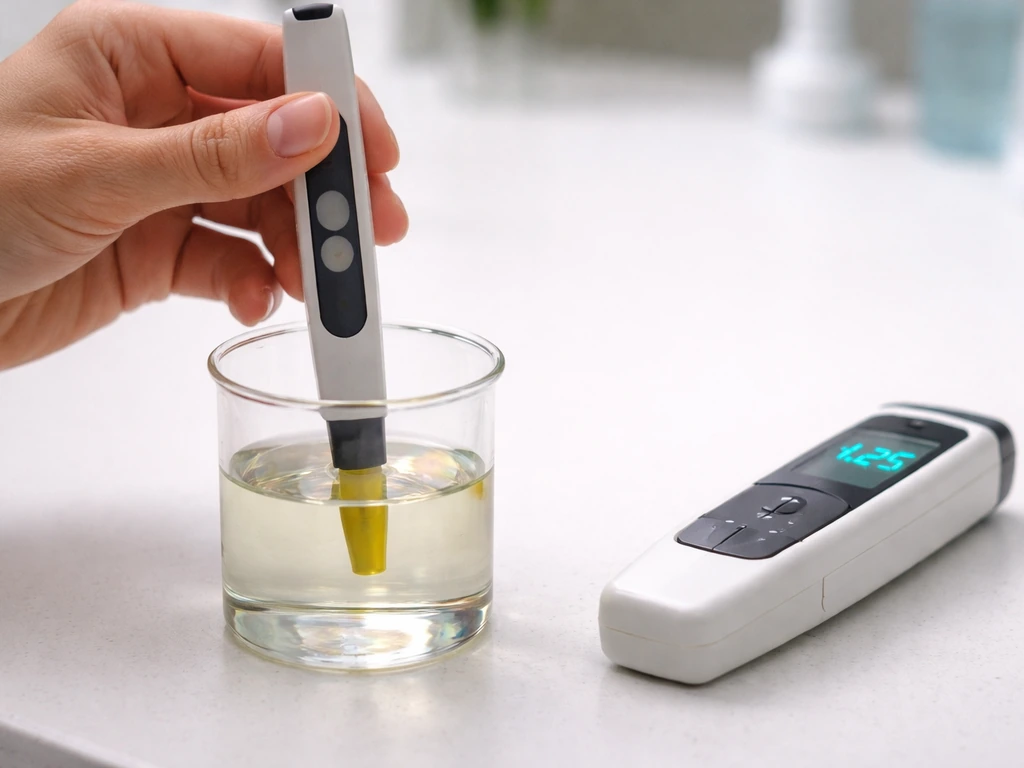
A mis-calibrated meter is worse than no meter because you think you are measuring accurately when you are not. Calibrate your pH meter regularly using a fresh calibration solution, and calibrate your EC meter using a known standard solution. A 1000 ppm NaCl solution is commonly used because sodium chloride conductivity is close enough to hydroponic mineral nutrients to serve as a practical baseline. Follow your specific meter's instructions rather than assuming they are all the same.
Simple feeding schedules and week-by-week routines
The feeds below are a practical starting framework, not a rigid recipe. Always start at the lower end of EC ranges when introducing new products or a new plant to a system. You can always add more, but you cannot un-burn a plant.
| Stage | Week (approx.) | EC Target (mS/cm) | PPM Target (500 scale) | Soil pH aim | Hydro/Coco pH aim |
|---|---|---|---|---|---|
| Seedling | 1–2 | 0.4–0.8 | 200–400 | 6.2–6.6 | 5.8–6.0 |
| Early veg | 3–4 | 0.9–1.2 | 300–600 | 6.2–6.6 | 5.8–6.2 |
| Late veg | 5–6 | 1.2–1.6 | 600–900 | 6.3–6.7 | 5.8–6.2 |
| Early flower | 7–9 | 1.6–2.0 | 800–1100 | 6.3–6.7 | 5.8–6.2 |
| Peak flower | 10–12 | 2.0–2.8 | 1000–1400 | 6.3–6.7 | 5.8–6.2 |
| Late flower / pre-harvest | 13–14 | Taper down to 0.8–1.2 | 400–600 | 6.0–6.5 | 5.8–6.0 |
| Flush (coco/hydro) | Final 3 days | Below 0.12 mS/cm | Below 50–70 | 6.0–6.4 | 6.0–6.2 |
In soil, the feeding schedule is less aggressive because the medium holds nutrient reserves. A common approach is to water plain pH-adjusted water every other feed rather than nutrients every single time. Watch the plant: if it is yellowing, feed more; if tips are browning, back off. In hydro and coco, you feed every watering because there is no reserve in the medium. Recirculating systems need daily or every-other-day EC and pH checks because roots are constantly drawing from the same reservoir and the balance shifts.
For indoor grows, these week counts map fairly cleanly onto a calendar once you know your strain's expected veg and flower time. Outdoor growers follow the seasons more than a rigid week count, but the EC/PPM targets by stage still apply. More granular indoor feeding breakdowns live in the best indoor grow nutrients section of this site. More granular indoor feeding breakdowns live in the best indoor grow nutrients section of this site.
Common deficiencies and toxicity signs, and how to fix them fast
Before you buy another bottle of anything, check your pH. Roughly 80% of the deficiency symptoms people diagnose as 'missing nutrient X' are actually pH-induced lockout where the nutrient is in the soil or solution but the wrong pH prevents the roots from absorbing it. Fix the pH first, then reassess after 48–72 hours.
Mobile vs immobile nutrients: where to look on the plant
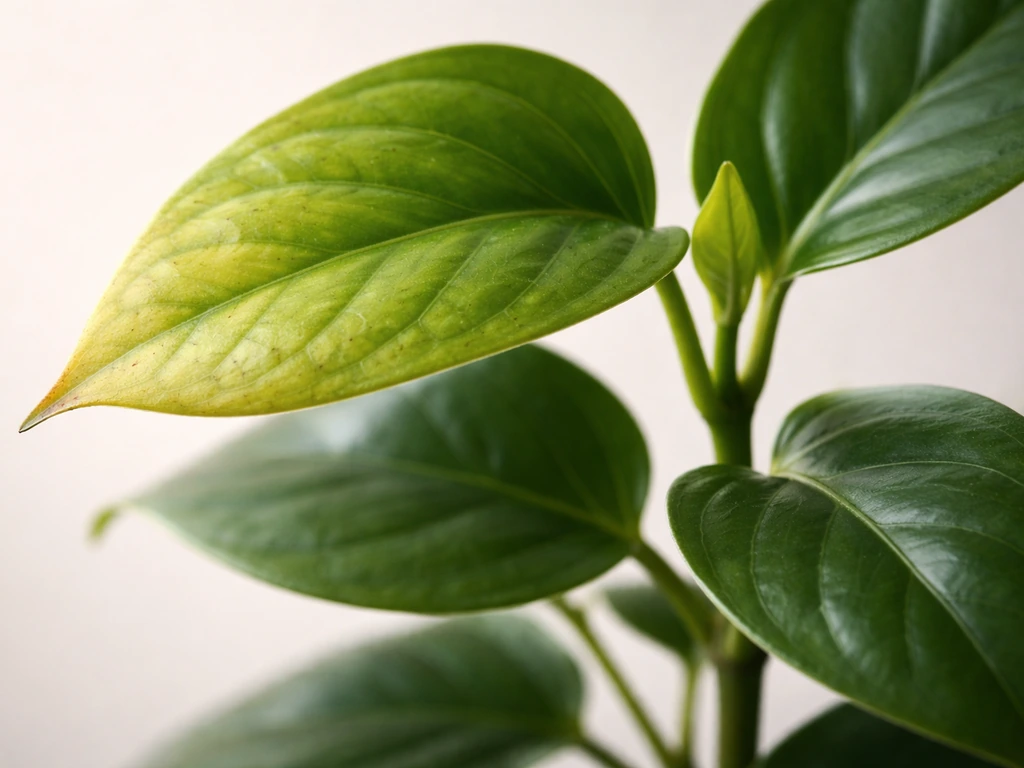
Mobile nutrients (nitrogen, phosphorus, potassium, magnesium) can be moved from older leaves to newer growth when the plant is deficient, so deficiency symptoms show on older, lower leaves first. Immobile nutrients (calcium, iron, manganese, zinc, boron) cannot be relocated, so deficiency symptoms show on new growth first, at the top of the plant. This single rule eliminates half the guesswork in diagnosis.
| Deficiency | Symptoms | Most common cause | Fix |
|---|---|---|---|
| Nitrogen (N) | Yellowing starting on lower/older leaves, moving upward | Underfeeding or too low EC | Increase feed strength; check pH is in range |
| Phosphorus (P) | Dark green to purple tints on older leaves, dull leaf color | pH too low (below 6.0 in soil) or underfeeding in flower | Adjust pH; add bloom-ratio feed |
| Potassium (K) | Brown/crispy leaf edges on older leaves | pH out of range or insufficient K in bloom feed | Adjust pH; use bloom or PK supplement |
| Calcium (Ca) | Brown spots on new leaves, distorted tips | pH too low, RO water without Cal-Mag, or coco not buffered | Add Cal-Mag; raise pH slightly; ensure coco was buffered |
| Magnesium (Mg) | Interveinal yellowing on older leaves (green veins, yellow between) | Low pH locking out Mg, or RO/soft water | Flush with pH-corrected water; add Cal-Mag |
| Iron (Fe) | Yellow/white new leaves with green veins (interveinal chlorosis on tips) | pH too high (above 7.0 in hydro, above 6.8 in soil) | Flush with clean pH-adjusted water; lower pH to correct range |
| Nutrient burn (toxicity) | Brown, crispy tips on new growth; tips curling downward | EC/PPM too high, salt buildup | Flush with plain pH-adjusted water; reduce feed strength by 25–30% |
Iron deficiency is worth calling out specifically because it is one of the most misdiagnosed problems in cannabis growing. It almost always comes from pH being too high (above 6.8 in soil, above 6.5 in hydro), which locks out available iron even when you are feeding it. The fix is to flush with clean, pH-corrected water to remove salt buildup and restore the root zone to the proper pH range, not to add more iron.
For true toxicity (nutrient burn), flush the medium with plain pH-adjusted water, let the medium dry slightly, and then restart feeding at 50–75% of your previous EC target. In coco, run plain water to waste until runoff EC drops significantly before reintroducing nutrients.
How to use supplements safely: Cal-Mag, bloom boosters, PK, and enzymes
Supplements are additions on top of a complete base feed. They are not replacements for base nutrients, and more is almost never better. The most useful supplements have clear, specific jobs, and knowing when to use them (and when not to) saves you money and protects your plants.
Cal-Mag: when you actually need it
Cal-Mag is genuinely useful in three situations: you are using RO (reverse osmosis) water which strips calcium and magnesium, you are growing in coco coir which binds calcium, or you are on soft tap water with naturally low mineral content. Aim for 150–250 ppm of combined calcium and magnesium in your base solution. If you are on hard tap water and using a quality complete base nutrient, you probably do not need Cal-Mag at all. Adding it anyway just raises EC unnecessarily.
Bloom boosters and PK supplements
Bloom boosters are nitrogen-free phosphorus and potassium supplements intended to push bud development during the critical middle and late flower period. Products like PK spike types are typically added during weeks 3 through 5 of flower, layered on top of your base bloom feed, not instead of it. They raise the overall EC, so account for them when measuring your total PPM. If your base feed already has strong P and K ratios, a booster is optional. If your base is a basic grow-all formula without a bloom component, a PK supplement during flower is more valuable. Royal Queen Seeds and others note that boosters can help prevent certain nutrient antagonisms during peak flower when phosphorus and potassium demands are highest, but overusing them will push your EC into burn territory faster than almost anything else.
Enzymes
Enzyme products break down dead root material and organic matter in the root zone, which reduces the risk of salt buildup and keeps the medium healthy over a long grow. They are most useful in coco and soil grows, less critical in clean recirculating hydro where you are changing reservoir water regularly. Use them at the label dose. There is no benefit to using more, and excess can throw off your EC readings.
Silica
Silica strengthens cell walls, which helps plants resist heat stress and pests. It is worth using if you have plants prone to environmental stress or if you are pushing high EC in late flower. Always add silica first when mixing, before anything else, because it raises pH significantly and needs time to equilibrate before you add other components.
Troubleshooting by setup: indoor vs outdoor, small grows vs advanced systems
Indoor soil grows
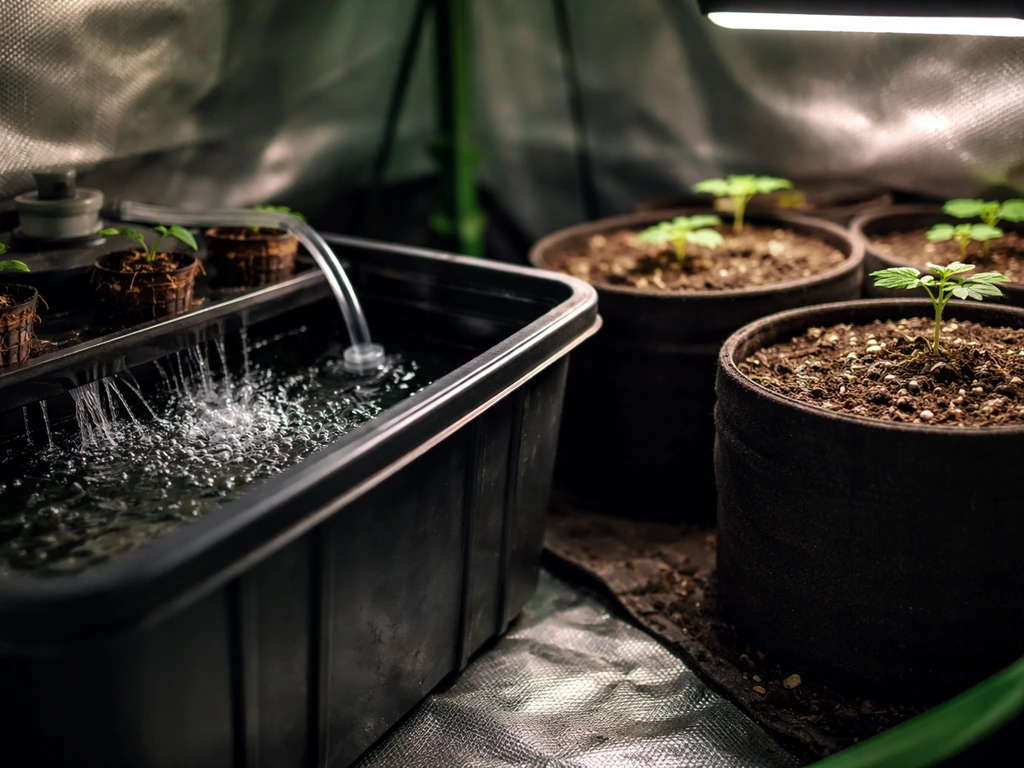
Most indoor soil problems come from overfeeding. Soil holds nutrients between waterings and a quality potting mix often has 4–6 weeks of base nutrients built in. Start with plain pH-adjusted water for the first few weeks, then introduce nutrients gradually. Check runoff pH regularly because it reflects what is actually happening in the root zone, not what you put in. If runoff EC is climbing week over week, reduce feeding frequency before you reduce concentration.
Indoor hydro and coco
Temperature and humidity swings inside a grow tent directly destabilize EC and pH in the root zone, so check your reservoir or runoff every 24–48 hours. In recirculating systems, the pH and EC of the reservoir shift as plants feed, so top off with fresh pH-adjusted water (not full-strength nutrient solution) between reservoir changes. Change reservoir water completely every 7–14 days to prevent salt accumulation. In coco, always run to moderate runoff (10–20%) to prevent salt buildup in the bottom of the pot, and test that runoff EC and pH regularly.
Outdoor grows
Outdoor plants in ground soil generally need less intervention than indoor grows because rainfall, soil biology, and larger root systems create natural buffering. The biggest outdoor nutrient mistake is applying the same indoor EC targets to outdoor plants in hot, dry conditions where water uptake accelerates and nutrients concentrate in the soil. In containers outdoors, treat them more like indoor grows and check EC after watering. Granular or organic top-dress fertilizers are practical for outdoor in-ground grows where mixing liquid solutions daily is not realistic.
Small personal grows (1–4 plants)
For a small personal setup, a complete 3-part liquid system is overkill if you are new. Start with a simple 2-part (veg/bloom) liquid formula and a bottle of Cal-Mag if you are in coco or on RO water. Master pH and EC first, and add supplements only once you have your baseline dialed. You will spend less money and get better results than someone drowning their plants in eight different additives.
Advanced and multi-plant systems
In larger recirculating systems, consistency in mixing order and reservoir management becomes critical because small errors are multiplied across a large volume and many plants. Use a full 3-part or multi-part system where you can fine-tune ratios at each stage. Log your EC, pH, and reservoir changes so you can spot drift trends before they become problems. Keep a calibrated spare meter because a failing meter in a 20-plant recirculating system is a genuinely expensive problem. For UK-specific product availability and water quality differences, the best nutrients for soil grow UK topic covers region-specific considerations worth reading alongside this guide. If you are growing in the UK, the best nutrients for soil grow UK topic also covers region-specific product availability and water considerations.
FAQ
How can I tell if my pH or EC meter is lying to me?
Calibrate again if your readings seem “off” in a repeatable way, for example pH won’t stabilize after mixing, EC jumps around even when you are not changing targets, or symptoms persist after you correct pH. Also recheck after temperature swings because meters and calibration solutions are sensitive to temperature.
Should I measure EC and pH at inflow only, or also runoff/reservoir?
In most home setups, the safest approach is to measure EC and pH on your inflow and then confirm runoff or reservoir values after 12 to 24 hours. If runoff EC is consistently higher than inflow, you are likely accumulating salts and should reduce concentration or feeding frequency rather than adding more nutrients.
Can I add supplements mid-week without upsetting my nutrient targets?
Yes, but only if the product label allows it. Some growers use “top-up” supplements, but mixing random boosters into a tank can change ratios and total EC unexpectedly. If you want to add something mid-cycle, calculate how much it raises EC, then adjust the base feed downward to keep your total target the same.
What’s the correct way to recover after nutrient burn so it does not come back?
If you only flush with plain water and then return to the same EC target, you can re-create the problem quickly, especially in hydro and coco. After a toxicity event, restart at about 50 to 75% of the previous EC target and reassess EC and runoff after 48 to 72 hours before increasing again.
If my plant looks deficient, how do I avoid guessing the wrong nutrient?
If you see yellowing plus “pale but not burnt” growth, pH lockout or deficiency timing is more likely than a simple missing nutrient. Do the 48 to 72 hour pH-first rule and check where the symptoms start on the plant (older vs new leaves). Only then adjust nutrient strength or specific supplements.
Why can my EC be on target, but my plants still struggle?
Total PPM matters, but ratios matter too. A booster that raises EC can still be “wrong” if your plant needs nitrogen or potassium at that moment, not extra phosphorus and potassium. The practical check is to look at growth response and verify you are not shifting your N-P-K balance while chasing EC.
What runoff level should I aim for in coco to prevent salt buildup?
A helpful target is moderate runoff in coco, not maximum runoff. If runoff is too high, you can keep the root zone excessively washed out and miss out on steady uptake, and EC/pH may become harder to manage. Keep it in the typical 10 to 20% range and verify runoff EC and pH trend, not just the number.
Do I need to add iron, or is pH the whole issue?
If you are seeing iron issues, first verify pH in your actual root zone values (runoff for soil, reservoir or runoff for hydro/coco). If pH is high, adding iron usually wastes money. Correct pH and, if salts are suspected, run a pH-corrected flush to reset the root zone before changing your iron strategy.
When my reservoir gets low, should I top up with plain water or nutrients?
Not necessarily. In recirculating systems, you generally want to top off with pH-adjusted water rather than full-strength nutrients between reservoir changes, because plants change the nutrient balance continuously. Use a full refresh on schedule (often every 7 to 14 days) to prevent salt and byproduct buildup.
How do I adjust my mixing when my tap water already has EC?
If your tap water has measurable EC, your nutrient “add-on” calculation needs to be based on inflow EC target minus starting EC. Otherwise you will overfeed without realizing it, and the fix is not to add less base only once, but to keep the same corrected math every watering or mixing.
What’s the best way to troubleshoot when things go wrong, change by change?
Avoid frequent “micro adjustments” to EC without checking pH first. A small change in pH can swing nutrient availability, so if you change EC and pH together, you make troubleshooting nearly impossible. Correct pH, wait 48 to 72 hours, then adjust EC or feeding strength based on what the plant does.