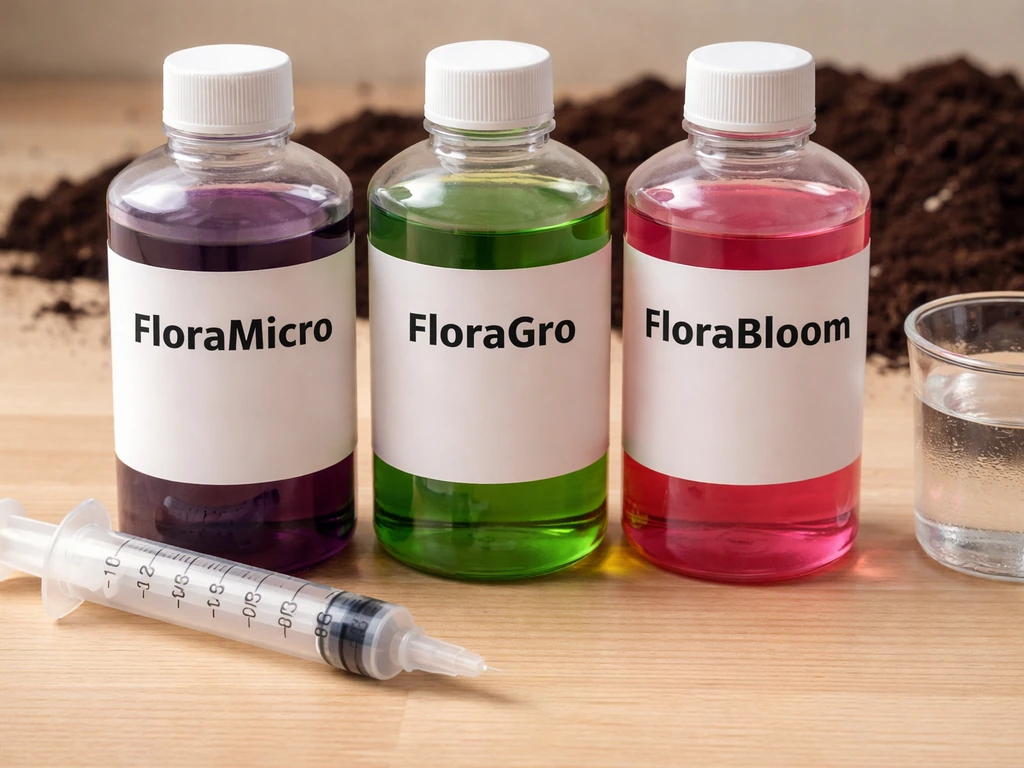
FloraGro is the vegetative-stage bottle in General Hydroponics' FloraSeries 3-part system (FloraGro, FloraMicro, and FloraBloom). You mix it with water first, always at the correct ml-per-gallon rate from the label's Basic Applications Table, keep your reservoir pH between 5.5 and 6.5, and target 800 to 1500 ppm (roughly 1.6 to 3.0 mS/cm EC) for most plants. That's the core of it. Everything below is the practical detail that makes those numbers work in your actual setup.
Flora Grow How to Use: Mix, Feed, and Troubleshoot

Marcus Holloway
22 May 2026
What FloraGro actually is and what it does

FloraGro is not a complete, standalone fertilizer. It is one bottle of a three-part system. On its own it supplies nitrogen-heavy structural and foliar support, promoting branch and leaf development during the vegetative stage. But it's designed to work alongside FloraMicro (which delivers calcium, magnesium, and micronutrients) and FloraBloom (which shifts the ratio toward phosphorus and potassium for flowering).
Think of the three bottles as dials you turn up or down depending on what stage your plant is in. During veg, you lean on FloraGro. As you transition toward bloom, you dial FloraGro back and FloraBloom up. Running FloraGro alone will leave your plants short on many essential elements, so if you only have one bottle right now, know that it's a temporary workaround, not an intended solo solution.
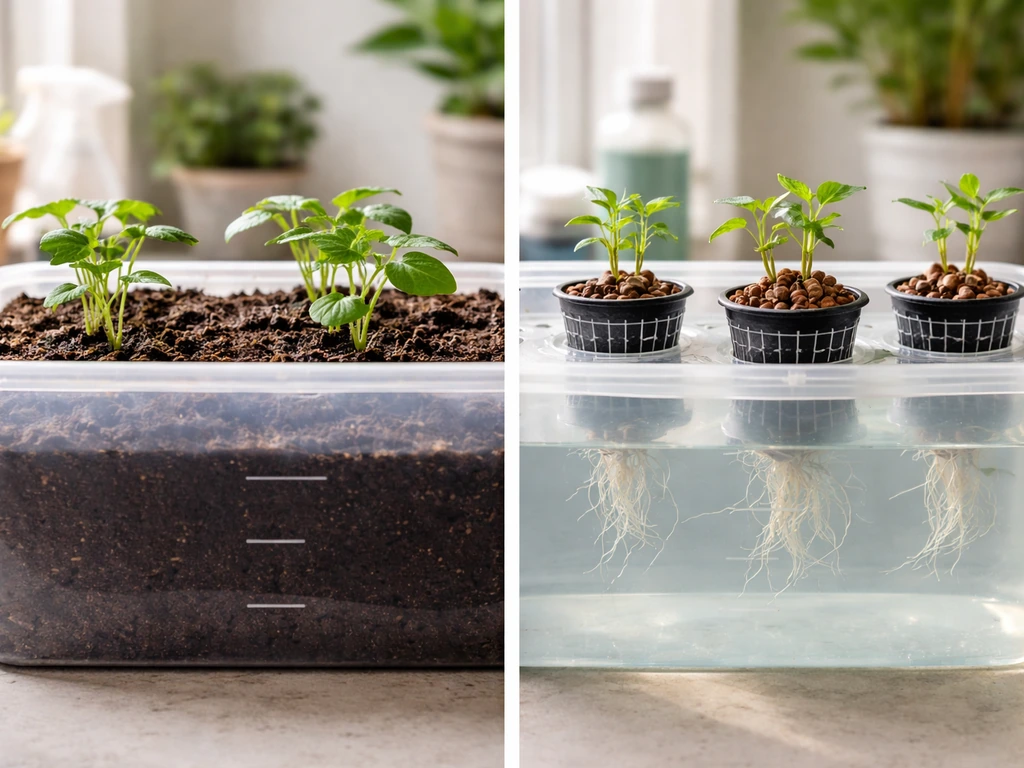
The system was built for hydroponic applications first, but it works in soil too with some adjustments. Beginners often buy the full trio or a starter kit. If you're looking at whether FloraGro qualifies as organic, that's a separate question worth researching because it affects which grows it's appropriate for. If you're asking whether FloraGro is flora grow organic, the key is checking the product's certification and ingredient rules that apply to your grow setup.
Using FloraGro in hydroponics
Mixing order matters more than you think
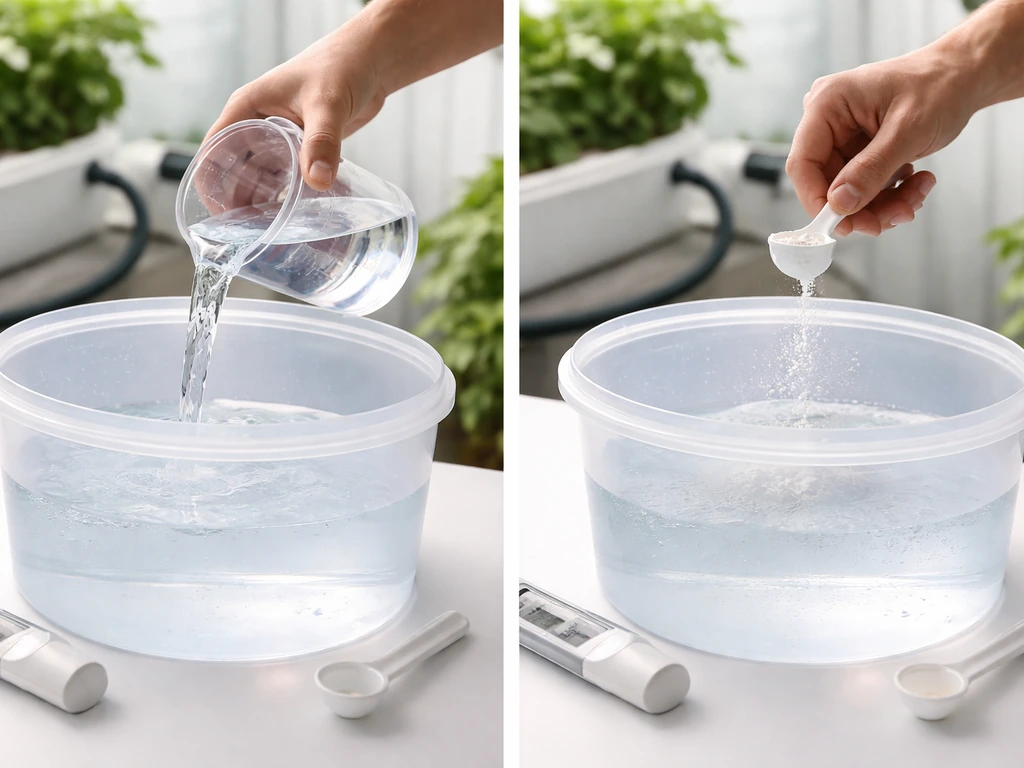
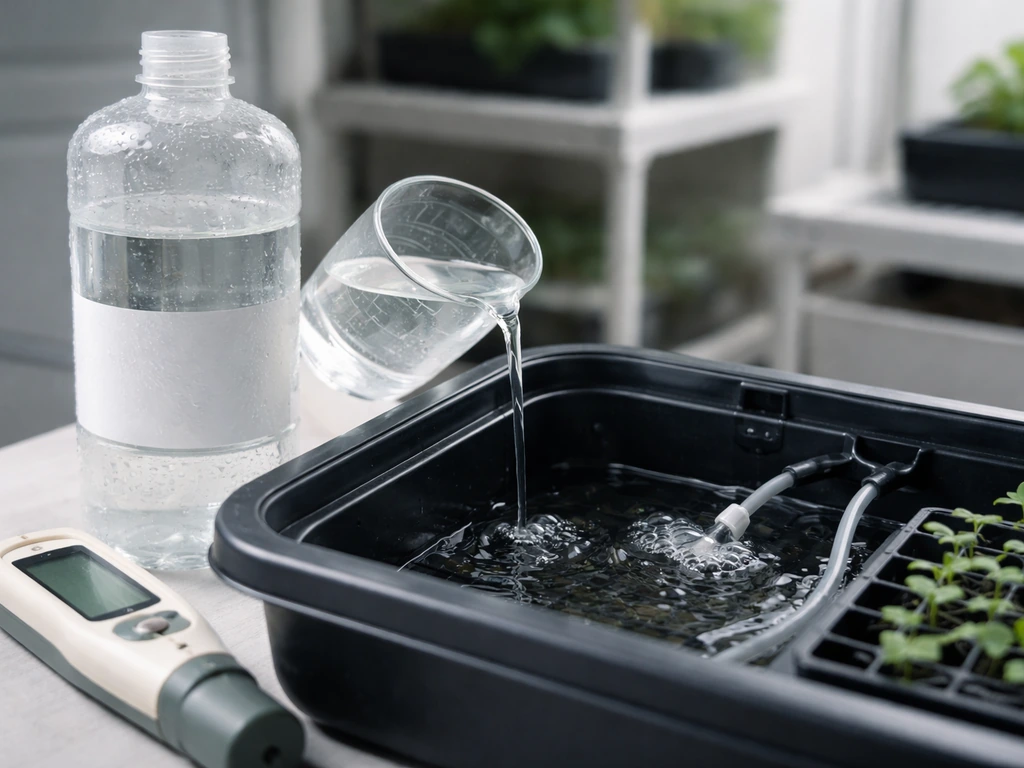
The official label is direct: start with water, then add your nutrients. blank" rel="noopener noreferrer">Never combine FloraGro, FloraMicro, and FloraBloom together in concentrated form before adding them to water. Mixing concentrated nutrients against each other causes mineral precipitation and nutrient lockout before your plants ever see the solution. The correct sequence is: fill your reservoir with water, then add FloraMicro first (it's the most reactive), stir, then add FloraGro, stir, then FloraBloom, stir, and finally pH-adjust the finished solution.
Dosing by stage (ml per gallon)
The exact ml-per-gallon rates appear in the Basic Applications Table on the FloraGro label and in the FloraSeries feed charts, and they vary by growth stage and plant type. As a practical starting framework, the typical FloraSeries veg program uses FloraGro at around 3 ml per gallon alongside FloraMicro at 5 ml per gallon in a moderate-strength mix.
For a sense of how much FloraGro to add beyond the label numbers, you can translate the ml-per-gallon target into your reservoir size and adjust by stage ml per gallon. The label also provides a 100-liter equivalent for larger reservoirs. Always reference the current label for your specific bottle, since General Hydroponics periodically updates their feed charts. Start new plants at roughly half the recommended dose to gauge sensitivity, then work up.
EC and ppm targets in hydro
General Hydroponics recommends keeping your solution between 800 and 1500 ppm for most plants. In EC terms, that's roughly 1.6 to 3.0 mS/cm. Seedlings and clones should sit at the low end (around 400 to 600 ppm). Established vegetative plants can handle 900 to 1200 ppm. Always measure after mixing, never guess. As plants feed and drink, your reservoir concentration will drift, so check ppm and pH every day or two and top off with plain water (not fresh nutrient solution) when levels climb above your target because of water evaporation.
Reservoir maintenance
Drain and rinse your reservoir every 7 to 14 days depending on plant size and how fast they're consuming nutrients. If you're changing your nutrient ratio formula (for example, transitioning from a veg mix to a bloom mix), always drain and clean first. Residual veg solution left under a fresh bloom mix creates an unpredictable cocktail. Keep your reservoir water temperature between 65 and 72 degrees Fahrenheit to inhibit algae growth and maintain dissolved oxygen levels.
Using FloraGro in soil
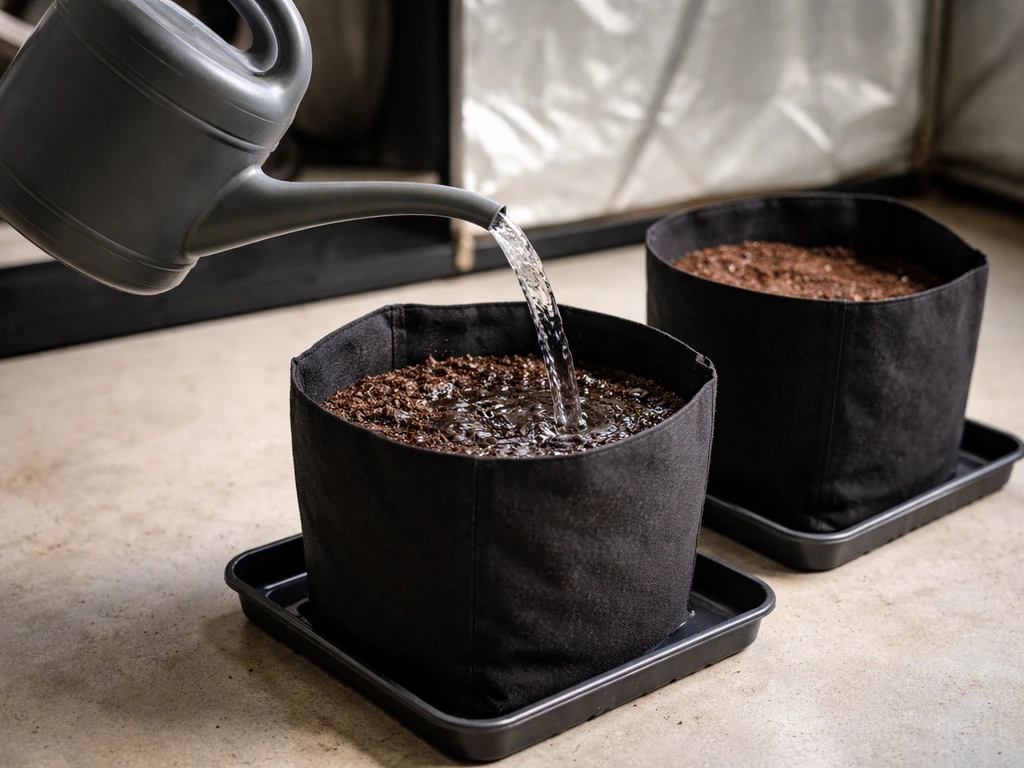
FloraGro was formulated for hydroponics, but it absolutely works in soil and coco grows, with a few adjustments. If you want the full, step-by-step approach for soil growing, see how to use flora grow in soil for the exact dosing and pH guidance works in soil. In soil, you widen the pH target slightly to the 6. 0 to 7.
0 range rather than the tighter 5. 5 to 6. 5 hydro window, because soil's microbial activity and buffering capacity change how nutrients become available at the root zone. Mix your nutrients in water using the same mixing order (water first, then nutrients), then water your plants to light runoff, roughly 10 to 20 percent of your total pour coming out the bottom.
This runoff flush prevents salt buildup around the roots, which is a bigger concern in soil than in a recirculating hydro system. If you're comparing these two grow environments in depth, the soil-specific application method has its own nuances worth exploring in detail.
In soil, use FloraGro at every other watering during veg rather than at every single watering. Plain water days let the soil dry slightly and prevent salt accumulation. Pre-amended soils (like many commercial potting mixes) already carry nutrients for the first 2 to 4 weeks, so don't start feeding until your plant has used up what the soil provides. Signs the pre-load is exhausted include slightly lighter green coloring and slower new growth.
Feeding schedule across the grow cycle
FloraGro's role shifts significantly as your plant moves through its life cycle. Here's how to think about it week by week.
| Stage | Weeks (approx.) | FloraGro role | EC target (mS/cm) |
|---|---|---|---|
| Seedling / Clone | Weeks 1-2 | Minimal or none (or 1/4 strength) | 0.4 - 0.8 |
| Early Veg | Weeks 3-4 | Ramp up, primary bottle in use | 1.2 - 1.8 |
| Peak Veg | Weeks 5-7 | Full veg dose, full FloraSeries mix | 1.8 - 2.4 |
| Transition (Flip) | Weeks 8-9 | Reduce FloraGro, increase FloraBloom | 1.8 - 2.2 |
| Early Bloom | Weeks 10-12 | FloraGro at low/trace levels | 2.0 - 2.6 |
| Late Bloom / Flush | Final 1-2 weeks | Zero nutrients, flush with plain water | 0.0 - 0.4 |
The transition week (often called 'the flip' in photoperiod grows) is where beginners make the most mistakes. Don't abruptly drop FloraGro to zero overnight. Step it down over a week while stepping FloraBloom up in equal measure. This keeps your overall EC stable while shifting the nutrient ratio your plant sees. A sudden drop in EC at flip can cause a brief stall in growth that looks like nutrient deficiency but is really just shock from an abrupt formula change.
Measuring and maintaining water quality
The meters you actually need
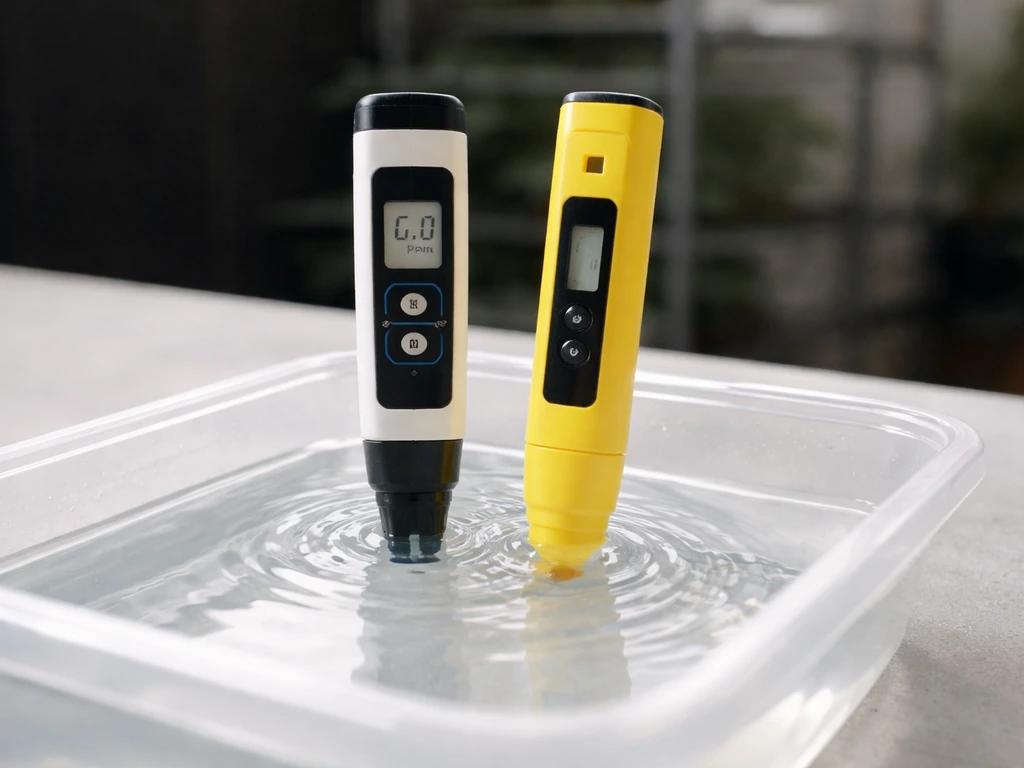
The FloraGro label specifically instructs you to use a conductivity or ppm meter to monitor water quality. This is non-negotiable. A pH pen and an EC/ppm meter are the two most important tools in your setup. Budget options work fine for beginners (around $15 to $30 each), but calibrate them every week or two using standard calibration solution. Drift in a cheap meter is the most common hidden cause of 'mystery' deficiencies and burns.
pH targets and adjustment
For hydroponics (including coco), hold pH between 5.5 and 6.5. The sweet spot for most plants is 5.8 to 6.2, which keeps the widest range of nutrients soluble and available. For soil, target 6.0 to 6.8. Always pH-adjust your solution after adding nutrients, never before. Adding nutrients changes the pH of your water, so adjusting pH first and nutrients second means your final reading will be off. Use General Hydroponics pH Up or pH Down (or equivalent) in small drops, stir, and re-measure before adding more.
Water temperature and source water quality
Keep reservoir or feed water temperature between 65 and 72 degrees Fahrenheit. Below 60 degrees, nutrient uptake slows dramatically and roots become susceptible to rot. Above 75 degrees, dissolved oxygen drops and pathogens thrive. If your tap water is very hard (above 200 ppm baseline), you may need to account for that in your EC math. Check your starting water EC before adding anything. If your tap already reads 0.4 mS/cm or higher, your actual nutrient-added EC will be higher than your measurements at the bottle suggest.
Correct mixing order (step by step)
- Fill your reservoir or mixing container with fresh water at room temperature.
- Measure and record starting EC and pH of your source water.
- Add FloraMicro first at the recommended ml-per-gallon rate. Stir thoroughly.
- Add FloraGro at the recommended rate. Stir thoroughly.
- Add FloraBloom at the recommended rate. Stir thoroughly.
- Add any additives or supplements last.
- Measure the final EC/ppm. Adjust with water (to lower) or additional nutrients (to raise) if needed.
- Adjust pH to your target range using pH Up or Down. Re-measure after each addition.
- Deliver to plants or transfer to reservoir.
Troubleshooting common FloraGro problems
Nutrient burn (overfeeding)
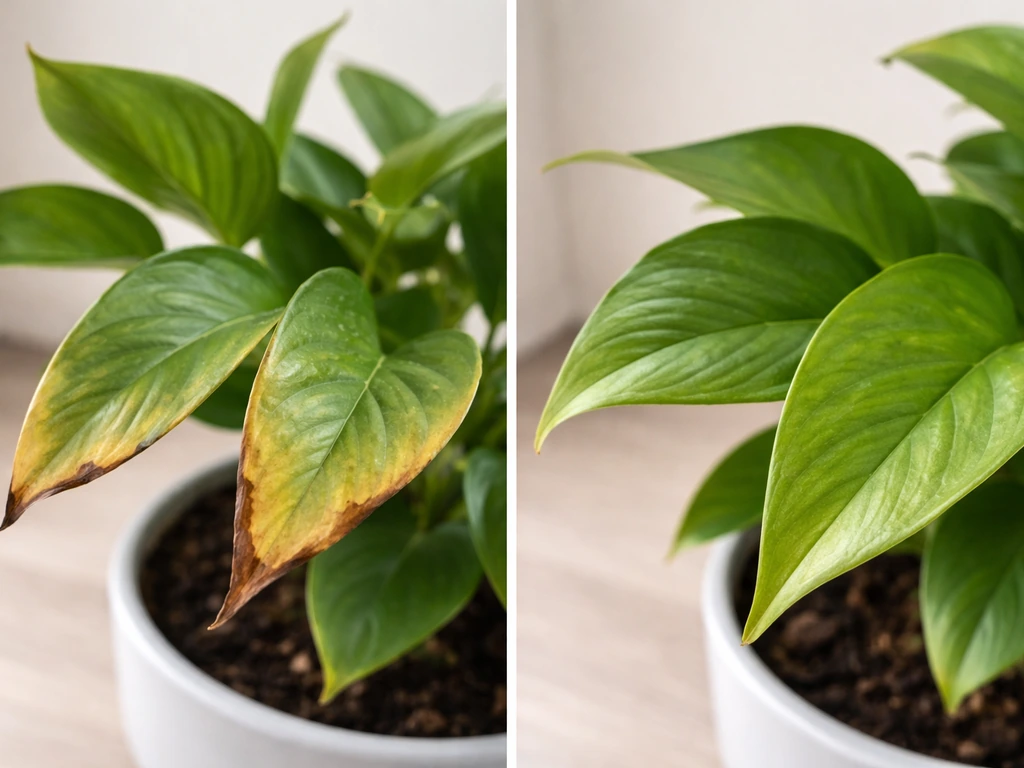
Symptom: leaf tips turn yellow, then brown and crispy, starting at the outer edges of older or newer growth. This is the most common mistake from using too much FloraGro too fast. If you see tip burn, immediately flush the root zone with plain pH-adjusted water (one to two full reservoir volumes in hydro, or a heavy flush to runoff in soil), then rebuild your solution at 25 to 50 percent of your previous dose. Don't chase burn with more nutrients. The damage on the tips won't reverse, but new growth will come in healthy once you fix the concentration.
Nutrient lockout
Lockout looks like deficiency symptoms (yellowing, purple stems, interveinal chlorosis) even though your EC reads normal or high. The most common causes are pH out of range and nutrient salt buildup from skipping reservoir drains. If your pH drifts outside 5.5 to 6.5, specific elements become chemically unavailable even though they're physically present in the solution. Fix: flush thoroughly, drain, clean the reservoir, mix a fresh batch at the right pH, and start again at a slightly lower EC to let the plant recover. If you mixed FloraGro directly with FloraBloom before diluting in water, precipitation may have already locked out key minerals before the solution ever reached your plant.
Underfeeding and slow growth
Symptoms: general pale green color, slowed internode spacing, small leaves. Check your EC first. If it reads below 800 ppm in a veg plant, you're underfeeding. This often happens when growers are scared of burn and undershoot, or when they top off the reservoir with plain water repeatedly without checking concentration drift downward. Raise your EC gradually, 100 to 200 ppm per feeding, until you see the plant respond with greener, more vigorous growth.
pH drift in the reservoir
Reservoirs naturally drift in pH over time as plants feed and microbes act on the solution. A slight upward drift (toward 6.5) during veg is normal and manageable. A sharp drop below 5.5 or rise above 6.8 signals a problem. Check pH daily in active hydro systems. If you're seeing large swings (more than 0.5 units per day), your reservoir may have contamination, algae growth, or the solution may be too old. Drain, clean, and replace.
Algae in the reservoir
FloraGro's nitrogen content can fuel algae growth if your reservoir gets any light exposure. Algae competes with plants for nutrients and oxygen and can clog irrigation lines. Keep your reservoir completely light-proof, maintain water temperature below 72 degrees Fahrenheit, and stick to the 7-to-14-day drain schedule. If you already have green-slime buildup, drain everything, clean with a dilute hydrogen peroxide solution (3 percent, rinsed thoroughly afterward), then refill with fresh nutrients.
Your quick-start checklist for the next feed
Whether you're doing your first feed or resetting after a problem, run through this before every mix.
- Calibrate your pH and EC meters using fresh calibration solution.
- Measure your source water EC and pH and write it down.
- Calculate how many gallons you're mixing and pull up the FloraGro Basic Applications Table for ml-per-gallon rates at your target stage.
- Add nutrients in order: water first, then FloraMicro, FloraGro, FloraBloom. Stir between each.
- Measure final EC. Confirm it's in the 800 to 1500 ppm range for your stage (or dial it to the chart target).
- Adjust pH last. Target 5.8 to 6.2 for hydro and coco, 6.2 to 6.5 for soil. Re-measure after each pH adjustment.
- Record your final EC, pH, and volume in a grow journal or notes app so you can compare run to run.
- Check the date of your last reservoir drain. If it's been 7 to 14 days, drain and clean before refilling.
- Observe your plants 24 to 48 hours after feeding and check for tip changes, color shifts, or unusual drooping.
- Top off between full reservoir changes with plain pH-adjusted water, not fresh nutrient solution, to keep EC stable as water evaporates.
That checklist alone eliminates the majority of beginner mistakes. The most consistent growers aren't necessarily using the most expensive gear or the most complex nutrient programs. They're just disciplined about measuring, recording, and reacting to what their plants actually show them. FloraGro gives you a reliable, well-documented base to work from. If you want more hands-on guidance on the Holland Secret grow process, see the complete walkthrough for how to use it from start to finish FloraGro gives you a reliable, well-documented base to work from.. blank" rel="noopener noreferrer">Trust the label, use a meter, and make small adjustments rather than large corrections, and you'll avoid most of the common pitfalls.
FAQ
Can I adjust my reservoir by adding more nutrients later instead of mixing a whole new batch each time?
Yes, but the order and targets still matter. If you add water to a partially filled reservoir, top up with plain water first to reach the right final volume, then add FloraMicro, FloraGro, and FloraBloom in sequence, stir each time, and only then pH-adjust. Re-check ppm and pH after the top-up because dilution changes EC and pH.
If my ppm is off, can I correct it by adding just FloraGro or just pH adjust without draining?
Don’t. If you must change anything mid-run, only make one variable at a time. For example, if ppm is high and pH is drifting, either top off with plain water (to dilute) or do a partial drain and refill, then re-measure. Adding nutrients to “fix” low pH or “fix” EC usually makes the other reading worse.
Why do my pH readings keep changing after I finish mixing?
Add nutrients after you pH-adjust the final batch, not before. pH Up or Down solutions can temporarily change pH readings, and then nutrients continue to shift pH while dissolving. Stir thoroughly, wait a few minutes, then re-measure pH and EC/ppm to confirm your numbers before continuing.
I’m seeing different numbers on my EC meter versus my ppm meter. Which one should I follow?
Plan for the meter type and units. If you use ppm (TDS) instead of EC, don’t mix up conversion assumptions, because 800 to 1500 ppm can correspond to different EC values depending on the instrument’s scale. Calibrate your meter and stick to either EC or the same ppm scale consistently.
What should I do if I forget to check pH and ppm for a couple of days?
If you miss the daily check, use a decision rule: measure pH and ppm before you feed again. If ppm is within target and pH is within range, a normal top-off with plain water is usually enough. If either reading is far outside target or swings are large, replace or at least drain and rebuild your mix.
How do I recover after leaf-tip burn from overusing FloraGro?
For tip-burn situations, use the “flush then rebuild” approach, and avoid big swings. A good rule is to flush until runoff matches your desired pH (and is not extremely concentrated), then remix at 25 to 50% lower EC, re-measure after circulation, and only increase gradually once new growth looks healthy.
What’s the safest way to transition from vegetative FloraGro-heavy feeding to bloom feeding during the flip?
Yes, but do it as a controlled transition. During the flip, step both bottles so total EC stays roughly stable while the ratio shifts. If your EC drops sharply, plants often stall and appear deficient even when the nutrient plan is correct.
Does coco feeding with FloraGro need different pH or flushing rules than hydro?
Especially in coco, make sure you know whether you are running to waste or recirculating, because salt accumulation behaves differently. In either case, you still pH to the hydro range (5.5 to 6.5) and monitor EC/ppm frequently, since coco can hold onto salts that later show up as lockout.
How do I know when it’s time to start feeding in a pre-amended potting mix?
In soil, don’t treat every watering as a feed. If your mix is pre-amended, wait until the pre-load is used (often after 2 to 4 weeks) and then apply FloraGro every other watering. If plants start to pale before then, you may be past the pre-load earlier than expected.
My plant looks deficient but my EC is normal. What’s the most likely cause?
If you see deficiency-like symptoms but EC is normal or high, check pH first, then look for signs of stale, dirty, or salt-built-up solution. A proper fix usually includes draining and cleaning, rebuilding at correct pH, and running slightly lower EC while the plant recovers. Don’t just add more nutrients when pH is the real issue.
How do I adjust for hard tap water so I don’t overfeed with FloraGro?
Hard water can inflate your final EC. Measure your starting water EC/ppm before nutrients, then subtract the baseline mentally (or at least account for it) so you don’t overshoot. If your tap is already around 0.4 mS/cm baseline, your nutrient-added EC will be higher than the bottle ratio suggests.
What causes recurring algae or green slime even when I’m following the mix directions?
Temperature affects oxygen availability and growth rate. If you’re consistently near the upper end, algae risk increases and root health can drop, which makes nutrient problems look worse. Keep reservoirs light-proof, maintain 65 to 72°F, and follow the 7 to 14 day drain and rinse schedule.