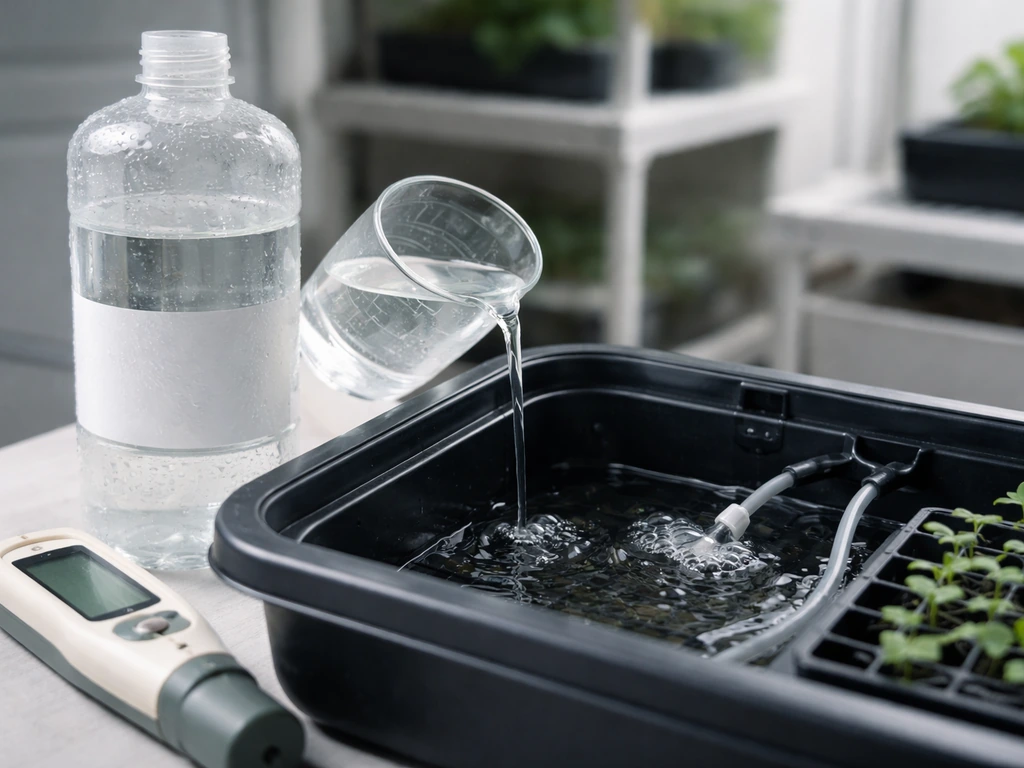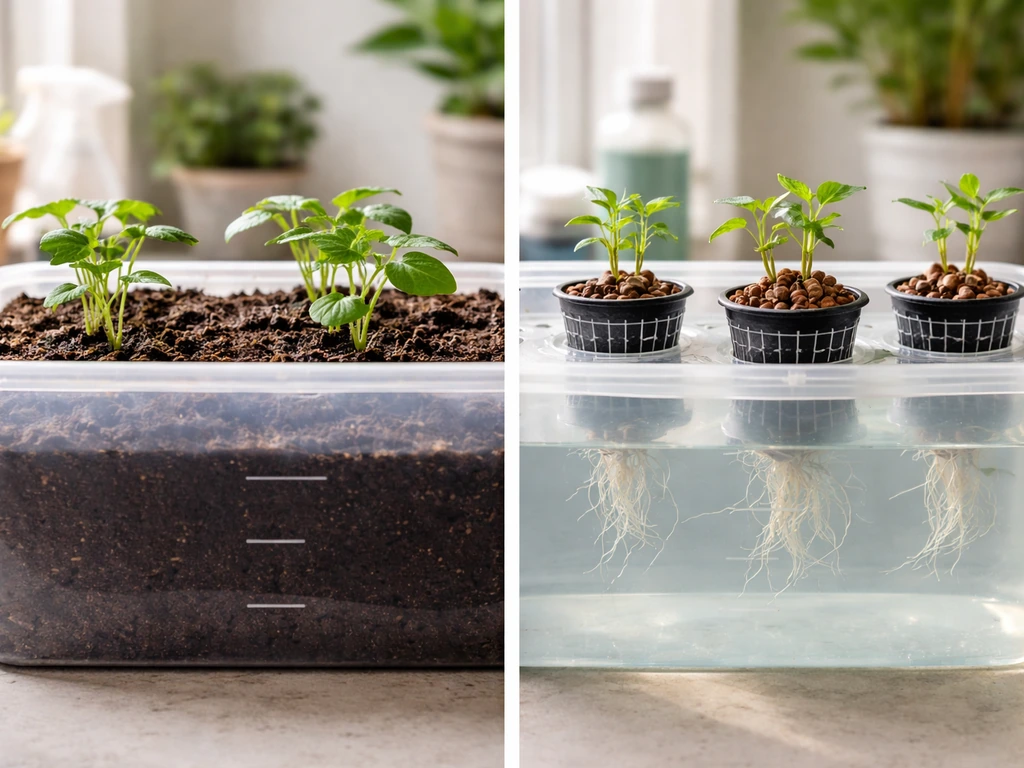
FloraGro is the vegetative-growth bottle in General Hydroponics' 3-part Flora series, and you use it by adding FloraMicro to your water first, stirring, then adding FloraGro (and FloraBloom if needed), adjusting pH to 5.5–6.5, and targeting an EC that matches your plant's current growth stage from GH's Basic Feed Chart. That's the core of it. Everything else is dialing in ratios, timing, and troubleshooting when something goes sideways.
How to Use General Hydroponics FloraGro Step by Step

Marcus Holloway
29 May 2026
What the Flora series is and what each bottle actually does
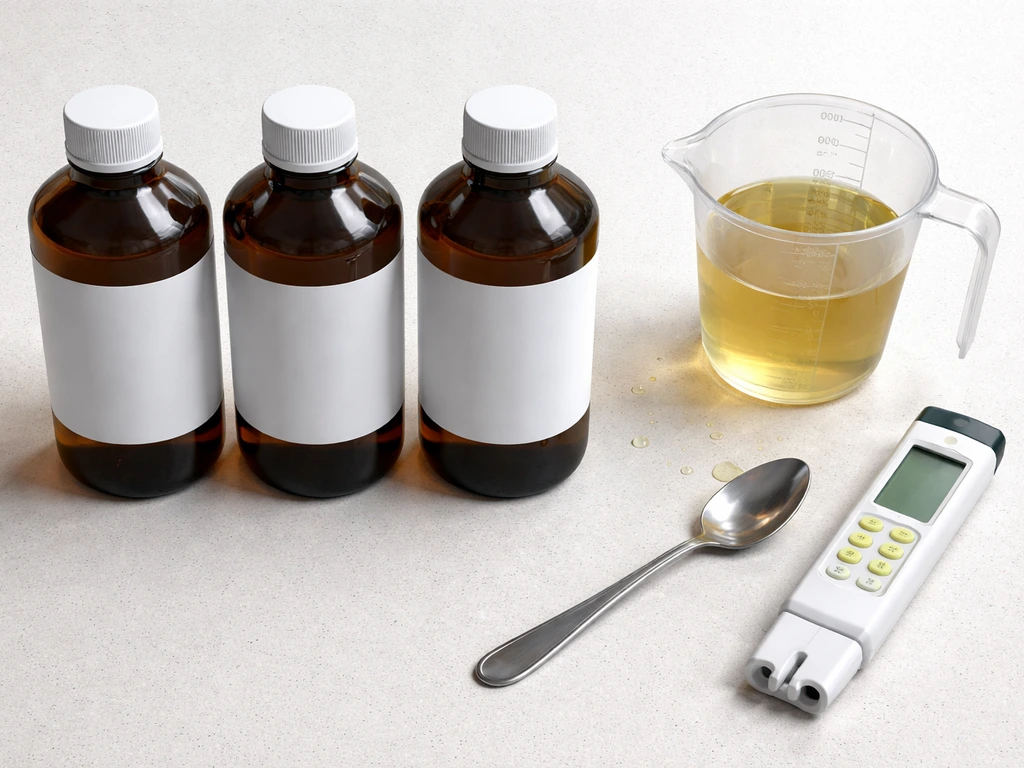
The FloraSeries is a 3-part liquid nutrient system: FloraMicro, FloraGro, and FloraBloom. General Hydroponics designed them to work together, not as standalone bottles. You adjust the ratio of each part depending on what your plant is doing at that moment in its life cycle.
FloraMicro is the foundation. It delivers nitrogen, potassium, and calcium alongside chelated micronutrients and trace elements. Because it carries the calcium, it always goes into the water first (more on that in the mixing section). Think of FloraMicro as the base layer every stage needs.
FloraGro is the vegetative engine. It's high in nitrogen and supports structural development: stems, branches, leaves, and root mass. When a plant is building its frame in weeks 2 through 5 of veg, FloraGro is doing the heavy lifting. You'll use it at higher ratios during veg and scale it back as flowering starts.
FloraBloom handles the reproductive stage. It supplies phosphorus, potassium, magnesium, and sulfur, all of which a flowering plant demands in large quantities. You'll ramp FloraBloom up as you approach the flip to 12/12 lighting and reduce FloraGro at the same time. The two bottles are designed to be used together at varying ratios, not swapped out entirely.
How to measure, mix, and adjust FloraGro (with the full schedule)
Mixing order matters more than most people realize
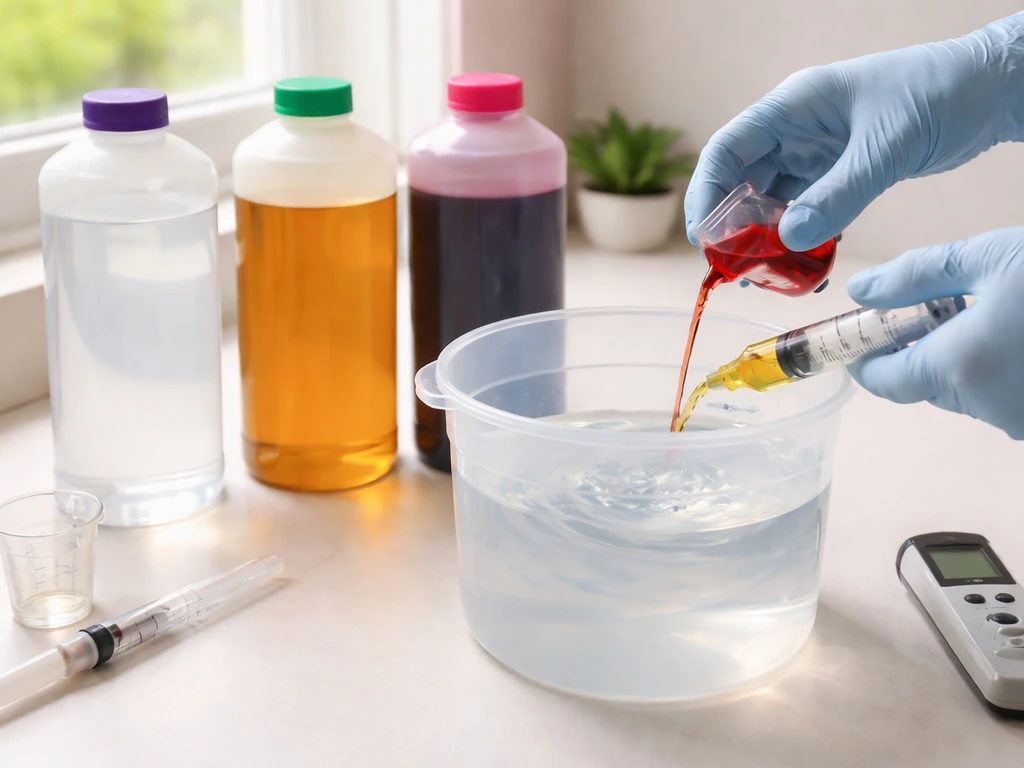
This is where a lot of growers run into problems before their plants even see a nutrient solution. If you mix in the wrong order, calcium from FloraMicro can react with sulfates in FloraBloom and precipitate out of solution, leaving you with sediment and a solution that's weaker than the label says. The correct order is non-negotiable: For example, third-party FloraSeries mixing guidance uses FloraMicro first, then FloraGro, and finally FloraBloom, and it recommends starting with pH-balanced water around 5.5 to 6.5 before feeding.
- Start with fresh water in your reservoir or mixing container
- Add FloraMicro and stir thoroughly
- Add FloraGro and stir again
- Add FloraBloom (if your stage calls for it) and stir
- Check and adjust pH to your target range
- Measure EC to confirm you're in range
Never mix concentrates together before adding them to water. The FloraGro label also instructs to add water first and stir well, then add FloraGro and/or FloraBloom by referring to the Basic Applications Table for mixing Never mix concentrates together before adding them to water.. Pour each one directly into the water, not into each other.
Reading the General Hydroponics Basic Feed Chart
GH publishes a Basic Feed Chart (downloadable PDF from their site) that lists ml per gallon for each bottle at each growth stage, alongside target EC ranges in mS/cm. A quick way to think about it is that the chart’s ml per gallon guidance is meant to be followed as a starting point, then confirmed with your EC reading. Use that chart as your starting point. The doses are laid out in production steps from seedling through late bloom, and each step includes an EC band so you can verify your solution with a meter rather than guessing.
A typical veg-stage recipe from the basic chart runs around 3–5 ml/gal of FloraMicro, 4–6 ml/gal of FloraGro, and 1–2 ml/gal of FloraBloom, with a corresponding EC in the range of 1.0–1.6 mS/cm for most crops. Seedlings and young plants get half-strength or less. The chart also has a Custom Feed Chart version for growers who want finer control over the EC bands. If you're using the Flora series seriously, print both and keep them near your reservoir.
Top-off vs full reservoir changes
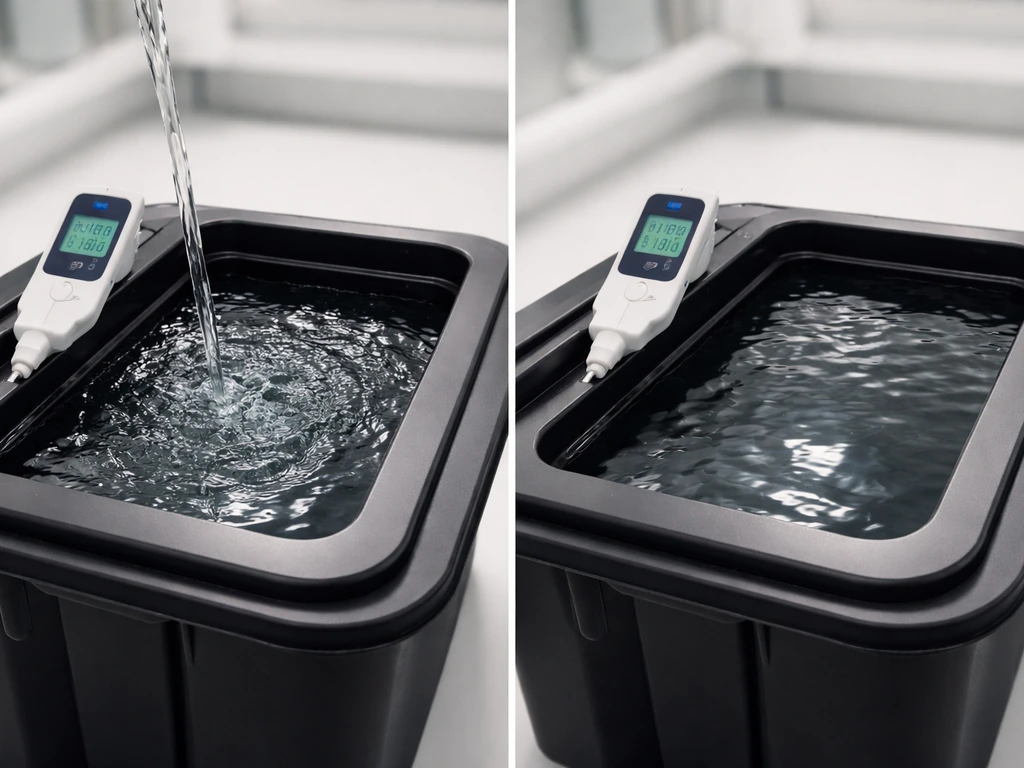
Plants drink water faster than they absorb nutrients, which means your reservoir EC will creep up over time as plants top-off with plain water. In a recirculating system, top off with plain pH-adjusted water between reservoir changes to avoid salt buildup. Do a full reservoir change every 7–10 days in most systems, or sooner if EC drifts more than 0.3–0.5 mS/cm above your target. When you do a full change, flush the lines and reservoir first, then mix a fresh batch from scratch.
Seedling and veg vs bloom: when and how FloraGro fits in
FloraGro is dominant during vegetative growth, but the exact ratio shifts across stages. Here's how I think about it across a typical grow:
| Stage | FloraMicro (ml/gal) | FloraGro (ml/gal) | FloraBloom (ml/gal) | Target EC (mS/cm) |
|---|---|---|---|---|
| Seedling / Early Veg | 1–2 | 1–2 | 1 | 0.4–0.8 |
| Active Veg | 3–5 | 4–6 | 1–2 | 1.0–1.6 |
| Transition (pre-flip) | 4 | 3 | 3 | 1.4–1.8 |
| Early Bloom | 3 | 1–2 | 4–5 | 1.6–2.0 |
| Mid/Late Bloom | 3 | 0–1 | 5–6 | 1.8–2.4 |
| Flush (final week) | 0 | 0 | 0 | < 0.5 |
During the seedling phase, the goal is to barely feed. Roots aren't developed enough to handle full-strength nutrients, and burn shows up fast on seedlings. Start at 25% of the chart's veg dose and watch for the first set of true leaves before stepping up.
In active veg, FloraGro drives branching and leaf mass. If your plant looks stretchy and pale, check your EC and pH before blaming the nutrient ratio. Most 'deficiencies' at this stage are actually pH problems locking out what's already in the water.
During the transition week before flipping to flower, start backing off FloraGro and bringing FloraBloom up to equal parts. This mimics what happens in the plant: nitrogen demand drops and phosphorus/potassium demand climbs. You don't stop using FloraGro entirely until late bloom, and even then it's usually just reduced, not zeroed out, because FloraMicro handles baseline nitrogen needs.
pH, EC, and fixing the problems that actually kill grows
pH targets and why they matter
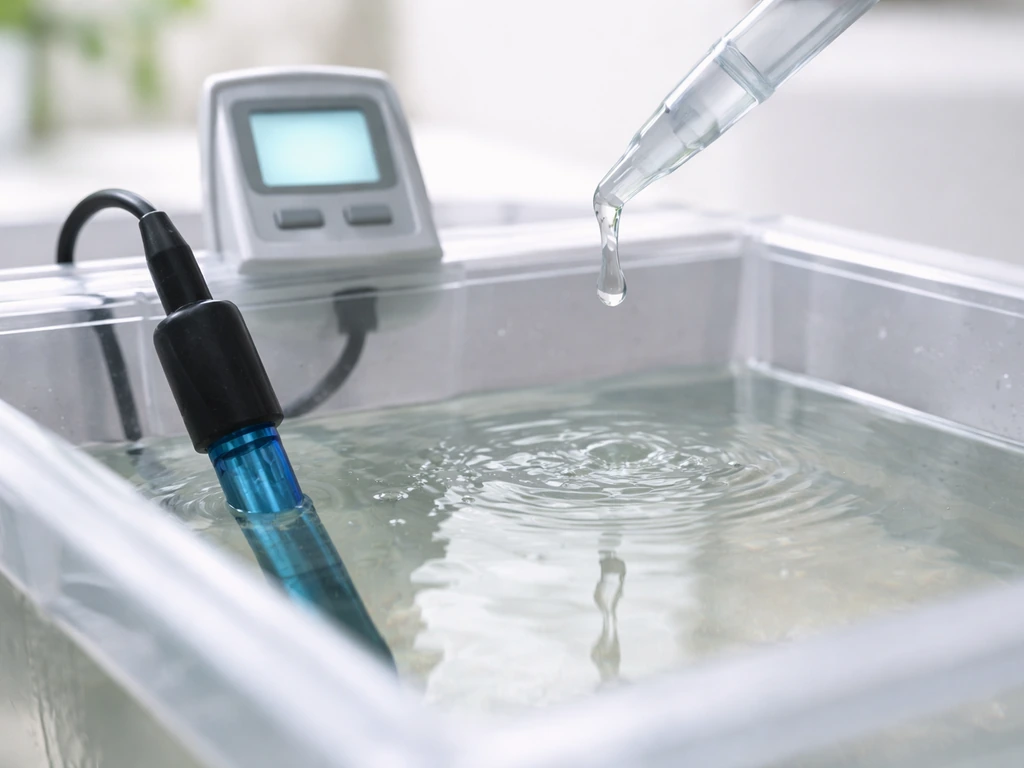
Keep your reservoir pH between 5.5 and 6.5 for hydroponic grows. General Hydroponics recommends 5.5 as the baseline target, and most nutrient elements are most available in the 5.5–6.2 range. If pH drops below 5.5, micronutrients become available to the point of toxicity. If pH climbs above 6.5, iron and manganese availability drops off fast and you'll see yellowing between leaf veins (interveinal chlorosis) that looks like a deficiency but is actually a lockout.
Always adjust pH after mixing your nutrients, not before. Nutrients shift pH when added to water, and adjusting first just means adjusting twice. Use a calibrated digital pH meter, not the drops. Check it daily in an active reservoir, especially in warm conditions where pH can drift 0.3–0.5 units overnight.
EC targets and what they tell you
EC (electrical conductivity) measures the total dissolved salts in your solution and tells you how strong your mix is. The GH Basic Feed Chart includes EC ranges for each stage, and those ranges are your guardrails. If your EC is measuring higher than the chart target after mixing, you added too much nutrient. Dilute with plain water and re-check. If EC is drifting up in your reservoir between changes, top off with plain pH-adjusted water only.
For growers using PPM instead of mS/cm: multiply mS/cm by 500 (using the 500 scale common in North America) to convert. A target of 1.2 mS/cm equals roughly 600 PPM on the 500 scale.
Diagnosing and fixing the most common Flora problems
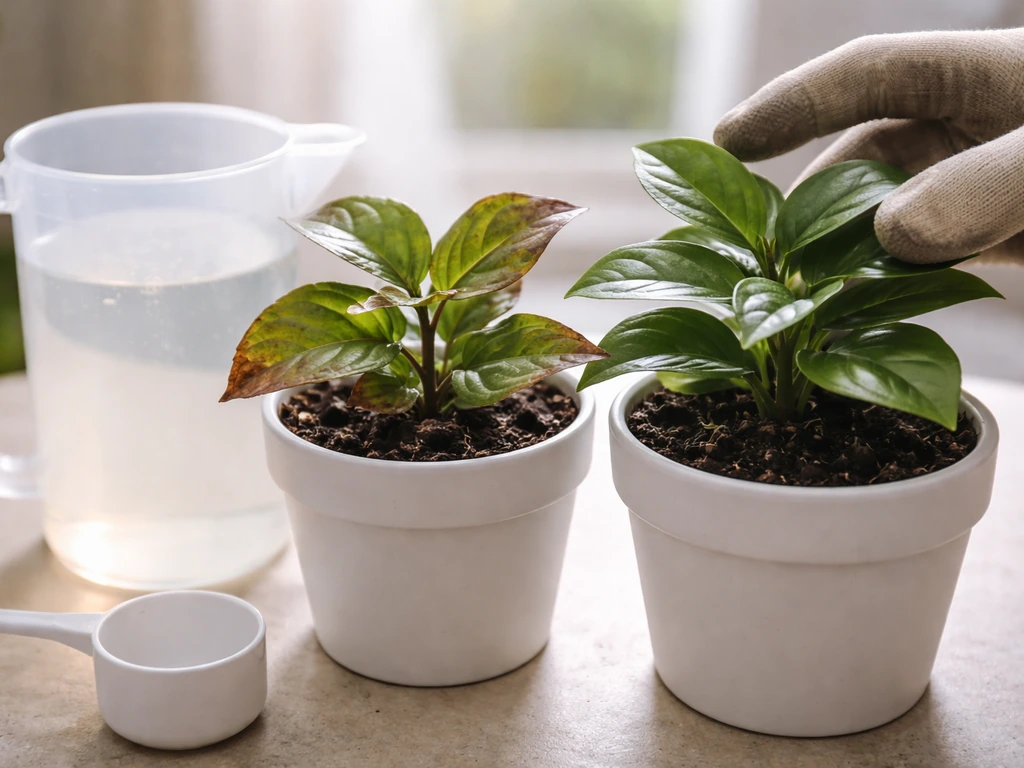
- Nutrient burn (tips curling, brown leaf edges): EC is too high. Dilute your reservoir with plain pH-adjusted water, or do a full flush and restart at a lower dose. Don't try to 'push through it.'
- Interveinal chlorosis (yellowing between veins on new growth): Almost always a pH-driven lockout of iron or manganese. Check pH first before adding any chelated iron supplements. Bring pH back to 5.5–6.0 and the plant will often recover without additional inputs.
- General yellowing across older leaves: Could be nitrogen deficiency (FloraGro ratio too low) or pH being too high. Check EC to see if nutrients are present, then check pH. If both are in range and symptoms persist, increase FloraGro slightly.
- Stunted growth despite normal pH and EC: Check root health. Slimy or brown roots in DWC point to pythium (root rot), which blocks nutrient uptake regardless of what's in the water. Nutrient lockout from root zone issues looks identical to a feeding problem.
- Salt buildup or precipitate in reservoir: Wrong mixing order. Rebuild the reservoir with clean water using the correct FloraMicro-first sequence.
- pH crashing rapidly: High microbial activity or CO2 buildup in the reservoir. Increase aeration, check reservoir temperature (keep below 70°F/21°C), and consider a beneficial bacteria treatment.
Using FloraGro across different systems and growing media
The Flora ratios and pH targets stay consistent across systems, but how you manage the reservoir and feeding frequency changes depending on your setup.
DWC and RDWC
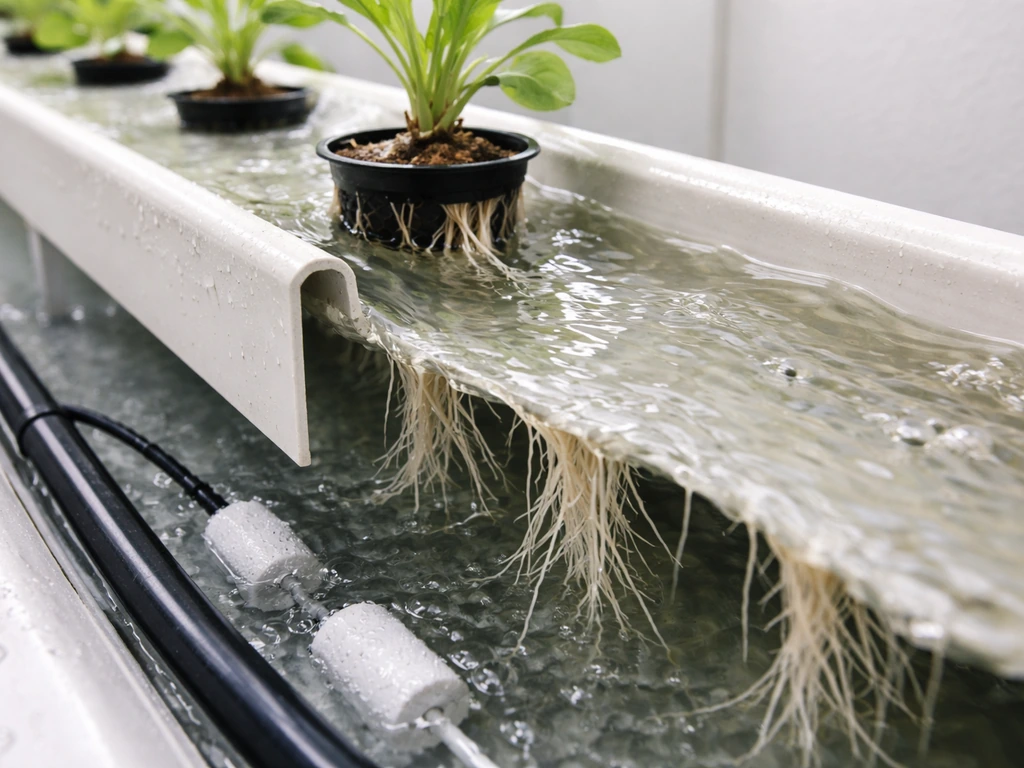
Deep water culture is the most forgiving system for Flora because the roots are always in contact with the full nutrient solution. Mix directly in the reservoir, check pH and EC twice daily during active growth, and top off with plain water when the level drops. In recirculating DWC (RDWC), pay close attention to pH at both the feed and return points since the solution chemistry changes as it moves through the system.
NFT (Nutrient Film Technique)
NFT uses a thin film of nutrient solution flowing over roots, so there's minimal buffering capacity. pH and EC swings affect plants almost immediately. Check twice daily minimum and keep the flow rate consistent. The Flora schedule works well here, but I'd recommend starting at 80% of the chart dose and only stepping up if the plants show they can handle it.
Ebb and flow (flood and drain)
Mix your nutrient solution in the reservoir as normal. The Flora series works well with ebb and flow because the flood cycles rinse accumulated salts from the medium and refresh the root zone. Flood 2–4 times per day during active veg, slightly more often in smaller pots or lighter media. After each top-off cycle, recheck EC in the reservoir since evaporation concentrates the solution.
Drip systems
Drip systems with recirculating reservoirs follow the same logic as DWC for reservoir management. In run-to-waste drip systems, the solution only passes through once, so mixing accuracy matters more. Use a fresh batch for each watering, and allow 10–20% runoff to flush accumulated salts from the medium. Check runoff EC periodically: if it's climbing above your feed EC by more than 0.5 mS/cm, you have salt buildup in the medium.
Coco coir and perlite
Coco is technically a hydroponic medium and behaves more like a soilless system than soil. It buffers cations differently than most hydro media, and it has a natural affinity for calcium and magnesium, which means it can strip those out of your solution early on. Pre-soak new coco with a light FloraMicro solution before planting to saturate those binding sites. Keep pH slightly higher in coco than bare hydro systems, targeting 5.8–6.2. The Flora schedule works well in coco, just be more attentive to calcium availability in the first week or two. If you're growing in soil and want to use FloraGro there, the approach and dosing changes, so that's worth checking out separately. If you're growing in soil, the Flora schedule and mixing approach need small adjustments compared with hydroponics.
Safety, storage, and the mistakes that waste time and money
Storing FloraGro and the rest of the Flora series
Once opened, store all three Flora bottles in a cool, dark location and use them within 6 months. Heat and light degrade chelated micronutrients over time, and an old, degraded FloraMicro bottle is one of the sneakier causes of trace element deficiencies mid-grow. Don't store bottles near the grow lights or in a warm garage. A temperature range of 50–75°F (10–24°C) is ideal. Keep the caps tight and don't cross-contaminate bottles with a dirty measuring syringe.
Safety basics
These are concentrated nutrient solutions with low pH. Wear gloves when mixing and avoid contact with eyes. If you get concentrate on your skin, rinse with water. Keep bottles out of reach of children and pets. Never mix concentrates with each other in a secondary container: always add them individually to water. Concentrated FloraMicro is especially acidic and can irritate skin with prolonged contact.
Common setup mistakes that derail results
- Skipping the pH meter: Test strips are not accurate enough for hydroponics. A decent digital pH meter costs $20–40 and is the single most important tool in a hydro setup. Calibrate it monthly with calibration solution.
- Using tap water without checking baseline EC: If your tap water already registers 0.4–0.6 mS/cm, you need to account for that in your target EC calculations. Hard water also affects pH buffering and can interact with nutrient chemistry.
- Adding nutrients to an already-running reservoir without flushing: Never just dump fresh nutrients into a depleted reservoir. The ratios get skewed and salt buildup compounds over time.
- Chasing deficiencies with more nutrients instead of fixing pH: The majority of apparent deficiencies in properly dosed Flora systems are pH lockout issues. Fix the pH first. Adding more nutrient to a locked-out solution makes things worse.
- Running the same ratio from seedling to harvest: The whole point of a 3-part system is the adjustable ratio. If you're running the same dose all the way through, you're not getting what you paid for.
- Ignoring reservoir temperature: Warm water (above 72°F/22°C) holds less dissolved oxygen and encourages pathogen growth, both of which devastate root health and nutrient uptake. Use a reservoir chiller or insulate the reservoir if your room runs warm.
- Not calibrating EC and pH meters together: A poorly calibrated pH meter that reads 6.0 when the actual pH is 6.8 will have you confused for weeks. Calibrate both meters before every new grow.
Your next steps starting today
If you're just starting out with FloraGro: download the GH Basic Feed Chart, pick the step that matches your plant's current stage, mix at half the listed dose for your first reservoir, and check pH and EC before anything goes near your plants. If you are also looking for Holland Secret grow guidance, use the same step-based logic and match the nutrients to your plant’s growth stage download the GH Basic Feed Chart. If you're specifically aiming for organic growing, you can still use FloraGro as part of a compliant plan, but you need to match the nutrients and inputs to certified organic requirements. Once the plant responds well (healthy green growth, no tip burn, good root development), step up to full chart dose at the next reservoir change. From there, you're just maintaining pH in the 5.5–6.5 window, watching EC, and following the ratio shifts as you move toward bloom. That's really the whole system. The Flora series rewards consistency and measurement far more than it rewards adding more product.
FAQ
Can I use FloraGro with RO water or do I need to adjust my water first?
Yes, but confirm compatibility with your system. If you use RO or very low-EC source water, increase minerals may be needed before nutrients, and you still adjust final pH and EC in the reservoir. If you only “adjust water chemistry” by chasing pH without checking EC, you can end up underfeeding or overfeeding because the chart is based on dissolved salts, not just pH.
What happens if I add FloraGro in the wrong order or add it to an already mixed tank?
Avoid adding FloraGro to water that is already partially nutrient-mixed. Concentrates should go into the reservoir individually (Micro first, then Gro), and you should fully mix and re-check pH and EC after everything is added. If you changed the order mid-session or added Gro last to a solution that already includes Bloom, you can get imbalance or precipitation and should start a fresh batch.
If my EC is off after mixing, should I change pH or just dilute?
For most growers, EC is your best “should I dilute?” signal. If EC is above the chart target after mixing, dilute with plain pH-adjusted water, then mix thoroughly and re-check after 15 to 30 minutes. If EC is below target but pH is stable, increase by small increments aligned to the chart step (not by large jumps), because overshooting salts is more likely than pH drifting.
How often should I check and adjust pH when using FloraGro?
Target pH is not a one-time setting. In warm reservoirs, pH can drift 0.3 to 0.5 overnight, especially in active growth. Check daily (or twice daily in sensitive systems), adjust only after nutrients are fully mixed, and make sure you adjust with a calibrated meter so you are not correcting noise.
My pH keeps drifting, does that mean my FloraGro dose is wrong?
Don’t correct a pH that is already “in range” by adding extra nutrients. If pH is drifting high or low, the cause is often CO2, aeration changes, or biological activity rather than nutrient strength. Adjust pH modestly to keep within the 5.5 to 6.5 window, then watch EC trend, and only change dosage if EC is consistently outside the chart band.
If my meter shows PPM instead of mS/cm, how do I make sure I’m using the GH chart correctly?
Yes, but don’t use “PPM conversion” as a substitute for your EC meter reading. If your meter uses a different scale than the common 500 method, the conversion will not match the chart. Use the mS/cm targets from the GH chart when possible, or verify your PPM meter’s scale and calibrate it so your numbers are comparable.
If my leaves yellow, how can I tell whether it’s pH lockout versus a FloraGro dosing issue?
It usually means a lockout, not necessarily a nutrient “deficiency.” In the Flora program, interveinal yellowing often shows up when pH drifts above the effective availability range, but it can also be related to EC being too high for the stage. Check pH first, confirm EC is within the stage band, then make one change at a time (pH adjustment, then dosage if needed).
How can I tell if I’m getting precipitation or sediment from mixing FloraGro and other bottles?
Calcium is already supplied through FloraMicro, so FloraGro is typically not the bottle to blame for calcium-related symptoms. If you see sediment, bitter taste, or cloudy solution, it points to improper mixing order or mixing concentrates with each other rather than directly into water. Re-mix from scratch, ensure Micro goes first into the reservoir, then add Gro and Bloom afterward, and confirm by checking EC stability after mixing.
Should I completely stop FloraGro when I switch to flowering, or just reduce it?
Stop using FloraGro at very low strength? You still use it in most transitions, but you reduce it gradually. A practical approach is to follow the transition logic from the chart step that spans pre-flip, then ramp Bloom up while scaling Gro down, only “zeroing out” in late bloom if your chart step explicitly calls for it or your plant clearly stays healthy at that reduced level.
What are the most common coco-specific mistakes when using FloraGro?
In coco, because it binds cations differently, treat calcium management as a first-week priority. Pre-soak coco with a light FloraMicro solution, keep pH slightly higher (about 5.8 to 6.2), and watch for symptoms early. If you only follow the hydroponic pH of 5.5 and keep the same regimen without monitoring, you can see early nutrient imbalance even when EC looks reasonable.
How do I avoid dosing errors with the Flora bottles (syringes, measuring, and cross-contamination)?
A dirty or cross-contaminated measuring syringe can create inconsistent ratios across reservoirs. Use separate syringes or clean thoroughly between bottles, rinse well with clean water, and cap bottles immediately to reduce exposure to light and heat. If you keep getting inconsistent EC readings, verify your measurement tool, not just the chart.
Why is my EC rising even though I’m topping off with plain water?
If you top off with plain pH-adjusted water, EC should stabilize or move very slowly. If EC climbs quickly, you may be topping off incorrectly (using nutrient water instead of plain), washing media less, or not doing reservoir changes often enough. Track how much you top off between changes, and if EC rises more than about 0.3 to 0.5 mS/cm above your target, do a full change sooner.
In run-to-waste drip, how can I tell if salts are accumulating and my FloraGro/EC is too strong?
Yes, run-to-waste drip is less forgiving because you cannot “re-balance” by circulating. For that setup, accuracy matters more, so prepare a fresh mix for each watering and monitor runoff EC periodically. If runoff EC is much higher than feed EC (around 0.5 mS/cm or more), salts are building up in the medium.
What’s a good first-week dosing strategy if I’m starting FloraGro from scratch?
The fastest way to confirm your initial dose is to start at a reduced strength, then validate with your plant response plus a meter check. Start around half the chart dose for your first reservoir, check EC and pH before adding to plants, and only step up at the next reservoir change after you see steady growth signals (no persistent tip burn and good root development).