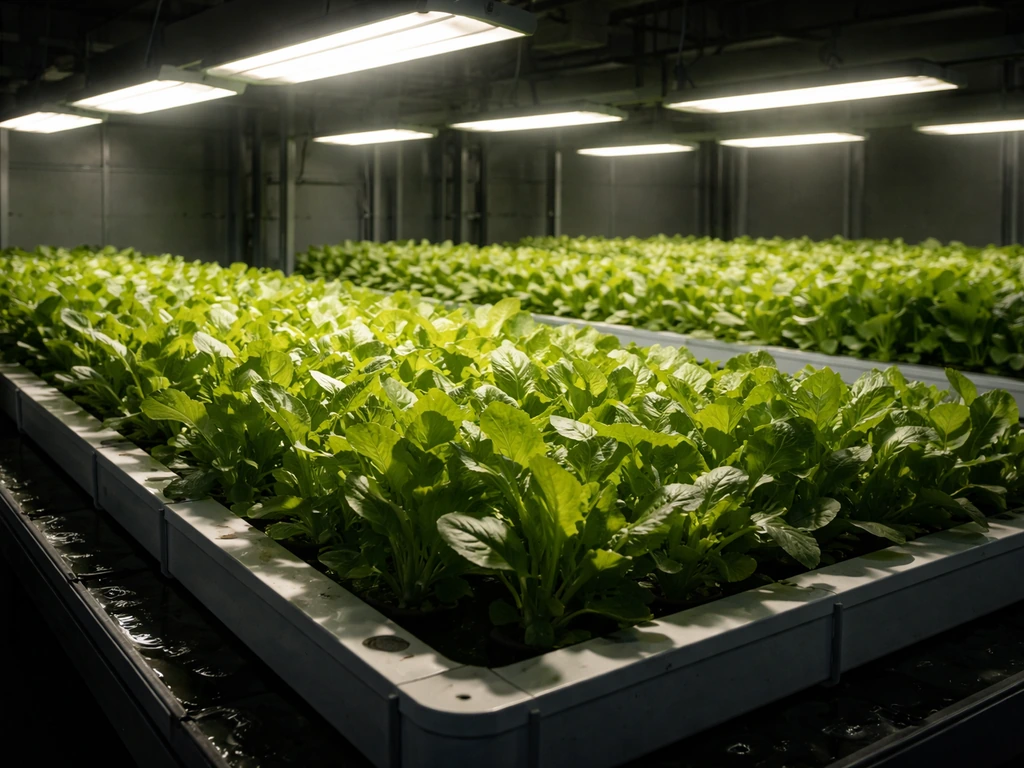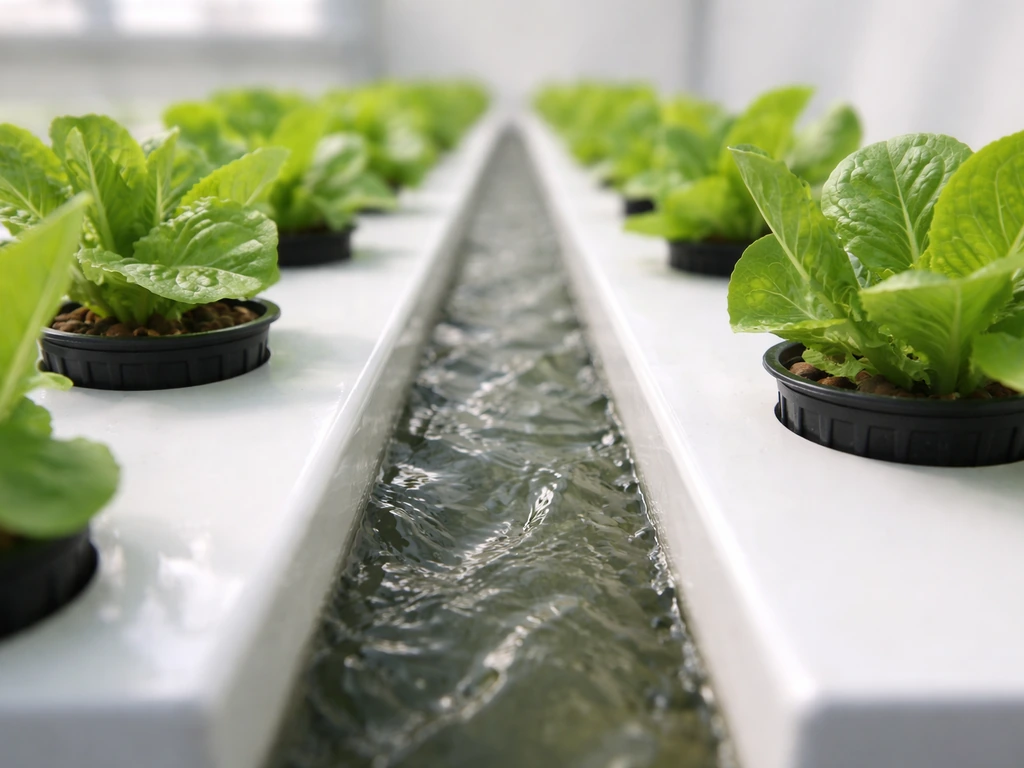
Rice is the single best crop to grow in RimWorld hydroponics. It cycles in about 1.98 days per harvest under a sun lamp at optimal temperature, produces a reliable stream of nutrition, and benefits most from the basin's 280% fertility boost. After rice, strawberries and potatoes are strong secondary choices, with healroot earning a dedicated basin or two for medical needs. Everything else is situational depending on your playstyle, biome, and what DLC you're running.
What to Grow in Hydroponics RimWorld: Best Crops

Marcus Holloway
22 May 2026
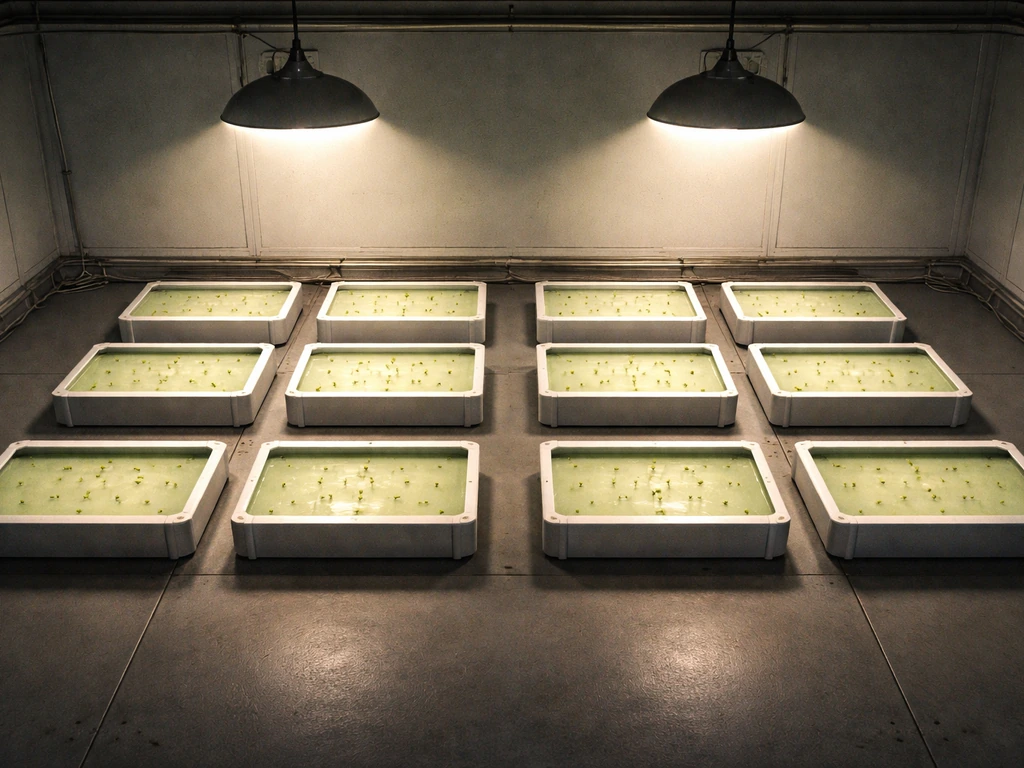
Best hydroponic crops for a dependable RimWorld playthrough
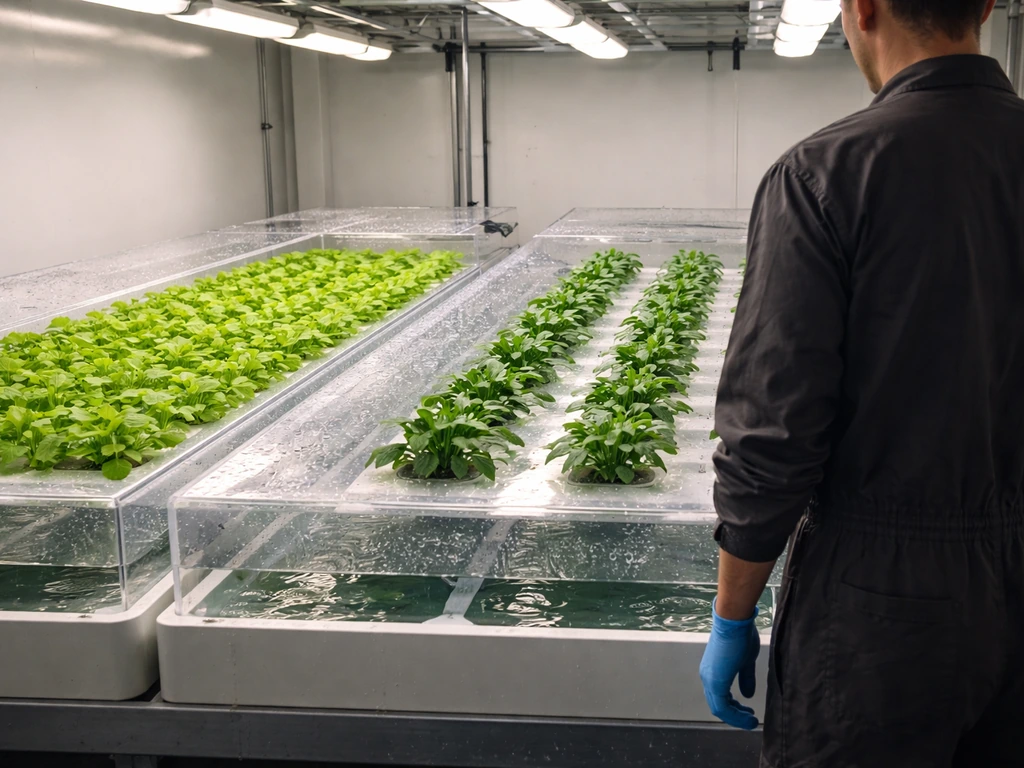
The 280% fertility bonus a hydroponics basin provides is enormous, but it only accelerates crops that can actually make use of the extra fertility. Fast-growing crops like rice see the biggest real-world time savings because their base grow time is already short, so the multiplier compounds into rapid harvest cycles. Slower crops still benefit, but the advantage is less dramatic relative to the setup cost.
Here are the crops worth putting in hydroponics basins, ranked by reliability and practical value:
- Rice: The gold standard. About 24 rice every 1.98 days per basin in ideal conditions. The game itself calls rice the fastest and most stable food crop, and hydroponics makes it even more so. This is your primary food source.
- Strawberries: Higher nutrition per harvest than rice, slightly longer cycle, but still fast enough to keep a colony fed. Good as a rice supplement or for variety.
- Potatoes: Slower than rice but higher yield per harvest. If you have extra basin space and want caloric density over harvest frequency, potatoes fill that role well.
- Healroot: Grow time around 4.61 days in hydroponics with a base yield of roughly 0.22 per plant per day. Dedicate one or two basins to healroot and you'll never scramble for herbal medicine again.
- Psychoid: Worth growing if you're producing flake or yayo for trade or recreation management. Decent yield and hydroponics keeps the cycle weather-independent.
- Smokeleaf: Similar logic to psychoid. If your colony uses joints for mood management, a dedicated basin beats relying on outdoor patches.
- Cotton: Only worth it in hydroponics if you genuinely can't spare outdoor growing space and need textiles. Outdoor cotton in good soil is usually more space-efficient.
- Nutrifungus (Anomaly DLC): A cave plant that dies in light, so it actually works in a powered-off or specially darkened basin setup. More on this in the crop-specific section below.
- Toxipotato: Grows on polluted ground in basins where other crops would die. Niche, but useful if your map has significant pollution problems.
Corn is conspicuously absent from the hydroponics basin's supported crop list in vanilla, which surprises new players. You can't plant corn in a basin, so don't plan around it for indoor food production. Corn is listed on the Corn page with its maturity benchmarks for normal soil, including days to start rot and the base yield and maturity numbers.
Choosing crops based on biome, season, temperature, and light
The whole point of hydroponics in RimWorld is to escape the outdoor growing calendar. But the system doesn't run itself, and your biome and base design still affect what's practical to grow.
Cold biomes and year-round production
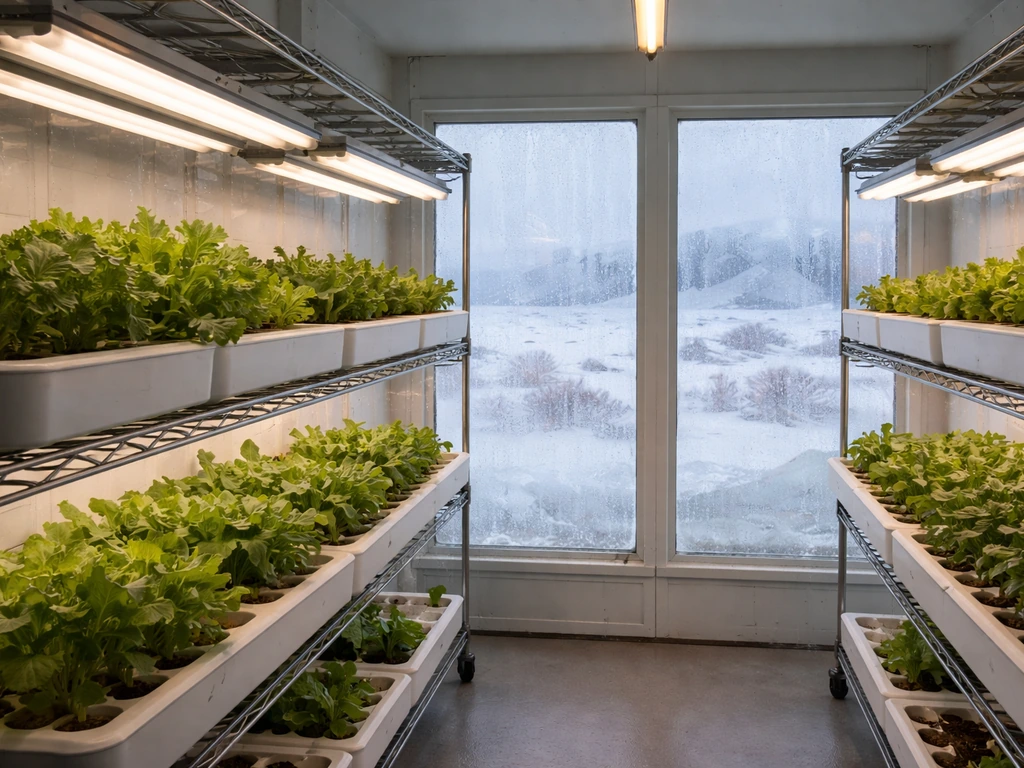
In tundra, ice sheets, or any map with long frozen seasons, hydroponics isn't just convenient, it's mandatory for food security. Outdoor growing stops entirely when temperatures drop, so an indoor hydroponic room with heaters becomes your only reliable calorie source.
The Rim World Wiki's hydroponics basin guide page notes that hydroponics supports indoor, weather-independent crop growth and frames the setup around space and power needs for a reliable food source indoor hydroponic room with heaters becomes your only reliable calorie source. In these biomes, rice is your priority crop because its fast cycle means any power disruption has a shorter window to wipe your whole food stock.
If you want a quick shortlist beyond your basin setup, check rimworld best food to grow in hydroponics as a related comparison point for what to prioritize. Diversify into potatoes as a buffer once your rice production is stable.
Temperate and desert biomes
In milder biomes, hydroponics is a supplement rather than a lifeline. You can grow staples outdoors during the warm months and use a smaller indoor hydroponic room to keep production running through winter. Desert biomes add a wrinkle: heat. Your grow room temperature needs to stay in the optimal range for whatever crop you're growing, and in a hot biome you'll need coolers instead of just heaters. The power load adds up fast in deserts, so keep your basin count lean and prioritize rice for nutrition per watt.
The light requirement is non-negotiable
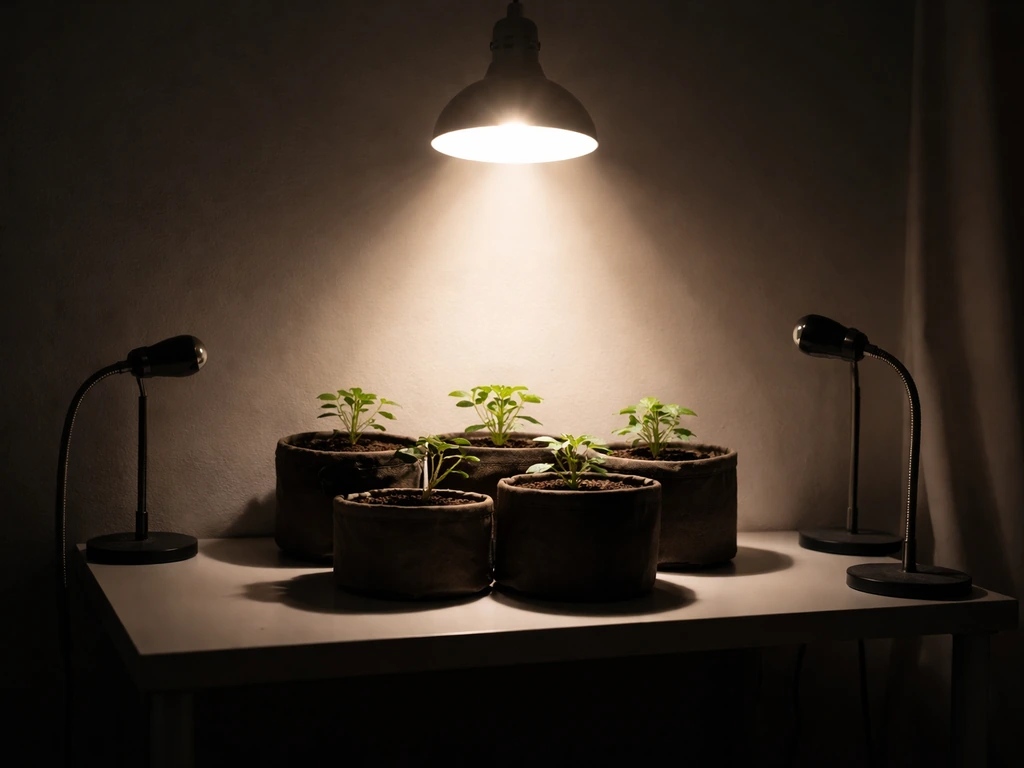
Plants need at least 51% light to grow. Standing lamps cap out at 50%, which means they literally cannot support crop growth, no matter how many you place. You need a sun lamp. One sun lamp covers a fixed radius, and you should tile your basins to sit within that lit area. The sun lamp turns off at night, but since basins are indoors and the growth rate calculates across day and night cycles, the effective grow time already accounts for those rest hours. That 1.98-day rice cycle assumes normal day/night behavior, so don't panic when you see plants sitting dormant at night.
What hydroponics actually requires: nutrients, medium, and setup basics
A hydroponics basin in RimWorld is an abstraction of real-world systems. The basin handles the growing medium and nutrient delivery automatically, so you don't manually add nutrients or adjust pH the way you would in a real deep water culture or NFT setup. If you want to grow clones hydroponically, focus on clean cuttings, stable nutrient delivery, and consistent lighting manually add nutrients. What you do have to manage is the infrastructure around the basin.
- Power: Each basin draws 70W continuously, day and night. This isn't a small draw when you're running 10 or 20 basins plus a sun lamp and temperature control. Size your power grid before you build your grow room, not after.
- Sun lamp: Required for indoor growing. Place it centrally and arrange basins within its illumination radius. No sun lamp means no growth.
- Temperature control: Roofed rooms block outdoor temperature exchange. Use heaters in cold biomes and coolers in hot ones to keep the room within the crop's growth range. Temperature that's too low or too high slows growth or kills plants outright.
- Roof: Basins need to be under a mostly complete roof for indoor use. This is what triggers the need for artificial lighting.
- Colonist assignment: Someone with a Plants work type needs to be assigned to sowing and harvesting. Basins default to rice if you haven't set a plant type, which is fine for most colonies.
- Cleanliness: Basins register as -3 cleanliness on their tile. In a sterile medical room this would be a problem, but a dedicated grow room just needs to be kept separate from patient areas.
One thing hydroponics basins don't require that outdoor growing does: rain. Plants in basins are completely unaffected by drought. That reliability is a major reason to invest in hydroponics even in biomes where outdoor growing is technically possible.
Designing your grow room for continuous production
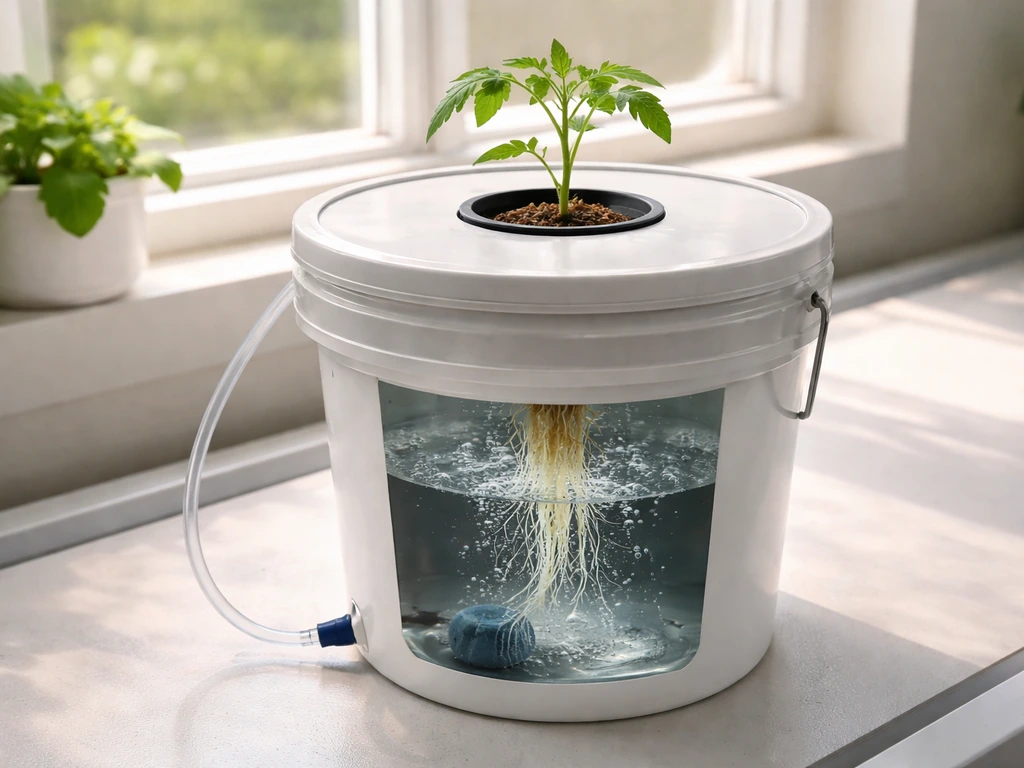
The goal of a well-designed hydroponic grow room is staggered harvests rather than a single big batch every two days. For the real-world question of what is the best container to grow tomatoes hydroponically, the answer depends on whether you want deep, steady roots or faster nutrient circulation. If all your basins cycle at the same time, your colonists have a harvest rush followed by a dead period, and your food supply spikes and dips instead of flowing steadily.
Layout and spacing
A standard efficient layout places one sun lamp in the center of a roofed room and surrounds it with as many basins as fit within the lamp's illumination area. The exact number depends on how you tile them, but aim to fill the lit zone without wasting space on tiles that sit in shadow. Leave walkways for your colonists to reach every basin without pathing issues, or harvests will queue up and rot while pawns reroute.
Staggering harvests
To stagger production, plant basins in small groups on different days. If you have 12 basins and rice cycles in roughly 2 days, planting groups of 4 basins one day apart gives you a harvest roughly every 16 hours instead of every 2 days. In practice, you achieve this by sowing groups manually during initial setup. Once the cycle is running, it self-perpetuates as long as colonists re-sow promptly after each harvest.
How many basins do you actually need
A single basin in a perfect rice operation produces roughly 0.61 raw nutrition per day. An adult colonist needs about 1.6 nutrition per day. That means you need around 3 basins per colonist just to break even on food, and that's assuming perfect conditions. Build for 4 to 5 basins per colonist to account for downtime, power cuts, and the occasional blight. For a colony of 10, that's 40 to 50 basins, which is a significant power and space investment, but entirely achievable.
Power redundancy
Power cuts kill plants. A solar flare can shut down your entire grid, and blank" rel="noopener noreferrer">while plants won't die instantly, they will die if the outage lasts long enough. Build a backup battery bank connected to your grow room circuit, and consider a dedicated generator on a separate conduit that powers only the basins and temperature control during emergencies. This is one area where the investment pays for itself the first time a raid knocks out your main power.
Common hydroponics problems and how to fix them
Most hydroponics failures in RimWorld come down to a small number of recurring issues. Here's how to diagnose and fix each one.
| Problem | Root Cause | Fix |
|---|---|---|
| Plants not growing | Sun lamp off (nighttime) or missing, temperature out of range, power cut to basin | Check lamp is placed and powered; verify room temp is in crop's growth range; inspect power grid |
| Plants dying suddenly | Power loss to basins (70W draw interrupted), toxic fallout or pollution exposure | Add battery backup; move basins off polluted ground or switch to toxipotato/psychoid on polluted tiles |
| Very slow growth | Temperature too cold or too hot, light level below 51%, fertility reduced by pollution | Add heaters or coolers; confirm basins are inside sun lamp radius; avoid polluted ground |
| Low yields per harvest | Colonist harvesting too late (plant starts decaying), wrong crop for your nutrition goals | Assign dedicated plant workers; switch to rice for volume, strawberries for nutrition density |
| Harvests piling up / rotting | No refrigerated storage near grow room, all basins cycling at once | Build a cooled stockpile adjacent to the grow room; stagger planting dates across basin groups |
| Blight wiping out crops | All same crop type in one room, no diversity | Split crops across multiple rooms or mix crop types; nutrifungus is blight-immune if darkness req. is met |
| Colonists not sowing after harvest | No colonist with Plants work enabled, restricted zone access | Check work tab and zone assignments; hydroponics rooms should be accessible to your grower pawns |
One problem players don't always notice right away: basins can't be uninstalled, only deconstructed. If you place basins in the wrong position relative to your sun lamp and they're sitting in shadow, you lose the materials when you correct the layout. Always place your sun lamp first, then tile basins inside the lit zone.
Crop-specific tips for your top hydroponic choices
Rice
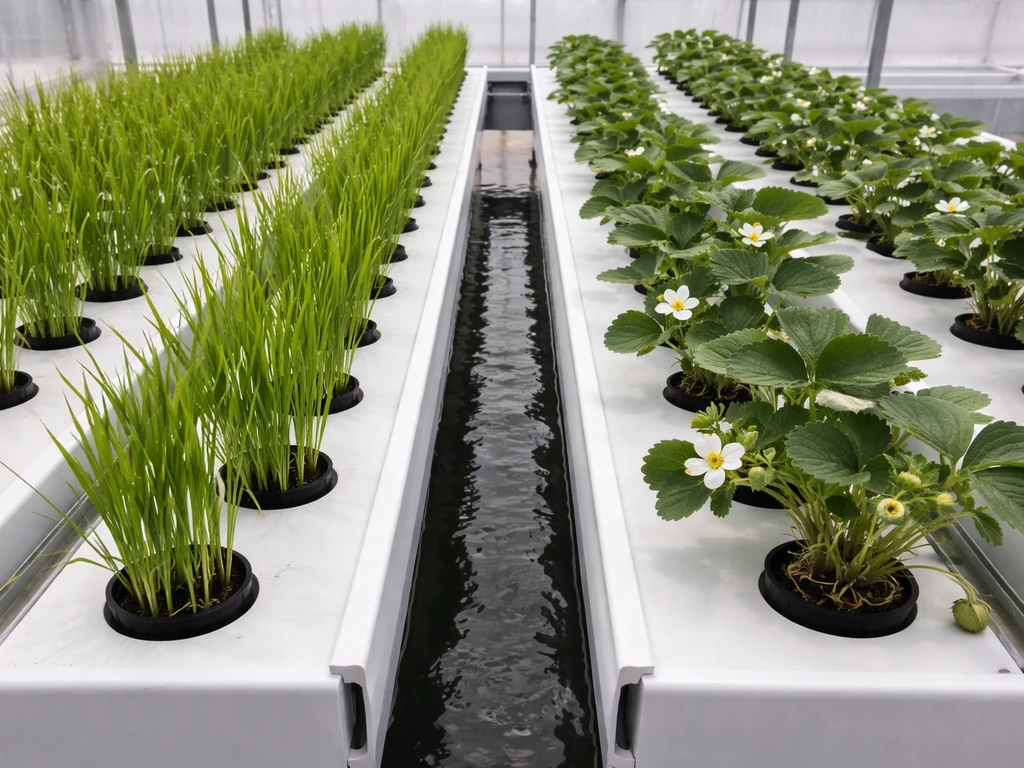
Rice is your workhorse. The ~1.98-day cycle in hydroponics means errors are recoverable fast: if a power cut kills a batch, you're back to full production in 2 days rather than waiting weeks. Set basins to rice by default, assign a dedicated grower with high Plants skill to keep sow-to-harvest time tight, and store output in a cooled room to prevent spoilage. At roughly 24 rice per basin per 1.98-day cycle, a 12-basin room produces around 144 rice every two days, which is a solid food base for a mid-size colony.
Strawberries
Strawberries have a longer cycle than rice but pack more nutrition per harvest. Use them to supplement rice rather than replace it. Two or three strawberry basins per sun lamp zone alongside your rice basins smooths out caloric intake and adds variety, which can contribute to colonist mood if you're cooking fine or lavish meals.
Healroot
With a grow time of about 4.61 days in hydroponics and a low yield per plant per day (around 0.22), healroot isn't efficient for nutrition. Its value is entirely medical. Two dedicated basins keep a steady supply of herbal medicine coming without competing with outdoor growing zones. Keep healroot basins in a separate, clean room if possible since the -3 cleanliness from basins matters more in or near medical areas.
Psychoid and smokeleaf
These are trade and recreation crops. Dedicate 2 to 4 basins per drug type if you're running a drug production economy, and schedule harvests to align with your drug lab's processing capacity. Don't flood your colonists with product faster than it can be processed into finished goods, or raw plant material will pile up and rot.
Nutrifungus (Anomaly DLC)
Nutrifungus is the oddball crop that requires complete darkness to survive. It will die if exposed to standard lighting, including sun lamps. To grow it in hydroponics, you need basins in a separate, fully dark room with no sun lamp and a special cave-plant light source for colonist pathing. The payoff is meaningful: nutrifungus is immune to blights, which makes it a reliable backup food source precisely when everything else is failing. If you're running the Anomaly DLC, keeping a dark hydroponic room with nutrifungus basins as a blight-proof reserve is smart colony planning.
Toxipotato
Most crops die rapidly if basins are placed on polluted ground. Toxipotato and psychoid are the exceptions. If your base is dealing with pollution spread and you can't avoid placing basins on affected tiles, toxipotato keeps those basins productive. The nutrition quality is lower than potato, but it beats dead basins.
Hydroponics vs. soil in RimWorld: when to use which
Hydroponics isn't always better than soil. The choice depends on your situation, and the honest answer is that most successful mid-to-late game colonies use both.
| Factor | Hydroponics | Outdoor Soil |
|---|---|---|
| Fertility | 280% (huge acceleration) | Varies by tile, typically 60-100% on normal ground |
| Weather/drought | Completely immune | Drought slows or stops growth |
| Seasonal dependence | Year-round production indoors | Limited to growing season in cold/arid biomes |
| Power dependency | Critical: 70W per basin, plants die without power | None |
| Setup cost | High: basins, sun lamp, temp control, wiring | Low: just a growing zone and sowing |
| Space efficiency | High nutrition per tile when optimized | Needs more land area for equivalent output |
| Blight risk | Same as soil unless using nutrifungus | Same |
| Pollution risk | Basins on polluted ground kill most crops | Polluted outdoor soil also limits options |
| Cleanliness | -3 per basin tile | No cleanliness penalty |
| Best for | Cold biomes, year-round security, small bases with limited land | Warm biomes, early game, large colonies with open land |
The case for hydroponics is strongest when your biome has a short growing season, your base footprint is constrained, or you want drought immunity and weather independence. The case against it is mostly about power: a grid failure that wipes your crop room is a food crisis, and in the early game you often don't have the infrastructure to prevent it. Build outdoor soil farms first, stabilize your power grid, then transition staple production indoors to hydroponics as your colony matures.
A practical hybrid approach: use 20 to 30 outdoor soil tiles per colonist for bulk calories during growing seasons, and maintain a compact indoor hydroponic room (10 to 15 basins) that runs year-round for baseline food security. This gives you redundancy: if a blight hits your outdoor crops, your indoor basins keep the colony fed while you replant. If your power goes down, your outdoor crops don't care. Neither system alone is as resilient as both together.
If you're comparing hydroponic systems more broadly, NFT-style setups in real growing share some of the same efficiency logic as RimWorld basins: high throughput, tight cycle times, and a hard dependency on the system staying online. The thinking you apply to planning continuous harvest schedules in-game translates surprisingly well to real hydroponic planning principles.
FAQ
Can I use normal standing lamps instead of a sun lamp for hydroponics?
No. Sun lamps are capped at 50% light output, so they cannot actually support crop growth in hydroponics. Also avoid assuming that stacking more lamps compensates, because the 50% cap still blocks growth. If you want consistent production, confirm you have a sun lamp covering each basin within its illuminated radius.
Where should I store hydroponic crops to avoid losing food?
Storing “raw” nutrition right after harvest is safest if you route it to a room with stable cold. If you leave rice or strawberries in a warm stockpile, spoilage can turn a good production setup into an emergency ration situation, especially during raids when colonists are busy. A dedicated cooled storage zone near the grow room reduces travel time and spoilage risk.
What goes wrong if all my hydroponic basins start at the same time?
Yes, you should plan for at least one staggered planting wave, not just “seed everything at once.” A simple mistake is putting all basins on the same sow date, which creates a feast-and-famine pattern (big harvest, then downtime). Plant in small groups on different days so colonists keep receiving food continuously between cycles.
Do I need to micromanage nutrients and pH when using hydroponics basins?
You do not need to hand-tune nutrients or pH for basin hydroponics, but you do need to manage infrastructure that affects survival and throughput. In practice, the most common bottlenecks are temperature control accuracy, sun lamp placement, and power continuity to the grow room circuit. If those are stable, crop cycles recover quickly after setbacks because rice and other fast crops re-sow efficiently.
If rice is best, why should I bother adding strawberries?
Rice usually beats every other option for reliability per harvest cycle, but treat it as your base load and use strawberries as a calorie smoothener rather than replacing rice entirely. Two to three strawberry basins per sun lamp zone alongside rice can stabilize nutrition intake if you get occasional slowdowns, while keeping your overall output consistent through winter or cold snaps.
How do I protect hydroponic food production from solar flares and power cuts?
Most food failures come from the room losing critical support longer than your crop cycle can tolerate, for example a power cut that lasts past the time plants can survive without delivery and temperature control. Prevent this with a backup battery bank connected to the grow room circuit, and consider isolating power for basins and temperature control so solar flares and raid damage do not take the entire room down.
What is the fastest way to diagnose why nothing is growing in my hydroponics room?
For troubleshooting, re-check sun lamp coverage first, then temperature, then access. A classic failure is basins sitting in shadow because the lamp was placed after the basins, and that situation cannot be corrected without deconstructing to regain space and materials. Ensure the lamp is placed first, then tile basins only within the lit area.
Can I place hydroponics basins on polluted ground, and which crops handle it best?
Basins placed on polluted tiles can become effectively non-productive, most noticeably in cases like psychoid and toxipotato where the game treats certain crops differently. If you cannot avoid polluted ground, toxipotato is the practical exception that keeps production running, even if nutrition quality is worse than potato.
Can I grow corn in hydroponics basins in RimWorld?
Avoid planning around corn for indoor hydroponics, because it is not supported in vanilla hydroponics basins. If you want a corn-like planning pattern, switch to a supported staple such as rice for fast cycle stability, or potatoes as a slower but viable supplement depending on your room size and power budget.
Should nutrifungus share the same grow room as rice and strawberries?
If you are running a mod or DLC that adds new mechanics to lighting and crops, nutrifungus is still a special case. It needs complete darkness to survive, meaning it cannot share a standard sun-lamp grow room. Plan it as a separate room with no sun lamp and dedicated lighting rules so a “blight reserve” does not accidentally die during normal operations.
How can I reduce delays between hydroponic harvests?
Your grower assignment matters because cycle consistency is driven by sow-to-harvest execution. If you see longer delays between harvests, assign a dedicated grower with high Plants skill and prioritize the grow task so workers do not get pulled into higher-priority chores. Rice’s short cycle makes recovery faster, but only if colonists resow promptly after harvest.
What hybrid plan should I use if I want both outdoor and hydroponic food security?
If you are balancing outdoor and hydroponic production, aim for redundancy rather than full replacement. A common approach is to keep a smaller indoor hydroponic core for year-round baseline food, while using outdoor soil for bulk calories during growing seasons. This way, blights hurt one system while the other keeps the colony fed, and power outages affect only the indoor supply.