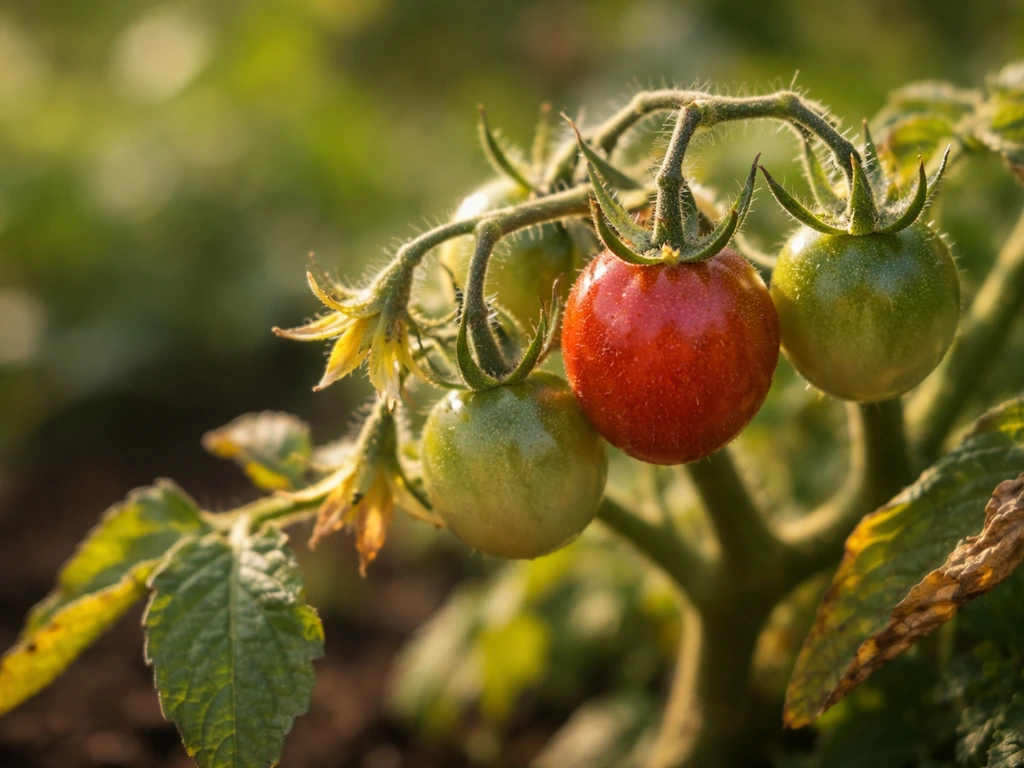
Yes, you can switch nutrients mid grow, and in many cases you should. Moving from a grow (veg) formula to a bloom formula as your plant enters flower is a normal, expected part of most feeding programs. Switching brands, changing ratios, or swapping products at other points in the cycle is trickier but absolutely doable without harming your plants, as long as you transition gradually, dial in pH and EC for the new formula, and watch for the warning signs covered below.
Can You Switch Nutrients Mid Grow Safely? Soil and Hydro Guide

Marcus Holloway
24 May 2026
What counts as switching nutrients mid grow
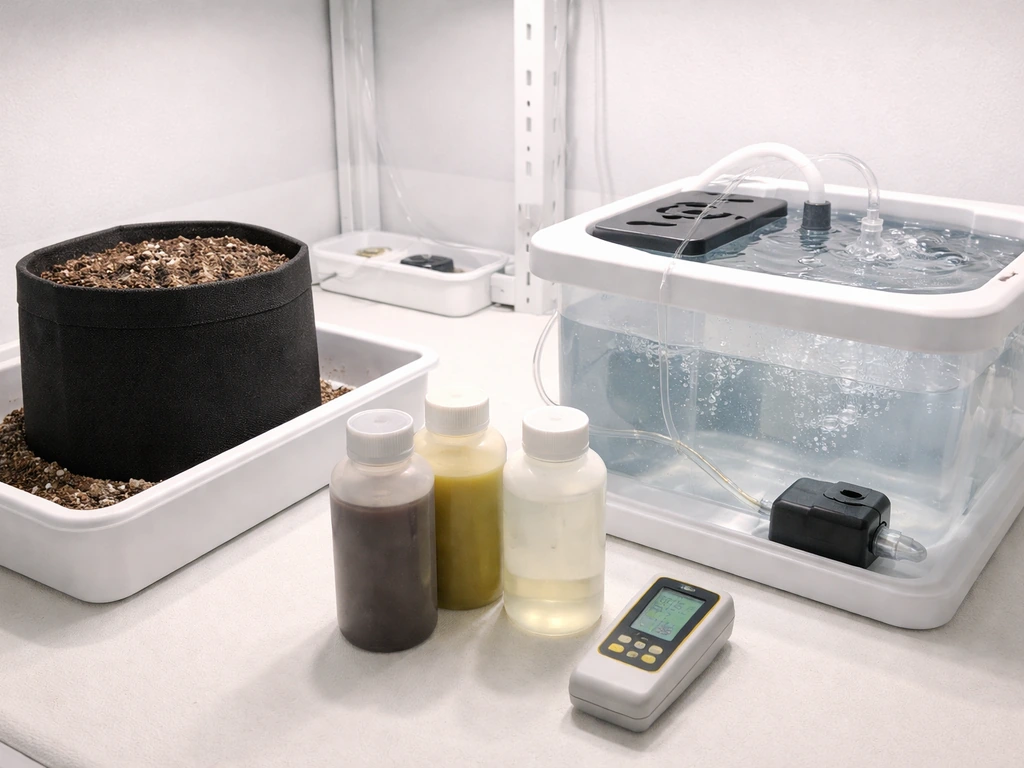
"Switching nutrients" can mean a few different things, and the risk level varies depending on which kind you're actually doing. Getting clear on this before you act will save you a lot of stress, both yours and your plant's.
- Stage-based switch: Moving from a veg/grow formula to a bloom formula as flowering begins. This is the most common switch and is designed into most nutrient lines. Every reputable brand expects you to do this.
- Brand or product line change: Swapping from one company's full nutrient system to another mid-cycle (e.g., switching from General Hydroponics FloraSeries to a Botanicare line halfway through veg). This carries the most risk because formulas are calibrated differently.
- Ratio or recipe change: Adjusting how much of each bottle you use within the same line, or swapping out individual components like a different cal-mag or PK booster.
- Concentration change: Ramping EC/PPM up or down, sometimes in response to deficiency, toxicity, or just moving into a new growth phase.
- Delivery method change: Switching from a liquid feed to a top-dress or dry amendment, or moving from hand-watering to a drip or recirculating system.
Why it matters: every switch changes the ratio of nutrients your plant receives and, often, the pH behavior of the solution in your medium. Get the transition wrong and you can trigger nutrient lockout, salt stress, or a deficiency that looks exactly like a toxicity until you test your runoff. Get it right and the plant barely notices.
Is it safe to switch at different growth stages
The short version: the earlier in the cycle you switch, the more recovery time the plant has. Late bloom is the riskiest time to make a big change. Bananas are typically harvested and at their best in the warmer, growing season, since they need consistent heat to form fruit warm, growing season. Here's how each stage breaks down.
Vegetative stage

This is the safest time to switch formulas or brands. Plants in veg are growing fast, have active root systems, and can recover quickly from minor stress. If you're going to swap product lines entirely, do it during veg, ideally at the start of a new watering cycle. Give the plant one or two plain waterings to flush residual salts before introducing the new formula at half strength.
Early to mid bloom
The planned veg-to-bloom switch happens right here, usually around the time you flip your light schedule or notice the first signs of flower sites forming. This is a normal, expected transition and most commercial feed programs are built around it with stage-specific week-by-week schedules. The key is to taper grow nutrients down while ramping bloom nutrients up over roughly one to two weeks rather than cutting cold and starting fresh overnight. Abrupt changes at this stage can stall flower development or trigger a mid-cycle deficiency just when the plant needs the most support.
Late bloom
Avoid major formula changes here unless you're troubleshooting an active problem. The root system's activity is slowing, the plant is focused on finishing rather than building new tissue, and its ability to adapt is limited. The main legitimate reason to change anything in late bloom is to strip back to a flush or light feed as you approach harvest. If you're already planning your outdoor harvest timing, the same logic applies: late-stage nutritional changes need to be gentle and targeted. As you plan your outdoor harvest timing, use the plant’s stage and the last two weeks of feeding as your guide for when to start dialing nutrients back.
Soil vs hydroponics: how each medium handles nutrient changes
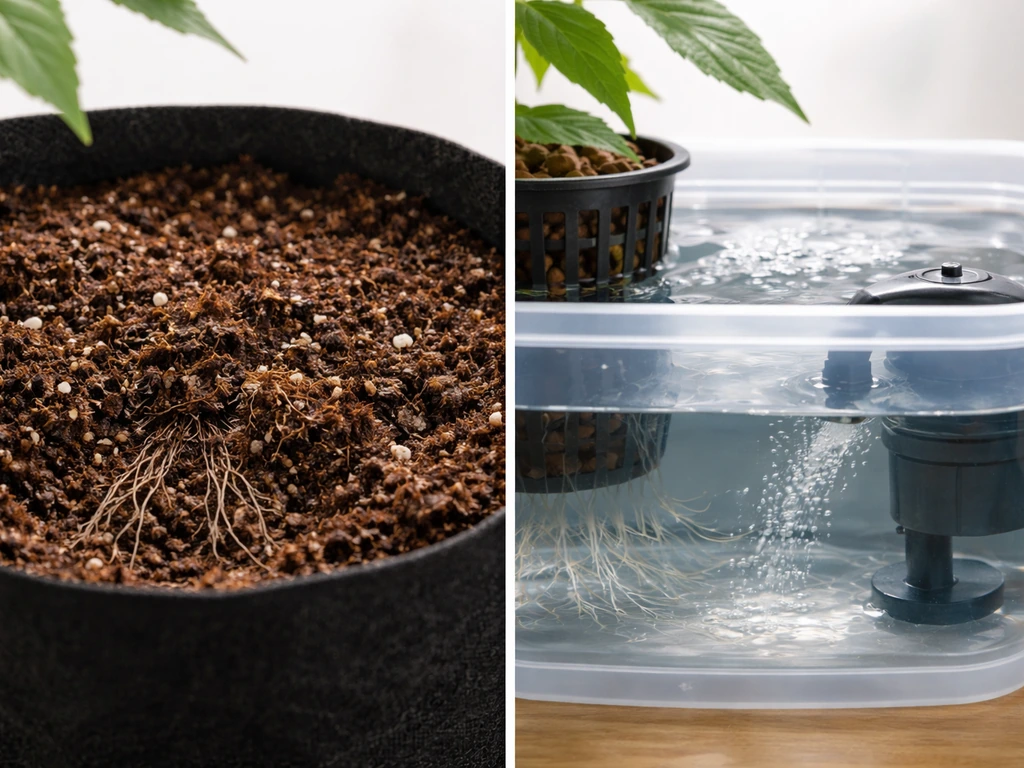
The medium you're growing in changes everything about how aggressive you can be with a mid-grow switch. Soil and hydroponics behave very differently when you change what you're feeding.
| Factor | Soil | Coco Coir | Hydroponics (DWC/RDWC) |
|---|---|---|---|
| Buffering capacity | High — soil chemistry absorbs sudden changes | Low — pre-buffered but not self-correcting | None — changes hit roots immediately |
| pH drift risk after switch | Low to moderate, changes are gradual | Moderate, especially with organic inputs | High, solution pH can swing within hours |
| EC/salt buildup risk | Moderate, salts accumulate in soil over time | Low if flushed regularly | Low in recirculating systems that are managed |
| How fast problems show | Slow — symptoms may lag 3–5 days | Medium — 1–3 days | Fast — symptoms within 24–48 hours |
| Recommended transition speed | Gradual over 2–3 waterings | Gradual over 1–2 waterings | Transition over one full reservoir change |
| Flush between switches? | Recommended but optional | Recommended | Yes, drain and refill with new formula |
Soil acts as a natural buffer. When you change your nutrient formula, soil chemistry partially absorbs the shock, meaning your roots don't see the full impact of the new formula right away. This is both a safety net and a trap: problems build slowly and can be hard to catch until they're serious. If salt buildup from the old formula is already high (soil EC in a standard 2:1 water-to-soil test above roughly 0.25 dS/m is a stress threshold), adding a new formula on top makes things worse.
Hydroponics has no buffer at all. The nutrient solution is the root environment, full stop. If you dump a new formula into a reservoir without adjusting pH and EC, the roots feel every bit of that change within hours. In hydroponics, UNH Extension cautions that correct pH matters for maximizing micronutrient uptake, and that fine-tuning pH can be difficult and expensive, especially when management is disrupted. Coco coir sits in between: it has been pre-buffered and rinsed at manufacturing, but once it's in your system it doesn't self-correct. Treat coco more like hydro than soil when it comes to transition speed and pH management.
One more gotcha with organic inputs: if you're using any organic-based media or amendments, microorganism activity in the root zone can make the actual pH and EC your roots experience quite different from what you're pouring in. Always test runoff, not just your input solution.
How to switch nutrients without stressing your plants
This is the practical core of the whole question. The transition approach below works for the veg-to-bloom switch and for brand changes. The timeline differs by medium, but the logic is the same: introduce the new formula at reduced strength, verify pH and EC, and ramp up only once the plant gives you a green light.
Step-by-step transition plan
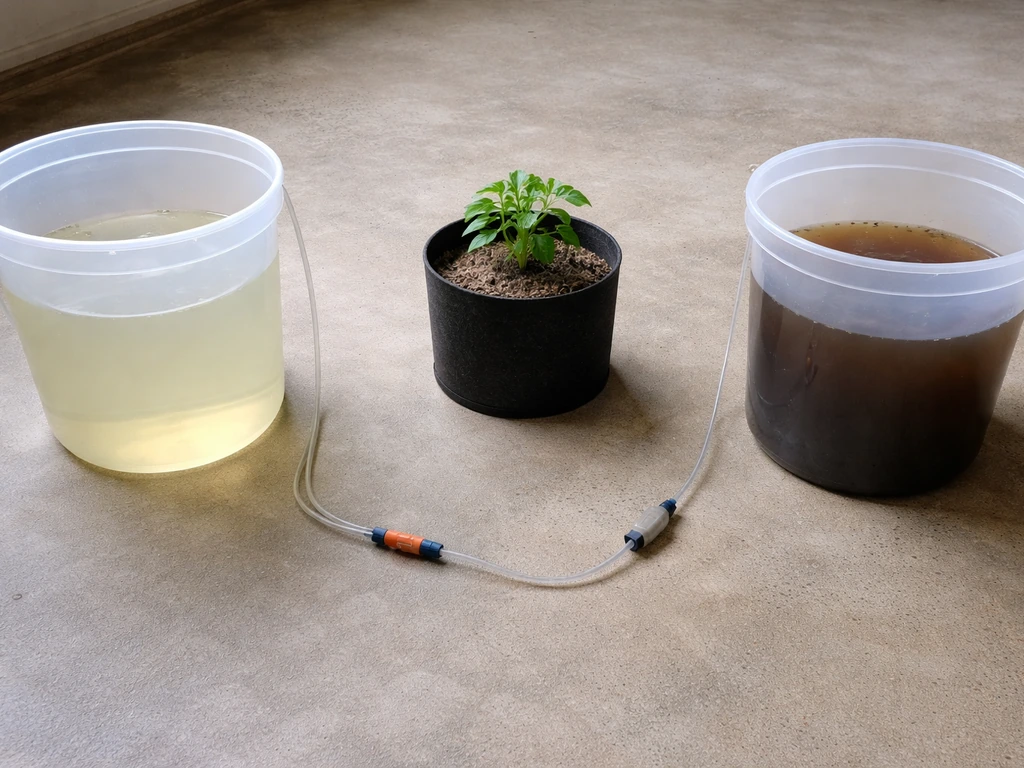
- Time it right: Start your switch at the beginning of a regular watering cycle, not mid-cycle. For soil, plan it so the medium has dried down slightly, giving you better uptake of the new feed. For hydro, pick a reservoir change day.
- Flush or plain water first (optional but recommended): Give one plain pH-adjusted watering or drain/refill with clean water before introducing the new formula. This clears residual salt from the old nutrients and gives you a clean baseline EC reading.
- Mix the new formula at 50–75% of the target strength: Whether you're switching brands or moving to a bloom formula, start light. Your plant needs to acclimate to a new nutrient profile, not get hit at full dose immediately.
- Mix concentrates in the right order: Never combine concentrated nutrient bottles directly. Add each concentrate separately to your water, stirring thoroughly between additions. Mixing concentrated Calcium and Micros together, or combining FloraSeries concentrates before diluting, can cause precipitation and clog lines.
- Adjust pH after mixing, not before: The nutrients will change your solution pH. Always add nutrients first, then pH up or down to hit your target range.
- Check EC and log it: Write down what your EC is before and after the switch. This is your reference point for the next few waterings.
- Feed at the new formula for two full waterings before ramping to full strength: Watch the plant's response. No yellowing, no curl, no spots? Step up to the full target dose on the third feeding.
- Check runoff pH and EC: For soil and coco, test the liquid coming out the bottom of the pot. Runoff EC more than 0.5 mS/cm above your input EC suggests salt buildup. Runoff pH outside your target range means the medium is drifting and needs corrective action.
For the specific veg-to-bloom transition, you don't necessarily need a flush day. Instead, overlap the two formulas: run your grow nutrients at 50% and your bloom nutrients at 50% for one or two feedings, then drop the grow formula entirely and bring bloom up to full strength. This mirrors how structured commercial feed programs handle the transition, and it avoids the sudden phosphorus and potassium spike that can come from going full-bloom overnight.
Getting pH and EC right for your new formula
Matching pH and EC to both the new formula and your medium is not optional. This is where most mid-grow switch problems actually originate: the nutrients themselves are fine, but the pH is off and the plant can't access them.
pH targets by medium
| Medium | Input solution pH | Root zone target |
|---|---|---|
| Soil | 6.0–7.0 | 6.0–7.0 |
| Coco coir | 5.5–6.0 | 5.5–6.0 |
| Hydroponics (DWC/RDWC) | 5.5 (solution) | 6.0–6.5 (root zone) |
| Soilless / rockwool | 5.0–6.0 (solution ~5.5) | 6.0–6.5 |
For hydroponic systems, the standard approach is to target your nutrient solution pH around 5.5, which maintains the root zone environment in the slightly higher 6.0 to 6.5 range where most micronutrients are available. pH drifts as plants uptake nutrients, so check it daily in active reservoirs and after any formula change. Cornell Cooperative Extension's coco coir guidance targets EC of 1.0 to 1.5 mS/cm for early vegetative growth, stepping up by stage. That kind of stage-specific target is what you want to follow for any structured transition.
EC and PPM guidance

EC (measured in mS/cm or dS/m) and PPM are two ways to measure the total dissolved solids in your solution. Your meter will read one or both. PPM is roughly EC x 500 (on the 500 scale) or EC x 700 (on the 700 scale), so make sure you know which scale your meter uses before comparing numbers to a feed chart. A general guide by stage for cannabis and most high-demand crops:
| Growth Stage | Target EC (mS/cm) | Approx PPM (500 scale) |
|---|---|---|
| Early veg | 0.8–1.2 | 400–600 |
| Late veg | 1.2–1.6 | 600–800 |
| Early bloom | 1.4–1.8 | 700–900 |
| Mid bloom | 1.6–2.2 | 800–1100 |
| Late bloom / ripening | 1.0–1.4 | 500–700 |
| Flush | < 0.5 | < 250 |
When you switch formulas, your EC target doesn't necessarily change, but your runoff EC will tell you whether salt is accumulating. If runoff EC keeps climbing above your input EC by more than 0.5, you've got buildup and need to flush before continuing with the new formula. In hydroponic systems, watch for EC to drop as plants uptake nutrients between top-offs, which is normal. An EC drop after a formula change just means the plant is feeding. A rising EC when nothing changed suggests the plant stopped drinking, which is a stress signal.
Calibrate your meters before you do anything else
Before you trust any pH or EC reading during a mid-grow switch, calibrate your meters. For pH pens, use a pH 7 buffer solution for a single-point calibration, or do a two-point calibration with pH 4 and pH 7 buffers for better accuracy. EC meters should be calibrated against a known reference solution. Choose meters that report EC in mS/cm for consistency with feed chart targets. Bad meter readings are one of the most common reasons growers think their formula switch caused a problem when the actual culprit is an inaccurate reading that led to a pH mistake.
Signs you switched too hard: what to look for

Even with a careful transition, things can go sideways. Here's how to read what the plant is telling you and distinguish between the three most common post-switch problems.
Nutrient deficiency
Deficiency shows as yellowing, usually starting in specific leaf positions that tell you which element is short. Nitrogen deficiency (yellowing from the bottom up on older leaves) is common after a veg-to-bloom switch if you drop nitrogen too fast. Calcium and magnesium deficiency (interveinal yellowing, brown spots on newer leaves) often appears after a brand switch if the new formula's cal-mag ratios don't match what the plant was used to. Deficiency after a switch is usually a pH problem first: the nutrient is probably in the solution but the plant can't absorb it because pH is off.
Nutrient toxicity (burn)
Toxicity looks like brown, crispy leaf tips and edges, often with a slight claw (leaves curling down). This is the plant telling you EC is too high. It's common if you switch to a new formula at full dose without reducing strength first, or if you've been accumulating salts in soil and then added more. Check your input EC against the targets in the table above, and check runoff EC to confirm buildup. If runoff EC is high, flush before feeding the new formula.
Nutrient lockout
Lockout is the sneaky one. The nutrients are there, the EC looks fine, but the plant is showing deficiency symptoms across multiple elements at once. Almost always caused by pH being out of range. When you change formulas, especially if you mix two lines together or switch brands, the new combination can behave differently in your medium and push pH outside the window where nutrients are soluble. In hydro, incompatible concentrated solutions can also cause precipitation, which physically removes nutrients from the solution before your plant ever sees them. This is why you never combine concentrates directly: always add each bottle separately to the reservoir water.
Root problems
Salt buildup from improperly managed switches can damage root tips, reducing the plant's ability to absorb anything, even if your solution chemistry is perfect. In hydro, look for brown, slimy, or stunted roots. In soil and coco, check drainage: if water is running slow through a previously healthy pot, salt deposits may be compressing or damaging the root zone. A proper flush followed by a clean re-introduction of the new formula at low EC is the fix.
Troubleshooting and recovery if the switch already went wrong
If you've already made the switch and the plant is reacting badly, don't panic and don't immediately pile on more nutrients. Here's a clear recovery sequence.
- Stop feeding and assess first: Before you do anything, test your input solution pH and EC, and test your runoff pH and EC. Write both numbers down. This tells you whether you're dealing with a pH problem, a salt buildup problem, or both.
- If pH is off: Correct your pH and give one plain pH-adjusted watering to help the medium move back toward the right range. In hydro, adjust the reservoir pH and check it again in 12 hours. In soil, it takes one to three waterings to shift the root zone meaningfully.
- If EC is too high (salt buildup): Flush with pH-adjusted plain water at about two to three times the pot volume (soil/coco) or drain and refill the reservoir with clean water (hydro). Then reintroduce the new formula at 50% target EC.
- If showing multi-element deficiency (lockout): This usually means both pH is off and there may be precipitation or salt interaction in the root zone. Flush first, then reintroduce the formula at reduced strength after correcting pH. Recalibrate your pH meter before you try to dial it back in.
- Give it 48–72 hours before judging recovery: Soil plants especially show slow symptom changes. Don't stack more corrections on top of corrections. Make one change, wait two full days, then re-evaluate.
- If symptoms persist after pH and EC are correct: Consider whether the new formula is actually missing something the old one had. Check the formula's label against what the plant showed before and after the switch. Targeted supplements (cal-mag, iron chelate) can address specific gaps without requiring a full formula re-swap.
- Document everything going forward: Keep a grow log with input pH, input EC, runoff pH, and runoff EC for every watering. This gives you a diagnostic trail if problems come back and saves you from guessing which change caused what.
Quick decision checklist: should you switch now?
Run through these questions before making any mid-grow nutrient change. If you answer yes to most of them, you're in a good position to switch. If you're hitting several nos, wait or address the underlying condition first.
- Is the plant currently healthy with no active deficiency, toxicity, or stress symptoms?
- Do you know the current input pH and EC, and are both in range for your medium?
- Have you checked and calibrated your pH and EC meters recently?
- Is the new formula appropriate for the current growth stage (or is this a planned veg-to-bloom transition)?
- Are you prepared to introduce the new formula at 50–75% strength rather than full dose?
- Do you have plain pH-adjusted water available for a flush if things go sideways?
- Are you switching at the start of a watering cycle rather than mid-cycle?
- If using hydro: are you prepared to drain and refill rather than just topping up with a different formula?
Switching nutrients mid grow is genuinely one of the more manageable things you'll do as a grower once you understand the mechanics. The planned veg-to-bloom switch is something you'll do every single cycle. The trickier brand or formula swaps just need a little more runway and a bit more attention to your meters. Take it slow, test your runoff, and let the plant tell you when it's settled into the new feed before you push the dose any higher.
FAQ
Can I mix two different nutrient brands together during the transition, or should I avoid combining them?
Yes, but only if you treat it like a two-step transition. First match pH and EC for the incoming formula, then taper each component (for example, keep the existing base nutrients while gradually blending in the new product at 25% to 50% for 1 to 2 feedings). Avoid switching one part (like bloom boosters) to full strength while the rest stays unchanged, because the sudden element spike can still trigger deficiency or toxicity even if the overall label “looks right.”
What should I do if I switched nutrients mid grow and the plant looks worse overnight?
If you already switched, the safest move is to pause dosing changes for 24 to 48 hours and evaluate pH, EC, and runoff trends before adding more nutrients. “Waiting” should not mean letting plants dry out, in hydro it usually means keep the reservoir at the correct pH range and only top off with the same water and feed strength. Then adjust based on whether runoff EC is rising (buildup) or pH is drifting (lockout risk).
Is it ever safe to switch nutrients in late flower or the last couple of weeks before harvest?
For most setups, avoid doing it during the final week or two of bloom unless you are specifically flushing to reduce salts. If you must change something late, keep the change narrow (for example, reduce overall EC or swap to a lower-potency bloom formula) rather than moving to a completely different feeding philosophy. Late-stage abrupt switches can stall development even when symptoms appear like “just a deficiency.”
My new nutrient label has a higher recommended EC, can I just follow it exactly after switching?
Not always, and this is a common mistake. Some feed charts assume a specific medium and watering pattern, so your best check is the difference between input EC and runoff EC after the first 1 to 2 feedings with the new nutrients. If runoff EC climbs steadily while input stays the same, you are accumulating salts and should flush or reduce dose rather than “chasing” plant color with higher strength.
If I need to flush because of salt buildup, should I also switch nutrients right after the flush?
Yes, but only with the right method. In soil, a plain-water flush can be useful when runoff EC is elevated, but a flush without then reintroducing the new nutrient at low strength can slow recovery. In hydro, flushing is less about rinsing and more about replacing the reservoir with correctly adjusted pH and EC, because the roots have no buffering medium. After a flush, ramp up over the next 1 to 3 feedings instead of resuming full dose immediately.
How soon after switching should I test runoff or reservoir pH and EC?
Measure runoff or solution chemistry at comparable times. For soil, test runoff after the pot has drained fully, not during the first seconds of dripping. For hydro, test reservoir pH and EC and also check how values change between top-offs. If you test runoff inconsistently, you might misdiagnose a pH or salt problem as “the nutrient switch caused it.”
What does “don’t combine concentrates directly” mean in practice, and how do I prevent precipitation?
Incompatible concentrates are a real risk. A practical rule is to never pour two concentrates directly into the same measuring cup or into the reservoir without first following the label instructions for separate dilution. Even if brands work fine alone, their combined concentrate chemistry can precipitate when diluted into hard water or at a certain pH. If you suspect precipitation, look for cloudiness, “flakes,” or sediment after mixing and discard, then remake using separate additions.
If I switch nutrients and see cal-mag-like symptoms, should I add more cal-mag immediately?
Yes, cal-mag needs can change based on medium and source water hardness. After a brand switch, watch for calcium deficiency patterns that show up as leaf edge issues or interveinal problems on newer growth, and confirm by checking pH behavior first. If pH is in range and the symptom pattern matches, adjust cal-mag gradually, because over-correcting can raise EC and create additional imbalance.
Why does pH seem fine after mixing, but my plant still shows lockout symptoms?
Yes, because pH drift can be influenced by medium biology and your water. If you are using coco or any biologically active inputs, assume the root-zone conditions may differ from the solution you mix. The decision aid is to rely on runoff readings (soil and coco) or solution daily pH checks (hydro) rather than only trusting the prepared nutrient mix.
Can I lower nutrient strength instead of changing the formula again?
Yes, you can reduce the dose safely even if the plant “looks hungry.” If the goal is to correct a suspected switch problem, start by lowering EC to around the lower end of your stage target (for example, drop to half strength) and re-check pH and runoff trends. If runoff EC is high, flushing and then feeding low is more effective than increasing dose, because the root issue is often salt or pH related rather than true nutrient shortage.