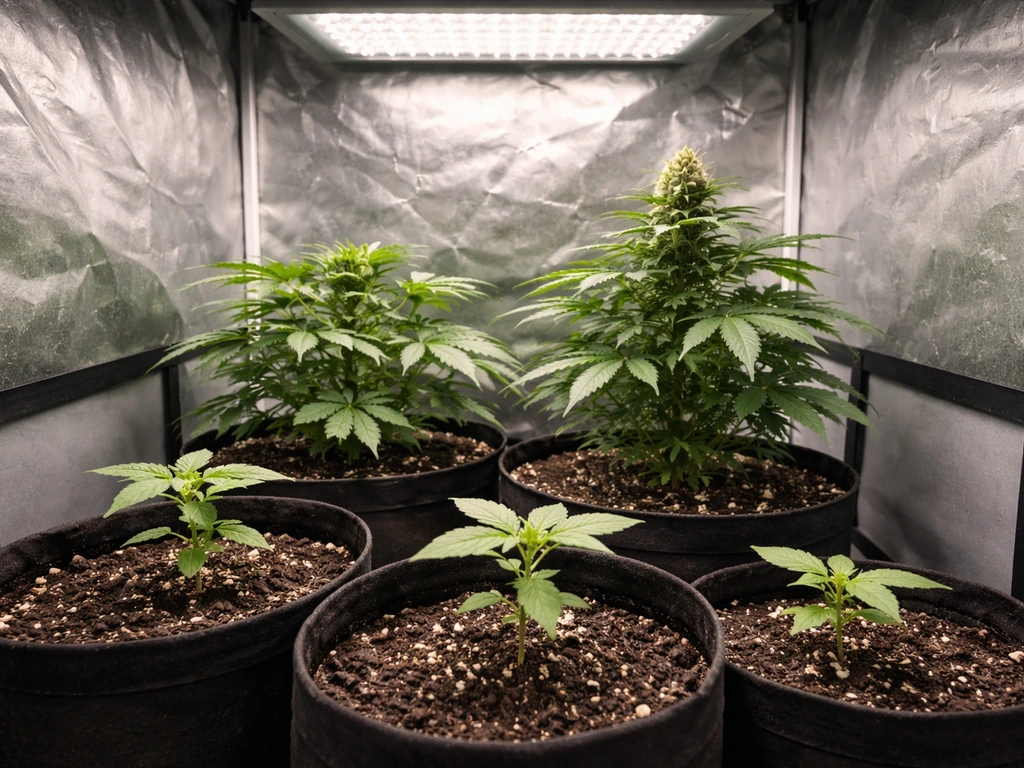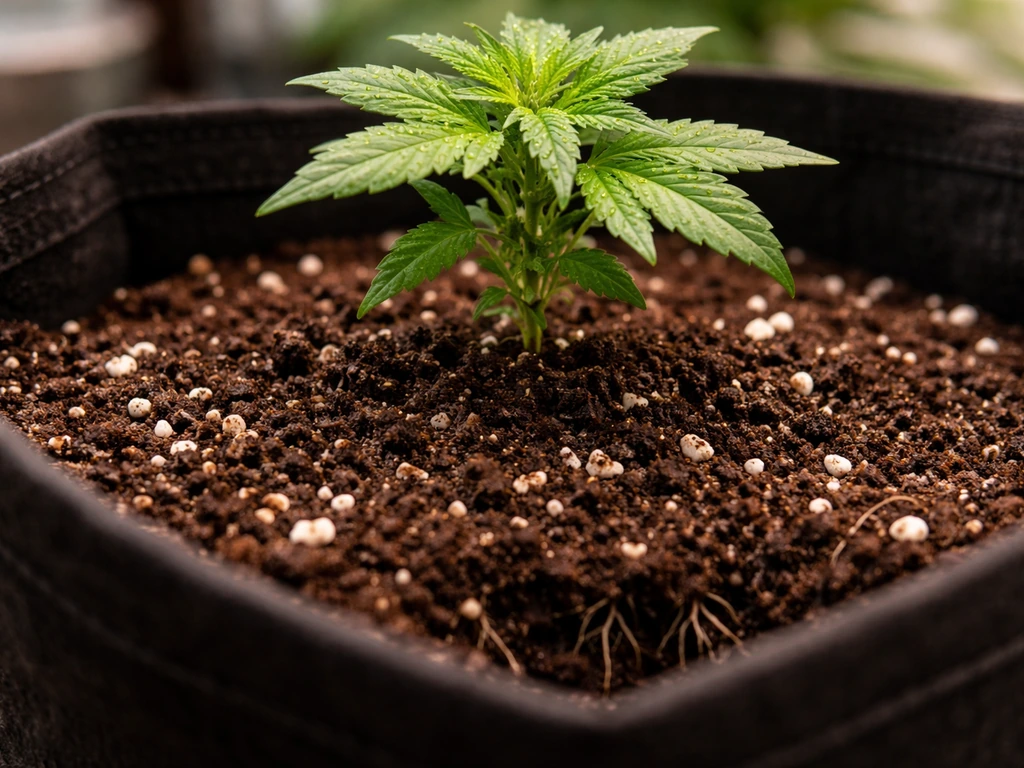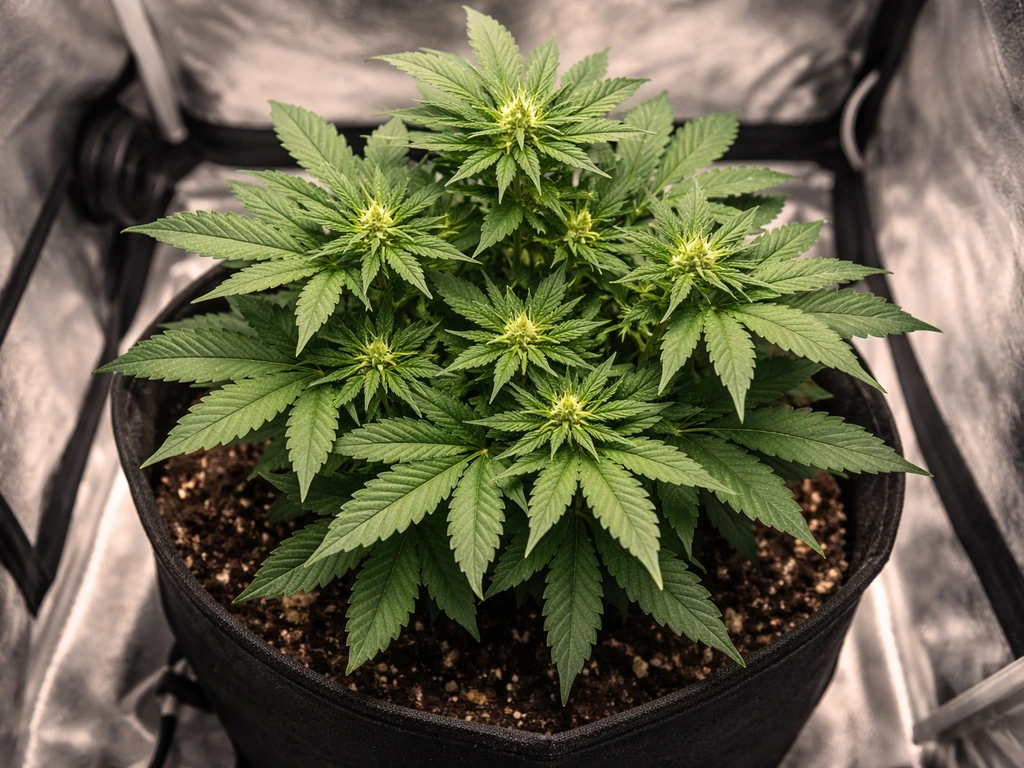
The best autoflower to grow right now depends on what you're optimizing for, but if I had to pick one strain for most home growers today, Pineapple Express Auto by Fast Buds hits the sweet spot: beginner-friendly, up to 20% THC, 400–550 g/m² indoors, and ready to harvest in 9–10 weeks from seed. That said, "best" means something different for a first-time soil grower in a 2x2 tent versus someone running a hydro setup chasing maximum yield. This guide walks you through how to pick the right auto for your situation, compares the top strains side by side, and gives you a practical week-by-week plan from seed to harvest.
Best Auto Flower to Grow: Top Strains and Grow Plan
Marcus Holloway
19 May 2026
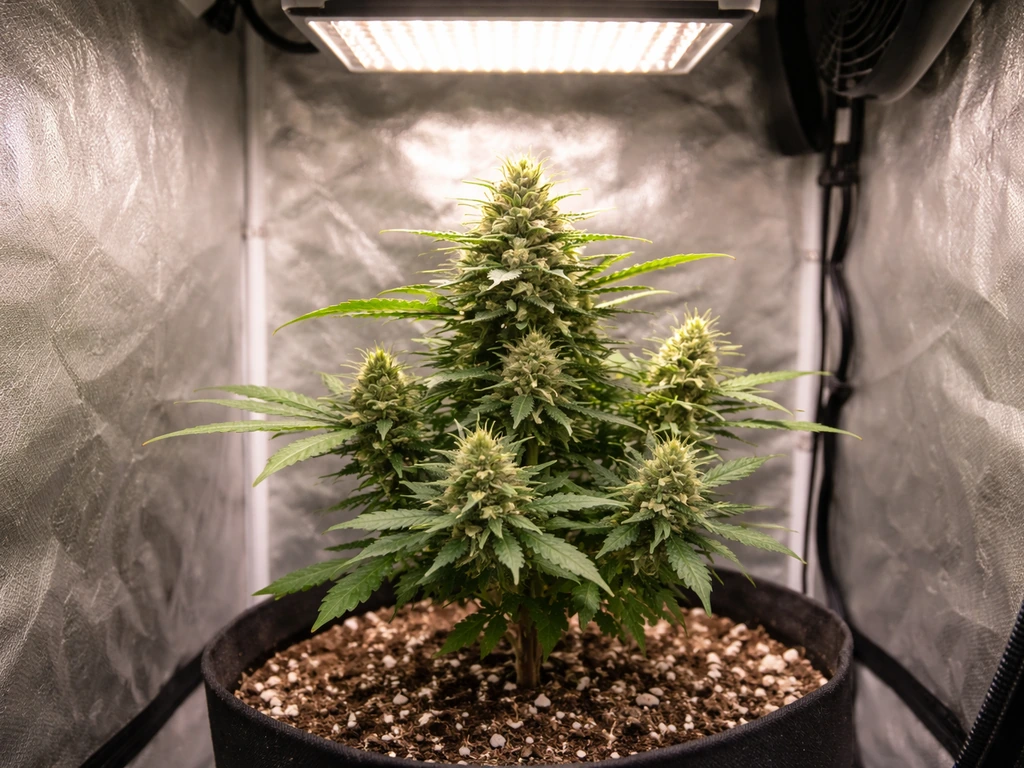
How to pick the "best" auto for your setup and goals

Before you buy seeds, get clear on what you actually need. Autoflower genetics have improved dramatically, but no single strain wins every category. The five questions that matter most are: How much space do you have? What's your experience level? Are you growing in soil or hydroponics? Do you prioritize speed, yield, potency, or flavor? And how forgiving does the strain need to be if something goes wrong?
Space is the most overlooked factor. Pineapple Express Auto from Fast Buds can stretch to 1.4 meters, which is impressive for an auto but a problem in a short cabinet. If you're working with limited vertical height, you want strains that stay under a meter or can be tamed with low-stress training. Container size also plays a role: Mephisto's Pink Panama, for example, stays compact in a small pot and stretches larger when given more root room, so you have real control over final height.
Experience level should shape your strain choice too. Beginners need genetics that tolerate pH swings, slight overwatering, and inconsistent feeding without immediately throwing deficiencies. Reputable breeders like Fast Buds, Royal Queen Seeds, Dutch Passion, and Mephisto publish strain data sheets with average life cycles, height ranges, and yield estimates. Use those specs as your shopping checklist, not just as marketing copy.
- Easiest to grow: stable genetics from established breeders, low nutrient sensitivity, forgiving of beginner mistakes
- Fastest harvest: look for seed-to-harvest times of 60–70 days; Pink Panama from Mephisto can finish in under 60 days from sprout
- Highest yield: aim for strains rated 400 g/m² or more indoors; optimize with hydro or coco for the upper end
- Strongest potency: 20%+ THC strains like Pineapple Express Auto and Triple G Automatic (Royal Queen Seeds)
- Best flavor or aroma: terpene-forward strains from boutique breeders; Mephisto's catalog is well-regarded here
- Height/space control: strains naturally under 100 cm, or any strain combined with early LST
Top autoflower strain picks for 2026
Here are five strains I'd confidently recommend today, each with a clear use case. These come from breeders with consistent genetics and real grow data behind their specs.
| Strain | Breeder | Seed-to-Harvest | Indoor Yield | THC | Height | Best For |
|---|---|---|---|---|---|---|
| Pineapple Express Auto | Fast Buds | 9–10 weeks | 400–550 g/m² | Up to 20% | Up to 1.4 m | Beginners wanting yield and potency |
| Pink Panama Auto | Mephisto Genetics | Under 60 days | 90–120 g/plant | Moderate-high | Container-dependent | Speed and stealth grows |
| Triple G Automatic | Royal Queen Seeds | ~10–11 weeks | High (dense buds) | High | Medium | Potency-focused intermediate growers |
| Auto SFV OG | Dutch Passion | 10–12 weeks | 450–500 g/m² | High | ~1 meter avg | Balanced yield and quality in soil or hydro |
| Royal Haze Automatic | Royal Queen Seeds | ~11–12 weeks | Moderate-high | Moderate | Tall | Sativa lovers with vertical space |
Pineapple Express Auto (Fast Buds)
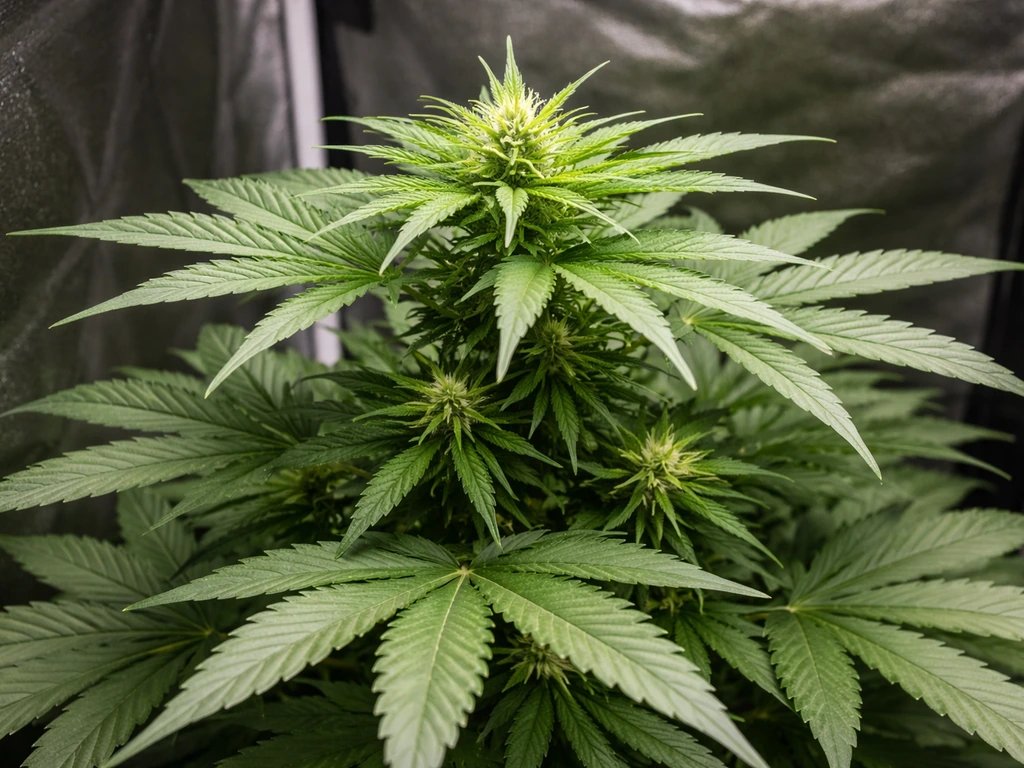
This is the go-to recommendation for most beginners. It's forgiving, grows vigorously, and delivers real results: up to 550 g/m² indoors and 20% THC in a 9–10 week window. The caveat is height. At up to 1.4 meters, it needs either vertical space or proactive LST starting around week 3. Dinafem's version of the same name runs slightly shorter at 90–130 cm with yields up to 600 g/m², so check which breeder's version you're ordering.
Pink Panama (Mephisto Genetics)
If speed is your priority, Pink Panama is hard to beat. Mephisto calls it their fastest strain from the 2019 Artisanal release, and growers regularly report finishing in under 60 days from sprout. Yield per plant is modest at 90–120 grams, but in a perpetual harvest setup or a stealth grow, that speed is the whole point. Pot size directly controls how large this plant gets, which makes it unusually predictable for space management.
Triple G Automatic (Royal Queen Seeds)
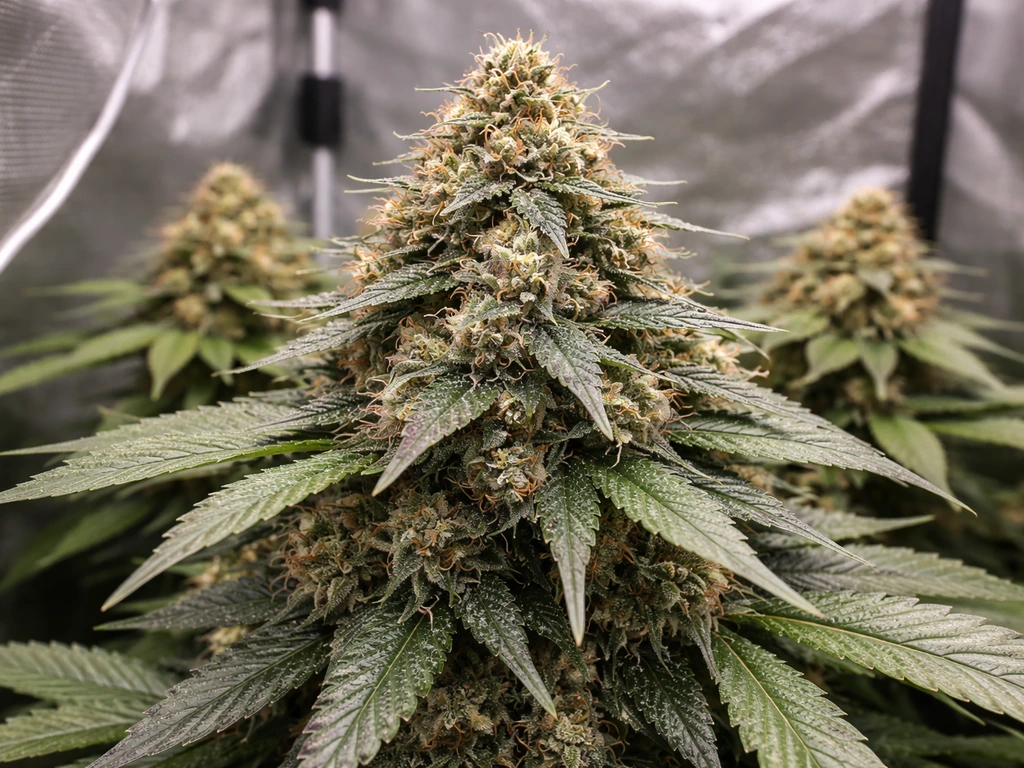
Triple G is for growers who want dense, potent buds and don't mind paying attention. The buds get heavy and tight, which means mold risk is real if humidity climbs above 50% in late flower. Royal Queen Seeds' own grow report recommends dropping humidity to 40% in the final weeks. It responds well to defoliation around week 10 to improve airflow into the canopy. Not the most forgiving auto for beginners, but the quality ceiling is high.
Auto SFV OG (Dutch Passion)
Auto SFV OG is a reliable workhorse that performs consistently in soil and hydro alike. Dutch Passion puts average yield at 450–500 g/m² indoors with a 10–12 week finish and an average height of around 1 meter. It's a solid pick for intermediate growers who want a high-quality OG experience without chasing cutting-edge genetics.
Soil vs. hydro: how the same auto performs in each medium
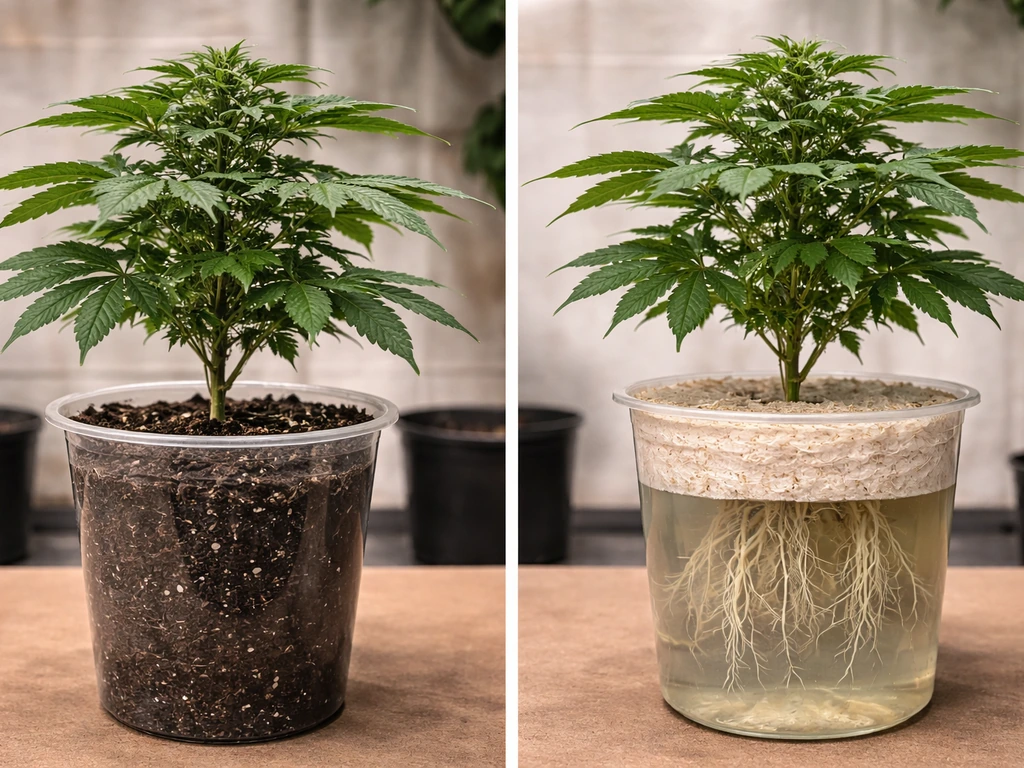
Here's the honest answer: autoflowers perform well in both soil and hydroponic setups, but how you manage them is different enough that you need to plan for your medium from day one. The same Pineapple Express Auto seed will likely finish faster and yield more in a dialed-in hydro or coco system, but it's also more sensitive to mistakes in those environments. Soil is more forgiving. Hydro is higher performance.
| Factor | Soil | Hydro / Coco |
|---|---|---|
| pH range | 6.0–7.0 (aim 6.2–6.8) | 5.5–6.5 (aim 5.8–6.2) |
| EC / feeding strength | Lower; amended soils may need little or no early feeding | EC 0.6–1.0 (seedling), up to 1.8–2.4 at peak bloom |
| Watering cadence | Water when top inch is dry; less frequent | Continuous or frequent irrigation; no dry-out periods in DWC |
| Mistake tolerance | High; soil buffers pH and nutrient swings | Low; problems show within 24–48 hours |
| Yield potential | Good (lower end of strain specs) | High (upper end of strain specs) |
| Setup cost | Low to moderate | Moderate to high |
| Best for | Beginners, outdoor grows, soil-specific strains | Intermediate to advanced growers, maximizing yield |
In coco or hydro, keep pH between 5.8 and 6.2 for most of the grow. During seedling stage, EC should stay low at around 0.6–1.0 mS/cm to avoid burning young roots. By weeks 4–6 of bloom, you can push EC toward 1.8–2.0 mS/cm. If pH drifts out of range, you'll see nutrient lockout symptoms fast: yellowing between leaf veins, purple stems, or overall slow growth. The fix is flushing with pH-correct water, then reintroducing nutrients at 50–75% of your previous strength.
In soil, a quality pre-amended mix (like a light warrior or organic blend) can carry your auto through the first 3–4 weeks without any additional feeding. This aligns perfectly with an auto's sensitive seedling stage, where overfeeding is one of the most common beginner mistakes. The soil-specific advice on choosing the right medium for your autoflower run is worth spending time on separately, since the mix you start in affects everything downstream.
Setup essentials for autoflowers
Light schedule
Autoflowers don't need a light schedule change to trigger flowering, which is their whole advantage. That said, more light generally means more growth and yield, up to a point. The most commonly used schedule is 18 hours on, 6 off (18/6), which balances energy cost with growth rate. Some growers run 20/4 or even 24/0, and the debate is ongoing: Zamnesia and others note that results vary by strain and setup, so there's no universal winner. I'd start at 18/6, then experiment with 20/4 if your plants look like they want more.
PPFD targets matter more than the schedule itself. Aim for 200–300 µmol/m²/s during seedling stage, 400–600 µmol/m²/s during veg, and 600–900 µmol/m²/s during flower. For seedlings specifically, DLI should stay around 10–15 mol/m²/day. Pushing PPFD too high too early is a common mistake: seedlings and young autos that get blasted with 800+ µmol/m²/s before they're established will show light stress symptoms like cupped or bleached leaves.
Containers
Autoflowers don't like transplanting. Their root systems establish quickly and disturbance during the transition to flowering can cost you yield. Start your seeds in their final container. For most auto strains, a 3-gallon (11 L) fabric pot works well. Larger strains like Pineapple Express Auto benefit from 5 gallons (19 L). Remember the Pink Panama lesson: smaller pot means smaller plant. If you want to control height, pot size is one of your tools.
Nutrients and feeding
Autoflowers are lighter feeders than photoperiod plants, especially early on. In weeks 1–3, if you're in a good soil, you may not need to add anything. From week 4 onward, start with nitrogen-forward nutrients at half the recommended dose and watch how the plant responds before increasing. As flowering starts around weeks 4–5, shift toward phosphorus and potassium. In the final 2–3 weeks before harvest, many growers flush with plain pH-correct water to clean out residual salts.
Watering
In soil, the finger-test is your most reliable tool: stick your finger an inch into the soil, and if it's dry, water thoroughly until runoff appears, then wait for it to dry again before the next watering. Overwatering is the single most common autoflower killer for beginners. In coco or hydro, you need more frequent irrigation to prevent salt buildup and keep the root zone oxygenated. Daily or multiple-times-daily feeds are normal in those mediums.
Training autos: what works and what to skip
Autoflowers have a short vegetative window, typically just 2–4 weeks before they start flowering based on age rather than light cycle. That compressed timeline changes the risk calculus on training techniques significantly. High-stress training methods like topping or FIMing can work, but the timing has to be precise and the plant has to recover before it locks into flower. A stunted auto won't produce big buds, and unlike a photoperiod plant, you can't extend the veg period to give it more recovery time.
Low-stress training (LST) is the recommended approach for most growers. It involves gently bending stems and tying them down to create a flatter canopy without cutting or removing tissue. There's no recovery time needed, and you can start as early as when the 4th or 5th node appears. BudTrainer and other training resources highlight this as the preferred method specifically because it doesn't require the plant to heal before moving into flower.
If you do want to top, the community is split on whether it's worth it with autos. The risk is real: if your timing is off by even a few days, the plant enters flower while still recovering from the cut, and yield suffers. If you try it, top above the 4th or 5th node, no later than week 3 from sprout, and only with a healthy, fast-growing plant. Defoliation in late veg or early flower (removing large fan leaves blocking bud sites) is lower-risk and worth doing to improve light penetration and airflow.
Seed-to-harvest grow plan: week-by-week overview
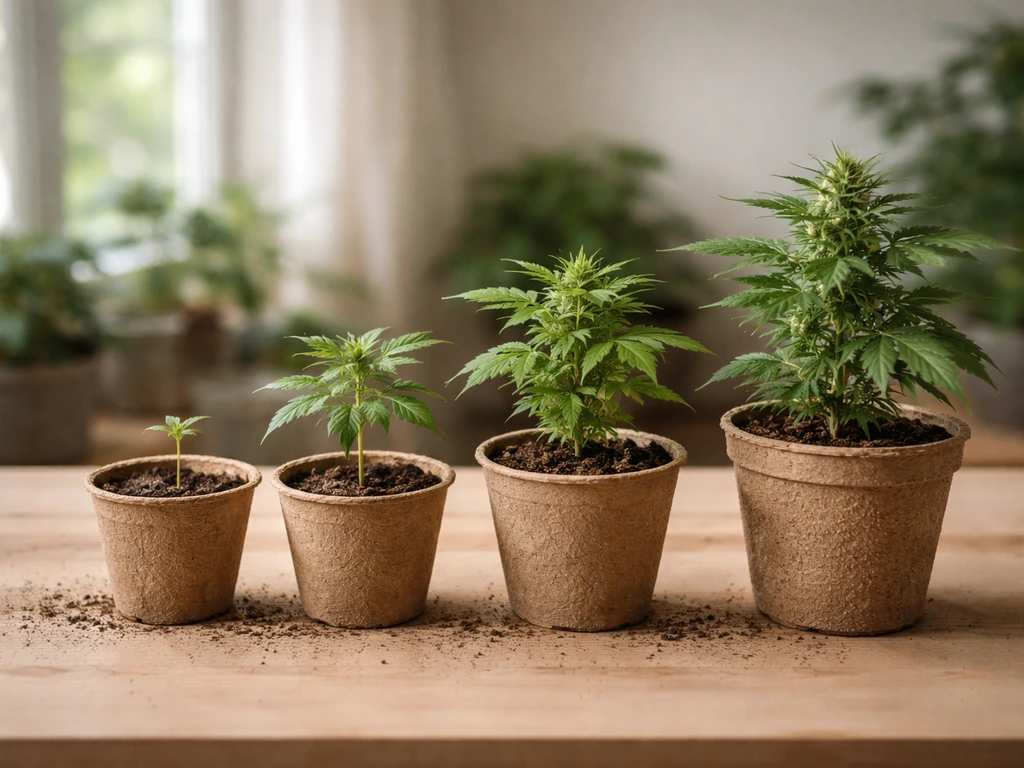
This calendar is built around a typical 9–10 week auto like Pineapple Express Auto. Adjust the timeline slightly for faster strains (Pink Panama at under 60 days) or slower ones (Auto SFV OG at 10–12 weeks).
- Week 1 (Germination and seedling): Germinate seeds in a paper towel or directly in the final container. Seedlings emerge within 2–5 days. Keep PPFD low (200–300 µmol/m²/s), humidity around 65–70%, temperature 22–26°C. No nutrients yet if using amended soil. Water lightly and infrequently.
- Week 2 (Early veg): True leaves developing. Plant starts growing quickly. Continue light watering. In hydro or coco, introduce very low-strength nutrients (EC 0.6–0.8). Introduce LST if you want to start bending; the plant is still flexible and responsive.
- Week 3 (Veg / pre-flower): Growth accelerates. If topping, this is the last safe window. Continue LST by tying down new growth as it extends. Increase PPFD toward 400–600 µmol/m²/s. In soil, you may see the first signs of nutrient demand; start half-strength veg feeding if leaves look pale.
- Week 4 (Transition / early flower): Pre-flower pistils appear. This is the start of the stretch. Switch nutrient focus toward phosphorus and potassium. Increase watering frequency as the plant's demand rises. PPFD can start moving toward 600–700 µmol/m²/s.
- Week 5–6 (Flower development): Buds forming and stacking. This is the most nutrient-demanding period. Feed consistently at your target EC (1.4–1.8 in coco/hydro). In soil, feed every other watering with bloom nutrients. Monitor humidity: keep it below 55% as buds develop.
- Week 7–8 (Bulk and ripening): Buds gaining weight and density. Trichomes turning from clear to cloudy. Reduce nitrogen further. In dense-bud strains like Triple G, drop humidity to 40% to prevent mold. Defoliate any large fan leaves blocking airflow if not done already.
- Week 9–10 (Flush and final ripening): If flushing, switch to plain pH-correct water for the final 1–3 weeks. Watch trichomes under a loupe or jeweler's magnifier: mostly cloudy trichomes mean peak THC; some amber means more relaxing/sedative effect. Harvest when trichome profile matches your preference.
- Harvest day: Cut, trim, and hang in a dark space at 60–65% humidity and 18–20°C for 7–14 days of slow drying. Cure in sealed jars for at least 2 weeks after that for best flavor.
Common problems and how to fix them
Slow start or stunted seedling
If your seedling isn't growing after the first week, the most likely causes are overwatering, soil that's too dense and airless, or temperatures below 20°C. Check that water is draining freely, and let the medium dry out more between waterings. Add a small fan for air circulation. If temps are low, move the container closer to the light or add a heat mat under the pot. Seedlings don't need nutrients yet, so don't add fertilizer to try to fix a slow start.
Nutrient burn
Leaf tips turning brown or crispy, especially on the newest growth, almost always means too much fertilizer. Flush with plain water at correct pH, then come back with nutrients at 50% of your previous dose. Autos are sensitive to overfeeding, particularly in the first 3–4 weeks. When in doubt, feed less.
Nutrient deficiency
Yellowing lower leaves that moves upward is usually a nitrogen deficiency, common in late flower and often intentional near harvest. Yellowing between the veins of upper leaves (with green veins remaining) points to a magnesium or iron deficiency, often caused by pH being out of range rather than a lack of the nutrient itself. Check and correct your pH first before adding supplements. In hydro or coco, pH lockout between 5.5 and 6.5 is the most frequent cause of mid-grow deficiency symptoms.
Environment problems (heat, humidity, CO2)
Autoflowers thrive at 22–28°C during lights-on and 18–22°C during lights-off. Above 30°C, growth slows and terpenes degrade. High humidity above 60% in flower, especially with dense buds, invites botrytis (bud rot). If you're running a dense-bud strain like Triple G Automatic, take the Royal Queen Seeds advice seriously and target 40% humidity in the final weeks. A basic temperature and humidity monitor in the tent costs very little and removes a lot of guesswork.
Pests
Fungus gnats are the most common indoor pest for soil growers. They're attracted to wet topsoil and their larvae damage roots. Let the top inch of soil dry completely between waterings to interrupt their life cycle, and use yellow sticky traps to monitor populations. Spider mites appear when conditions are hot and dry. They leave fine webbing on undersides of leaves. Treat early with neem oil or insecticidal soap before they establish. Because autoflowers have a short life, a pest problem caught in week 6 has a much bigger impact than it would on a photoperiod plant with months left to recover.
Mold and bud rot
Botrytis starts inside dense buds and shows up as grey-brown, mushy tissue that spreads fast. Remove affected material immediately with clean scissors, sterilizing the blades between cuts. Increase airflow and drop humidity. Prevention is the only real solution: keep humidity under 50% during flower, ensure air movement reaches the interior of the canopy, and remove large fan leaves that trap moisture around developing buds. If mold appears during harvest week, harvest immediately rather than waiting for the ideal trichome window.
Where to go from here
If you're just getting started, pick Pineapple Express Auto from Fast Buds, a 3-gallon fabric pot, a quality amended soil, and an 18/6 light schedule. If you want the easiest option overall, look for a forgiving beginner-friendly autoflower like Pineapple Express Auto what is the easiest autoflower to grow. That combination removes most of the variables that trip up new growers.
Once you've done a run or two and understand how your environment behaves, you can start dialing in hydro or coco for higher yields, experimenting with LST for better canopy control, or chasing faster genetics like Pink Panama for back-to-back harvests. If you want the best autoflowers to grow for speed and predictable scheduling, Pink Panama is one of the top choices to compare.
The topics that tend to matter most after your first grow are understanding when autoflowers grow the most aggressively (so you can time training and feeding correctly), getting your soil or medium dialed in before you pop seeds, and understanding the full indoor timeline so you can plan your space and schedule realistically. Those details make the difference between a decent first harvest and consistently great ones.
FAQ
Which autoflower is the best choice for a small tent or cabinet, where height is the biggest constraint?
If your goal is the “best auto flower to grow” for most beginners, prioritize a strain that stays short in common pot sizes (around 1 m or less), not just one with high yield per square meter. For example, compare the breeder’s height range for a fabric pot in typical home setups, then choose the one that still fits your tent with margin after you account for pot height and light distance.
Can I run autos on a perpetual schedule for repeated harvests without ruining growth?
Yes, but treat it as a lifestyle change, not a tweak. With autos, you typically need to avoid major photoperiod experiments (to keep growth consistent) and instead focus on spacing, staggering seed start dates, and maintaining stable light intensity, temperature, and irrigation. If you want true perpetual harvest, plan seed-to-harvest overlap so the last plant is not forced to finish under a different environment than the first.
What should I do if my auto seedling is not growing after the first week?
It can, depending on what “early” means. Seedlings that start slow for a week often recover, but if they show persistent pale, drooping growth after 7 to 10 days, it usually points to a root-zone issue (overwatering, cold temps, dense soil, or a too-strong EC in coco/hydro). Do not add nutrients to fix a slow start, instead correct water amount, temperature, and airflow first.
How do I know whether I’m watering too much or too little with autoflowers?
Use the approach you can measure and control. In soil, the finger-test and letting the top inch dry is reliable, but if your container stays wet longer than 2 to 3 days, you are likely overwatering. In coco or hydro, watch runoff behavior, salt buildup, and oxygenation instead of relying on soil feel, because both can stay “wet” while still starving roots.
How can I recover an auto if I suspect nutrient lockout or a pH-related deficiency?
For most home grows, the safest “reset” is pH-correct water first, then a reduced nutrient dose, then return gradually. If you see nutrient lockout symptoms (fast yellowing or stalling after you fertilize), correct pH immediately and flush with properly pH’d water, then restart feeding at about half-strength. If symptoms worsen after 24 to 48 hours, reassess EC and root health rather than increasing nutrients.
What’s the fastest way to correct overfeeding in coco/hydro versus soil?
If you are using coco or hydro, overfeeding mistakes often show up as burned tips on newer growth and a “crispy” look, even when the plant seems to be otherwise healthy. In that case, reduce EC and feeding frequency right away, and confirm your pH and thermometer readings. If you are in soil with a pre-amended mix, the same symptoms more often come from added fertilizer too early or too strong.
If I spot mold inside a dense bud late in flower, should I harvest immediately or wait a bit?
You usually should not “wait for perfect trichomes” if you have botrytis risk or visible mold inside dense buds. The article’s guidance is to harvest immediately when mold appears during harvest week, because the problem spreads internally and can ruin what looks salvageable externally. Then clean tools and improve airflow/humidity for the next run.
What training method is safest if I’m trying to maximize yield without risking a stunted auto?
Because autos cannot recover from major stress, the best approach is to aim for low stress and minimal interruption. In practice, that means starting LST early (around the 4th or 5th node) and avoiding topping unless you are confident about timing and plant vigor. If you do attempt heavier training, do it only on a healthy, fast-growing plant and be prepared for reduced yields.
If results are worse than expected, should I change the light schedule or the light intensity first?
Many growers accidentally “chase” the schedule instead of the plant response. Start with a reasonable baseline schedule like 18/6, then evaluate by checking canopy development and light stress signs (bleached/cupped leaves). If your plants are stretching too much, adjust intensity and distance, not just the hours. If they look stalled, verify PPFD, temperature, and root-zone conditions before changing the light cycle.
I don’t have a PPFD meter, what’s the practical way to avoid blasting seedlings with too much light?
Go by measurable targets for your environment. If you can’t confidently hit PPFD or DLI, you can still avoid common mistakes by not running high light too early (especially before seedlings are established) and by keeping temperatures and humidity stable. Once you see healthy growth, then fine-tune intensity toward the stage-appropriate ranges (seedling, veg, flower).