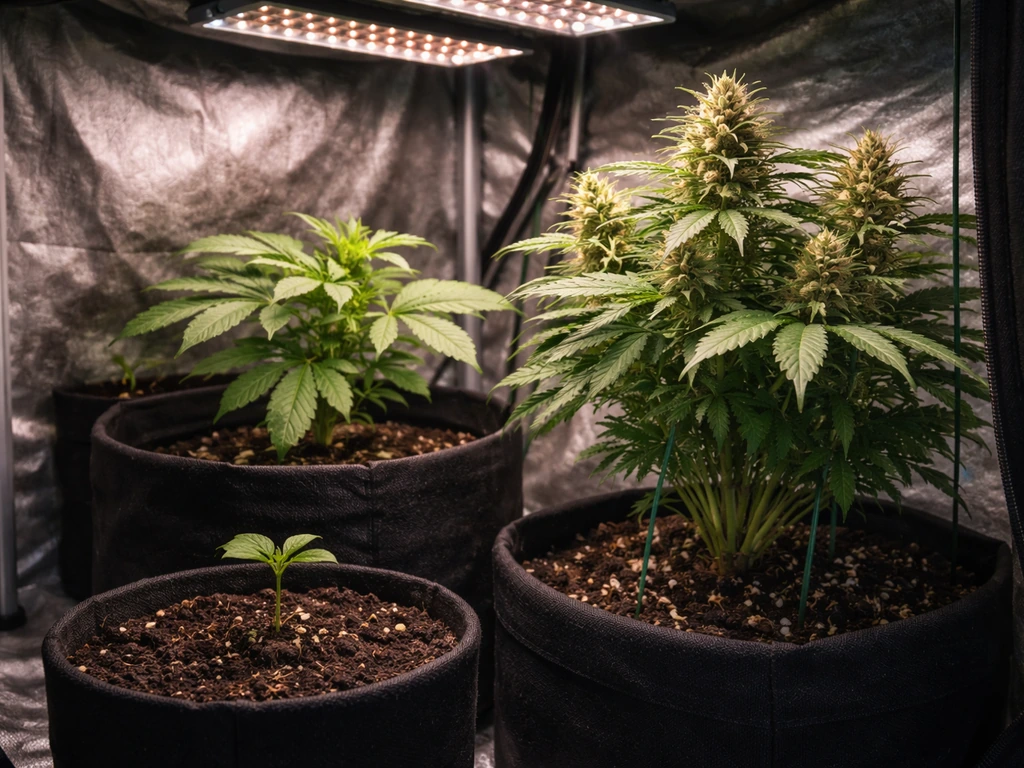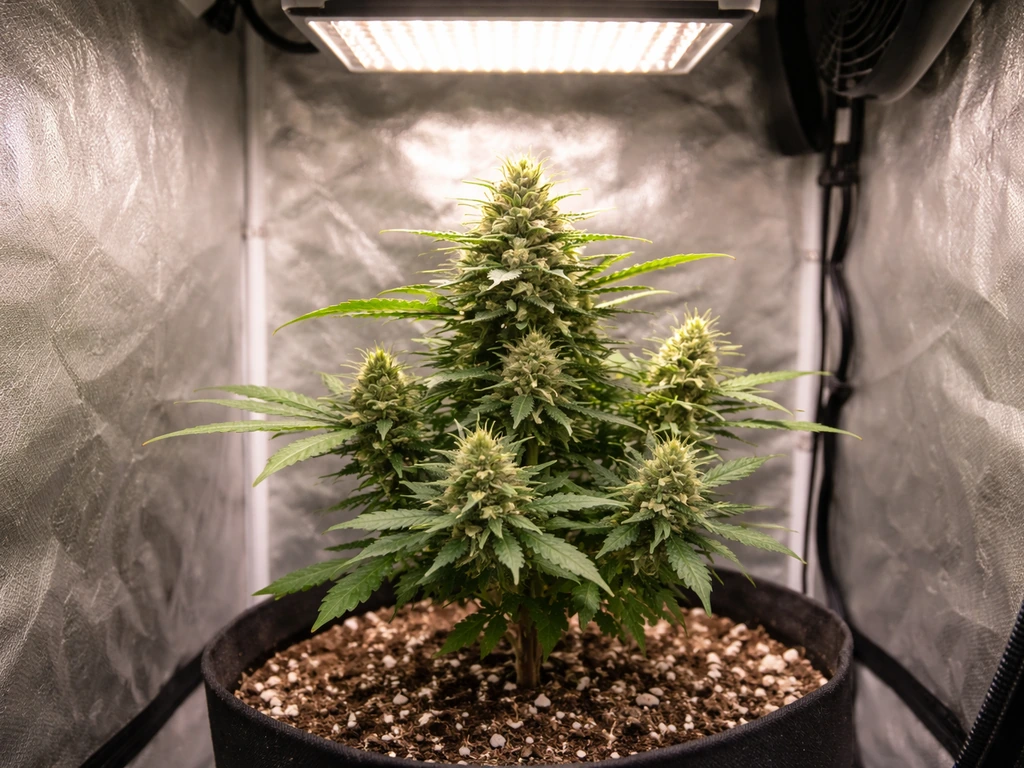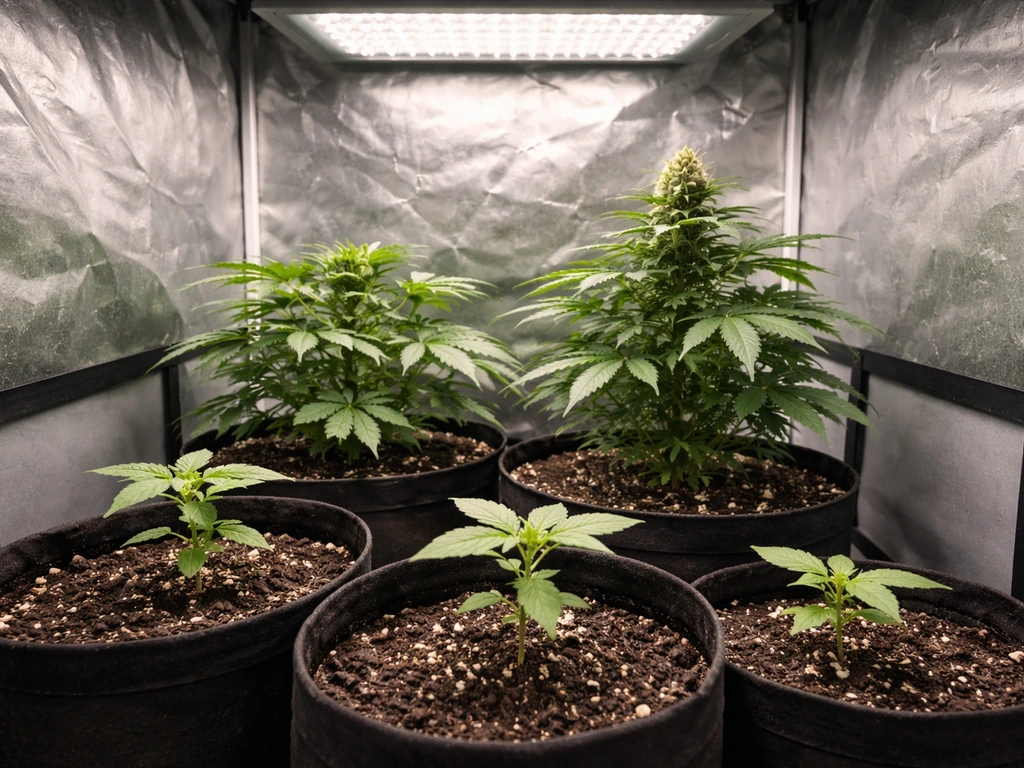
Northern Lights Auto is the easiest autoflower to grow in 2026, full stop. It germinates fast, stays compact, tolerates beginner mistakes like inconsistent watering and minor nutrient swings, and finishes in roughly 8 to 10 weeks from seed. Autoflowering cannabis varieties are typically ready to harvest in less than 10 weeks from seed, and can be as short as about 7 weeks for some [finish in roughly 8 to 10 weeks from seed](https://en. wikipedia.
What Is the Easiest Autoflower to Grow? Start With This

Marcus Holloway
24 May 2026
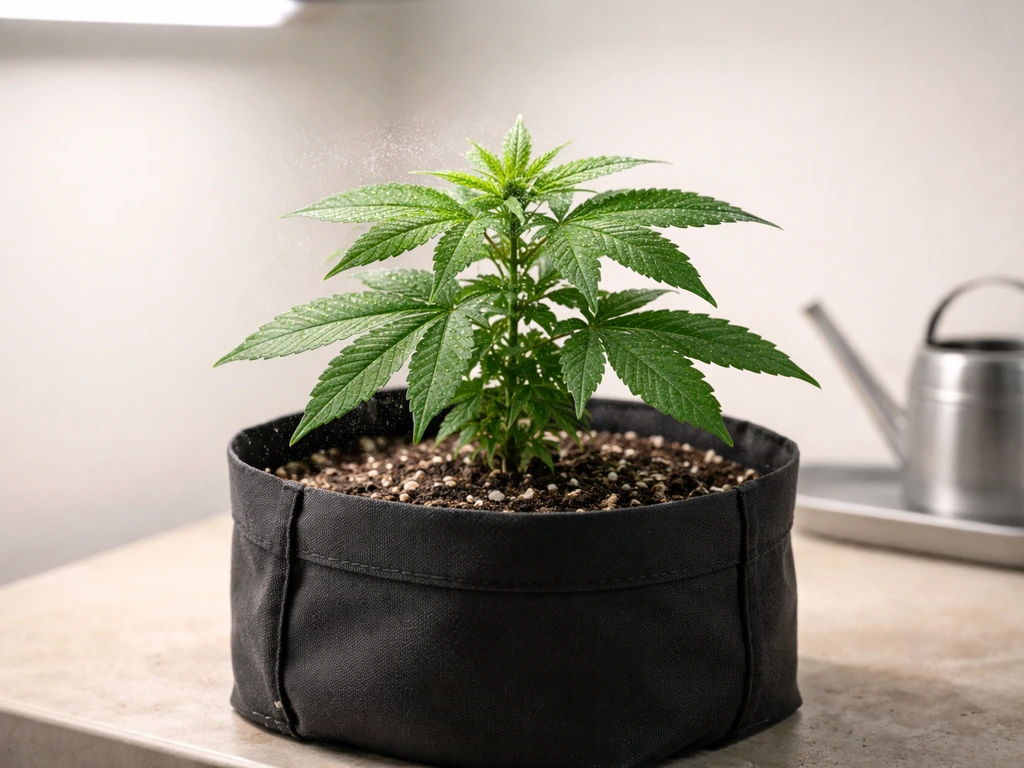
org/wiki/Autoflowering_cannabis). GrowWeedEasy also highlights that autoflowers generally complete much shorter total cycles than photoperiods and that common mistakes can add weeks, making accurate scheduling important autoflowers can finish in roughly 8 to 10 weeks from seed.
As a quick benchmark, most autoflowers grown indoors finish in roughly 8 to 10 weeks from seed, so if you are wondering [how long do autoflowers take to grow indoors](/autoflower-growing-methods/how-long-do-autoflowers-take-to-grow-indoors), that's the usual ballpark. If you want a second opinion from the plant itself, it almost never complains.
That said, 'easiest' isn't one-size-fits-all, so this guide will also match you to the right strain for your specific setup, whether you're running soil in a tent or a coco/hydro system outdoors.
What 'Easiest' Actually Means for Autoflowers
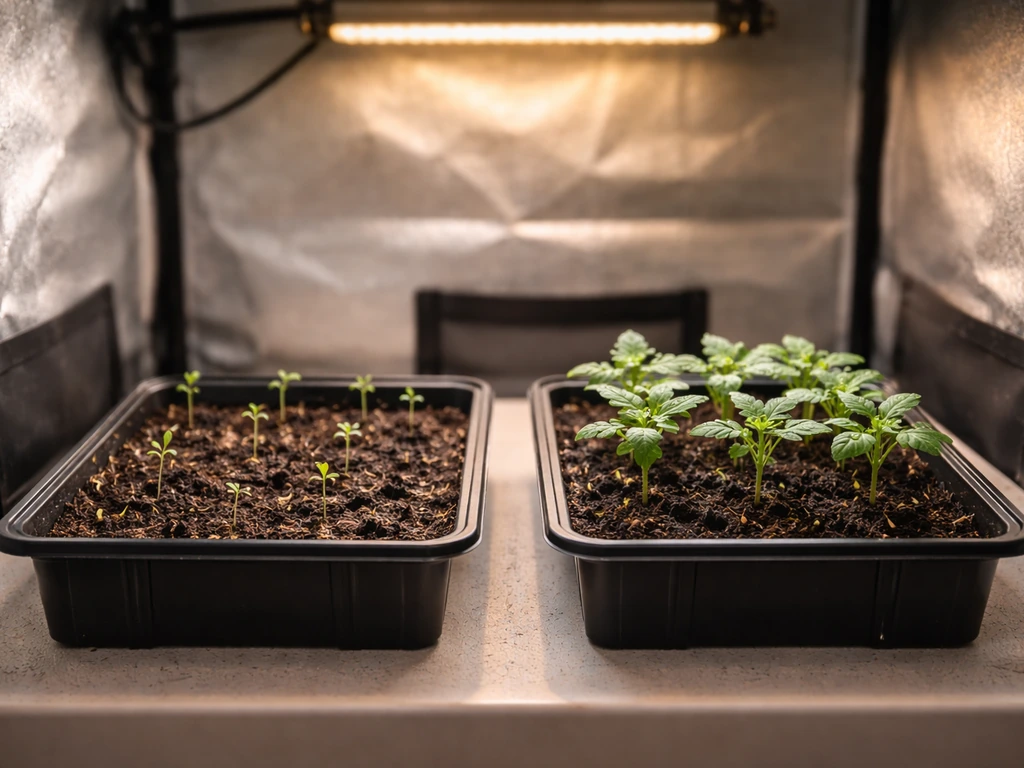
When experienced growers call a strain 'easy,' they're talking about a cluster of specific traits that reduce the number of ways you can accidentally ruin a grow. For autoflowers in particular, ease comes down to six things.
- Fast, reliable germination: seeds pop within 24 to 72 hours under basic conditions
- Resilience to beginner errors: survives minor overwatering, underwatering, or a day or two of light stress without stalling permanently
- Compact structure: stays under 90 cm so you're not fighting a canopy in a small tent
- Short lifecycle: 8 to 10 weeks from seed to harvest means mistakes have less time to compound
- Forgiving nutrient needs: performs well at lower EC levels and doesn't punish you for slight under or over feeding
- Stable, predictable growth: few phenotype variations across seeds from the same packet
Autoflowers flower based on an internal genetic clock, not a light-cycle trigger like photoperiod strains. That's already a huge advantage for beginners because you don't have to manage a flip to 12/12. But it also means mistakes don't get forgiven by 'more time.' A nitrogen toxicity event at week three in a photoperiod plant can be corrected over weeks; in an autoflower, that same week three might be right when pre-flower starts. Fast recovery time is non-negotiable in an easy auto strain.
The other thing beginners often overlook is stretch sensitivity. Some autoflowers explode vertically during the first two weeks of flower. That's not inherently bad, but it creates light management problems in small spaces. The easiest strains are compact and predictable, so you're not constantly adjusting your light height to chase a plant that doubled in size overnight.
The Best Easy Autoflower Strains to Start With
These five strains come up repeatedly in beginner recommendations for good reasons. Each one checks most of the 'easy' boxes above, and the differences between them are mostly about size, flavor, and how much yield variation you're willing to accept. If you want the fastest path to success, the best autoflowers to grow are typically compact, resilient, and forgiving through common beginner mistakes.
| Strain | Lifecycle | Height | Why It's Easy | Best For |
|---|---|---|---|---|
| Northern Lights Auto | 8–9 weeks | 60–90 cm | Extremely resilient, low nutrient demand, forgiving of light stress | First-time growers, indoor soil |
| White Widow Auto | 9–10 weeks | 70–100 cm | Stable genetics, handles inconsistent watering well | Beginners wanting slightly larger yields |
| Afghan Kush Auto | 8–9 weeks | 60–90 cm | Compact, homogenous growth, very low stretch | Small tents, low-odor grows |
| Big Bud Auto | 9–10 weeks | 80–110 cm | Minimal maintenance, basic feeding is enough | Beginners focused on harvest weight |
| Pound Cake Auto | 8–10 weeks | 70–100 cm | Minimal water and nutrient requirements, thrives with basic care | Low-maintenance indoor or outdoor grows |
Northern Lights Auto earns the top spot because of its proven track record across decades of cultivation. For many beginners, Northern Lights Auto is often the best auto flower to grow because it tends to be resilient and forgiving through common mistakes. It was bred for resilience in harsh climates and that trait carries over to indoor mistakes just as well as outdoor weather events. White Widow Auto is a close second and is worth considering if you want slightly more yield potential without significantly more complexity. Afghan Kush Auto is the pick if space is your primary constraint, since it stays tight and compact with very little stretch during flower.
Big Bud Auto and Pound Cake Auto are both excellent choices for growers who don't want to overthink feeding. Big Bud Auto essentially just needs basic nutrients and decent light; Pound Cake Auto has minimal water and nutrient requirements and tends to cruise through its lifecycle without issues. If you're the type of grower who tends to over-feed (and most beginners are), Pound Cake is worth serious consideration.
Choosing the Right Strain for Your Specific Setup
The strain that's 'easiest' for someone running a 4x4 tent under LED with Fox Farm soil is not necessarily the easiest for someone growing outdoors in a northern climate or running a deep water culture system. Here's how to match your conditions to the right choice.
Indoor Soil Grows
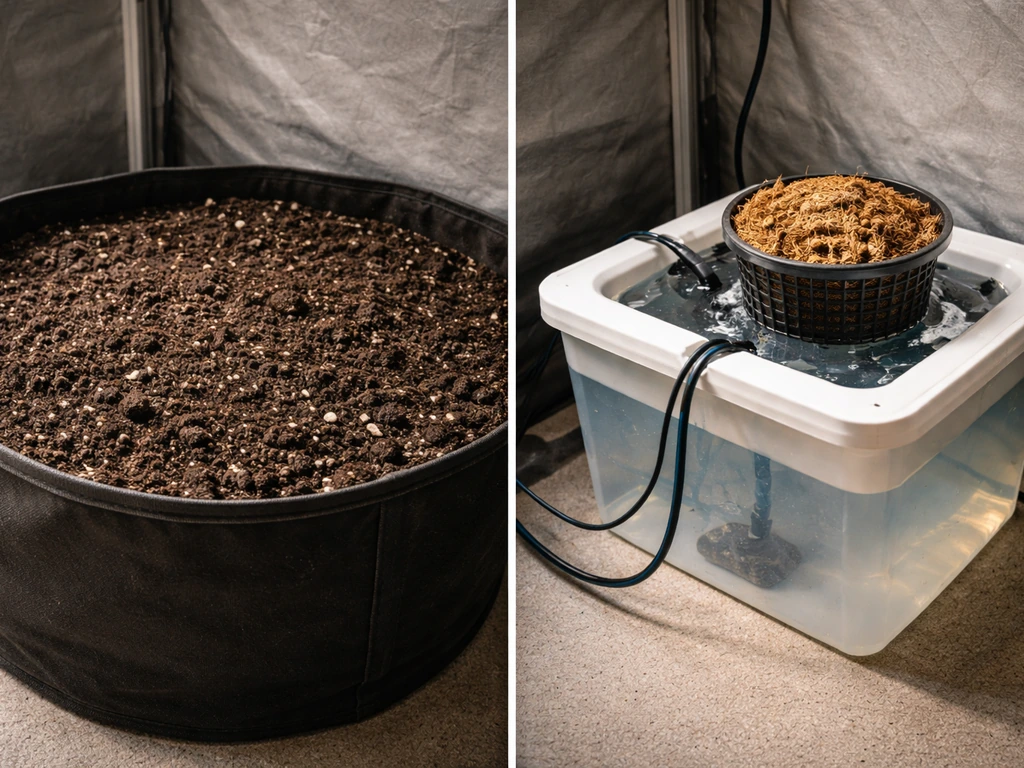
This is the most forgiving environment for a beginner autoflower grow. You control everything: light, temperature, humidity, and feeding schedule. Northern Lights Auto is the ideal starting strain here. Use a lightly pre-fertilized soil mix with a pH around 6.0 to 6.5, and you won't need to add nutrients for the first two to three weeks. A 3-gallon fabric pot gives enough root space without excess soil that holds too much moisture. Light schedule of 18 hours on, 6 hours off is a solid default because autos flower regardless of photoperiod, but 18/6 balances growth speed with electricity cost.
Indoor Coco or Hydro Grows
Hydro and coco reward you with faster growth, but they remove the buffer that soil provides. There's no nutrient reservoir in the medium itself, so you're responsible for every feed. Blue Dream Auto handles heavier nutrient solutions better than most beginner strains and is described as able to take a heavy nutrient solution without the deficiency signs that would show up quickly on a more sensitive strain. Keep your pH between 5.
5 and 6. 0 in coco or hydro, and start with lower EC values around 1. 0 to 1. 2 mS/cm during seedling stage, building up to 1.
5 to 2. 0 mS/cm by early flower. If you're new to hydro, Northern Lights Auto still works well because its low nutrient demand means any feeding mistakes are less catastrophic.
Outdoor Grows
Outdoors, the main variable is your climate and season length. Autoflowers typically take 75 to 100 days from seed to harvest outdoors, so you need to plant after the last frost date when soil temperature has warmed enough for germination. In most northern temperate zones, starting after the last frost in late May targets a late August harvest, which works well with most 8 to 10 week auto timelines.
Northern Lights Auto and Afghan Kush Auto are the outdoor picks because they were specifically developed for resistance to harsh climates. White Widow Auto also performs well outdoors if your season is stable. Avoid Blue Dream Auto outdoors in short-season climates since it may push toward the upper end of its timeline.
A Beginner-Friendly Grow Plan from Seed to Harvest
This plan is built around Northern Lights Auto in a 3-gallon fabric pot with a quality pre-amended soil mix, under an 18/6 light schedule indoors. Adjust the outdoor and hydro notes where relevant to your setup.
Week 1: Germination and Seedling
Germinate directly in your final container to avoid transplant stress, which can trigger early flowering or growth stalls in autoflowers. Plant the seed about 1 cm deep in lightly moistened soil. Keep germination temperature between 75 and 78°F using a heat mat if your space runs cooler. A mildly pre-fertilized starting mix at around pH 6.0 is ideal. Don't add any nutrients yet because the soil has enough for the first two to three weeks. Cover the pot with a clear dome or plastic wrap to retain humidity and check daily. Most seeds emerge within 2 to 4 days.
Weeks 2 to 3: Early Vegetative
Once the seedling has its first set of true leaves, remove the dome and let it breathe. Water in a ring around the plant rather than directly at the stem to encourage root spread outward. Water only when the top inch of soil feels dry. At this stage, less is more with water. Autoflowers around 3 weeks old often show the first signs of pre-flower (tiny white pistils at the nodes), so don't stress about training unless you're doing very light low-stress training (LST). Avoid any high-stress techniques like topping or heavy defoliation on your first grow.
Weeks 4 to 6: Flower Stretch and Early Bud Development
This is when the plant puts on most of its height and bud sites appear. Introduce nutrients gently at around half the recommended dose and build up based on how the plant responds. Watch for yellowing lower leaves (normal as the plant redirects energy upward) versus yellowing new growth (a sign of deficiency or pH lockout). Keep the pH in range consistently because this is the growth stage where a pH drift causes the most visible damage. If you're running LST, gently tie down any dominant shoots to keep the canopy even and let lower bud sites access more light.
Weeks 7 to 8: Peak Flower and Ripening
Buds are stacking and trichomes are developing. Reduce nitrogen in your feed and shift toward phosphorus and potassium-heavy formulas (bloom nutrients). Keep humidity below 50% during this phase to reduce mold risk, especially if buds are dense. Watch trichomes under a jeweler's loupe or digital microscope: clear trichomes mean not ready, milky white means peak potency, and amber means the effect is shifting toward more sedative. Most beginners harvest a bit early from excitement, so be patient and wait for at least 70 to 80% milky trichomes before cutting.
Harvest, Dry, and Cure
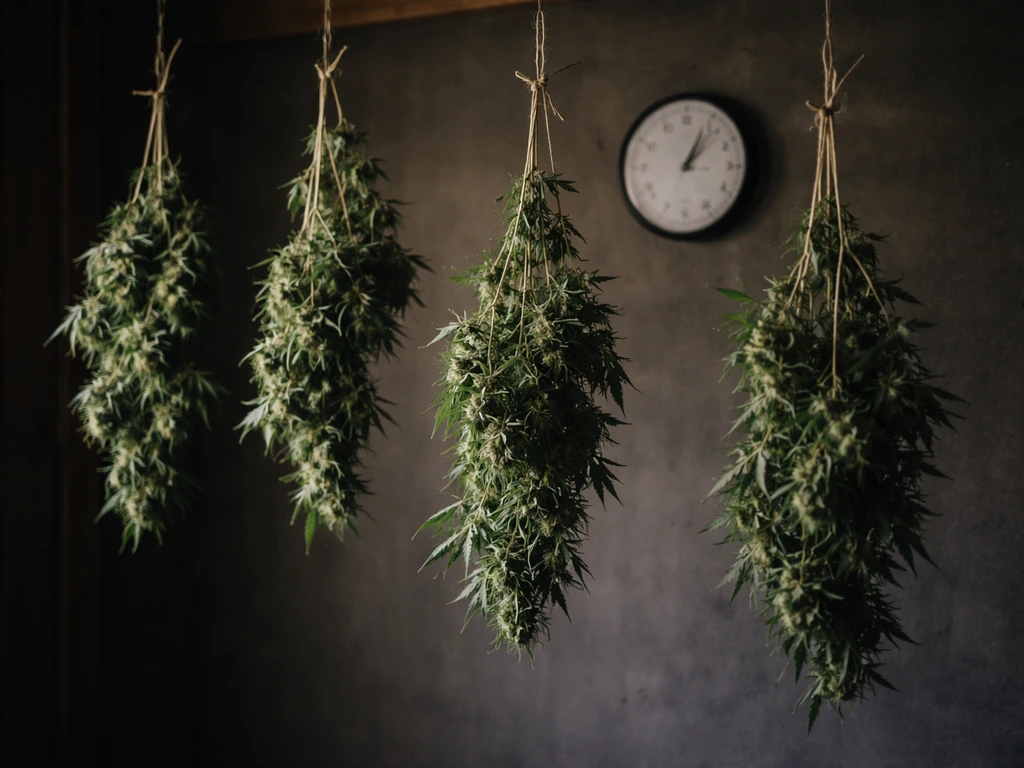
Cut branches or the whole plant at the base. Hang dry in a dark space at around 60 to 65°F and 55 to 60% humidity for 7 to 14 days until small stems snap rather than bend. Then trim and cure in glass jars, burping daily for the first week. Don't rush this step. A proper dry and cure transforms the quality of what you grew significantly more than most in-grow optimizations.
Light, Nutrients, and Environment Targets
Autoflowers are more forgiving than photoperiods, but they still have a sweet spot for environmental conditions. Hitting these targets consistently is what makes a good grow repeatable, not just lucky.
Light
An 18/6 schedule is the standard starting point. Some growers run 20/4 or even 24/0, and because autos flower by age rather than light change, any of these can work. The trade-off is electricity cost versus growth speed. For most beginners, 18/6 gives the plant a rest period and keeps heat and power costs manageable. For intensity, target around 400 to 600 PPFD during seedling and early veg, ramping up to 800 to 1000 PPFD during peak flower if your light and space allow. LED panels with a decent footprint work well; cheap blurple panels are limiting, but a quality mid-range LED is more than enough for a beginner grow.
Temperature and Humidity
Keep daytime temps between 70 and 82°F for most of the grow. Plants can handle up to 85°F if humidity is low and air movement is strong, but that's pushing it for a beginner setup. Nighttime temps can drop 10 to 15°F without major issues. For humidity, keep it around 60 to 70% during seedling, drop to 50 to 60% during veg, and bring it below 50% by mid-flower. A VPD range of 0.8 to 1.2 kPa covers most of the grow comfortably and keeps stomata functioning well without stressing the plant.
Nutrients and pH by Stage
| Growth Stage | Soil pH | Coco/Hydro pH | Target EC (mS/cm) | Notes |
|---|---|---|---|---|
| Seedling (weeks 1–2) | 6.0–6.5 | 5.5–6.0 | 0.4–0.8 | No added nutrients if using pre-amended soil |
| Early Veg (weeks 2–3) | 6.0–6.5 | 5.5–6.0 | 0.8–1.2 | Begin light feeding at half dose |
| Late Veg / Pre-Flower (week 3–4) | 6.0–6.5 | 5.5–6.0 | 1.2–1.5 | Gradually increase, watch for tip burn |
| Early Flower (weeks 5–6) | 6.0–6.5 | 5.5–6.0 | 1.5–2.0 | Shift to bloom formula, reduce nitrogen |
| Peak / Late Flower (weeks 7–9) | 6.0–6.5 | 5.5–6.0 | 1.2–1.8 | Taper feed, some growers flush last week |
Autoflowers prefer lower EC levels than photoperiod strains. A common beginner mistake is following the nutrient manufacturer's 'recommended dose' exactly from the start. Most nutrient lines are written for photoperiod plants, which are larger and hungrier. Start at half dose and increase only if the plant shows clear signs of deficiency, not on a schedule.
Common Mistakes and How to Fix Them Fast
Most autoflower failures trace back to a small set of recurring problems. Here's what to look for and what to do when you see it.
Slow Growth or Stalling
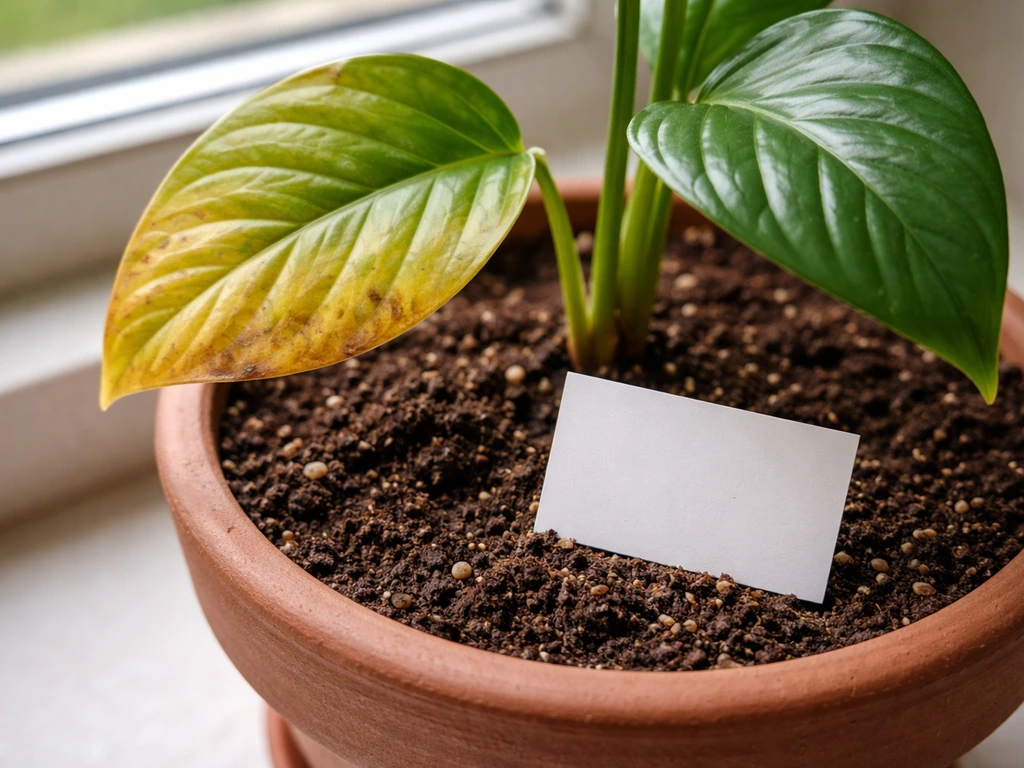
If your plant seems frozen for several days, overwatering is the most common cause. Pick up the pot: if it's heavy, the roots don't have access to oxygen and the plant is basically holding its breath. Let it dry out completely before the next watering. pH drift is the second most common cause. Even if you mixed your nutrient solution correctly, pH can drift in the reservoir or soil over time. Always check and adjust pH going into the medium, not just when you mix. A pH problem that causes nutrient lockout can stall a plant for a week or more, and in an autoflower, that's a significant chunk of your total grow time.
Leaf Yellowing and Discoloration
Yellow lower leaves during mid-flower are normal as the plant cannibalizes older growth. Yellow new growth at the top is not normal and usually points to a pH-related lockout, magnesium deficiency, or iron deficiency. Yellowing with brown crispy edges often indicates nutrient burn from too-high EC. Pale, washed-out leaves with no obvious pattern can mean light bleaching from a fixture that's too close. Move the light up, check pH, and reduce EC before adding more nutrients.
Excessive Stretch
If your plant stretches dramatically in the first two weeks of flower, the most likely cause is insufficient light intensity or a light that's too far away. Autoflowers don't need a light flip, but they still respond to light intensity the way any cannabis plant does. Bring the light closer (check the manufacturer's recommended distance and PPFD) and make sure you're not blocking light with poor canopy management.
Root Problems in Hydro
Brown, slimy roots in a hydro system usually mean root rot from either light leaks into the reservoir, warm reservoir temperatures, or insufficient dissolved oxygen. Keep reservoir temps below 68°F, use an air stone with a decent pump, and make sure absolutely no light reaches the root zone. Beneficial bacteria products (like Hydroguard) can help prevent and treat mild cases, but severe root rot is very hard to reverse in a fast-cycling autoflower.
Pests and Disease Basics
The most common pest threats for beginner autoflower grows are fungus gnats (caused by consistently wet topsoil), spider mites (caused by low humidity and poor airflow), and aphids (especially outdoors). Fungus gnats are managed by letting the top inch of soil dry out between waterings and using yellow sticky traps to monitor. Spider mites are knocked back with neem oil or insecticidal soap, ideally caught before they establish a colony. Outdoors, inspect the undersides of leaves weekly because pest populations explode faster than most beginners expect. For disease, powdery mildew is the main concern during high-humidity periods: keep airflow strong, maintain humidity below 50% in flower, and remove any affected leaves immediately.
Transplant and Container Timing Mistakes
One mistake that trips up beginners is starting autoflower seeds in small cups or seedling trays with the plan to transplant later. Unlike photoperiod plants, autoflowers have a fixed clock and any transplant stress can push them into early flower before they've developed enough. Always germinate directly into your final container. A 3-gallon fabric pot is the sweet spot for most compact auto strains. Larger pots hold more moisture and take longer for roots to colonize, which can slow early growth.
If you're curious about timing your grow in more detail, knowing when autoflowers grow the most and exactly how long the indoor lifecycle runs from seedling to harvest will help you plan feeds and environment changes more precisely. Peak growth usually lands during the stretch and early bud development window, when the plant is still building most of its height and structure when autoflowers grow the most.
For medium selection, the best soil for autoflowers matters a lot in the early weeks, particularly for that first no-feed window that protects seedlings from nutrient burn. If you want the best soil to grow autoflowers, aim for a light, well-draining mix that won’t stay soggy and you can usually rely on it for that first no-feed window best soil for autoflowers. Getting these foundations right is what separates a smooth first grow from a frustrating one.
FAQ
What’s the easiest autoflower to grow indoors if I have limited space and worry about stretch?
Afghan Kush Auto is usually the safest bet for tight spaces because it stays compact with minimal vertical stretch during flower, so you are less likely to have to keep raising the light every few days.
If I want the easiest autoflower but I will overwater sometimes, what strain choice helps most?
Northern Lights Auto is more forgiving if you accidentally keep the medium too wet for a cycle, because it tolerates beginner mistakes better. Still, the key fix is letting the pot dry fully before the next watering.
Can I use the same “easy auto” strain for outdoors, even if my season is shorter than 8 to 10 weeks?
Only if you can reliably fit the full lifecycle after last frost. If your season regularly ends early, consider a more compact strain like Northern Lights Auto, but still plan around the typical 75 to 100 day window outdoors and avoid autos that tend to push later.
Is it safe to start autoflower seeds in a smaller pot and “move up” later if I do it carefully?
It’s still risky, even if you minimize disturbance. Autoflowers can lock into an early flowering timeline when transplanted, so germinating in the final container is the most reliable approach.
What’s the easiest autoflower to grow in coco or hydro if I’m new and nervous about nutrient mistakes?
Northern Lights Auto can work in coco or hydro because its nutrient demand is lower, so feeding errors are less catastrophic. If you do coco/hydro, keep pH stable and start at low EC (around 1.0 to 1.2) rather than following full manufacturer rates.
How do I choose between Northern Lights Auto and White Widow Auto if my priority is not only ease but also consistency across multiple runs?
Northern Lights Auto tends to be more consistently forgiving across variable conditions. White Widow Auto can yield slightly more, but it is a touch less forgiving, so it’s better if you already have basic watering and pH habits under control.
What is the easiest autoflower if my main goal is low effort feeding and I tend to forget nutrient schedules?
Pound Cake Auto is the best match for “set it and keep it simple” feeding because it cruises with minimal water and nutrient requirements. It’s still important to monitor plant color, but you have more margin for missed feed timing.
If my autoflower looks healthy but growth suddenly stalls around week 3, what should I check first?
Check pH and possible nutrient lockout first, then verify you are not keeping the roots saturated. In autos, week 3 is a common window where a pH drift or overwatering effect becomes very noticeable because there’s less time to recover.
What’s the fastest way to prevent light-issues on an easy autoflower during early flower stretch?
Use a PPFD-based approach instead of guessing distance, since stretch is often triggered by insufficient intensity. Bring the light closer within the manufacturer’s range, and ensure nothing blocks light in the canopy.
Do I need to use an 18/6 light schedule for the easiest autoflower experience?
No, but 18/6 is the simplest starting point. Autos will flower on age regardless, so if you run 20/4 or 24/0, just expect faster heat load and higher electricity costs, and keep temps and VPD within the targets.
For beginners, what harvest timing mistake is most common and how do I avoid it?
Harvesting too early because you are excited. Wait until at least 70 to 80% of trichomes are milky, clear-only trichomes usually mean potency is not at its peak.
If I grow an “easy” auto but my humidity is high, what is the quickest mitigation step during flower?
Act on airflow and humidity immediately, aim below 50% by mid-flower, and remove any affected leaves as soon as you see mildew signs. High humidity turns dense buds into a mold risk faster than most beginners expect.